6 Overpriced Menu Items – and What You Should Order Instead
You sit down, open the menu, and suddenly feel a quiet suspicion creeping in. That pasta dish is $18. The Caesar salad is $16. The soda is $4. Honestly, something feels off. Dining out has always meant paying more than cooking at home, and most of us are totally fine with that trade-off. You pay for the experience, the service, the ambiance. Fair enough.
What is less fair is how certain menu items have quietly turned into cash cows for restaurants, with markups so extreme they would make your grocery store blush. From 2019 to 2024, restaurant-related costs including ingredients, labor, utilities, and fees increased significantly, forcing many operators to pass along major price increases to consumers. The result? A handful of menu items that cost nearly nothing to make but arrive at your table wearing a shockingly inflated price tag. Let’s dive in.
1. Fountain Soda – Order Water or Iced Tea Instead
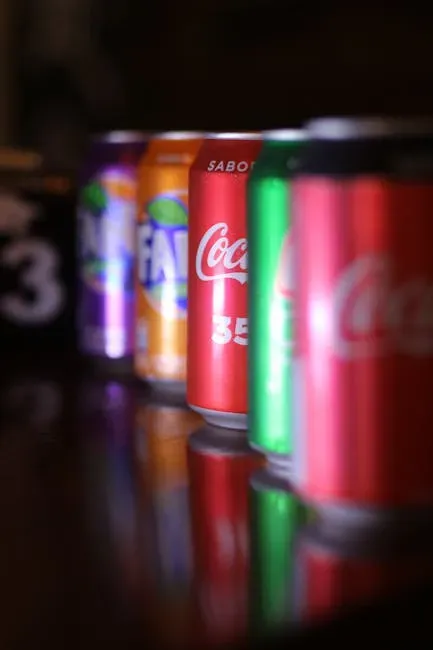
Let’s be real: a fountain soda is the single greatest pricing trick in the entire restaurant industry. The cup, the ice, the splash of syrup and carbonated water – it’s all assembled for pennies. The markup on a restaurant fountain soda sits at around 1,125%. That is not a typo.
It costs the restaurant about $0.25 to $0.40 per soda to produce. If the establishment charges you $3 or $4, you’re paying for a markup of nearly 1,000%. Think of it this way: if you ordered four sodas for a table of four, you’ve essentially paid for a full appetizer just in drinks alone.
Fountain drinks consistently offer profit margins exceeding 80%, often surpassing 90%. The cost of goods for a single serving, including the syrup, water, CO2, and cup, is mere pennies, while the retail price is typically several dollars. Instead, ask for still water, which is free, or order an iced tea, which tends to carry a more reasonable markup at most restaurants.
It’s hard to say for sure whether anyone actually feels good about paying $4 for a Coke. But most of us do it anyway, almost reflexively. Next time, try not to. Your wallet will quietly thank you.
2. Caesar Salad – Order a Soup or a Composed Salad Instead
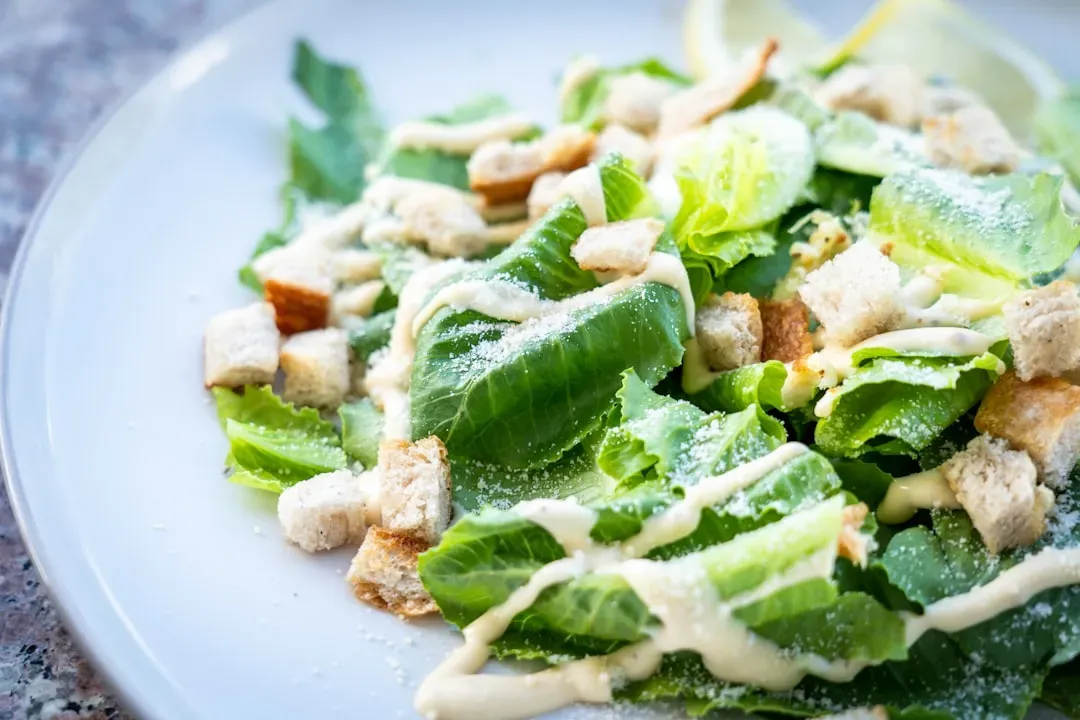
The Caesar salad has a certain magic to it. The name sounds prestigious, the presentation is clean, and everyone seems to love it. Here is the uncomfortable truth: a $17 Caesar salad on a menu is not unusual, and that premium pricing is being charged for romaine lettuce, a sprinkle of parmesan, and mass-produced dressing.
The actual cost to the restaurant for a Caesar salad is probably around $2 to $3 total. Most establishments know they can get away with this markup because Caesar salads have a fancy-sounding name. It’s a brilliant con, honestly. Romaine is one of the cheapest lettuces available, and croutons are essentially stale bread that would otherwise be thrown away.
A chicken Caesar salad at a casual restaurant typically costs around $10 to $12, consisting of an 8-ounce chicken breast, chopped romaine, Caesar dressing, a pinch of Parmesan, and croutons. You can make the same salad with the same quality ingredients at home in about 20 minutes for around $3. If you do want to order a salad at a restaurant, look for composed options that include roasted vegetables, legumes, or quality proteins. Those dishes genuinely cost more to make, and the value feels proportional.
Alternatively, go for a soup. Thick soups like gumbo or chowder are more expensive to make but often the same price as simpler items for the customer. That is where the real value hides on most menus.
3. Pasta Dishes – Order a Protein-Based Entree Instead
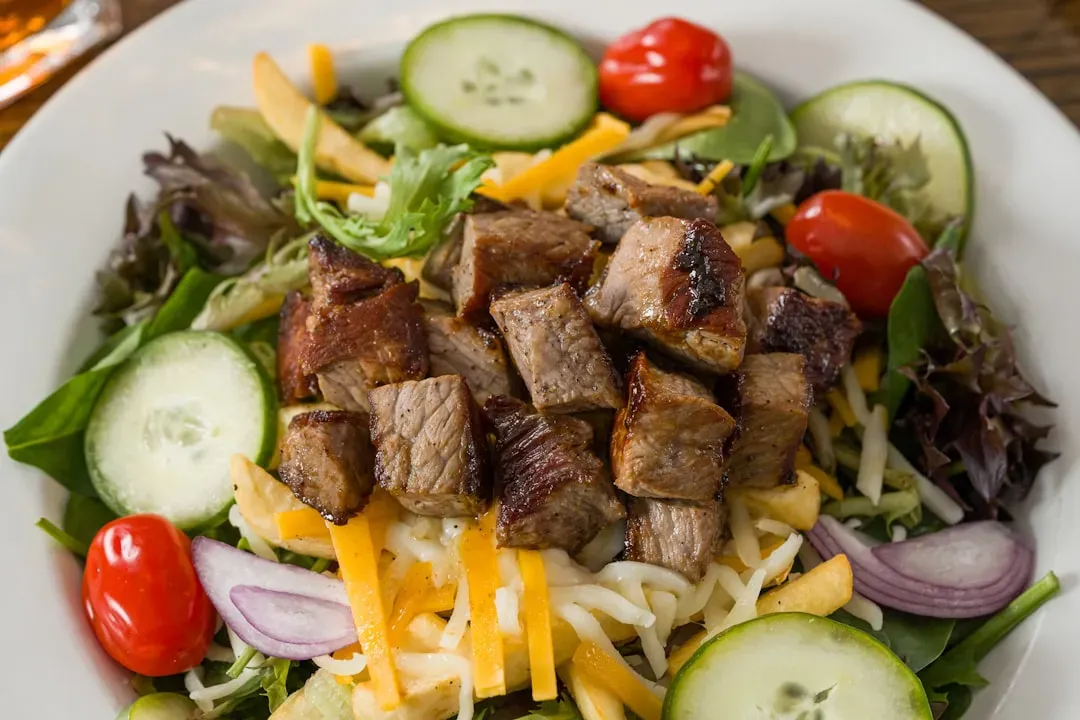
Pasta might be the most beloved food on earth, and restaurants know it. Pasta dishes are also, unsurprisingly, among the most profitable things a kitchen can put on the menu. Pasta typically increases profit margins because it has around a 15% food cost compared to its menu prices. That means for every $15 pasta dish sold, the ingredients themselves cost roughly $2 or $3.
A serving of dry pasta only costs about 25 cents, and even with a homemade sauce, each serving will only cost about $1.43. Unless a restaurant is going through the labor of making its pasta from scratch, a $13 pasta dish is marked up more than 800%. Ouch. Homemade fresh pasta is genuinely worth paying for, but if you’re at a chain restaurant or a casual Italian spot, you’re almost certainly eating bulk dried pasta with a jarred or pre-made sauce.
An entire box of dried pasta costs less than $3 and can feed a whole family, yet restaurants are charging upwards of $15 for one serving. The smarter move? Order a protein-based entree instead, like a grilled fish, braised short rib, or even a steak. Steaks and meats often have a 50% food cost because ingredients are expensive, which means the markup is far more reasonable and you are getting genuinely hard-to-replicate culinary value.
4. The Wedge Salad – Order Shrimp Cocktail or a Shared Appetizer Instead
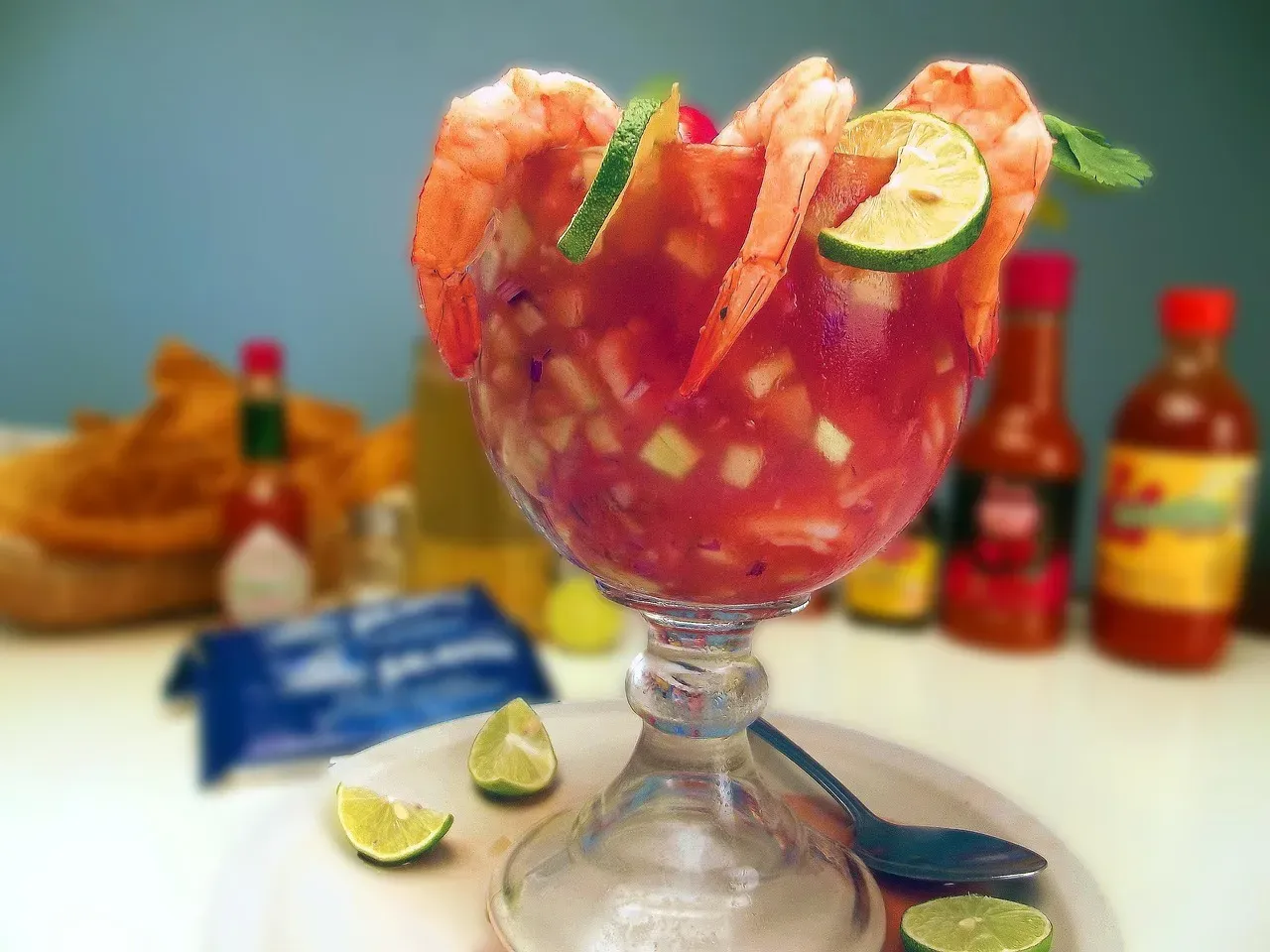
Here is a menu item that is almost philosophically overpriced. A wedge salad is, in its most honest form, a quarter of an iceberg lettuce head with some blue cheese dressing poured on top. The iceberg wedge salad might be the greatest restaurant magic trick ever performed. Restaurants literally serve you a quarter of a head of lettuce – the cheapest, least nutritious lettuce variety – drizzle some dressing on top, and charge $14.
New York’s Delmonico restaurant charges $28 for a wedge salad. Even with premium garnishes, that number is difficult to justify. Considering iceberg lettuce is 96% water, this starter is rarely filling enough to merit its price. It is the restaurant equivalent of selling you a glass of air with a fancy label on it.
I think the wedge salad survives purely on nostalgia and steakhouse tradition. If you’re at a proper old-school steakhouse and the wedge comes with house-cured bacon and real Roquefort, maybe it earns its place. Otherwise, skip it. Shrimp cocktail was a symbol of luxury dining, and while this retro appetizer is making a comeback, it’s bringing sky-high prices with it. Still, a shrimp cocktail at least gives you real protein and genuine ingredient costs behind the price.
5. Brunch Omelets and Egg Dishes – Order Avocado Toast or a Grain Bowl Instead
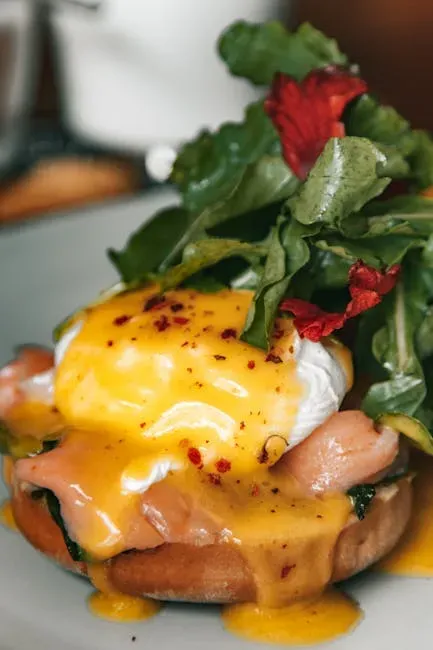
Sunday brunch has become a cultural institution, and restaurants have figured out how to monetize that ritual perfectly. The problem is that eggs are among the cheapest proteins on the planet, and a basic omelet requires almost zero culinary sophistication to execute. Think twice before you order an omelet the next time you go out for brunch. One chef noted that the profit margin for an egg scramble is 80%.
Take San Francisco’s Crepevine as an example. They charge $17 for a basic omelet with potatoes and toast, ingredients that probably cost them less than $4. That is a staggering gap for a dish that takes about four minutes to cook. Restaurants lean on the brunch crowd hard because people tend to be relaxed, slightly tired, and not in a cost-calculating mood on a lazy Sunday morning.
Eggs cost an average of $3.60 per dozen, putting them at roughly $0.30 each, yet restaurants capitalize on trendy brunch-goers who don’t have the energy to cook or clean on a Sunday morning. The better move at brunch is to gravitate toward dishes that include genuinely labor-intensive prep, like grain bowls, avocado toast with fermented accompaniments, or shakshuka. Those items reflect actual kitchen effort in a way that a plain omelet simply does not.
6. Basic Pasta Sauce Dishes and Chicken Entrees – Order the Chef’s Special or a Braised Dish Instead
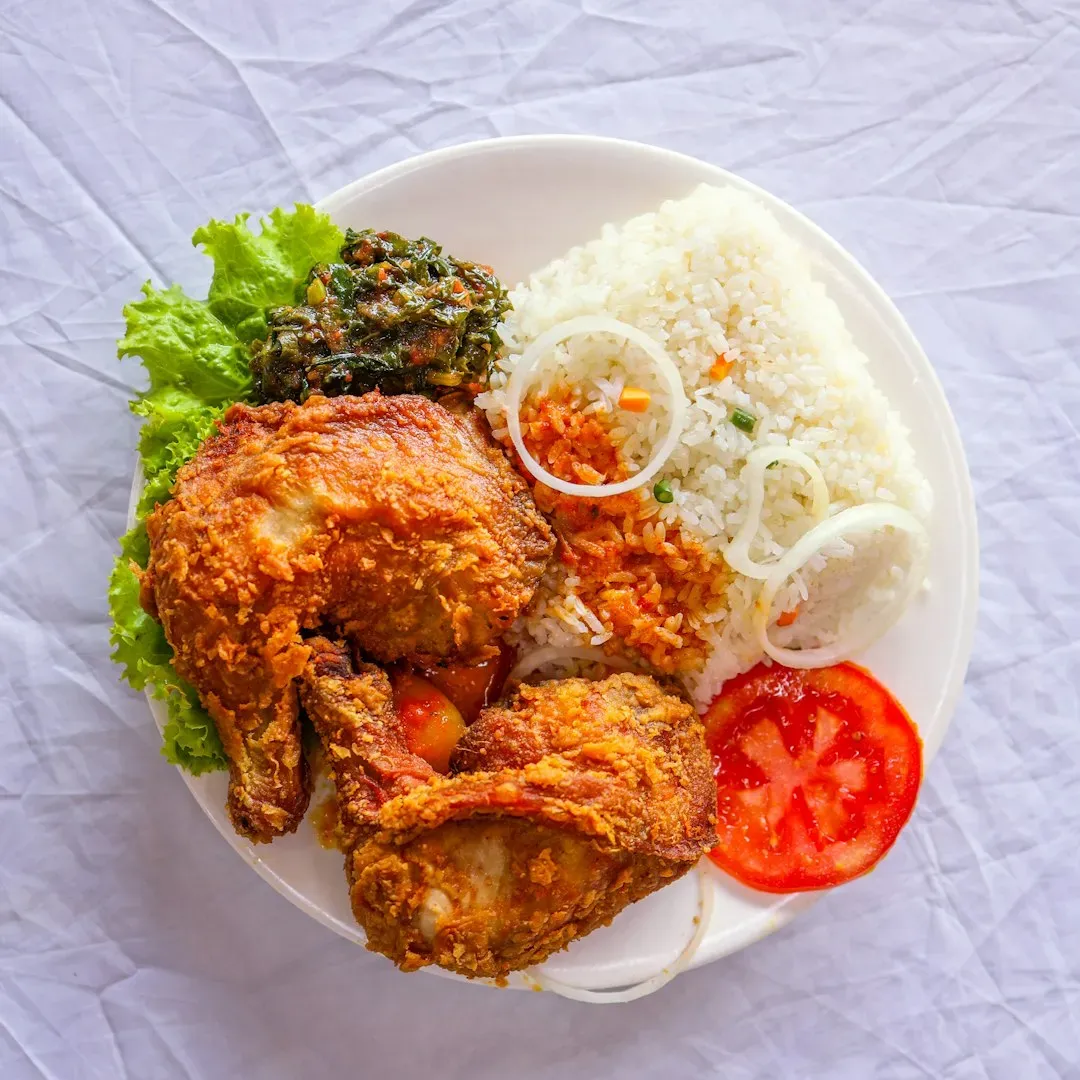
Plain grilled chicken at a restaurant is one of the most quietly overpriced things you can put in your mouth. It sounds healthy, it seems safe, but insiders know the truth. Restaurant consultants have noted that there is “typically nothing unique about the preparation of chicken that is worth your attention on the menu.” At the same time, a Food Network survey of chefs found that among all the items on the menu, they were least likely to order pasta and chicken.
The markup on chicken tenders makes them among the most profitable foods for restaurants. For example, two chicken soft tacos with chipotle mayo and a side of black beans sells for about $10, as does a crispy chicken salad, with those dishes costing the kitchen less than $3.50 each. You are essentially paying a premium for something that is genuinely easy to replicate at home with a cast iron pan and a $5 chicken breast from the grocery store.
Instead, go for braised dishes, ragus, slow-cooked short ribs, or the daily special. These items require hours of actual cooking, skilled preparation, and expensive cuts or reduction techniques that you genuinely cannot replicate easily at home. Within the restaurant industry, it’s commonly believed markups should be 300%, but many items are priced far higher than they should be. The daily special is often where chefs put their best ingredients and most creative work, and the pricing frequently reflects a fairer markup because it is designed to move quickly and minimize waste.
The bottom line is simple. As of mid-2025, the Consumer Price Index for food away from home has risen nearly 4% year-over-year, and that pressure is not going away anytime soon. Dining out is genuinely more expensive than it used to be, which makes knowing where the real value hides all the more important. Spend your money on dishes that require real skill, complex ingredients, or time-intensive preparation. Skip the soda, the wedge, and the plain omelet. The restaurant will still make a healthy profit, and you’ll walk out feeling like you actually got something worth the bill.
What dish have you ordered at a restaurant only to feel quietly ripped off afterward? Drop your thoughts in the comments.