The Empty Cart Strategy: Why Smart Shoppers Avoid These 5 Sections
Most people walk into a grocery store with the best intentions. A list. A budget. A firm inner voice saying, “I’m only getting what I need.” Then, somehow, they walk out forty dollars over budget with three things that weren’t on the list and a vague sense of shame near the checkout. Sound familiar?
It turns out, that’s not an accident. Supermarkets are extraordinarily well-designed environments built to separate you from your money, section by section, aisle by aisle. A LendingTree survey of 2,000 people found that roughly nine in ten shoppers say they’re approaching grocery aisles differently as prices continue to grow. Yet awareness alone isn’t enough. The real edge belongs to people who know exactly which parts of the store to skip entirely. Let’s dive in.
The Snack and Beverage Aisle: The Biggest Budget Killer in the Store
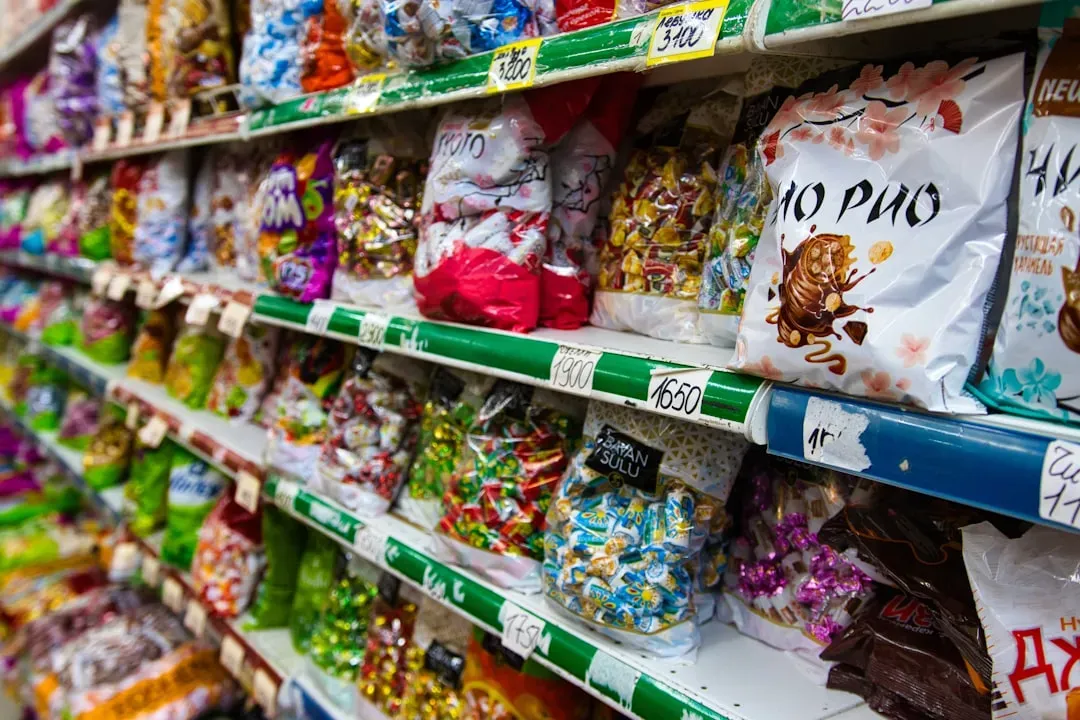
Let’s be real. The snack and beverage aisle is essentially a velvet trap dressed in bright colors and familiar brand logos. The snack and chip aisle is perhaps one of the most popular and frequented sections of a grocery store, holding irresistible treats that often cater to impulsive purchases, filled with chips, pretzels, popcorn, and other savory snacks that appeal to a multitude of taste buds.
The pricing in this section is where things get quietly brutal. The cost per ounce of processed snacks is high compared to buying raw ingredients. Think about that the next time you grab a tiny bag of branded trail mix for nearly five dollars. The same nuts in bulk would cost a fraction of the price.
Bottled water, flavored teas, and sports drinks add up rapidly, with individual bottles of kombucha or premium alkaline water costing three to four dollars apiece, and a family can easily spend thirty dollars a week on liquids alone if they rely on the supermarket. That is genuinely shocking math when you map it out across an entire year. Smart shoppers sidestep this section almost completely, grabbing only what is firmly on the list and nothing else.
Data from the retail analytics firm 84.51° shows that roughly seven in ten consumers in late 2024 reported looking for sales, deals, and coupons more often, while more than half reported cutting back on non-essentials. The snack aisle is prime non-essential territory, and the numbers clearly show that savvier shoppers are beginning to recognize that.
The Prepared Foods and Deli Section: Convenience at a Steep Cost
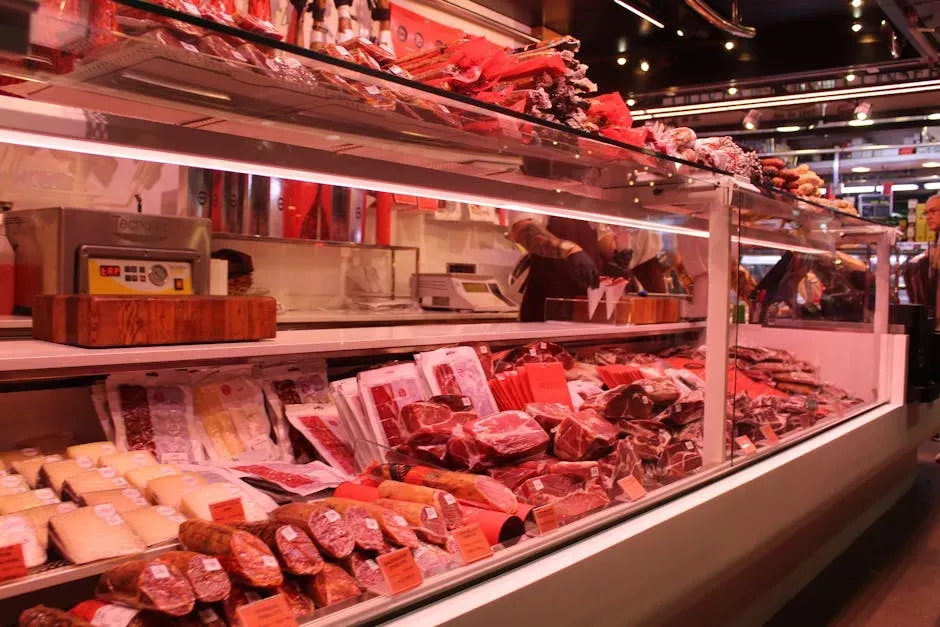
Walk past the hot bar on a weekday evening and you will understand why it has become such a powerful money magnet. The smell is incredible. The convenience is undeniable. Under the glow of the hot bar, rotisserie chicken, deli sides, and grab-and-go meals settle the supper question before shoppers even reach the first aisle, and supermarkets have expanded these sections because they do far more than sell ingredients.
The prepared foods section is booming across every major chain. According to the Food Industry Association’s Power of Food Service at Retail Report 2025, roughly three in ten shoppers now buy deli-prepared foods from grocers instead of going to a restaurant, up from about one in eight back in 2017, with retail foodservice sales rising to over 52 billion dollars. That growth in sales tells you exactly who is profiting from the convenience.
More than half of surveyed shoppers see deli-prepared foods as a good value, while more than a third view them as comparable in price to restaurant options. Comparable to restaurant prices. In a grocery store. That comparison alone should make you pause. The perception of value is doing a lot of heavy lifting here, and smart shoppers know the real math does not add up the way the hot bar makes it feel.
The Pre-Cut Produce Section: Paying Extra for a Knife’s Work
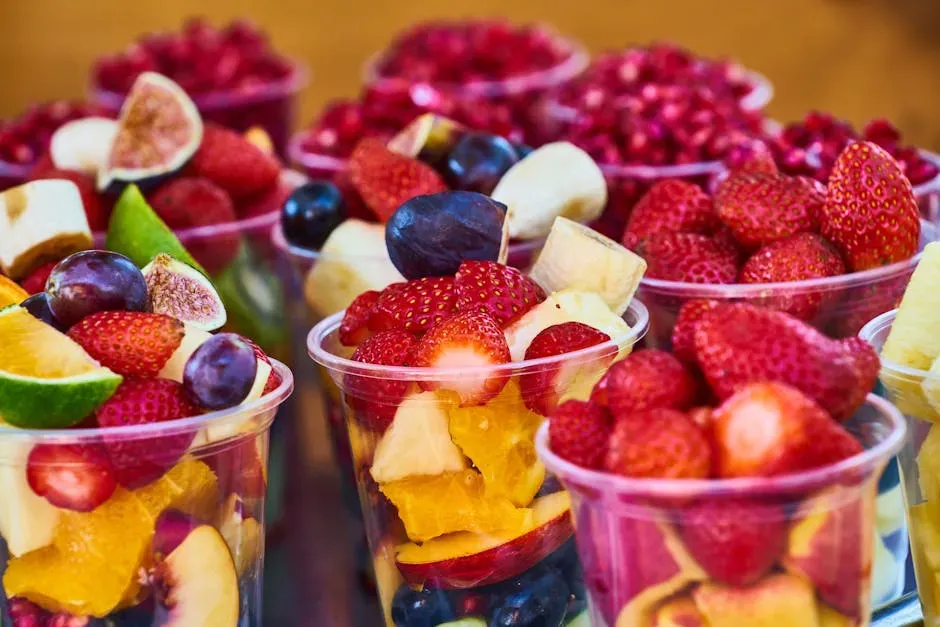
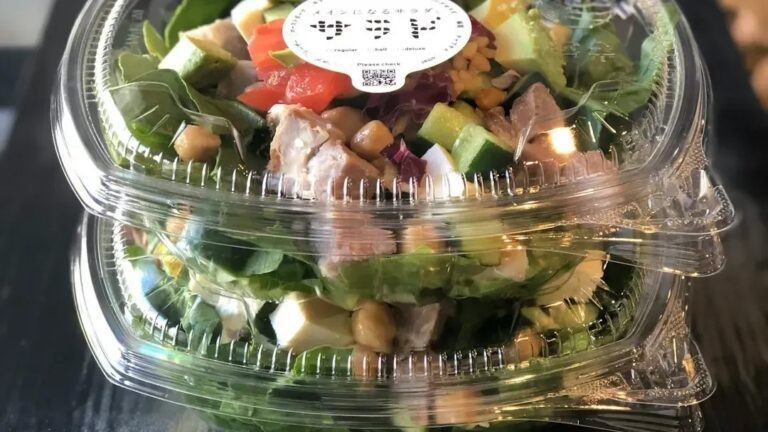
Honestly, this one stings a little because the convenience is so real. Pre-cut watermelon. Pre-spiralized zucchini. Tiny cups of chopped pineapple. They are beautifully packaged and feel like a health-conscious choice. The trend of grab-and-go options in the fresh foods and produce section reflects growing consumer demand for convenience, with supermarkets expanding their offerings to include pre-cut fruits, vegetable snack packs, ready-made salads, and cold-pressed juices.
Here is the thing, though. A whole pineapple costs a fraction of a pre-cut container holding the exact same fruit. You are essentially paying the store to use a knife for you. As one retail expert noted, the vegetable snacking category is taking off as retailers offer customers pre-cut, ready-to-eat options, with pre-portioned fruit cups also being added to produce sections under the banner of “making ease a priority.” That ease is being priced into every single container.
Nearly 84% of U.S. grocery shoppers report spending more on groceries than a year ago, with roughly a quarter saying they’re spending over a hundred dollars more per week, and nearly nine in ten are worried prices will continue to rise. Skipping the pre-cut section entirely and spending two minutes chopping at home is one of the simplest ways to fight back against that pressure. The savings are small per visit but genuinely meaningful over a full year of shopping.
The Center Store Aisles: The Interior Maze of Overspending
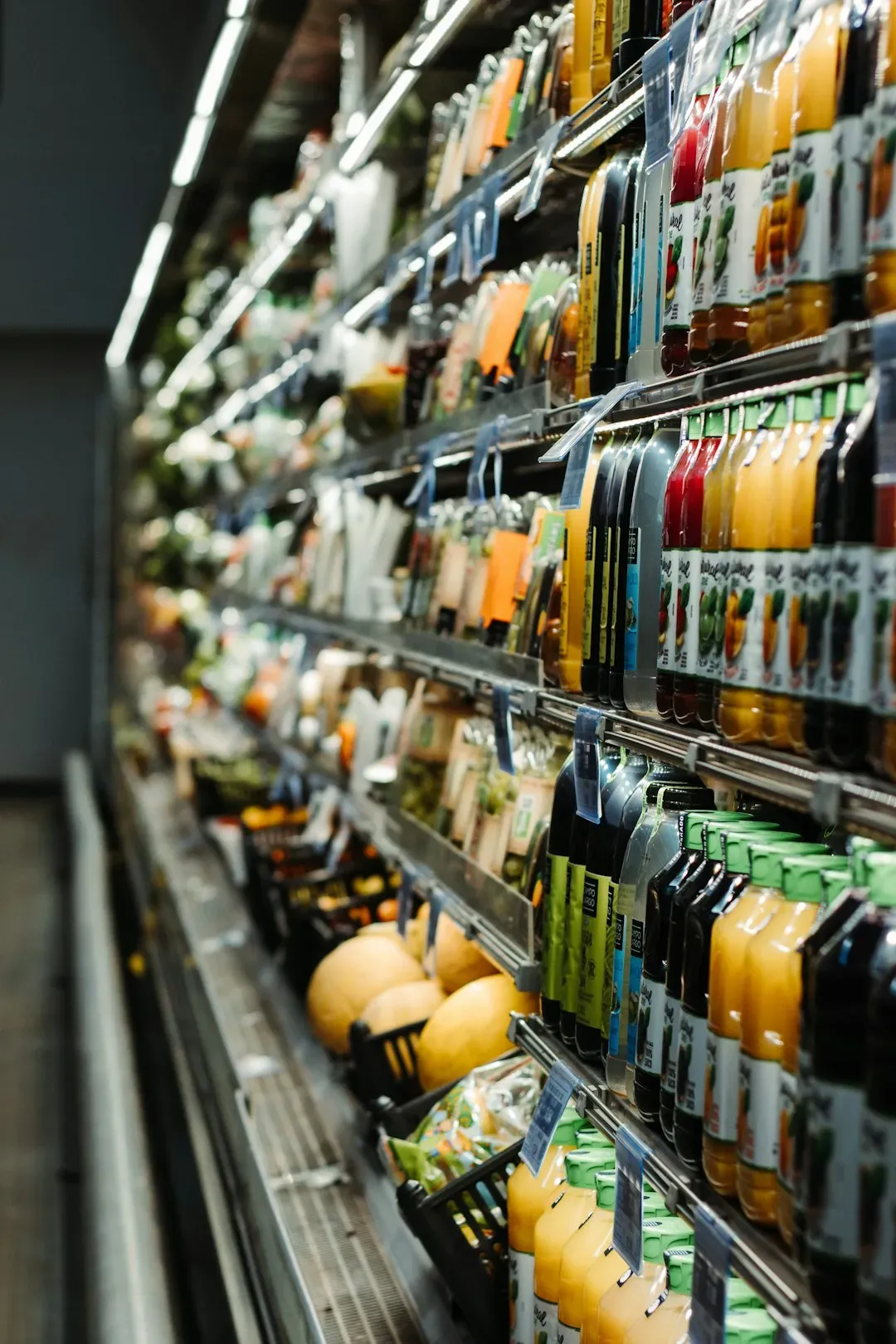
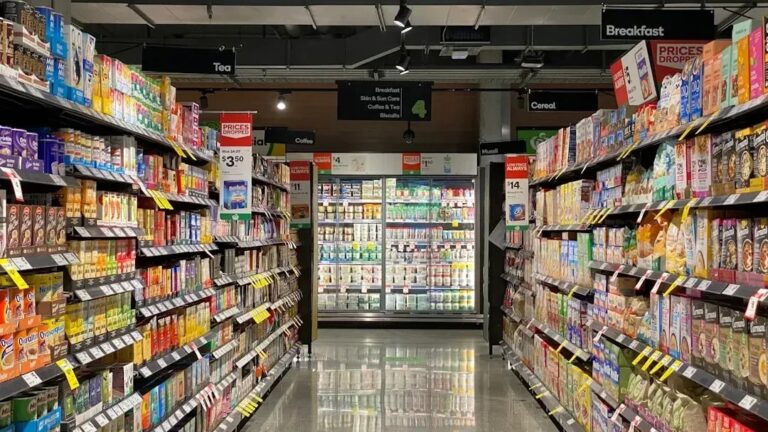
There is a reason every experienced frugal shopper tells you to stick to the perimeter of the store. The outer ring holds produce, dairy, and meat, which are the things most people actually came to buy. The interior aisles? That is an entirely different game. The middle of the grocery store drains your bank account quickly, while the healthiest and cheapest items tend to line the outer perimeter of the building.
Retailers have invested heavily in understanding how shoppers navigate those center aisles. Walking into a massive supermarket without a strict plan is a guaranteed way to overspend, as retailers spend millions of dollars studying consumer psychology to subtly trick shoppers into placing expensive, unnecessary items into their carts. This is not speculation. It is a documented, deliberate design strategy.
With inflation driving up food prices, roughly nine in ten Americans have changed their grocery shopping habits, with nearly half saying they’re buying more generic brands and more than a third sticking strictly to their lists. Staying out of the center aisles makes sticking to a list dramatically easier. Out of sight genuinely is out of mind, and that works powerfully in your favor when your budget is tight.
Shoppers are not applying budget-saving behaviors consistently across the store, and some categories are being hit harder, with between roughly four and five in ten shoppers willing to switch to less expensive brands in the dairy, cereal, drinks, and frozen food categories. Avoiding the interior aisles altogether removes the temptation entirely, which is frankly the better strategy.
The Checkout Zone: Where Last-Minute Spending Destroys Budgets
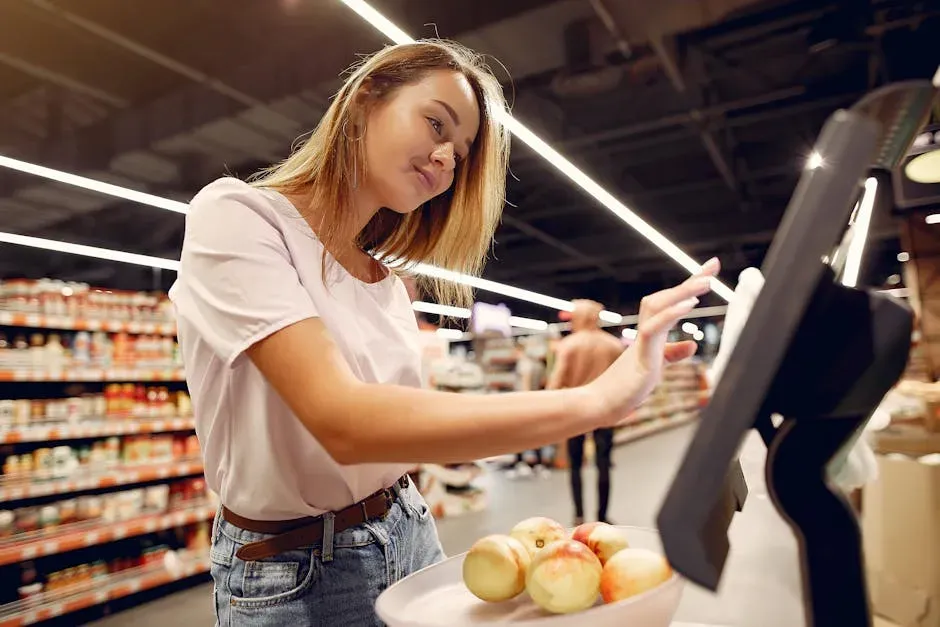
You’ve navigated the whole store. You are almost free. Then comes the checkout line, which is possibly the most psychologically aggressive retail environment ever designed. Impulse buying accounts for up to roughly six in ten dollars of supermarket sales revenue, with some product categories like candy, magazines, and snacks near checkout seeing impulse purchase rates as high as eight in ten.
The data on what this costs consumers is genuinely eye-opening. The average consumer spends an estimated 282 dollars per month on impulse buys in 2024 for an annual total of roughly 3,381 dollars, making nearly ten impulse buys per month at an average of just under thirty dollars each. Multiply that by a household, and you are looking at a startling annual leak in your finances.
In 2024, roughly eight in ten people have made impulse purchases, and eight in ten of those impulse purchases are made in a physical store. The checkout zone is ground zero for that behavior. A classic example is when you’re at the checkout line and suddenly decide to grab a candy bar or magazine you hadn’t planned to buy, driven by immediate temptation and the convenience of items placed near the register. Smart shoppers know to keep their eyes forward and their hands off the display racks entirely.
The Endcap Displays: When “Sale” Isn’t Really a Sale
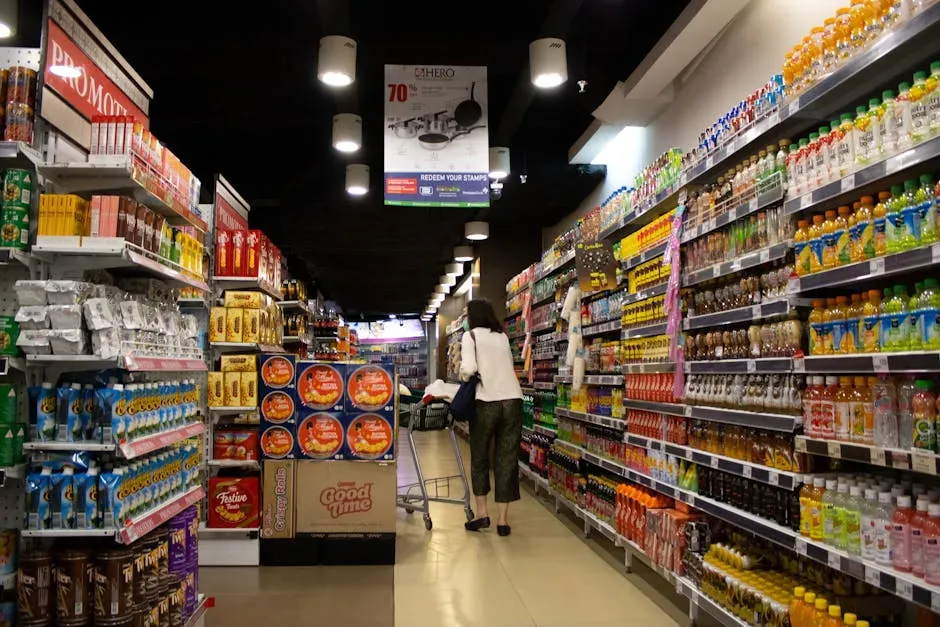
Those big, bold product towers at the ends of grocery aisles feel like a deal. Your brain practically assumes they must be discounted because why else would the store put so much effort into displaying them so prominently? Here is the uncomfortable truth. Endcaps are the most dangerous retail spaces in the building, with stores placing full-priced items at the ends of aisles to make them look like special sales, while your brain automatically assumes a large display equals a deep discount.
It gets worse. Food brands pay slotting fees to place their products on endcaps. So that massive display of pasta sauce or breakfast cereal is there because the brand paid for the placement, not because the price is actually better. You are literally looking at paid advertising disguised as a bargain.
Roughly eight in ten household shoppers say they seek out price information before they shop, including checking prices before most of their grocery trips. Yet price-checking behavior tends to collapse the moment an endcap display catches the eye. About half of consumers say attractive displays drive them to buy impulsively. That is exactly what endcap designers count on, and why the best strategy is a simple one: always check the shelf unit price before anything else, no matter how dramatic the display looks.
One in three shoppers purchased fewer groceries in 2024, with most naming high prices as the primary reason. That kind of discipline takes practice. Skipping the endcap trap is one of the most concrete, actionable places to start building smarter habits that actually stick over time.