8 “Polite” Dining Habits Fine-Dining Experts Secretly Dislike
You walk into a Michelin-starred restaurant, dressed well, on your best behavior. You think you’re doing everything right. You say “bon appétit,” you salt your food carefully, you stack your plates to help the staff. Polite, right? Well, not exactly.
Here’s the thing – some of the habits we’ve been told are courteous at the table are, in the eyes of fine-dining professionals, quietly cringe-worthy. Insiders have been talking about this more openly in recent years, and the gap between what guests think is proper and what experts actually appreciate is wider than most people realize. Brace yourself, because a few of these might surprise you. Let’s dive in.
1. Seasoning Your Food Before You’ve Even Tasted It
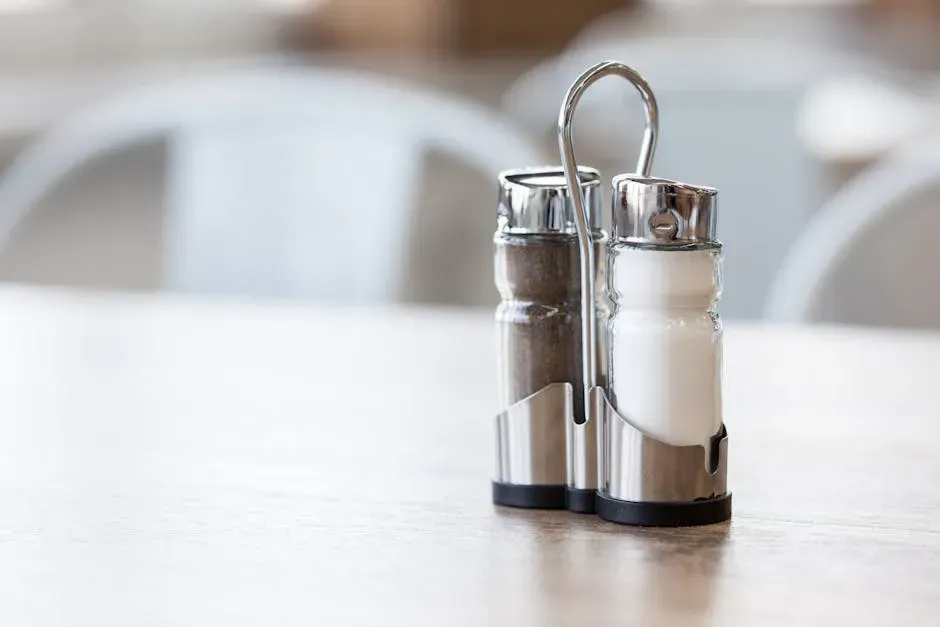
Let’s be real – reaching for the salt shaker the moment your plate arrives feels perfectly natural to most diners. It’s almost reflexive. Chef Richard Bainbridge, proprietor of British restaurant Benedicts, has a real issue with this habit. According to him, “the worst thing a diner can do is put salt and pepper on their food before they have even tried it,” and while seasoning is personal, guests could at least give the dish a try first.
Fine dining is as much about the chef’s vision as it is about the food itself, which is precisely why over-customizing or pre-seasoning a dish can register as a serious etiquette misstep. Think about it this way: a chef has spent years calibrating every element of that plate. Grabbing the shaker before the first bite is a bit like editing someone’s painting before you’ve looked at it. Quietly insulting, even if you don’t mean it that way.
2. Stacking Your Plates to “Help” the Server
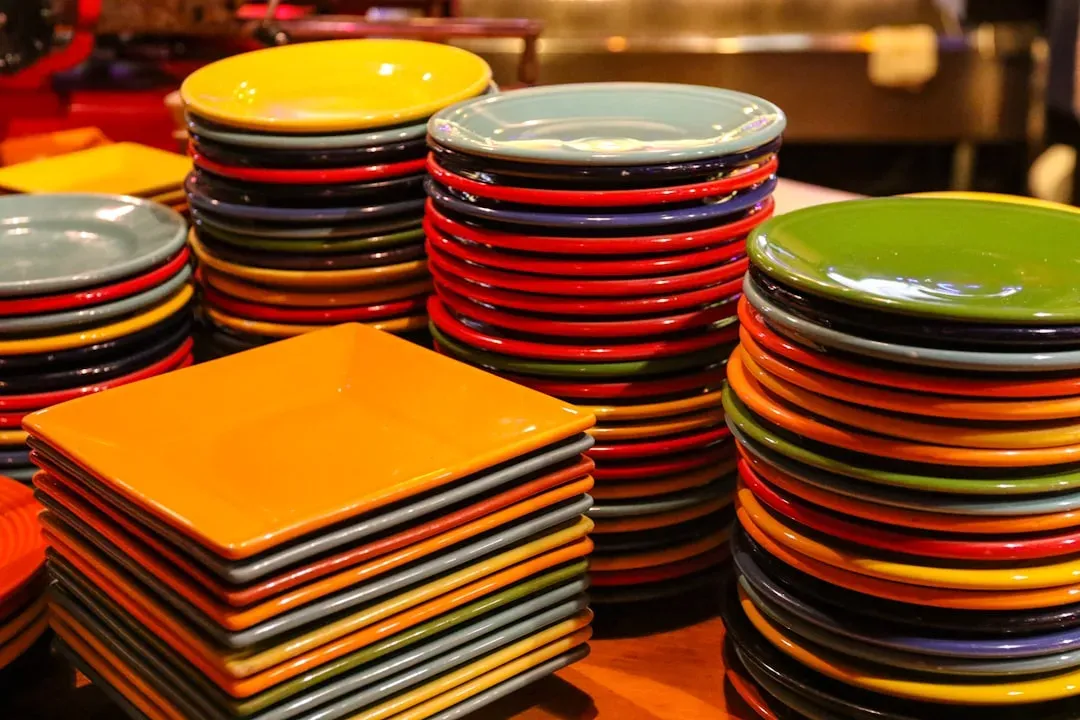
You’ve finished your meal, the table looks like a little chaos zone, and you want to be helpful. So naturally, you start stacking dishes neatly for the server. Sweet intention. Completely unwanted. Not everyone who made a server’s job harder was being rude – sometimes people would perform one of those so-called polite habits that restaurant staffers dislike, thinking they were being helpful.
In a fine-dining environment, clearing and organizing plates is a choreographed process. Servers are trained in specific plate-handling techniques, and a messy stack with cutlery jumbled inside can actually complicate things. If you knocked something over and want to minimize trouble for staff, the last thing they want is for you to pick up bits of glass or handle the mess yourself – an apology is enough, then let them take care of it. The same principle applies to plate stacking. Your gesture, however kind, disrupts their rhythm.
3. Saying “Bon Appétit” at a Formal Table
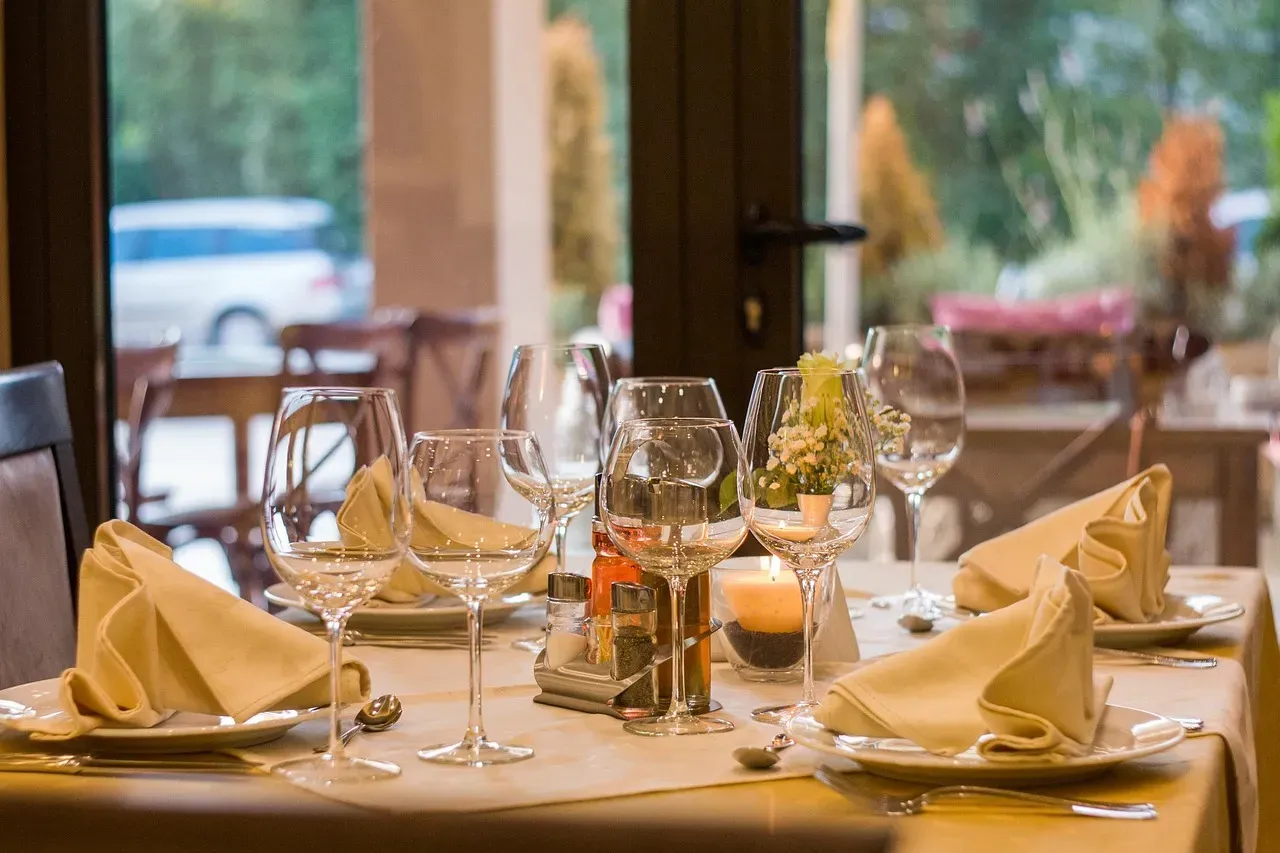
Honestly, this one still shocks people. “Bon appétit” feels warm, international, and perfectly appropriate. Yet in traditional fine-dining circles, it carries a surprisingly complicated reputation. One of the most surprising rules of fine dining is that you should never say “bon appétit,” especially at a French restaurant – the literal translation alludes to the inner workings of your stomach, which etiquette experts consider crude, and in France the phrase has been effectively banned from formal dining since the 19th century when the mere mention of food during a meal was considered rude.
Now, does this mean the phrase is universally offensive today? Not quite. Phrases take on new meanings over time, and since the 1800s “bon appétit” has become a catch-all for good wishes at a meal – throwing cold water on the term simply because it fell out of fashion during a specific moment in French history seems like an overreaction. Still, at a formal tasting menu dinner, seasoned etiquette professionals will quietly wince. You’ve been warned.
4. Photographing Every Single Course
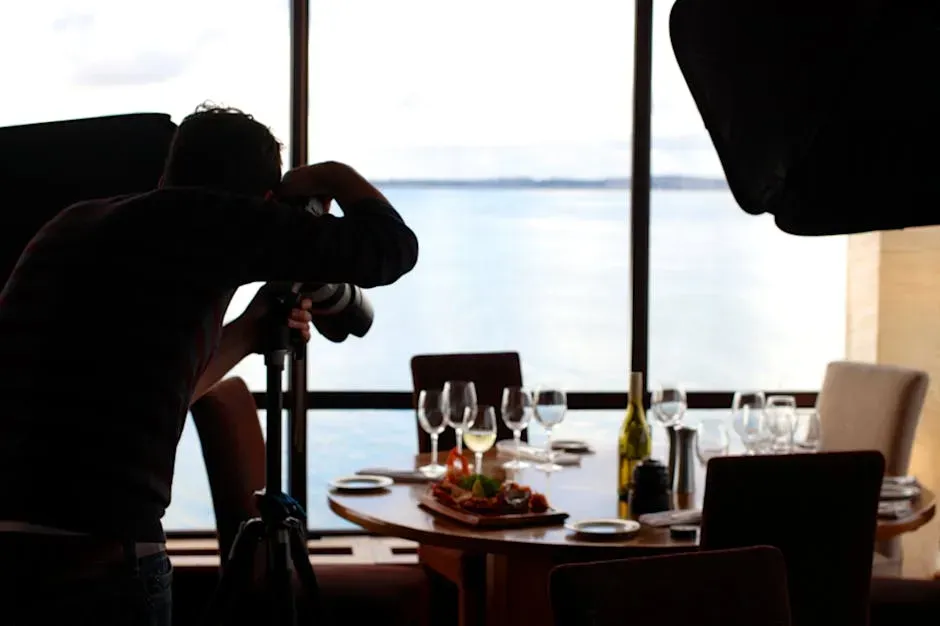
We’ve all done it. A beautifully plated dish arrives, and before the fork even moves, out comes the phone. It feels harmless, even flattering to the chef. As one etiquette source acknowledges, “it may sometimes be unavoidable that you have to photograph your food (the chefs would prefer you didn’t though, trust us on this one).” That parenthetical is doing a lot of heavy lifting.
In a fine-dining setting, voices and disruptions carry differently in a quiet dining room than in a crowded bar, and the pacing of how dishes are served is meant to feel like part of the ambiance – the idea is that nothing should steal the show, and if something drowns out the experience or makes other diners glance over mid-bite, it’s too intrusive. A diner fumbling with lighting or asking tablemates to move their glasses while a perfectly timed dish cools down is, to a chef, one of the more quietly painful things to witness. That dish was plated with precision. It has a temperature window. Respect it.
5. Over-Customizing the Menu
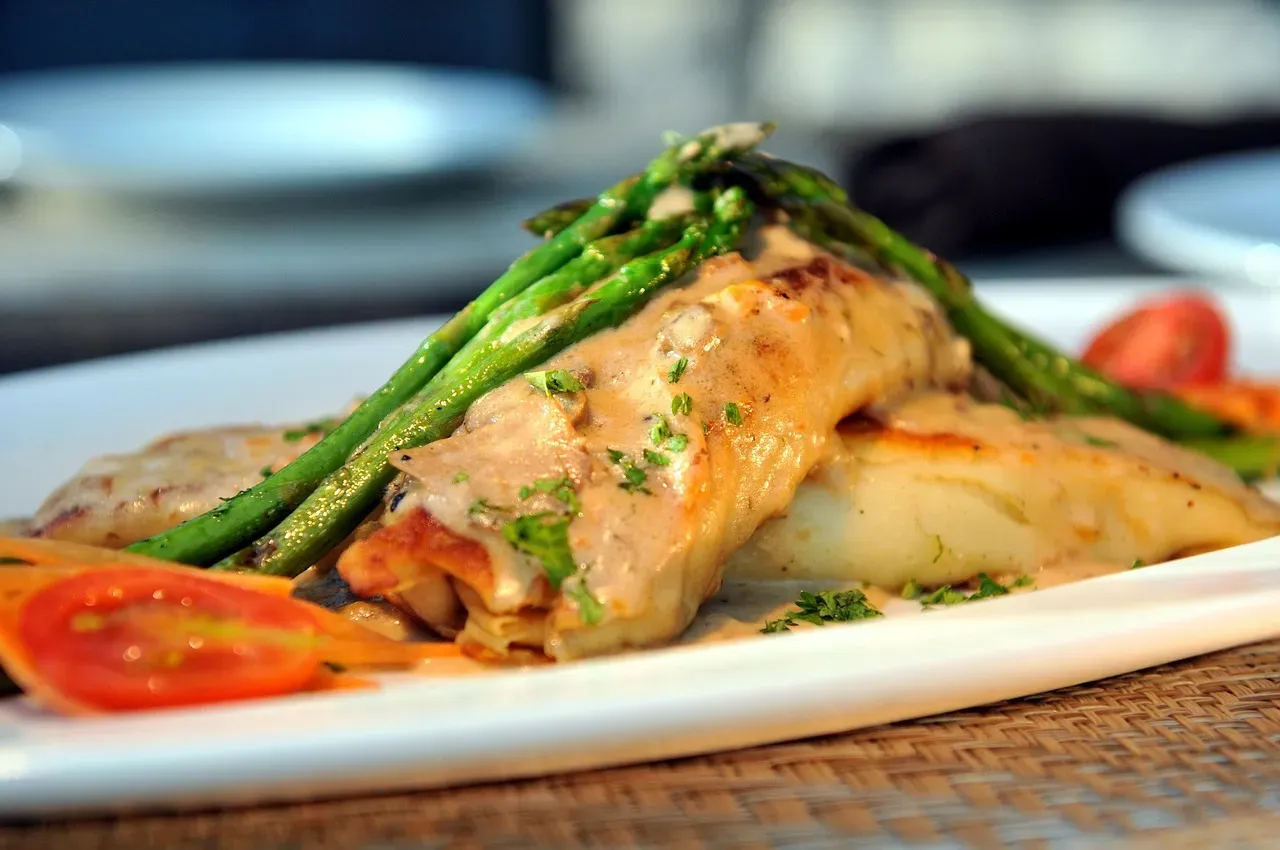
Dietary restrictions are absolutely valid, and any good restaurant will accommodate genuine allergies or sensitivities without hesitation. However, there’s a meaningful difference between a necessary accommodation and treating a tasting menu like a build-your-own experience. You should only make substitutions for an allergy or extreme food sensitivity – that’s the baseline expectation from those who know the world of fine dining best.
Ordering without reading carefully and asking for substitutions unless absolutely necessary is a habit that etiquette guides consistently flag as problematic. A lot of care and attention goes into the creation of a restaurant’s menu, and it’s proper etiquette to show respect for that care by ordering items as they are, without making special requests. A chef-driven tasting menu, in particular, is a narrative. Asking to skip half the chapters breaks the story.
6. Sending Wine Back Because You Simply Don’t Like It
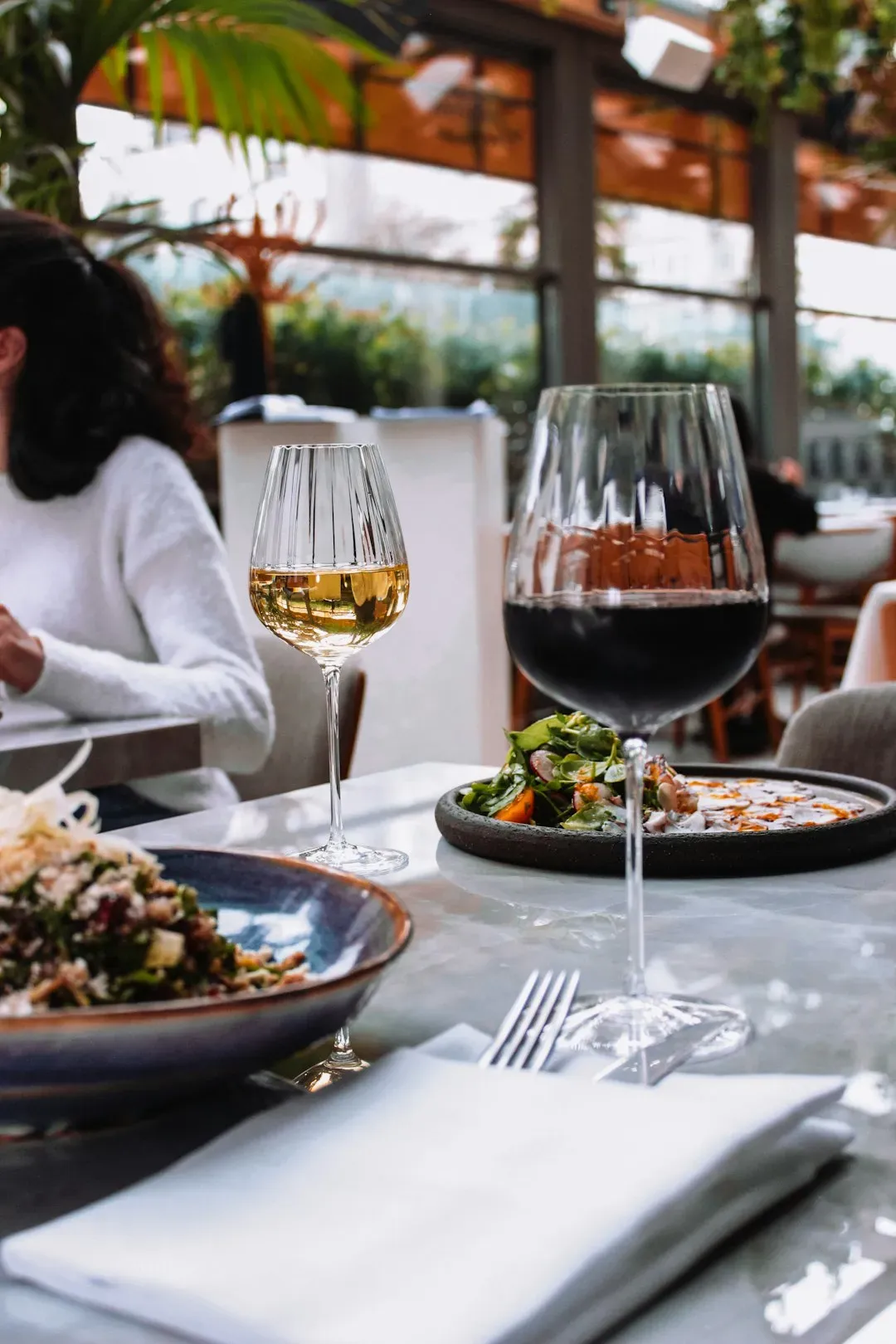
Here is a habit that many diners consider both responsible and assertive. If the wine isn’t hitting right, send it back. The staff is there to serve you, after all. The problem is that fine-dining professionals draw a clear and firm line between a flawed bottle and a disliked one. Sending back a bottle simply because it’s not to your liking is widely considered bad form – unless the wine is corked, oxidized, or otherwise flawed, it isn’t grounds for rejection. A sommelier may recommend a bottle based on your preferences, but personal taste doesn’t override the integrity of the wine itself, and if you’ve committed to an expensive bottle, it’s yours.
When a sommelier pours a small taste for approval at your table, you’re checking for quality – not personal preference. That’s the whole point of the ritual. Think of it less like a tasting and more like a quality inspection. Submit to the sommelier or wine steward – chances are you’re not as big of a wine expert as you think. Professionals in this field find the “I just don’t love it” return deeply frustrating, even when delivered with a polite smile.
7. Being Overly Chatty With Your Server When They’re Busy

There’s a genuinely lovely impulse behind wanting to connect with your server. In a high-end restaurant, where service is personal and attentive, it can feel natural to engage in friendly conversation. Of course you want to be friendly, but if the place is packed, consider keeping the personal questions to a minimum – a genuine smile and a good tip go a long way in making someone feel appreciated.
Fine dining service runs on timing. Unlike fast-casual meals, fine dining restaurants are thoughtfully paced – dishes arrive like chapters in a story, the lighting, acoustics, and table settings are intentional, and your awareness of etiquette is a form of respect for the chef, the setting, and the moment. Holding a server mid-service for a long personal chat disrupts that orchestration for every table in the room, not just yours. I think most people genuinely don’t realize this, but now you do.
8. Snapping Fingers or Calling Out Loudly to Get Attention
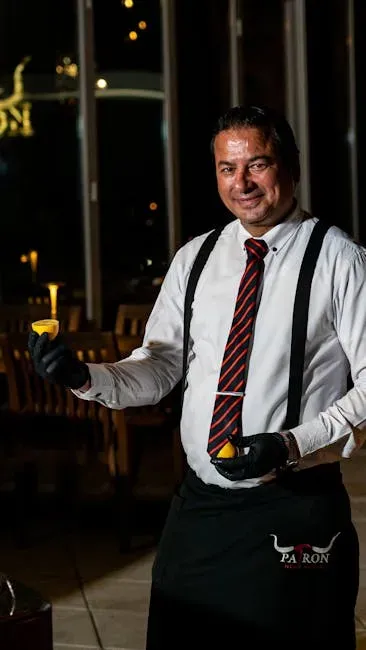
A YouGov survey conducted in April 2024 asked over 1,000 American adults about the acceptability of 40 restaurant behaviors, finding that people generally give more leeway on guest actions but draw the line at certain behaviors – suggesting many Americans believe the customer is not, in fact, always right. At least eight in ten Americans say it is unacceptable for diners to snap their fingers to get the waiter’s attention. That’s not a fringe view – that’s a near-consensus.
When etiquette expert Patricia Napier-Fitzpatrick of the Etiquette School of New York was asked about this, she identified raising your voice to get a waiter’s attention as one of the most egregious mistakes, noting that you should never yell across the room at a waiter – in less urgent situations, communicating via subtle eye contact is the recommended approach. It sounds like a small thing, but in a room built around quiet elegance, a sharp finger-snap echoes. It also signals to every professional in that room exactly how you view their role. That matters more than most diners think.