12 Restaurant Dishes Chefs Say Aren’t Worth Your Money
Every time you sit down at a restaurant, you face the same invisible gamble. The menu looks beautiful. The descriptions are poetic. But behind those carefully chosen words, some dishes are quietly costing you far more than they’re worth. Chefs know it. They work with these ingredients every single day, and many of them would never order certain items themselves.
According to the Consumer Price Index, prices at restaurants, casual dining, and fast-food establishments were up nearly four percent over the twelve months leading into mid-2025. That means your money is stretched thinner than ever. Knowing which dishes to skip isn’t about being cheap. It’s about being smart. Let’s dive in.
1. Truffle Fries – The Great Synthetic Swindle
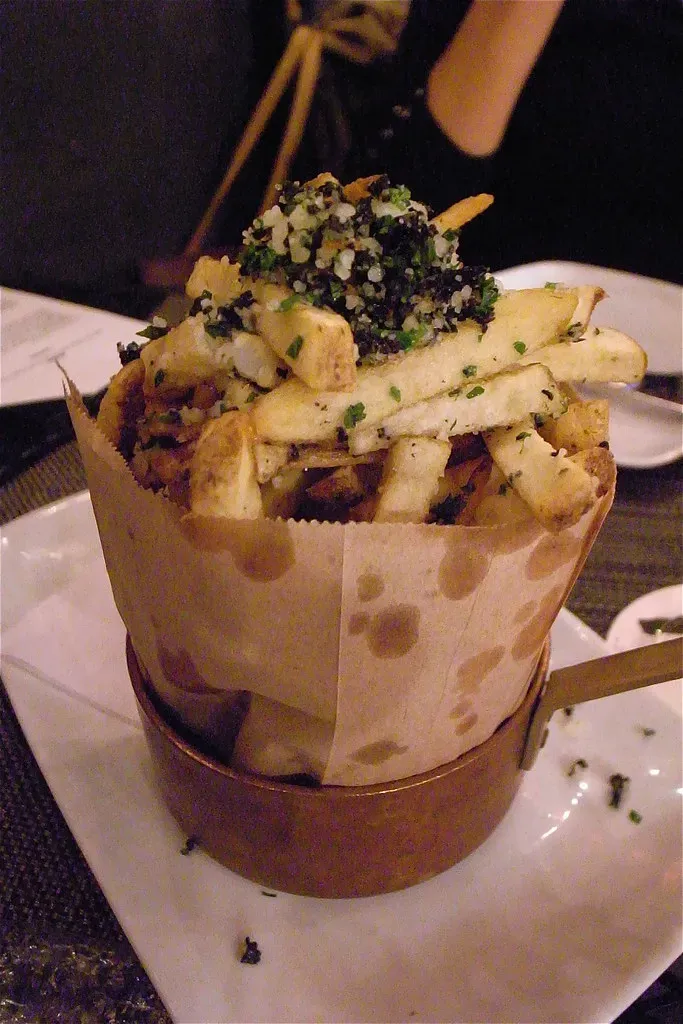
Here’s the thing about “truffle” anything on a restaurant menu: it almost never involves actual truffles. The alluring aroma of truffle oil can make any dish seem luxurious. However, the vast majority of truffle oil contains no actual truffles. It is a synthetic chemical compound designed to mimic the scent. You’re essentially paying a luxury price for a lab-created flavor.
Chefs often look down on truffle oil as a cheap trick to inflate a dish’s price, and its overpowering aroma masks the flavor of the other ingredients. The word “truffle” is basically menu marketing at its most cynical. Popular items like truffle fries, omelets, and pasta dishes often have markups ranging from roughly double to nearly six times what the dish costs to make. When you put that next to the actual quality of most synthetic truffle preparations, diners increasingly feel shortchanged.
2. The Wedge Salad – Iceberg With Attitude
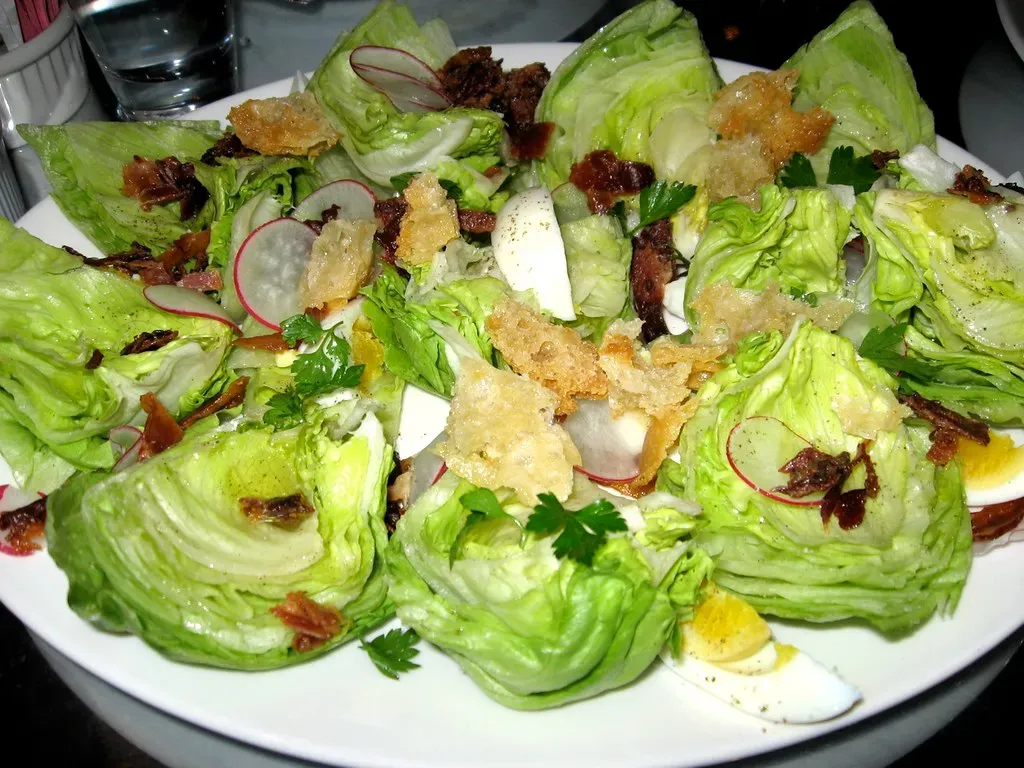
I’ll be honest: the wedge salad is one of the most baffling items on any upscale menu. Restaurants charge anywhere from fifteen to nearly thirty dollars for a wedge of iceberg lettuce with some blue cheese and bacon crumbles on top. The math doesn’t add up. Considering iceberg lettuce is roughly ninety-six percent water, this starter is rarely filling enough to merit its price.
Restaurants often charge extra for certain items simply because of presentation, trendiness, or the atmosphere. The wedge salad is a perfect example of all three combined. Think of it like paying designer prices for a plain white T-shirt just because of the label. The effort involved is almost nonexistent, and the ingredients cost the kitchen almost nothing.
3. Simple Pasta Dishes – Dollar Ingredients, Premium Prices
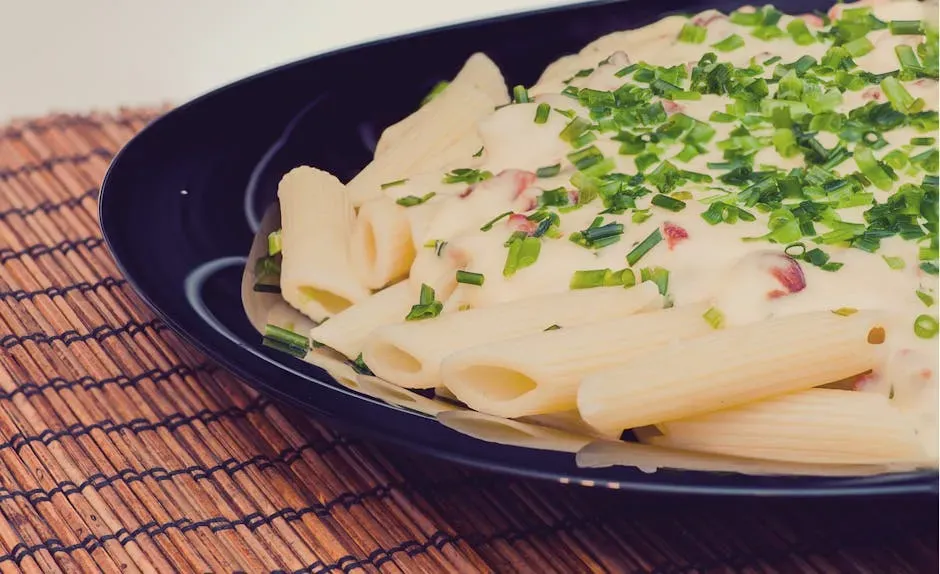
Spaghetti, fettuccine, or penne is common on non-Italian restaurant menus, yet pasta dishes are often overpriced, especially if you calculate the cost of ingredients. The markup on a basic marinara or cacio e pepe can be staggering. A classic Italian pasta dish like cacio e pepe is made with minimal ingredients: pasta, parmesan, peppercorns, and butter. This dish can be more expensive than you might expect when served at restaurants. Ryan Jones, the co-founder and executive chef of Free Reign Restaurants in Charleston, South Carolina, often hesitates to order it due to the relatively high prices.
He finds the pasta is typically made with dry pasta instead of fresh and has seen prices as high as $38. Nearly forty dollars for dry pasta with cheese and pepper. That’s a number that’s hard to justify. One executive chef once worked for an Italian restaurant group in Chicago that charged twenty dollars for a plate of rigatoni with marinara sauce, where the ingredient cost was around one dollar. Let that sink in for a second.
4. The Lobster Roll – “Tourist Pricing” in a Bun
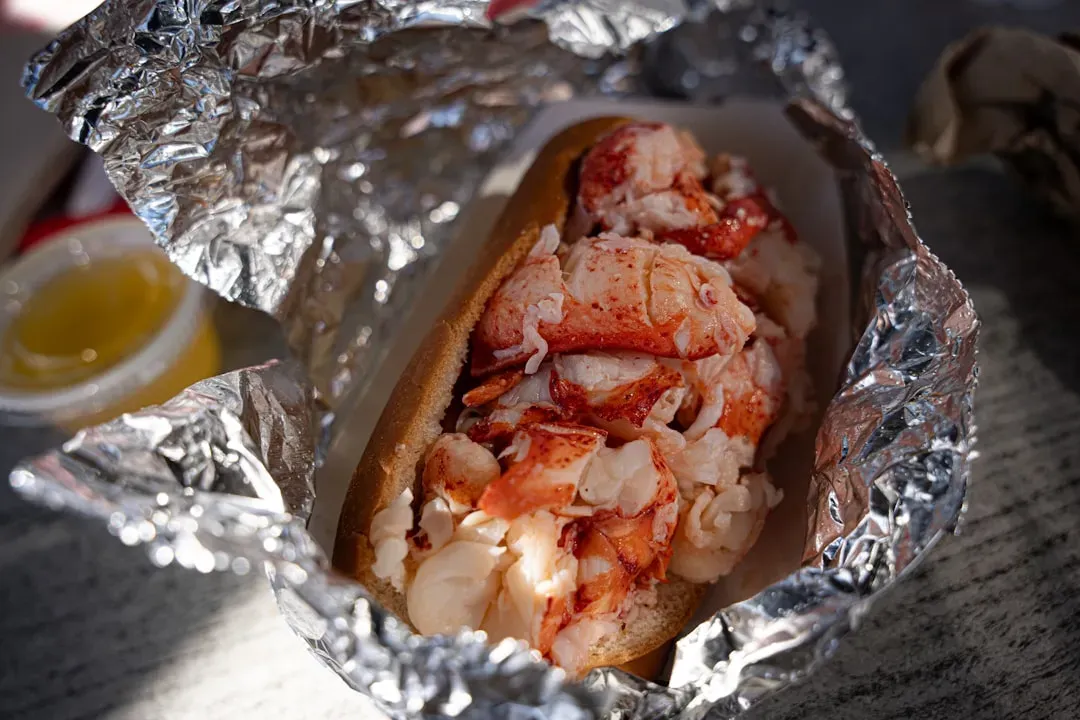
Lobster rolls have taken on a mythic status in American dining, but the price-to-value ratio is something chefs quietly raise an eyebrow at. Evan Hennessey, chef and owner of Stages at One Washington and The Living Room in Dover, New Hampshire, doesn’t think the cost of a forty to fifty dollar lobster roll is justified. While lobsters are expensive to source, he points out that the rest of the ingredients cost very little.
He feels people have become used to paying higher prices without questioning them, noting that “the market has been driven so high that people are willing to pay astronomical amounts without blinking.” Locals in coastal areas have a name for it: “tourist pricing.” If you’re inland and far from any harbor, that markup climbs even higher with shipping and handling baked into every bite.
5. Soup of the Day – Mystery in a Bowl
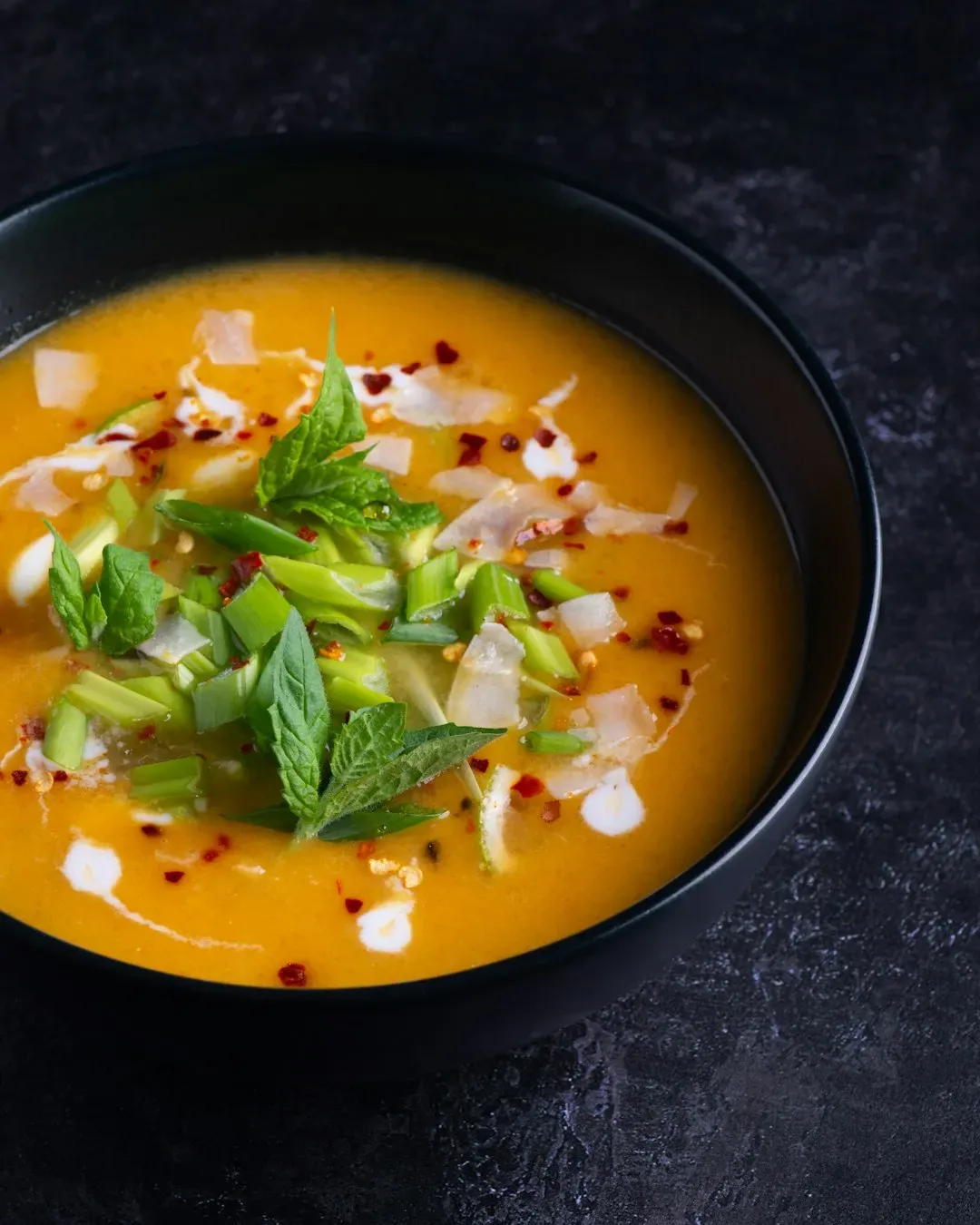
There is something fundamentally suspicious about a dish the kitchen won’t even name on the menu. “Soup of the day” sounds charming. The reality is often less poetic. The term can be misleading because many kitchens make enormous batches that sit around for extended periods. Think of it as industrial-scale leftovers.
Chef Jon Davis, head chef at City Grocery in Oxford, Mississippi, says he does not order the soup du jour at restaurants. “Was it really made today? How long has it been in the steam well? Did the prep cook cool it down properly? It’s a crap shoot I’m not willing to take.” The soup of the day is also one of the menu items Gordon Ramsay never orders, citing similar concerns, and he recommends asking your server what the soup du jour was yesterday to gauge how fresh it really is.
6. Scallops – Premium Price, Frequent Disappointment
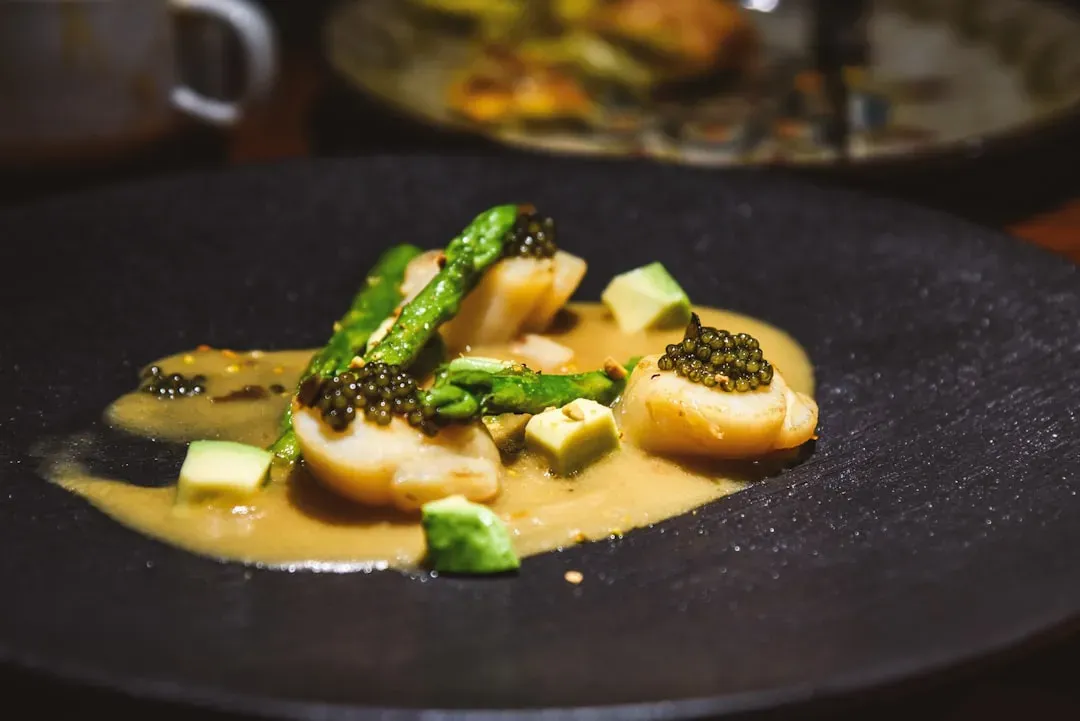
Scallops feel like a celebration dish. Golden crust, delicate center, served with something elegant underneath. The problem is that execution and quality vary wildly from kitchen to kitchen. Bill Collins, a personal chef and instructor who worked as a cook at the Ritz-Carlton Boston, says scallops are a dish that’s often overcooked at restaurants. It’s also rare to find quality scallops, meaning restaurants are often using ones that are just so-so.
Good scallops are so hard to find that Collins doesn’t even cook them for himself very often. He notes that quality scallops are pricey, often running about twenty-five to forty-five dollars a pound. You could be paying a high-end price for a mediocre product. It’s a bit like paying for a first-class ticket and ending up in a middle seat.
7. Avocado Toast – The Brunch Myth That Won’t Die
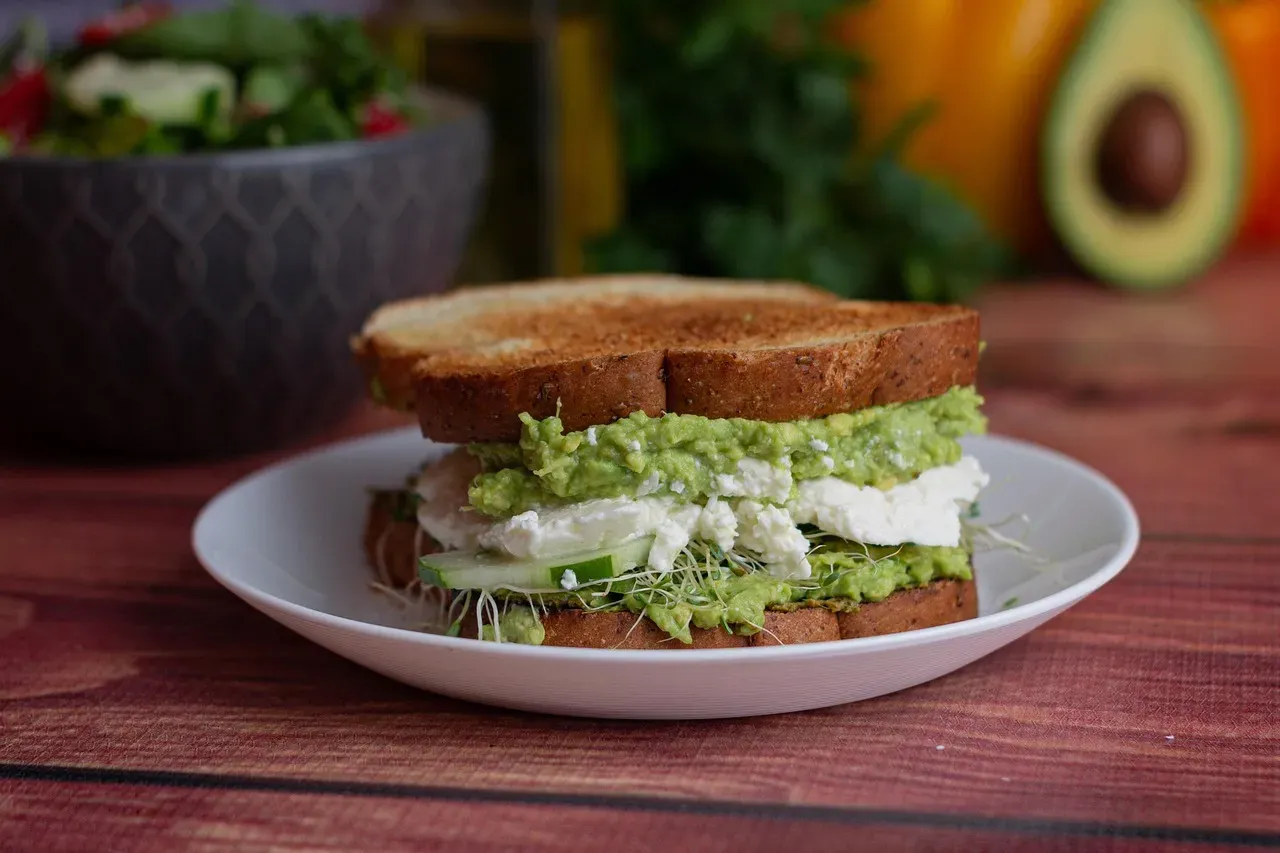
Few dishes have become more culturally loaded than avocado toast. It’s become a symbol of modern brunch culture, and also a symbol of menus charging a premium for very little effort. Slicing or mashing up avocado and serving it on top of a piece of toast has become commonplace on breakfast and brunch menus, and even at the local coffee shop, often with a hefty price tag.
We are talking about mashed avocado on bread. The ingredients cost almost nothing. The technique requires zero culinary skill. Yet in cities across the country, this dish can run anywhere from twelve to eighteen dollars. Food costs overall have shown a roughly twenty-eight percent increase since 2019, which makes paying inflated prices for the simplest possible “dish” feel even more unjustifiable. Make this one at home. Seriously.
8. Wine by the Glass – The Classic Margin Trap
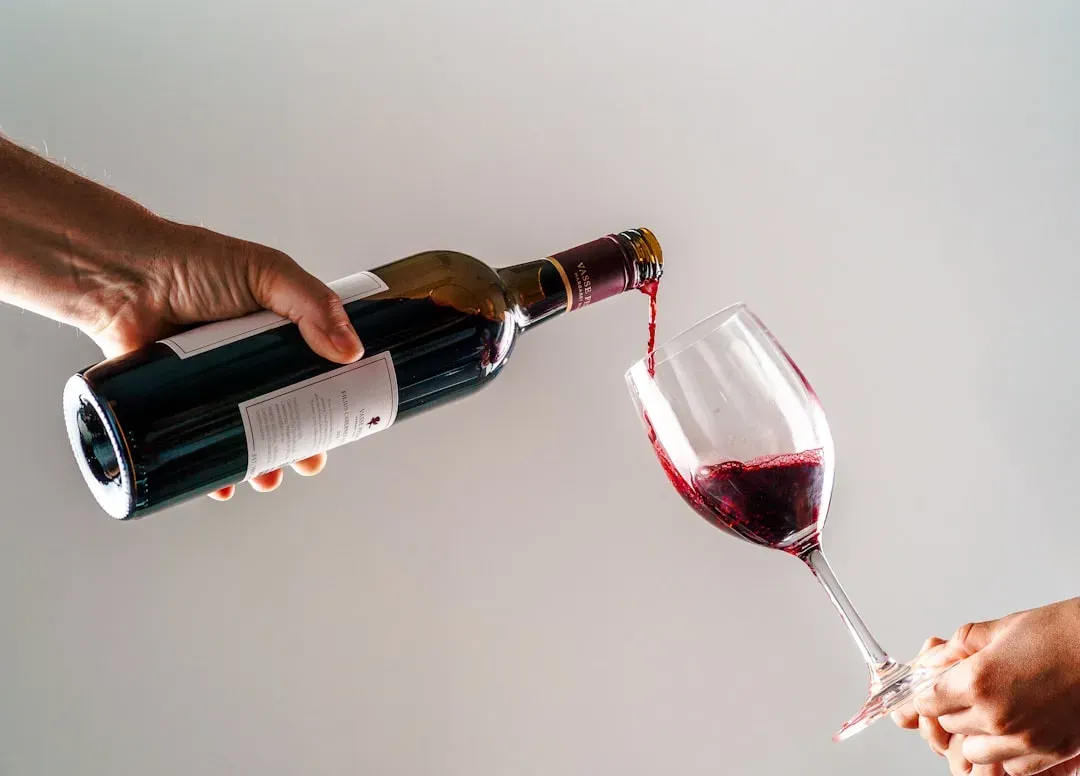
Wine by the glass is one of the oldest tricks in the restaurant margin playbook. You pay what feels like a fair single-glass price, never quite doing the mental math on how many glasses are in that bottle and what the bottle cost the restaurant wholesale. Once you actually run those numbers, it stings.
Wine markups are extreme, routinely going for triple the wholesale price, and sometimes even more. A thirty dollar bottle on a restaurant list typically retails for around nine dollars. A hundred dollar bottle retails for thirty to forty dollars. The glass-by-glass format just makes the math harder to see. If you’re going to drink wine with dinner, ordering a bottle, or at least doing the mental arithmetic first, is always the smarter move.
9. Well-Done Steak – Paying Premium for a Ruined Cut
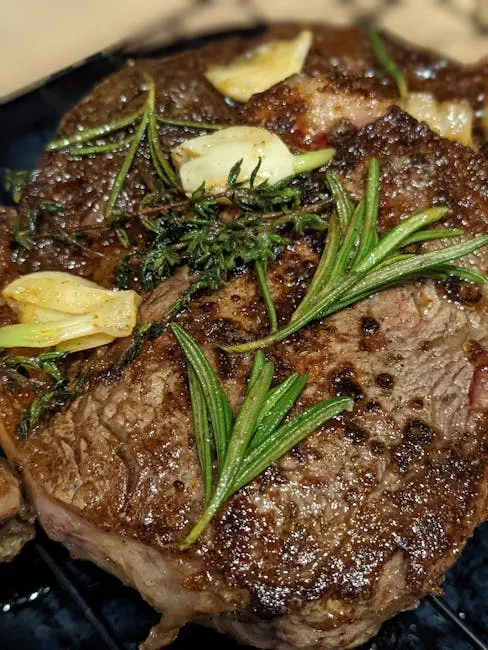
Ordering a steak “well-done” at a restaurant is something that genuinely makes most chefs wince. It’s not snobbery. It’s just basic cooking logic. Requesting a high-quality steak cooked well-done destroys the delicate fat marbling and ruins the tender texture that makes a good steak so desirable, leaving you with a dry, tough, and less flavorful piece of meat.
Some kitchens allegedly use older, lower-quality cuts for well-done orders, assuming the diner won’t notice the difference. So you’re paying top-dollar prices for the kitchen’s least-prized cut, then having it cooked until all the flavor is gone. Chef Luke Shaffer, an instructor at the Auguste Escoffier School of Culinary Arts, says he never orders steaks when dining out, asking: “Why spend a huge markup for something that’s not going to be exponentially better than what I can do?”
10. Shrimp Cocktail – The Elegantly Overpriced Appetizer
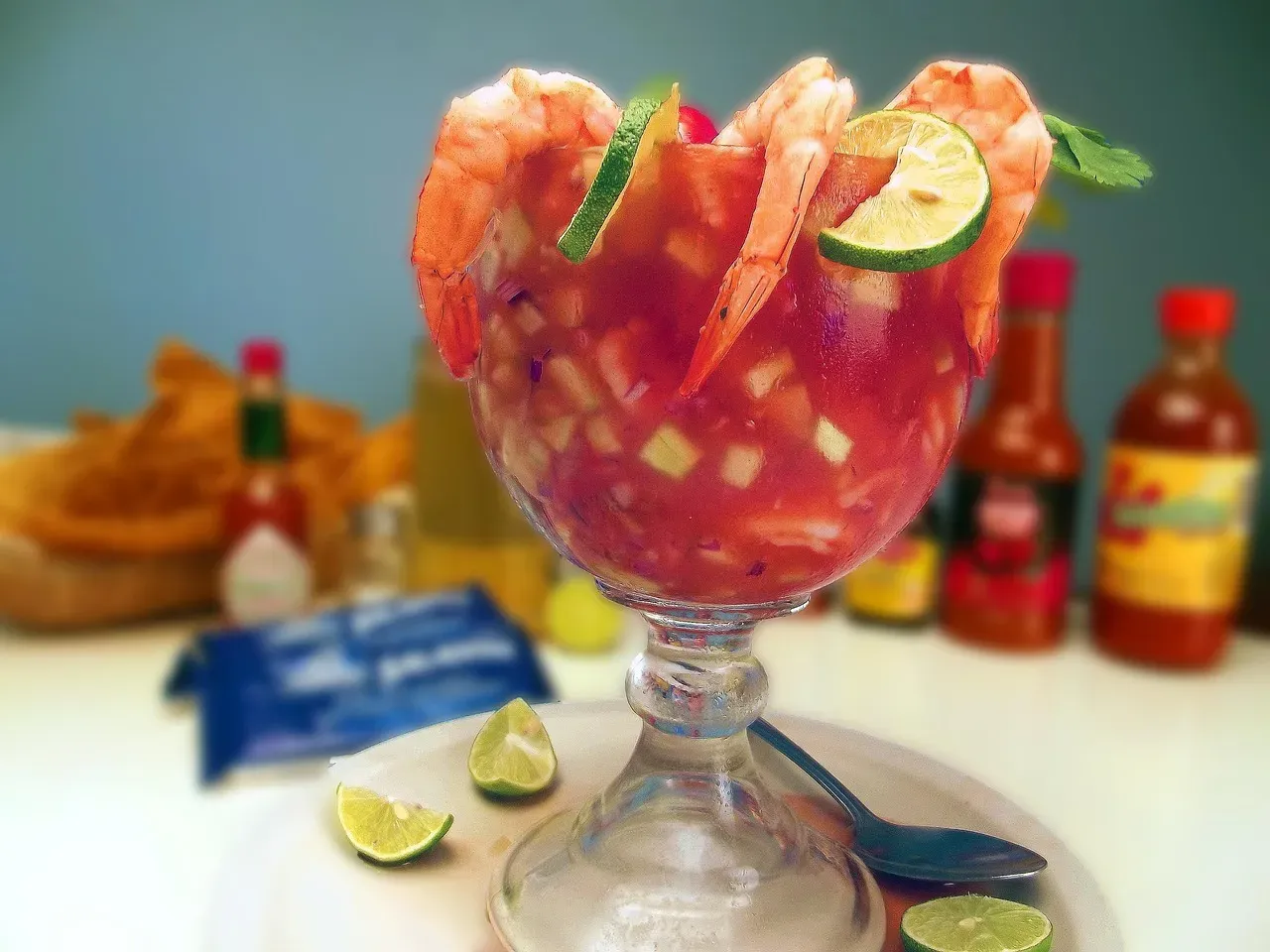
Shrimp cocktail is the appetizer that has coasted on its classic reputation for decades. It looks elegant. It feels expensive. But let’s be real about what it actually is: cold shrimp with a glass of cocktail sauce. This menu staple is an appetizer that requires two ingredients, shrimp and cocktail sauce, and usually carries a high price point at restaurants.
The ingredient cost for shrimp cocktail is remarkably low, yet restaurants consistently charge fifteen to twenty-five dollars for a small handful of pre-cooked shrimp arranged in a glass. With supply chain difficulties still affecting nearly all restaurants, many kitchens adapt their offerings by choosing different cuts or adjusting portion sizes. The shrimp being served might not be the quality the price implies. It’s one of those dishes where you’re really paying for the presentation, not the product.
11. Plant-Based Burgers – Expensive Enthusiasm That’s Cooling Fast
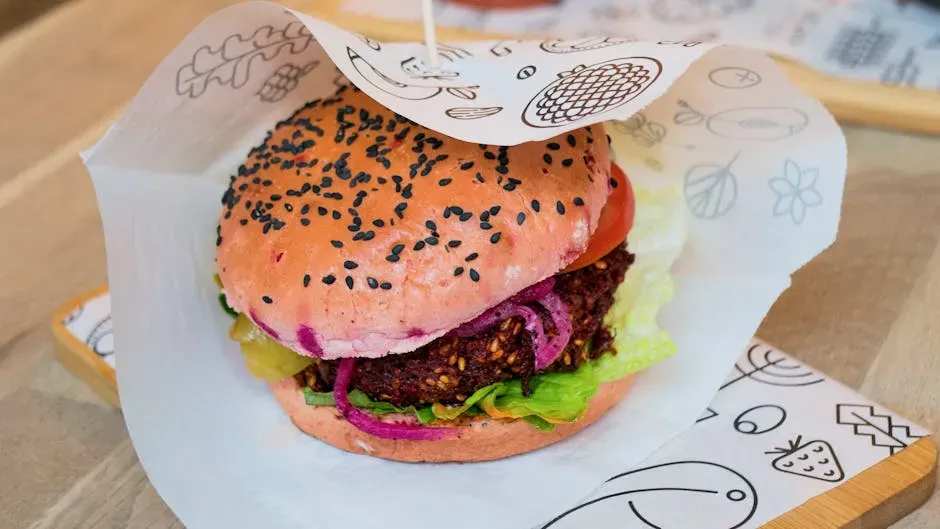
Not long ago, the plant-based burger felt like the future of restaurant menus. Every major chain rushed to add one. Prices were high, justified by the novelty factor. Now the novelty has worn off, and the numbers tell a sobering story. According to SPINS data analyzed by the Good Food Institute, U.S. retail sales of most plant-based categories were down in 2024 against rising conventional meat sales, with plant-based meat and seafood specifically dropping roughly seven percent to $1.2 billion, and unit sales falling an even steeper eleven percent.
Sales of refrigerated plant-based burgers, which were driving significant growth just a few years earlier, continued their steep decline. Chefs who once championed these dishes are now rethinking their menu space. According to Technomic’s 2025 annual outlook, nearly three in four consumers wish more restaurants would offer better value meals. A plant-based patty priced higher than its conventional counterpart, while delivering a lesser taste experience, is the opposite of that.
12. Restaurant Cheesecake and Pre-Made Desserts – The Dressed-Up Grocery Store Secret
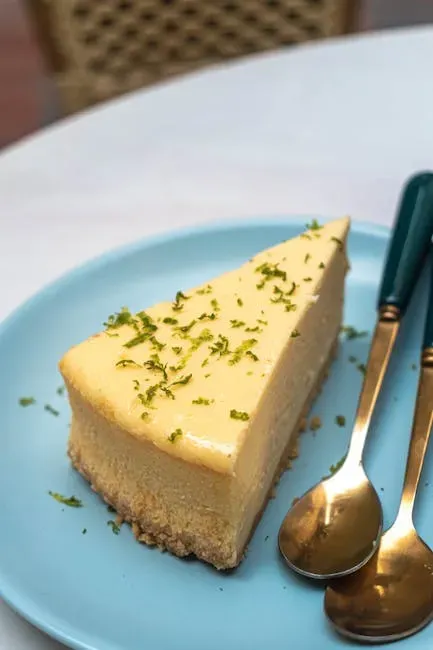
Dessert menus are one of the restaurant world’s best-kept secrets, and honestly, one of its most brazen profit centers. Countless chefs on Reddit have admitted that restaurants often buy their cheesecakes already made from the grocery store, then add sauces and syrups to dress them up before plating and charging ten dollars for a slice. While there’s nothing inherently wrong with serving pre-made desserts, the issue is the markup and presentation. Restaurants often rely on fancy plating and menu descriptions to imply something scratch-made, even when the dessert came frozen out of a box.
Within the restaurant industry, markups of around three hundred percent are considered standard, meaning if a dish costs two dollars to make, it will be priced at six dollars. For a grocery-store cheesecake dressed with a drizzle of caramel, that math can get uncomfortably extreme. If you’re paying a premium price, it’s worth asking whether you’re getting a truly homemade treat or just a dressed-up grocery store cheesecake with a restaurant-sized price tag. Save that budget for something the kitchen actually made with care.
Dining out should feel worth it. With restaurant prices rising year over year and household budgets feeling the pressure, knowing which dishes consistently disappoint on value gives you a real edge the next time you open a menu. The rule of thumb is simple: if you can make it easily at home and the kitchen brings nothing special to it, your money is probably better spent elsewhere on that menu. What dishes have left you feeling shortchanged? Tell us in the comments.