12 Items You Shouldn’t Store in Plastic Bins (Though Most Households Still Do)
Walk through almost any home, garage, or basement in the country and you’ll find the same thing: stacks of clear plastic bins crammed with, well, everything. They’re cheap, they’re transparent, and honestly, they feel like a solution to every storage problem you’ve ever had. But here’s the thing – that sense of security might be completely false.
Although plastic storage solutions are durable, versatile, and transparent enough to see what’s inside, the plastic material is prone to trapping moisture and absorbing odors. This gets worse with fluctuating temperatures in the home, especially if bins aren’t kept in a cool, dry space. Depending on what you’re storing, items could either degrade over time, or pose real health risks. Some of what ends up inside those bins simply doesn’t belong there. Let’s dive in.
1. Medications

Most people toss their overflow medicine stash into a plastic bin in the bathroom cabinet or a closet shelf, thinking nothing of it. It feels organized. Tidy. Safe. It’s often none of those things.
While medications are designed to remain stable and effective for a specific period, their longevity depends on more than just time. External elements like heat, moisture, and light can all accelerate chemical breakdown, making drugs less effective or even unsafe. Plastic bins, particularly those stored in warmer rooms or near windows, create exactly those conditions.
If a plastic container is not made from safe materials, harmful chemicals can leach into your pills over time, particularly when exposed to heat or sunlight. Some medications are sensitive to temperature and humidity, and an inappropriate container may fail to protect your pills adequately, diminishing their effectiveness. Keep medications in their original pharmaceutical-grade containers, stored in a cool, dark, dry space instead.
2. Important Documents and Legal Papers
Birth certificates, tax records, passports, wills – people routinely slide these into a plastic bin and consider the job done. It’s a surprisingly risky habit.
Plastic containers are no friend to documents, as they will be at risk of being damaged if any heat or moisture gets in. The plastic traps it completely, and any paper items stuck inside can get moldy or disintegrate. That’s obviously a big problem with work files, certificates, personal identity documents, tax information, insurance paperwork, or sentimental newspaper clippings.
Documents can even fade if the container is clear and it’s left out in the sun for too long. Instead of plastic containers, consider storing documents in filing cabinets or within fabric, wire, or cardboard boxes. A metal filing cabinet or a proper fireproof safe will serve these irreplaceable papers far better.
3. Old Photographs and Film Negatives
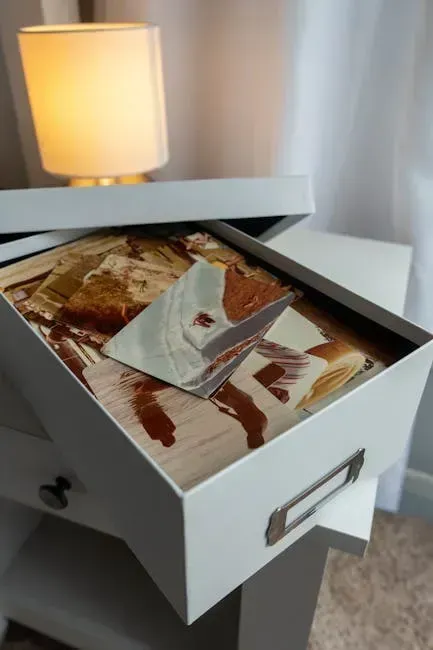
Family memories tucked into a plastic bin feel secure. They’re protected from dust, right? Honestly, this is one of the most common storage mistakes people make without ever realizing the damage happening inside.
Since plastic storage bins trap heat and humidity, photos and documents can fade, curl, warp, discolor, or stick together. Instead of plastic containers, use archival photo boxes, waterproof document envelopes, and acid-free sleeves for storage. Photographs deserve far more deliberate protection than a bin that amplifies the very conditions that destroy them.
When photo albums and boxes of photos are stored in areas with high temperatures and humidity, the photographic paper can become damp, warp, fade, and blend together. Use archival photo storage boxes, polyethylene sleeves, or acid-free envelopes to prevent photographic negatives from cracking and protect against UV light damage.
4. Leather Goods
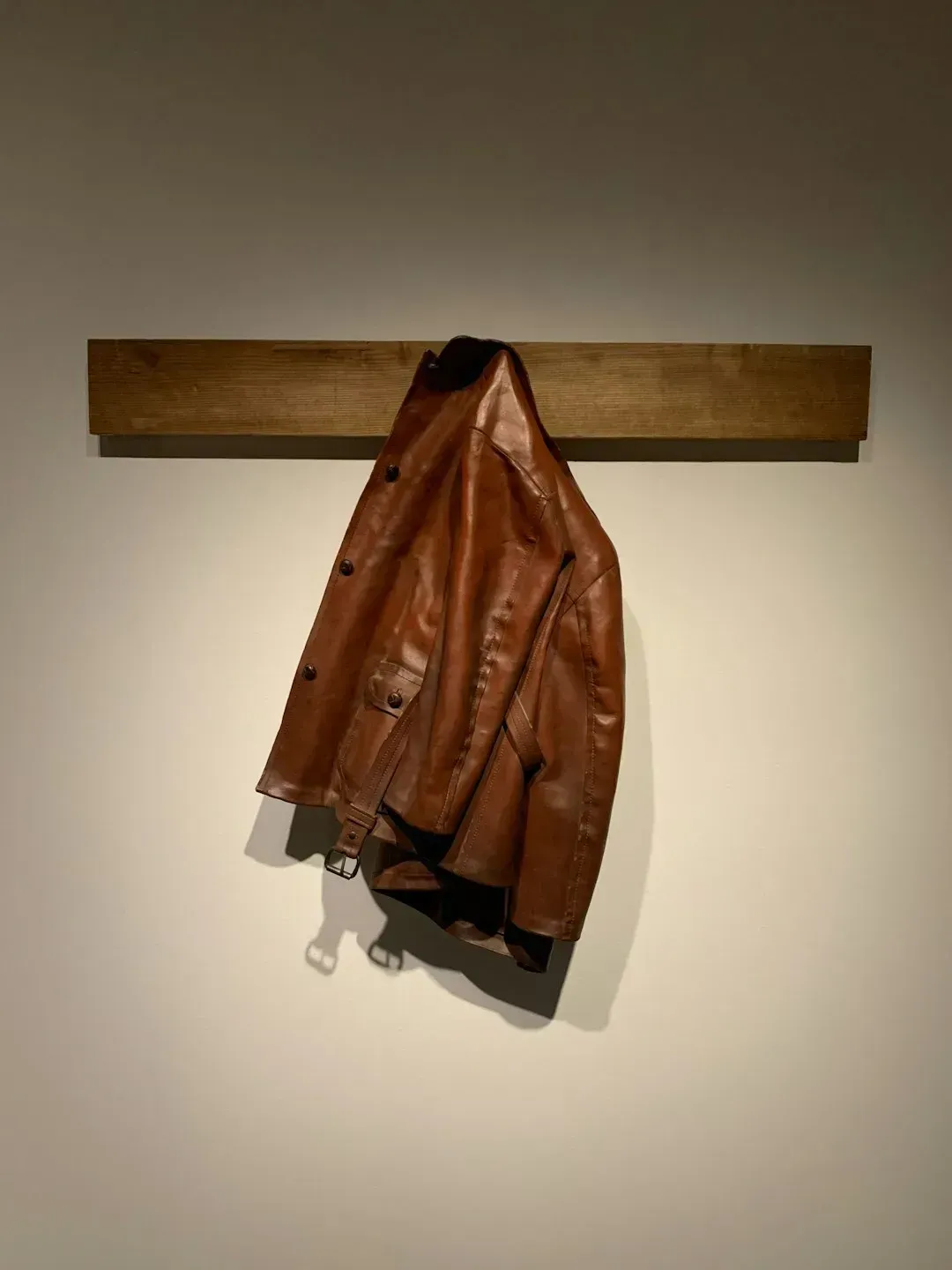
Leather jackets, handbags, belts, and boots are among the most common casualties of plastic bin storage. The material looks fine going in. Months later, it comes out cracked, moldy, or stiff. The plastic is entirely to blame.
Leather is a premium material that needs careful handling with either short- or long-term storage. Leather is sensitive to heat and moisture, so it’s important to avoid materials that can trap these in, like plastic bins. When things like leather belts, wallets, or jackets are exposed to heat or humidity, they can crack, dry out, or develop mold.
Cracks occur due to excess moisture, which can get trapped inside plastic bins. You might even notice mold or mildew buildup on top of the splits in fine leather. This is because plastic isn’t breathable, so it stifles the leather material over time. To keep your leather belts, shoes, purses, or even jackets looking great for decades, try storing items in dust bags instead.
5. Delicate and Natural Fabrics
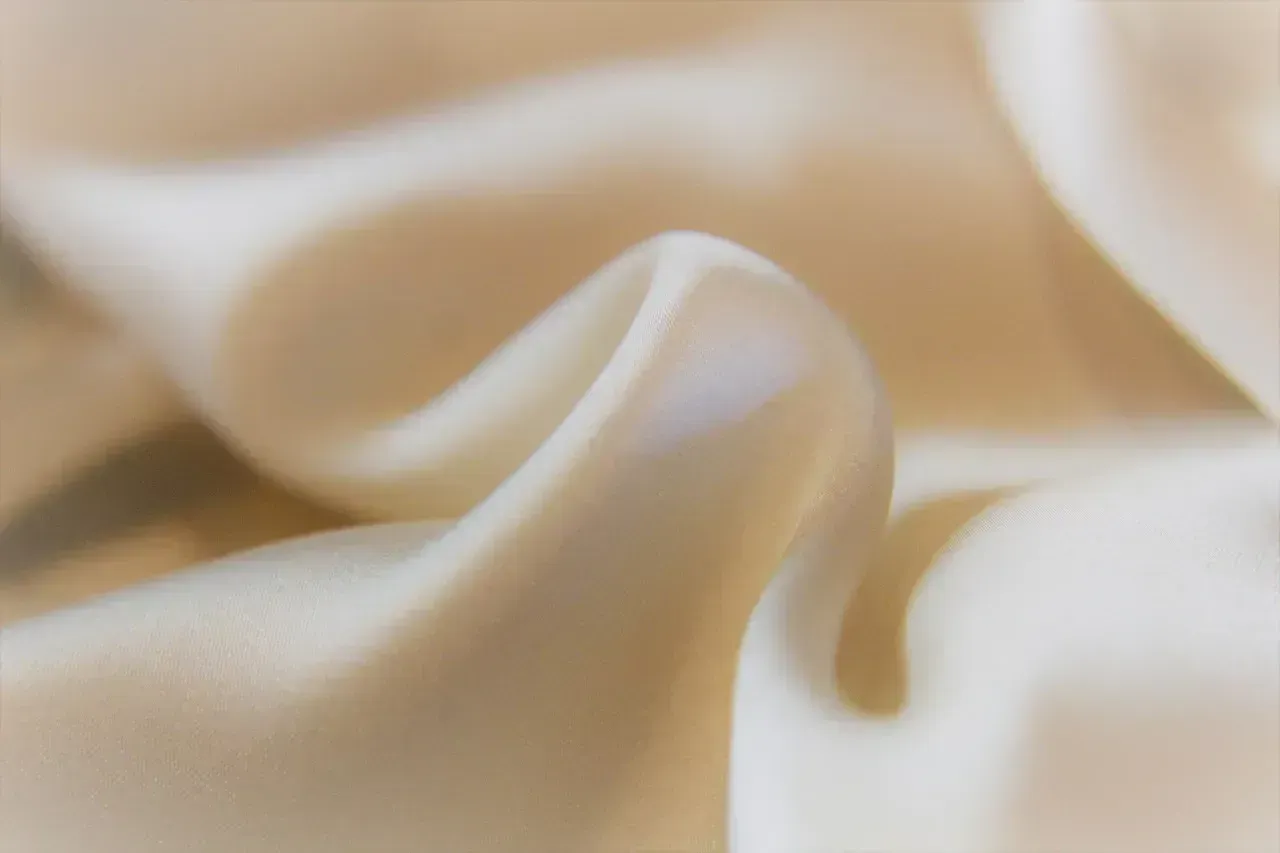
Silk blouses, cashmere sweaters, and wool coats are often folded and packed into plastic bins for seasonal storage. It feels practical. It rarely ends well for the fabric.
Delicate fabrics are another class of item you should never store in plastic containers. Materials like silk don’t do well in airtight spaces and will be susceptible to damage due to any heat or moisture. Felt bins, woven baskets, and open fabric cubes are recommended instead, as they allow fabrics to breathe.
Fabrics such as silk, wool, cashmere, and leather are particularly sensitive and can be easily damaged by humidity. It is best to store these and other fabrics in breathable containers such as cotton canvas bags or garment bags to protect your clothing and fabrics from moisture and mildew. Think of it like this: these materials are alive in a sense, they need to breathe, and a sealed plastic bin is the equivalent of suffocation.
6. Electronics and Old Batteries
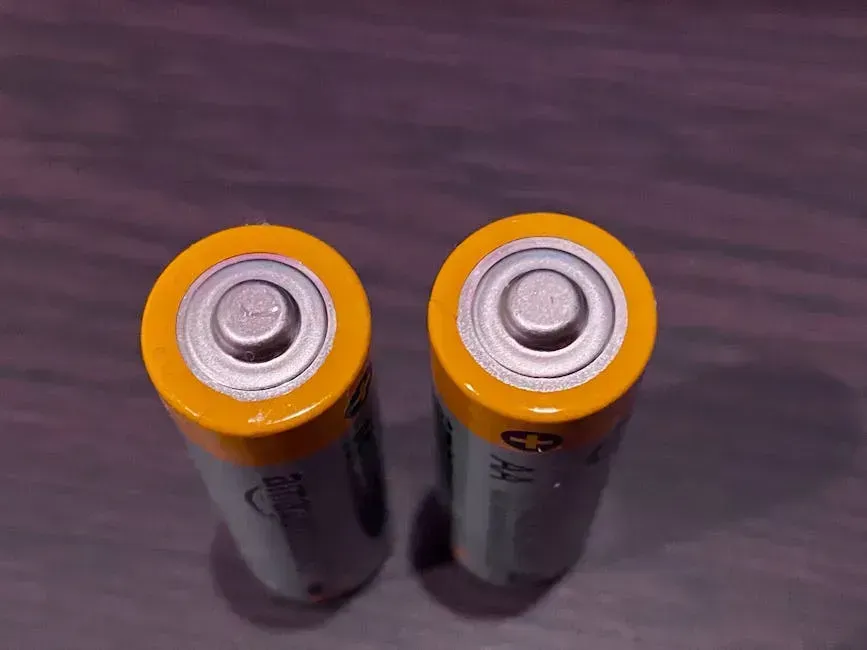
That drawer of old chargers, spare phones, and loose batteries almost always ends up in a plastic bin. It seems harmless. The reality is that plastic and electronics are a particularly bad combination.
Electronics are vulnerable to moisture and heat, which worsens when sealed in plastic storage bins. Meanwhile, batteries in storage bins can corrode and leak over time. These items should be stored in anti-static bags with silica packs in a temperature-controlled room.
Plastic bins can generate static electricity, which could damage sensitive electronic devices, or even cause batteries to leak. Opt for anti-static packaging or boxes specifically designed for electronics. Store old electrical items in a cool environment that is well-ventilated. A corroded battery leaking inside a sealed plastic bin is a genuinely messy and potentially dangerous situation most people never anticipate.
7. Food (Long-Term Storage)
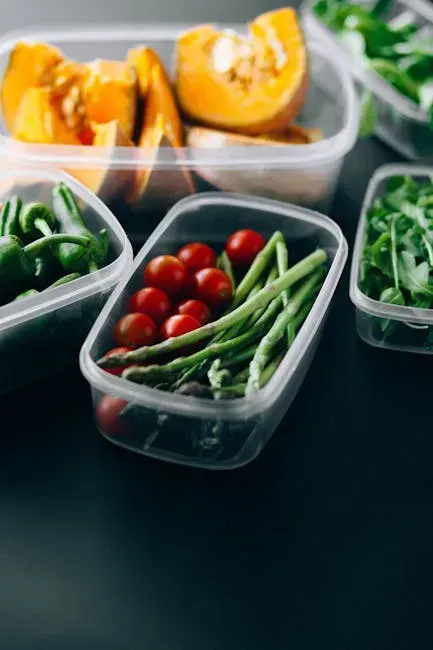
This one surprises people the most. Plastic bins for food storage feel completely normal – and short-term, they can be fine. Long-term is where the science gets uncomfortable.
Stored food comes in contact with plastics, plasticizers, intentional additives, and inadvertent contaminants. Plastic food containers are asserted to be safe, yet these containers are not totally inert and leach varying levels of metals and chemicals into the foods they store, especially if subjected to elevated temperatures.
Researchers uncovered nearly 10,000 different chemicals in a single food packaging product. The study by researchers from the Norwegian University of Science and Technology tested 36 different plastic food packaging products from multiple countries. The findings were troubling, as nearly all of the items contained substances that interfered with the body’s hormones and metabolism. The researchers suggest transferring food out of plastic containers and into glass or stainless steel for storage, especially when reheating, and avoiding putting hot food in plastic.
8. Wine and Corked Bottles
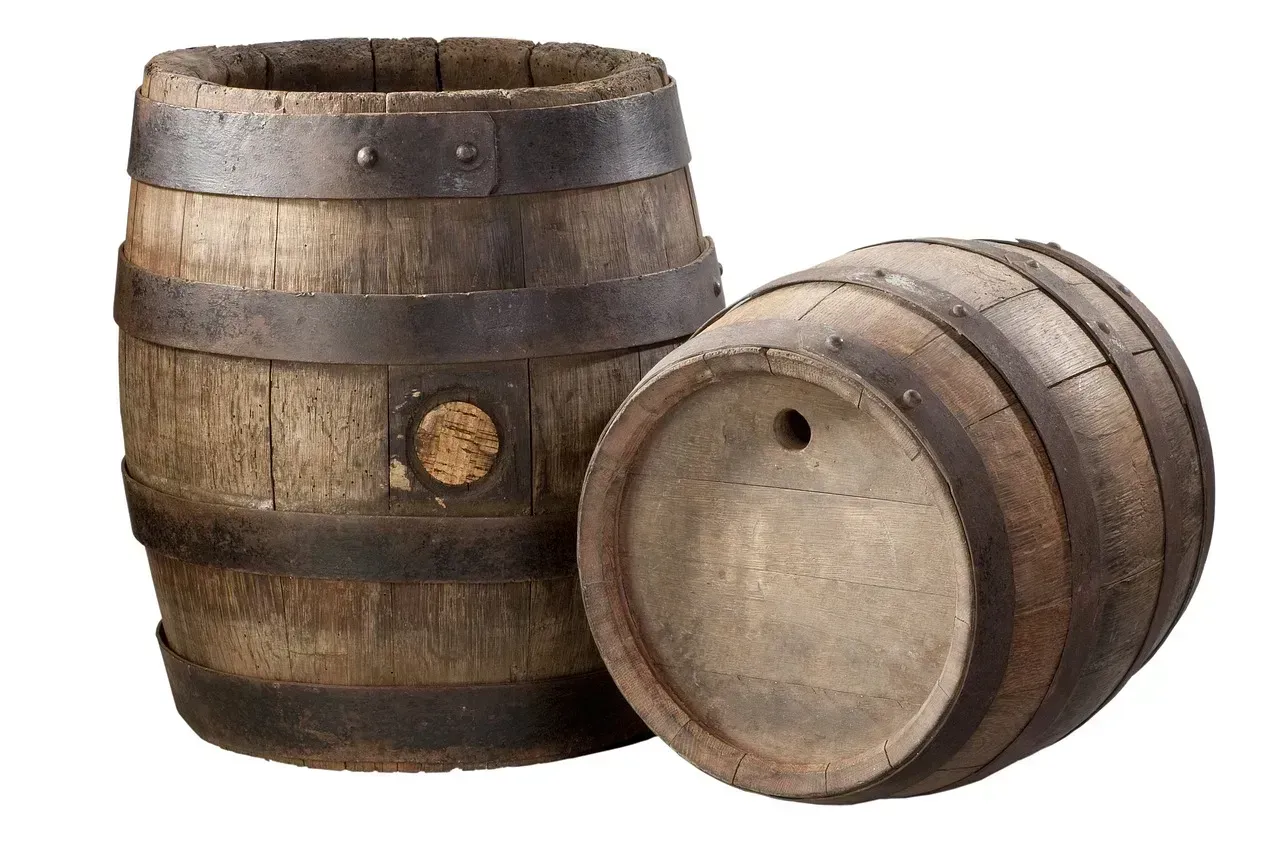
Wine collectors and casual drinkers alike sometimes store bottles in plastic bins for convenience. It’s one of those storage habits that quietly ruins what could have been a great bottle.
Storing bottles in plastic containers can indirectly affect their quality. This is because plastic can release chemicals into the air that may eventually seep into the cork and alter the flavor of your expensive wines and drinks. To ensure that your prized drinks age well, store them in a wine room or a wine rack.
Humidity and extreme temperatures can adversely affect wine over time, altering its taste and diminishing its worth. Properly storing wine is necessary to help prevent wine aging, oxidation, cork taint, and refermentation. Avoid UV light, limit vibrations, and maintain stable temperatures to help keep your fine wine collection in pristine condition. That bottle you’ve been saving for a special occasion deserves a lot better than the shelf in the garage.
9. Books and Physical Media
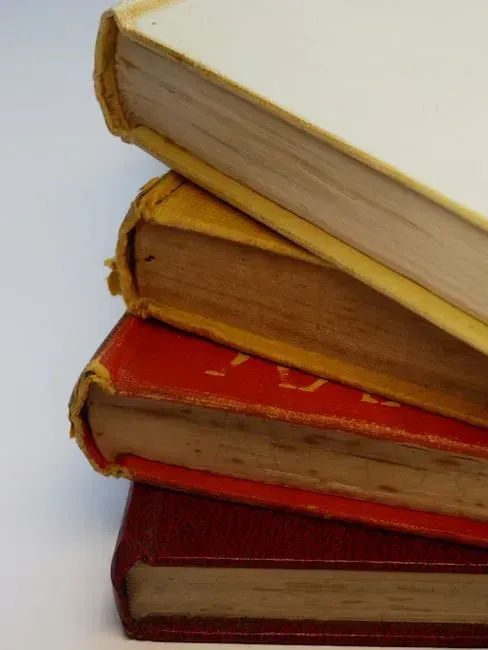
Books, vinyl records, Blu-rays, comic books – these are the kinds of things people lovingly pack into plastic bins thinking they’re protected. The trapped environment inside those bins often causes more damage than open shelving ever would.
Books and other paper goods can warp when exposed to the humidity that gets trapped inside plastic storage bins. Keep your reading collection safe by storing wooden or cardboard boxes in a dry, climate-controlled space. Warped pages and peeling spines are the most common casualties.
Whether you’re stashing books, Blu-rays, CDs, or video games away, they could come out looking worse for wear after a long time in plastic storage. Treat your books and physical media better by sticking items in special rooms where both temperatures and humidity levels can be closely monitored, and away from sunlight in either cardboard boxes or canvas bags.
10. Antiques and Vintage Collectibles
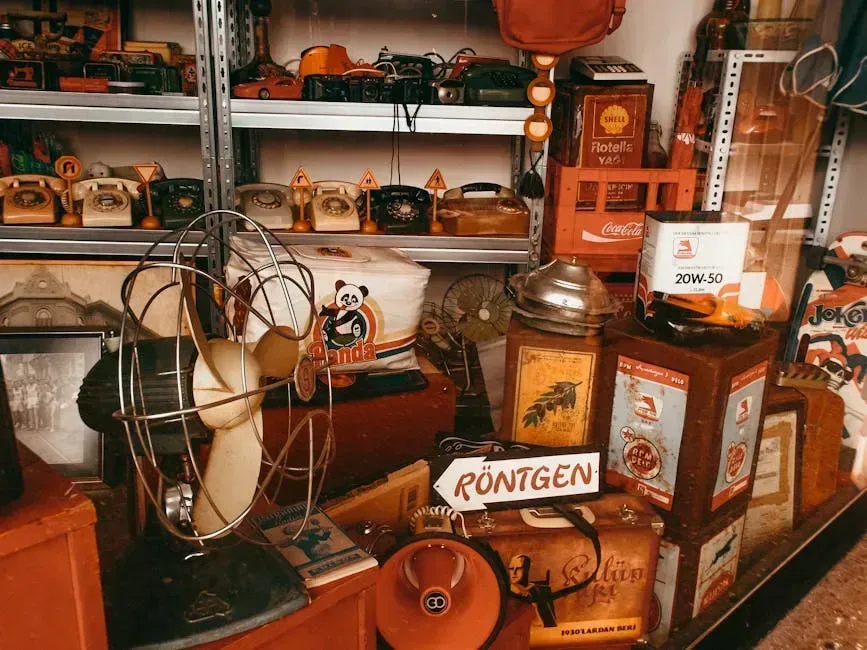
Antiques represent history, sentiment, and often serious financial value. Sealing them in plastic bins is, in many cases, a slow-motion way to destroy them. The chemistry inside that sealed environment is simply not friendly to aged materials.
When it comes to vintage or antique items like porcelain figurines or vintage leather-bound books, they require special attention. Plastic bins can release gases over time that could damage these materials. It’s best to opt for acid-free archival boxes to preserve their charm and prevent deterioration.
Collectibles and keepsakes like stamp collections, coins, trading cards, vintage books, and comic books benefit greatly from climate-controlled environments. Drastic temperature fluctuations and humidity will cause coins to start the oxidation process. Stamps will curl and stick in high temperatures or humidity, while other paper-based items can wrinkle and stick together if exposed to moisture.
11. Pet Food
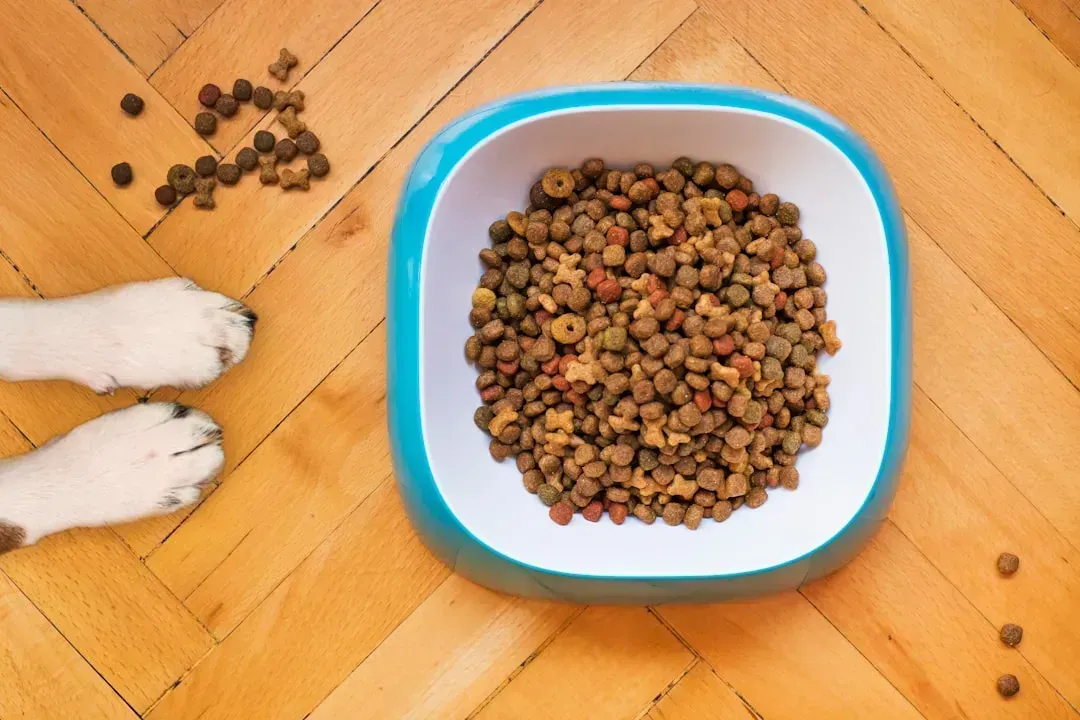
Buying large bags of pet food and pouring them into a big plastic bin for convenience is so common it practically feels like standard pet ownership advice. It’s also worth reconsidering, at least when it comes to long-term storage in generic bins.
Humans aren’t the only ones who might have to deal with leaching in plastic bins – the same issues happen with pet food. It’s best to store food for your cat or dog in food-safe metal storage bins instead. The oils and fats in pet food accelerate chemical absorption into the plastic walls of standard bins far more quickly than people assume.
Avoid storing fatty or acidic foods in plastic, as these foods can absorb harmful chemicals more easily. Pet kibble is typically high in fat content, meaning the risk of chemical migration from the bin into the food is meaningfully higher than it would be for dry, non-oily items. Your pets’ health is worth the extra thought.
12. Artwork and Framed Pieces
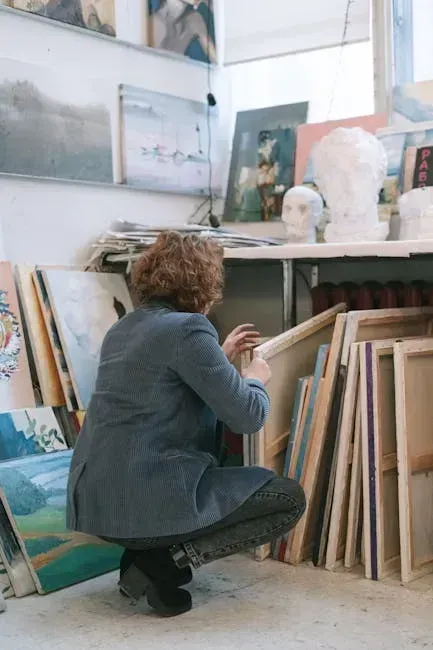
Storing artwork in plastic bins is one of those things that seems perfectly reasonable until you actually understand what happens inside a sealed plastic environment over time. Temperature swings, trapped humidity, and off-gassing from the plastic itself are a brutal combination for any kind of art.
Artwork, photographs, and essential documents are highly sensitive to temperature and humidity. Moisture, mold, and fading can easily damage these items if not stored in a climate-controlled environment. Canvas paintings can develop condensation on their surface. Frames can warp. Paint can crack.
When it comes to storing artwork or framed photographs, using plastic bins may lead to scratches or breakage. Opt for art storage boxes that provide padding and separators between items to avoid contact. To ensure your precious belongings stay safe and ready to be displayed on your walls whenever you want, it’s essential to take care of them properly. Archival-quality materials, padded art boxes, and climate-controlled spaces are the only real answer here for anything you genuinely value.
—
The plastic bin is one of the most useful inventions in any home organizer’s toolkit. Nobody is saying to throw them all away. But there’s a meaningful difference between storing seasonal decorations in a plastic bin versus assuming that every single item in your home is fair game for that same treatment.
Researchers discovered that of the roughly 14,000 known chemicals in food packaging, over 3,600 have been found in the human body, whether in samples of blood, hair, or breast milk. The science is increasingly clear that plastic is not a neutral storage medium. Some items survive it fine. Others, as this list shows, quietly suffer.
Look around your home. How many of these 12 items are sitting in a plastic bin right now? What would you change?