The 6 Suburbs Where Home Prices Could Collapse by Late 2026
Housing markets are unpredictable beasts. You’d think after all this time, we’d have learned to spot trouble before it arrives, but here we are again, staring down a suburban landscape that’s showing serious warning signs. Let’s be real: not every suburb is created equal right now, and some are teetering on the edge of what could be a painful market correction. So let’s talk about which ones might be headed for turbulence.
Cape Coral, Florida: The Canal Dream Crumbles
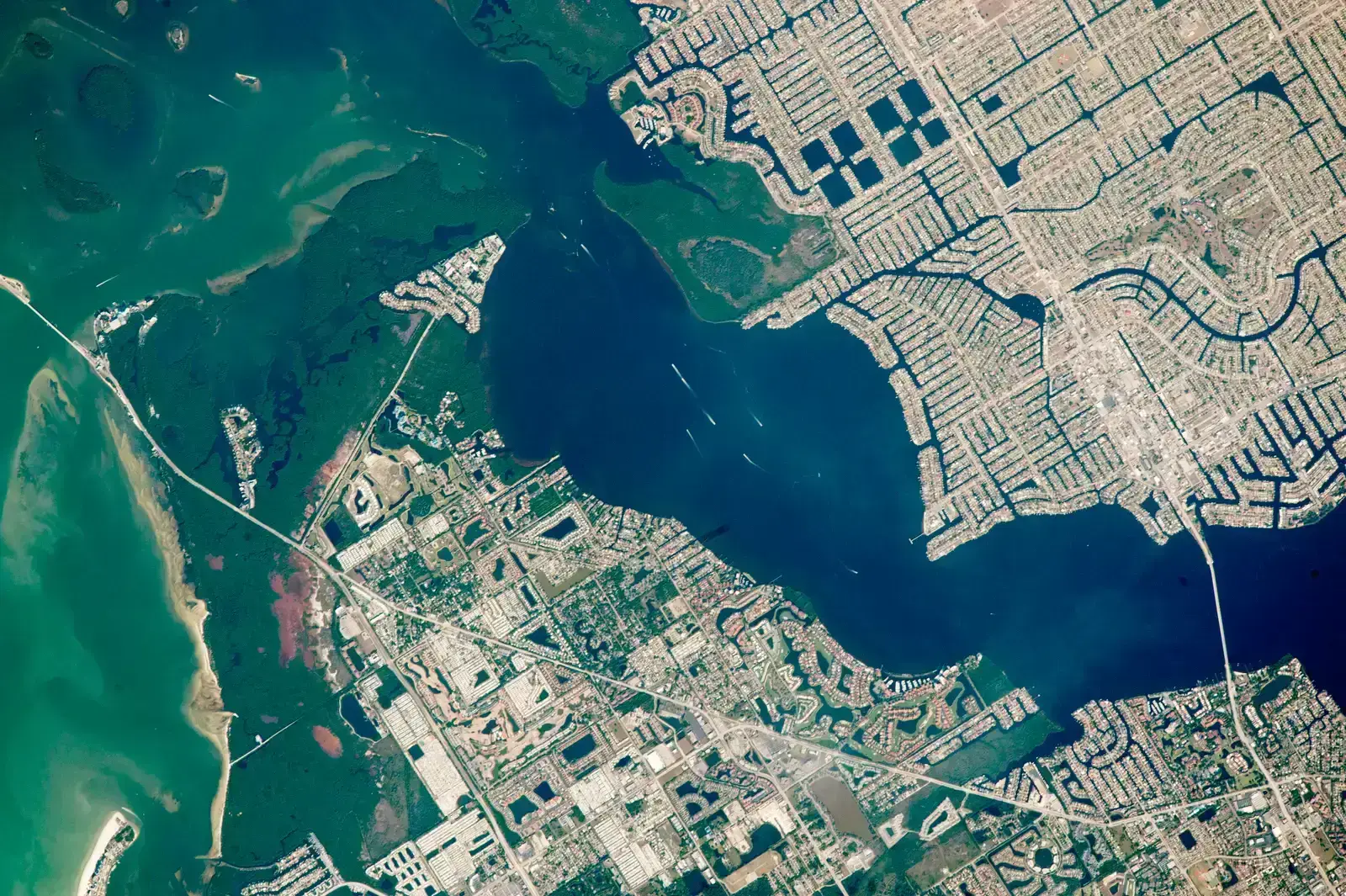
Cape Coral’s housing market saw typical single-family homes sell for nearly seven percent less in August 2025 compared to the previous year. Even more striking, compared to August 2022, the median home sales price has dropped by over thirteen percent. Think about that. This isn’t some minor blip on the radar.
The city, known for its canal system, became a hotspot during the pandemic boom when remote workers flooded into Florida searching for that coastal lifestyle. Now reality is setting in. Cape Coral had one of the highest foreclosure rates among major metros in the third quarter of 2025, according to ATTOM data. Insurance premiums have skyrocketed because of hurricane risk, and that’s not going away. Homes are languishing on the market in coastal Florida due partly to natural disasters and surging insurance costs and partly to pandemic-era remote workers moving back to where their office is located.
North Port, Florida: The Overcorrection Zone
North Port has seen an even more dramatic long-term correction, with typical August 2025 home sales prices twenty percent less than three years prior. That’s a staggering decline that signals something deeper than seasonal adjustment. We’re talking about a market that got way ahead of itself and is now paying the price.
The combination of rising costs is dampening buyer enthusiasm in a serious way. Higher interest rates, increasing insurance premiums, and climbing foreclosure rates are dampening buyer enthusiasm. Being on the Gulf Coast makes cities vulnerable to hurricanes and flooding, leading to higher and harder-to-get homeowner’s insurance. Many who bought at the peak are now underwater or close to it.
Suburban Texas Markets: The Energy Sector Hangover

Texas suburbs have been riding high for years, but the party might be ending. Some areas in Texas have economies significantly influenced by the oil and gas sector. When oil prices are volatile or demand shifts, these economies can feel the ripple effect quite strongly, impacting job markets and, consequently, housing demand and affordability. Victoria, Texas showed up on vulnerable market lists with significant predicted price drops.
Homes will languish on the market in coastal Florida, along with Texas, due partly to natural disasters and surging insurance costs. The builders went hard in Texas during the boom years, and now there’s simply too much supply chasing too little demand. New-home markets slowdown in previously hot markets like Texas and Florida, in part because of some limited cyclical overbuilding and the fact that mortgage rates remained above six percent in 2025.
Remote Work Bubble Suburbs: Boise and Austin Peripherals

Here’s where things get interesting. The suburbs surrounding cities like Boise and Austin exploded during remote work mania. Cities like Austin, Boise, and other cities that thrived on work-from-home arbitrage are at risk. If more workers are forced back to offices in urban cores, these markets could see slowing demand and potential housing corrections. Honestly, I think we all saw this coming.
Remote work contributed to more than sixty percent of housing price increases between November 2019 and November 2021. What happens when that fundamental driver reverses? These markets attracted high-earning remote workers who bid up prices beyond what local economies could sustain. Now as companies pull workers back to offices, even in hybrid arrangements, the demand is evaporating. The data shows a dramatic drop in work-from-home rates across nearly all markets. Cities like San Francisco, which saw thirty-five percent fully remote workers in 2021, have dropped to twenty-one percent.
Overbuilt Sunbelt Exurbs: The Inventory Glut Reality
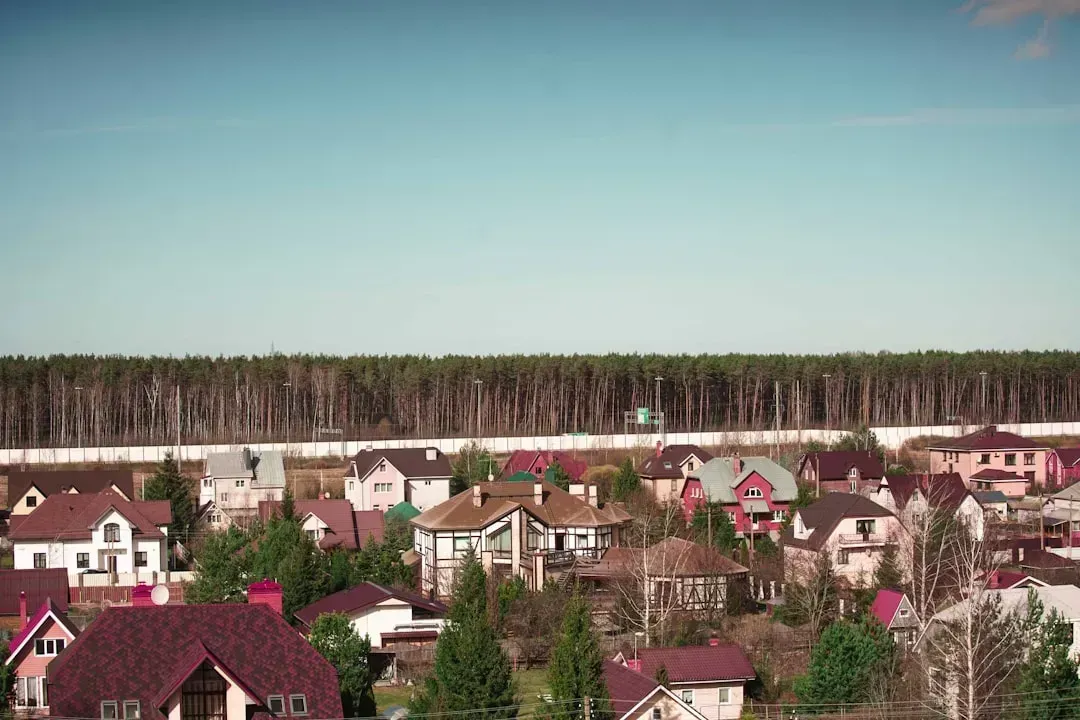
The far-flung exurbs of Sunbelt metros created a different problem entirely: they built too much, too fast. The traditional engine of home building in the South is weakening. The South has had stronger population growth and lower regulatory barriers, but as incomes have increased, regulatory barriers have increased, slowing this once fast-growing region. Migration to these areas has slowed dramatically.
New residents continued flocking to areas but the flow is changing. In 2024 it was down thirty percent from the previous year. When you combine declining migration with massive inventory increases from speculative building, you get a recipe for price corrections. These markets face the double whammy of weakening demand and oversupply that will take years to absorb.
Postwar Suburban Neighborhoods: The Forgotten Middle
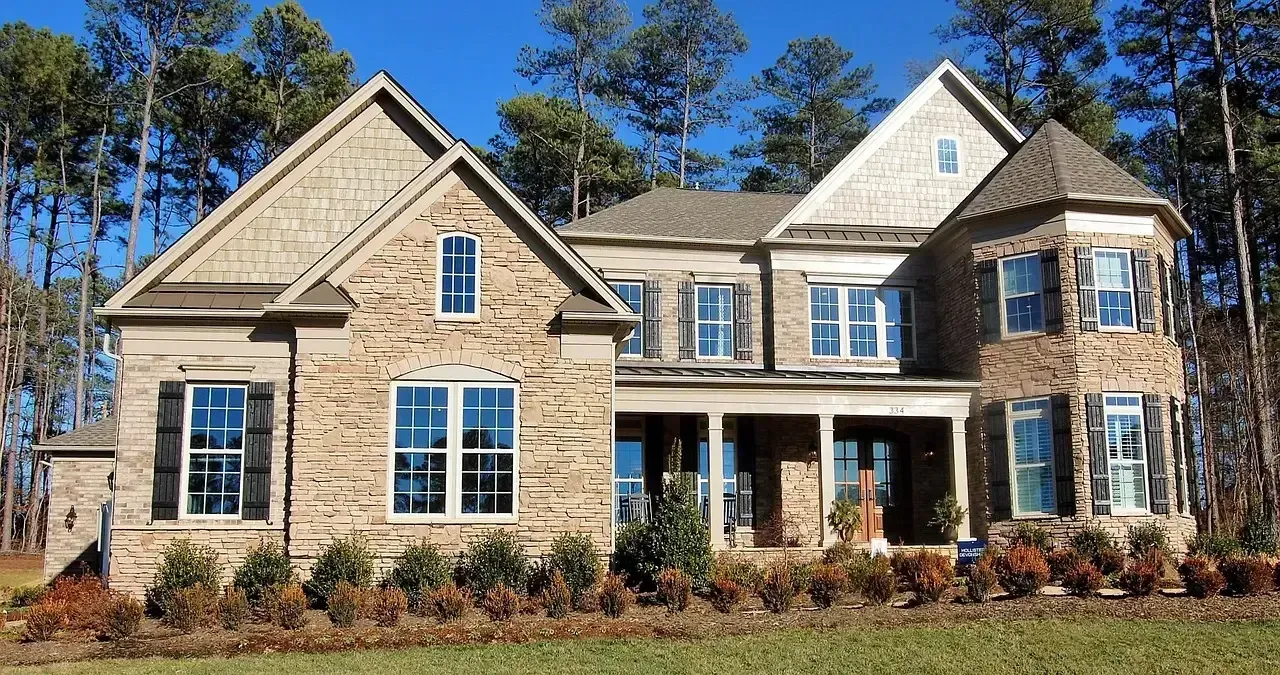
This one might surprise you, but it shouldn’t. Postwar suburban neighborhoods built between 1950 and 1970 were most likely to decline in status. This makes sense given that the start of the study period was when these neighborhoods were new and at their peak. Small, postwar housing typically lacks amenities that are currently desired, which may explain the declining status of these neighborhoods over time.
These suburbs across the country, not tied to any specific region, are aging out. They lack the charm of prewar neighborhoods and the modern amenities of newer construction. Buyers today want home offices, open floor plans, and energy efficiency. These neighborhoods offer none of that. Areas with stagnant economies, steadily declining populations or overbuilt housing markets would likely see slower growth or even price declines. The best appreciation potential will be in more affordable Midwest markets where supply is limited and demand is strong. The postwar suburbs fall squarely in the declining category, making them vulnerable to significant value erosion by late 2026.
The bottom line? Housing markets don’t crash uniformly. They crack in specific places where fundamentals have gotten out of whack. Insurance costs, remote work reversals, overbuilding, and economic dependence on volatile industries are creating perfect storm conditions in these six suburban categories. Did you expect housing markets to stay frozen in their pandemic patterns forever? The reset is already underway in many of these places.