7 Countries Where a $2,500 Monthly Budget Can Afford You a Luxury Lifestyle
Most people assume that living well requires living expensively. Bigger income, nicer life, right? Honestly, that logic falls apart the moment you step outside the Western bubble. There are places in this world where $2,500 a month doesn’t just cover your basics. It buys you a life that most people back home can only scroll past on Instagram. We’re talking private pools, fine dining, spa treatments, and stunning views, all within budget.
In 2025 and into 2026, more people than ever are trading high-rent cities for low-cost living destinations where the food is great, the weather is better, and the budget stretches surprisingly far. Whether you’re a digital nomad, early retiree, remote worker, or just looking for a financial reset, relocating to a more affordable country might be the smartest move you make. So, which countries actually deliver on the promise? Let’s dive in.
1. Thailand: Tropical Luxury Without the Tropical Price Tag
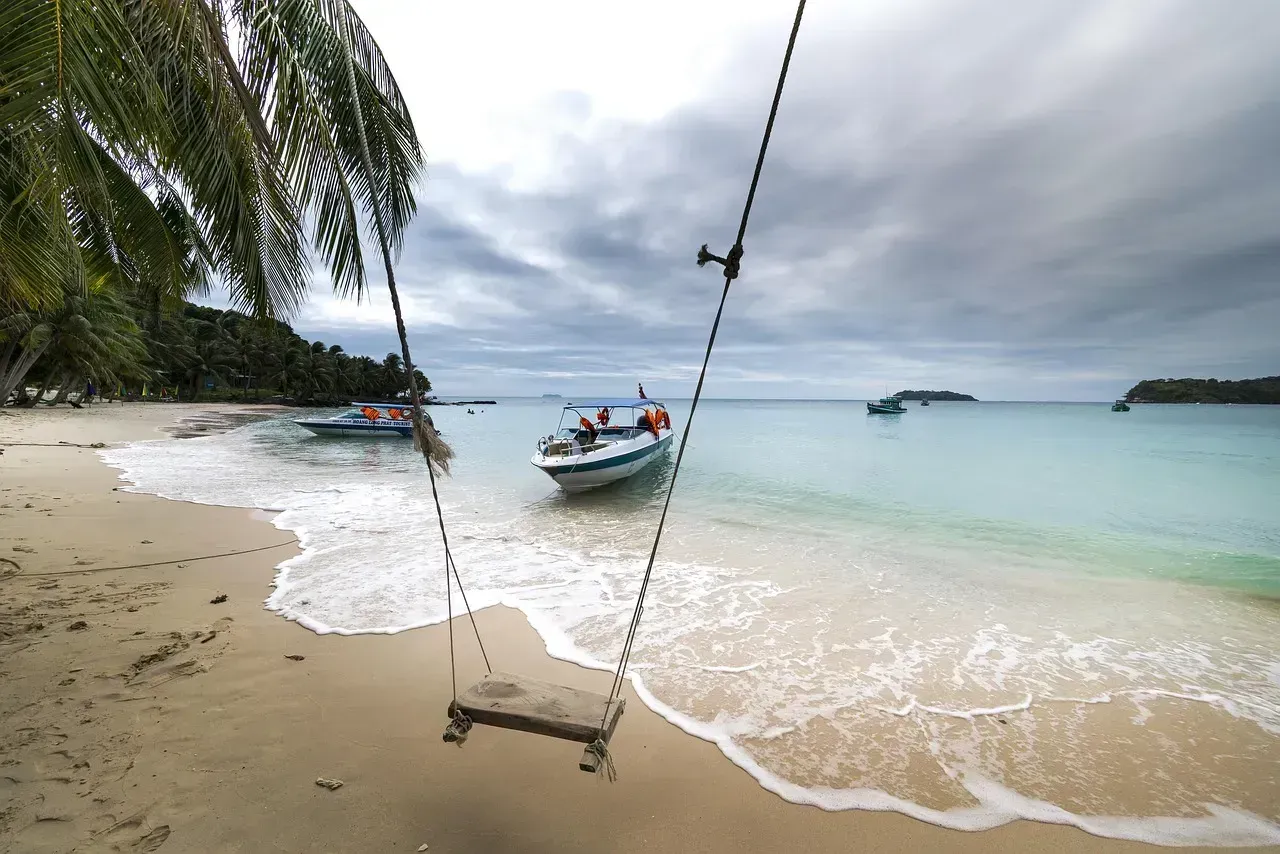
Thailand continues to attract digital nomads, retirees, and families from around the world thanks to its warm climate, high quality of life, and relatively affordable cost of living. Let’s be real, few places on earth offer this kind of deal.
Thailand offers options for every lifestyle and budget: Bangkok’s cosmopolitan vibe is perfect for city-lovers, while Chiang Mai’s mountainous scenery attracts those seeking tranquility, and Phuket offers the ultimate beach life. A one-bedroom, fully furnished condo with a pool, gym, and 24-hour security goes for under $600 a month. A two-bedroom is around $750, and you can find spacious family homes with a private pool for under $1,000.
Fresh produce, including tropical fruits and seafood, is inexpensive, and lunch at a local cafe costs just $4. Street food is a cultural staple, with dishes like noodles and curries costing just $2. For those looking for a more sophisticated dining experience, high-end restaurants remain affordable, with dinner for two at a mid-range restaurant costing around $25.
Renowned for medical tourism, Thailand boasts world-class hospitals such as Bumrungrad International. Basic health insurance plans are available for $60 to $80 monthly. Thailand also launched a digital nomad visa in 2024, the Destination Thailand Visa, which allows stays of up to 180 days per visit on a multiple-entry basis. With $2,500 available each month, you’re not budgeting, you’re genuinely living well.
2. Portugal: European Living at a Fraction of Western European Prices

For those determined to stay within European borders, Portugal remains one of the most budget-friendly options. It offers an exceptional lifestyle at any age, characterized by a mild climate, a rich cultural heritage, and a remarkably low cost of living compared to its neighbors.
According to International Living, a couple can live very comfortably on roughly 2,000 euros a month, while 1,700 euros is often more than enough for a single person. These figures generally cover rent, utilities, and dining out. In many local haunts, you can still find a fantastic dinner for under 12 euros and a draught beer for as little as 2 euros.
In Portugal, an 85 square meter apartment’s monthly utilities, including electricity, heating, water, and internet, average only about €94 to €110. That is extraordinary compared to most of Western Europe. Healthcare in Portugal is ranked number 12 by the World Health Organization, and all residents have access to both the public healthcare system and the low-cost private system, where many medical professionals speak English.
The D7 visa for financially independent persons requires a passive income equal to Portugal’s minimum wage, which in 2025 was €920 per month. That’s a strikingly low bar of entry for a country that gives you Lisbon, Porto, and the Algarve coastline. I think Portugal might just be the most underrated luxury-on-a-budget destination in Europe today.
3. Mexico: Close to Home, Far From Expensive

Mexico is one of the most affordable places to live in the world, ranked 2nd in the Expat City Ranking 2024 among the best countries for living abroad, and it features a lower cost of living, proximity to the US and Canada, and a rich culture. For Americans especially, this is a no-brainer.
You can live comfortably in popular expat areas for around $1,800 to $2,500 a month, with apartment rentals averaging $600 to $1,000 in San Miguel de Allende and $500 to $900 in beach towns like Puerto Vallarta, while grocery costs average a remarkably low $200 to $300 monthly for a couple.
The Tren Maya is a new rail link connecting iconic Mayan ruins with the turquoise waters of the Yucatán Peninsula, making formerly remote areas easily accessible. For fans of road trips, the new highway between Oaxaca and Puerto Escondido has slashed travel times, putting the stunning southern coast within easy reach.
Mexico’s private healthcare system rivals many U.S. facilities in quality while costing 60 to 80 percent less, many doctors train in the United States, and comprehensive private health insurance costs $150 to $300 a month per person depending on age and coverage level. That kind of healthcare access, at that price, changes everything.
4. Colombia: The Latin American Gem That Keeps Surprising People

While some still associate it with an outdated reputation for danger, today’s Colombia is a transformed nation, safe, welcoming, and one of the most affordable destinations in South America. The turnaround has been remarkable, and the expat community has taken notice in a big way.
Medellín’s most popular neighborhoods among expats and digital nomads are El Poblado and Laureles. El Poblado is known for its upscale feel, modern high-rise buildings, nightlife, restaurants, coworking spaces, and proximity to international schools and city’s best shopping malls. Laureles, on the other hand, is more residential, flatter, and walkable, offering a quieter atmosphere with tree-lined streets, cafés, and a strong local community.
In these areas, a studio or one-bedroom apartment in a safe, central location typically costs between $400 and $800 USD per month for a long-term lease. A modern two or three-bedroom apartment in a newer building often ranges from $700 to $1,200 USD per month, depending on size, views, and amenities such as security, elevators, gyms, or pools.
While you can use the public EPS system as a resident, most foreigners opt for private health insurance, which is very affordable at often $50 to $100 per month, and provides access to top-tier hospitals and English-speaking doctors. International Living suggests that roughly 2,000 euros provides a lifestyle of luxury in hubs like Medellín. With $2,500, you have genuine breathing room here.
5. Malaysia: Southeast Asia’s Underrated Powerhouse

Living in Malaysia typically costs around USD $540 per month for a single person, excluding rent, and USD $1,965 for a family of four. These expenses are much lower than in many Western countries, making Malaysia an appealing choice for expats. Think about that. A full family budget for under $2,000.
On $2,500 a month, a couple can live exceptionally well in Malaysia. If you don’t care to live with a view or by the beach, you could easily live on less than $2,000 a month. A one-bedroom furnished apartment in central Kuala Lumpur, like Bukit Bintang or Mont Kiara, costs $600 to $850 monthly. In residential areas like Cheras or Wangsa Maju, prices drop to $400 to $550.
Malaysia offers good infrastructure, low cost of living, and no local income tax on earnings from abroad. That last part is a game-changer for remote workers. Expats often choose private clinics, which are faster and more affordable, with general consultations starting around $15 to $25. Hospitals like Gleneagles and Prince Court Medical Centre in Kuala Lumpur meet international standards.
In Kuala Lumpur and Penang, a three-bedroom apartment with modern amenities costs between $600 and $1,200 per month. Here’s the thing: where else in the world can a family of four live in a three-bedroom modern apartment for that kind of money? Malaysia delivers a strikingly good deal.
6. Vietnam: Possibly the Best Dollar-Stretching Country on the Planet

Vietnam has one of the lowest costs of living in the world, but the lifestyle can be as comfortable as in any developed country. I know it sounds crazy, but Vietnam consistently ranks as one of the most affordable places on earth for expats, year after year.
Renting a furnished one-bedroom apartment in Hanoi’s Old Quarter costs $275 per month, including twice-weekly cleaning and all utilities except electricity. The electricity bill, with air conditioning on during the day and night if necessary, is around $50 per month during the summer. Fiber internet will cost around $10 per month, and a monthly prepaid mobile plan that includes calls and data costs $4.
A meal at a high-end restaurant in Hanoi costs an average of $10, while street food like pho or rice dishes can cost as little as $3. For a special occasion, a premium seafood, sushi, and grilled meat buffet costs around $50. Fine dining for $50. That’s a Tuesday night treat, not a special occasion budget-buster.
All in, expats spend about $1,000 a month, including massages, pedicures, haircuts, transportation, and occasional weekend getaways. In other cities like Nha Trang, Quy Nhon, or Hoi An, you could live this lifestyle for even 10 to 20 percent cheaper. The Vietnamese currency is loosely pegged to the U.S. dollar, and with low inflation, the cost of living has actually gone down over time. With $2,500 in Vietnam, you’re living like royalty.
7. Bulgaria: Europe’s Best Kept Budget Secret
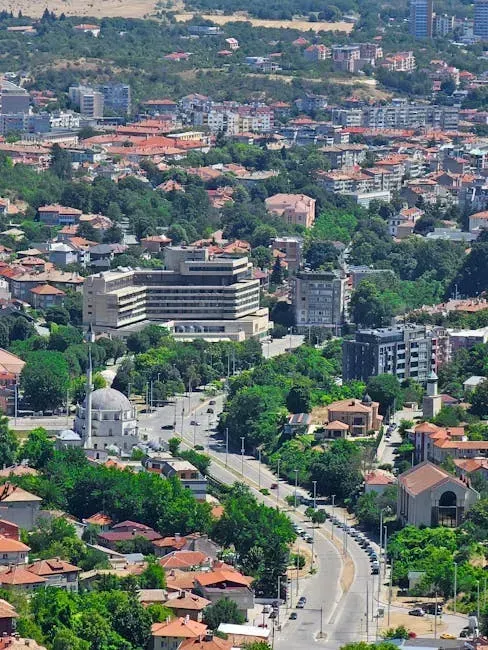
Bulgaria became part of the Schengen Zone in 2024, so it’s still one of the cheapest places to live abroad, but it’s a lot easier for Europeans to move there. Bulgaria did launched a digital nomad visa in late 2025, so it will get easier for non-Europeans to stay longer. The country is quietly leveling up its expat appeal.
Bulgaria stands out in the EU for low living costs. Sofia offers rental rates of $300 to $500, and groceries cost about $200 monthly. That is an astounding value for a European capital. Sofia and Plovdiv offer a European lifestyle at a fraction of Western costs, and honestly, that combination is hard to beat anywhere on the continent.
For cheaper options in Europe, consider Sofia, Bulgaria, and Bucharest, Romania, both of which come in as cheaper options while still offering stunning culture and history, and excellent food. Bulgaria sits inside the European Union, which means solid infrastructure, rule of law, and freedom of movement for EU citizens.
With $2,500 per month in Bulgaria, you’re not just covering rent and groceries. You’re dining at the best restaurants in Sofia, taking weekend trips to the Black Sea coast, and still putting money away at the end of each month. It’s hard to say for sure whether Bulgaria will stay this affordable as it grows in popularity, but right now, it’s a steal hiding in plain sight inside the EU.