8 “Fancy” Menu Items Chefs Say Aren’t Worth the Hype
You sit down at a nice restaurant, scan the menu, and there it is. That one item that sounds impossibly luxurious. Caviar. Wagyu. Truffles. Gold leaf. Your eyes go wide and your wallet quietly starts to sweat.
Here’s the thing, though. Not everything that glitters on a restaurant menu is actually gold. In fact, some of the most hyped, most expensive, most Instagram-worthy dishes are precisely the ones that seasoned chefs quietly roll their eyes at. The gap between reputation and reality in fine dining can be enormous, and sometimes a little embarrassing. Let’s get into it.
1. Truffle Oil Dishes: The Great Fragrant Lie
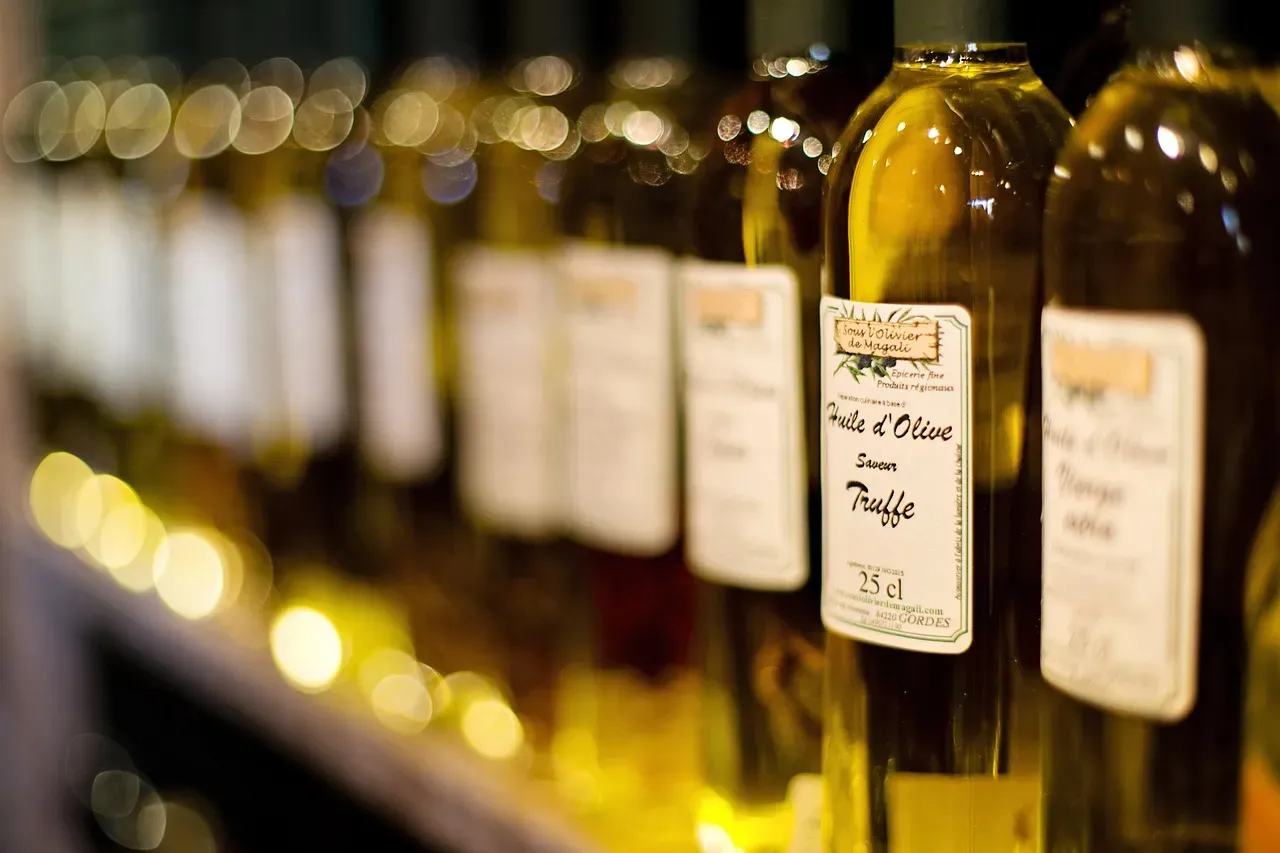
If there is one ingredient that unites chefs in shared frustration, it is truffle oil. Truffle oil is controversial as a flavoring ingredient, as nearly all truffle oil is produced from one synthetic flavor compound, and may lack the complex flavors and aromas of fresh truffles. Think about that the next time you see “truffle fries” on a menu for fifteen dollars.
The specific compound doing all the impersonating is called 2,4-dithiapentane. Many truffle oils are not made from truffles, but instead use manufactured aromatic compounds including 2,4-dithiapentane, and there are no regulations regarding its labeling – it can legally be called “truffle aroma,” “truffle flavor,” or “truffle concentrate,” even though it is not extracted from truffles. In plain words? You are paying a premium for perfume on pasta.
In professional kitchens, especially in fine dining, synthetic truffle oil has developed a notorious reputation. Many acclaimed chefs refuse to use it, calling it a crutch for amateur cooks or a sign of lazy flavoring. One award-winning chef pointed out plainly that anytime you see “truffled” as a descriptor on a menu but there are no actual truffles in the dish, they are just drizzling synthetically scented truffle oil on it.
Synthetic truffle oil hits one note loudly and consistently. Worse, when heated, the artificial compounds can degrade into unpleasant, rubbery, or metallic odors that overpower a dish. The real thing, by contrast, is seasonal, complex, and extraordinary. The oil version is simply none of those things.
2. Wagyu and Kobe Beef: The Name Game
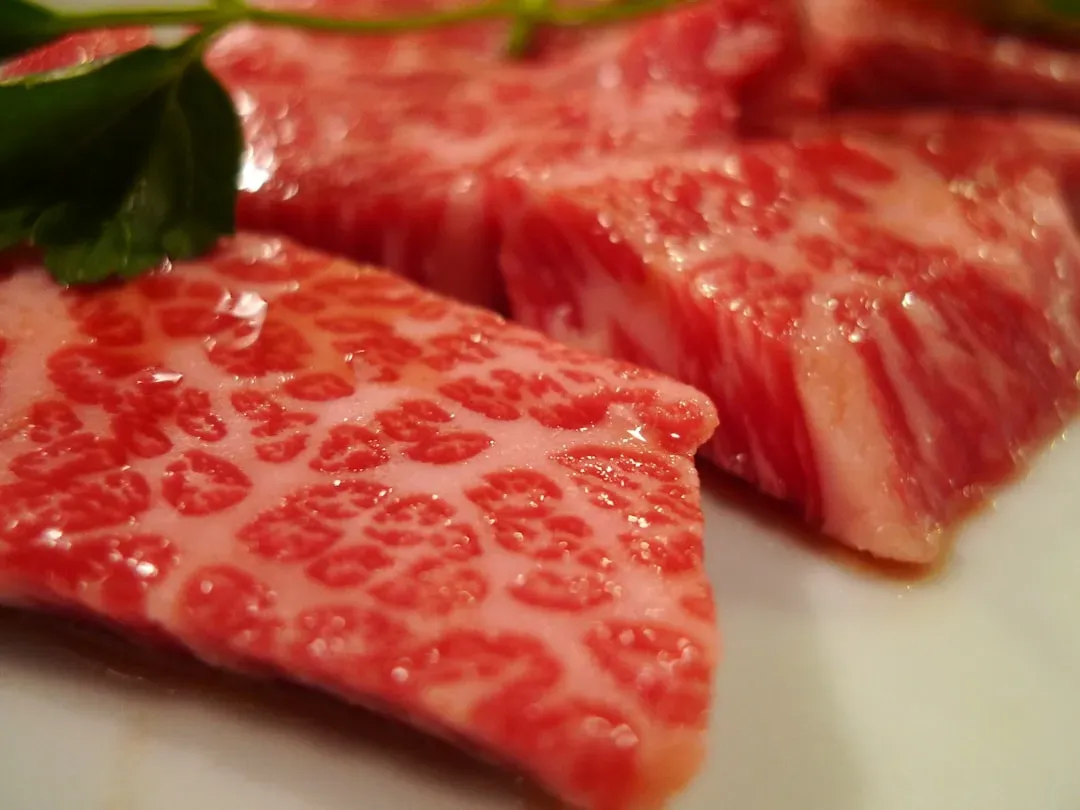
There are few words on a menu that command more immediate respect and higher prices than “Wagyu” or “Kobe.” The only problem? You’ve probably seen “Wagyu” slapped on everything from hot dogs to jerky to $20 burgers at chain restaurants. Most of that isn’t Wagyu – it’s Angus beef with a little Wagyu ancestry, or worse, just a marketing gimmick.
There are only about 3,000 head of certified Kobe beef cattle in the world, and they live in Japan. That supply is simply nowhere near enough to stock the countless steakhouses across America that boldly list “Kobe” on their menus. As one chef noted bluntly, there are tons of steakhouses, including high-end expensive ones, that simply claim their beef is Kobe and it is neither true nor illegal to lie about it.
There is plenty of lower-grade “Wagyu” out there which is being mislabeled and sold to the public as something it is not at unrealistic prices. Wagyu has become the new marketing label that consumers don’t really understand, alongside other trending terms like “all-natural” or “pasture-raised.” The American Wagyu Association recently launched a USDA-backed certification program to try to clean up this mess, but the confusion remains widespread.
If you’re ordering Kobe or Wagyu beef outside of Japan, ask to see the certificate of authenticity that accompanies every true Kobe and Wagyu meat shipment. If the restaurant cannot produce one, you’re essentially paying a luxury price for a very ordinary steak with a very glamorous name.
3. Caviar on Everything: From Delicacy to Decoration
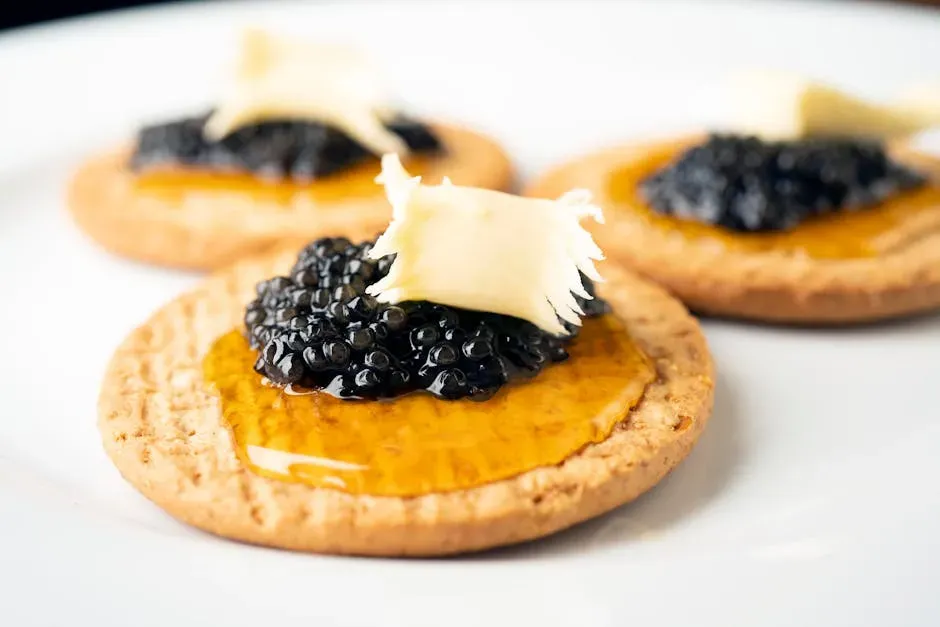
Caviar used to mean something. It was rare, precious, and treated with reverence. Now it appears on fried chicken sandwiches, lobster rolls, and yes, desserts. Honestly, it’s starting to feel less like a luxury and more like a visual punchline.
Uni, truffles, and caviar used to be special. Now they’re often tossed onto dishes just to make them seem more luxurious for Instagram. We’re living in a time where presentation is sometimes prioritized over purpose, and the integrity of a dish can get lost in the hype. That observation comes from David Garcia, executive chef of Eddie & Vinny’s, and it sums up the problem perfectly.
This has made caviar more of a mainstream, household staple rather than a luxury, special item. When buried under layers of cheese, sauces, or fried toppings, you start to lose the unique flavor and texture – its distinct, briny, oceanic flavor and, most importantly, its delicate pop. The caviar bump on a Pringle might be fun for a photo. However, it completely defeats the purpose of the ingredient.
4. Edible Gold Leaf: Paying for Absolutely Nothing
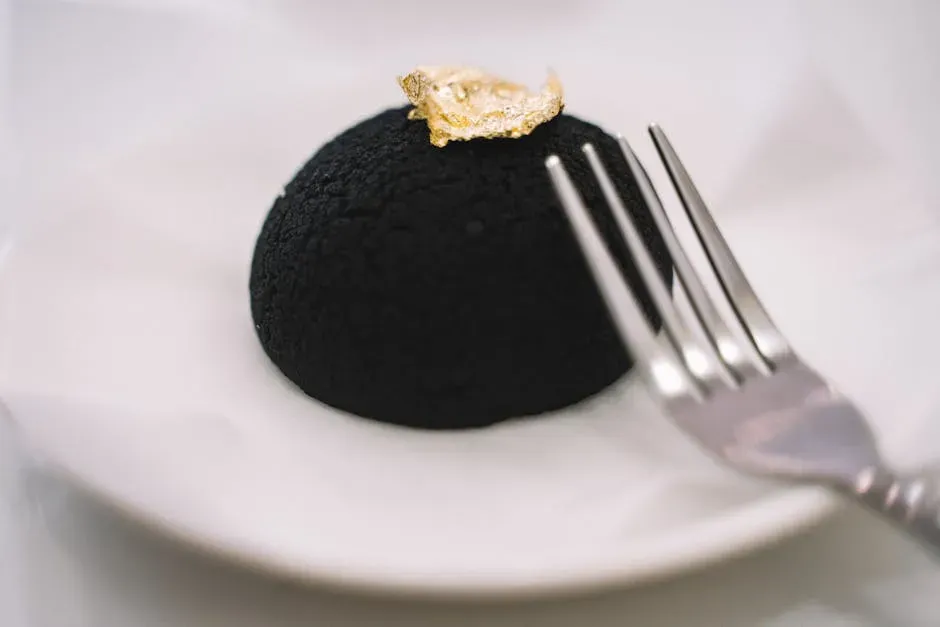
Nothing says “this dish costs more than it should” quite like a shimmering flake of gold sitting on top of it. Edible gold is one of the most theatrical and least defensible trends in modern restaurant menus. It looks stunning. It tastes like nothing at all.
Donald Young, a Michelin-star chef, laments the use of edible gold leaves: “It adds nothing to the dish other than an expensive garnish for flare.” That is pretty much the whole story. You are paying, sometimes quite a lot, for a piece of metal that has zero flavor, zero nutritional value, and zero purpose beyond looking impressive on a phone screen.
I think it’s a fascinating little window into how dining culture has shifted. The experience of eating has, in some corners, been quietly replaced by the experience of posting. Food is becoming fashion. Burrata boomed, and now everything has burrata. It’s not the foods that are overrated, it’s the use and the copying. Gold leaf is, at this point, just the shiniest version of that same problem.
5. Tasting Menus: Impressive Theater, Questionable Value
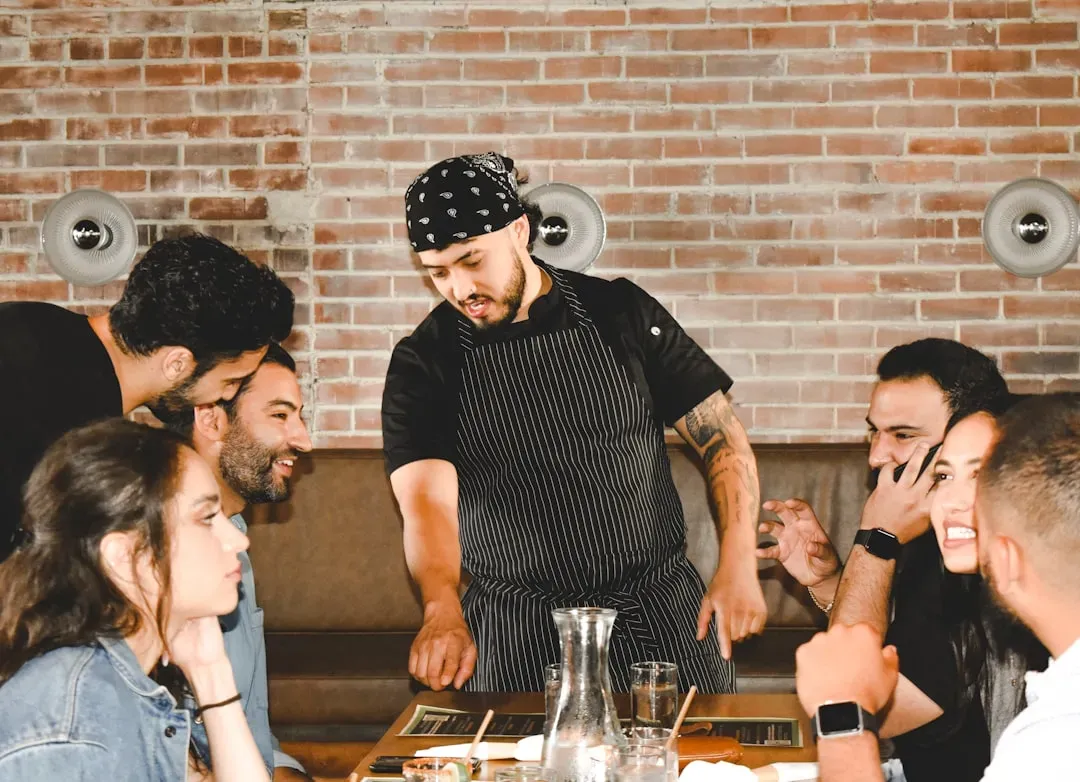
The multi-course tasting menu was, for a long time, the ultimate statement of fine dining ambition. A dozen tiny plates, each one a work of art, each one costing roughly the same as a small appliance. The model has a very obvious problem in 2026: people increasingly feel they’re being asked to pay too much for too little actual food.
According to the U.S. Consumer Price Index, “food away from home” rose about six percent from January 2024 to September 2025. That kind of inflation puts the lengthy, expensive tasting menu under particular pressure. Inflation has reshaped consumer dining habits broadly, and a sixteen-course dinner costing several hundred dollars per person is a harder sell when grocery bills feel punishing.
It now feels less about experiencing the uniqueness of that restaurant’s edible perspective at that specific moment in time, and more about “does this menu feel like a deal at this price point?” On Eater’s Best New Restaurant list, only two of fifteen restaurants solely offer a tasting menu. Three out of twenty listed by Bon Appétit are tasting-menu restaurants. The format isn’t gone, but its unchallenged dominance over serious dining culture is clearly over.
6. Microgreens: Pretty Garnish, Questionable Purpose
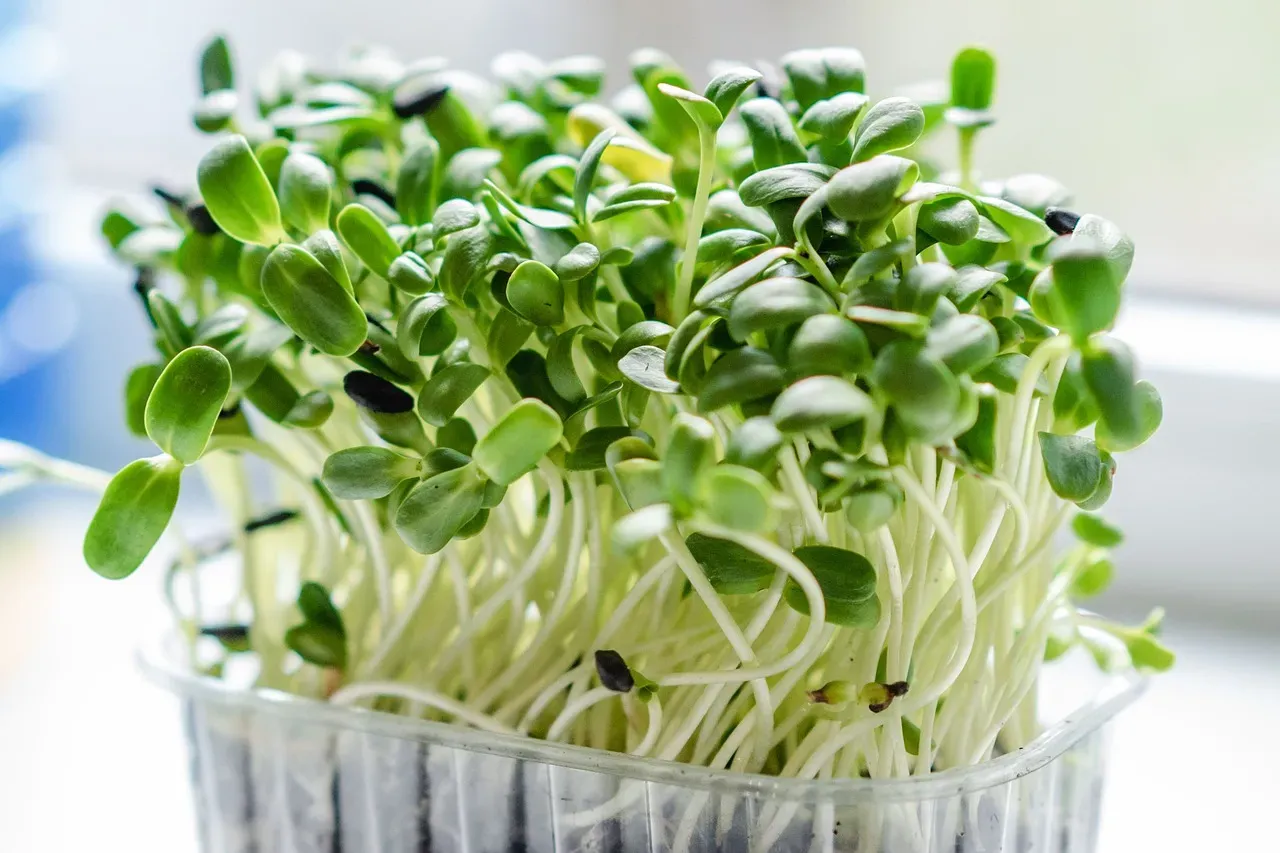
Walk into almost any upscale restaurant and you’ll find them. Tiny, delicate, and artfully scattered across practically every dish on the menu. Microgreens have become the visual shorthand for “this plate was prepared by someone who cares.” The reality, though, is a bit more complicated.
Bin Lu, the executive chef at Blue Rock, points out that “microgreens are a lay-up ingredient to give your dish color, but more often than not, they don’t do much for flavor and are more of an afterthought add-on rather than something that intentionally completes the dish.” In other words, they’re a garnish pretending to be an ingredient.
Some microgreens don’t taste like anything, while others are so powerful they blow out the dish. When used thoughtfully, microgreens genuinely can add brightness and texture. The problem is that most chefs sprinkle them by habit, like a reflexive finishing move, rather than with any real intention. You’re essentially paying extra for what amounts to a very expensive form of table decoration.
7. Shrimp Cocktail: The Retro Rip-Off
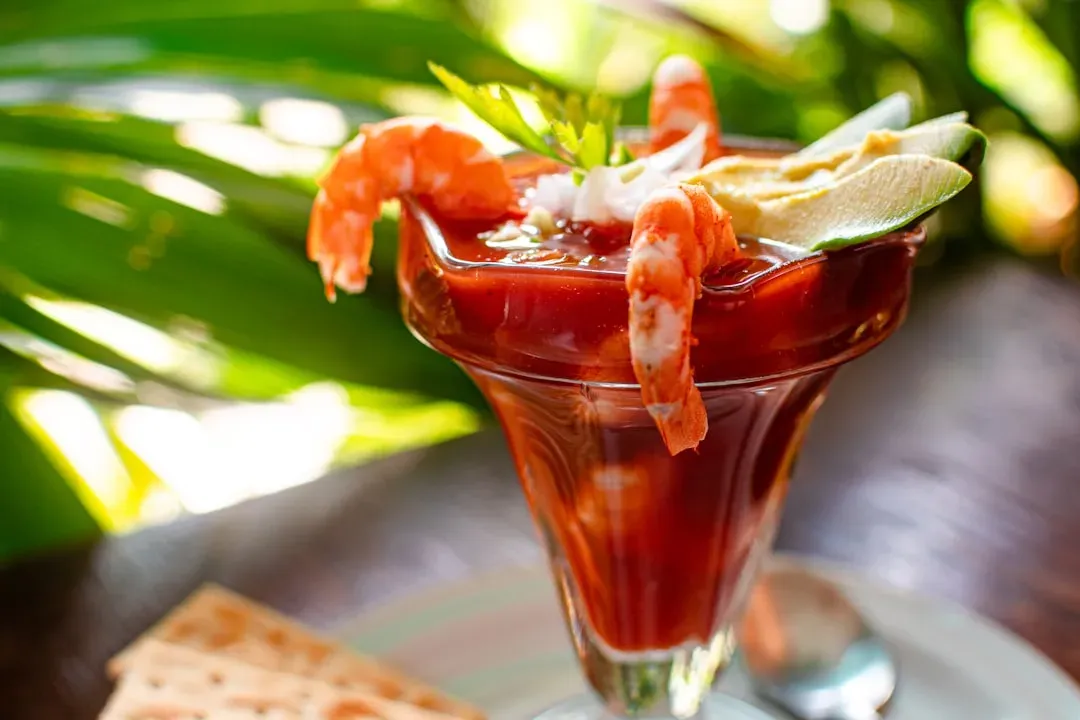
Here’s one that might surprise people. Shrimp cocktail has this enduring reputation as a classic, elegant starter. The kind of thing you order at a steakhouse and feel like you’re in a 1970s power lunch. That nostalgia, it turns out, costs you quite a bit more than it should.
Shrimp cocktail was a symbol of luxury dining in the 1970s. If you wanted to feel like a million bucks, you’d head to a restaurant and order plump shrimp hanging off the edge of a martini glass, complete with that tangy red sauce. While this retro appetizer is making a comeback, it’s bringing sky-high prices with it.
The menu price of shrimp cocktails is far higher than its production cost. Cocktail sauce is made with five basic, inexpensive ingredients: ketchup, horseradish, Worcestershire sauce, hot sauce, and lemon juice. While shrimp cocktail isn’t served raw, it takes very little effort to prepare. The cost of shrimp has actually decreased in the past few years, sitting at around $6.62 a pound. When you do the math, what you’re paying for is almost entirely the theatre of presentation rather than the ingredients themselves.
8. Foie Gras: Prestige With a Price Tag That Rarely Matches the Experience
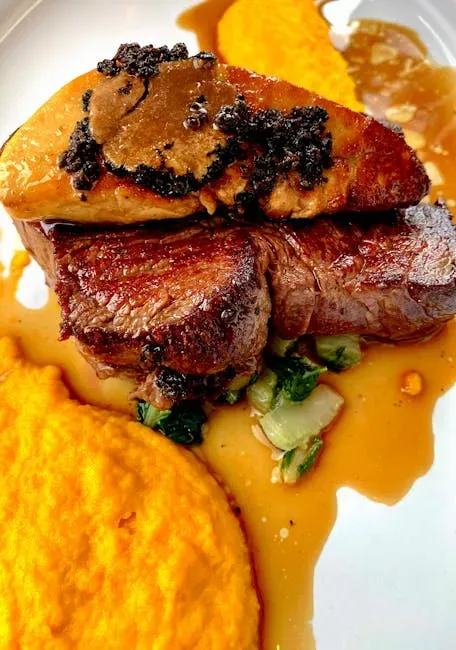
Foie gras sits in that peculiar category of foods that people order because they feel they should, not necessarily because they deeply crave it. It is one of fine dining’s most famous icons. It also happens to be one of the dishes where reality most reliably falls short of the billing.
You might be swayed to order the most expensive item on the menu, but unless you are dining at a high-end establishment with a strong reputation, you may end up paying big bucks for a so-so result. “Most fine dining restaurants will have a premium offering to appease the masses, but you should focus on their craft dishes,” one chef noted. Foie gras is expensive because of reputation and rarity, not because every kitchen handles it with the same skill.
Stacking multiple luxury ingredients onto a single dish became a kind of arms race in restaurant dining – Wagyu beef topped with uni, finished with caviar and truffle shavings. The more expensive the components, the more impressive the dish seemed. Chefs are now flagging this approach as style without substance. Foie gras, when it becomes just another expensive item dropped onto an already overloaded plate, loses almost everything that once made it worth ordering.
What might be the hottest new restaurant, ingredient, or dish type one month can fast become old news, as the latest hype takes hold. While this fast-moving nature of the industry keeps consumers happy, it can make the job of chefs and restaurant owners a lot harder, as they have to constantly adapt and develop their menus to satisfy expectations. The smartest move any diner can make is to stop chasing the prestige label and start asking a simpler question: does this actually taste extraordinary, or does it just look good on someone else’s phone?
What do you think – have you ever ordered a “fancy” dish and quietly regretted it? Share your experience in the comments.