The No-Go List: 11 U.S. Destinations Travelers Say Aren’t Worth the Cost
Americans love to travel. We always have. There’s something deeply wired into this country’s identity that keeps us chasing the next horizon, the next big city skyline, the next must-see landmark. But here’s what nobody puts in the brochure: some of these so-called dream destinations are quietly draining wallets, testing patience, and leaving visitors feeling deeply underwhelmed.
More than half of Americans say the current economy is impacting their travel plans. That pressure is making people a whole lot pickier about where they drop their hard-earned money. Overall, the findings point to a travel landscape where affordability is shaping decisions at every stage, from destination choice to booking behavior. So which U.S. destinations keep ending up on the wrong side of that calculation? Let’s find out.
1. Las Vegas, Nevada – The Mirage of Affordable Fun
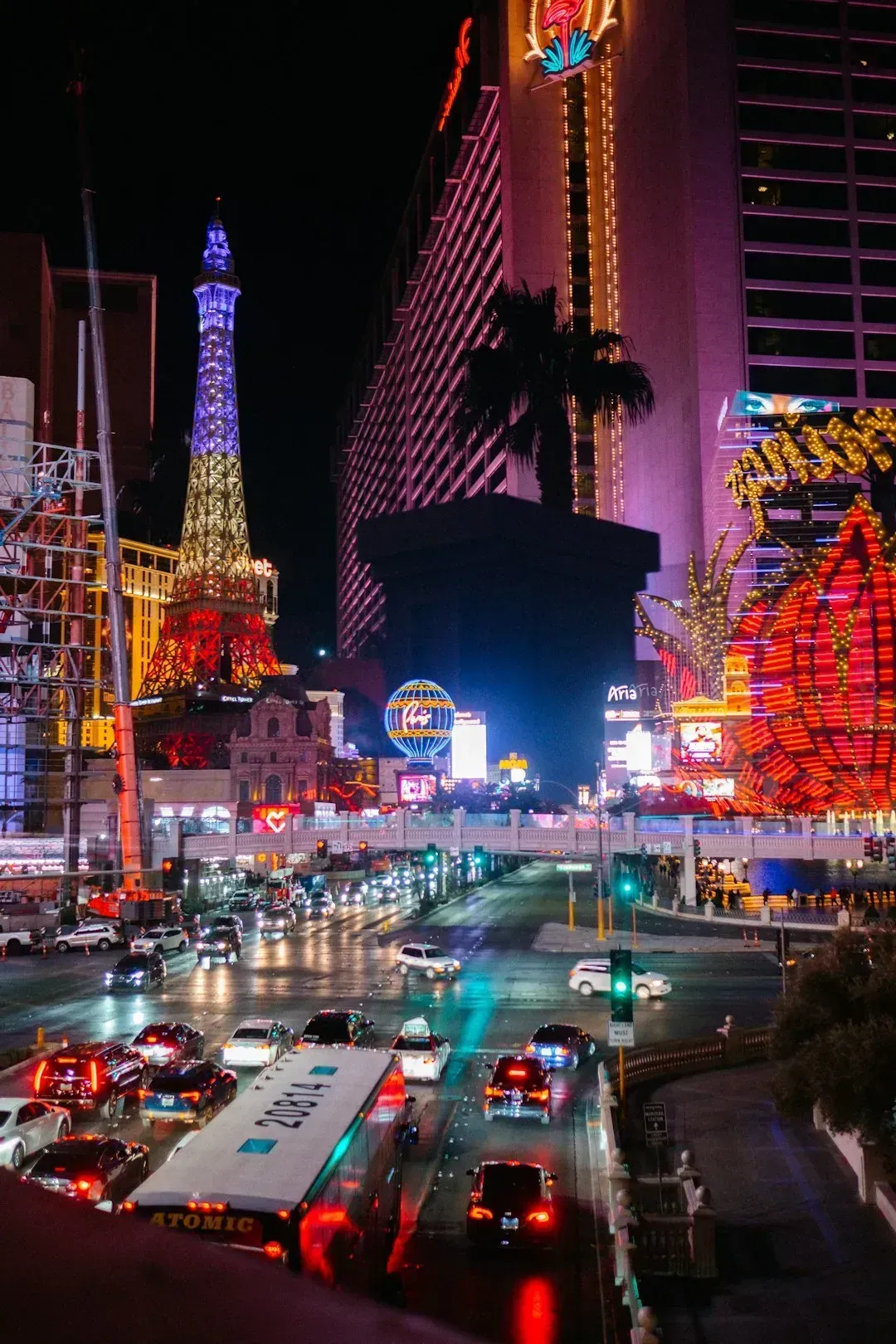
Here’s the thing about Las Vegas: it sold itself for decades as the one place where any budget traveler could feel like a high roller. That era is over. Las Vegas built its entire identity around the promise of indulgence at a price almost anyone could afford. That promise has been quietly broken.
Las Vegas just recorded its worst decline in annual visitation since the 2020 pandemic began, with a 7.5% annual drop in 2025 sparked by economic uncertainty, declining international visitation, and other headwinds. The total number of visitors dropped by approximately 3.1 million, bringing the number of visitors to around 38.5 million for the year, the lowest since the recovery from the 2020 pandemic began.
Higher room rates and resort fees have made a visit to Las Vegas more expensive, prompting many potential visitors to reconsider their plans, with many tourists now opting for more affordable destinations. Resort fees averaging between $44 and $57 have become major deterrents. That’s before you’ve ordered a single drink or set foot on a casino floor. Honestly, it’s exhausting.
Las Vegas shows the steepest June decline of the group, with international air traffic down about 9.8% compared with June 2024. This sits on top of growing concern from local officials about softening demand from Canada and Mexico, traditionally two of the city’s most important feeder markets.
2. New York City, New York – A World-Class City at an Almost Cruel Price
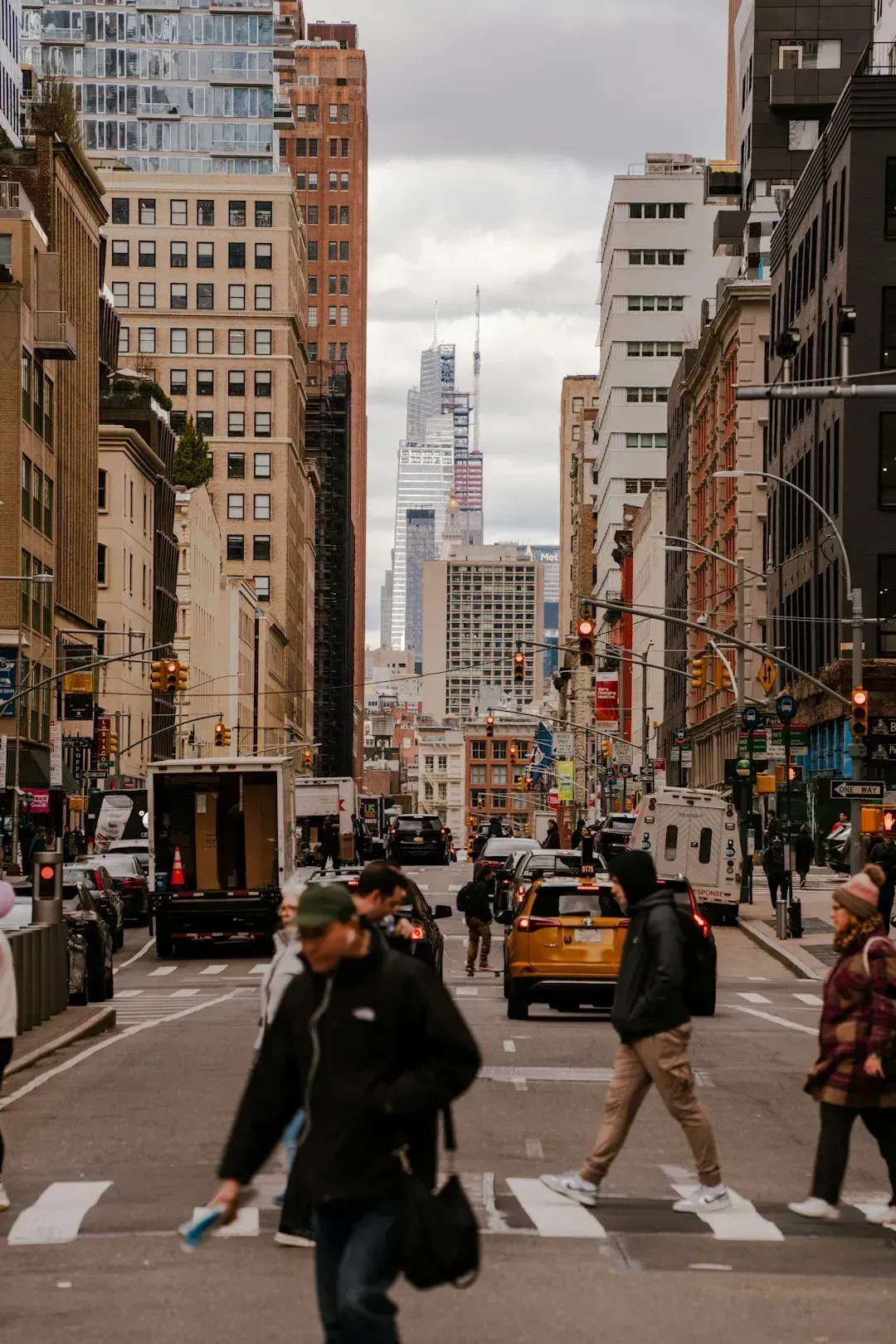
Nobody disputes that New York is extraordinary. The energy, the food, the culture – it’s all real. What’s also real is the cost. New York City, the tourism capital of the world, was facing an alarming downturn in visitor numbers in 2025. Hotel occupancy has dropped by 3.8%, and international tourist footfall has significantly decreased.
Higher costs of living, unreasonably high hotel fees, and the city’s ongoing struggles with crime rates have become deterrents. Think about the math: a family of four paying for flights, two or three nights in a midtown hotel, plus meals near Times Square can easily blow past what a week in Portugal would cost. New York receives a modest value score of 9.3 out of 100 in YouGov’s DestinationIndex, suggesting that while it is popular, it is not considered a great deal financially.
New York City in 2025 is ranked as one of the most overrated tourist spots among those who appreciate affordability. The city life is hectic and crowded, particularly for those visiting it for the first time. It’s not that NYC isn’t worth seeing once. It’s that it’s nearly impossible to do it without feeling financially bruised afterwards.
3. Orlando, Florida – The Happiest Place to Spend Everything You Have
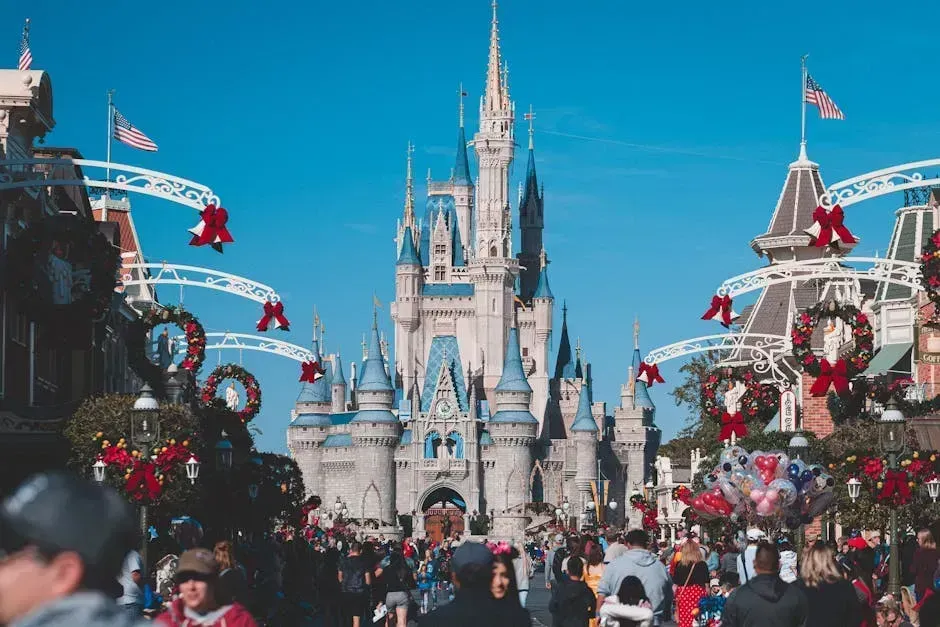
Orlando is practically synonymous with family vacations. Disney World, Universal Studios, SeaWorld – the theme park capital of the world draws tens of millions every year. Orlando had a record year in 2024 with more than 75 million visitors. Yet visitors are increasingly asking whether the experience justifies the price tag.
Orlando, a magnet for global family travel, has suffered a blow with international bookings down significantly. Disney World and Universal Orlando are experiencing double-digit declines in ticket sales, despite price cuts and promotions. Imagine paying hundreds of dollars in park admission only to spend three hours standing in a single queue. That’s not a vacation – that’s an endurance sport.
Overcrowding and long lines are a defining issue. Many travelers describe the whole experience as just “not worth the headache.” Fatigue from constant queuing at restaurants, amusement parks, or even public beaches is pushing visitors to consider alternatives. Families from Canada, the UK, and Germany are rethinking their trips to the United States as visa processing issues, a soaring U.S. dollar, and growing dissatisfaction with cumbersome border protocols make international travel increasingly unappealing.
4. Miami, Florida – Beaches That Cost More Than You Think
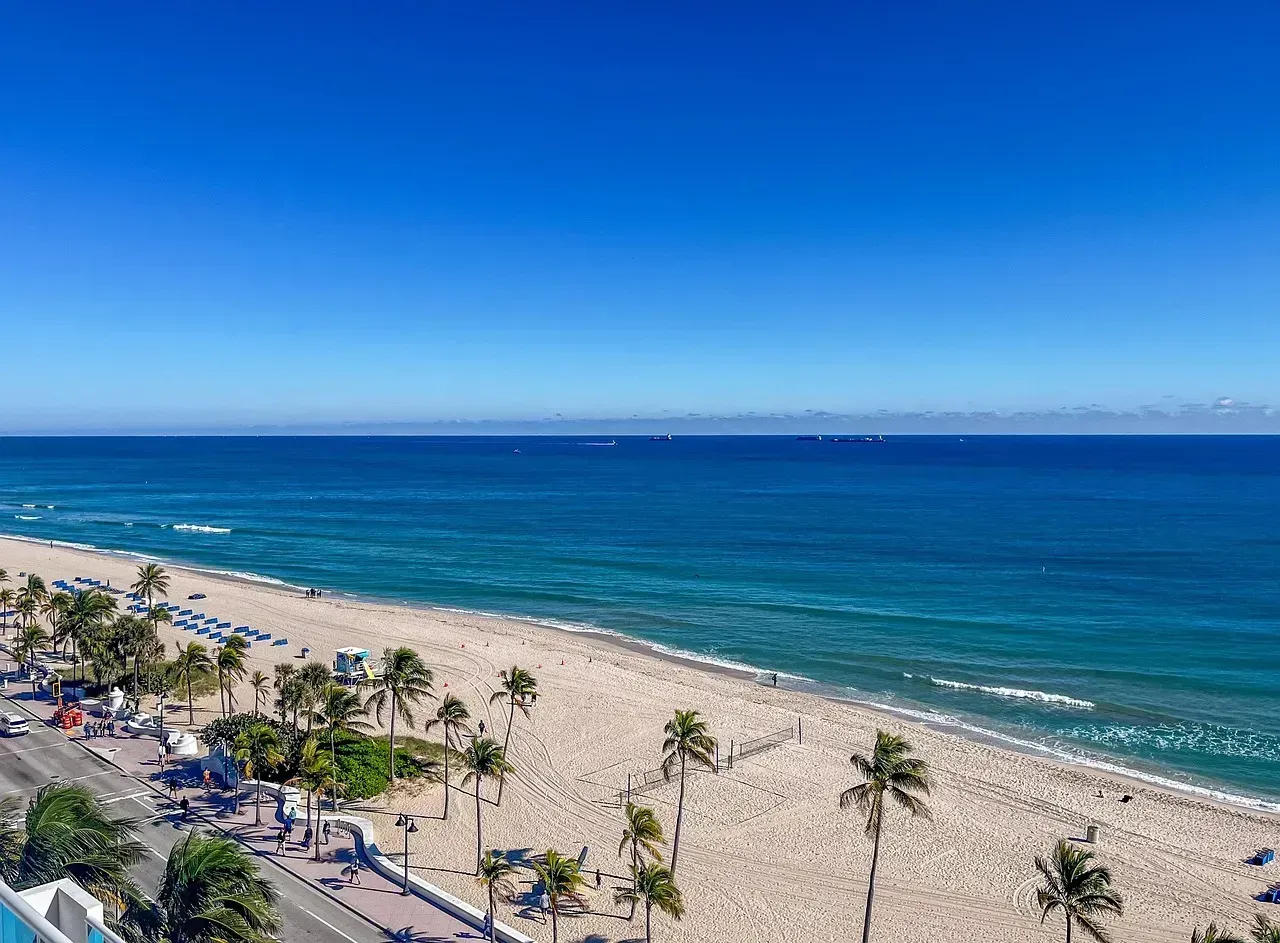
Miami has an almost mythological reputation. Warm ocean, Art Deco architecture, world-famous nightlife. I get why people fall for it. In 2024, Miami welcomed more than 28 million visitors and earned $22 billion in tourism revenue. Despite those numbers, the cracks are showing.
In sunny Miami, tourism has taken a dive that no one saw coming. With a 4.5% decline in international arrivals in 2025, Miami’s beaches, once a staple of global tourism, are not drawing the crowds they used to. The constant rise in travel expenses and negative perceptions of U.S. entry policies have deterred travelers.
Miami’s reputation as a vibrant beach destination and a haven for nightlife has made it a popular choice for tourists. Yet beneath the surface, Miami grapples with a host of issues that often go unnoticed. The city is vulnerable to hurricanes and flooding, and its subtropical climate can be uncomfortably hot and humid. Additionally, high crime rates in certain areas can tarnish the perception of safety for visitors who venture beyond the glamorous beaches and trendy neighborhoods.
5. Los Angeles, California – Traffic, Hype, and Very Little Magic
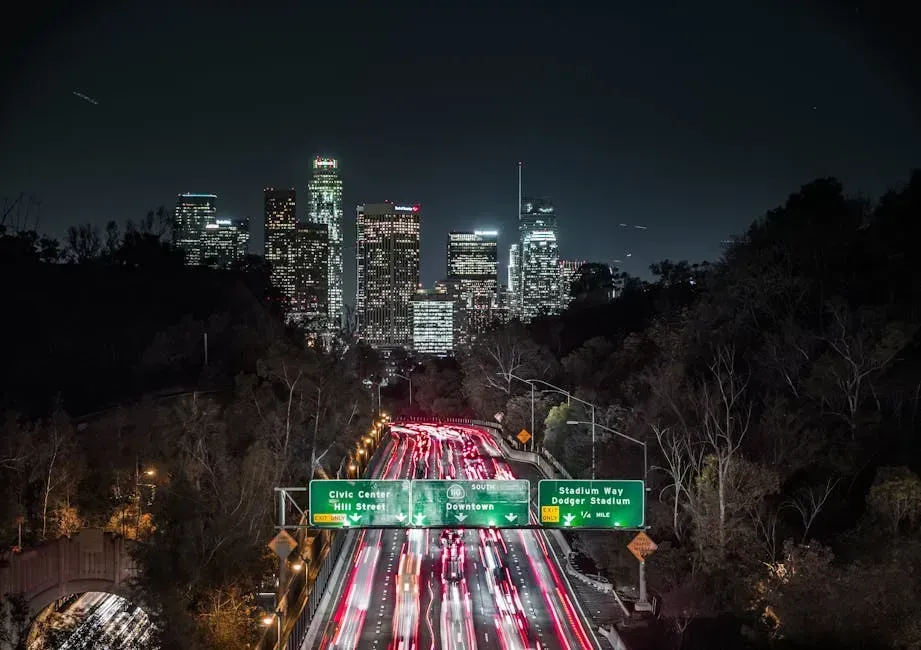
Los Angeles is the city that Hollywood made famous. Everyone shows up expecting film sets and golden-hour perfection. What they usually get is a freeway parking lot and a Walk of Fame that smells like disappointment. Los Angeles tops lists of most disappointing U.S. cities due to an overwhelming mismatch between expectation and reality. Overhyped landmarks, choking traffic, and a gritty, sprawling urban core leave many tourists shocked at how little magic they feel once they arrive.
Los Angeles has suffered a one-two punch: foreign visitors remain cautious amid reports of wildfires, and visa backlogs continue to impede travel plans. The 2025 wildfire season earlier in the year compounded the city’s already battered image among international visitors. In 2025, Visit California expected international visits to fall by more than 9%.
Known as the entertainment capital of the world, Los Angeles often finds itself on the top of travelers’ lists. However, behind the glitz and glamour lies a city with severe traffic congestion, high cost of living, and smoggy air. While Hollywood and its iconic landmarks like the Walk of Fame may be alluring, the reality of the city’s overcrowded tourist spots and sprawling urban areas can quickly dampen the experience for many visitors.
6. San Francisco, California – A Beautiful City That’s Become Very Hard to Love
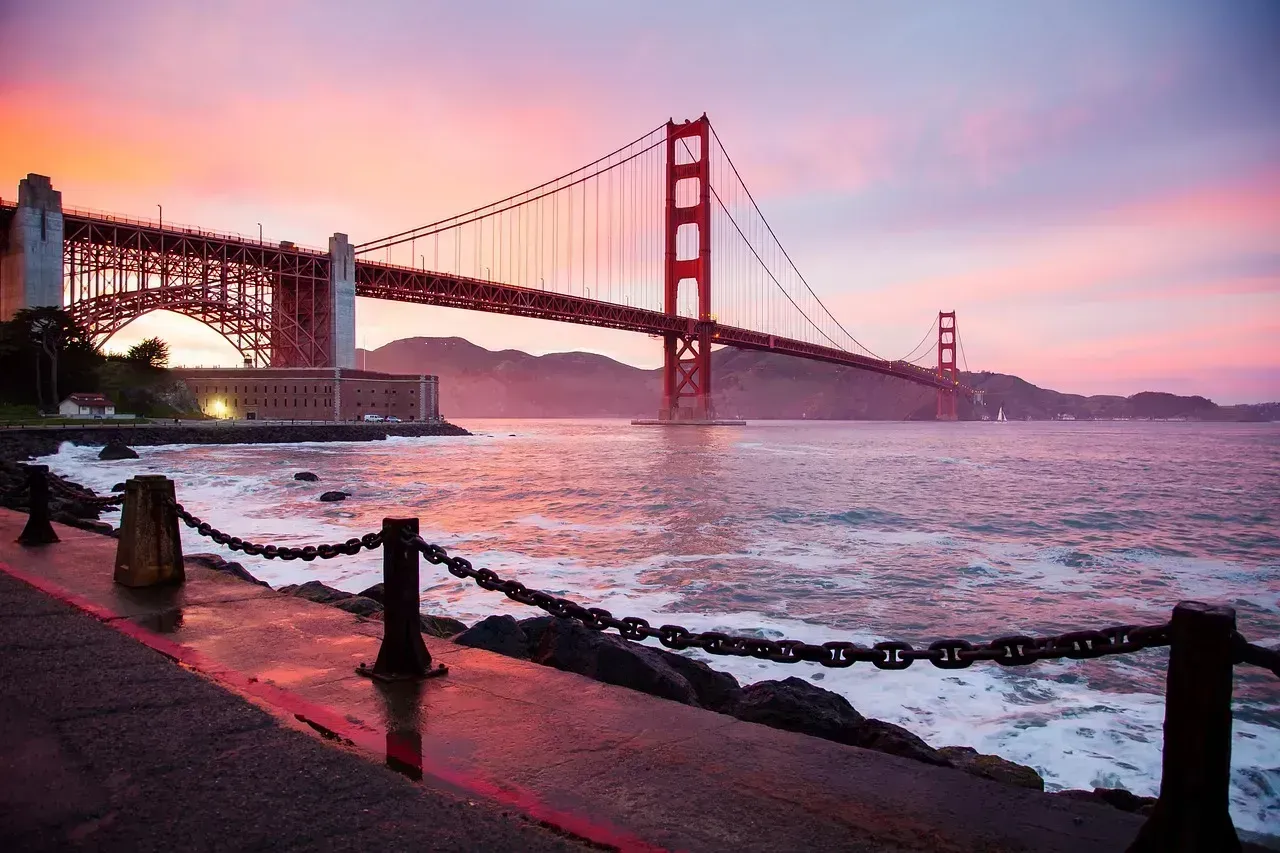
Few American cities are as visually stunning as San Francisco. The hills, the bay, the bridges – on a clear day, it looks like a painting. But the lived reality of visiting in 2025was a different story. San Francisco was facing a significant decline in tourism in 2025. The city has seen a sharp reduction in international visitors, with a projected 3.2% drop in 2025.
Holiday-weekend tourism dipped below 2024 levels despite San Francisco International Airport reporting near-record passenger volumes. Many tourists remain wary of high prices and extreme weather events. The disconnect between arriving passengers and actual leisure tourism is telling – people are passing through, not staying to explore.
International leisure travel, the kind that brings people to stroll Fisherman’s Wharf, photograph the Painted Ladies, or cruise out to Alcatraz, is still below pre-pandemic levels. Industry experts predict it could take until at least 2028 or 2029 before San Francisco fully restores its international tourism volume to where it stood in 2019. For now, many budget-conscious travelers are simply choosing somewhere cheaper.
7. New Orleans, Louisiana – The Party Capital With a Complicated Bill
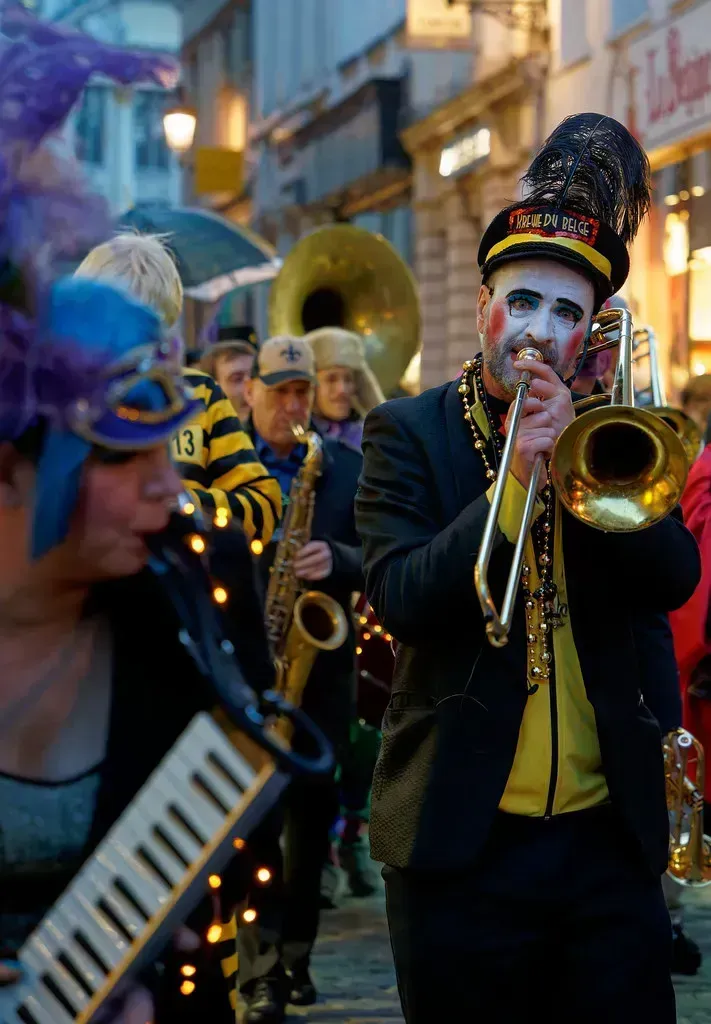
New Orleans is one of America’s genuinely unique cities. The jazz, the Creole food, the Mardi Gras energy – there’s nothing quite like it. But travelers are increasingly weighing that magic against some sobering realities. New Orleans draws millions with its jazz rhythms, food culture, and colorful festivals, yet its reputation for crime is also real, and the French Quarter buzzes with energy while late-night alleys or dim side streets demand serious caution.
New Orleans is renowned for its vibrant music scene, distinctive cuisine, and Mardi Gras celebrations. However, beneath the surface, the city grapples with issues such as high crime rates and poverty. Certain areas, particularly outside the well-known tourist spots, can feel rundown and neglected.
Rising travel costs, from airfare and hotels to car rentals and everyday expenses, are putting additional pressure on both foreign and domestic travelers, and many tourists are rethinking long-haul trips and instead choosing more affordable destinations in Latin America, Europe, and Asia. For a city already asking visitors to navigate safety concerns, the added financial pressure has become one argument too many for a growing share of the traveling public.
8. Nashville, Tennessee – Bachelorette Capital of the South
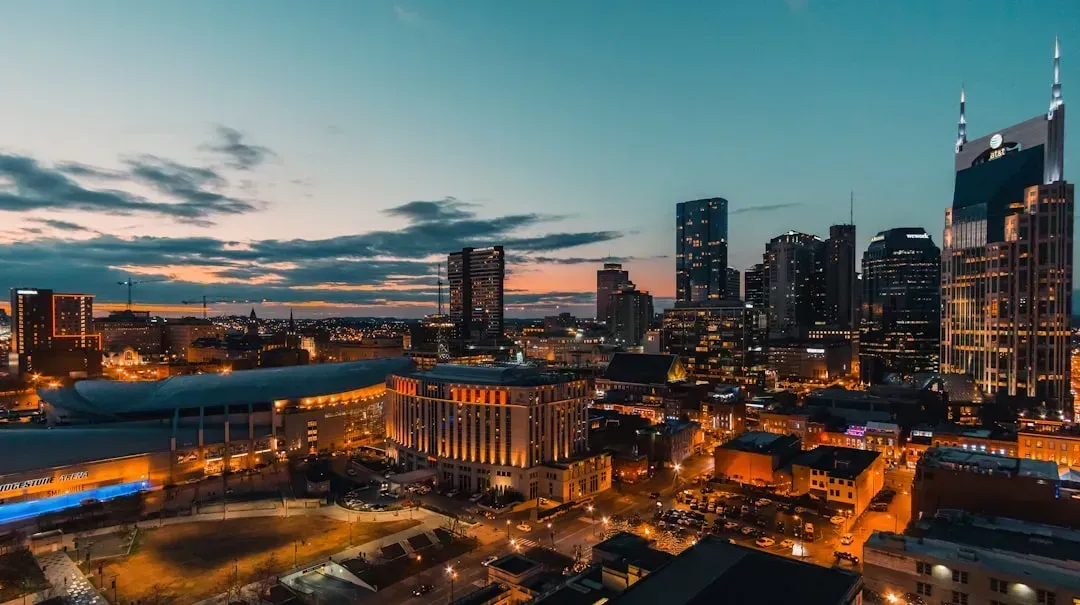
Let’s be real about what Nashville has become. It used to be the spiritual home of country music, a place with genuine grit and soul. As the country music capital of the US, Nashville boasts a vibrant live music scene. However, many tourists felt bombarded by the heavy crowds of drunk tourists on the main drag, Broadway Street. Some also complain that there are far too many bachelorette parties filling up the bars and clubs.
Nashville has long been celebrated as the home of country music and a hub for live music performances. However, the city’s rapid growth and popularity have led to a sense of overcrowding, particularly in the famous Broadway entertainment district. The excessive noise and rowdy crowds can detract from the overall experience, leaving some visitors feeling underwhelmed. Additionally, the city’s heavy reliance on tourism has led to an influx of tourist-oriented businesses, diluting the authenticity of the local culture.
It’s hard to say for sure how much of “real Nashville” is even left in the parts tourists visit most. The honky-tonks that once felt spontaneous now feel like a theme park version of themselves. For what you pay for a weekend here, you could eat better, drink better, and experience more authentic music culture almost anywhere else in Tennessee.
9. Memphis, Tennessee – Culture and Crime in Equal Measure
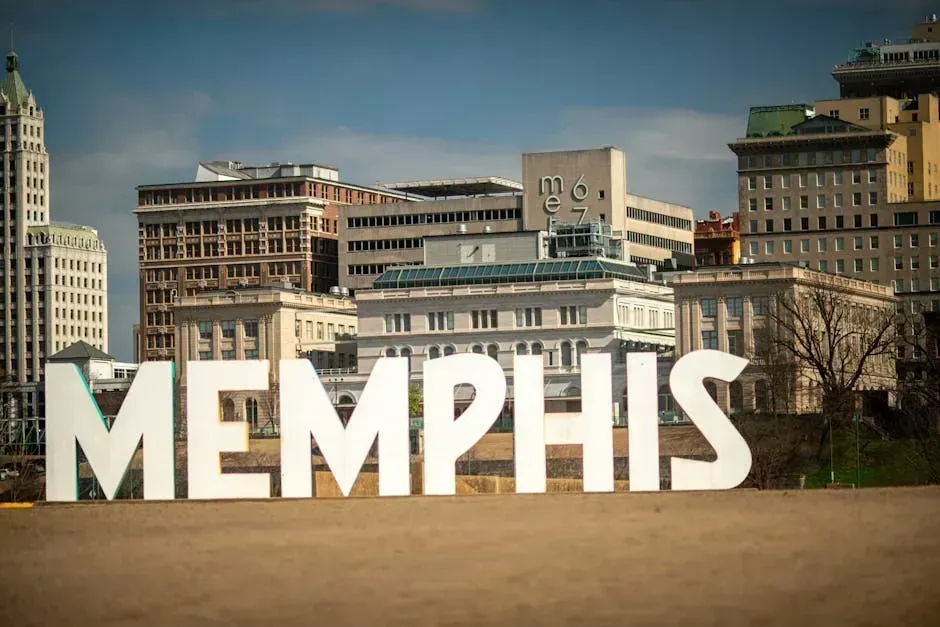
Memphis has a genuinely remarkable story to tell. Blues history, Graceland, the National Civil Rights Museum, and legendary barbecue – the cultural draw is real. The problem is that the city’s safety reality is difficult to ignore when planning a trip.
Downtown Memphis is a prime spot for sightseeing, but it is also one of the most dangerous neighborhoods in the city, meaning visitors should always be vigilant and avoid walking through the area alone, especially after dark. Violent crime rates in Memphis are a staggering 500% above the national average, with roughly 1,200 violent crimes per 100,000 residents.
Travelers willing to stick tightly to tourist zones and exercise constant caution may have a fine trip. Those expecting to explore freely should think carefully before booking. There’s something deeply frustrating about a city with this much history and heart being effectively off-limits for casual exploration. Memphis deserves better, and so do the travelers who arrive with genuinely good intentions.
10. Washington, D.C. – The Nation’s Capital, Now With Extra Complications
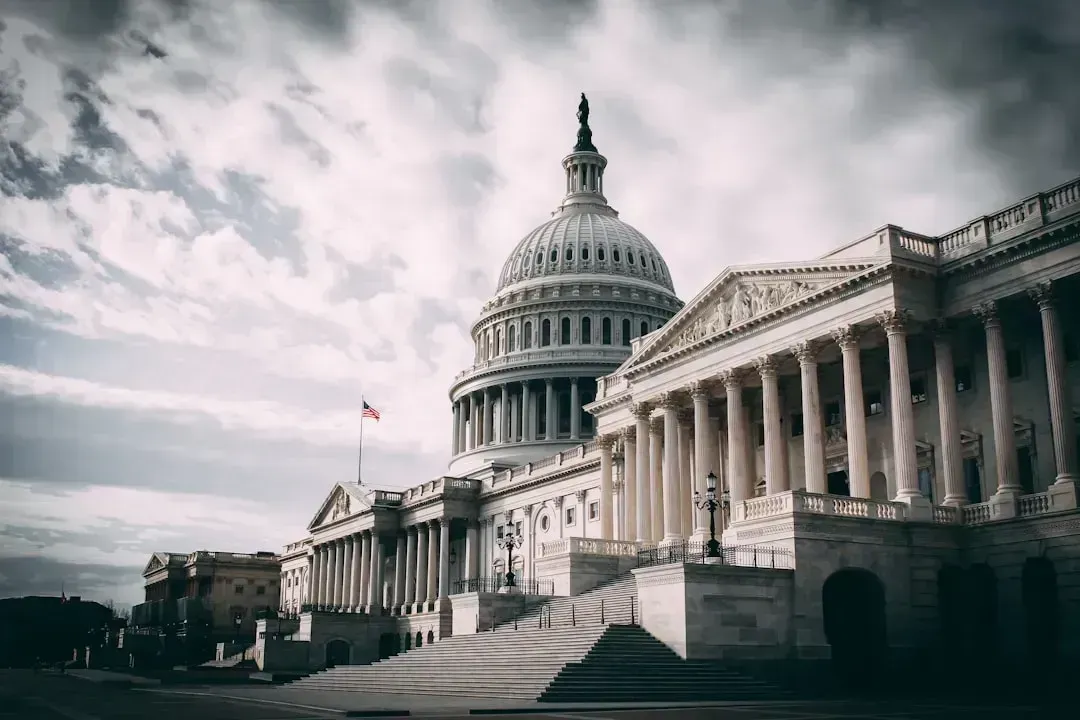
The museums, monuments, and history of the nation’s capital beckon many, but enough travelers in surveys have dubbed it overrated to land Washington, D.C., in the top five of most overrated U.S. cities. And those surveys preceded what has since become an even more complicated situation for the District.
Washington, D.C. tourism has taken repeated blows in 2025. Beginning in the summer, images of National Guard troops and federal officers stationed across D.C. worked to deter some would-be tourists from visiting the city. In October, the government shutdown caused the closure of many top sightseeing attractions in Washington, including the Library of Congress and the 21 museums that are part of the Smithsonian Institution.
Tourism Economics forecasts a 6.5% drop in international visitors to D.C. due to global economic shifts, stricter U.S. immigration policies, visa delays, and international competition from destinations with friendlier travel protocols. In October alone, the revenue per available hotel room dropped by nearly 9%. For a city once considered a rite-of-passage American trip, that’s a sobering shift.
11. Key West, Florida – Paradise With a Very High Entry Fee
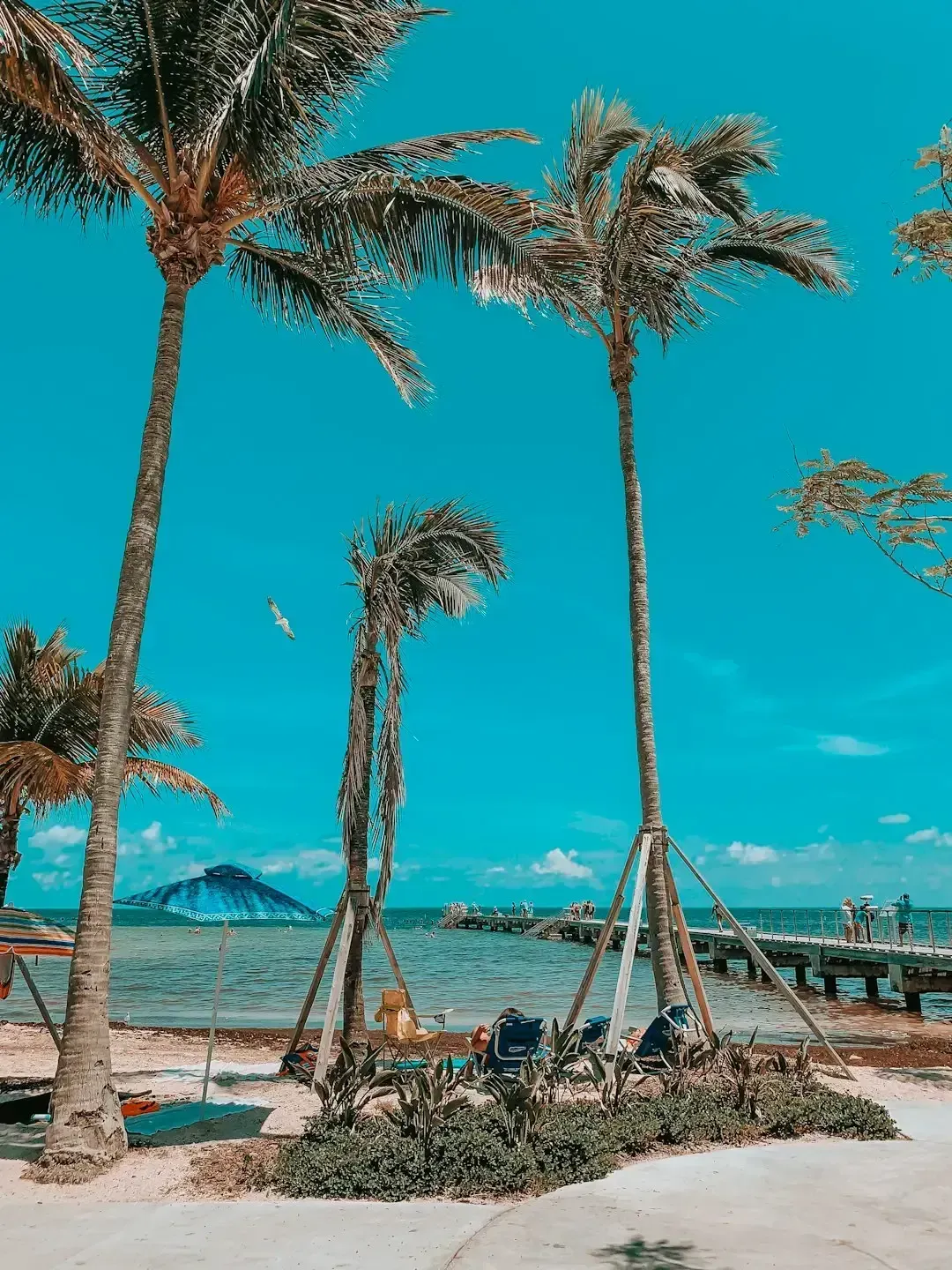
Key West has long had a reputation as a tropical escape at the edge of America. The sunsets over Mallory Square, the Hemingway mythos, the laid-back conch culture – it genuinely sounds dreamy. Reality, however, increasingly hits travelers like the humidity does: immediately and without mercy.
Key West is synonymous with laid-back tropical charm, but residents are increasingly frustrated by overcrowding, high lodging rates, and declining affordability. Key West is frequently cited as one of the most overrated cities in the U.S., and it may not be the right place for travelers looking for a relaxed beach vacation or a trip to the coast with their family.
The math on Key West simply does not add up for most travelers today. You’re paying premium prices for a tiny island with limited dining variety, severe traffic bottlenecks on the only road in, and crowds that make “laid-back” feel like false advertising. Cost pressures are reshaping how Americans plan and experience travel. Travelers most often report rising prices for transport, dining, and accommodations, prompting many to rethink how frequently they travel and how they manage their budgets. For what Key West charges, the Caribbean itself is often cheaper – and the beaches are genuinely better.