If You’re Not Doing These 11 Things Before Leaving Your Hotel Room, You Could Be Asking for Trouble
Most travelers do the same thing when they arrive at a hotel. Drop the bags. Kick off the shoes. Maybe flop onto the bed and admire the view for a hot minute. Feels good, right? Totally deserved.
Here’s the thing, though. That sense of comfort can make you dangerously complacent. Hotel rooms look like safe havens, but they are, by nature, spaces shared by hundreds of strangers before you. And while no one wants to spend a vacation being paranoid, a little awareness goes a long, long way. So whether you’re a road warrior logging hundreds of nights per year or a once-a-year leisure traveler, these 11 habits could genuinely protect your safety, your stuff, and your peace of mind. Let’s dive in.
1. Check Every Lock the Moment You Walk In
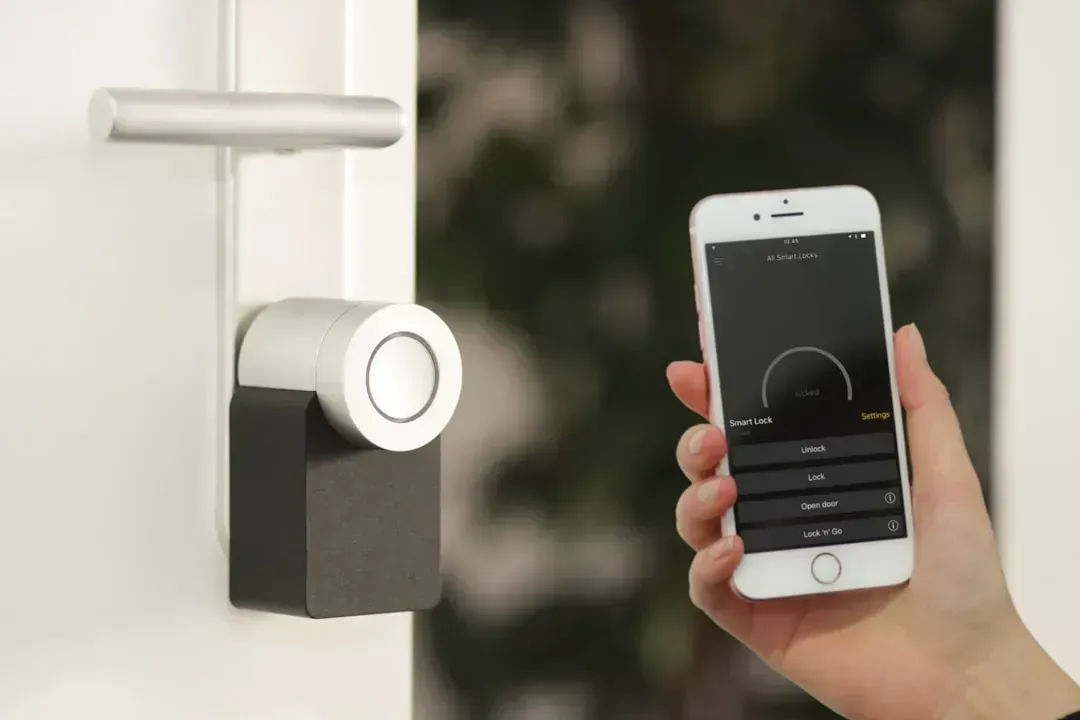
It sounds almost too obvious to mention, but it’s one of the most skipped steps in the entire check-in ritual. You should immediately check the locks on windows and doors, including the balcony and any adjoining room doors, right after arrival, and inform the front desk if any are not working. This is especially important because housekeeping can leave things undone.
It’s a good idea to check these locks again each time you return to the room, as housekeeping may open them and forget to close them again. Honestly, I’ve found unlocked balcony doors more times than feels comfortable. Sliding doors and windows are particularly concerning, and some travelers have found them unlocked more times than they can count.
If your room connects to the one next door, make sure that adjoining door is locked as well. Keep your door locked at all times whenever you’re in your room, including any deadbolts, security chains, or swinging metal security locks. Treat every lock like it matters, because it does.
2. Locate the Fire Exit Before You Unpack
Each year, an estimated 3,900 hotel and motel fires occur in the United States, resulting in 15 deaths, 100 injuries, and approximately $100 million in property damage, according to the U.S. Fire Administration. That’s not a number to shrug at. Most people assume a fire will never happen on their watch.
Look at the emergency plan posted in your room, and find the closest emergency exit to learn the emergency route as soon as you arrive. Floors above the fifth level are harder to get out of in case of emergency or fire, so you’ll want to request a room on floors three to five, which are located in the sweet spot, further away from ground floor access but not so far away that it takes too long to exit.
Smoke alarms alerted occupants in nearly three quarters of reported confined hotel and motel fires, meaning residents received a warning that gave them precious extra time. That time only counts if you already know where the nearest exit is. Count the doors between your room and the stairwell before you do anything else.
3. Scan the Room for Hidden Cameras
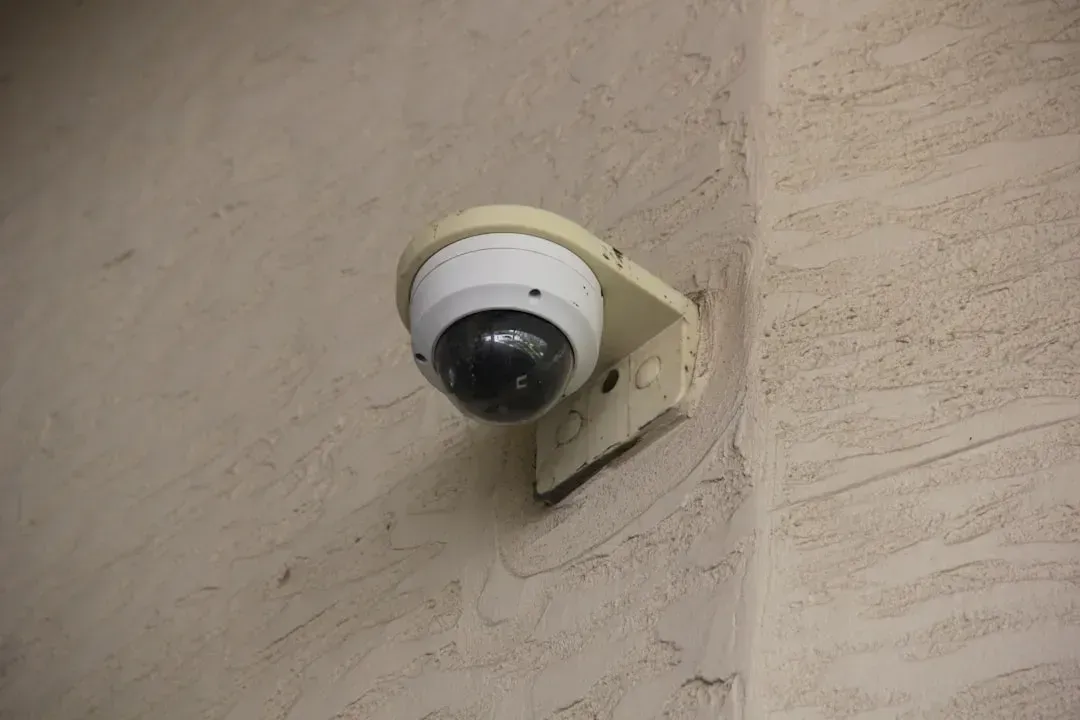
This one makes people uncomfortable, and it should. Hidden cameras in accommodations have become a growing concern for travelers worldwide, with surveillance devices discovered in hotels, vacation rentals, and hostels across the globe. Despite laws and platform policies banning indoor cameras, unauthorized recording devices remain a concern.
In the U.S., recording hotel guests in private spaces without their consent is illegal, including video and audio recordings. That doesn’t mean it doesn’t happen. Smoke detectors are commonly used to hide cameras in hotel rooms, and travelers are advised to perform visual inspections and use smartphone detection tools to protect their privacy. Random USB chargers left plugged into the wall are also suspicious.
Turn off the main room lights and activate your phone’s flashlight. Then, slowly sweep the light around the room, paying particular attention to suspicious areas. Camera lenses reflect light even when very small, so watch for unusual glints or reflections. It takes two minutes. Two minutes well spent.
4. Lock Up Your Valuables in the In-Room Safe
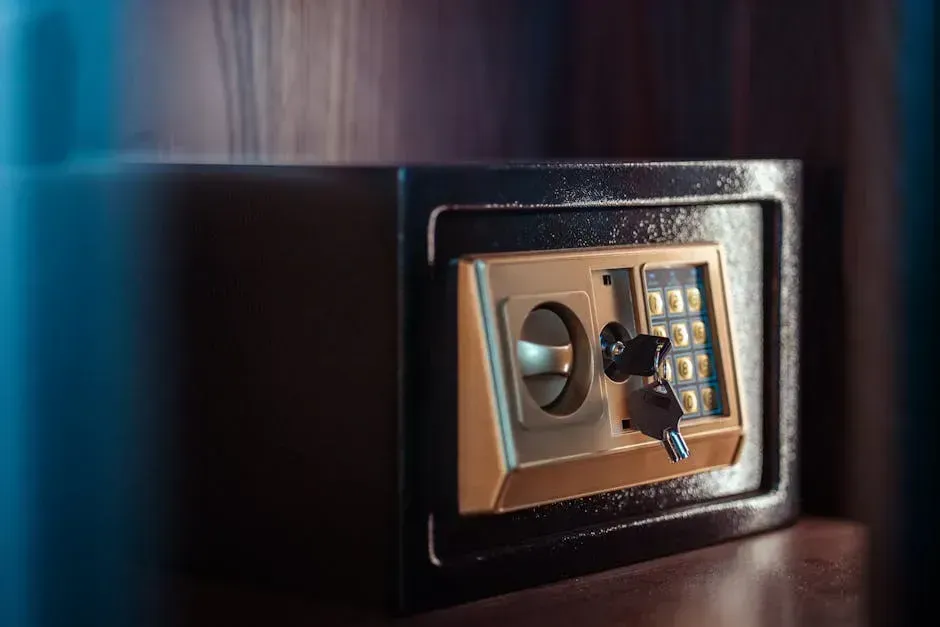
A striking number of hotel guests leave their room doors propped open, increasing theft risk, and roughly one in five budget motel guests report missing personal belongings. This is the kind of statistic that quietly stings. It doesn’t have to happen to you.
There’s really very little reason not to use in-room safes for valuables, yet only some guests do so regularly. Using the safe gives peace of mind in case visitors come to your room or someone gains unauthorized access. Think of it like putting your valuables behind a second wall. If the hotel offers a safe in the room, use it, and practice locking and unlocking once without placing valuables inside to ensure it is properly functioning and reset from previous use.
Protect your valuables by using the hotel safe or, better yet, leaving them at the front desk while you’re out. Get a written receipt for anything you leave with the front desk and find out whether you’re covered in case of loss, since many hotels do not accept liability for items left in guestroom safes. Know your coverage before you need to claim it.
5. Double-Check the Door Doesn’t Reveal Your Room Number
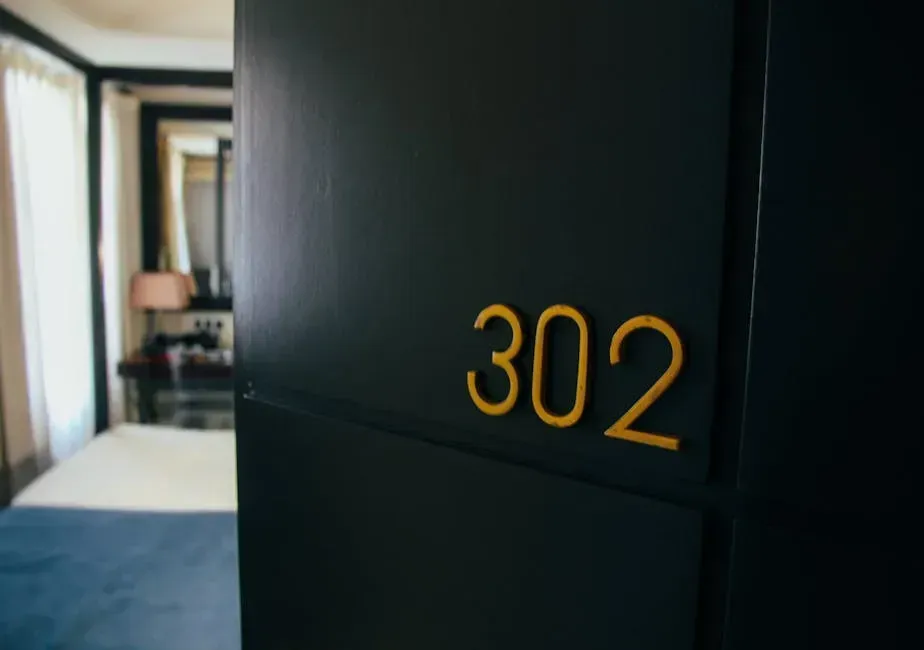
This one trips people up because it happens so fast during check-in. You’re juggling bags, a credit card, maybe a kid or two, and the front desk clerk announces your room number out loud. You never know who is listening. Your room number is a matter of security and the fewer people who know your whereabouts, the better. There’s no need to announce it to the entire hotel lobby.
If the hotel clerk announces your room number loudly while checking in, simply ask them for another room. It’s not awkward. It’s smart. Some criminals will listen to your room number, wait in the lobby for you to leave, and then break into your room. Let that sink in for a second.
6. Leave the TV On or Put Out the “Do Not Disturb” Sign
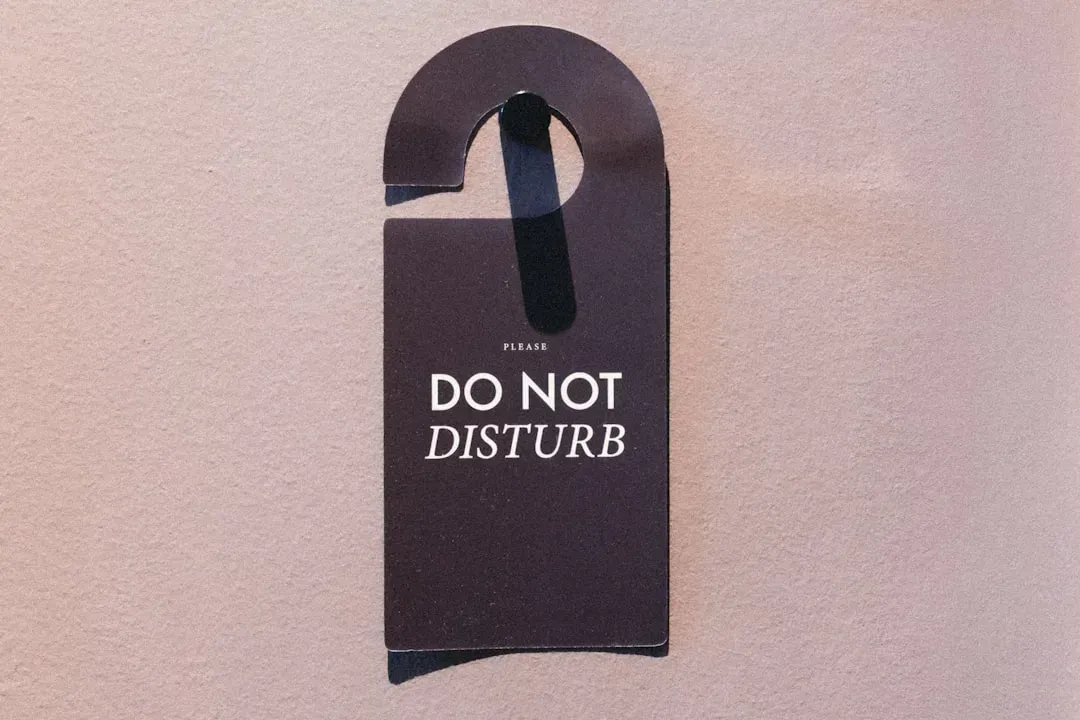
Here’s a trick seasoned travelers use that most beginners never think about. When you’re out, consider leaving the TV or radio on, or putting your “Do Not Disturb” sign on the door, as both of these tricks give potential thieves the impression that you’re still in the room. It’s a classic deterrent, and it works.
When going out for the evening, turn on the TV or radio at a low volume and leave a light on as well. Think of it like leaving a porch light on at home. It signals presence. It signals someone is watching. That’s usually enough to make an opportunistic thief move on to an easier target.
7. Never Leave Sensitive Documents or Electronics Unsecured
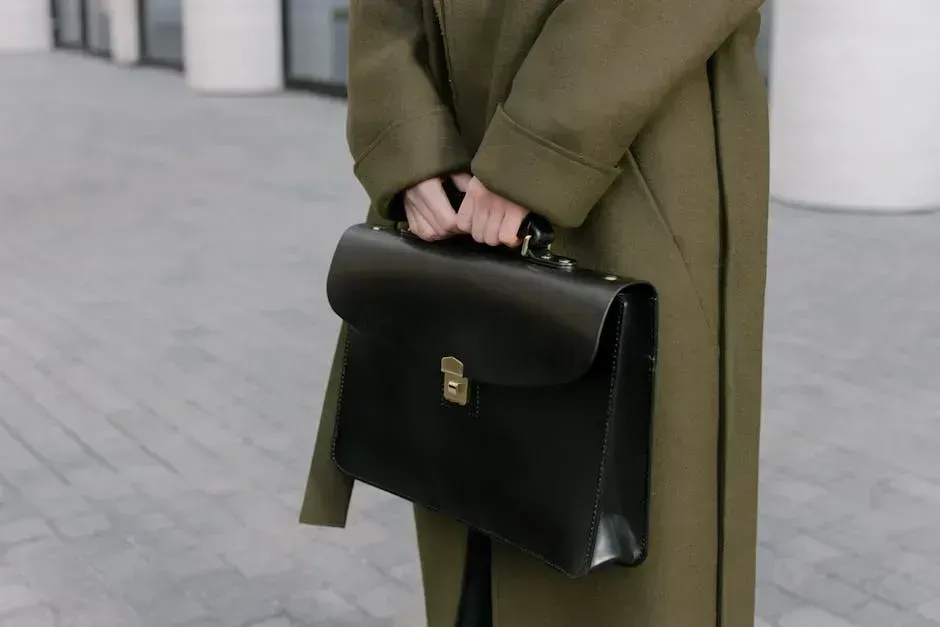
Business travelers, pay close attention here. Roughly one in eight business travelers have had sensitive documents stolen from hotel rooms. That’s not a small fraction. Documents like passports, travel itineraries, and work files are like gold to certain opportunistic criminals.
Simply put any valuable items like laptops, notebooks, cameras, and phones in your bag and lock it when heading out, even if it seems like a hassle each morning. If you’re traveling with a laptop, check ahead to be sure the safe in the room is large enough to hold it. It’s a small logistic detail that could save you an enormous headache later.
Don’t discuss your itinerary with hotel staff, as this will tell others when your room will be empty and when you will be alone. Your schedule is private. Treat it that way.
8. Use the Deadbolt and Security Chain While Inside

You’re in the room. You’re relaxed. Everything feels fine. But here’s the thing: simply being inside does not automatically mean you’re safe. Never prop your door open, no matter how briefly. A propped door is an open invitation, even for a few seconds.
Keep your door locked at all times whenever you’re in your room, including all the additional locks such as the deadbolt and chain. Never prop your door open. Although most upscale hotels invest in quality locks, it doesn’t hurt to bring an extra temporary door lock or door stopper for good measure. Travel door locks are cheap, compact, and quietly brilliant.
If someone comes to your door unexpectedly and claims to be hotel staff, call the front desk to make sure the visit was actually authorized. Legitimate staff will wait. Anyone who pressures you to open up immediately is a red flag worth trusting.
9. Know How to Detect a Carbon Monoxide or Smoke Alarm Problem
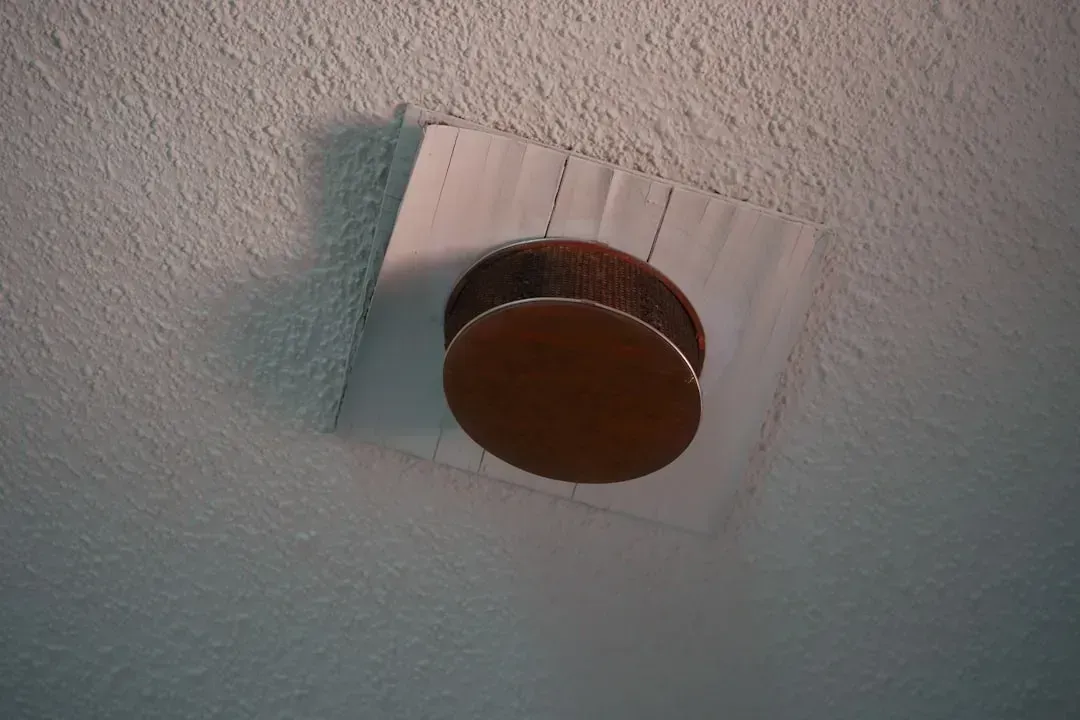
Check for carbon monoxide detectors, fire alarms, and fire extinguishers when you arrive at your room. This takes about thirty seconds and is completely worth it. Carbon monoxide is odorless and colorless, making it one of the most quietly dangerous threats in any enclosed space.
Smoke detectors and carbon monoxide detectors in guest rooms must provide both audible and visible alarms and be loud enough to wake guests from sleep. If the device looks damaged, missing, or suspiciously taped over, report it to the front desk immediately. Don’t assume everything is in working order just because you’re paying to be there.
It is essential to ensure that all fire safety measures are in place and functioning correctly within each guest room. This includes smoke detectors, fire extinguishers, and clear evacuation routes. If something looks off, say something. That’s not being difficult, that’s being alive.
10. Be Cautious With the Hotel Wi-Fi
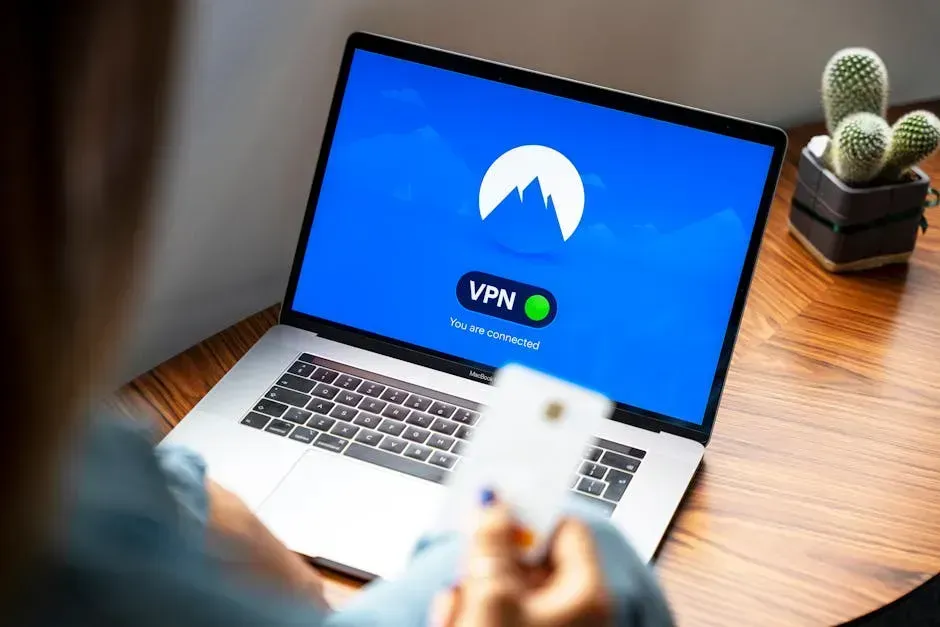
Hotel Wi-Fi feels like a perk. It’s actually one of the biggest overlooked vulnerabilities of any hotel stay. Roughly four in ten hotel guests use the hotel Wi-Fi without a VPN, risking data theft, and hotel data breaches increased by a significant margin between 2020 and 2023. That’s a lot of people casually handing over sensitive information.
Roughly thirty percent of hospitality breaches are caused by insecure IoT devices including smart locks and thermostats, and skimming attacks at hotel point-of-sale terminals account for a notable share of payment data theft. The digital threats inside a hotel are just as real as the physical ones. Maybe more so, because they’re invisible.
Using a VPN on hotel Wi-Fi is the digital equivalent of locking your room door. It’s quick to set up, costs very little, and protects everything from your banking apps to your work emails. It’s hard to say for sure how often data is stolen quietly in the background, but the numbers suggest it happens far more than guests realize.
11. Do a Final Room Sweep Before You Check Out

Here’s the one almost everyone skips. You’re excited to leave, running slightly late, maybe a little bleary from a poor night’s sleep. The last thing you want to do is methodically check under the bed. But it matters enormously. Larceny accounts for the vast majority of all crimes reported on hotel premises, and a notable share of guests report being victims of theft while staying in a hotel room.
The final sweep is about more than finding a forgotten phone charger. It’s about making sure you haven’t left behind anything that could compromise your identity, your finances, or your personal privacy. Think printed boarding passes, bank statements, even hotel receipts with your name and room number. Those scraps of paper matter.
Carry your room key separate from the key packet that has your room number on it. Return it properly upon checkout. The majority of modern hotel electronic locks automatically change the combination with every new guest, but if you lose or misplace your key, ask to have your room re-keyed immediately. That small step closes a loop that many travelers never even think about.