The 2026 Wellness Audit: 5 Health Subscriptions That Are Actually Worth the Money
Let’s be real here. We’re drowning in subscription services. Between streaming platforms, software tools, and that random gym membership you forgot to cancel, our monthly expenses have ballooned. Yet there’s one category that might actually justify the recurring charge: wellness subscriptions. Here’s the thing, though. Not every health app or service deserves a spot in your budget.
In the United States alone, wellness represents more than $500 billion in annual spend, growing at 4 to 5 percent each year, and honestly, companies know we’re desperate for quick fixes. The wellness economy is booming, yet most of us struggle to determine which services provide genuine value versus those selling empty promises wrapped in sleek interfaces.
Nearly three quarters of respondents said they saw improvement from using subscription services in 2023, with 22 percent saying it led to significant improvement. That’s encouraging, right? Still, the market floods us with options. I’ve sifted through research, data, and real outcomes to identify five wellness subscriptions that genuinely deliver results. No fluff, just facts about what works and why your money might actually be well spent here.
Mental Health Apps That Actually Help You Sleep and Breathe Better

Mental health apps have exploded in popularity, but do they work? From 52 included studies describing 48 mental health apps, findings suggested a small effect for reducing mental health symptoms and enhancing well-being. That’s not exactly a ringing endorsement, yet it’s something.
Apps significantly improved clinical outcomes compared to controls with an effect size of 0.43, according to a 2025 meta-analysis examining over 90 randomized controlled trials. Translation? These apps produce measurable improvements, though they’re not miracle cures. Research shows that over 70 percent of individuals globally who require mental health services lack access to adequate care, and mobile health technologies can be a potential solution by enabling broader and more affordable reach.
Honestly, I think services like Headspace or Calm justify their monthly fees if you commit to using them consistently. The key word there is consistency. Most people quickly lose interest and stop using mobile apps just after three days and uninstall them within a week of downloading, and sustained good user engagement is a prerequisite for any mental health app to be effective. So if you download it and never open it again, you’re wasting money.
Research from the National Institute of Health states that over 60 percent of adults in the U.S. actively used mobile health apps in 2024. That adoption rate tells us something important: these tools resonate with people seeking accessible mental health support. The apps won’t replace therapy for serious conditions, but for managing everyday stress and improving mindfulness? They’re absolutely worth considering.
Fitness App Subscriptions with Real ROI

The global fitness app market was valued at $8.1 billion in 2023 and is projected to reach $19.3 billion by 2030. That massive growth reflects genuine consumer satisfaction. People wouldn’t keep paying if these apps didn’t deliver results. Here’s what surprised me: Health and fitness apps had a median average revenue per install of $0.63 after 60 days, and the median trial-to-paid conversion rate is 39.9 percent, with the top 10 percent of apps converting at 68.3 percent.
What separates winners from losers? Features that solve actual problems. Health clubs using branded fitness apps report a 35 percent increase in customer engagement. Apps like Apple Fitness Plus, Nike Training Club, or Peloton Digital provide structured programming, community support, and measurable progress tracking. The cost? Average gym memberships cost $45 monthly versus top-rated app subscriptions ranging from zero to fifteen dollars monthly, with annual calculations showing potential savings exceeding $400 per person.
The catch is commitment. Subscription-based fitness apps have 30 percent higher engagement rates than free exercise apps, and health and fitness applications incorporating AI-driven personalization have 50 percent higher retention rates. If you’re someone who needs variety, personalized coaching, or accountability without commuting to a gym, these subscriptions pay for themselves quickly. But if you prefer lifting heavy weights or need specialized equipment, maybe stick with your gym membership.
Meal Kit Delivery Services That Support Actual Nutrition Goals

Meal kits polarize people. Some view them as overpriced novelties, others as time-saving nutrition solutions. In 2022, the meal kit delivery services market worldwide was valued at USD 20.54 billion and is expected to grow at a compound annual growth rate of 15.3 percent from 2023 to 2030. That growth suggests they’re meeting real needs.
Studies found that providing a meal kit to households with adolescents increased the quality and frequency of home-cooked meals due to their ease of use, convenience, decreased stress associated with grocery shopping, and reduced need for meal decision making, with adolescents reportedly becoming more involved in the cooking process. Families especially benefit from this model. The majority of respondents stated they would continue their meal kit subscriptions and would recommend them to friends, with prices deemed affordable in relation to the quantity and quality of meals received.
Let’s talk nutritional quality. Convenience, environment, price, food quality, and health are meal kit benefits, with convenience, price, and food quality impacting attitudes, and five benefits and four risks were identified in consumer research. The verdict? If cooking feels overwhelming, you waste groceries regularly, or you struggle with meal planning, services like HelloFresh or Blue Apron might legitimately save you money while improving your diet. Just watch the sodium levels in some recipes.
Comprehensive Health Tracking Through All-in-One Wellness Platforms

The health and wellness market size worldwide was estimated at over 6.8 trillion U.S. dollars in 2024, a figure which was set to increase to almost nine trillion U.S. dollars by 2028. Within that massive market, integrated wellness platforms stand out. Think AG1, Noom, or platforms combining nutrition tracking, fitness guidance, and health monitoring in one ecosystem.
The wellness subscription box market is experiencing robust growth driven by increasing consumer interest in self-care, valued at approximately $2 billion in 2025 and projected to witness a compound annual growth rate of 15 percent from 2025 to 2033, reaching an estimated $6 billion by 2033. These comprehensive services appeal because they eliminate the need for multiple subscriptions. One payment covers meal planning, workout routines, meditation guidance, and progress analytics.
The drawback? They’re often pricier. However, A surprising number of Gen Z and millennials plan to spend $101 plus per month on services to support their pursuit of goals. Why? Because consolidation creates accountability. When everything connects to one dashboard, you’re more likely to engage consistently. According to a 2025 survey, 80 percent of subscribers reported improved mental well-being and increased motivation by incorporating wellness boxes into their routine. That’s a compelling success rate.
Digital Mental Wellness and Stress Management Tools
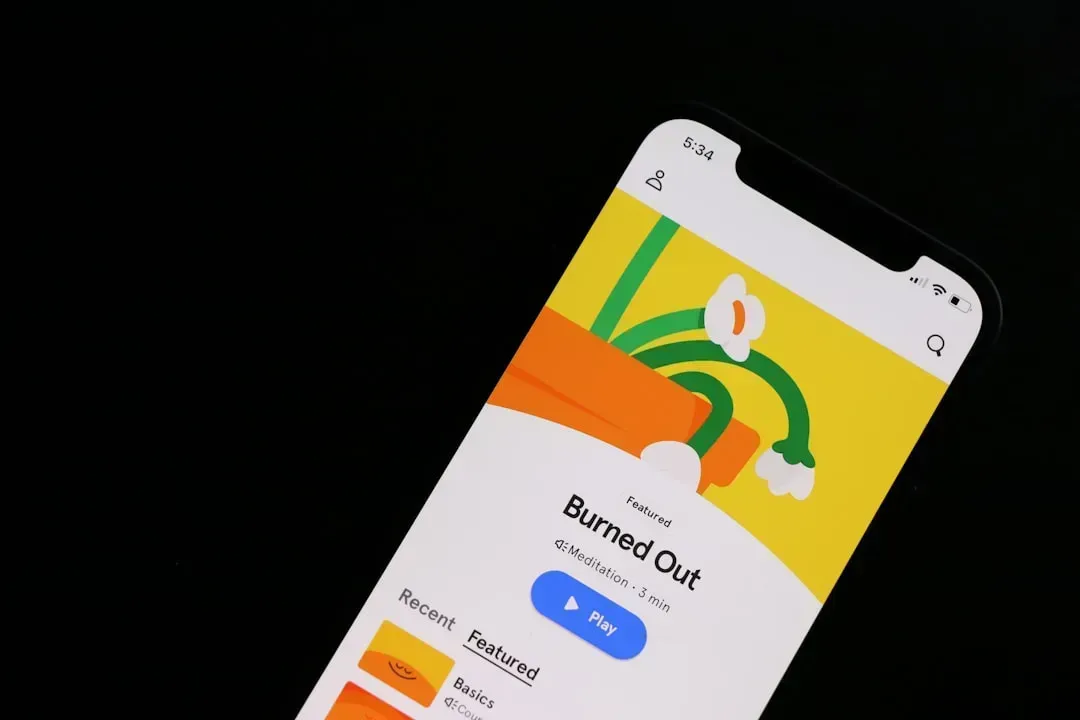
The global mental health apps market size was estimated at USD 7.48 billion in 2024 and is projected to reach USD 17.52 billion by 2030, with growing adoption owing to benefits in improving treatment outcomes and lifestyle and increasing awareness regarding mental health. It’s hard to say for sure, but the data suggests we’re taking mental health seriously, finally.
Gen Zers and millennials make up just over a third of the adult population in the United States, but they drive more than 41 percent of annual wellness spend. Younger generations recognize that managing stress isn’t optional anymore. 56 percent of Gen Z respondents plan to improve their mental health in 2024, with the emphasis even greater among Gen Z women at 71 percent, with 36 percent considering stress management apps and 33 percent considering counseling services.
Services focusing specifically on stress reduction, breathwork, and emotional regulation fill gaps that general meditation apps miss. A 2025 systematic review described smartphone mental health apps as potentially cost-effective, available and accessible, but noted that clinical outcomes are highly variable and few products have undergone robust, independent trials. That’s the reality check we need. These tools help, but they’re supplements to, not replacements for, professional care when needed.
What makes them worthwhile? Accessibility and immediacy. When anxiety strikes at midnight, you can’t call your therapist, but you can open an app designed for crisis support or calming techniques. For roughly the price of one therapy session monthly, you get unlimited access to evidence-based interventions. That’s genuine value if you use it regularly.