The ADU Revolution: Why Retirees Are Building “Granny Flats” to Generate 2026 Income
Here’s the thing. Walking through your backyard and seeing empty space might soon be the exception, not the rule. Retirees across the country are catching on to something that sounds almost too smart to ignore: building a small secondary house right on their own property and turning it into a steady paycheck. These little units, tucked into backyards or sitting above garages, are no longer just grandma’s guest cottage.
We’re talking about real money here, folks. Thousands of dollars showing up every single month from a structure that might be smaller than your primary bedroom. The trend is sweeping through states like California, Massachusetts, and Colorado, and it’s picking up steam in places you wouldn’t expect.
The Financial Reality Behind Building an ADU in 2026
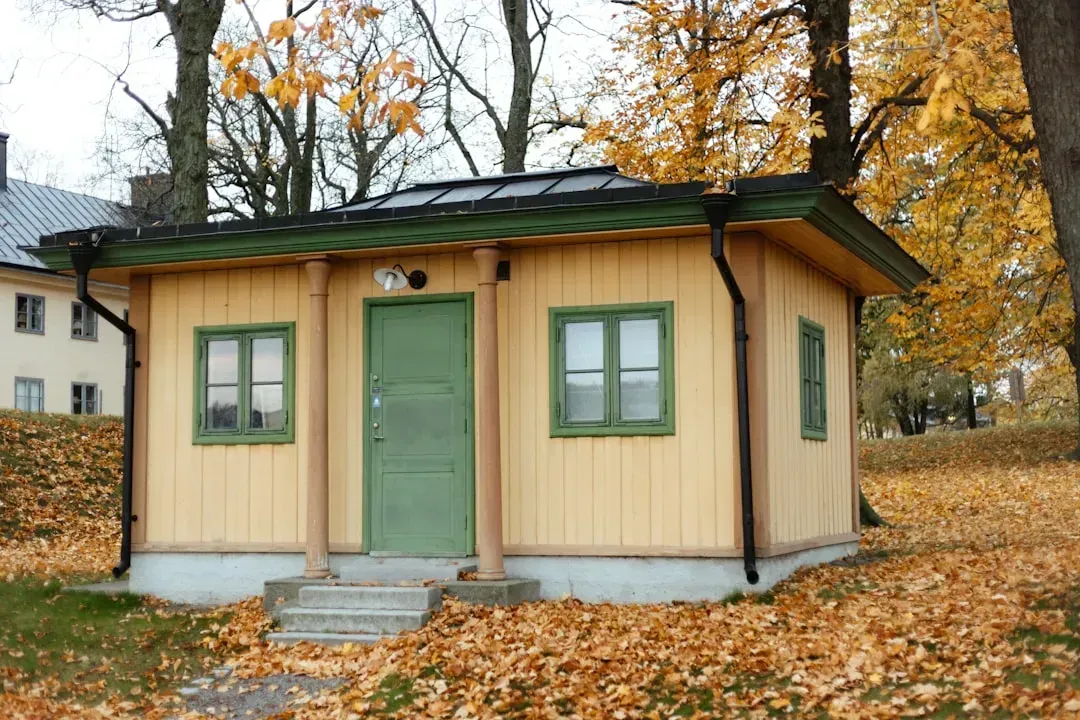
Building an ADU in 2025 could cost homeowners between $75,000 and $450,000 or more, depending on the type and location. That’s a wide range, I know. In Los Angeles specifically, the average cost ranges from one hundred fifty thousand to over four hundred thousand dollars depending on various factors. In California generally, the total cost typically ranges from one hundred thousand to over four hundred thousand dollars in 2025, with the range depending on whether it’s a garage conversion, detached, or attached ADU.
Construction expenses vary wildly based on what you’re actually building. Garage conversions tend to sit on the lower end because you’re working with an existing structure. Detached units, though, require their own foundation and completely separate utilities, which drives costs higher. Let’s be real: this is a serious upfront investment.
The price per square foot tells another part of the story. The average cost by size is one hundred fifty to three hundred dollars per square foot. Still, most San Diego ADUs average three hundred seventy five to six hundred dollars or more per square foot, with smaller studios at the higher end of that range and larger units at the lower end.
Monthly Rental Income: What Retirees Are Actually Earning
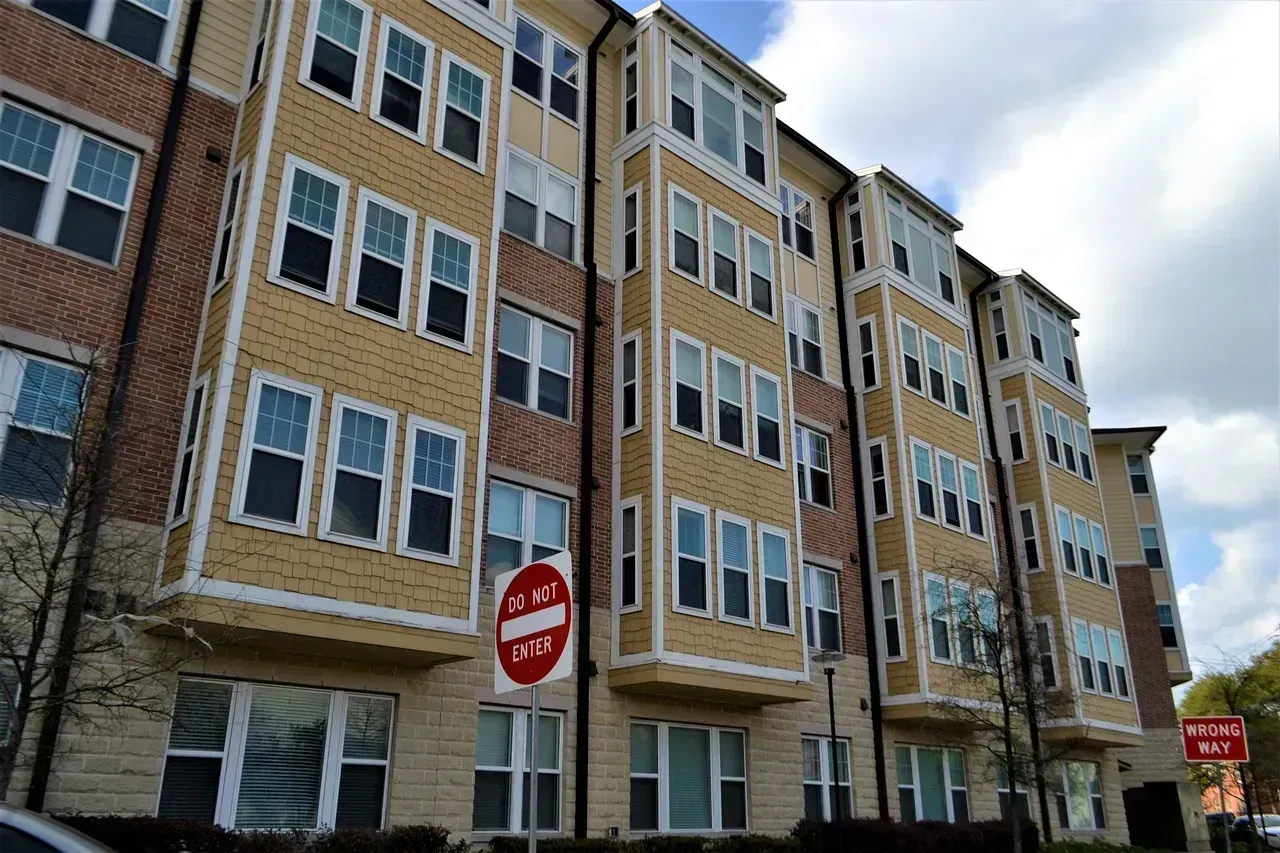
In cities like Los Angeles or Seattle, ADU rental income can range from one thousand two hundred to two thousand five hundred dollars per month, which translates to an additional fourteen thousand to thirty thousand dollars in retirement income per year. That’s not pocket change when you’re living on a fixed income. In San Diego, an average rent for this kind of unit is around one thousand eight hundred dollars, which multiplied by twelve months means pocketing an extra twenty thousand dollars per year.
What surprised me most when digging into the numbers is how location dramatically shifts earning potential. Monthly rental income can range from one thousand nine hundred forty to five thousand dollars depending on rental strategy. Short term vacation rentals in tourist heavy areas can command premium rates, though they come with more hands on management. Long term tenants provide stability and predictable monthly checks without the constant turnover.
In Sacramento, ADUs can rent for one thousand to two thousand dollars per month depending on size and amenities, and this extra income can offset the cost of construction. Many retirees I’ve read about view this as supplementing Social Security or pension payments without dipping into their nest egg.
Property Value Boost and Long Term Wealth Building
Adding an ADU doesn’t just create monthly income. It fundamentally changes what your property is worth. ADUs typically increase a home’s value by twenty to thirty five percent on average, with some reports indicating even higher increases in certain markets, and as property values rise, the value of the ADU generally appreciates alongside the primary residence.
Honestly, the math gets even more compelling when you consider the Federal Housing Finance Agency data. In 2023, the median appraised value increased to roughly one million sixty four thousand dollars for properties with ADUs compared to seven hundred fifteen thousand dollars for properties without ADUs. That’s a substantial gap.
A study found that homes with ADUs sell for thirty five percent more on average than comparable homes without them, making an ADU a strong long term equity play in addition to generating income. For retirees thinking about eventually passing wealth to their children or needing to sell later in life, this appreciation matters enormously. The ADU becomes both a current income source and a future wealth vehicle.
New Laws Making ADU Construction Easier Across America
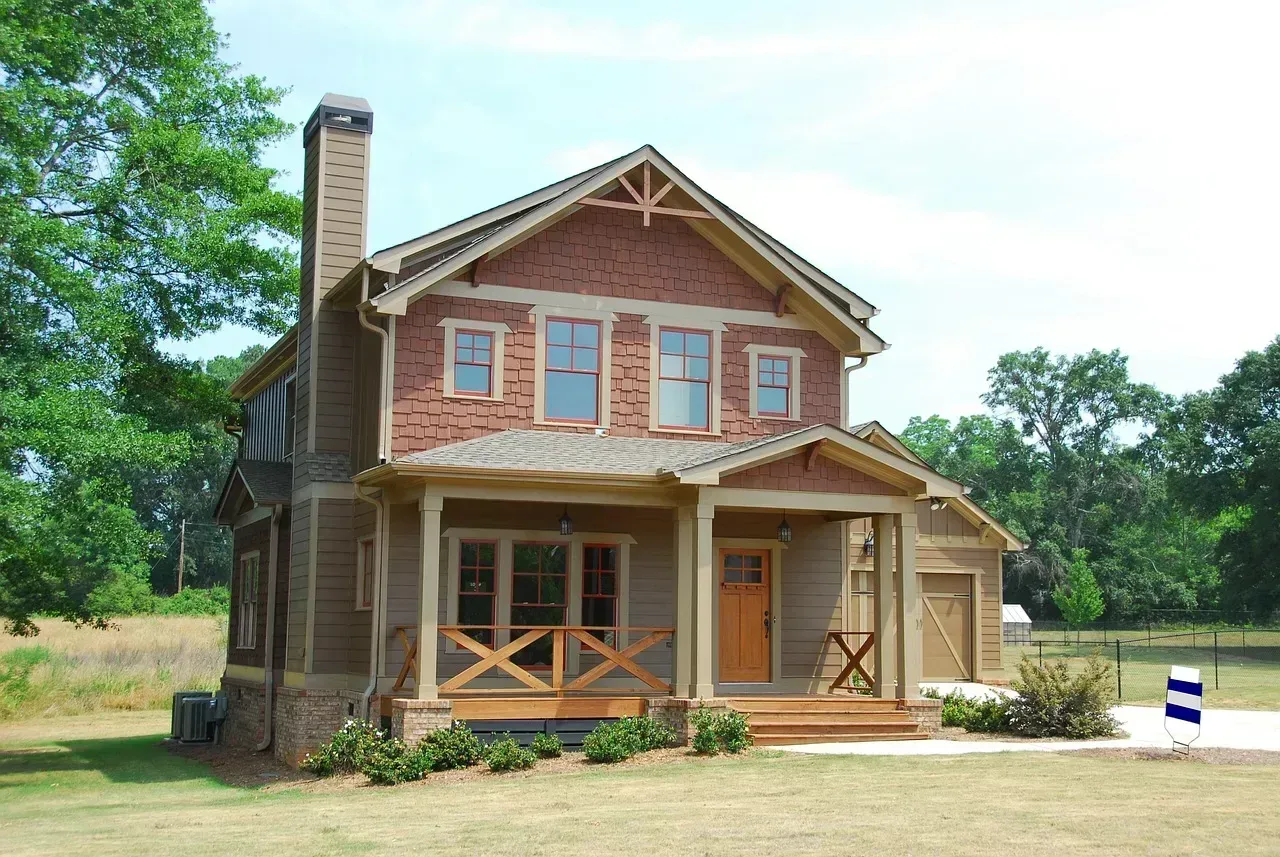
State governments have been scrambling to address housing shortages, and ADUs are part of the solution they’re pushing hard. Because of new laws, California ADU construction has surged, with over eighty thousand ADUs permitted since the first reform bill passed in 2016. California isn’t alone in this movement.
In Massachusetts, municipalities had until February 2, 2025, to amend their local zoning bylaws. The new law required municipalities to allow building ADUs up to nine hundred square feet as of right in single-family zoning districts while removing the authority to impose owner-occupancy requirements. As a result, Massachusetts homeowners can now build without jumping through as many bureaucratic hoops.
In Colorado, by June 30, 2025, subject jurisdictions were required to allow one ADU where single-unit detached dwellings are permitted. It’s hard to say for sure, but this wave of regulatory reform seems to be accelerating rather than slowing down. California’s Assembly Bill 976 extended the prohibition on owner-occupancy requirements indefinitely, meaning local agencies cannot impose owner-occupancy requirements for new or converted ADU projects permitted after January 1, 2025.
The Retiree Advantage: Why Older Homeowners Are Leading the Charge

Retirees sit in a unique position to capitalize on the ADU boom. Many own their homes outright or have substantial equity built up over decades. Top motivations for building ADUs include hosting visitors at thirty seven percent, rental income at thirty three percent, and short term rentals at twenty one percent, with income generation representing the primary driver in high cost urban markets where housing costs consume thirty five to forty five percent of household income.
Homeowners may be able to rent the ADU for retirement income, defraying the cost of construction which can be as low as about forty thousand dollars or reach into the hundreds of thousands. The flexibility matters too. Some retirees move into the smaller ADU themselves and rent out their larger main house for even higher income. Others keep family members nearby while maintaining privacy and independence.
One homeowner living on a fixed income estimates she cut her living expenses by roughly one third, and the savings allowed her to retire three years earlier than planned. Think about that for a moment. Building an ADU literally changed her retirement timeline. ADUs allow homeowners to age in place while maintaining financial independence, with rental income flowing in so retirees can offset living expenses, medical bills, or property taxes without dipping into their savings.
The aging population creates additional momentum. Demographic shifts toward caring for aging parents while managing childcare costs make ADUs a practical solution for the sandwich generation balancing multiple family responsibilities, with Millennials now representing the largest homebuyer segment while simultaneously facing eldercare decisions for Baby Boomer parents. Many adult children are helping their retired parents build ADUs both as an income source and as future housing for aging in place with caregiver support nearby.
What Retirees Need to Know Before Breaking Ground
Looking at all this data, building an ADU seems like a no brainer for supplementing retirement income. Yet the upfront capital requirement remains the biggest barrier. ADUs require a significant upfront investment, and retirees need to ensure they have the capital or access to financing without jeopardizing their retirement savings.
Home equity loans and lines of credit have become popular financing methods. Many homeowners in California use home equity loans or lines of credit to finance ADU construction because they often have lower interest rates than personal loans and allow tapping into equity already built in the home. For retirees who own their homes free and clear, accessing that equity makes sense if the rental income covers the loan payments.
After six to eight years, the unit can pay for itself, and the remaining years of rental income become profit, plus the added property value can boost your estate’s worth. The payback period varies based on construction costs and rental rates, but most analyses show positive cash flow within a decade. Renting out an ADU generates reliable income on a long term basis, helping cover mortgage payments, support retirement savings, or build capital for future investments, with competitive rental rates and lower risk in a stable market.
Property tax increases are another consideration. In California, the existing structure’s tax base remains the same, but the ADU’s value adds to the overall assessment, and for a one hundred fifty thousand dollar ADU at roughly one percent property tax rates, homeowners could expect an additional one thousand five hundred dollars per year in property taxes. That’s a real cost that eats into rental profits.
What do you think about converting your backyard into a retirement income stream? Have you considered how an ADU might change your financial picture in the years ahead?