Fine-Dining Servers Say These 12 Red Flags Stand Out Almost Instantly
There is something almost theatrical about walking into a fine-dining restaurant. The low lighting, the perfectly pressed tablecloths, the soft clink of crystal. It feels like stepping onto a stage. What most guests don’t realize, though, is that from the very moment they walk through the door, the servers are already watching. Not in a suspicious way. Just in that quiet, professional, razor-sharp way that comes from years of reading rooms and people.
Stepping into a fine dining restaurant might feel effortless, but seasoned servers are trained to pick up on subtle cues the moment a guest walks through the door. From body language to tone to the smallest etiquette details, these early impressions can signal whether the dining experience will be smooth, stressful, or exceptional. Honestly, the list of instant giveaways is longer than most people expect. Let’s get into it.
1. Skipping the Host Stand Like It Doesn’t Exist
This one. It happens constantly, and servers notice it every single time. The host stand isn’t just décor. It’s the command center of the restaurant. Walking past it to seat yourself instantly tells staff you think the rules don’t apply to you. Even if the place looks empty, there’s usually a system at work: reservations, server sections, timing.
Fine dining establishments carefully orchestrate their seating arrangements, with certain tables remaining open even when the restaurant looks half empty due to server sections needing to be balanced, reservations coming in at specific times, and kitchen capacity being managed. Think of it like skipping the check-in line at an airport. You might think you’re saving time. Everyone behind the desk thinks otherwise.
Servers exchange knowing glances when someone decides the normal protocol doesn’t apply to them, as this behavior usually predicts more boundary crossing later in the meal. This kind of dismissive entrance sets the tone for the entire experience. Staff notice immediately and adjust their approach accordingly, often becoming more formal and less accommodating.
2. Complaining Before Anyone Has Taken the Order
Nothing sets off alarm bells faster than guests who walk in with a chip on their shoulder, ready to critique everything before they’ve even sat down. The coat check was slow, the music is too loud, the table isn’t the right one. All before the bread basket has arrived.
From body language to tone to the smallest etiquette details, these early impressions can signal whether the dining experience will be smooth, stressful, or exceptional. While most guests have the best intentions, certain behaviors immediately raise red flags for staff, often before the first menu is even opened.
Here’s the thing: servers are professionals trained to handle legitimate complaints gracefully. What they cannot fix is a guest who arrived already unhappy and looking for fuel. That energy tends to snowball. By the dessert course, it has usually affected the entire table.
3. Snapping, Waving, or Shouting Across the Room
At least eight in 10 Americans say it is unacceptable for diners to snap their fingers to get a waiter’s attention. That’s a YouGov poll from April 2024, and still the behavior persists. In fine dining, it’s not just rude. It’s practically disqualifying.
The snapping thing isn’t just outdated etiquette. It’s dismissive and degrading, treating servers like furniture instead of professionals doing their job. In rooms where the ambient noise is intentionally kept soft and every gesture carries weight, waving your hand wildly across a dining room is jarring for every guest nearby, not just the server.
Fine dining service operates on an unspoken rhythm. Striking the perfect balance in the art of service is akin to performing a delicate dance. It’s about being both present and invisible, ensuring guests feel attended to without feeling overwhelmed by the attention. Disrupting that rhythm by grabbing attention loudly shatters the atmosphere for everyone.
4. Arriving Far Too Early and Expecting Priority Service
Those who arrive at 7:15 p.m. for an 8:00 p.m. reservation frequently expect their food to take precedence over other orders, and this behavior creates pressure on kitchen staff and affects service quality for all guests. This might sound minor. It is not.
The reality is that kitchens work on a first come, first served basis for the most part. Walking in during the busiest dinner rush and expecting lightning speed service shows a fundamental misunderstanding of how restaurants operate. Servers can clock this unrealistic energy immediately. Servers notice when guests check their watches repeatedly before they’ve even ordered appetizers.
Punctuality is crucial in fine dining settings. Arriving on time shows respect for your hosts and the dining establishment. If you anticipate being late, inform the host or restaurant ahead of time. The opposite is also true: arriving significantly early and demanding to be accommodated is equally disruptive.
5. Ignoring Eye Contact and Basic Courtesy
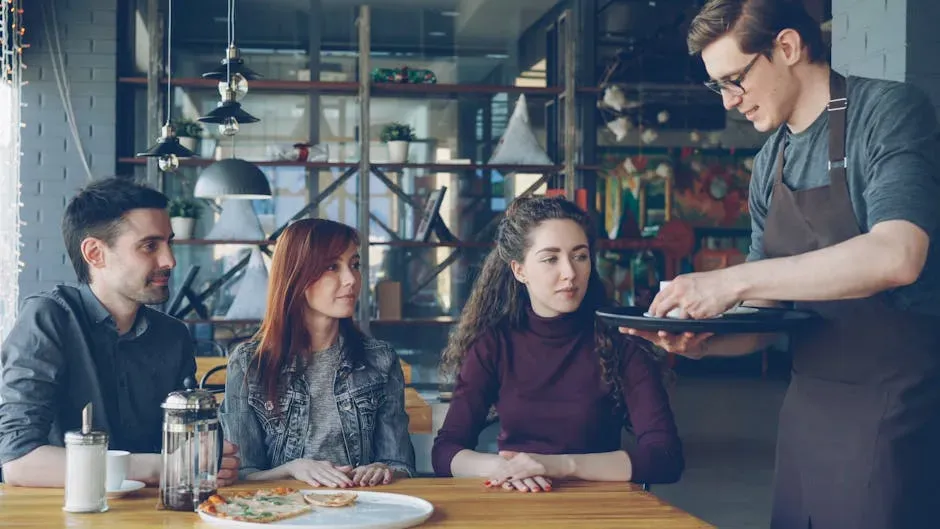
Failing to make eye contact, never saying “please” or “thank you,” or talking about servers like they’re not there sends a clear message. You can tell a lot about a person’s personality from how they interact with others in a restaurant. Servers absolutely notice this. It registers immediately.
I think this one is the most revealing of all the red flags on this list. A guest might be impeccably dressed and know which fork to use. If they treat the server as invisible, that communicates far more than any etiquette knowledge could redeem. Respect is non-negotiable in any room, fine dining or otherwise.
Someone who insists on ordering for the whole table, makes fun of what someone else eats, dominates the conversation at the table, or orders the waitstaff around like servants are all telltale signs. Servers remember these patterns for next time.
6. Making Impossible Menu Modifications
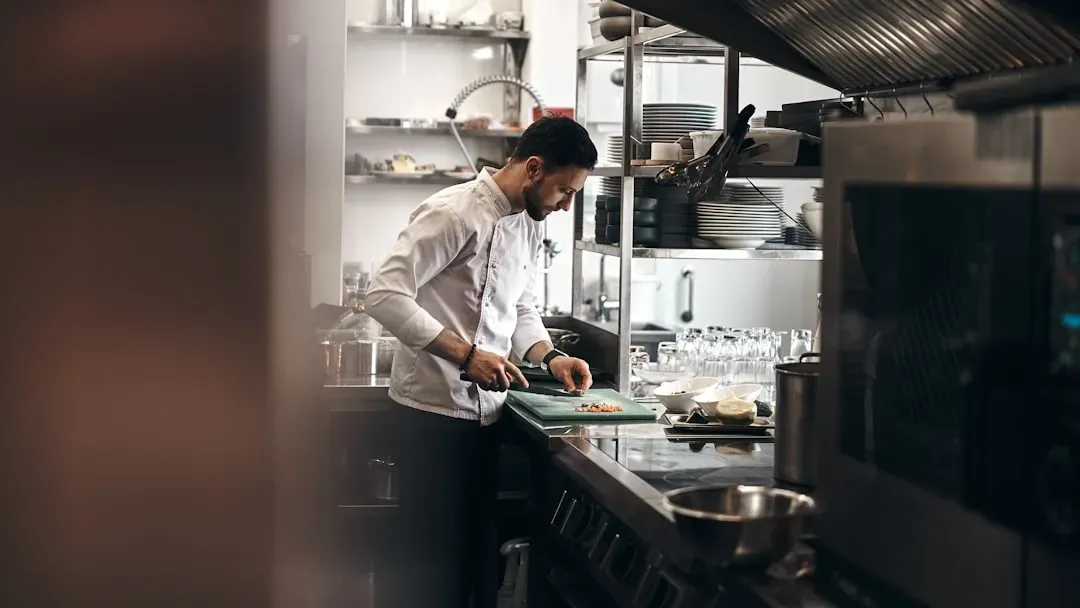
When you turn a menu item into a whole new dish, servers take note, as it signals high-maintenance energy before the food even hits the table. Asking for the salmon but with chicken instead, no sauce, extra dressing, and substituting quinoa for potatoes isn’t a request anymore. It’s basically designing a new dish entirely.
Sure, dietary restrictions and allergies are different, and any reputable restaurant will accommodate those. That’s a completely reasonable ask, and professional kitchens handle it well. What stands out is when a guest essentially rewrites a chef’s carefully composed dish for no dietary reason at all.
Some of the most divisive customer behaviors include asking for multiple modifications to a menu item. Fine dining menus are crafted with intention. Each component on that plate was placed there deliberately. Demanding its disassembly without cause signals to the kitchen that you don’t trust or respect the craft.
7. Occupying the Table Without Really Dining
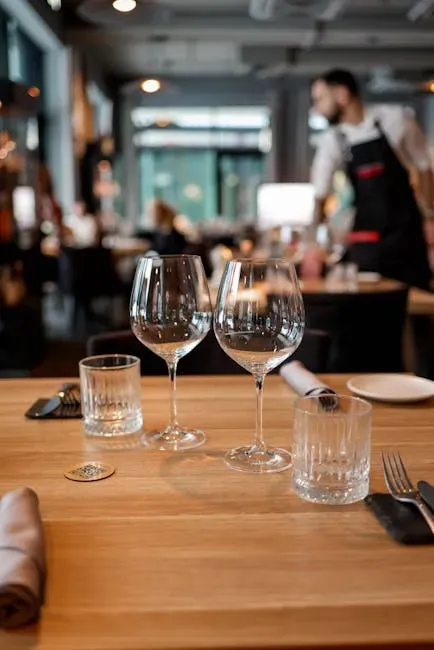
Servers notice when guests order a single appetizer and nurse one drink for three hours while occupying valuable real estate during the rush, as the restaurant loses money on that table, and the server’s tips take a direct hit because they can’t turn that section. This is a real issue in fine dining, where tables are limited and reservation lists are long.
Some people even take Zoom calls at their table with zero awareness of how disruptive that is to other diners who paid good money for ambiance. Let’s be real: nobody is paying several hundred dollars for a dinner to have a conference call broadcasting from the next table. It is genuinely shocking how often this happens.
The calculus here is simple. A fine dining reservation is a commitment, not a lounge pass. Servers are not unsympathetic to lingering. They’re sympathetic to guests who are actually engaging with the experience of dining, not just occupying real estate while scrolling through emails on their phone.
8. Dressing Completely Against the Dress Code
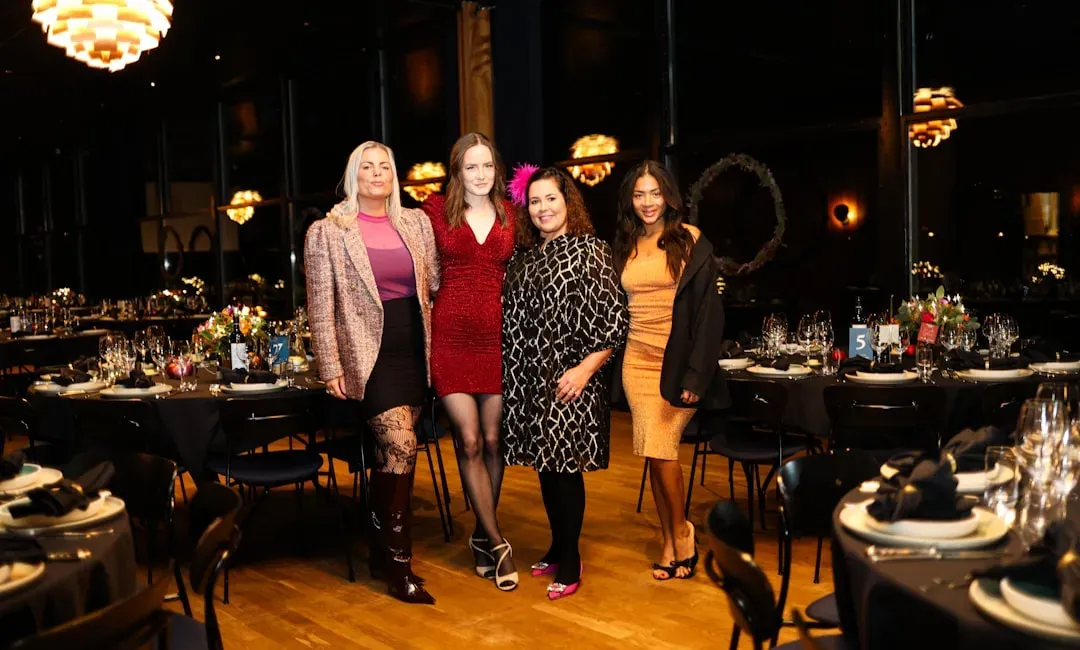
Most fine dining restaurants enforce a dress code. Business casual is a safe bet, but some places may require formal wear. Men should opt for collared shirts and dress shoes, while women may wear elegant dresses or a blouse with slacks. Showing up in flip-flops or workout gear to a Michelin-starred restaurant is not just a style choice. It sends a message.
First impressions matter, especially in a fine dining setting where elegance and sophistication are paramount. Dressing appropriately is not just about following a dress code; it’s about showing respect for the establishment, the occasion, and your fellow diners. Servers pick up on dress immediately, often before any words are exchanged.
Making the effort to dress appropriately not only respects the place you’re dining at, it also adds to your own experience. Think of it as showing up to a first-class flight in pajamas. You can do it. The flight still takes off. Still, everyone else on board notices, and so does the crew.
9. Table Domination and Controlling Group Dynamics

There is always one person at the table who takes over. They order for others without asking, dismiss suggestions from the server, and somehow manage to make every interaction about their preferences alone. Servers identify this person within roughly the first two minutes. Every time.
In fine dining, servers aren’t just taking orders; they’re part of the atmosphere. Conversation is part of the service, but the words must serve the guest, not the server’s ego. The same applies in reverse. When a guest dominates the table’s interaction with the server, it throws off the careful balance of pacing and personalization that makes fine dining what it is.
The server’s job is to read every guest at the table individually. When one person hijacks all of that interaction, it becomes nearly impossible to tailor the service properly. The rest of the table suffers for it.
10. Debating Menu Prices With the Staff
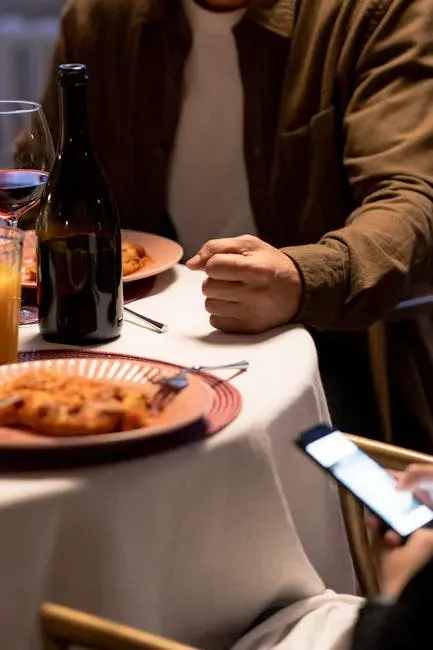
At least 84% of Americans say it is unacceptable to debate menu prices with the staff. Yet it happens. In fine dining, it’s particularly jarring because the pricing is always visible in advance, either on the restaurant’s website, a posted menu, or communicated at booking. Bringing a price dispute to the table is like arguing the cost of a concert ticket at the gate.
Servers at upscale establishments are not the people who set the prices. They have no authority to negotiate them. When guests attempt to do this, it puts staff in an impossible position and signals that the diner may not have been prepared for the experience they booked.
It’s hard to say for sure whether this stems from sticker shock or genuine displeasure, but either way, fine dining professionals flag it instantly. No matter how great the location, the food, or the ambiance, nothing ruins a meal faster than adversarial dynamics between guests and staff.
11. Tipping Well Below the Expected Standard
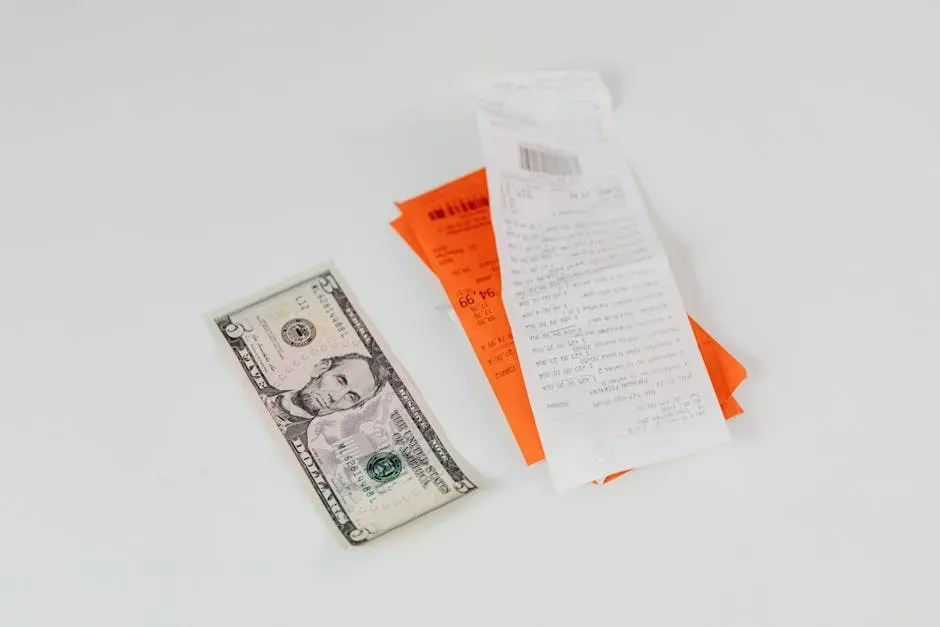
In a full-service restaurant, it’s customary to tip at least 20% of your tab. In fine dining specifically, where service is more labor-intensive, more choreographed, and often involves a team of people attending to the same table, this benchmark is considered a floor, not a ceiling.
Recent surveys indicate a decline in the percentage of people who “always tip,” dropping from roughly three quarters in 2019 to about two-thirds in 2023. However, the fundamental principle remains: service industry employees depend on tips as part of their income. In fine dining contexts, where the entire service model is built around exceptional attentiveness, undertipping registers as a pointed statement.
Studies have shown that women and racial minorities are tipped less than white men, and higher tips are correlated with everything from attractiveness of the server to whether they draw a smiley face on the check. Servers are well aware of these patterns. They don’t forget the guests who leave generous tips, or the ones who leave almost nothing after an elaborate multi-course evening.
12. Treating the Table Like a Personal Phone Booth
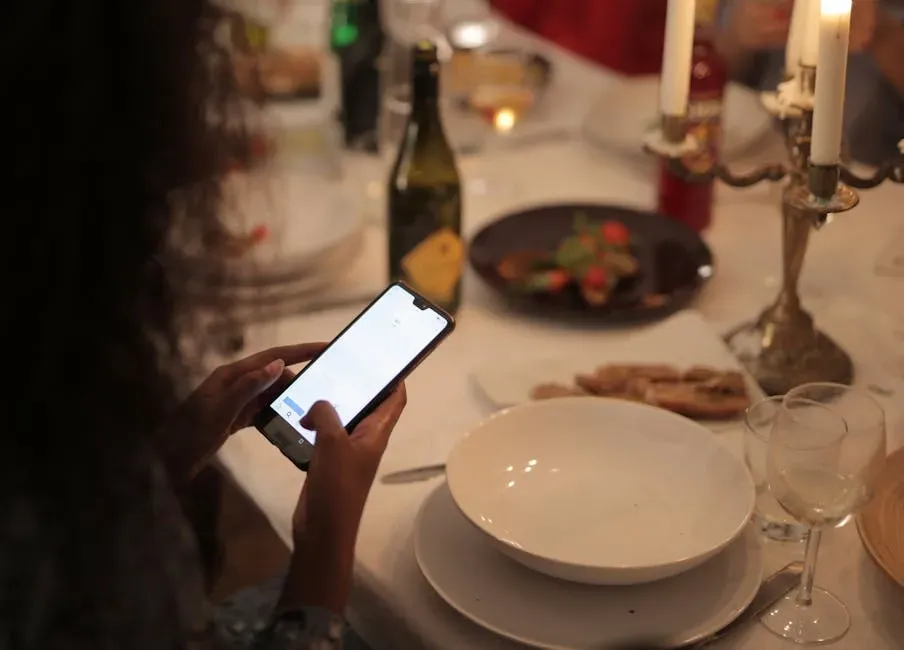
This is the red flag that has grown fastest in recent years. Phone culture has invaded fine dining in a way that was almost unimaginable a decade ago. Long phone calls at the table, loud video playback, tablet-watching children, relentless photography that delays service. It all signals to the server that this guest may not actually want the experience they booked.
Fine dining is, at its core, an immersive experience. The distinction between a good and an exceptional dining experience often lies in the subtleties of service. When a guest is half-present because they’re mentally somewhere else on their device, the server cannot establish the attentive, personalized connection that defines great fine dining service.
In fine dining, servers aren’t just taking orders; they’re part of the atmosphere. That atmosphere requires mutual investment. A guest buried in their phone gives the server almost nothing to work with. It also signals to everyone nearby that they’d rather be elsewhere, which is its own kind of awkward.