The Hidden Science Behind Why Certain Foods Comfort Us
There’s a particular kind of relief that comes from eating a bowl of warm soup on a cold evening, or biting into the exact thing you craved after a rough day. It feels almost irrational – as though food has access to a part of you that logic can’t reach. The thing is, it does. What seems like a simple preference is actually a layered interaction between brain chemistry, memory, evolution, and gut biology, all firing at once.
The science behind comfort food has become a serious field of research, pulling together neuroscience, nutritional psychology, and microbiology. The consumption of comfort foods is subjective and influenced by individual experiences, as they are known and appreciated by the person. That subjectivity makes the science more interesting, not less – because it means the mechanisms behind comfort eating are deeply personal and remarkably consistent at the same time.
The Brain’s Reward System and the Dopamine Loop
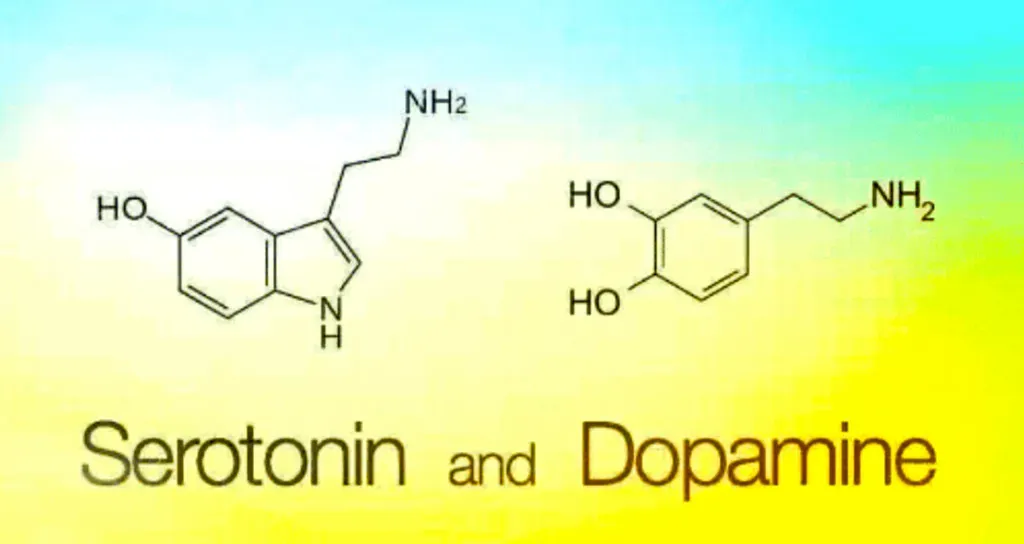
There is a specific part of the brain called the nucleus accumbens which controls the release of feel-good hormones dopamine and serotonin, triggered by things like drugs, sex, and tasty food. When you reach for something comforting, this region lights up fast. It’s not metaphorical. Eating foods that are high in fat, sugar, or salt activates the brain’s reward and pleasure systems – the same systems or regions that are active in drug addiction.
Simply thinking about a comfort food can trigger a dopamine release and begin a cycle of motivation and reward. This means the craving itself has a physiological basis – even before a single bite is taken. Released when expecting a reward, dopamine soon comes to be associated with pleasure. Simple anticipation may be enough to raise its levels. The brain, in other words, starts rewarding you for intending to eat something comforting.
The Chemistry of Carbs: Serotonin and the Tryptophan Connection

One of the most famous neurotransmitters is serotonin, the “feel good” neurotransmitter. Serotonin levels are associated with contentedness and happiness. Many comfort foods – particularly those heavy in carbohydrates – work partly through this pathway. Foods high in simple carbohydrates like pasta, donuts, pastries, breads, and candy increase insulin levels and allow more tryptophan – the natural amino acid building block for serotonin – to enter the brain, where it is converted to serotonin.
Foods rich in tryptophan, an amino acid found in turkey, cheese, and some plant-based proteins, help the brain produce serotonin. So the pasta craving after a stressful meeting isn’t weakness – it’s your brain calculating a neurochemical shortcut. Even the act of chewing releases endorphins, the body’s natural painkillers. Comfort food, at the biological level, is a fairly efficient form of self-medication.
How Stress Hormones Drive Us Toward Certain Foods

The adrenal glands release a hormone called cortisol, and cortisol increases appetite and may also ramp up motivation in general, including the motivation to eat. Under prolonged stress, the body essentially pushes you toward high-calorie, high-reward foods. Numerous studies have shown that physical or emotional distress increases the intake of food high in fat, sugar, or both. High cortisol levels, in combination with high insulin levels, may be responsible.
Once ingested, fat- and sugar-filled foods seem to have a feedback effect that dampens stress-related responses and emotions. These foods really are “comfort” foods in that they seem to counteract stress – and this may contribute to people’s stress-induced craving for those foods. It’s a biological loop: stress triggers cortisol, cortisol triggers cravings, and the food temporarily quiets the stress signal. During times of stress, the adrenal glands release hormones called corticosteroids, which may have action at multiple brain sites, such as the hypothalamus, to promote hunger and potentially drive the pursuit of calorie-dense, palatable foods.
Memory, Smell, and the Nostalgic Power of Familiar Flavors

Taste and nutritional content affect how foods make us feel, but much of the happiness we derive from our favorite foods stems from the memories they spark for us and the people we’re with while we enjoy them. This memory dimension is not a soft, sentimental observation – it has a clear anatomical basis. The olfactory bulb, which is involved in the sense of smell, is linked to areas in the brain associated with memory and emotional experiences.
When we eat something tied to our past, the flavors, smells, and textures activate brain regions responsible for memory and emotional regulation. It’s not just about recall; it’s about cognition – the way our minds process and relive experiences. A grandmother’s chicken soup or a parent’s homemade bread doesn’t just taste good. It restores a felt sense of safety. Comfort foods are often prepared in a simple or traditional style and may have a nostalgic or sentimental appeal, perhaps reminding us of home, family, and friends.
Social Bonds and the Comfort Food Connection

Comfort foods remind us of our social ties, which means they may help us feel less lonesome when we feel isolated. This insight reframes comfort eating not as a private weakness, but as a social act replayed in solitude. Childhood experiences and family gatherings create psychological associations with specific comfort foods, linking them to feelings of security and happiness.
Researchers rated emotional responses to a comfort food found in many cultures: chicken soup. They discovered that those with the strongest positive responses to the stimulus also had stronger primal emotional relationships with family caregivers. The food, in that sense, becomes a symbol for the person who once provided it. From a social psychology perspective, comfort foods often remind us of times when we felt supported and connected, like family dinners or holiday gatherings. These associations can boost psychological resilience, helping us bounce back from stress or emotional setbacks.
The Gut-Brain Axis: Your Stomach Talks Back
A bidirectional axis integrates neural, immune, endocrine, and metabolic pathways, enabling gut microbes to influence mood, cognition, and behavior. The gut, once thought of mainly as a digestive organ, is now understood as a major player in emotional regulation. The gut forms a complex, bidirectional link with the central nervous system known as the gut-brain axis, active in both health and illness. This interaction enables gut sensory impulses, transmitted via the vagus nerve, to impact CNS activity, controlling reflexes and modulating mood.
The bacteria in your gut are thought to influence the levels of serotonin produced in your body. Given that the vast majority of the body’s serotonin is produced in the gut, this is not a peripheral detail. Psychological stress has been shown to impact the makeup of the gut microbiome, either indirectly – stressed people may turn to comfort food-heavy diets which in turn change their microbiome makeups – or directly through molecular signals that travel from the brain to the gut. Comfort eating and gut health are, in this way, deeply entangled.
Why Comfort Food Choices Are Deeply Personal

Comfort food varies based on the individual. The type of food that comforts you is shaped by your upbringing, the stressors in your environment, how you learn to handle those stressors, what type of event triggers your eating behavior, and what you grow up eating to make you feel better, among other factors. This explains why no two people have the exact same list. Comfort food can be highly individualistic, and the food that provides comfort for one person might not provide comfort to another person.
Although participants endorsed a range of expected benefits of consuming comfort foods, the “Pleasurable and Rewarding” subscale received the highest endorsement overall, followed by the “Positive Feelings” subscale. These findings suggest that people believe they consume comfort food primarily for the positive reinforcements of rewarding themselves or gaining positive feelings while eating, rather than for the negative reinforcement of alleviating negative affect or boredom. The motivation, more often than not, is about seeking a good feeling rather than escaping a bad one. That distinction matters more than it might seem.
Gender Differences in Stress Eating Patterns

The prevalence of stress-induced eating was higher among women than men throughout the follow-up, whereas stress-induced drinking was more common among men. Research consistently points to a split in how different groups use food for emotional regulation. Research highlights that stress responses differ by gender, with women showing a greater propensity for stress-induced emotional eating. Studies consistently demonstrate that emotional eating levels are higher in women than in men.
Some research suggests a gender difference in stress-coping behavior, with women being more likely to turn to food and men to alcohol or smoking. The reasons are not fully settled, but cultural conditioning, hormonal differences, and learned coping patterns all appear to play a role. Women more often report eating as a response to emotional states such as depression, anxiety, or anger, especially during periods of elevated stress. Neither pattern is inherently healthier – both reflect a search for relief through available means.
When Comfort Eating Becomes a Problem – and When It Doesn’t

Although comfort foods can instantly improve one’s mood, a 2014 study reported in the journal Health Psychology discovered that any food can have the same effect whether or not a person has been seeking it. That finding complicates the narrative considerably. It suggests the comfort isn’t always inside the specific food, but in the act of eating itself, and in what the food represents. The effects of these foods on the brain are temporary and can lead to negative health consequences with long-term overconsumption.
If someone struggles with emotional dysregulation, they might rely too heavily on comfort foods to manage feelings, which can lead to unhealthy eating patterns. That’s why behavioral health professionals sometimes encourage building a variety of coping skills alongside enjoying these foods. The comfort itself is real and the biology behind it is legitimate. The question is whether eating becomes the only available tool in the kit. It’s okay to love food and find comfort in it, but balance matters.