I’m a Bartender of 10 Years: 9 Drinks That Quietly Signal Low Tips
There’s a kind of sixth sense you develop after years behind the bar. You learn to read people almost before they open their mouths. The way someone sits, how they make eye contact, whether they say “please” – and yes, what they order. Honestly, a drink order can tell you a lot more than most people realize.
After a decade of pouring, shaking, muddling, and smiling through Saturday night rushes, I’ve noticed one thing above almost everything else: certain drinks are almost always a signal that the tip at the end of the night is going to be thin. That’s not me being cynical. It’s just pattern recognition, backed up by a lot of bar shifts and a lot of receipts.
Let’s dive in.
1. Well Vodka Soda With “Extra Lime”
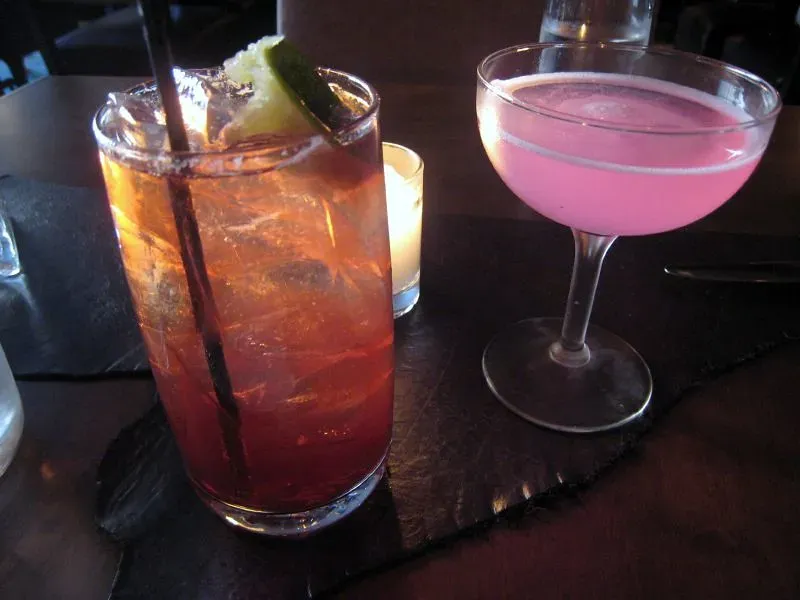
The vodka soda is the most common well drink order in any bar, anywhere in America. It’s a simple well drink that’s perfect for customers who don’t want the sugar or calories of a sweet cocktail. Nothing wrong with that at all. The problem isn’t the drink itself – it’s the attitude that often comes along with it.
Customers who order the cheapest possible option and then pile on modifications – extra lime, no ice, just a splash of soda, different glass – are asking for more service while spending the least. Because well drinks are made with simple, low-cost ingredients, they have the highest profit margins on the menu. They’re also quick and easy to produce. Quick for us, yes. But “quick and cheap” sometimes translates to “I’ll just toss a dollar on the counter.”
Cocktails tend to be pricier and require much more of a bartender’s time to prepare, so one dollar is typically too low a tip for a cocktail. A vodka soda might not technically be a cocktail, but it still takes time, attention, and a smile. And no, the “extra lime” doesn’t cancel any of that out.
2. Canned or Bottled Beer
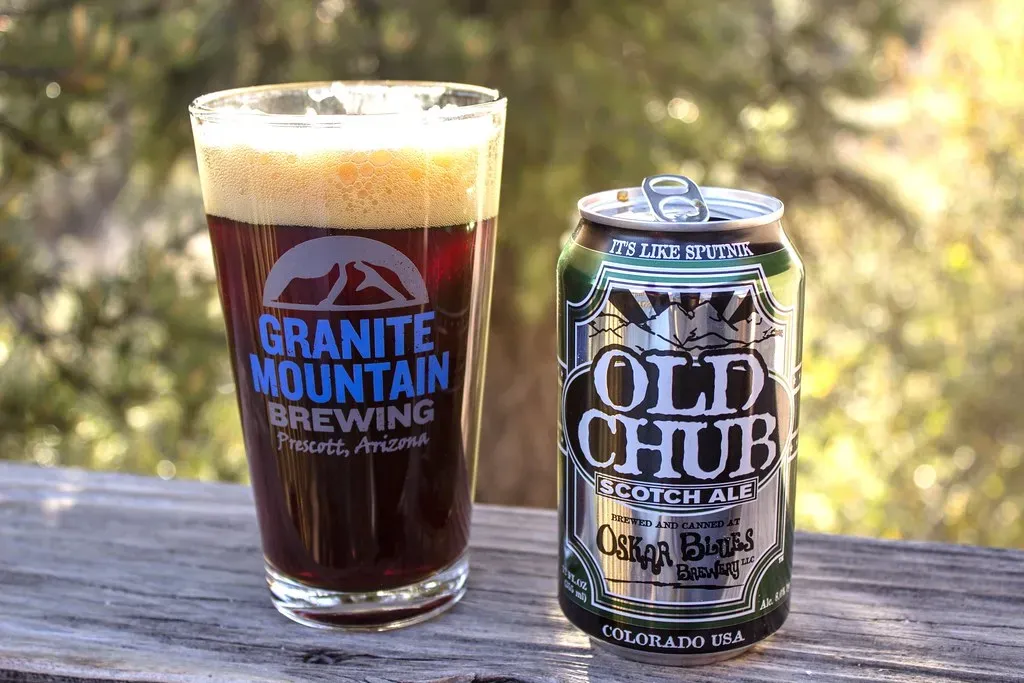
Here’s the thing – a canned beer is the easiest thing we serve. Pop the top, hand it over, done in literally five seconds. That simplicity is also what makes it a tip red flag. A one-dollar tip for beer and wine is arguably still considered acceptable because of the amount of effort involved in serving these drinks. Pouring a beer from the tap may be a 30-second task, and if the beer is in a can or bottle, it’s even easier.
The issue is that many canned beer customers don’t think tipping applies to them at all. Some customers will tip if they ordered a cocktail, but not for a beer or wine. This lack of tipping is fueled by customers believing the bartender didn’t do enough to merit the extra cash by simply pouring a drink. That logic is frustrating to live with across an eight-hour shift.
Most bartenders consider 20% to be a proper tip, but bartenders really don’t expect that amount on bottled or canned beverages. Even so, something is always better than nothing. A dollar matters, especially when we’re running a busy Friday night and serving a hundred of these things before midnight.
3. “Just Water, Please” (With a Long Stay)
Water is free. We all know that. Nobody expects a tip on a glass of water – but what about the person who nurses that glass of water for two hours while their friends are buying rounds? They take up real estate at a busy bar, ask for refills, and often leave nothing at the end of the night.
I’m not saying you can’t order water. Hydration matters, especially on a big night out. The minimum tip amount, even if you’re ordering a single, inexpensive drink, according to Toast, should be $1. But for water? Most people don’t even think about it. The bar is a business, and the bartender’s income depends on what gets ordered and tipped on.
Waiters and bartenders earn more in tips than they do from what employers pay them as an hourly base wage. The median share of hourly earnings that come from tips account for 54% of bartenders’ earnings. When someone camps at the bar over water all night and tips zero, that’s not a neutral act. It has a real financial impact.
4. Draft Beer at Happy Hour
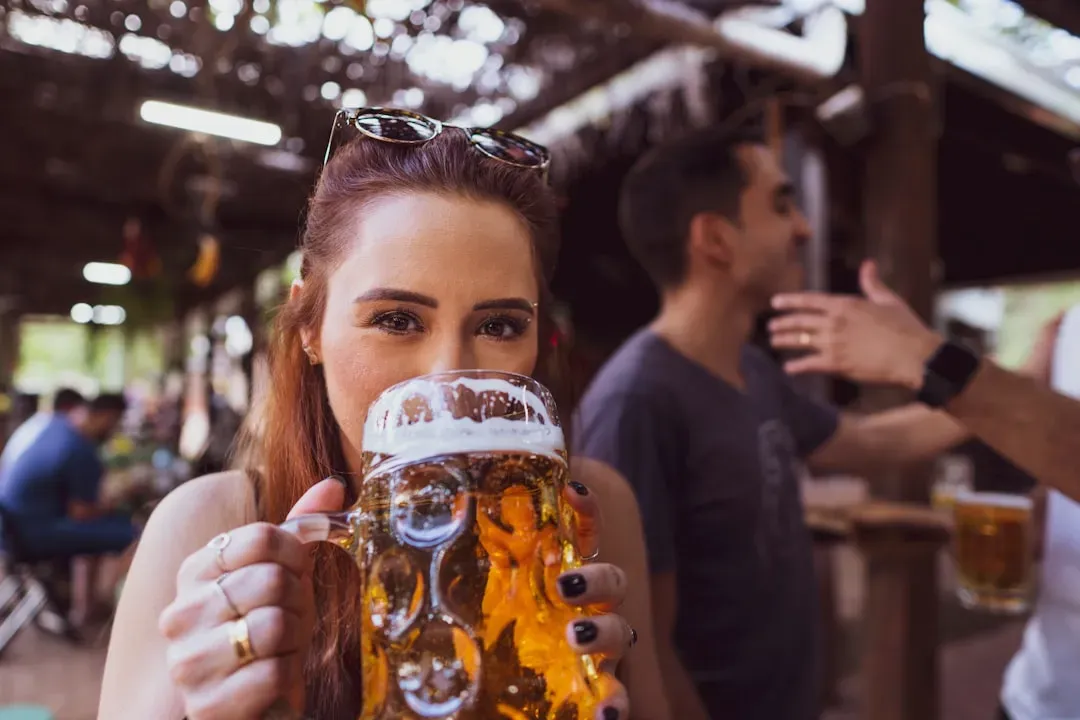
Happy hour is designed to bring people in. Discounted drinks, lower prices, a livelier atmosphere. It’s great for business and great for guests – but it tends to be a tipping desert for the staff. People apply the discounted price in their heads and tip on that, even if the bartender’s effort doesn’t change one bit.
Just 35% of Americans now say they typically leave a 20% tip, down from 37% last year, reflecting tighter budgets and rising menu prices. During happy hour, that percentage drops even further in practice, because people feel like they’re already “getting a deal.” Think of it like this: a bartender pouring a hundred happy hour draft beers is working just as hard as during peak hours – but their income takes the hit.
Weekend nights are where the money is. Lunch shifts are steadier but come with lower tips. Happy hour sits somewhere in between, and it often delivers the worst of both worlds: high volume with discount-mentality tipping. It’s the shift most bartenders dread more than any other.
5. Shots (Especially Multiple Rounds of Cheap Shots)
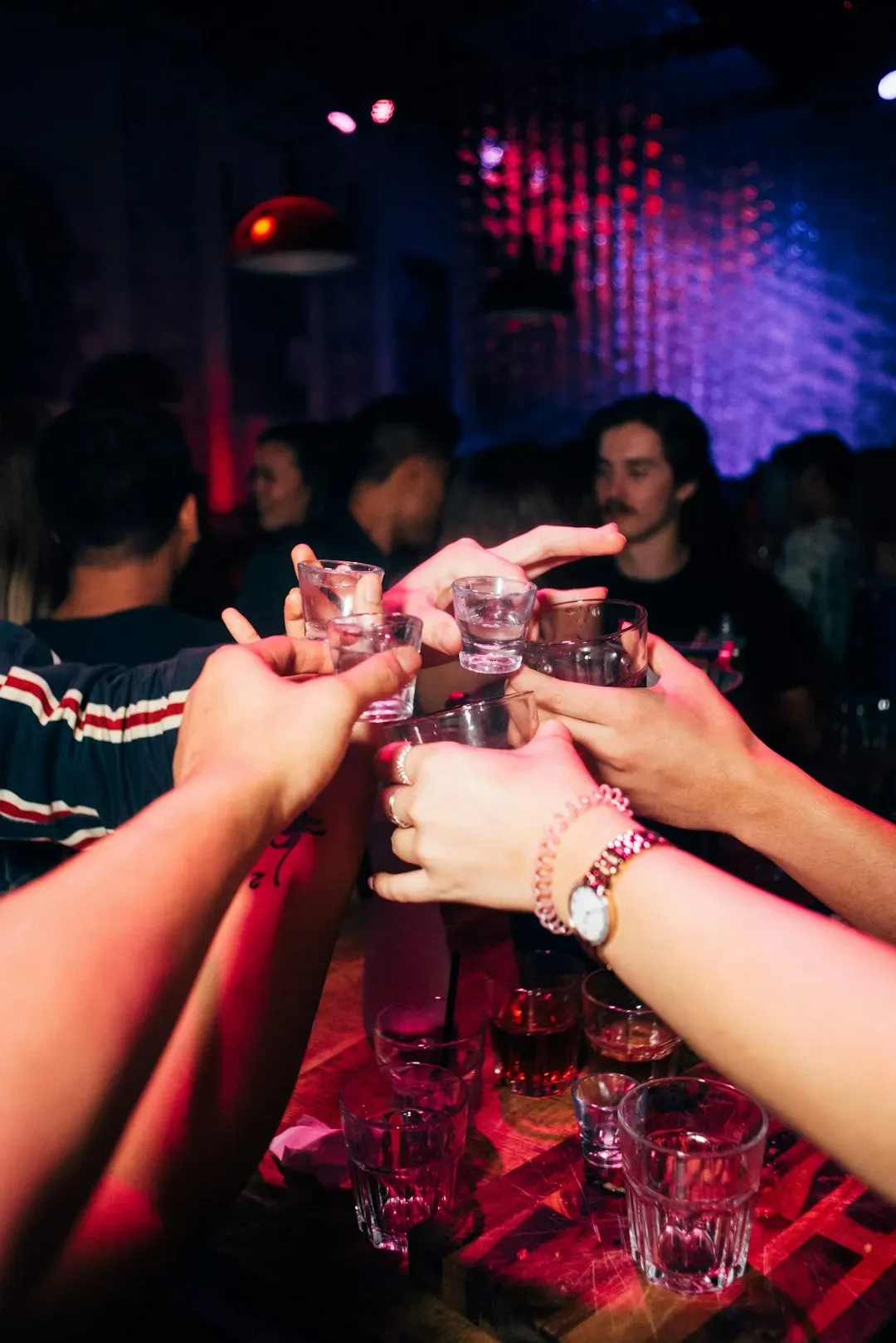
Shots are a party order. People are in celebration mode, energy is high, everyone’s having fun – and ironically, that’s exactly when tipping tends to go sideways. A round of six tequila shots at $6 each gets a dollar tossed on the bar as a “tip,” and the group disappears into the crowd feeling generous. They’re not.
As for shots, you’re probably safe tipping one dollar, since it’s such a quick task for the bartender. That’s the bare minimum etiquette logic many guides suggest – but “safe” and “fair” aren’t always the same thing, especially when you’ve ordered ten rounds across the night. If you’re ordering labor-intensive drinks that require more time and skill, consider tipping on the higher end of the scale.
The math matters. A round of shots might seem fast, but across a packed Saturday night, those quick pours add up to serious labor. According to Indeed, the average bartender makes $150 per night in tips – and this can fluctuate based on location, shift timing, and foot traffic. Shot-heavy nights can significantly drag that number down when customers treat each round as a “small” purchase unworthy of real gratuity.
6. Well Mixed Drinks Ordered Off a Loud, Distracted Crowd
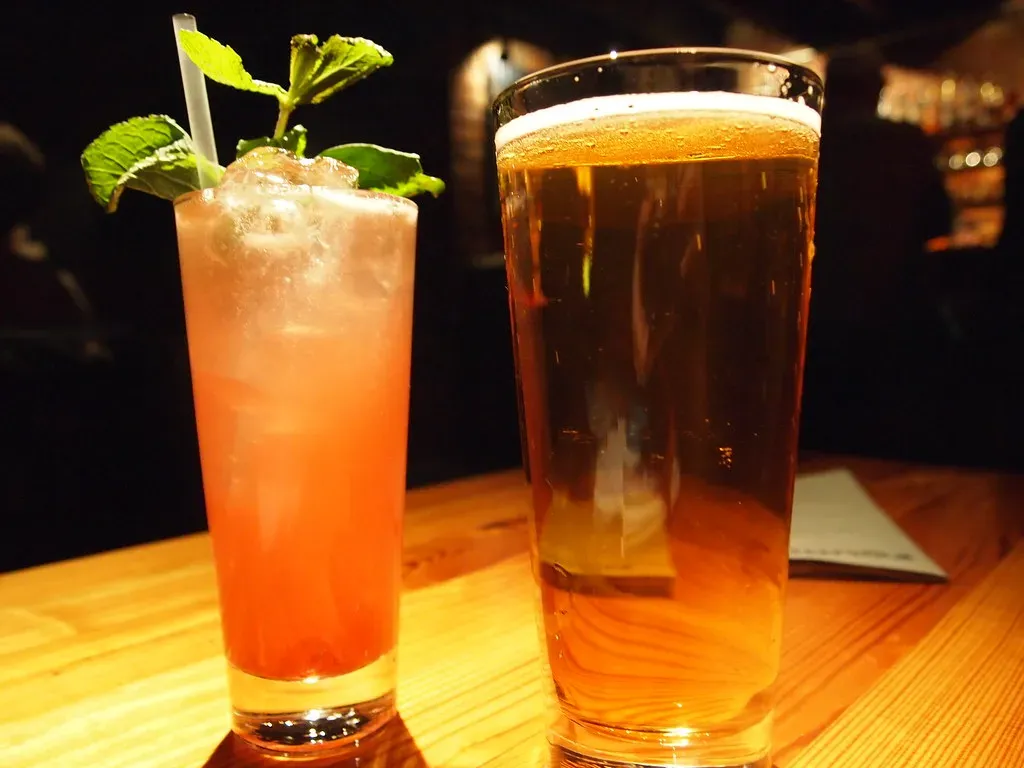
A rum and Coke. A gin and tonic. A whiskey ginger. These are the workhorses of any bar menu, and there’s nothing wrong with ordering them. Mixed drinks like gin and tonic or rum and Coke are technically cocktails but don’t require the same time and effort as most cocktails do. They usually involve pouring a liquor and a mixer into a glass, maybe adding a wedge of lemon on top.
The low-tip signal here isn’t just the drink – it’s the ordering behavior that surrounds it. Large, loud groups ordering simple well drinks tend to split the check twelve ways, lose track of who ordered what, and leave the tip calculation to whoever drew the short straw. More than one third of adults say they believe a tip is optional or that customers should not tip at all when ordering drinks at a bar. That attitude is most common in group situations.
Good tippers are often rewarded with better service, stronger pours, and sometimes even free drinks. On the flip side, poor tippers may find themselves waiting longer for service or receiving less attention from the bartender. It’s not personal – it’s just how a busy bar operates when you’re managing thirty people at once and trying to prioritize. Simple drinks from big distracted groups usually land at the bottom of that invisible priority list.
7. Mocktails and Non-Alcoholic Orders
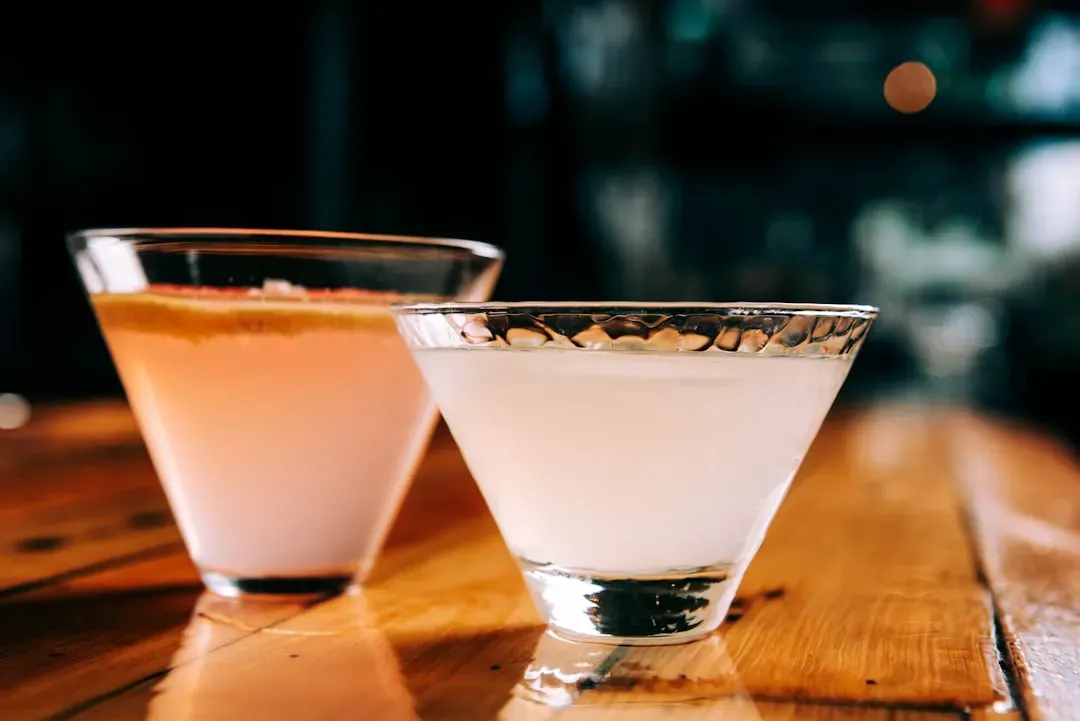
The non-alcoholic category is growing fast, and honestly, good. More people are sober-curious, designated driving, or simply taking a break. Just because drinks are free or non-alcoholic doesn’t mean you shouldn’t tip. A good practice is to tip $1 to $2 per drink, just as you would at a regular bar. The problem is that most non-alcoholic drink orders get treated like ordering a soda at a diner – something that requires no tipping acknowledgment at all.
Here’s what people forget: a non-alcoholic cocktail or mocktail at a bar often takes more skill and more time than a basic well drink. Fresh ingredients, muddling, layering, garnishing – it’s real work. Bartenders suggest you consider how elaborate your drinks were, as this usually tracks with how much time and attention your bartender gave you. A mocktail can be just as intricate as its alcoholic counterpart, yet the perceived value is often lower in the customer’s mind.
A 2025 survey found that 65% of consumers feel weary of frequent tipping requests, and 66% feel pressured by digital payment screens suggesting gratuities. That tip fatigue is real – but it hits non-alcoholic orders especially hard, because customers already feel like they “didn’t really order a drink.” That mindset has a cost, and bartenders are the ones absorbing it.
8. The “Surprise Me” Order
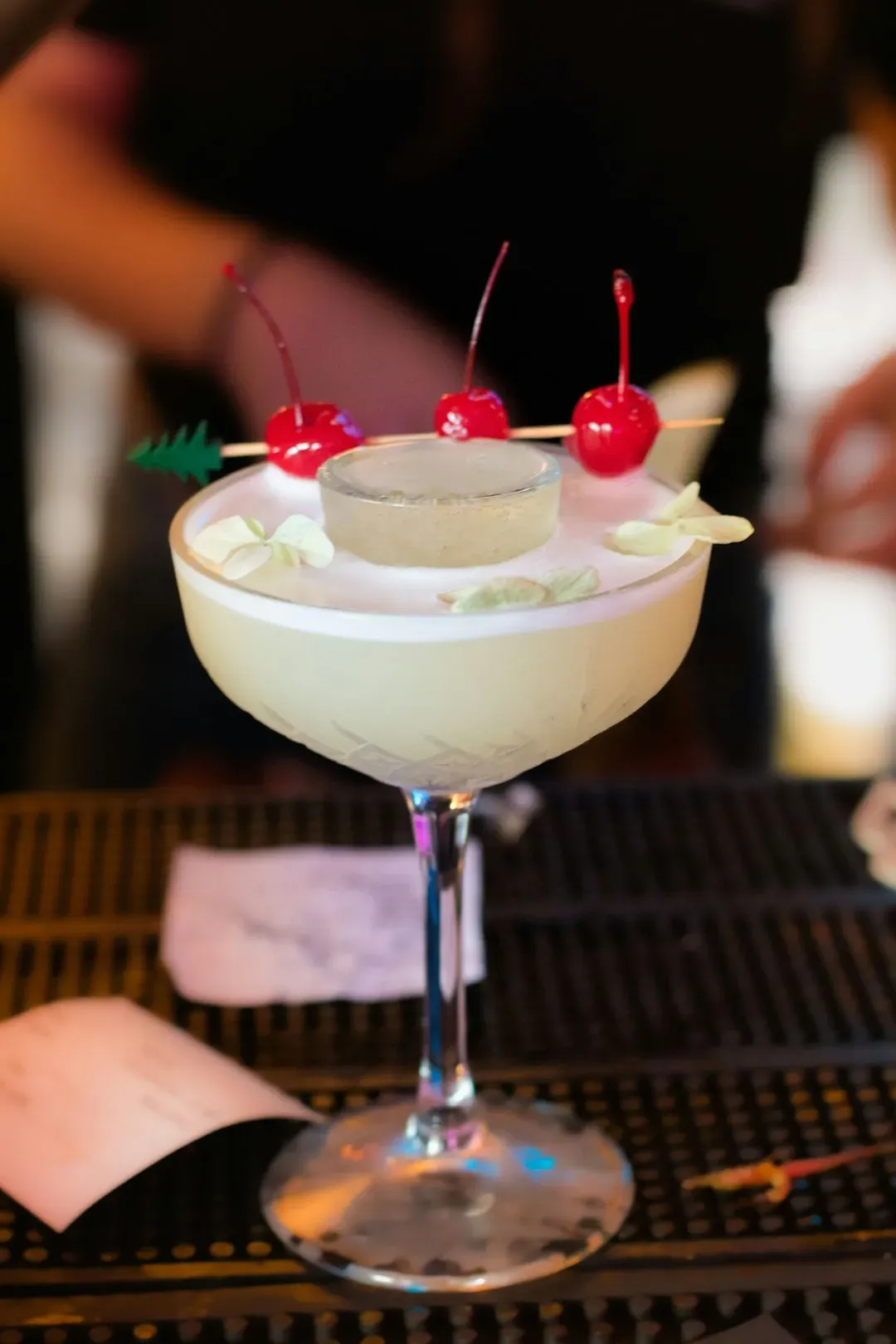
It sounds fun. It sounds like the kind of thing a generous, adventurous drinker would say. “Just surprise me – make me something good!” In practice, it’s one of the most tip-unreliable orders in the book. Here’s why: when a bartender invests creativity, premium ingredients, and extra time into crafting something custom, the customer judges the result like a judge on a cooking show. If they love it, they may tip well. If they “don’t really like it,” they sometimes tip nothing at all – even though the effort was real.
Presenting drinks attractively, with attention to garnishing and glassware, adds value to the service. Upselling and suggesting premium spirits or specialty cocktails can increase the total bill, often resulting in a higher tip percentage. When a bartender makes something custom, they’re doing both of those things simultaneously – but without a set price to anchor the customer’s sense of value, the tip can go anywhere from exceptional to insulting.
Some customers want quick service, while others like bartenders to be personable. Your personality and style of service influence how much you sell and how much you make in tips as a bartender. The “surprise me” customer often wants personality and creativity wrapped into one – which is fine – but the financial acknowledgment doesn’t always follow the effort. It’s the wild card of bar orders, in more ways than one.
9. House Wine by the Glass
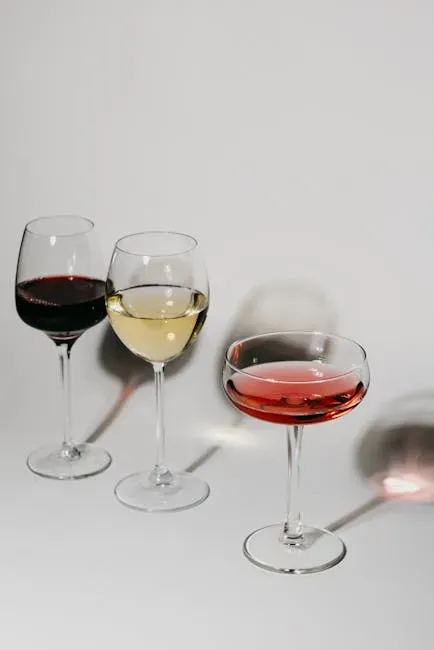
A glass of house wine is the restaurant equivalent of the well vodka soda. Low cost, low complexity, poured fast. For wine, bartenders only need to grab the glass and the wine bottle, pour it, and boom, it’s done. Many wine-by-the-glass customers – especially those ordering the cheapest option on the list – apply a “it’s just wine” logic to their tip, landing somewhere between nothing and a dollar.
What’s interesting is that wine actually carries some of the highest markup in bar settings. Wine typically carries the highest percentage markup in bar settings. The customer pays a premium, the bar profits well, and somehow the bartender still ends up with the thinnest tip of the night. That gap between what’s charged and what’s tipped is one of the most consistent patterns I’ve seen across a decade of service.
Data from Square shows that the monthly average tip at food and beverage establishments in the Bay Area in June 2025 was 14.22% – lower than it was at any time in 2019. Nationally, tipping across all food and beverage establishments has not grown in the past year. House wine by the glass tends to drag that average down – and it does so quietly, one underfilled tip line at a time.