16 Things Grandparents Do That Leave a Lasting Impact
There is something almost impossible to measure about the love a grandparent gives. It does not come with conditions, it does not clock out at bedtime, and somehow, it manages to reach children across decades and even beyond death. Science is now catching up to what families have always felt in their bones.
The relationship between grandparents and their grandchildren is one of the most studied, yet still deeply underestimated, forces shaping who we become. From emotional resilience to financial stability, from cultural identity to physical health, the fingerprints grandparents leave on a child’s life are permanent. Let’s dive in.
1. They Build Emotional Wellbeing That Lasts Into Adulthood
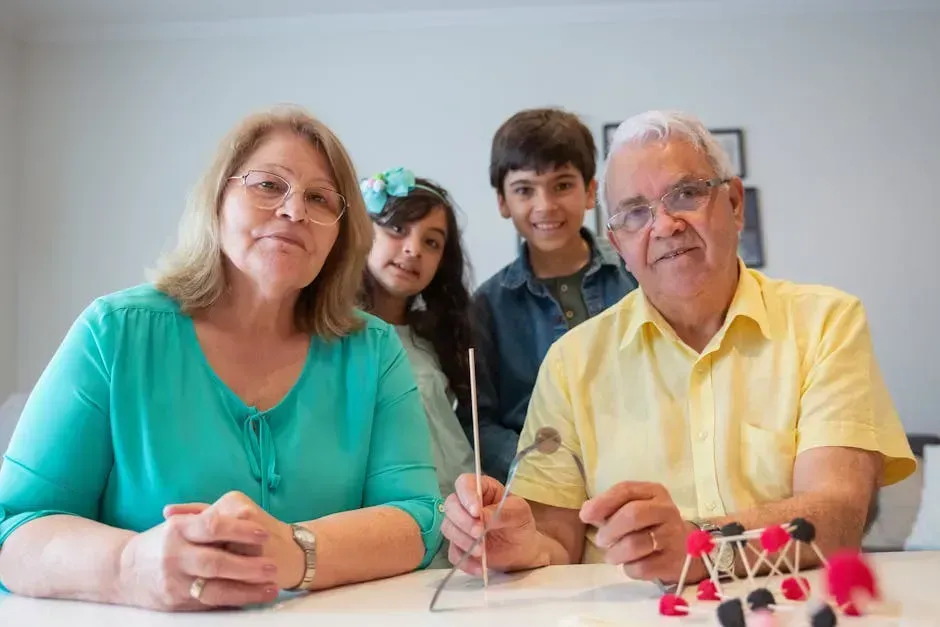
Due to longer life expectancies and age-related socioemotional strengths, grandparents are well-positioned to play roles that contribute positively to their grandchildren’s emotional development. This is not just a feel-good idea. It is backed by hard science.
Findings from recent research highlight the importance of supportive grandparent relationships for grandchildren, pointing to the possibility that support during the developmental period when children are learning to regulate emotion and navigate social situations is especially protective of emotional wellbeing in emerging adulthood.
Grandparent relationships have a lasting impact on emerging adult grandchildren’s emotional wellbeing, even after grandparents have passed away. Honestly, that one detail alone says more about their influence than almost anything else could.
2. They Teach Children How to Regulate Their Emotions

Grandparents are involved in grandchildren’s lives in ways that may directly or indirectly teach grandchildren about emotions, yet grandparents’ emotion socialization has not been systematically examined until recently, when researchers conducted studies with US samples examining grandparents’ role as emotion socialization agents.
In one study, US adults provided narratives about high points and low points with their grandparent, narratives of life lessons learned, and retrospective reports of their grandparent’s emotion socialization. Narratives indicated the presence of grandparent teaching and validation of emotion socialization, particularly in high point narratives.
Think of it like this: a grandparent who calmly sits with a crying five-year-old and says “it’s okay to feel sad” is quietly wiring that child’s brain to handle difficulty. The lesson sticks, sometimes for a lifetime.
3. They Strengthen a Child’s Resilience

Research findings indicate that grandparents’ involvement is positively related to young children’s resilience. In grandparent co-parenting models, young children also establish stable emotional bonds with their grandparents, forming grandparent-grandchild attachment.
Studies indicate that grandparental involvement positively influences young children’s self-control and emotional regulation, and grandparents’ involvement is associated with enhanced initiative in toddlers. This is not minor. These are the building blocks of how a person faces adversity as an adult.
Grandparents’ involvement not only promotes young children’s resilience and compensates for parental absence in vulnerable families but also strengthens family strength. They are, in many real ways, the safety net beneath the safety net.
4. They Pass Down Culture, Tradition, and Family Identity
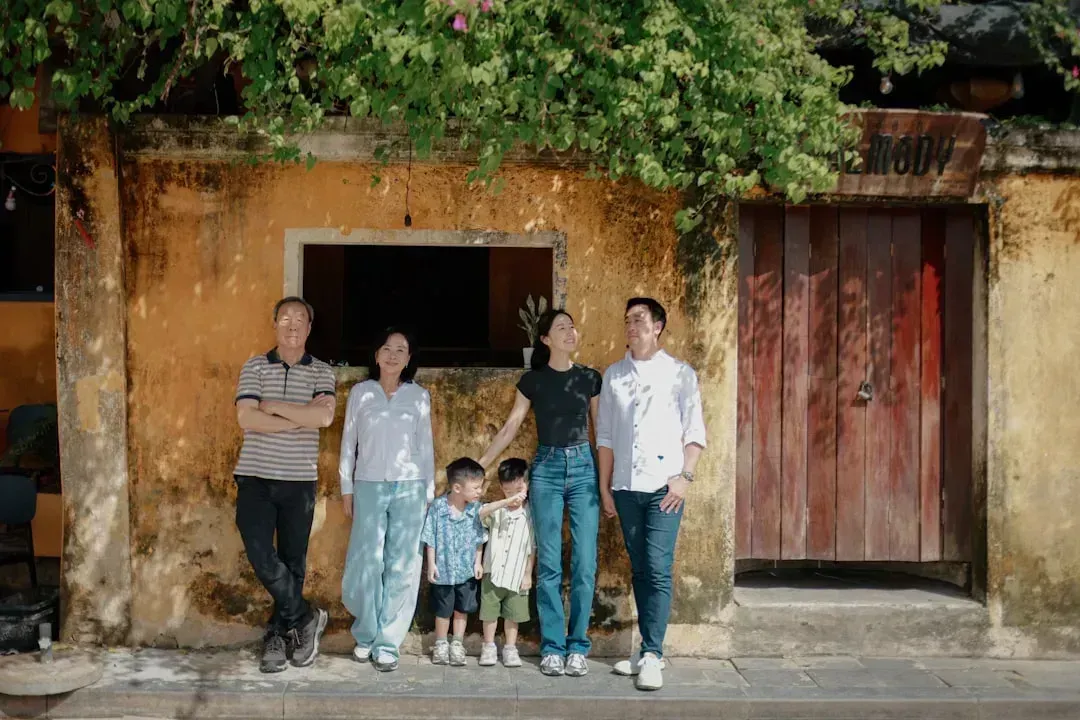
Grandparents are the custodians of family traditions and cultural heritage. They play a pivotal role in passing down cultural values, rituals, and customs, enriching their grandchildren’s sense of identity and belonging. Whether it is cooking traditional recipes, celebrating festivals, or sharing stories of ancestors, these interactions help bridge the gap between generations and create a sense of continuity.
Culture is transmitted through everyday interactions, including cooking traditional recipes, celebrating cultural festivals, or simply telling stories about ancestors. This cultural exchange increasingly happens under one roof, with multigenerational households. These living arrangements create natural opportunities for grandparents to impart values and traditions.
It happens in the smallest moments. A grandmother teaching a grandchild to fold dumplings, or a grandfather showing how to fix a bicycle engine, these are not just skills. They are identity, transferred hand to hand.
5. They Are Powerful Storytellers Who Shape a Child’s Mind
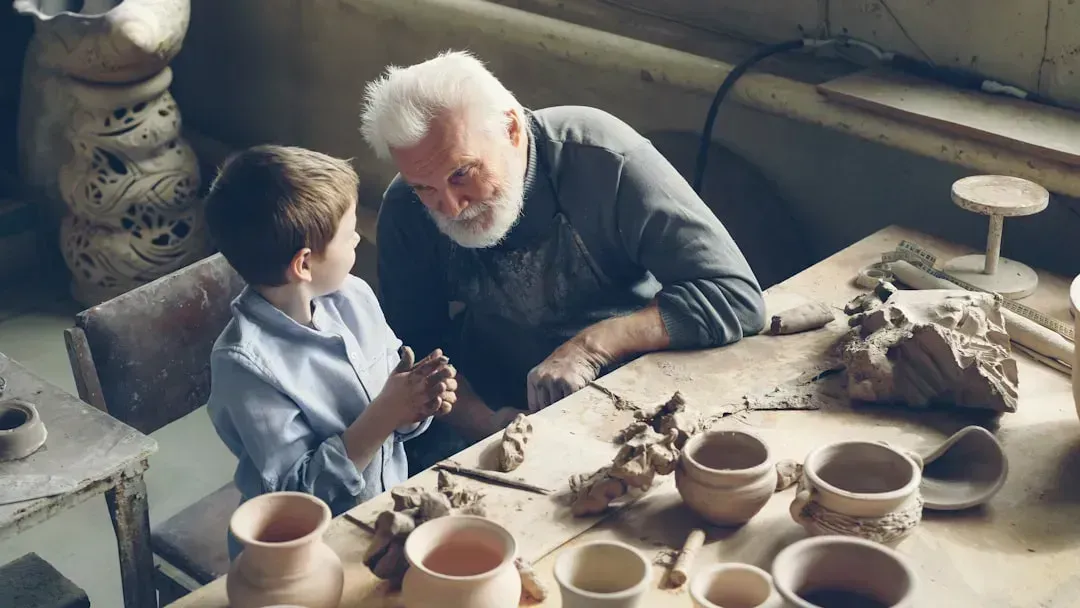
Grandparents are generally the main storytellers for children. It is observed that grandparents have a larger effect than parents on children’s vocabulary skills. Listening to such stories broadens children’s horizon.
In study after study, researchers find that family storytelling contributes to better coping skills, a stronger sense of identity, and lower rates of depression and anxiety in adolescents. That is a remarkable return on what feels like just sitting around telling old tales.
Research found positive effects associated with socioemotional engagement with grandchildren, which encompasses behaviors such as playing, storytelling, sharing cultural knowledge, helping a grandchild develop as a person, sharing affection, and being there emotionally during hard times.
6. They Provide Unconditional Love That Creates Security
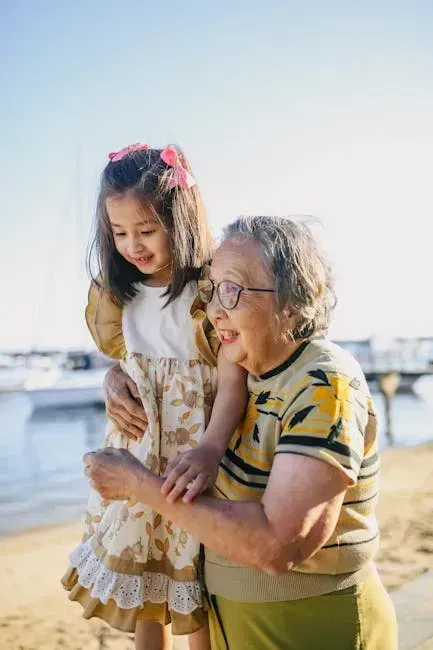
Grandparents often act as emotional anchors, offering unwavering support and unconditional love to their grandchildren. This special bond helps create a sense of emotional intimacy and resilience in young people. The stability provided by having regular contact with grandparents can be particularly comforting during tough times or family disruptions.
Grandparents provide emotional support, life experiences, and caregiving support and serve as role models. Like parents, grandparents love unconditionally, which helps a child feel safe and secure. There’s a specific kind of freedom a child feels around a grandparent – the freedom to just exist without performing.
Most importantly, grandparents provide what one expert calls “clear love,” meaning unconditional acceptance without strings attached. This mirrors spiritual concepts of grace and creates emotional safety for grandchildren to explore their identities and beliefs.
7. They Reduce Risky Teen Behavior
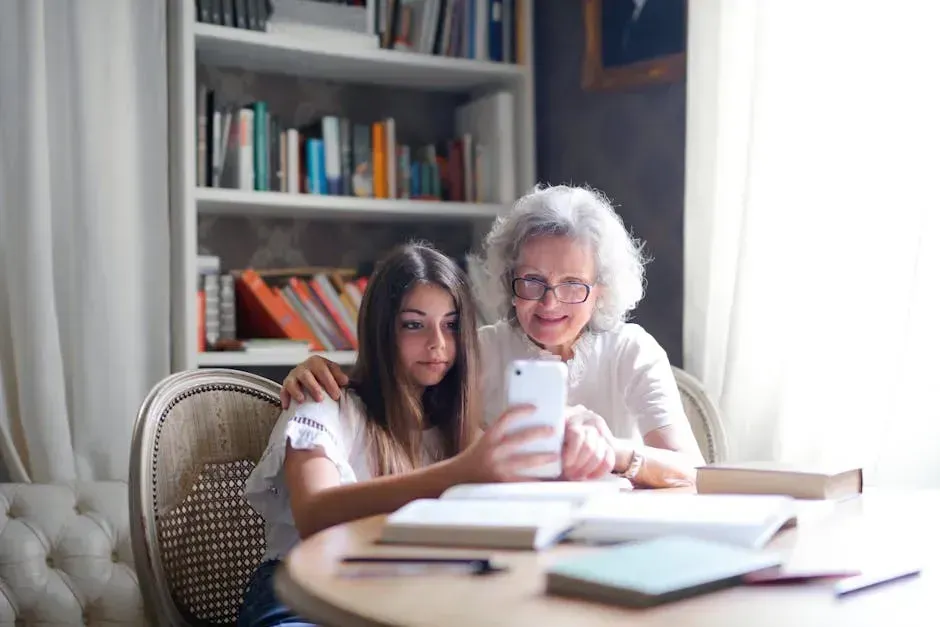
The nurturing bond between grandparents and grandchildren is likely to influence determinants of child health, and has the potential to reduce risky behavior, including smoking and drug use among teenagers. This is one of those findings that surprises people, but it makes perfect sense when you think about it.
A strong bond may improve nutritional outcomes, reduce the likelihood of childhood obesity, and be associated with better mental health in grandchildren. The connection acts like a quiet guardrail during some of the most vulnerable years of a young person’s life.
Let’s be real: teenagers rarely want to disappoint the person who has always believed in them completely. That psychological weight is a real deterrent against destructive choices, and grandparents carry that weight more naturally than almost anyone else.
8. They Actively Shape Prosocial and Empathetic Behavior

Children with more involved grandparents tend to exhibit fewer externalizing behaviors. In plain English: kids who are close to their grandparents cause fewer social problems, act more kindly, and cope better with frustration.
Emotional closeness between grandparents and their grandchildren may result in more prosocial behaviors in the grandchild, such as a stronger sense of self, which can promote developing stronger relationships with peers.
Both components of empathic concern were significantly impacted by positive relationships with grandparents. Grandparents may partially exert their influence on their grandchildren through storytelling, and it may be that there is a transfer of felt moral obligation through their storytelling, which may increase their grandchildren’s empathic concern.
9. They Offer Enormous Financial Support

Here is the thing most people don’t think about when they picture grandparents: the sheer economic weight they carry for their families is staggering. The numbers from recent research are truly eye-opening.
A 2025 survey of 1,200 US adults aged 55 and older found that 96 percent of grandparents provide some form of financial support to their grandchildren. The average grandparent spends $3,917 on their grandchildren each year, totaling approximately $238 billion nationwide.
The fact that roughly one in five grandparents contribute to college savings, averaging $2,473 annually, underscores how grandparents have become integral to education funding in America. That is not spoiling grandchildren. That is investment with a capital I.
10. They Step Up as Primary Caregivers When Families Are in Crisis
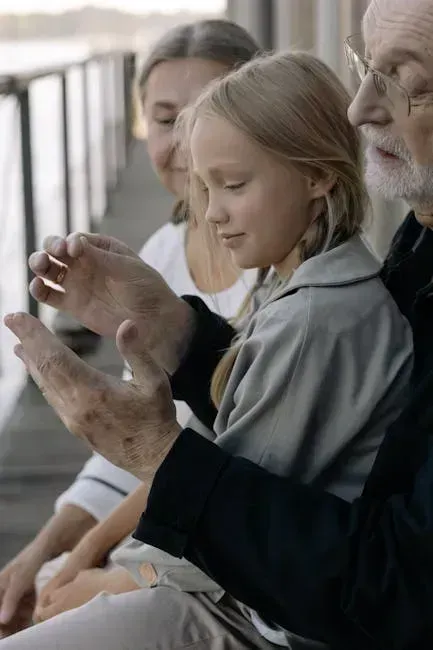
In the United States, a significant number of children are being raised by their grandparents without parental involvement. As of September 2024, more than 2.4 million children are living in such grandfamilies or kinship care arrangements.
This form of care offers substantial benefits. For children, being raised by relatives can mean a safer, more supportive, and stable home environment, while also helping them maintain vital connections to their extended family, community, and cultural heritage.
As grandparents increasingly assume the role of primary caregivers for children and adolescents worldwide, the impact of grandparental care on child development has received considerable attention. These are people who already raised their children, and yet they show up again, without hesitation.
11. They Serve as Stabilizing Mentors During Adolescence
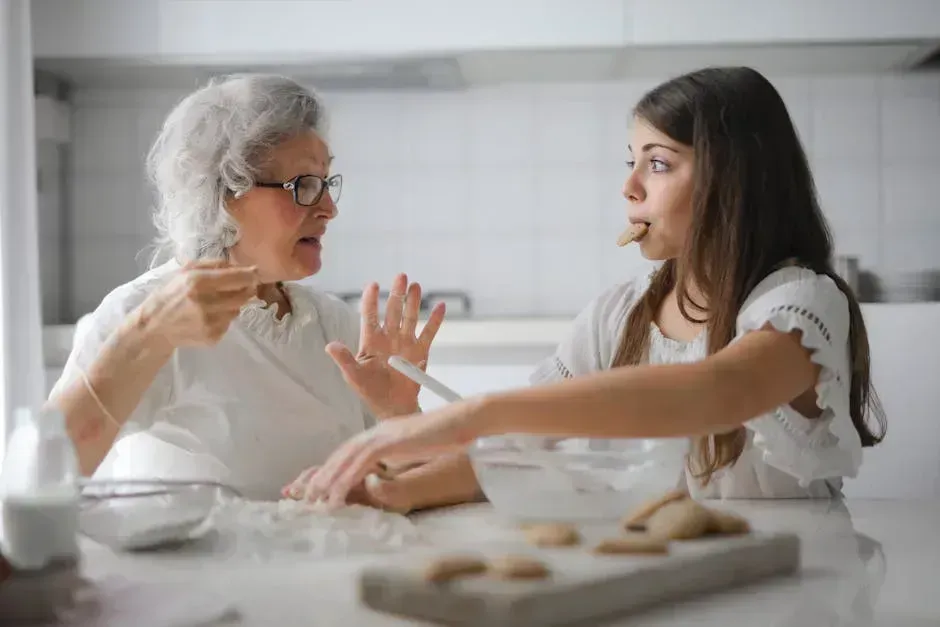
Adolescence often transforms the grandparent relationship into something even more precious. Teens frequently trust and confide in grandparents more than anyone else. This happens partly because grandparents listen without immediate judgment and ask questions based on what they hear rather than rushing to offer solutions.
Grandparents offer a perspective that parents sometimes cannot provide. They stand outside daily conflicts yet remain deeply invested in teens’ wellbeing. This unique position allows them to address complex topics with the emotional safety that teens desperately need.
Think about it from a teenager’s perspective. Your parents have authority over you. Your friends are figuring things out alongside you. A grandparent is neither. They have seen so much, yet they never make you feel small. That combination is rare and precious.
12. They Benefit Their Own Mental Health Through the Relationship
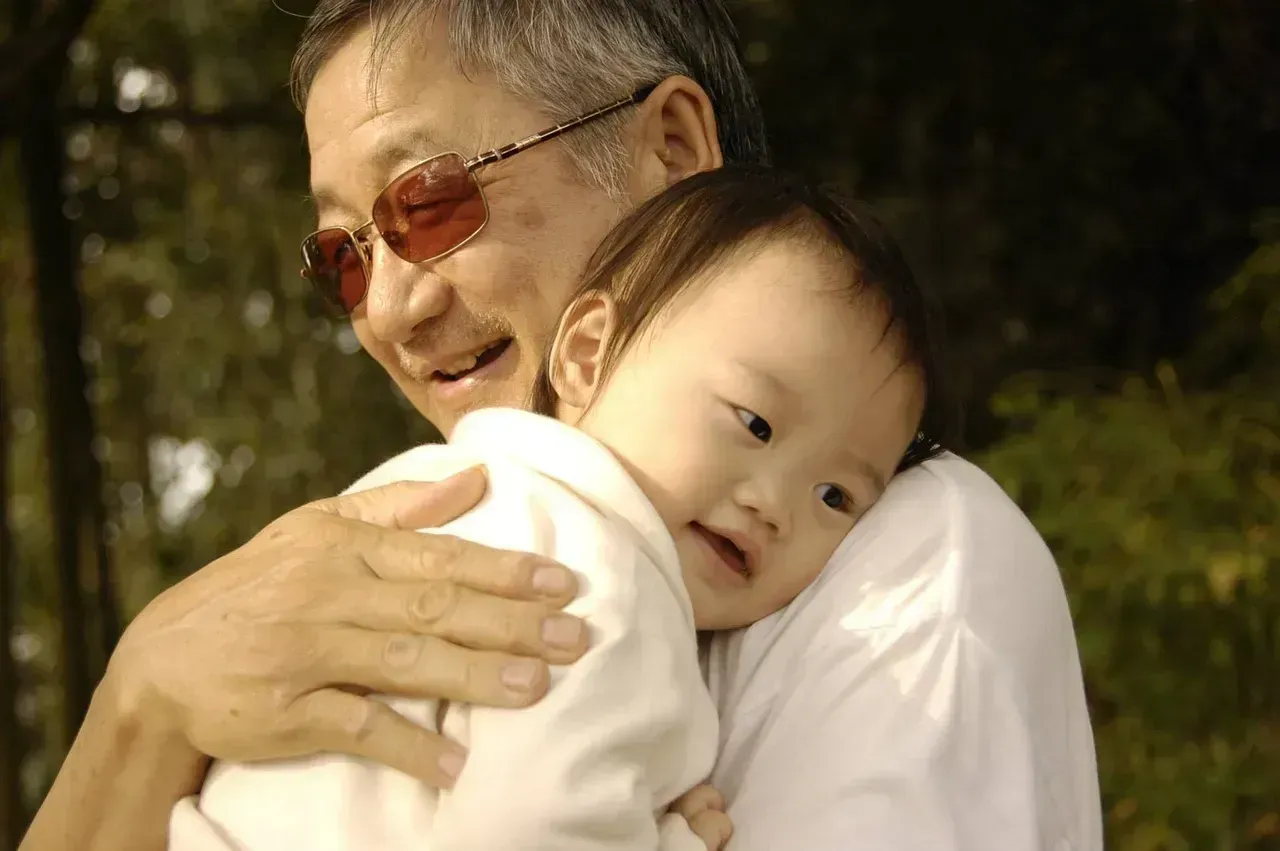
The relationship is beautifully two-directional. It does not just serve the children. It actively sustains the grandparents themselves.
Research demonstrates that grandparents who consistently provide positive support and spend quality time with their grandchildren experience better psychological health themselves. The more grandparents and grandchildren exchange emotional support, the greater their mental health benefits become for both parties. Grandparenting serves as a form of therapy for older adults, enhancing resilience and improving mental wellbeing.
People with at least one grandchild were more likely than those without grandchildren to say they hardly ever feel isolated. Roughly three quarters of those with grandchildren say they hardly ever feel isolated, compared with about three fifths of those without grandchildren. People without grandchildren were also more likely to say their mental health is fair or poor.
13. They Reduce Symptoms of Depression in Young People
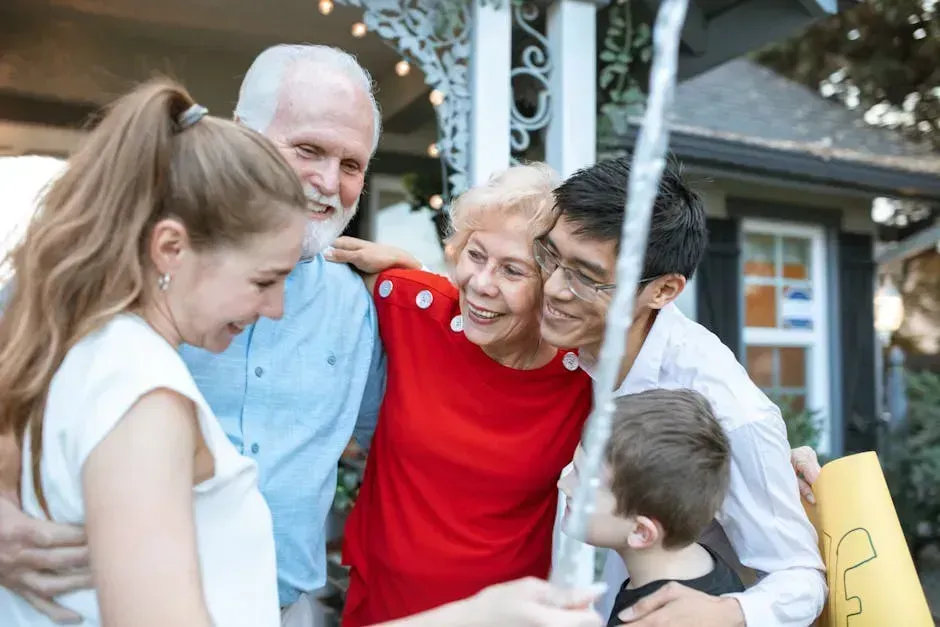
Young adults who confide more in their grandparents report lower depressive symptoms compared to those who share less. This one line of research tells a remarkably complete story about what human connection can do.
Studies show that grandparent support during both childhood and emerging adulthood has positive associations with emotional wellbeing. Young adults who maintain close relationships with their grandparents report fewer symptoms of depression and anxiety. This protective effect is especially important when other sources of support, such as parents or primary caregivers, are limited or when these relationships are strained.
Research consistently highlights the emotional benefits of these intergenerational bonds, from reducing depression and anxiety to improving cognitive function and social development. It is, in the most literal sense, medicine without a prescription.
14. They Sharpen Cognitive Function Through Engagement
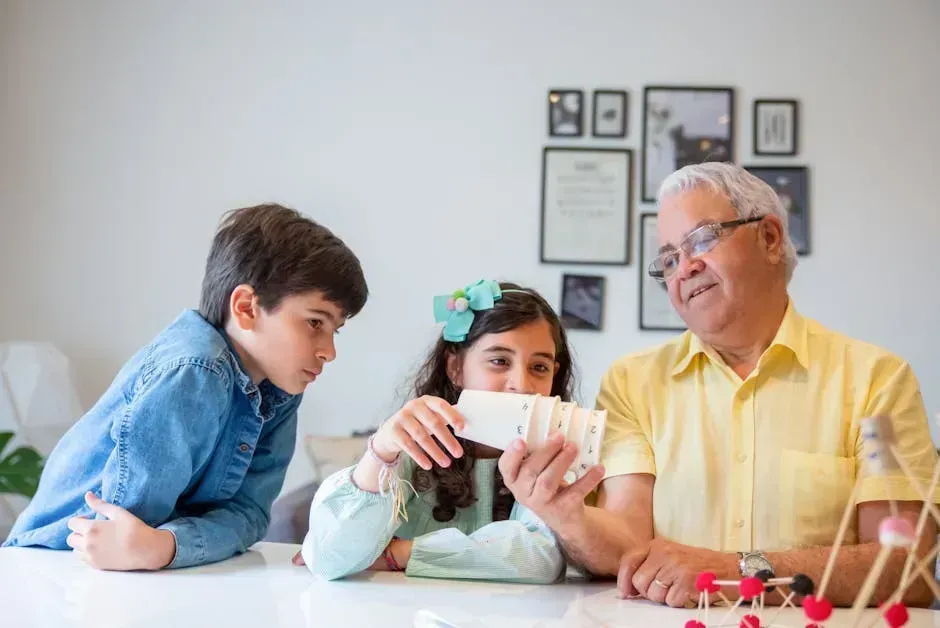
Cognitive stimulation from interacting with grandchildren, through storytelling, problem-solving, or playing strategic games, serves as a preventive measure against cognitive decline and contributes to the overall resilience of older adults.
Interacting with grandchildren helps keep the mind sharp by engaging in problem-solving, conversation, and storytelling, according to the National Institute on Aging. So grandparents are literally protecting their own brains by spending time with the youngest members of the family. It’s one of life’s genuinely great deals.
Engaging with grandchildren through storytelling, playing games, and offering life advice may be particularly meaningful forms of physical and cognitive engagement for grandparents. Every board game played together, every story swapped, is doing something real inside an older adult’s mind.
15. They Impart a Sense of Identity and Family Belonging
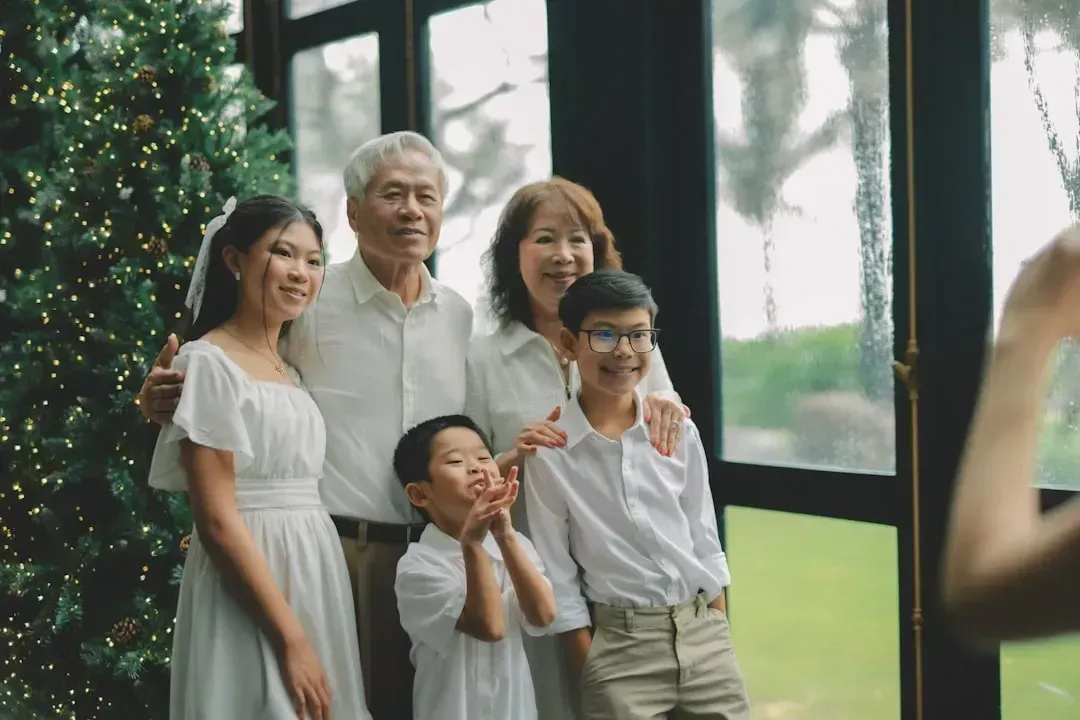
Grandparents are a living link to the past and provide a child with a sense of identity and knowledge about ancestors. They can build appreciation for ancestors by acting as a family historian. Children who know where they come from carry something solid inside them that no school curriculum can provide.
Children in close grandparent relationships develop a sense of belonging to their grandparents’ family and community, exhibit advanced cognitive skills, and demonstrate positive self-worth and family cohesion. That sense of belonging is not a small thing. It is the foundation of mental health.
Grandparents help teach family culture, tradition, and history. They play a pivotal role in passing down cultural values, rituals, and customs, enriching their grandchildren’s sense of identity and belonging.
16. They Model a Life Well Lived
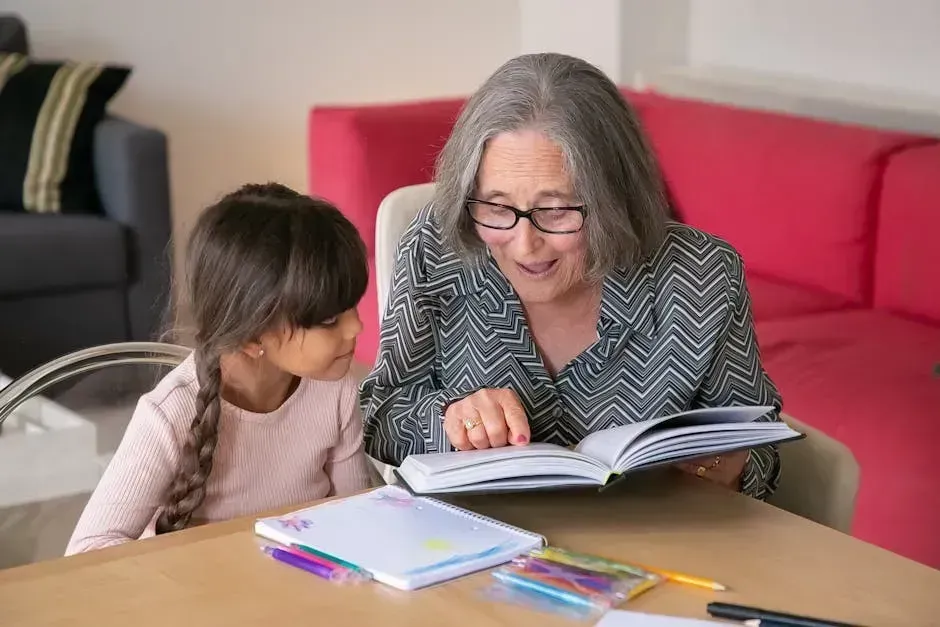
They play many roles, from mentor, to historian, to loving companion, and to child care provider. Every one of those roles teaches something different, but maybe the most powerful lesson is the one that is never spoken out loud: how to grow old with grace, purpose, and love.
Age-related gains in emotional and interpersonal skills, such as resilience and conflict negotiation, along with an increased preference for close relationships and meaningful experiences, make grandparents prime candidates to model and encourage the development of emotional and social skills in their young grandchildren.
Research shows that roughly three quarters of grandparents believe that being a grandparent is the single most important role at this point in their lives, and they are quick to say that this role provides them the greatest relational satisfaction. When a child watches someone find deep meaning in showing up for others, they learn what a life worth living actually looks like.