11 Common Blackout Mistakes People Still Make
Most people assume a blackout is simply the result of drinking “too much.” They imagine it only happens to people with a serious problem, or that it takes a truly extreme night to get there. Both of those ideas are wrong, and the research backs that up.
Alcohol-induced blackouts are far more common, far more dangerous, and far more misunderstood than most people realize. The patterns that lead to them repeat themselves constantly, night after night, across campuses and cities and living rooms around the world. Some of these mistakes seem obvious in hindsight. Others are genuinely surprising. Let’s get into it.
1. Drinking on an Empty Stomach

This is probably the most classic setup for a blackout, and yet millions of people still walk into a bar after skipping dinner. Research indicates that alcohol-induced blackouts are more likely to occur when someone drinks on an empty stomach, drinks quickly, or engages in binge drinking, all of which can lead to a rapid rise in blood alcohol concentration. Without food to slow absorption, alcohol moves quickly into your bloodstream.
Drinking on an empty stomach can expedite the absorption of alcohol into the bloodstream, raising BAC levels quickly. Think of food as a speed bump for alcohol. Remove the speed bump and your BAC rockets toward dangerous territory far faster than your body can manage. It’s a simple fix that people ignore constantly.
Honestly, it’s almost baffling how often this happens. Someone grabs a couple of drinks before dinner “just to warm up,” and two hours later they can’t account for what happened. The science here is not complicated, yet the behavior persists.
2. Drinking Too Fast
The speed of becoming drunk, the length of time intoxication levels are elevated for, and the peak of intoxication are all factors that contribute to an alcohol-induced blackout, according to a 2024 study published in Alcohol: Clinical and Experimental Research. Speed is arguably the single biggest behavioral driver of a blackout. Your liver processes alcohol at roughly one drink per hour. When you double or triple that pace, your system simply cannot keep up.
The study’s authors found that blackouts occurred on days when all the factors came together: when alcohol consumption was faster, when there was a higher amount consumed, and where alcohol was consumed for a more prolonged period. Importantly, they concluded that lessening even one of these factors could reduce the chance of temporary memory loss. That’s actually a hopeful finding. You don’t have to quit drinking entirely to reduce risk. You just have to slow down.
3. Playing Drinking Games

Let’s be real: drinking games are essentially engineered to make you consume alcohol as fast as possible. Research has examined high-risk drinking behaviors common among young adults, including “prepartying,” “pregaming,” and “drinking games.” These behaviors typically involve fast-paced drinking over a short period of time and can cause a rapid rise and high peak BAC, which increases the likelihood of experiencing an alcohol-induced blackout.
Researchers have specifically recommended avoiding participating in drinking games, noting that this helps slow down alcohol intake and reduces blackout risk. There’s a social pressure that makes these games feel harmless, even fun. In reality, they’re one of the most consistent pathways to a blackout that researchers have identified. The fun stops fast when the memory disappears with it.
4. Confusing “Blacking Out” with “Passing Out”
This is a genuinely dangerous misunderstanding. People think that if someone is still walking around and talking, they’re fine. According to the National Institute on Alcohol Abuse and Alcoholism, an alcohol-related blackout involves losing your memory while you’re still awake and conscious. During a blackout, a person can move around, interact with others, and seem completely fine to those around them. That’s what makes it so deceptive.
A person can progress from blacking out to passing out, and passing out or losing consciousness as a result of drinking is a sign of an alcohol overdose, which is a medical emergency. So the stakes are genuinely high. What looks like someone “having a great time” could already be a medical crisis unfolding in slow motion. Knowing the difference can save a life.
5. Underestimating How Common Blackouts Are
There’s a widespread assumption that blackouts only happen to people who drink irresponsibly, frequently, and for years. The data says otherwise. One study reports that approximately half of all people who drink alcohol experience blackouts at some point in their lifetimes. That’s not a small, troubled minority. That’s a massive portion of the drinking population.
Alcohol-induced blackouts can lead to impaired memory of events that transpired while intoxicated and a drastically increased risk of injuries and other harms. They can occur in anyone who drinks alcohol, no matter their age or level of experience with drinking. Experience is not protection. Neither is having a high tolerance. That’s a myth worth dismantling immediately.
6. Mixing Alcohol with Medications or Other Substances
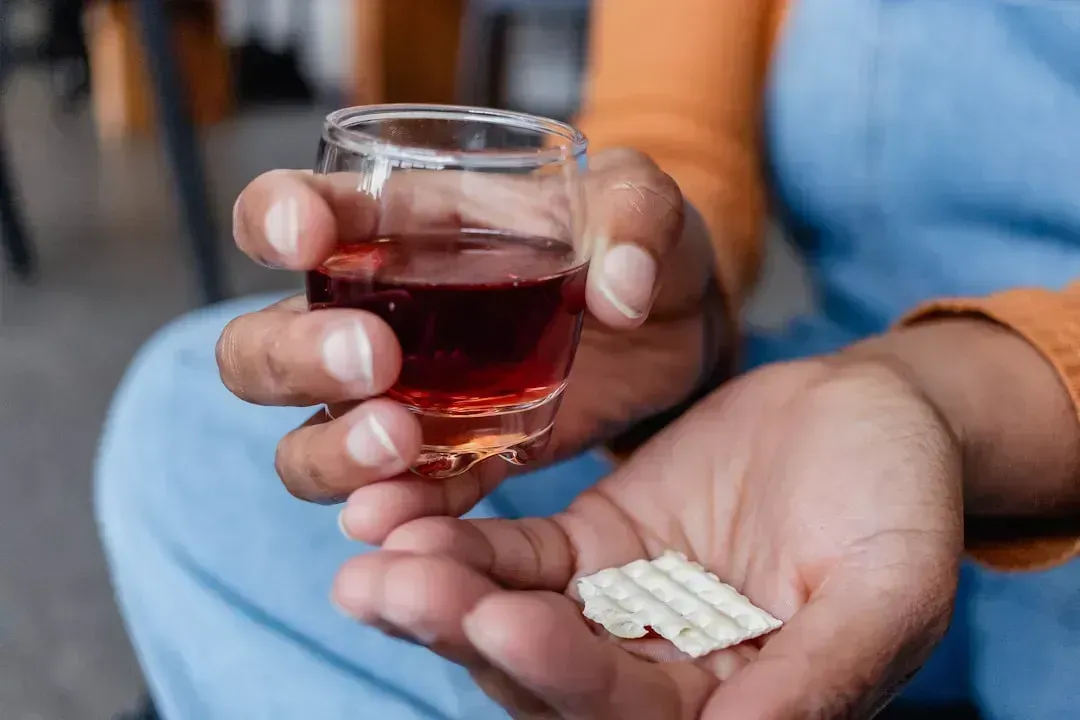
Blackouts are more likely to occur if someone takes certain medications such as those for sleep and anxiety alongside alcohol. A surprising number of people don’t even think about this. They take their regular prescription, head out for the evening, and have no idea they’ve just dramatically lowered their blackout threshold. It’s a quiet, underreported risk.
Benzodiazepines, barbiturates, and other drugs that act as GABAA agonists are known to cause blackouts as a result of high dose use. Combining these with alcohol is essentially doubling down on the same mechanism that causes memory loss. There may also be certain genetic factors that influence the body’s ability to break down alcohol and thus individual risk of blacking out after heavy drinking. It’s not a level playing field for everyone, and medications shift that playing field dramatically.
7. Mixing Alcohol with Energy Drinks
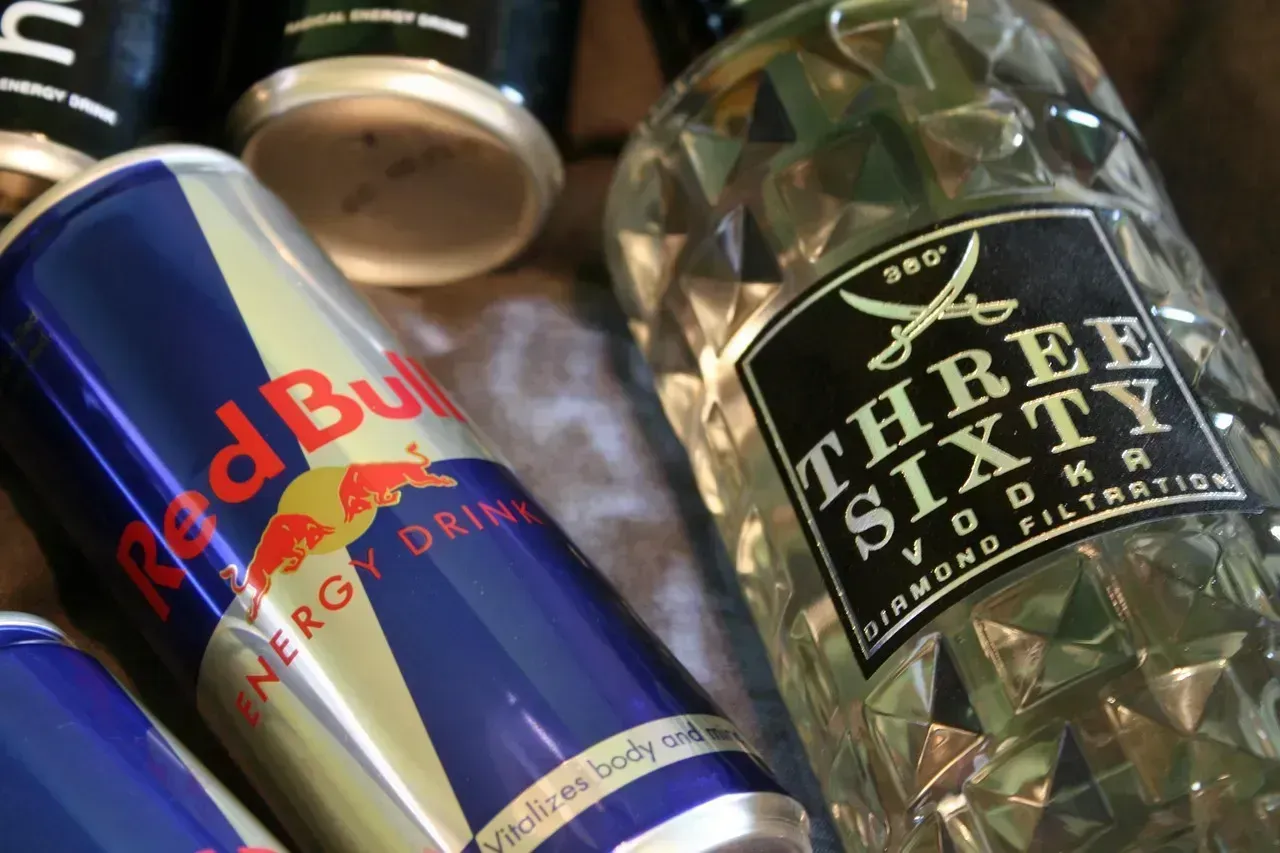
The Red Bull vodka. The Jäger bomb. These drinks are a fixture of nightlife culture, but the physiological interaction they create is far from harmless. The combination of energy drinks and alcohol is potentially risky because alcohol acts as a depressant, slowing activity in the central nervous system, while the caffeine in energy drinks acts as a stimulant. These opposing forces don’t cancel each other out. They create a false sense of alertness.
Stimulants can give a person the impression they are not impaired. No matter how alert someone may feel, the alcohol in the drink is still raising the blood alcohol concentration in the body, just as if they were having a standard alcoholic drink. You feel awake. You keep drinking. Your BAC keeps climbing. That’s the formula for a blackout people never see coming.
8. Ignoring Gender Differences in Blackout Risk

This one makes a lot of people uncomfortable, but it’s rooted in solid physiology and it matters. Because females on average weigh less than males and, pound for pound, have less water in their bodies, they tend to reach higher peak BAC levels than males with each drink. Females also reach peak BAC levels more quickly. This helps explain why females appear to be at a higher risk for having blackouts.
Slightly more blackouts were recorded in female students, at roughly 80 percent, compared to male students at 70 percent, during the 2024 Penn State study. It’s hard to say for sure whether awareness of this gap has improved over time, but the behavior hasn’t necessarily caught up with the biology. Women and their friends need to understand this risk clearly, not as a limitation but as a factual safety consideration.
9. Driving or Making Major Decisions During a Blackout
Here’s the terrifying part: during a blackout, you can do almost anything and simply not remember it. According to the NIAAA, people who black out may engage in conversations, drive automobiles, and perform other behaviors they cannot recall later, such as spending money, talking, or having unprotected sex. The brain’s memory center has shut down, but the body keeps moving.
At a BAC of 0.15, drivers are at least 12 times more likely to crash than drivers with a BAC of zero. Blackouts typically begin at a BAC of around 0.16 percent. The math here is sobering. More than roughly one in four male drivers and about one in eight female drivers have confessed to driving while blackout drunk. That statistic should stop everyone cold.
10. Dismissing the Long-Term Brain Consequences

A lot of people treat a blackout as just a funny story the next morning. Science increasingly suggests the brain disagrees. According to research from neuropsychology experts, drinking in a way that causes blackouts could result in long-term impacts on the brain. By assessing a group of 12 to 24-year-olds over a six-year period, researchers found that having alcohol-related blackouts during these formative years was associated with significant changes in brain structure, particularly in regions associated with memory and facial recognition.
More frequent blackout experiences were found to be significantly related to more memory lapses, more non-memory cognitive difficulties, and more cognitive concerns, even after controlling for typical alcohol use behavior. This isn’t just short-term damage. It accumulates. An alcohol-induced blackout is not just a lapse in memory; it is a sign of the brain’s inability to function properly under the influence of alcohol. That framing is worth sitting with.
11. Thinking One Blackout Is No Big Deal
Perhaps the most dangerous mistake of all is the shrug. “It happened once, I’ll be more careful.” Blackouts are not necessarily a sign of alcohol use disorder, but experiencing even one is a reason for concern and should prompt people to consider their relationship with alcohol and talk to their health care provider about their drinking. One event is a signal, not just a bad night.
Research highlights that blacking out triples a person’s risk for experiencing an alcohol-related consequence. Researchers also concluded that experiencing frequent alcohol-induced blackouts is an indicator that a person is at a higher risk of experiencing an alcohol use disorder. Research among college students and other young adults has shown that the frequency of blackouts predicts other alcohol-related consequences such as missing work or school, being injured, ending up in the emergency room, or getting arrested. One blackout is rarely the last.