I Retired to Arizona for the Sunshine – After 6 Months, Here Are 11 Things No One Warns You About
Everyone talks about the sunshine. The golf. The sunsets over the Sonoran Desert that look almost too good to be real. Arizona has been sold as retirement paradise for decades, and honestly, the brochure version is not entirely wrong. There is something genuinely magical about spending a January morning on a hiking trail while your old friends back in Ohio are scraping ice off their windshields.
Still, six months into desert life, the picture gets more complicated. The things nobody tells you are not the kind of deal-breakers that make you regret everything. They are just the quiet surprises that slowly reshape how you live. Some are annoying. A few are genuinely serious. Let’s dive in.
1. The Heat Is Not Just “Dry Heat” – It Is a Different Planet
You have heard the phrase a thousand times: “It’s a dry heat.” Here’s the thing, dry heat at 118 degrees is still 118 degrees. The summer of 2024 in Phoenix stands as the hottest summer ever recorded, with an average seasonal temperature of nearly 99 degrees Fahrenheit. That is not a weather pattern. That is an endurance test.
Phoenix experienced a record number of consecutive 100-plus-degree days in 2024. Triple-digit highs lasted for 113 straight days, stretching well into fall. The previous record, set in 1993, was 76 consecutive days. That gap is stunning when you see those numbers side by side.
Phoenix shattered records for the most days with high temperatures at or above 110 degrees. The city typically sees around 21 such days per year – in 2024, a staggering 70 days passed the 110-degree mark. That is not a heat wave. That is a heat season. Plan your outdoor life around it completely.
2. The Nights Do Not Cool Down the Way You Think They Will
Many new retirees assume that once the sun drops, relief follows. In a lot of places that is true. Arizona in summer is a different story entirely. Nighttime temperatures in Phoenix brought little relief in 2024. The city set a record for the most nights with low temperatures remaining in the 90s. On average, about seven nights per year in Phoenix do not cool below 90 degrees – in 2024, that number swelled to 39 nights.
The extreme nighttime temperatures prompted Phoenix city officials to keep some public cooling centers open overnight for the first time that year. Extended-hour heat relief sites recorded more than 35,000 visits from May through October. That tells you something real about the scale of the problem, beyond just personal discomfort.
3. The Heat Can Actually Kill – And the Numbers Are Sobering
This one people really do not talk about enough. More than 4,320 people have died from exposure to excessive heat in Arizona from 2013 to 2024. That is not a statistic to brush past. For retirees especially, the risk is not abstract.
For those who enjoy the outdoors, high temperatures can limit daily activities for several months of the year. Extended exposure to extreme heat also increases health risks, particularly for older adults, including dehydration, heat exhaustion, and heatstroke. Honestly, the transition from “I love outdoor walks” to “I can only walk before 7 a.m.” happens faster than you expect.
Arizona is one of the hottest places on earth from May to September. Heat-related illnesses are common during the summer, with approximately 4,298 people visiting Arizona emergency rooms every year because of them. If you have any cardiovascular conditions, talk to your doctor before you finalize the move.
4. Your Electricity Bill Will Shock You
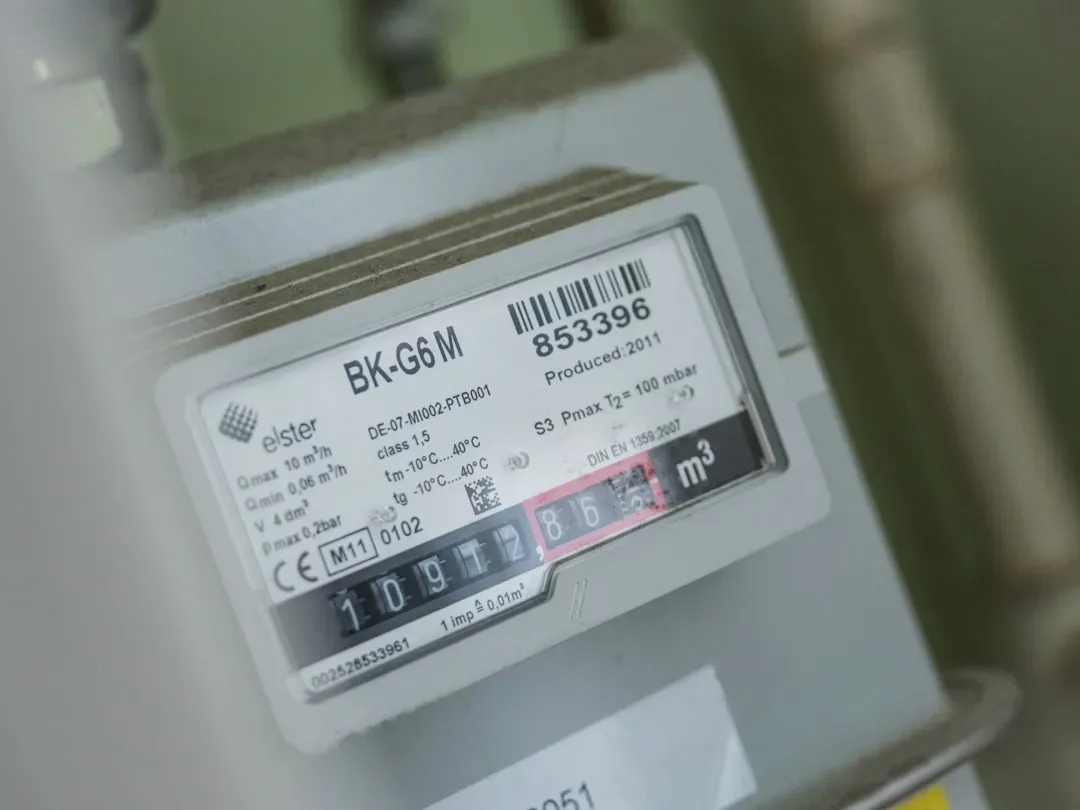
Here is something the sunny brochures never mention: air conditioning in Arizona is not optional. It is infrastructure. It is life support. While air conditioning is nearly universal in Arizona homes, it is important to account for higher utility bills during the hottest months, especially if you are on a fixed income.
Think of it this way: people moving from Minnesota celebrate not having to pay for heating oil. What they do not immediately calculate is that summer cooling bills can feel just as punishing. The A/C runs around the clock for roughly five months straight. It is a real budget line item that catches most new residents off guard in ways that the general cost-of-living comparisons never capture.
5. The Water Situation Is More Serious Than Anyone Lets On
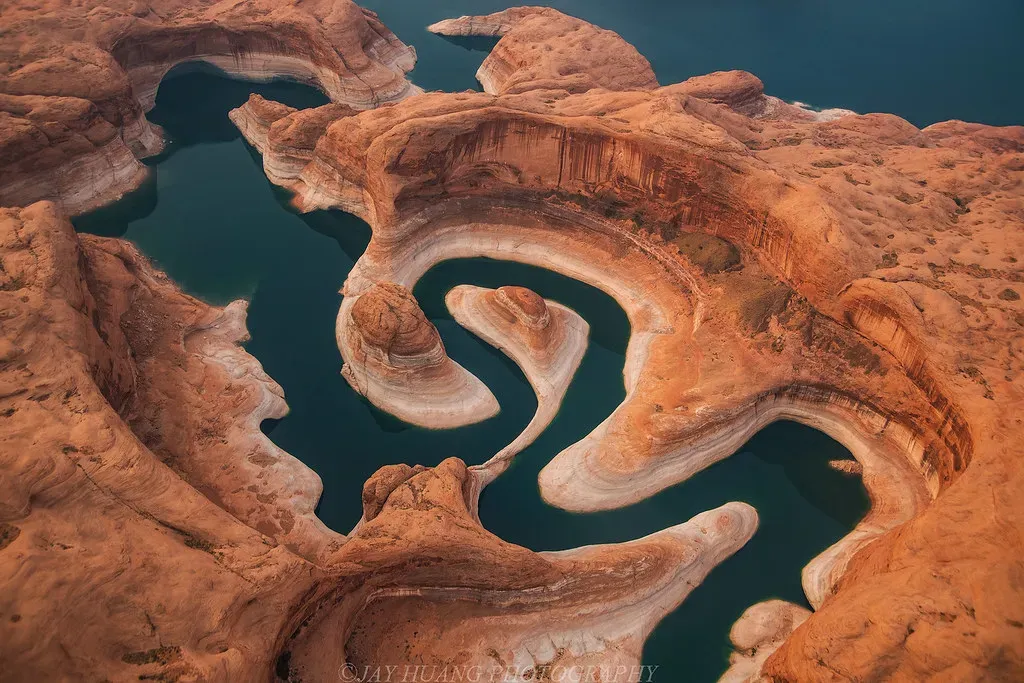
This is, I think, the single most underappreciated issue facing Arizona retirees right now. Water resources in Arizona are under stress from climate change, a two-decade megadrought, and chronic overuse. These combined influences have led to surface water losses, drying streams and wetlands, and groundwater depletion as pumping exceeds replenishment.
The Colorado River Basin is in a Tier 1 shortage for 2025. This represents a 512,000 acre-foot reduction to Arizona’s Colorado River water supply, constituting roughly 30 percent of the Central Arizona Project’s normal supply. That is a massive cut to a resource millions of people depend on daily.
Close to half a million proposed new homes in Arizona are currently on hold as the state struggles to meet the demand for groundwater. If you are buying a home in a newer development on the outskirts of Phoenix, it is genuinely worth researching the water supply certification status of that specific community before you sign anything.
6. Home Prices Are Not What They Were Five Years Ago

Arizona used to be the affordable alternative to California. That comparison is getting harder to make. The median home price in the state has increased substantially over the past five years. In November 2019, the median price sat at roughly $281,000. By November 2024, it had jumped nearly 60 percent to $447,000.
The most recent data ranked Arizona number 32 for single-family home prices, with the median price at around $460,600. Still cheaper than California, sure. Single-family homes in California average around $907,100 – so Arizona does look relatively reasonable by that measure. Still, retirees who planned their housing budget five years ago may be in for a rude awakening.
7. The Tax Picture Has a Hidden Wrinkle

Arizona does not tax Social Security retirement benefits, and property taxes are relatively low. That part is genuinely good news and one of the real financial draws of the state. Many retirees factor that in during their planning and feel good about it.
The state does tax other retirement accounts, such as distributions from an IRA or a 401(k). Property taxes are low, but sales tax can reach 5.6 percent. The state income tax rate is a flat 2.5 percent as of 2025, which is on the lower end nationally. This 2.5 percent income tax rate applies to retirement accounts as well, which Arizona treats as regular income. Any withdrawals from a 401(k), IRA, or similar account will be taxed. The same applies to pension income. Know exactly where your income comes from before celebrating the tax picture.
8. Snowbird Season Turns Your Quiet Retirement Into Gridlock
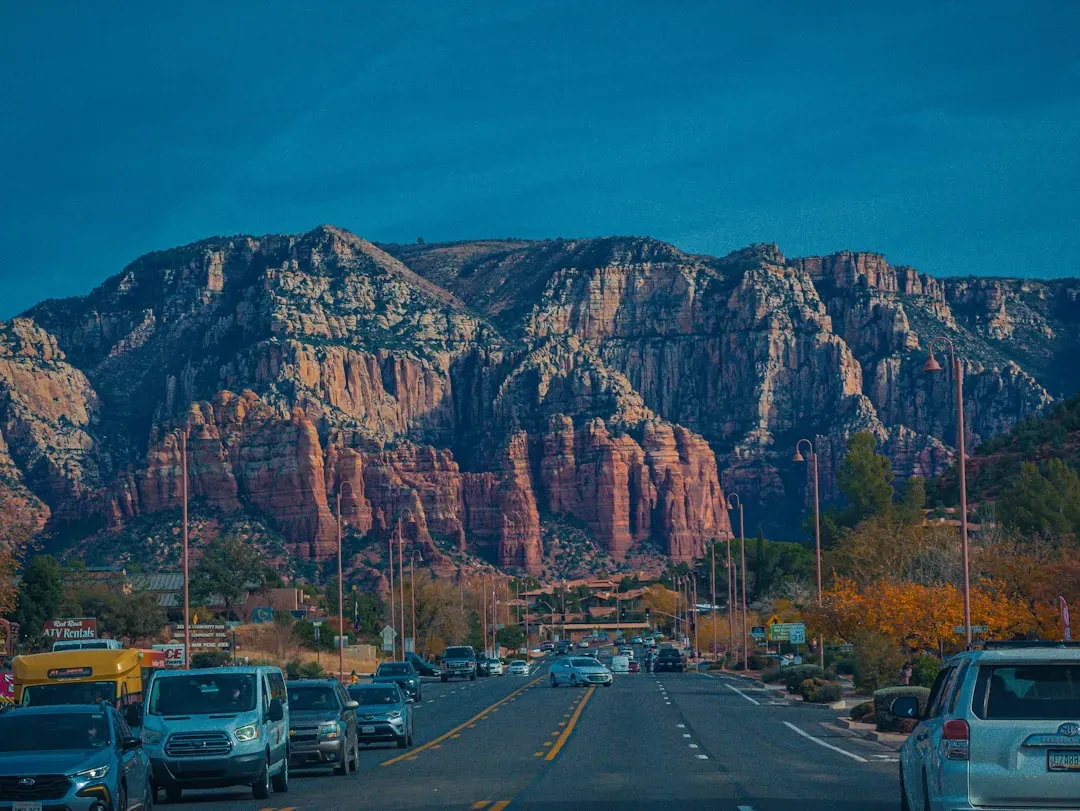
You retire to Arizona imagining empty trails and uncrowded golf courses. Then October arrives. According to a report by the Arizona Office of Tourism, approximately 300,000 to 400,000 snowbirds visit the Phoenix metropolitan area alone each year during the winter months. That is the population of a mid-sized American city arriving all at once.
Winters can feel especially crowded with “snowbirds” flocking into the state hoping to avoid the colder regions of the country. You can expect hiking trails, golf courses, and resorts to be noticeably more crowded once the temperature drops. The restaurants get jammed. Traffic slows noticeably. Appointment wait times stretch out. It is a real adjustment if you moved specifically to escape the crowds of a bigger northern city.
The Arizona Department of Transportation reports that this seasonal influx also impacts traffic patterns, as roadways experience greater congestion during peak snowbird season. If you already find city traffic draining, plan for this. It is not subtle.
9. Wildfires and Dust Storms Are Real Events, Not Distant Concerns
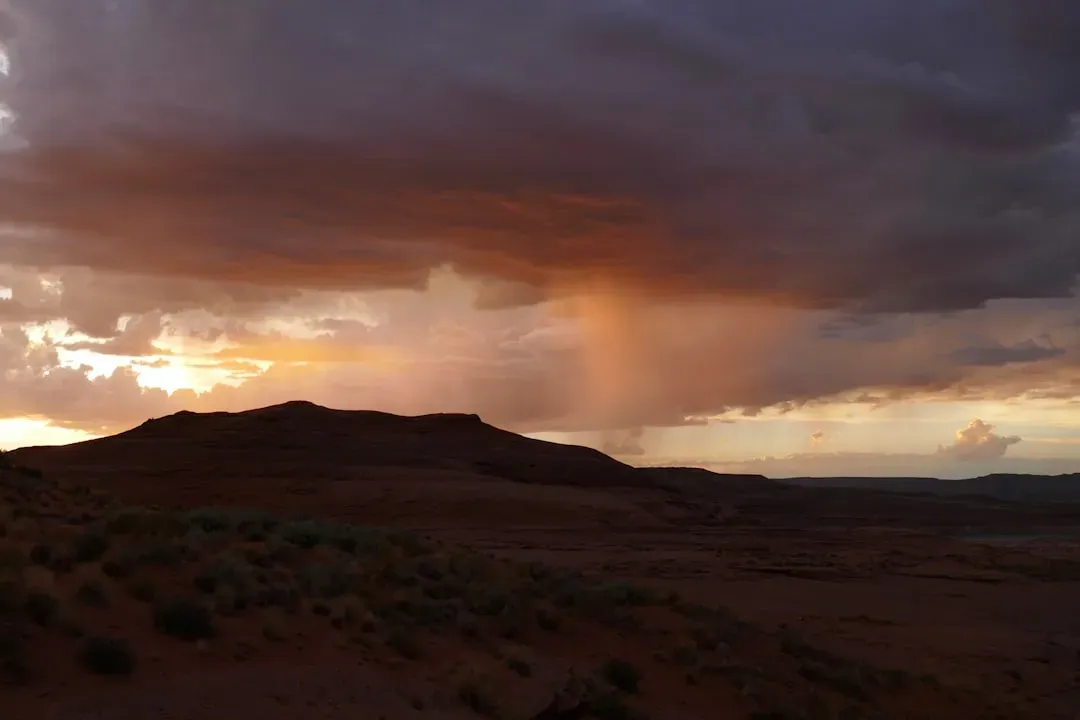
Arizona is prone to wildfires, especially during the summer due to extreme heat and a lack of rainfall. A recent report revealed that only four states rank higher for wildfire risk, with most homes at risk of wildfire damage. This is the kind of thing that does not come up during the house tours.
Arizona is also prone to natural disasters such as wildfires, dust storms, and flash floods, which could be a concern for retirees living in certain areas, not to mention heat waves. Dust storms, known locally as haboobs, are not the dramatic but harmless curiosity newcomers sometimes imagine. They can reduce visibility to near zero in minutes, damage property, and trigger serious respiratory issues in vulnerable people.
10. Rural and Suburban Healthcare Access Is Spottier Than You Expect

Phoenix and Scottsdale have genuinely excellent healthcare infrastructure. The state is home to many world-class medical facilities and clinics, making it an excellent destination for those who require specialized medical care. Phoenix is the sixth-largest city in the United States, so there are plenty of options for convenient medical care. That part is solid, and it matters enormously for retirees.
Some retirees, however, may find it challenging to access healthcare services in certain rural areas of Arizona. If the appeal of lower property prices drew you to a community 60 or 90 minutes outside of Phoenix, the distance to a specialist or a well-equipped hospital becomes very real very fast. It is not just a minor inconvenience. For a 70-year-old managing a chronic condition, it is a genuine quality-of-life issue worth mapping out before signing a purchase agreement.
11. Arizona Has No Daylight Saving Time – and It Messes With More Than You Think

Arizona is one of only two states that do not observe daylight saving time, when clocks “spring forward” an hour. That aligns Arizona with Pacific Daylight Time in spring, summer, and part of fall, then with Mountain Standard Time during four months in most of fall and winter. It sounds like a minor quirk until you are trying to schedule a video call with family on the East Coast.
It is hard to say for sure how disorienting this becomes until you live it. The time relationship with every other state keeps shifting throughout the year, and it affects everything from when live sports broadcast to when you can catch your grandchildren’s school recital on a livestream. In 2024, Arizona was one of the top states where people aged 60 and older moved to, with a net inflow of over 23,500 individuals, and the state’s population continues to grow. Clearly, none of this stops people from coming – and that says something real too.