The “Passport Pattern” That’s Causing Travelers to Be Denied Boarding at the Gate
The Six-Month Validity Rule Catches Travelers Off Guard
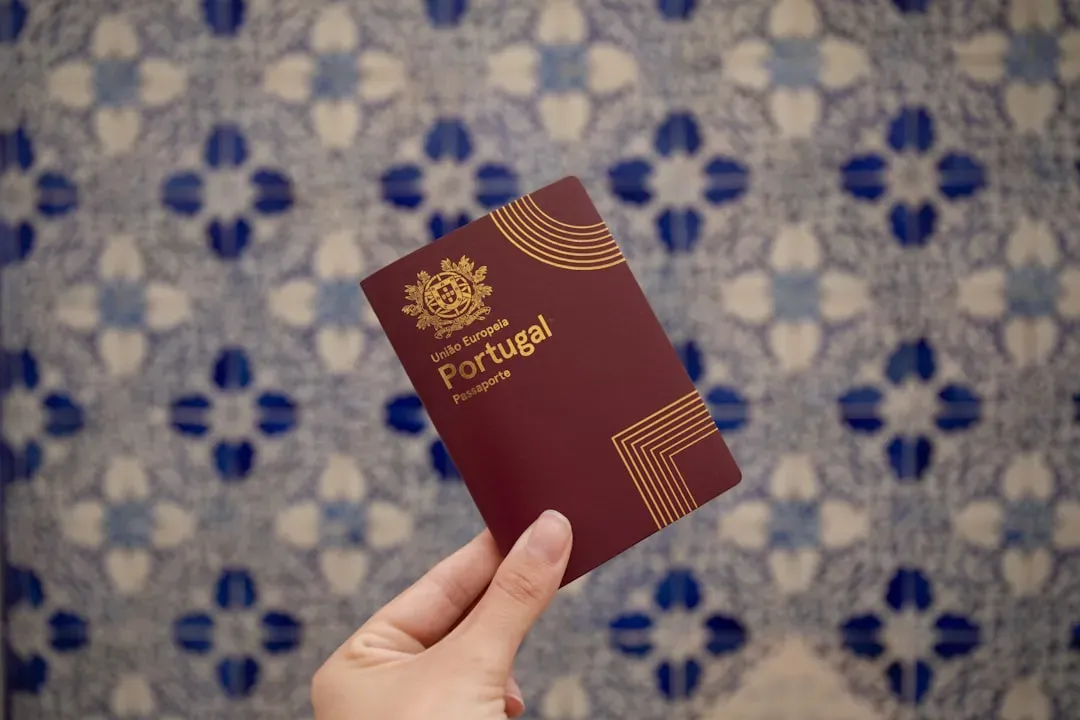
Many countries require your passport to be valid for at least six months beyond your intended date of entry or departure, a rule enforced by dozens of countries across Europe, Asia, Africa, and the Middle East. Travelers with passports valid for five months and twenty-two days beyond their travel date will be turned away at the boarding gate if six months is required. If a passport expires in five months and 29 days, airlines will not allow passengers on the plane, as countries enforce these requirements strictly. This requirement is enforced primarily by airlines, which rely on official guidance from U.S. authorities when determining whether a passenger can board a flight.
Your Passport’s Blank Pages Could Ruin Your Vacation
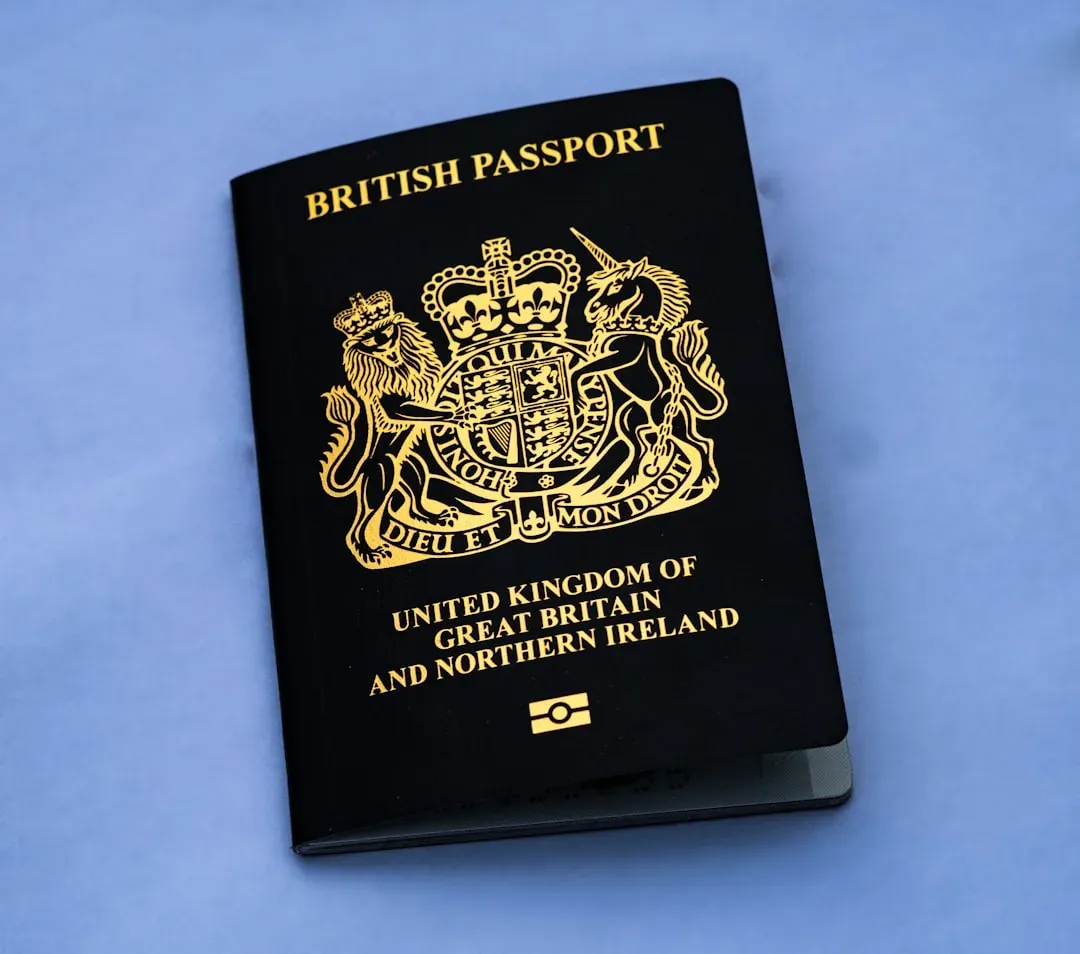
Some countries require passports to have at least two to four blank visa or stamp pages, and airlines will not allow travelers to board if this requirement is not met. Some countries require that your passport has two to four blank visa or stamp pages, and some airlines will not allow you to board if this requirement is not met, and you cannot add visa pages to a current passport book. Italy, Portugal, Singapore, Germany, India, Belgium, South Africa, the Netherlands, Cuba, Iceland, Zimbabwe and Indonesia require two blank pages, while countries including France, Japan, Mexico, Greece, Thailand, Australia, Morocco, Argentina and Vietnam require one page. Travelers visiting multiple countries with different blank page requirements could potentially need 10 to 12 blank pages for a single trip, and South African officials take this requirement very seriously and will turn travelers around if they don’t have sufficient pages.
Minor Passport Damage Can Lead to Major Travel Disruptions
Damaged passports may be considered invalid and can result in denied boarding or entry. The US Department of State defines a “mutilated passport” as one that is torn, altered, or otherwise compromised, and even a small rip in the photo page, water stains, ink blots, or lifted lamination can trigger concerns. Airlines have a responsibility regarding passport condition because if they allow passengers to fly with invalid documents and are denied entry on arrival, they may face fines and costs for the return journey, which is why gate agents sometimes refuse boarding even when damage appears minimal, and border control at destinations has the final say to detain travelers, refuse entry, or require them to return on the next available flight. Indonesia may refuse entry for a tear as small as one centimeter, while Thailand and Vietnam consider water damage or defects on the photo page grounds for denial.
Post-Brexit Passport Rules Are Causing Confusion at Airports
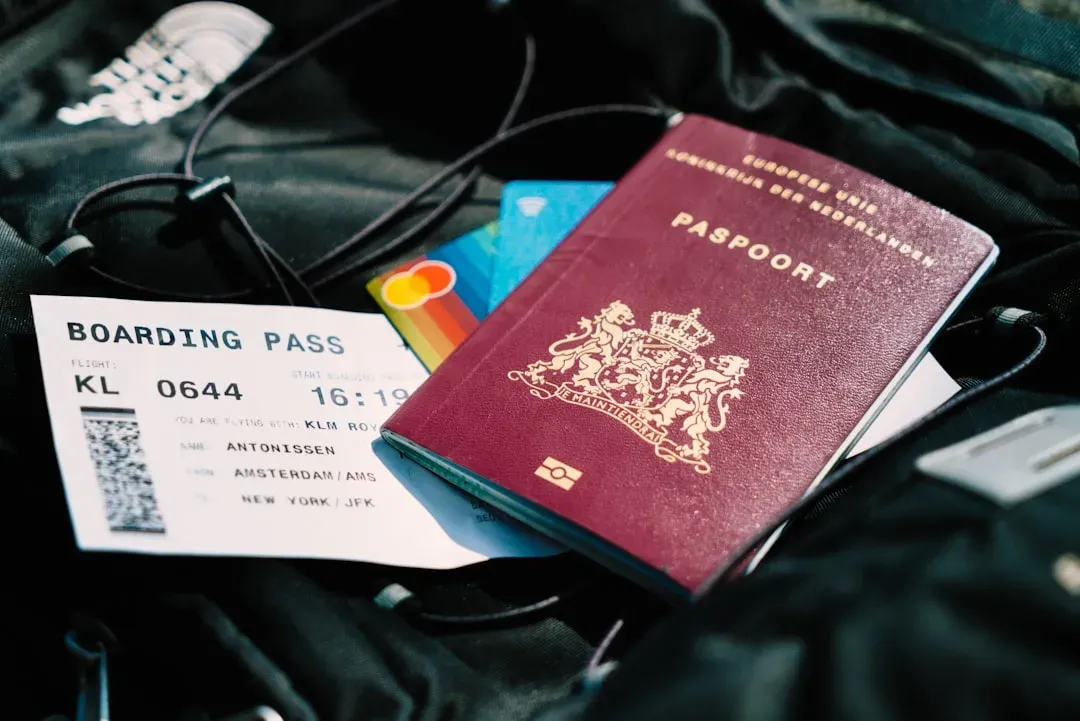
British Airways faced criticism after wrongly denying boarding to two travelers at Gatwick Airport over incorrect passport rules, highlighting confusion around post-Brexit travel for UK citizens and difficulties airlines face understanding new regulations. Nearly five years after Britain left the EU, many UK travellers are still being tripped up by passport validity rules, with hundreds of travellers caught out last summer when immigration officials told them they didn’t have enough months left on their passport, causing long-awaited holidays to be ruined. EU regulations now classify UK citizens as ‘third country nationals,’ requiring passports not older than 10 years on the day of outbound travel and valid for at least three months after the planned departure date from the EU country being visited. The United States only requires a passport to be valid until the date of departure, but this inconsistency creates confusion for travelers and staff responsible for enforcing rules at airports.
Airlines Are Getting Stricter With Document Enforcement
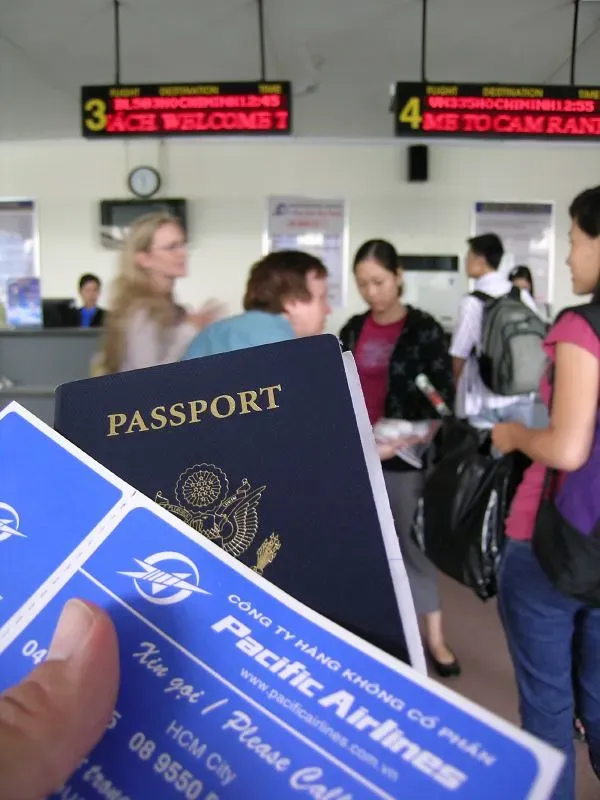
In 2023, around 25,000 passengers were denied boarding on U.S. flights, equating to about 29 passengers per 1 million. Airlines are responsible for ensuring passengers meet U.S. entry requirements and may deny boarding if a passport does not appear to comply, even when the traveler is technically exempt. Airlines are legally obligated to ensure that passengers carry proper travel documents, and if they allow someone to fly with a questionable passport and that person is refused entry at their destination, the airline can face heavy fines. Travelers denied boarding because of a damaged passport are often not entitled to a refund under airline policies or federal regulations, some airlines may permit rebooking for a fee while others require the purchase of a new ticket, and travel insurance may provide relief if passport damage is specifically listed as a covered event.