Inspectors Warn: These 10 Electrical Add-Ons Are Illegal, Yet Homeowners Keep Trying Them
Let’s be real here. You’ve probably seen one of these in your own house or maybe in a friend’s place. That extension cord that’s been plugged in since last summer. The ceiling fan that seems just a little bit wobbly. The outlet with three prongs even though your house was built in the 1960s. These aren’t just design flaws or harmless shortcuts. They’re electrical code violations that can void your insurance, spark house fires, and turn your biggest investment into a legal nightmare.
Professional home inspectors continue to uncover these same problems year after year. What’s concerning is that many homeowners genuinely believe they’re improving their homes with these additions, only to discover later that they’ve created hazards instead. These illegal upgrades can void insurance coverage, create fire hazards, and lead to serious penalties if discovered during inspections.
Using Extension Cords as Permanent Wiring
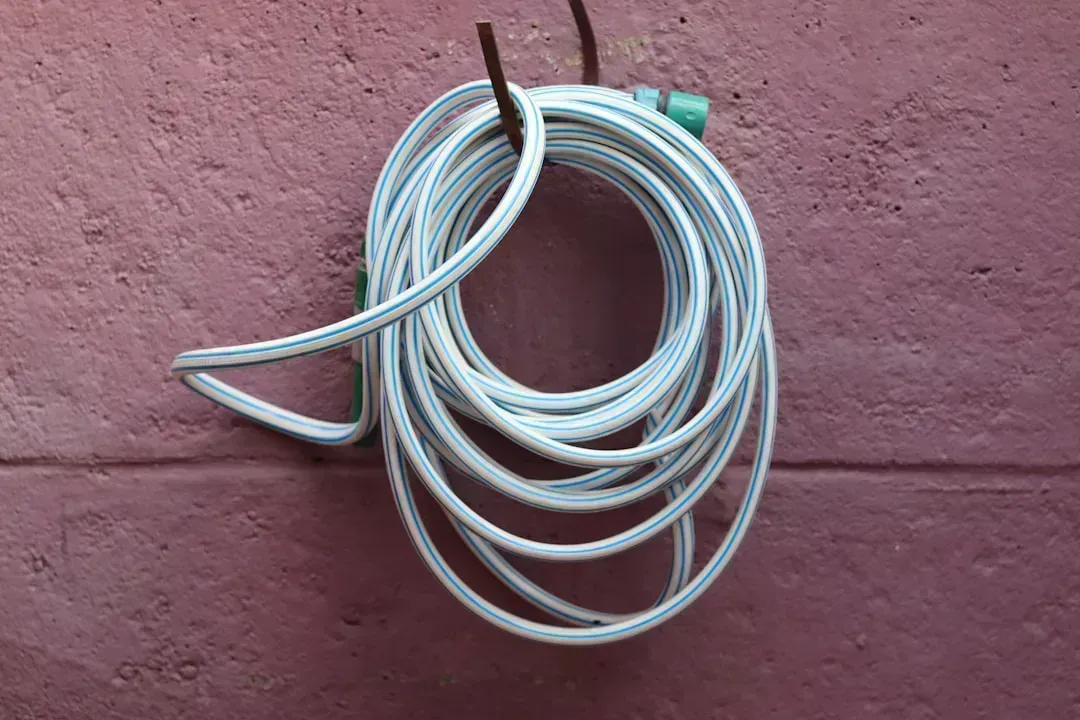
This one seems harmless until it isn’t. Extension cords are designed for temporary use and lack the insulation and load capacity needed for long-term power delivery. Think about that lamp behind your couch that’s been plugged into an extension cord running under the carpet for three years. Fire investigators have repeatedly linked permanent extension-cord setups to overheating and house fires, making this a violation inspectors flag immediately.
U.S. codes require fixed wiring to be installed in approved conduit, raceways, or walls. The National Fire Protection Association estimates that nearly 50,000 dwelling fires in the U.S. happen every year involving electrical distribution equipment. Instead of relying on extension cords forever, the solution is adding properly wired outlets where you actually need them.
Installing Ungrounded Three-Prong Outlets
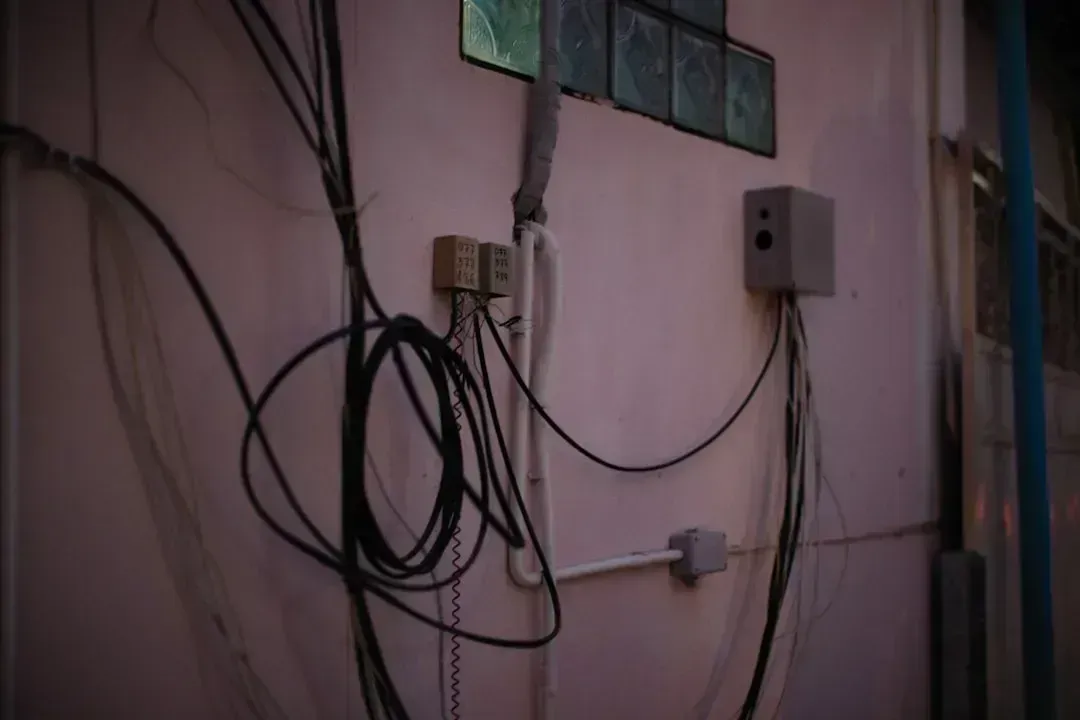
Older homes with two-prong outlets are frustrating, no doubt about it. Modern appliances need three prongs, and homeowners get tired of using adapters. So what do they do? They swap the old two-prong outlets for three-prong versions without actually connecting them to a grounded system. Some homeowners add outlets without connecting them to a grounded system, especially in older houses. Ungrounded outlets violate electrical code and put users at risk of shock, especially when plugging in metal-cased appliances or electronics.
Here’s the thing. That third hole isn’t decorative. It’s a critical safety feature. Certified electricians emphasize grounding as essential for both surge protection and personal safety. The violation here isn’t just technical nonsense from inspectors trying to make your life difficult. It’s about preventing electrocution and equipment damage from power surges.
Oversizing Circuit Breakers to Stop Tripping
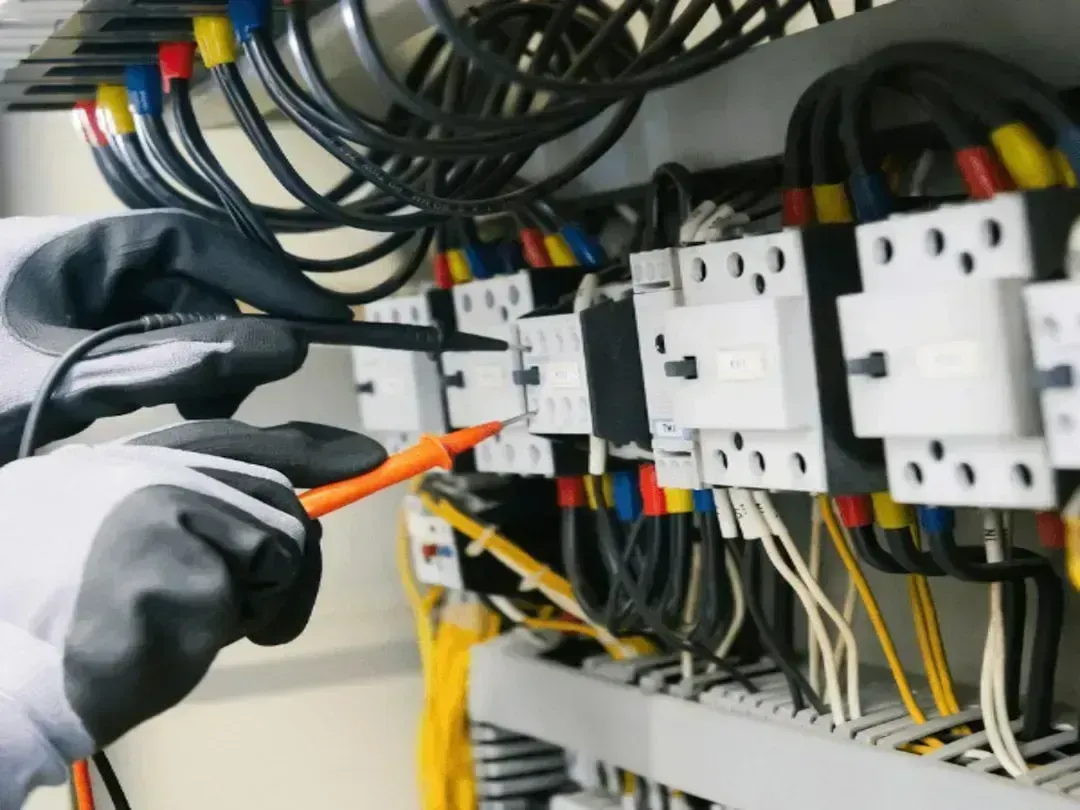
Picture this scenario. Your kitchen keeps tripping the 15-amp breaker every time you run the microwave and toaster at the same time. The “solution” some homeowners try? Swap it out for a 20-amp or even 30-amp breaker. Problem solved, right? Absolutely not. Replacing a 15-amp breaker with a 20- or 30-amp breaker to “stop tripping” is illegal and extremely dangerous. This allows wiring to carry more current than it was designed for, dramatically increasing fire risk.
Circuit breakers aren’t there to annoy you. They’re matched precisely to the wire gauge in your walls. When you install an oversized breaker, the wiring itself becomes the weak point and can overheat dangerously before the breaker ever trips. DIYers aggravated by a constantly tripping fuse or breaker often may hastily replace the offending breaker with a larger capacity breaker. In addition to being extremely dangerous, it is also illegal to have wrongly configured panels and is in direct violation of electrical codes. A breaker is matched to load capacity and wire size. Larger breakers allow more and more current to flow through before they trip, catch on fire or blow out your home’s electricity system.
Mounting Ceiling Fans on Standard Light Fixture Boxes
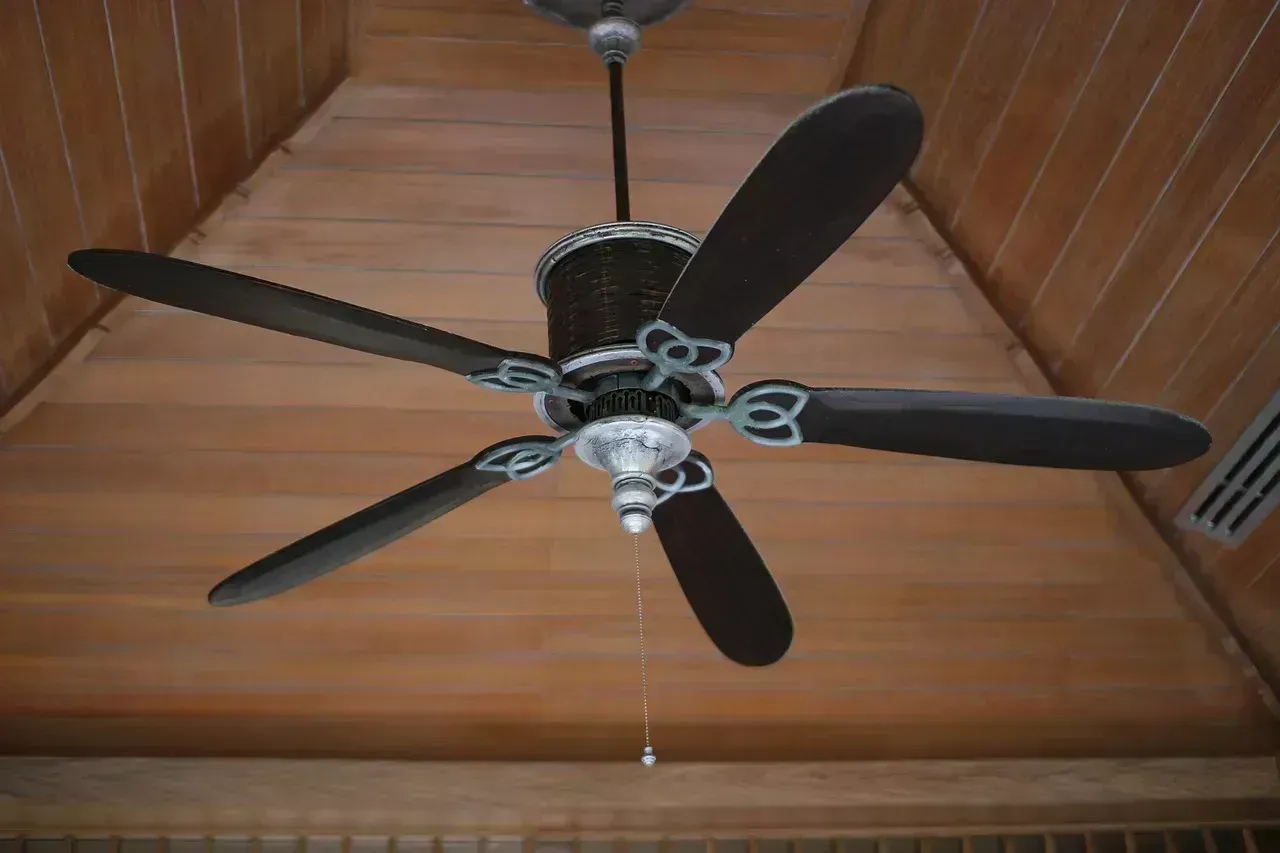
That lightweight electrical box designed for a ceiling light? It’s not rated for the weight and vibration of a ceiling fan, no matter how small the fan seems. Some homeowners mount heavy ceiling fans to boxes designed only for light fixtures. Electricians warn that these boxes cannot handle the weight or vibration of fans, and failures have caused injuries and structural damage. Fans can weigh anywhere from 15 to 75 pounds, and when spinning at high speeds, they generate significant force.
U.S. building codes specify fan-rated boxes for any overhead fan installation. These specialized boxes have additional bracing and are secured to the ceiling joists in a way that standard light boxes simply aren’t. It’s hard to say for sure, but inspectors have seen fans crash down from ceilings because someone assumed any electrical box would work. The fix requires cutting into the ceiling to install a proper fan box, which is why homeowners try to skip it.
Adding Circuits Without Permit or Panel Evaluation
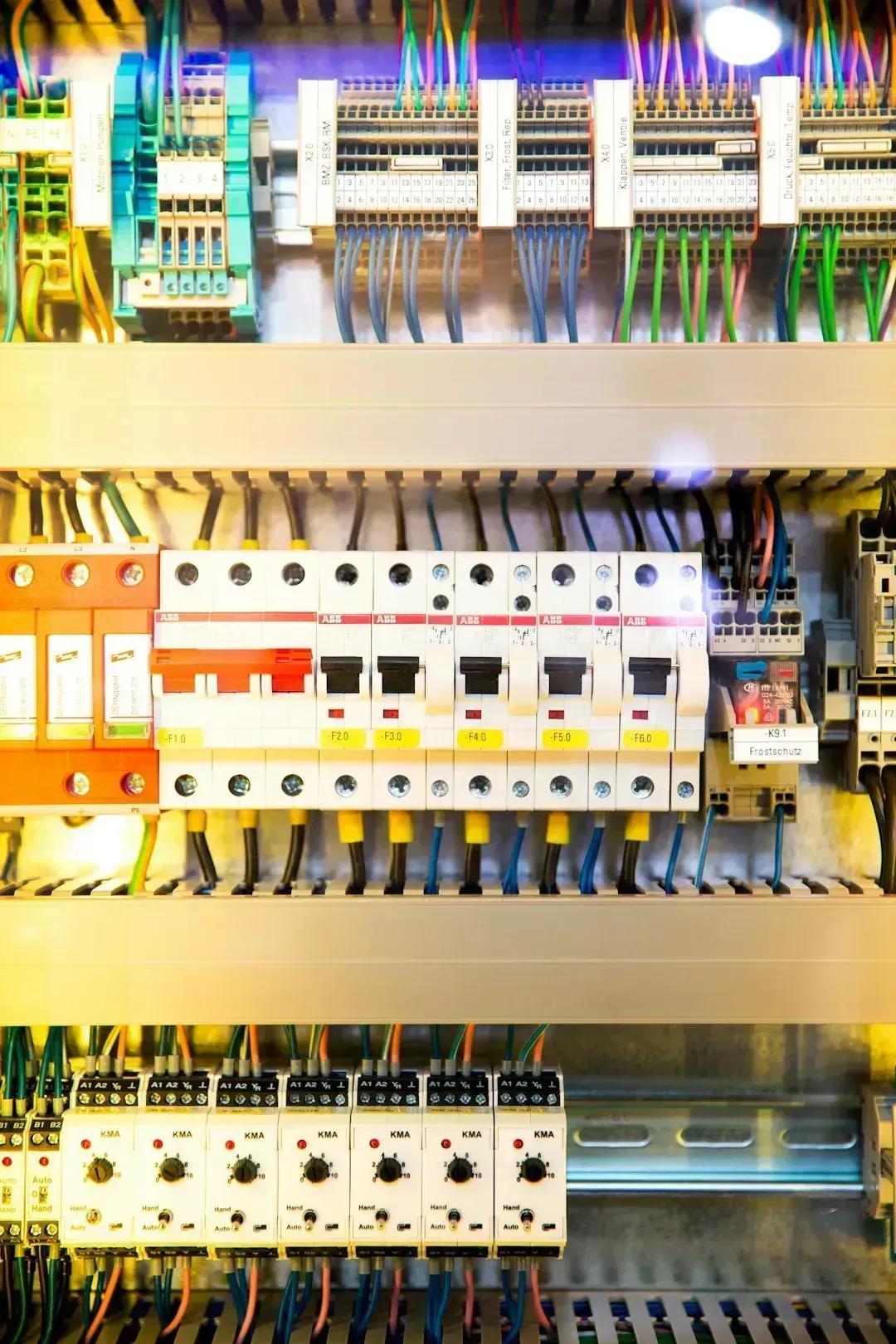
Let’s say you want to add outlets in your garage workshop or install an electric vehicle charger. Maybe you’re handy with tools and figure you can just tap into the electrical panel yourself. Electrical panels must be evaluated for available capacity before adding circuits. Unpermitted additions often overload panels, create unsafe heat buildup, and violate local codes.
Most residential panels have a maximum amperage rating, typically 100, 150, or 200 amps. Adding circuits without checking available capacity can push the system beyond safe limits. Home inspectors frequently flag these illegal upgrades when homes are sold, sometimes requiring expensive corrections. According to electrical contractors, failure to obtain the right permit can result in fines, legal problems, and issues with completing future property transactions. In fact, some locations penalize unlicensed electrical work with severe fines of up to $100,000.
Disabling GFCI or AFCI Protection
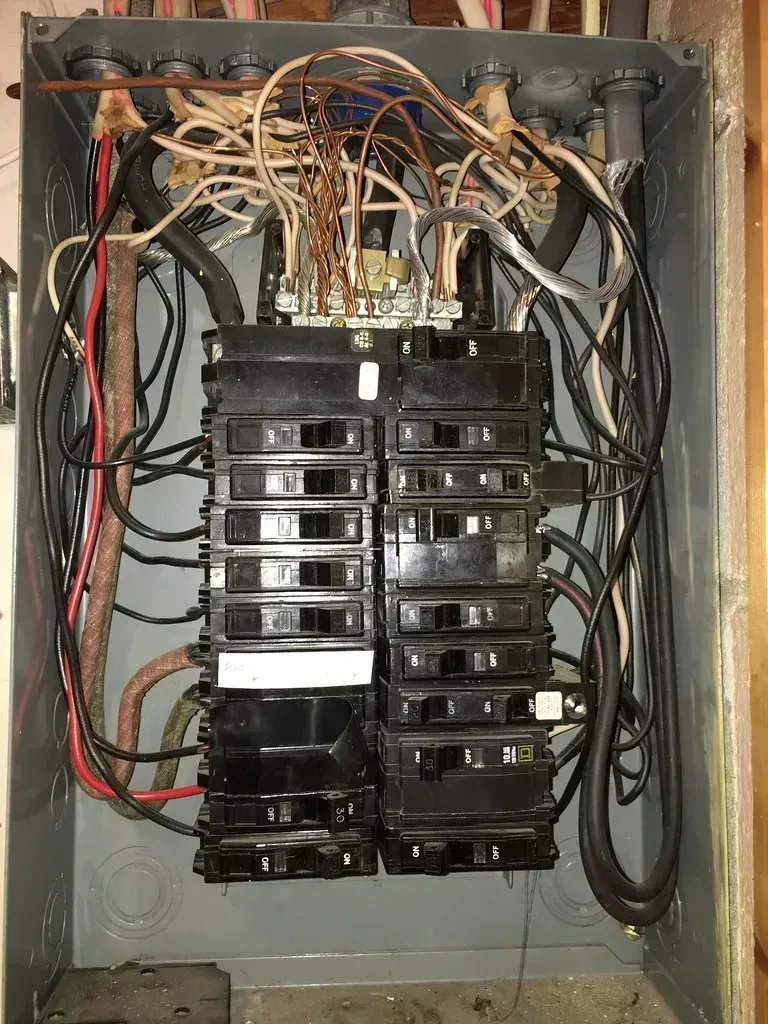
Ground-fault circuit interrupters and arc-fault circuit interrupters can be annoying when they trip at inconvenient times. So naturally, some homeowners simply disable or bypass them. Some homeowners disable ground-fault or arc-fault protection because of nuisance tripping. Both devices are required by modern U.S. code in areas where shock or arc hazards are high, such as kitchens, bathrooms, and bedrooms. Disabling them removes critical safety layers that prevent electrocution and electrical fires.
These protective devices exist because regular circuit breakers don’t protect people from electric shock. They only protect against overloads and short circuits. GFCIs detect when current is leaking from a circuit and can cut power in milliseconds, fast enough to prevent fatal electrocution. AFCIs detect dangerous arcing conditions that standard breakers miss entirely. Honestly, the few seconds of inconvenience when they trip is worth not getting electrocuted or having your house burn down.
Splicing Wires Outside Junction Boxes
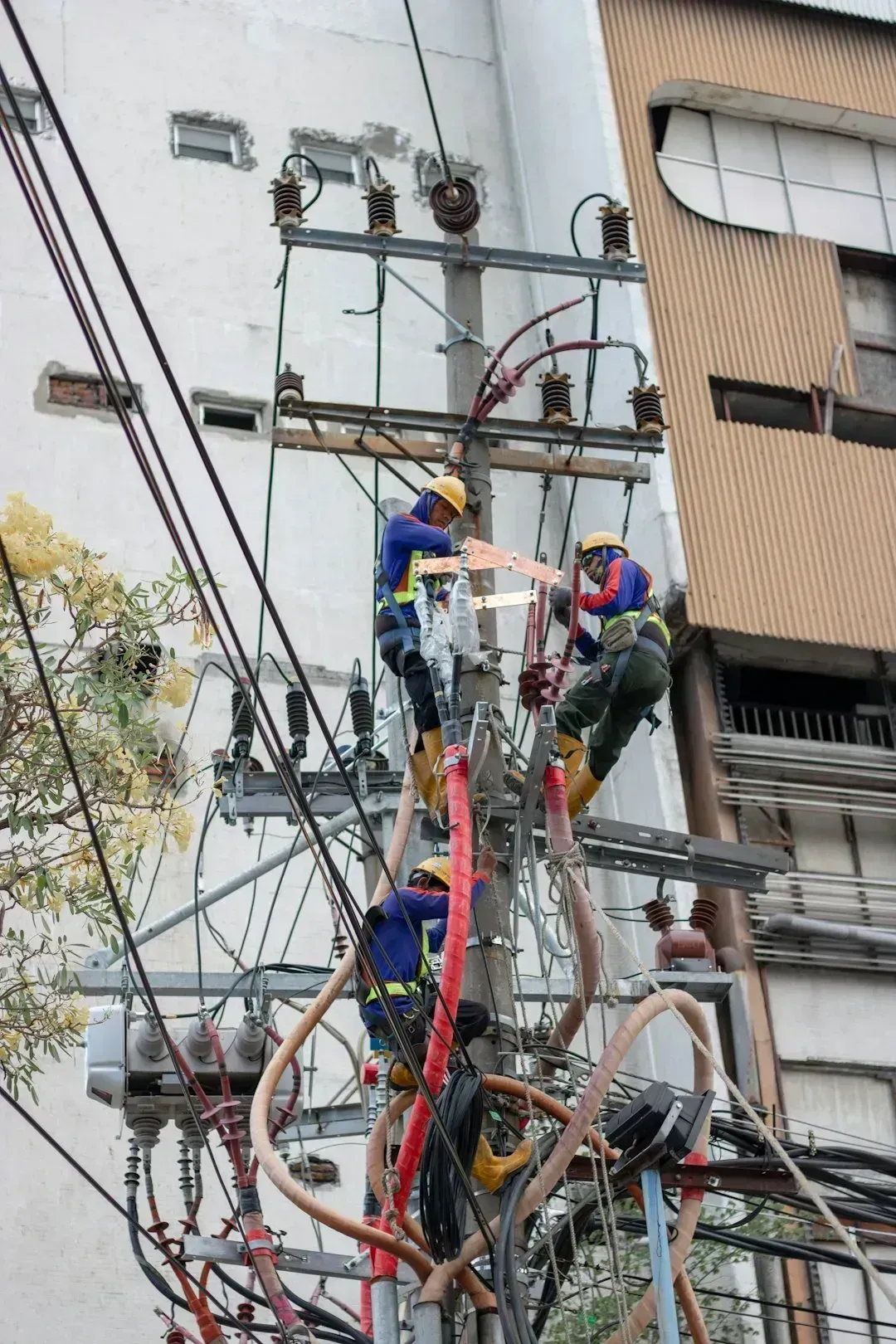
Maybe you’re running wiring through the attic or basement and need to extend a wire. The proper way requires installing a junction box with a cover at every splice location. The shortcut? Just twist the wires together, add a wire nut, wrap it in electrical tape, and stuff it behind the drywall. Splicing electrical wires is allowed, but only if the spliced wires are inside of a junction box. The junction box also needs to have an access cover in case electrical work needs to be done. If these steps are not taken, the wiring is not up to code and has the potential to start an electrical fire.
Wire connections generate heat. When they’re enclosed in a proper junction box, that heat dissipates safely. When they’re buried in insulation or stuffed behind walls, they can overheat and ignite surrounding materials. Wire splices made outside of approved junction boxes. Open splices can overheat, spark, and cause fires. They’re also difficult to inspect and maintain. All splices must be contained within approved, accessible junction boxes with proper covers.
Overstuffing Electrical Boxes
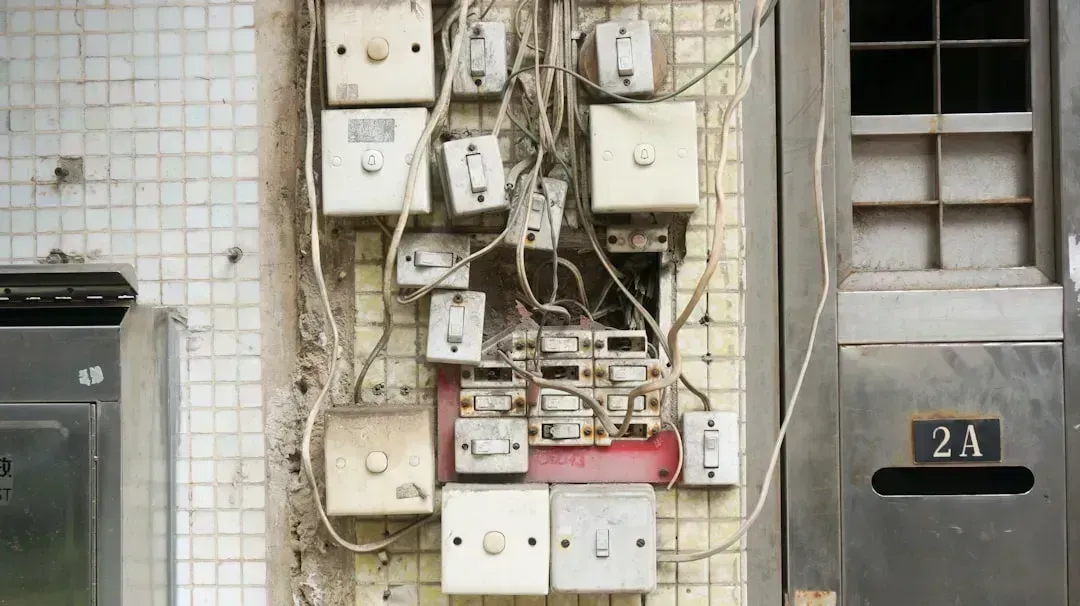
You need to add one more wire to a crowded electrical box. There’s technically room if you really cram everything in there, right? Not so fast. According to NEC code 314.16, electricians must calculate the maximum volume of conductors they can safely fit into boxes. Table 314.16(A) covers the fill volume and total number of conductors, based on size, that you can put into a box. The code exists because overcrowded boxes are fire hazards.
Inspectors said crowded conductor boxes are a common NEC violation. When wires are packed too tightly, insulation can get damaged during installation. Wire connections can loosen from not having enough space to work properly. Heat builds up with nowhere to dissipate. The solution is using a larger box or adding an additional box nearby, neither of which homeowners want to bother with when they’re trying to finish a project quickly.
Using Undersized Wire for the Load
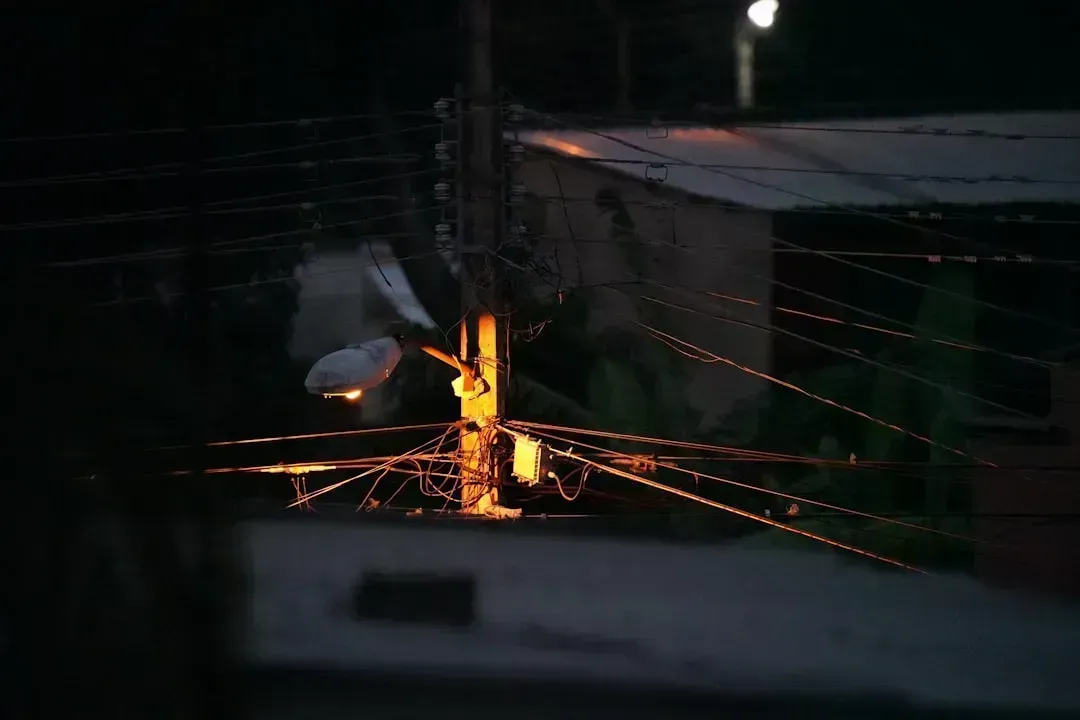
Wire gauge matters more than most people realize. Using 14-gauge wire on a 20-amp circuit or running 240-volt appliances on undersized conductors creates serious fire risks. The thinner the wire, the more resistance it has and the more heat it generates when current flows through it. Using wires that are too small for the intended load can result in overheating, tripped breakers, and fire risks. Always follow proper wire sizing guidelines.
Electrical fires from undersized wiring are particularly insidious because they start inside walls where you can’t see them until it’s too late. According to the National Fire Protection Association, local fire departments responded to an estimated average of 44,880 home fires involving electrical failure or malfunction each year in 2012-2016. Home fires involving electrical failure or malfunction caused an estimated average of 440 civilian deaths and 1,250 civilian injuries each year in 2012-2016, as well as an estimated $1.3 billion in direct property damage a year. Many of these fires originate from improper wiring installations.
Installing Outdoor Outlets Without Weatherproof Covers
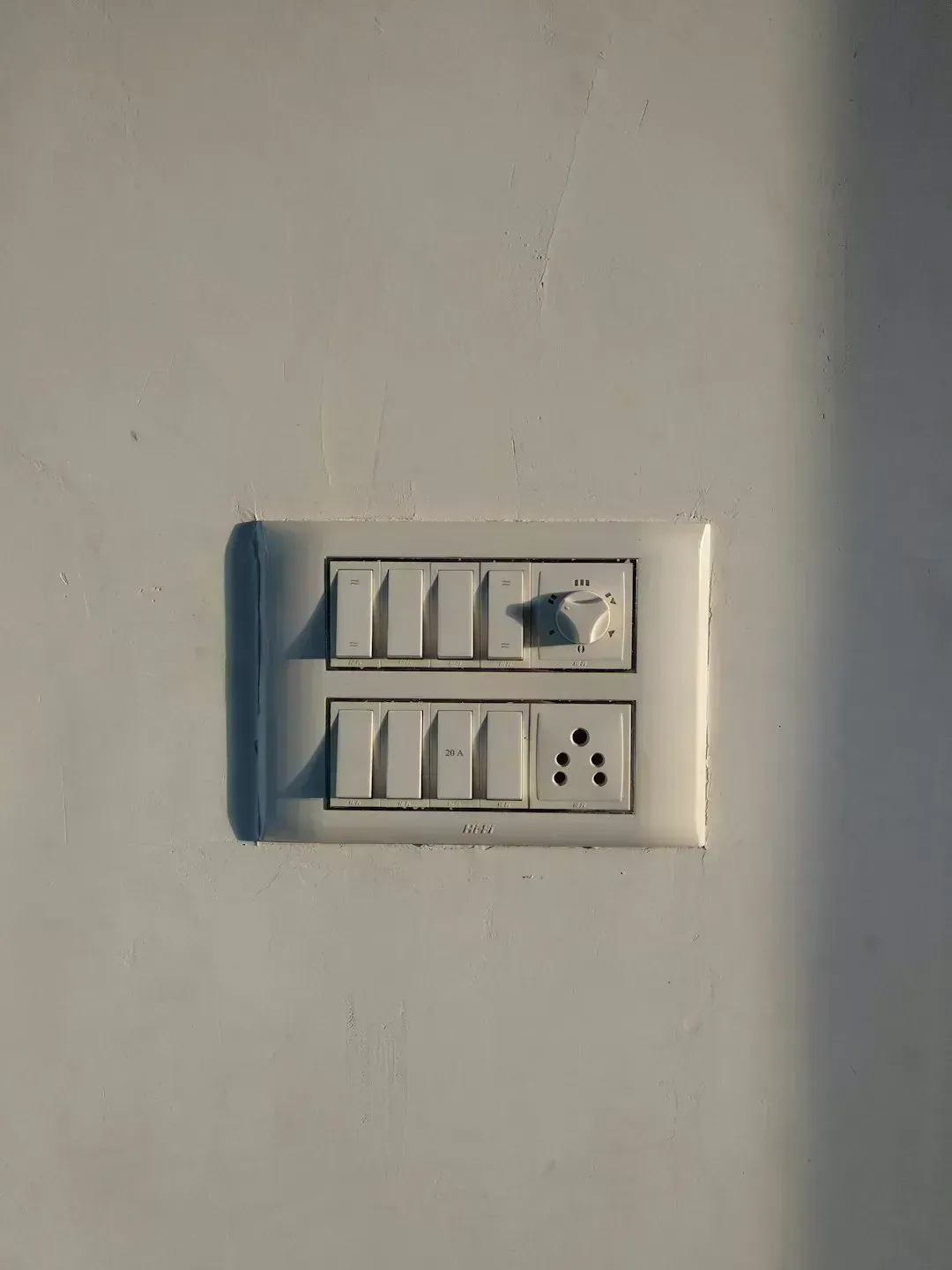
Outdoor electrical outlets face rain, snow, sprinklers, and humidity. Standard indoor outlet covers don’t cut it outside. Yet inspectors regularly find outdoor receptacles with improper covers or no weather protection at all. The NEC requires that receptacles in damp locations be weatherproof when nothing is plugged in and that the receptacle covers be closed. In wet locations, the receptacle must be weatherproof even when the plug is inserted. Wet location covers are called “bubble covers” or “in-use” covers.
The distinction between wet and damp locations matters for code compliance. Wet locations are directly exposed to weather, while damp locations are protected but still subject to moisture. Both need proper covers, just different types. Water and electricity combine to create electrocution hazards and equipment failures. If your dwelling has outdoor receptacles that aren’t shuttered, you are in violation of an electrical code that could delay the sale of your home or even reduce the value of your home.
Electrical codes exist for reasons written in tragedy and hard-learned lessons. Every prohibition in the National Electrical Code represents fires that have happened, people who’ve been injured, and properties that have been destroyed. When inspectors flag these violations, they’re not being pedantic. They’re trying to prevent the next statistic. What’s your take on this? Have you spotted any of these violations in homes you’ve visited?
Conclusion

These banned electrical add-ons highlight a growing gap between convenience and safety in modern homes. While they may seem like quick fixes or cost-saving upgrades, inspectors consistently warn that they pose serious fire and shock risks. Understanding why these installations are illegal isn’t about limiting creativity – it’s about protecting lives, preserving property, and avoiding costly mistakes that can turn a simple project into a dangerous one.
Why Homeowners Keep Making These Mistakes Despite the Warnings

You’d think with all the warnings out there, people would stop trying these shortcuts, right? Yet electrical inspectors see the same violations over and over again. The truth is, most homeowners aren’t trying to be reckless – they’re just overwhelmed by the cost of hiring licensed electricians or genuinely don’t understand the risks. When you’re staring at a $800 quote to install a single outlet, that $3 adapter from the hardware store starts looking pretty tempting. Social media hasn’t helped either, with DIY influencers confidently demonstrating electrical work that would make any inspector’s hair stand on end. Many people also underestimate electricity itself, thinking it’s similar to plumbing or carpentry where mistakes might cause leaks or wobbly shelves. But electricity is invisible, unpredictable, and absolutely unforgiving – it doesn’t give second chances. The saddest part is that most of these disasters are entirely preventable with just a phone call to a qualified professional who can do the job safely and legally the first time.
The Real Cost of Cutting Corners: What Actually Happens When Things Go Wrong
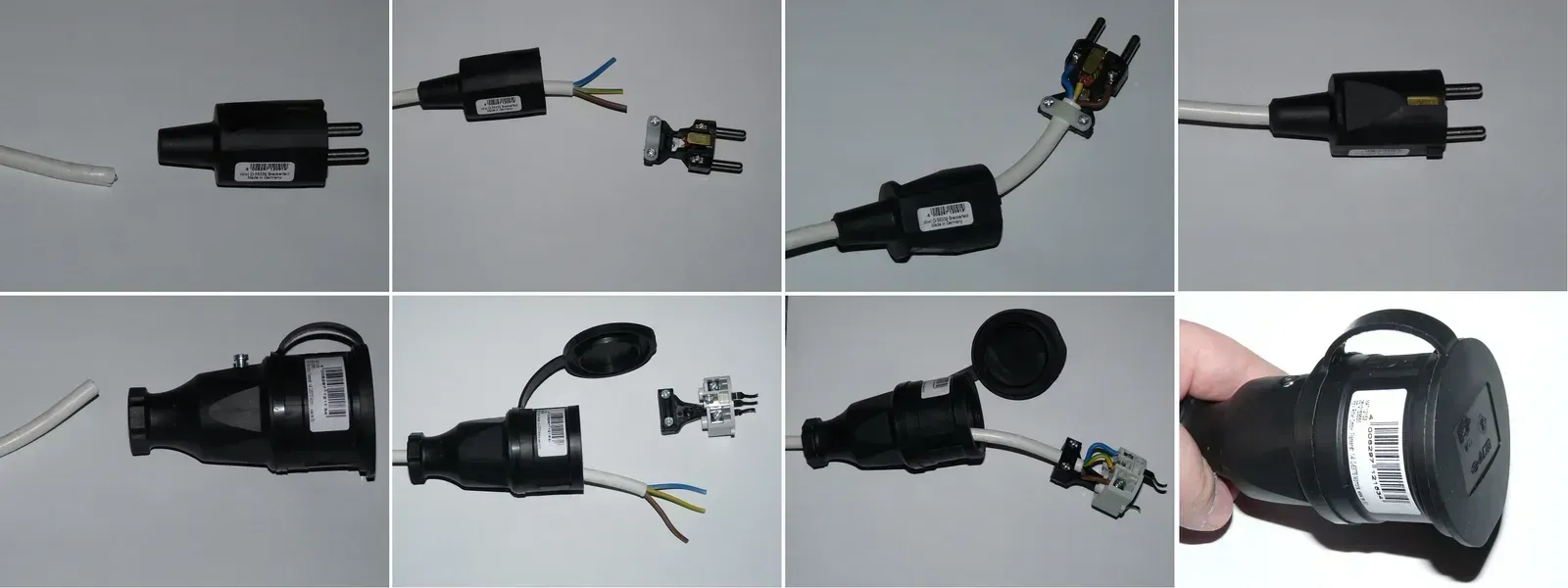
Here’s what nobody talks about until it’s too late – the financial devastation that follows electrical mistakes makes that licensed electrician’s quote look like pocket change. When your DIY electrical work causes a house fire, your homeowner’s insurance can deny your entire claim if they discover unpermitted modifications or code violations. We’re talking hundreds of thousands of dollars in losses that you’ll be personally responsible for, not to mention the potential legal liability if someone gets hurt. Even if you dodge the fire scenario, you’ll face serious consequences when you try to sell your home. Home inspectors routinely flag electrical violations, and buyers will either demand you fix everything to code before closing or slash their offer by thousands to cover the repairs themselves. Some mortgage companies won’t even approve loans on homes with known electrical hazards. And let’s not forget the immediate dangers – electrocution doesn’t just hurt, it kills, and it happens faster than you can react. One Florida homeowner learned this the hard way when his illegal panel modification resulted in a fire that destroyed his garage and two cars, with his insurance company refusing to pay a dime of the $180,000 in damages. The math is brutally simple: pay a professional $800 now, or potentially lose everything you own later.
When Your Neighbor Becomes Your Biggest Risk Factor

You might be doing everything by the book, but here’s an unsettling reality that keeps electrical inspectors up at night – your neighbor’s sketchy electrical work can become your problem faster than you’d think. Shared walls in townhouses and duplexes mean that an electrical fire started by someone else’s illegal modifications can engulf your home before you even smell smoke. I’ve seen entire apartment complexes evacuated because one tenant decided to wire their own hot tub on a circuit that couldn’t handle the load, creating a cascading failure that knocked out power and sparked fires in three other units. Even in detached homes, power surges from faulty DIY electrical work next door can fry your expensive electronics and appliances through the shared transformer on your street. The worst part is that you have almost zero control over this situation – you can’t inspect your neighbor’s electrical panel, and most people don’t advertise their code violations. This is exactly why building codes and permits exist in the first place, creating a paper trail that protects entire neighborhoods from one person’s dangerous shortcuts. When you see unlicensed electrical work happening next door, it’s not just their problem anymore – it’s potentially yours too.