The “Suitcase Swap” Scam Targeting Travelers at Major Airports
Picture yourself landing after a long flight. You head to baggage claim, grab what looks like your black roller bag, and walk straight out. Days later, when you finally open it, you freeze. This isn’t yours. Someone else now has your belongings. Unfortunately, this is not just a simple mix up anymore.
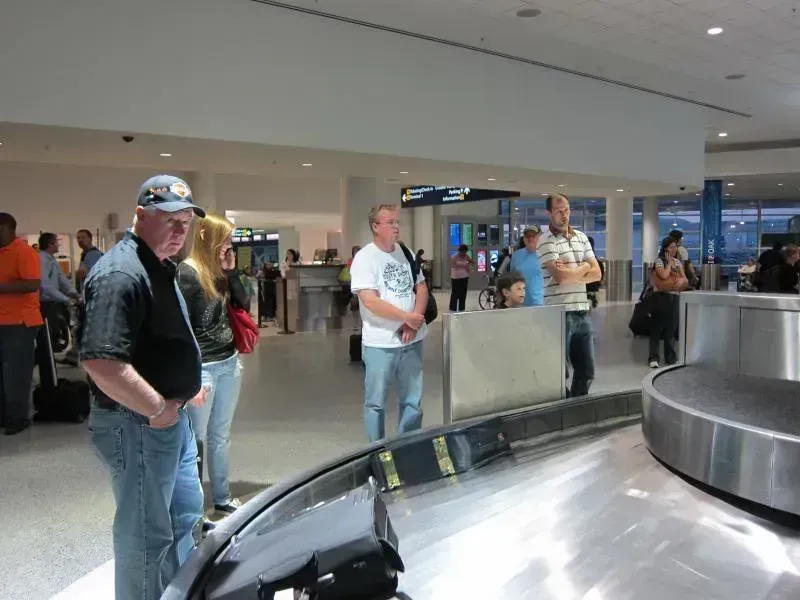
Organized thieves know most travelers scroll their phones while waiting at carousels, paying little attention until it’s too late. They lift similar suitcases and disappear into the crowd. It’s fast, effective, and happens every single day.
The Carousel Switch That Costs You Big
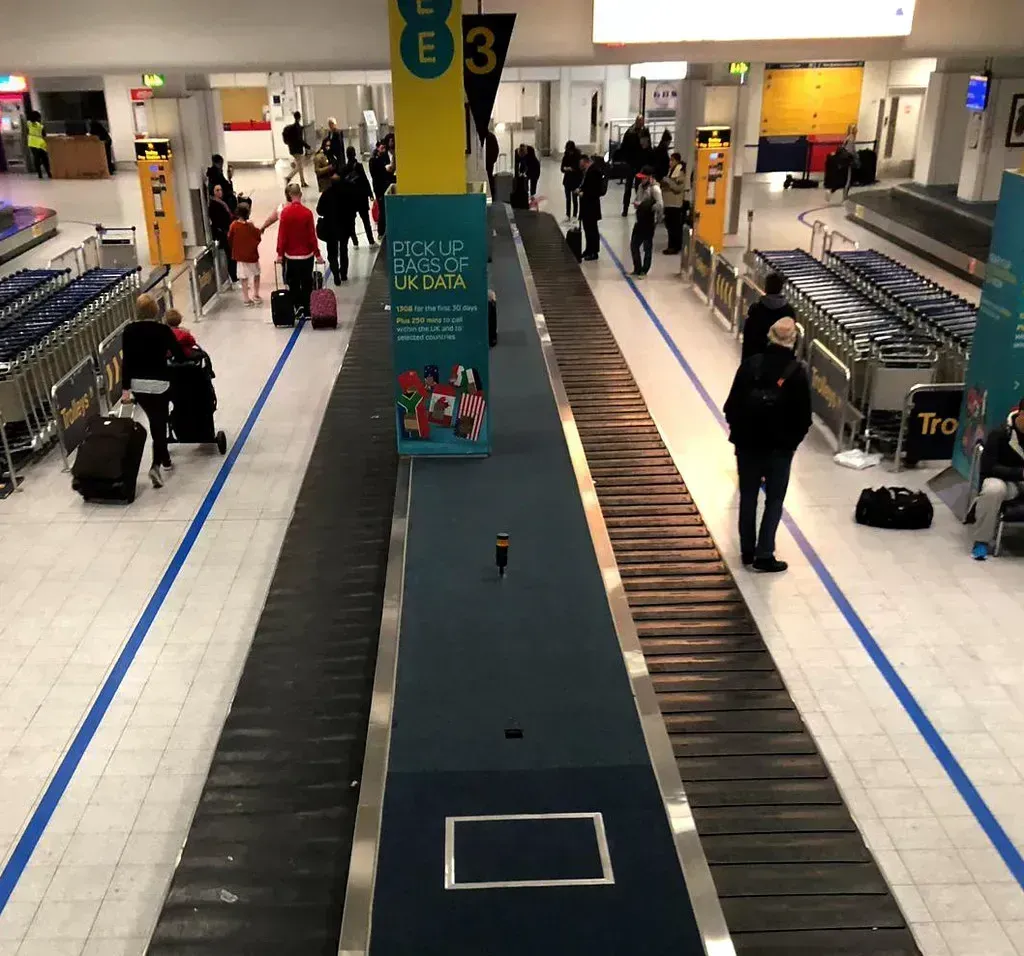
Organized groups target busy carousels, knowing most travellers don’t notice until it’s too late. A distracted passenger, a crowded terminal, and a sea of identical black bags create the perfect cover. Thieves simply grab a suitcase that looks promising and vanish before anyone realizes the mistake.
In one case at LAX, a woman used an AirTag to track her stolen suitcase to another terminal. She was one of the lucky ones. In Adelaide, multiple bags vanished mid-arrival before security cameras even caught on. These aren’t isolated incidents either.
In the latest research, DFW in Dallas is the airport with the highest incidence of baggage theft, followed by Los Angeles and Atlanta. Atlanta alone sees around 286,000 passengers daily, creating chaos that gives thieves plenty of room to operate.
The Tag Swap Trick You Won’t See Coming
A scammer brushes your bag and replaces your claim sticker or the tag tail, then claims your suitcase at the carousel while you chase theirs. This sleight of hand happens in seconds, usually in crowded check-in lines where you’re focused on boarding passes and passports.
In some cases, scammers attach fake tags to unattended luggage, creating confusion at check-in or baggage claim, and travelers may not realize their bag has been tampered with until it is delayed, misrouted, or lost entirely. By the time you notice, the thief is long gone with your belongings.
At self-service kiosks, a friendly stranger offers to help print your tag, then steers the screen to a different city or slips on a tag they brought with them, gaining enough data to meddle with your booking and baggage.
Inside Jobs From Those You Trust
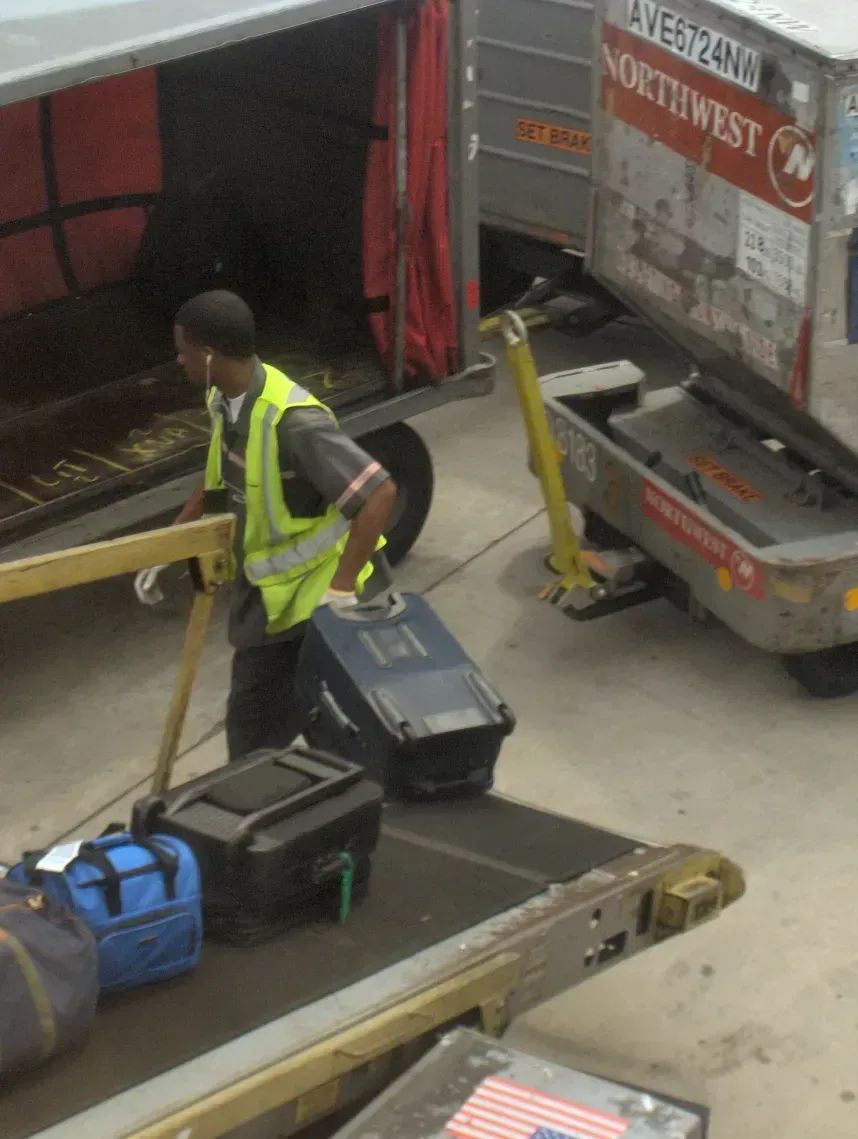
Sometimes the danger isn’t in the crowd. Airports worldwide have reported insider thefts where baggage handlers quietly remove valuables or even entire suitcases. A traveler at Fort Lauderdale-Hollywood used an AirTag to trace his “missing” bag straight to an airport employee’s home.
In a more sophisticated scam, baggage handlers swap drug-filled luggage for checked bags, even switching the luggage tags, and if the drugs are found, the passenger whose name is on the tag is blamed, while the criminals get off scot-free. In 2023, two tourists in Germany spent 24 hours in prison after baggage handlers swapped drug-filled luggage for their checked bags.
The TSA has fired nearly 400 employees for allegedly stealing from travelers, and many of the country’s busiest airports also rank at the top for TSA employees fired for theft. Miami led with 29 terminations, followed closely by JFK and LAX.
Fraudulent Claims From Stolen Tags
Discarded tags can be used by scammers to make money off your luggage through fraudulent claims, as scammers can use your name to create a fake email address and submit a claim to an airline for a lost, delayed or damaged bag to get money. It’s surprisingly simple and increasingly common.
“We are getting an influx of fraudulent claims being submitted for ‘missing items’ as these people are observing who is removing their luggage tags in the claim areas and using your information to submit claims for reimbursement,” according to a baggage claims manager posting on Reddit.
A baggage tag contains your name, flight numbers, airline information, baggage number, and sometimes membership numbers. Combined with other discarded documents like boarding passes, scammers build convincing fake claims. Most passengers never know until airlines flag duplicate claims months later.
How to Keep Your Luggage Safe
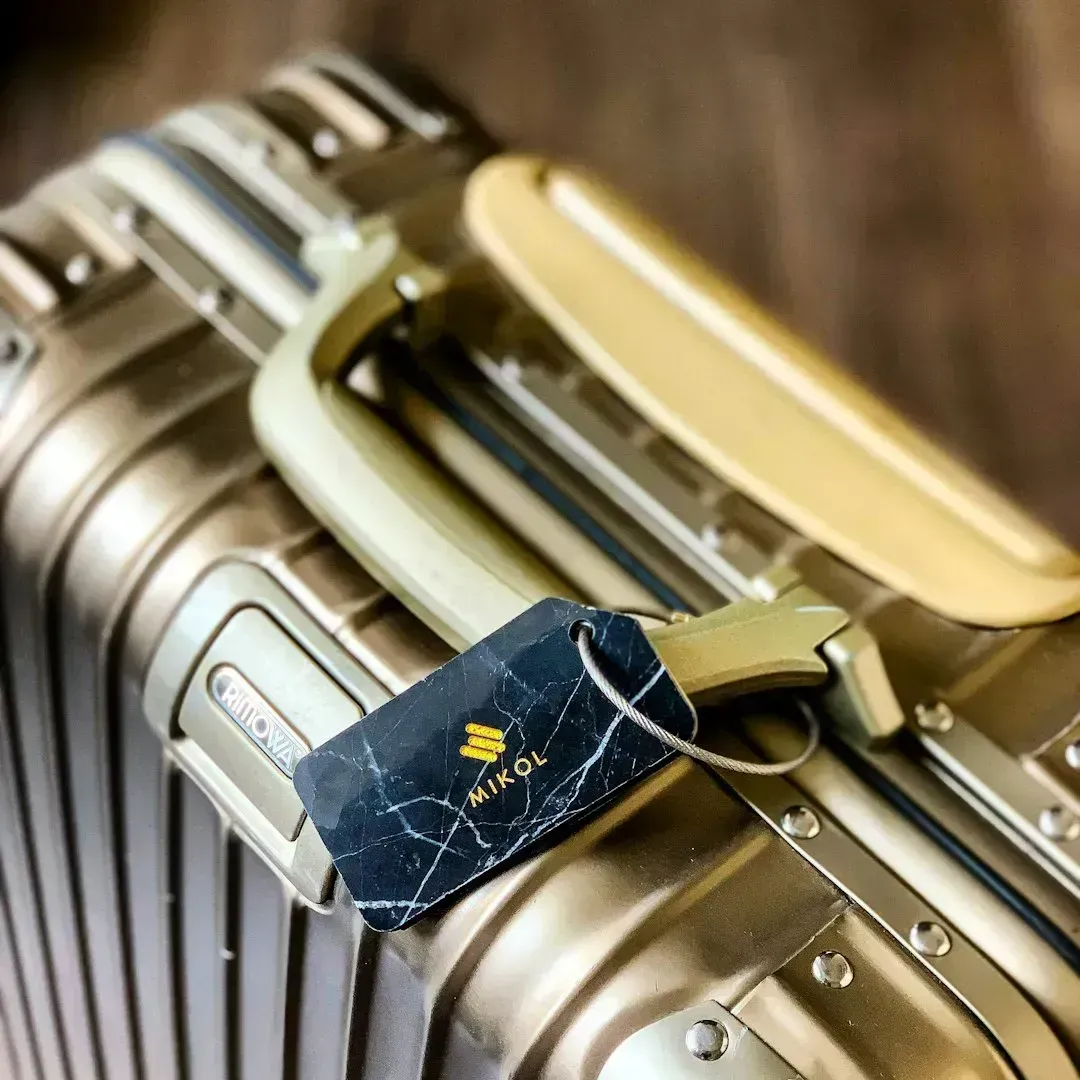
Stand close, stay alert, and grab your bag immediately, and mark your suitcase with bright tags or colored straps so it’s unmistakably yours. Honestly, even something as simple as colored duct tape or a unique luggage strap works wonders.
Hide a tracker like an AirTag or Tile in your checked luggage – it’s the simplest way to follow your bag’s path. Always lock main zippers with TSA-approved locks and stash valuables in your carry-on. These small steps make a real difference.
Travelers should treat their baggage tag like an ID and not discard it at the airport or even in your hotel room where someone could access it, keeping the tag until you are home and disposing of it by shredding it or cutting it up. It’s hard to say for sure, but taking the extra minute to shred your tags really cuts down on the risk.
Did your bag ever go missing or get swapped at an airport? What measures do you take to protect your luggage when traveling?
What Airlines Actually Do When You Report a Swap
Here’s the frustrating truth: most airlines treat suitcase swaps as your problem, not theirs. When you file a report at baggage claim, they’ll usually tell you to contact local police and file a separate claim, which can take weeks or even months to resolve. The compensation you get? Often just a fraction of what your belongings were actually worth, and that’s if they even approve your claim. Airlines argue they’re not responsible for passengers taking the wrong bag, even though their carousel systems make it ridiculously easy for scammers to operate. Some travelers have reported waiting over six months for reimbursement, only to receive a paltry $200 for thousands of dollars in lost items. The whole system feels designed to exhaust you into giving up. Your best bet is documenting everything immediately with photos, keeping all receipts, and being persistent with follow-ups, because airlines absolutely will not chase you down to make things right.