Realtors Caution: 8 Once-Popular Home Features Now Scaring Off Buyers
The real estate market has never been more unforgiving. With mortgage rates staying stubbornly high and buyers increasingly selective about every single dollar they spend, a home that looks slightly outdated is no longer just a minor hurdle. It can be a deal killer. What sellers used to brag about in their listings, agents are now quietly asking them to remove or renovate before the first open house.
The “must-have” features of the early 2020s are quickly becoming the deal-breakers of today, with buyers no longer chasing the temporary high of a viral trend – instead, they are prioritizing long-term livability, wellness, and ease of maintenance. It is a stunning shift that even experienced realtors did not see coming this fast. Here’s what’s quietly sabotaging home sales right now.
1. The Formal Dining Room Nobody Eats In
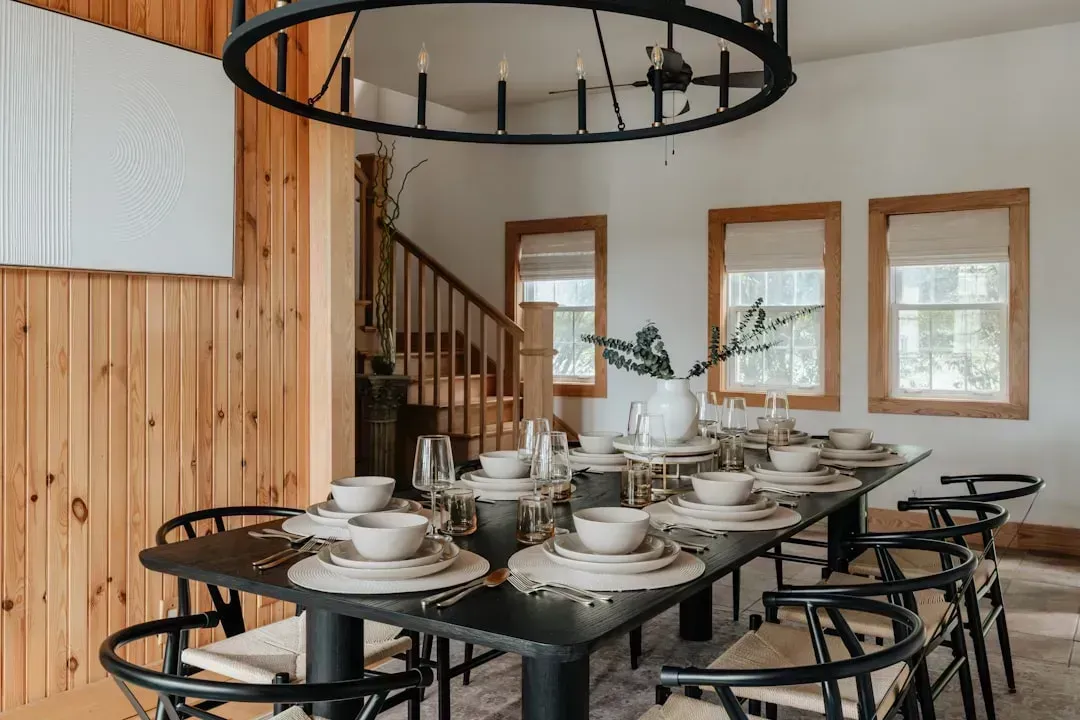
There was a time when a formal dining room screamed prestige. Polished wood table, chandelier overhead, chairs nobody ever sat in. Honestly, it was more of a museum than a room. Today’s buyers look at that same space and see something very different: wasted square footage.
Nearly four out of five designers working on new home communities said dining rooms became less important over the past year. That is a staggering number. Some industry insiders have gone so far as to say that “formal dining rooms have almost been eliminated from our design vocabulary.”
According to Realtor.com’s trend analysis comparing active for-sale listings from 2024 to 2025, listings featuring formal dining rooms with built-ins saw a notable year-over-year decline of more than a quarter, measured by how frequently these features appeared in property descriptions. These spaces are being replaced with flex rooms that serve multiple roles, while kitchens gain more space or a bigger island to make everyday meals easier.
2. Wall-to-Wall Carpeting
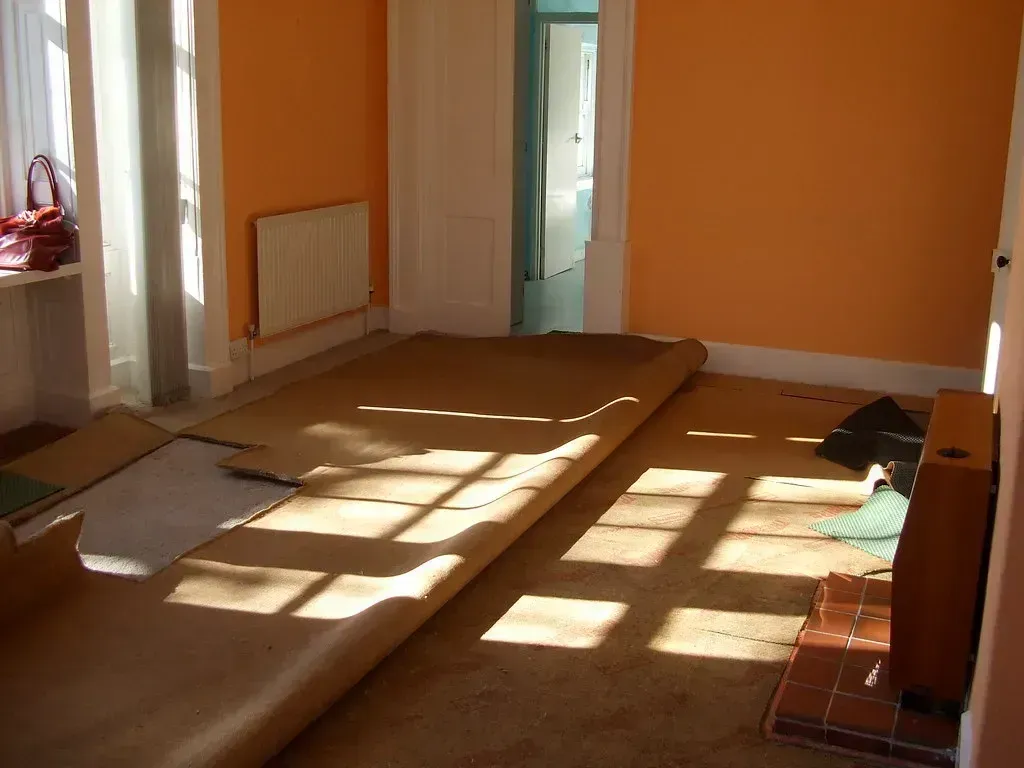
Few things trigger more buyer hesitation at a showing than stepping into a home and feeling carpet under every foot. I know it sounds dramatic, but realtors will tell you the reaction is instant and almost visceral. People equate it with allergens, old odors, and renovation costs piling up before they even make an offer.
In a post-wellness-boom market, wall-to-wall carpeting is increasingly viewed as a hygiene risk rather than a comfort feature, with buyers often seeing existing carpet as a “pet and allergen trap” that must be ripped out immediately upon closing. It’s not just a style concern. It is a perceived health concern.
Linoleum floors were once a popular and practical choice for homeowners. However, they are now widely considered an outdated home trend, with a staggering vast majority of buyers surveyed by Redfin expressing no interest in this flooring option. Real estate professionals report that even brand-new, high-end carpeting can lower a home’s perceived value compared to hard surfaces like luxury vinyl plank or hardwood, with the modern preference being for clean, hard-surface flooring that can be personalized with area rugs.
3. Bold Wallpaper and Accent Walls
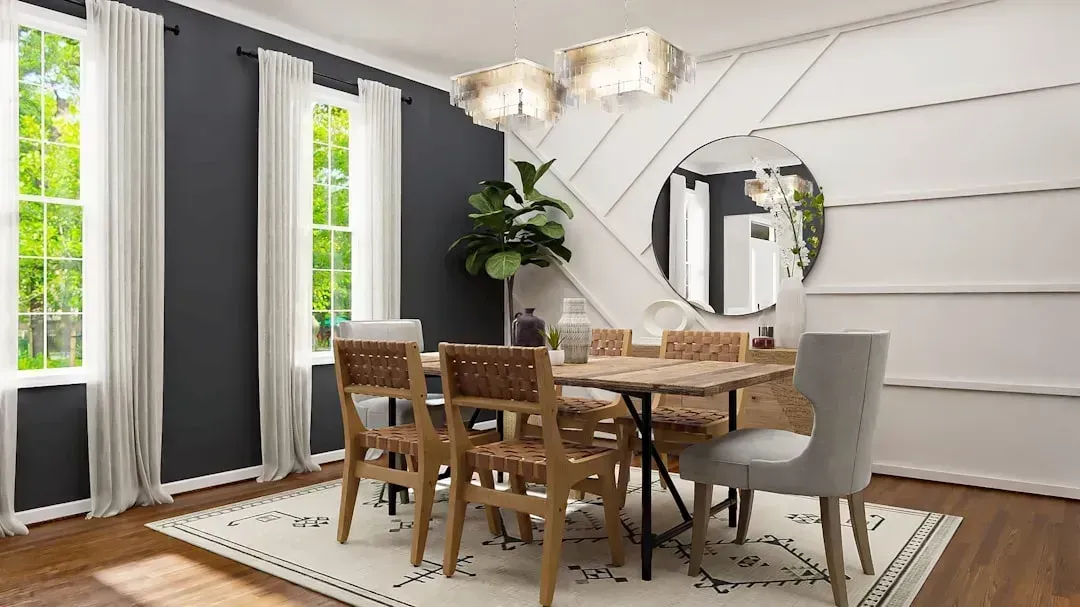
Wallpaper made a fashionable comeback in the late 2010s, and for a while it genuinely looked spectacular in listing photos. The problem? Listing photos are not what buyers have to live with every single day. A dramatic botanical print or an aggressive geometric pattern is someone else’s personality stamped all over the walls.
Bold and bright accent walls and wallpaper were once popular design choices, but tastes have shifted towards more neutral aesthetics – with a Redfin survey revealing that roughly seven out of ten buyers indicated they are not at all interested in brightly painted accent walls, and roughly six out of ten are not interested in wallpapered rooms.
While certain design trends brought wallpaper back into fashion, permanent, high-impact wallpaper is a major turn-off for move-in-ready shoppers. Real estate agents note that while bold patterns look great in photos, they dictate a very specific style that rarely matches a buyer’s personal furniture, and the labor-intensive process of steaming and scraping old paper is a project many buyers simply do not want to inherit. According to a 2025 market analysis, homes with outdated or damaged wallpaper can deter buyers, while removing it and applying fresh paint significantly improves buyer perception and offers a strong return on investment.
4. The Jacuzzi Tub That Nobody Uses
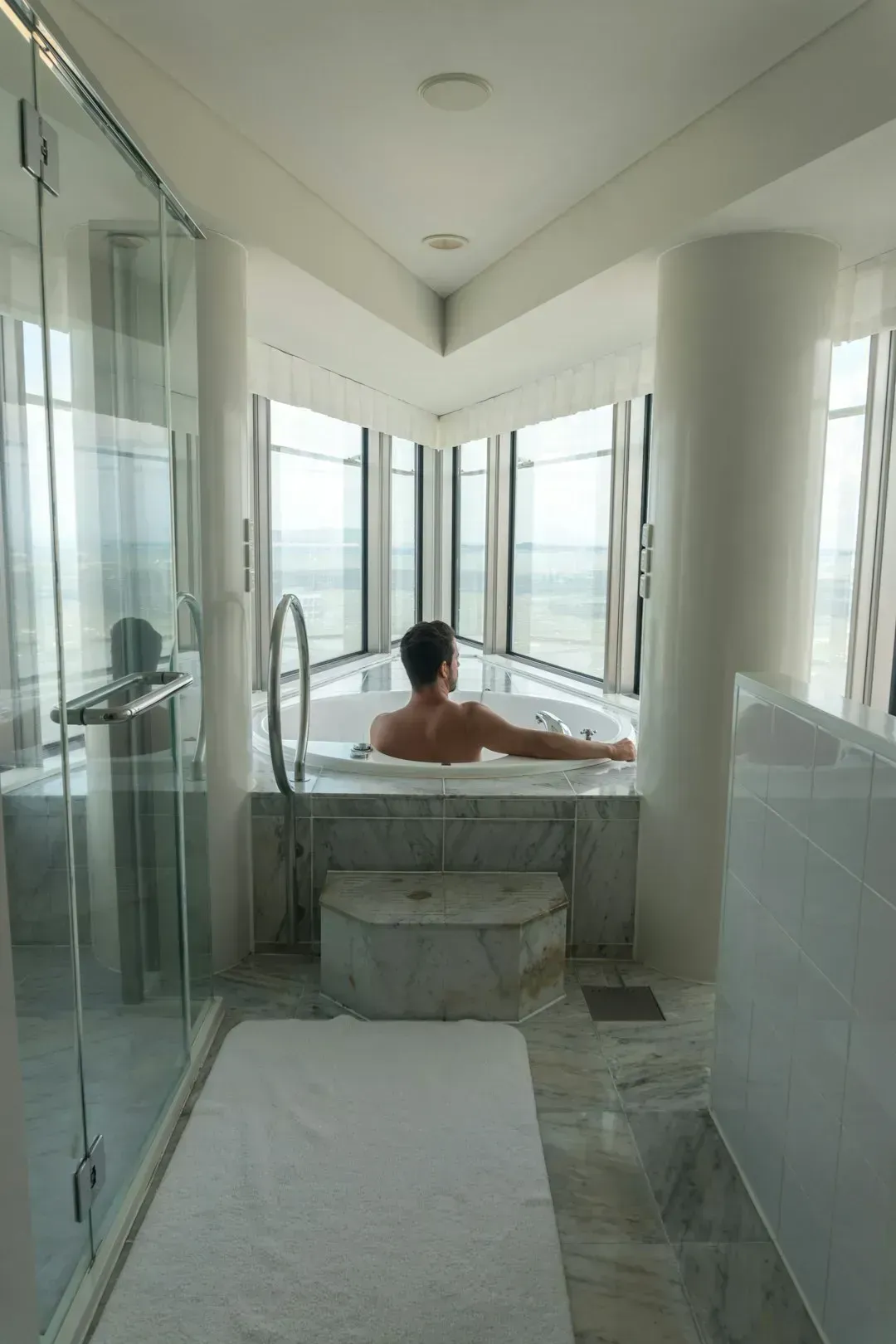
The Jacuzzi tub used to be the crown jewel of the master bathroom. A symbol of at-home luxury, a promise of relaxation after a long day. Here’s the thing though. Most people stopped using them years ago. They collect dust, eat hot water, and take up enormous amounts of space that could be used for a double vanity or a walk-in shower.
Once a symbol of luxury, the Jacuzzi tub has fallen out of favor with many modern buyers, and with its larger size and impracticality for those who prefer showers, a recent Redfin survey found that more than half of buyers are not at all interested in this feature.
A 2025 report from Houghton Contracting highlights that bathroom remodels focusing on walk-in showers and water efficiency are generating a return on investment of sixty to seventy percent, outperforming the installation of large soaking tubs. While oversized bathtubs may create a luxurious impression, they are increasingly being overlooked due to their impracticality, with many homeowners finding that these large tubs occupy excessive space without regular use – and concerns over high water consumption, maintenance demands, and limited accessibility have shifted buyer preferences dramatically.
5. Granite Countertops
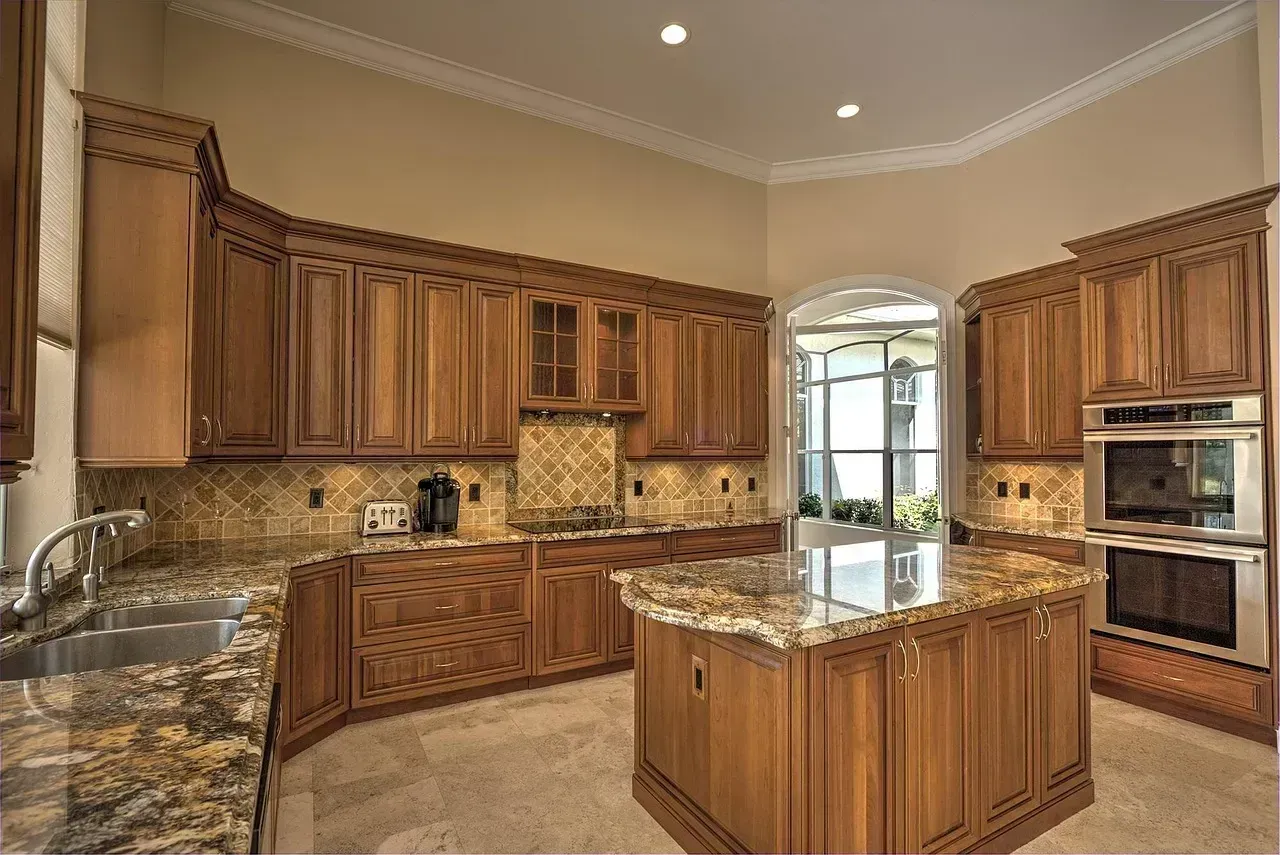
For more than two decades, granite countertops were the undisputed status symbol of a kitchen renovation. Sellers practically bragged about them. Buyers specifically asked for them. It felt like granite was going to be forever. Well, forever ended sooner than anyone expected.
People are less inclined to purchase homes with granite countertops because while granite was once considered the pinnacle of luxury, modern buyers are increasingly drawn to alternatives like quartz, which offers a wider range of colors, patterns, and lower maintenance. Granite requires regular sealing and can be prone to cracking, while quartz is more durable and non-porous – and the sleek, uniform look of quartz aligns better with modern design trends.
The National Kitchen and Bath Association’s 2026 forecast reported that nearly four out of five professionals now favor quartz for its durability and consistency. Think about that. The industry itself has moved on. Buyers are now rejecting the busy, speckled look of granite in favor of cleaner, lower-maintenance materials, and the requirement to seal natural stone annually is a chore that today’s low-maintenance homeowner is happy to leave behind.
6. Dark Wood Cabinetry
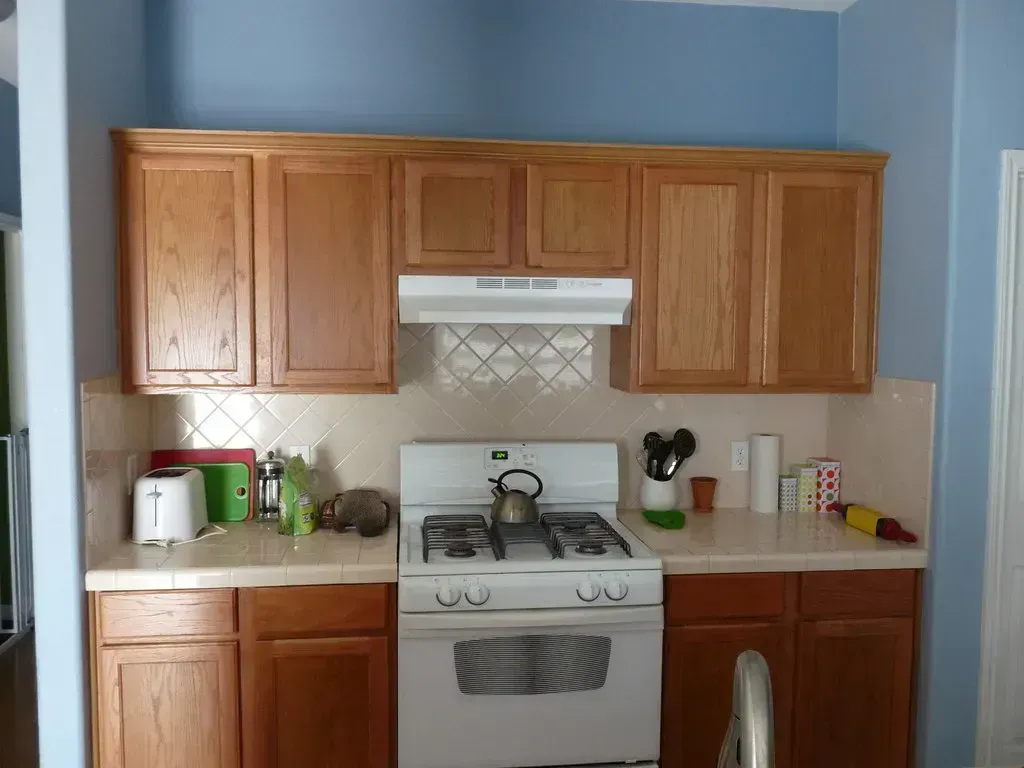
Dark cherry wood, espresso-stained cabinets, heavy mahogany finishes. These were considered the height of elegance for much of the 2000s and early 2010s. Kitchens were practically designed around them. Today, they make a home feel like it belongs to a different era entirely.
The heavy, dark cherry and espresso wood finishes that dominated kitchens and bathrooms for years are now being rejected in favor of lighter, natural tones. Dark cabinetry tends to absorb light, making even large kitchens feel cramped, dull, and less welcoming to prospective buyers.
Dark or heavy wood finishes, once a staple in many homes, are becoming less desirable to today’s buyers. These finishes tend to make kitchens and other spaces feel smaller, more cramped, and less inviting, with dark cabinetry absorbing light. As home buyers increasingly prefer bright, open spaces, dark wood finishes may lead to a measurable reduction in property value. Sellers are increasingly advised to repaint or refinish before listing, and the investment almost always pays off.
7. Over-Complex Smart Home Systems
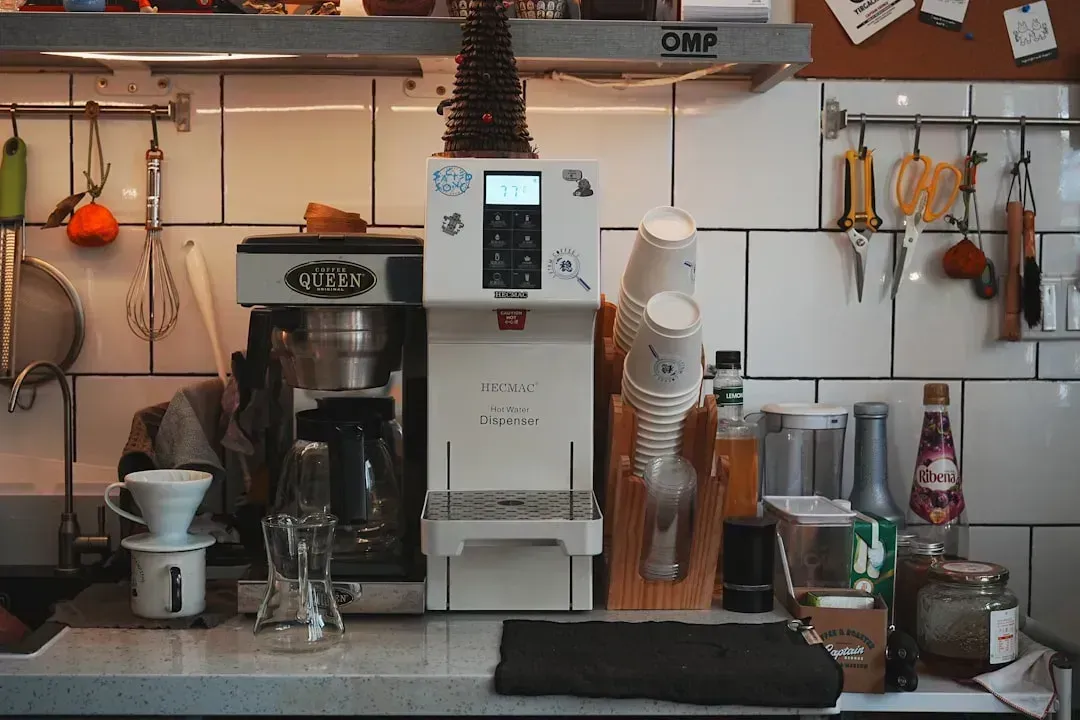
Smart home technology sounds incredible in theory. Automated lighting, app-controlled thermostats, voice-activated everything. It felt futuristic and exciting. The reality, though, is that many of these elaborate systems age poorly, go out of support, and require technical know-how that the average buyer simply does not have.
There is a growing “tech fatigue” among homebuyers who are pushing back against overly complex home automation systems that require constant management. While basic smart features like thermostats and security cameras remain popular, buyers are rejecting custom, one-of-a-kind systems that are difficult to learn or likely to become obsolete in a few years.
Generally, homebuyers want designs that are more classic, so they can make them their own and not worry about them becoming out of style soon. As one real estate expert noted, any overly trendy feature with a short design lifespan can represent a hurdle for some buyers – and for every aggressive design choice, you reduce the number of buyers who will ultimately be interested. Smart home tech that is locked to a specific ecosystem or vendor is, ironically, making homes feel less smart to sell.
8. Closed-Off Floor Plans
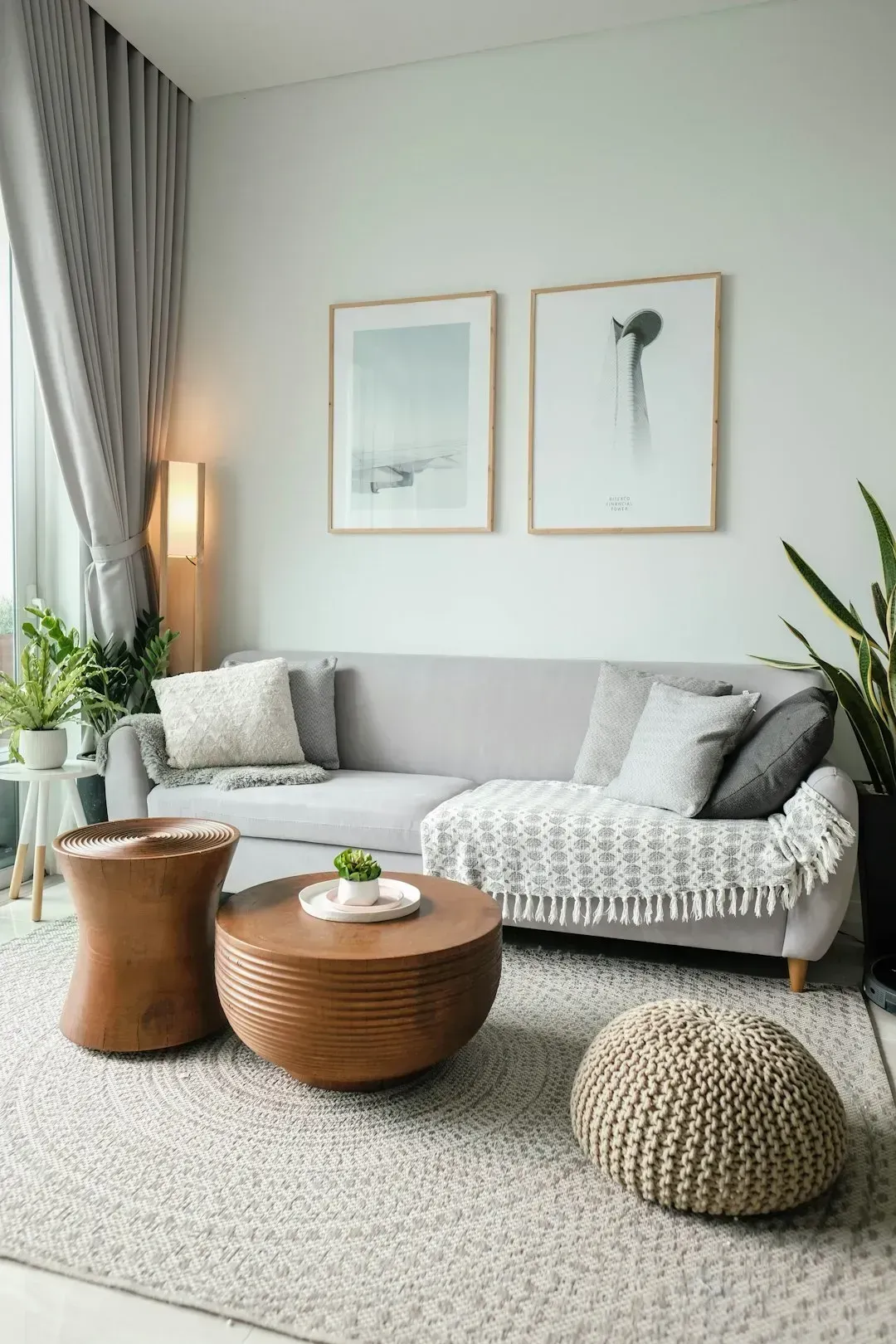
Separate rooms for every function – a closed kitchen, a boxed-off living room, a shut-off hallway. There was a time when compartmentalized layouts felt cozy and private. That era is firmly behind us. Today’s buyer walks into a closed floor plan and immediately starts calculating demolition costs in their head.
The verdict for buyers is clear: a closed-off floor plan is viewed as a significant financial liability. When high-traffic areas like the kitchen and living room are separated by heavy walls, modern shoppers don’t see historic charm – they see projects requiring expensive structural work.
A spacious and interconnected living area is highly desirable, with roughly four out of five buyers in the Redfin survey citing it as a top priority. If a home has a closed-off floor plan, many agents recommend knocking down walls to create a more open and airy feel. The 2020 pandemic reshaped how people use their homes, highlighting the need for quiet workspaces, designated zones for relaxation, and better separation of daily activities – and today’s buyers are increasingly drawn to floor plans that offer a thoughtful balance between openness and clearly defined rooms.
The real estate market of 2026 rewards honesty and smart preparation above everything else. Buyers are prioritizing long-term livability, wellness, and ease of maintenance – and when a home hits the market, realtors report that certain outdated features are acting as “value anchors,” dragging down prices as buyers mentally calculate the cost of renovation before they even reach the kitchen. If your home still carries one or more of these features, it may be worth having an honest conversation with your agent before the first showing. The buyers of today have seen it all online before they even walk through the door. What would you fix first?