The Likability Gap: 8 Micro-Habits That Make People Instantly Distrust You
Trust is one of those invisible currencies that runs everything. Your career, your friendships, your reputation – all of it sits on top of something as fragile as a first impression. The unsettling part? Most of us are unknowingly spending that currency faster than we earn it.
The science here is genuinely fascinating. Our brains are wired to make snap judgments about trustworthiness, and those first few minutes carry more weight than we’d think. What’s even more surprising is how invisible the culprits usually are. We’re not talking about lying or obvious betrayals. We’re talking about micro-habits. Tiny, repeating behaviors that quietly signal to everyone around you: “Don’t fully trust this person.”
Let’s dive in.
1. Avoiding Eye Contact – Or Weaponizing It

Here’s the thing about eye contact – it’s one of those social dials where getting the calibration wrong in either direction costs you. Too little makes you seem shifty, too much makes you seem aggressive. It’s a delicate balance, and most of us don’t nail it naturally.
When you refuse to meet someone’s gaze, their brain registers it as evasion. You might just be shy or distracted, but the other person’s nervous system is lighting up with “something’s not right here” signals. It’s not fair, but it’s deeply human.
Research on eye contact during social interactions confirms what most of us sense intuitively – eye contact improves trust, communicates closeness, and makes interactions richer and more efficient. The simple fix? Aim for consistent, warm eye contact. Not a stare-down, but not a floor-gazing retreat either. Maintaining good eye contact is associated with honesty and trustworthiness, so if you find that people are quietly distrusting you, your eye contact habits are worth examining.
2. Phubbing – The Phone Snub That Silently Kills Trust

“Phubbing” is one of those words that sounds made up until you realize it describes something that happens to you constantly. It means snubbing someone by looking at your phone instead of them. Research on phubbing has found it triggers negative mood, feelings of ostracism, and significantly reduces trust between people.
Pulling out your phone in the first five minutes of meeting someone might as well be a billboard that says “You’re not that interesting.” Even a quick glance at a notification sends a signal that feels deeply dismissive to whoever is talking to you.
If you’re not present, you can’t be trusted to care about the interaction or follow through on anything discussed. That’s the real damage – it’s not just rudeness, it’s a signal about your reliability in general. Honestly, I think we all know this on some level and still reach for our phones anyway. That’s the insidious part.
3. Gossiping – The Habit That Backfires Every Single Time

Gossip feels bonding in the moment. Sharing a juicy story, venting about someone who isn’t there – it can feel like it’s bringing you closer to whoever you’re talking with. Except it never actually does. Not in a lasting way.
Sharing personal or sensitive information about others without their consent reflects poorly on your character and suggests a lack of discretion. This behavior can make those around you wary, fearing that their private matters might become fodder for your conversations. You’re not just damaging the absent person’s reputation. You’re destroying your own.
Recipients may react negatively, viewing gossip as an immoral act that signals the gossiper is untrustworthy, manipulative, or lacking moral integrity. Recipients may be concerned that the gossiper could also speak negatively about them, prompting caution and social withdrawal. The logic is simple and brutal: if you’ll say this about them, what are you saying about me when I’m not around? Studies have linked workplace gossip to negative outcomes, including heightened conflict and distrust.
4. Behavioral Inconsistency – Being a Different Person Every Day

Let’s be real. Everyone has off days. But there’s a critical difference between having a hard week and being someone who runs hot and cold with no apparent pattern. Inconsistency in behavior can create a sense of unease and uncertainty in others. One day you’re warm and friendly, the next you’re distant and aloof. This constant shift in your attitude can make people feel on edge around you.
A 2024 Gallup study found that roughly seven in ten employees who experience inconsistent leadership report low engagement, compared to just about two in ten in consistent environments. That’s a staggering gap – and it applies just as much to personal relationships as it does to workplaces.
Think of trust like a bank account. Consistency makes regular deposits. Inconsistency makes random, unpredictable withdrawals. Over time, these inconsistencies add up. Consistency is key to building trust. People need to be able to form a mental model of you – and when they can’t, their default is suspicion.
5. Breaking Promises – Even the Small Ones

“I’ll send that over tonight.” “Let’s catch up next week.” “I’ll be there by seven.” These feel like small commitments. They’re not. We’ve all been let down by broken promises at some point. It’s a quick way to lose trust and damage relationships. When you make a promise, you’re giving your word – you’re telling someone that they can rely on you.
Consistently meeting commitments is a cornerstone of trust. Each unmet promise chips away at your reliability, leaving others hesitant to rely on you in the future. The compounding effect is real. One missed promise is forgiven. A pattern of them rewires how people see you entirely.
When you stick to your word, it shows that you’re reliable and trustworthy – qualities that make you highly likable. People appreciate dependability, and knowing they can count on you makes you more appealing. The fix isn’t complex. It’s simply to promise less and deliver more. Under-promise, consistently over-deliver. Radical concept, genuinely works.
6. Being Overly Defensive – Making Others Feel They Can’t Be Honest With You

This one is sneaky because defensiveness often masquerades as strength. It looks like standing your ground. It feels like protecting yourself. Psychology tells a different story entirely.
Being overly defensive can signal insecurity and a lack of openness. It can make others feel like their viewpoints aren’t valued or respected, which is detrimental to trust. When people feel they can’t voice concerns without triggering a wall of justification and counter-attack, they simply stop being honest with you. That’s a slow death for any relationship.
Learning to accept criticism and feedback without getting defensive is important. It shows that you’re open to different perspectives and willing to grow, both of which are crucial for building trust. Ironically, the moment you stop defending yourself with such intensity, people trust you more. Admitting uncertainty or fault is counterintuitively disarming. It’s hard to say for sure why this surprises us, given how obvious it seems in hindsight.
7. Closed Body Language – When Your Body Argues Against You

Your body is always talking, even when your mouth isn’t. The trouble is, most people have no idea what theirs is saying. Body language is a powerful form of non-verbal communication. It can reveal more about our feelings and intentions than we might realize. If your body language is often closed off or negative, it can subtly signal to others that you’re not open or trustworthy.
Crossing your arms, avoiding eye contact, turning your body away from someone – these are all signals that can cause others to question your trustworthiness. Psychology tells us that we often communicate more through our body language than through our words. Think about a conversation where someone physically turns away from you mid-sentence. You feel it immediately, don’t you?
Open body language shows you’re receptive to what the other person is saying and makes you instantly likable. Conversely, closed body language – crossed arms or legs, hunched shoulders – can create a barrier, making you seem guarded or uninterested. Growing psychological and neuroscientific research suggests that how we position our body has profound effects on our emotional state, self-assurance, and how others perceive us. That’s not a small thing to absorb.
8. Failing to Listen Actively – The Silent Trust Killer Most People Never Notice
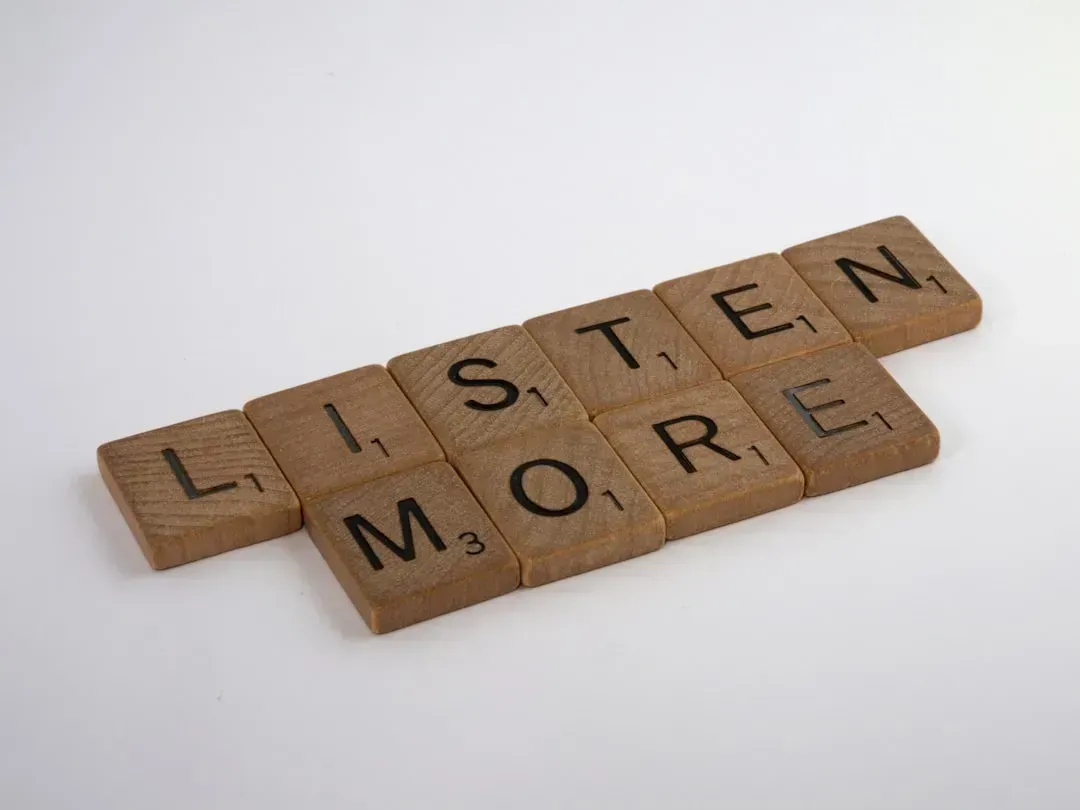
Active listening is probably the most underestimated trust-building tool in existence. It costs nothing. It requires no special skills. Yet most people are genuinely terrible at it, and the damage is immediate.
Not actively listening to someone is a surefire way to lose their trust. It gives the impression that you don’t value their thoughts or opinions, which can lead to feelings of disrespect. And here’s the thing – people almost always know when they’re not being heard. They just rarely say so.
Active listening involves showing interest, responding appropriately, and demonstrating that you understand what the other person is saying. When you fail to listen actively, it sends a message that you don’t care. If people feel you don’t care about them, they’re unlikely to trust you. It really does come down to that. Psychology backs this up, suggesting that being a good listener makes you more likable. It shows that you’re genuinely interested in what others have to say, not just waiting for your turn to speak.