6 Little-Known Facts About 1776–1976 Quarters Rising in Value in 2026
Chances are, you’ve seen these quarters in your loose change. The drummer boy. The 1776-1976 date. They feel like history you can hold, don’t they? Most people assume these coins are just commemorative novelties, worth exactly the twenty-five cents stamped on them.
Let’s be real, roughly ninety-nine percent of Bicentennial Quarters are worth exactly that. They were minted by the billions, flooding circulation for America’s 200th birthday party. Still, there’s a small percentage that’s bucking the trend. Some are quietly climbing auction ladders, fetching hundreds, even thousands.
Why now? Silver prices are surging, collectors are waking up to hidden varieties, and 2026 happens to be the 250th anniversary of American independence. That timing is stirring renewed interest. If you’ve got a stash of old coins somewhere, maybe it’s time to take another look.
Silver Versions Were Never Meant for Your Wallet
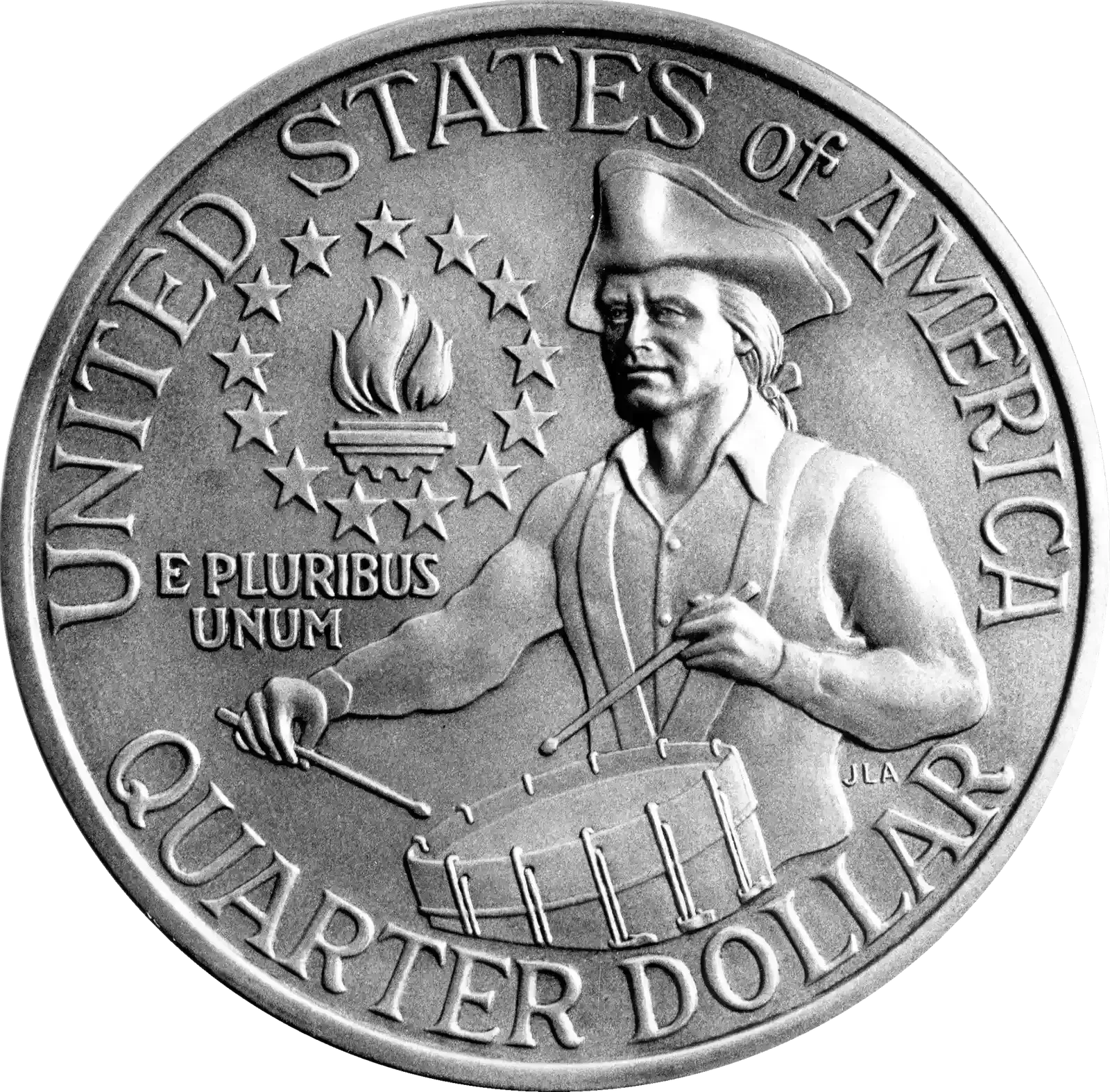
San Francisco struck special 40 percent silver Bicentennial Quarters exclusively for collector sets, never releasing them into general circulation. These coins are comprised of 40 percent silver and 60 percent copper, giving them real intrinsic metal value beyond the face amount.
In 2025, with silver hovering around thirty-two dollars an ounce, silver versions melt for roughly five to six dollars. That’s the absolute floor. Honestly, most fetch more. The 2026 market surge in silver prices has created a high “floor” value for the 40 percent silver varieties.
Identifying one is simple but crucial. A silver quarter displays a solid silver-gray edge, while standard clad quarters show a distinct copper-colored stripe along the rim. Weight tells the truth too. A 40 percent silver quarter weighs 5.75 grams, whereas a copper-nickel clad version weighs 5.67 grams. Tiny difference, massive implications for value. Many people have these tucked away in old proof sets they inherited and never examined closely.
The MS68 Grade Is Where the Money Lives
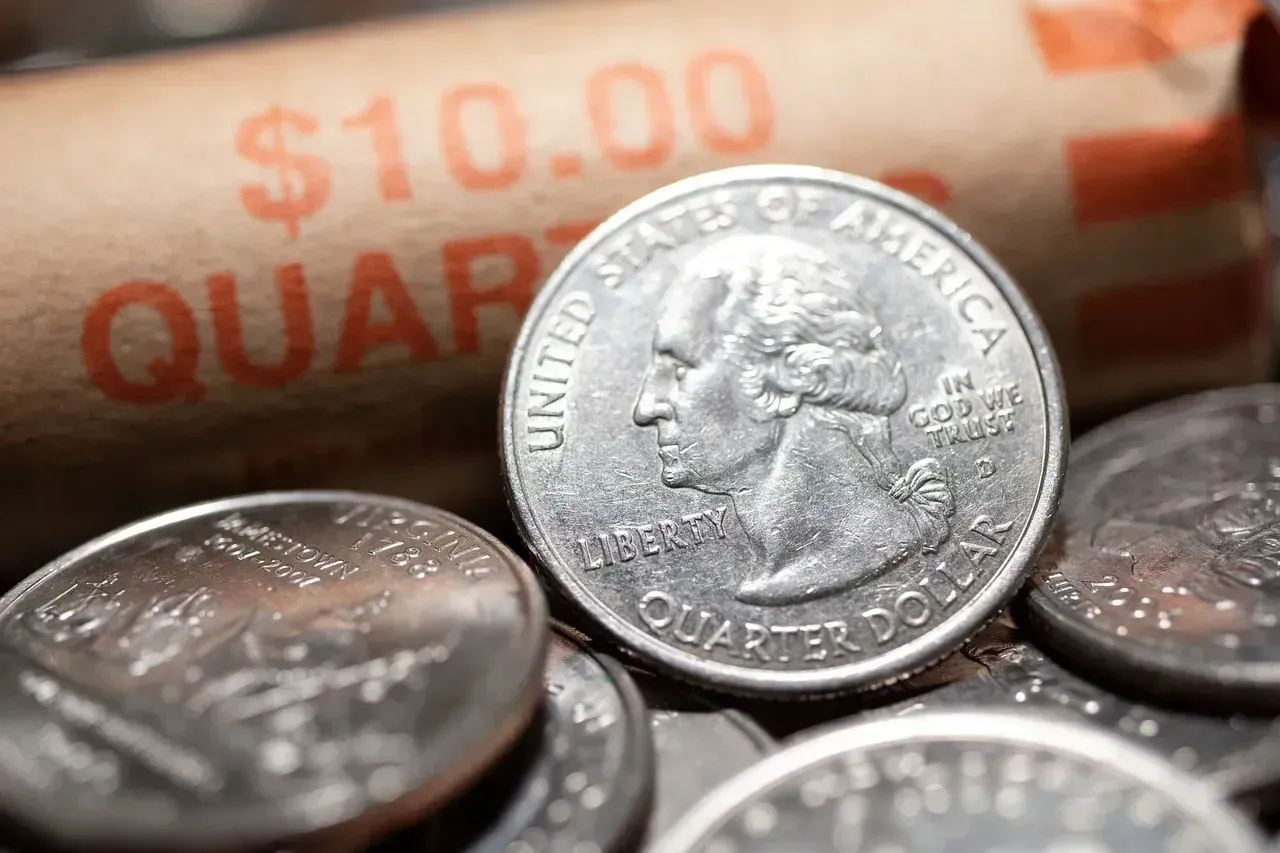
Here’s the thing collectors chase: perfection. In coin grading, MS68 means virtually flawless surfaces with pristine fields and full luster. As of September 2024, PCGS reports only 13 coins graded MS68 for the 1976-D quarter, while NGC reports 15. Think about that. Over 860 million were struck in Denver alone, yet only a handful survived untouched.
MS66 examples generally sell for between ten and forty dollars, and MS67 examples sell for between thirty and one hundred dollars. But MS68? That’s a different ballgame entirely. A PCGS MS68 example sold in a Legend auction for $5,170 in January 2018, and an NGC MS68 example sold in May 2022 for $1,740.
What makes these so rare is simple bad luck and handling. Most quarters rattled around in mint bags, acquiring tiny contact marks called “bag marks.” According to research by Charles Morgan and Hubert Walker, most 1976 and 1976-D bicentennial quarters are attractive, well-made coins but lack sharpness in specific areas, and a fully struck coin without scratches or bag marks is considered a standout example. Finding one in gem condition now feels like archaeology.
Doubled Die Errors Turn Quarters Into Four-Figure Finds
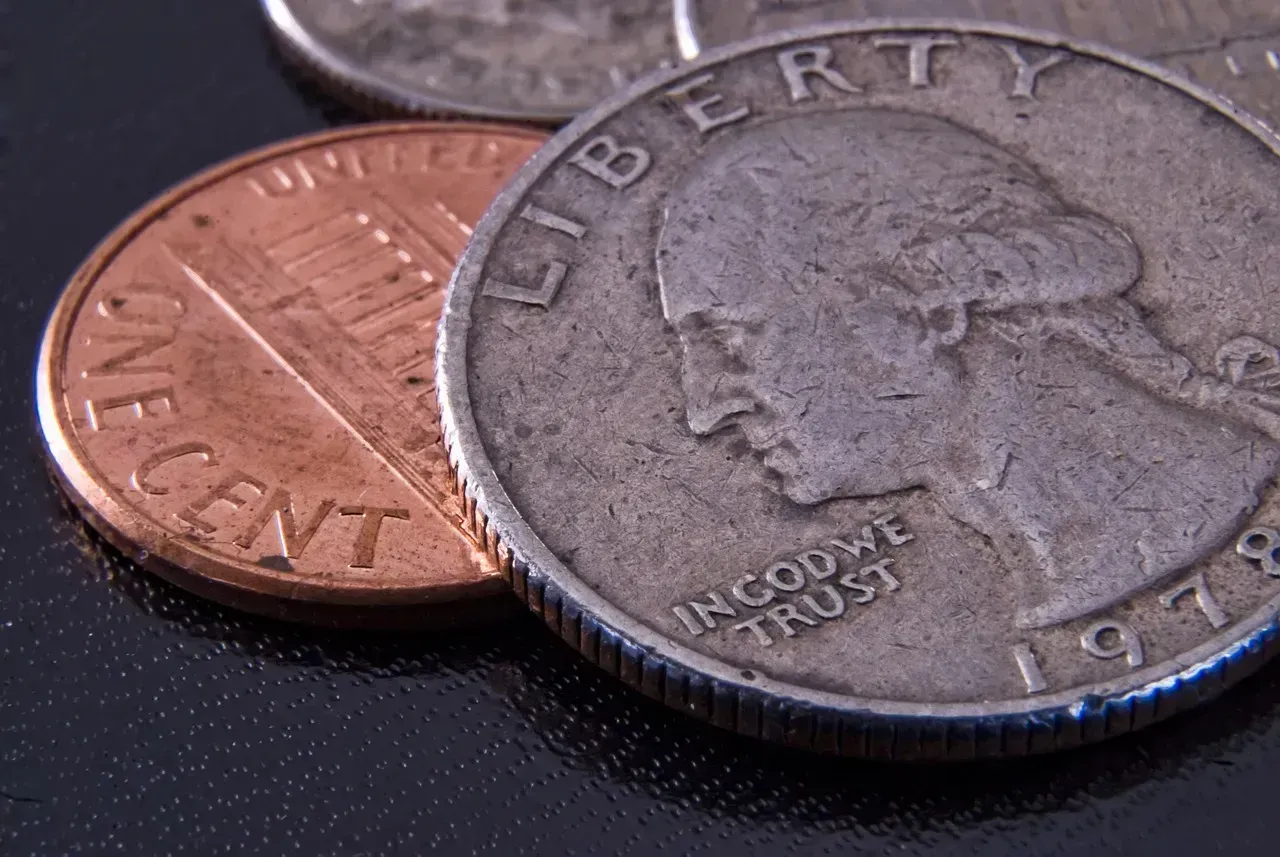
Minting errors shouldn’t add value, right? Wrong. Errors create scarcity, and scarcity drives demand. The 1976-D Doubled Die Obverse shows doubling in the lettering, where the letters appear to have a shadow or secondary outline, and is a legendary rarity that can reach values in the thousands if the doubling is clear and the coin is well-preserved.
FS-101 shows clear doubling on “LIBERTY” and the date “1776-1976,” while FS-102 displays pronounced doubling on “IN GOD WE TRUST” and Washington’s profile details. The FS-101 variety is slightly more common, but even so, finding one takes persistence. A 1976-D PCGS AU55 FS-101 doubled die obverse quarter sold for $474.99, while a 1976-D doubled die obverse quarter graded MS66 sold for $8,400.
It’s hard to say for sure, but most doubled die quarters spent years in circulation before someone noticed the doubling. Finding mint state examples of this error is incredibly rare, making pristine examples extremely special. If you’ve got access to bank rolls or estate coin collections, those are your best hunting grounds. Check the “R” in LIBERTY carefully under magnification. You might be surprised.
The 250th Anniversary Is Fueling Fresh Demand
Timing matters in collectibles. As the United States approaches its 250th anniversary in 2026, the 1976 issues have seen a renewed surge in popularity among a new generation of numismatists. This anniversary celebration isn’t just symbolic – it’s driving real market action.
The market for Bicentennial quarters remains strong in 2026, further fueled by the U.S. Mint’s Semiquincentennial celebration, which has sparked a resurgence in collecting dual-dated coins and driven up demand for high-grade 1776-1976 specimens. Coin shows are buzzing. Online auctions are competitive.
Key trends in early 2026 include increased online auctions driving up bidding competition, rising silver prices boosting silver coin valuations, and AI-based coin scanning tools helping collectors authenticate coins faster. Technology is democratizing access to the hobby, which means more eyeballs on every jar of old quarters. Social media awareness is spreading viral stories of high-value finds, creating a feedback loop of enthusiasm. What was once niche is becoming mainstream.
Wrong Planchet Errors Are the Unicorns
Sometimes the mint strikes a coin on the wrong blank. Imagine a quarter design stamped onto a nickel planchet, or a dime. These aren’t just rare – they’re practically mythical. PCGS has a 1976-D 25C Bicentennial Quarter Struck on a Nickel Planchet Error on record, graded MS67 and certified by NGC, which sold for more than $5,000.
One of the most extraordinary mint errors ever discovered was a 1976-S Bicentennial Quarter mistakenly struck twice on an already-struck clad dime, creating a rare double denomination error. These oddities escape the mint because quality control isn’t perfect, especially during high-volume commemorative runs.
Identifying a wrong planchet error takes attention to detail. Weight is off. Color might look strange. Coins struck on the wrong metal will often look different in color and weight, and a clad quarter struck on a 40 percent silver planchet will be slightly different in hue and heavier when precisely weighed, with unusual color, edge differences, and weight inconsistencies compared to standard clad quarters. If something feels weird about your coin, trust your instincts and get it checked. These are the finds that make headlines.
Proof Quarters With Deep Cameo Finish Command Premiums
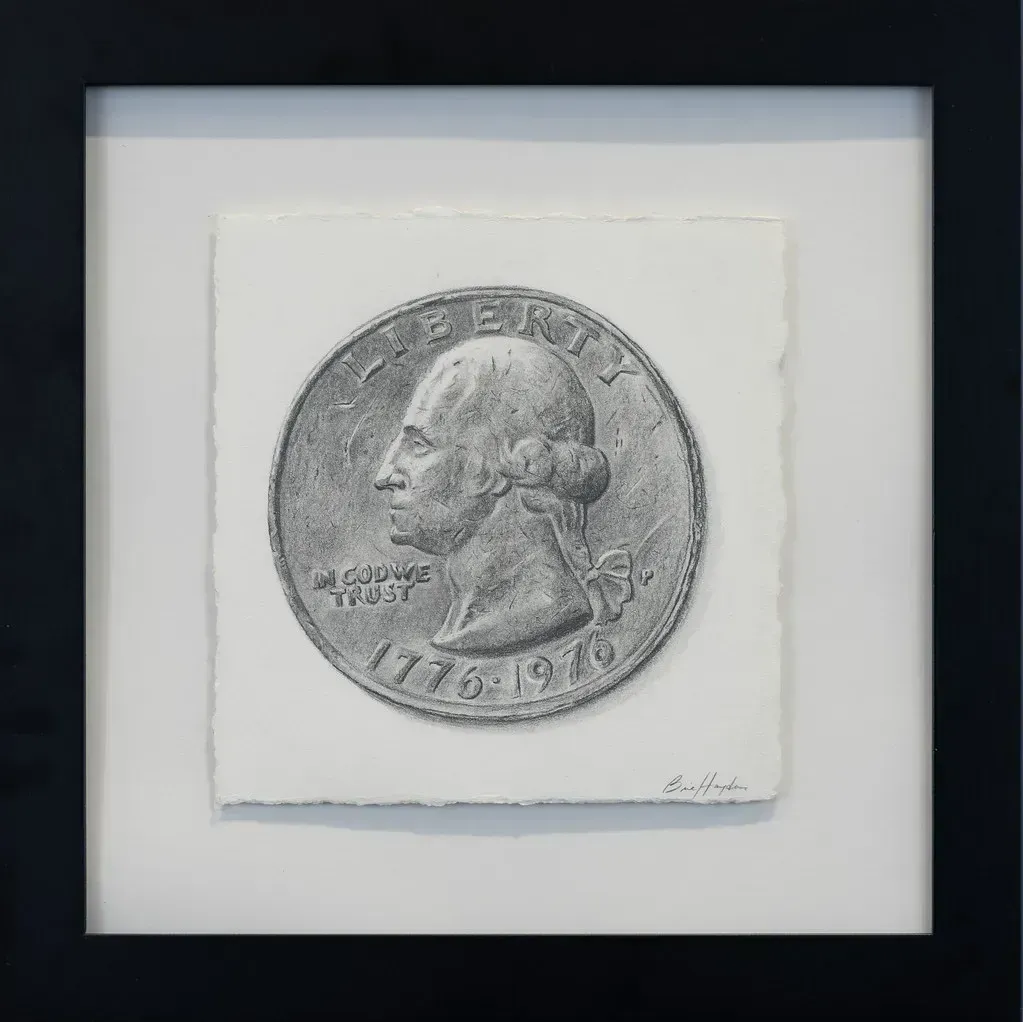
Proof coins are minted specifically for collectors using polished dies and specially prepared planchets. Proof coins are specially manufactured for collectors using polished dies and planchets, resulting in exceptional detail and mirror-like surfaces. The best proofs exhibit “Deep Cameo” contrast – frosted design elements against mirror-like fields.
The 1976-S Silver Proof Bicentennial Quarter, particularly the Type 2 version with sharper lettering and improved strike quality, is one of the most sought-after varieties, and coins graded PR70 (perfect proof) by PCGS or NGC are valuable to high-end collectors, with only a small handful preserved in pristine condition, and a PR70 example sold for over $19,000 in early 2025.
That’s not a typo. Nineteen thousand dollars for a quarter. The most expensive Bicentennial quarter ever sold achieved this price, showing remarkable appreciation from $5,888 in 2007 to over $19,000, reflecting growing recognition of how rare these silver business strikes truly are. The coin came from a respected collection and boasted flawless preservation with subtle champagne toning.
Most silver proofs aren’t worth that much, naturally. Deep cameo PR69 examples of the commemorative coin can reach from fifteen to forty dollars in auctions, while in PR70 uncirculated conditions prices may reach up to $288. Still, that’s solid money for patient collectors who bought proof sets decades ago and stored them properly. Condition is everything when it comes to proofs. A single fingerprint can knock down the grade and cut value significantly.
What do you think – did any of these surprises catch you off guard? If you’ve got Bicentennial Quarters sitting in a drawer, maybe it’s time to give them a second look. Not every coin is a goldmine, but a few might just fund your next weekend getaway.