Ghost Mansions: Why the 5-Room Forever Home Is Becoming an Unsellable Burden for Boomers
Picture the classic American dream: a spacious suburban home with multiple bedrooms, a manicured lawn, and room for the whole family. For decades, Baby Boomers embraced this vision wholeheartedly, snapping up large homes when prices were reasonable and mortgages felt manageable. Fast forward to today, and many of those same homeowners find themselves rattling around in properties that have quietly transformed from cherished family sanctuaries into financial and emotional burdens. The kids have moved out, the stairs have become steeper, and the housing market has shifted in ways nobody quite predicted.
What’s happening now isn’t just about aging in place. It’s about a fundamental mismatch between what Boomers own and what younger buyers actually want or can afford. The result? A growing inventory of what some are calling “ghost mansions” – homes filled with empty bedrooms and fading memories, increasingly difficult to sell at prices their owners expect. Let’s explore why this phenomenon is unfolding and what it means for everyone involved.
The Numbers Don’t Lie: Boomers Dominate Large Home Ownership
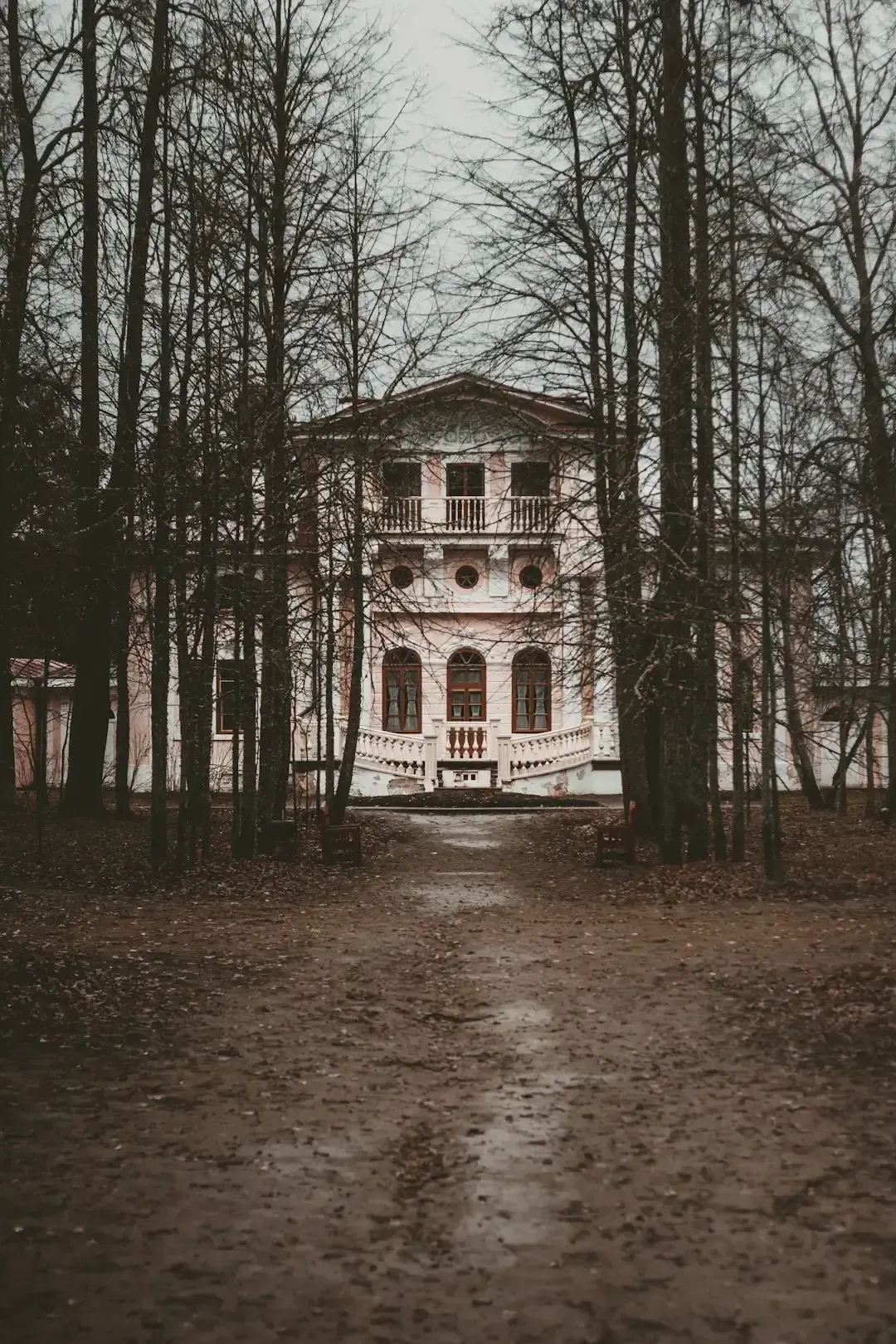
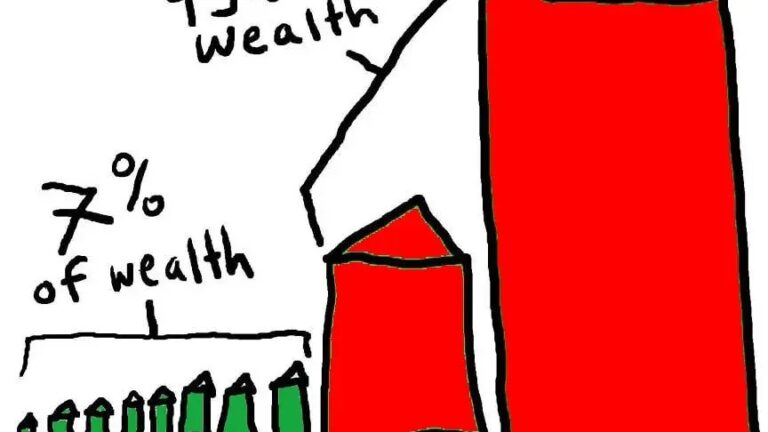
Empty-nest baby boomers own nearly three in 10 large U.S. homes, which is twice as many as millennials with kids, who own just over 14 percent of the country’s large homes, according to Redfin analysis. Think about that for a moment. The generation that should theoretically be downsizing controls the vast majority of spacious properties that young families desperately need. While baby boomers comprise just over 20 percent of the U.S. population, they account for more than 37 percent of homeowners nationwide.
Here’s where it gets interesting. Just 15 percent of current boomer homeowners expect to sell their properties in the next five years, while more than half never plan to sell, based on research from Clever Real Estate. That’s not a typo – over half plan to stay put indefinitely. Meanwhile, baby boomers dominated the selling side in 2024, accounting for 53 percent of all sellers, yet they’re simultaneously buying homes at record rates, making up 42 percent of all buyers according to the National Association of Realtors’ 2025 report.
The Geographic Disconnect: Empty Nests in All the Wrong Places
Location matters more than most people realize. Pittsburgh had the greatest percentage of empty-nest households at 22 percent, followed by Buffalo, NY at 20 percent, Cleveland at 20 percent, Detroit at 19 percent, St. Louis at 19 percent, and New Orleans at 18 percent among the 50 largest U.S. metro areas. Notice a pattern? These aren’t exactly the booming job centers where Millennials and Gen Z are flocking.
Younger people simply don’t want what older people are selling, because the empty nesters are located in places where job prospects for their younger children are not as good, explained Tim Savage, a clinical assistant professor at NYU. The tech sector and major employers have pulled young workers toward expensive coastal cities and thriving metros like Austin, Seattle, and Denver – places with far fewer empty-nest homes available. It’s a cruel irony: there’s housing supply where nobody wants to live, and crushing shortages where everyone does.
The Financial Trap: Why Downsizing Doesn’t Make Sense Anymore
Let’s be real – the math just doesn’t work for many Boomers contemplating a move. Most boomers own their homes free and clear, and most who have a mortgage have a low rate, diminishing their motivation to relocate. When you’re sitting on a 3 percent mortgage (or no mortgage at all), why would you voluntarily take on a 6 or 7 percent rate to buy something smaller? You wouldn’t, unless you absolutely had to.
The situation gets even more absurd when you look at actual costs. Some Boomers discover that smaller homes in desirable areas – think single-level condos with amenities and walkability – can cost more than their current four-bedroom houses. Add in homeowner association fees, moving expenses, and real estate commissions, and suddenly staying put becomes the only financially rational choice. Nearly 69 percent of U.S. homes with an outstanding mortgage have a fixed-rate of 5 percent or lower, and slightly more than half have a rate at or below 4 percent, according to Realtor.com data.
The Unsellable Reality: When Forever Homes Become Albatrosses
Here’s where things get uncomfortable. Millions of American homes could become unsellable between now and 2040, with many baby boomers and members of Generation X struggling to sell their homes as they become empty nesters, and the change in home-buying behaviors by younger generations may result in a glut of homes that could grow as high as 15 million by 2040, according to University of Arizona research.
The prediction would undermine one of the big promises of homeownership for millions of seniors: that a home, after it’s paid off, can be sold for a retirement nest egg – but what if you pay off your mortgage over 30 years and nobody buys the home? That’s the nightmare scenario playing out for some homeowners right now. The homes they counted on as their primary financial asset may not deliver the windfall they expected.
Millions of millennials and members of Generation Z may not be able to afford those homes, or they may not want them, opting for smaller homes in walkable communities instead of distant suburbs. Younger buyers have fundamentally different priorities – they value urban amenities, shorter commutes, and lower maintenance over square footage they don’t need.
What Happens Next: No Easy Solutions in Sight
The so-called “silver tsunami” that experts predicted would flood the market with inventory? It’s looking more like a slow trickle. A wave of downsizing and declining homeownership rates among baby boomers is expected to bring more than 9 million homes onto the market in the next decade, but the tsunami is more like a tide, bringing a gradual exit that will mostly be offset by new entrants, according to Freddie Mac analysis.
Even when deaths eventually free up properties, the impact will be muted. It takes about four deaths to equate to one home listed for sale, and if there were three to three and a half million deaths per year for the next decade, then less than 1 million homes would be listed for sale annually, John Burns Research and Consulting found. Many properties get passed to heirs or retained by surviving spouses rather than hitting the open market.
Meanwhile, sales have been stuck close to a 4-million annual pace now going back to 2023, well short of the 5.2-million annual pace that’s historically been the norm. The housing market remains fundamentally frozen, caught between sellers who won’t budge and buyers who can’t afford what’s available.
The American dream of homeownership is evolving whether we like it or not. For Boomers facing this reality, the “forever home” might need to live up to its name in ways they never intended. For younger generations, the path to homeownership looks increasingly different from what their parents experienced – smaller spaces, different locations, creative financing, or simply accepting that renting might make more financial sense. What’s clear is that those spacious suburban homes aren’t the universal aspiration they once were, and pretending otherwise won’t solve anyone’s housing problems. Have you noticed these changes in your own neighborhood?