8 Antique China Sets That Are Still Worth a Fortune
Most of us have a dusty old cabinet somewhere holding a china set that belonged to our grandparents. Chances are, we assume it’s sentimental at best. Here’s the thing, though: some of those sets are quietly sitting on fortunes most people never think to unlock. The antique china market is far from a relic of the past. It is alive, fierce, and still producing jaw-dropping auction results in 2025 and 2026.
The world of antique Chinese ceramics continues to captivate collectors and investors with astounding prices at major auctions. While the most valuable pieces often sell for millions at prestigious auction houses, there’s also a thriving market for more accessible antique china on platforms like eBay. So before you donate that inherited dining set to a charity shop, you might want to read this first. The eight sets below are the real deal. Let’s dive in.
1. Meissen “Blue Onion” Dinnerware Sets
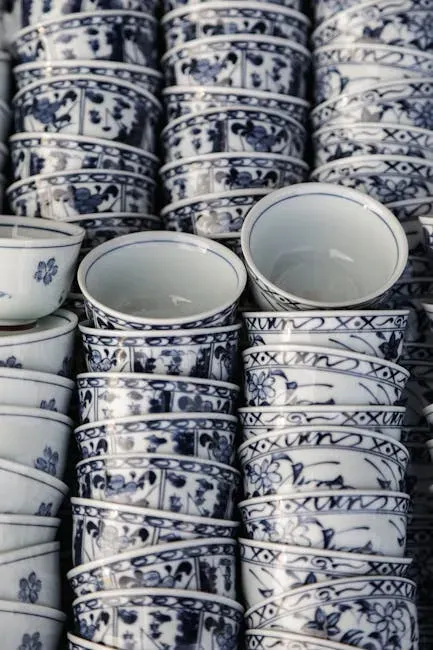
Few names carry as much weight in the porcelain world as Meissen. Meissen is the first manufacturer of hard-paste porcelain in Europe. August the Strong, Elector of Saxony, tasked the alchemist Johann Friedrich Böttger and Physicist Ehrenfried Walther von Tschirnhaus to discover the secrets of creating white porcelain like the increasingly popular Chinese ceramics. In 1708 they succeeded, and in 1710 Augustus established the Royal Polish and Electoral Saxon Porcelain Manufactory at Meissen.
The signature crossed swords mark, taken from the coat of arms of the Electorate of Saxony, was introduced in 1722 to proclaim the exceptional quality and authenticity of Meissen porcelain. Their iconic Blue Onion pattern, introduced in 1739, is still in production today, but the antique versions are a totally different ballgame. Blue Onion is an iconic blue and white pattern inspired by Chinese porcelains, and European decorators actually misinterpreted the Chinese peaches and melons depicted in the original source as onions.
A 19th and 20th century set of 200-plus pieces sold for $23,894 in 2025, which tells you everything you need to know about the appetite collectors still have for these pieces. Honestly, a set this large with this kind of provenance will only become harder to find. Hand-painted china sets, like those from brands like Meissen or Sèvres, are often more valuable than mass-produced transferware.
2. Sèvres “Service de la Table du Roi” (Royal French State Service)
This one almost feels like sitting across from history itself. The service is most commonly referred to as the Service de la Table du Roi and was originally commissioned by King Louis Philippe for the Chateaux de Compiegne and the Chateau de Saint Cloud. The “fond bleu agate” appeared on hard paste porcelain at Sèvres in the late 18th century. In January 1832, a “fond bleu agate” service was delivered to the Chateau de Saint-Cloud.
The auction records for this service are genuinely staggering. An original 1832 set of 12 plates sold for $7,000 in 2025, while an original 1832 set of 120-plus pieces sold for $60,480 in 2024, and a 20th century reproduction set of 80-plus pieces sold for $30,000 in 2024. Even the reproductions command serious money at auction, which should give you a sense of how coveted the originals truly are.
China from top-tier companies like Meissen, Sèvres, and Worcester is usually more valuable than pieces from lesser-known factories. Certain artists, designers, and modelers can also add to value. With Sèvres, the combination of royal provenance and extraordinary craftsmanship makes every piece feel irreplaceable. I think it’s safe to say that anyone holding a genuine 1832 set is sitting on one of the most remarkable finds in modern antique collecting.
3. Herend Rothschild Bird Pattern
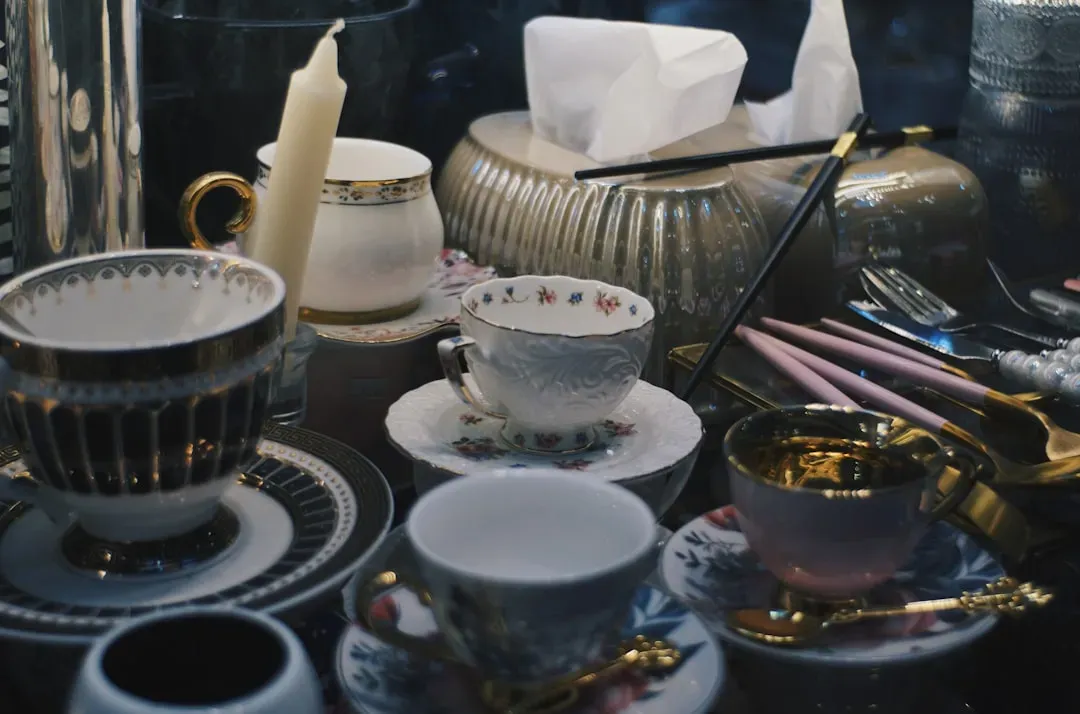
The Herend Manufactory was founded in 1826 by Vince Stingl in the village of Herend, which was then in the Austro-Hungarian Empire. In the late 1830s, Mór Fischer took over and switched the focus from earthenware to porcelain to take advantage of the growing European market for fine china. Their rise was nothing short of meteoric. Participation in the 1851 Crystal Palace Exhibition in London, the 1853 Exhibition of the Industry of All Nations in New York, and the 1855 Exposition Universelle in Paris rocketed Herend porcelain to popularity.
Herend’s Rothschild Bird pattern features different scenes of birds in natural settings surrounded by flowery branches and butterflies. What makes this china dinnerware special is the 24-karat gold accents. Baron Rothschild is said to have commissioned this pattern in the 1860s after finding a lost bird pendant in the Herend factory garden. Whether that story is entirely true or not, it adds to the mystique considerably.
Each piece is hand-painted by artisans with years of training, and the pattern features 24-karat gold accents. The most valuable pieces come from the 19th century, particularly large dinnerware sets and large pieces like soup tureens, reaching up to $2,500 or more per piece. A full 19th-century dinner service in pristine condition can reach values collectors only dreamed of a generation ago. A 120-plus piece set sold for $5,500 in 2025, and a 20th century 170-plus piece set sold for $9,500 in 2024.
4. Sèvres Marie Antoinette Pattern
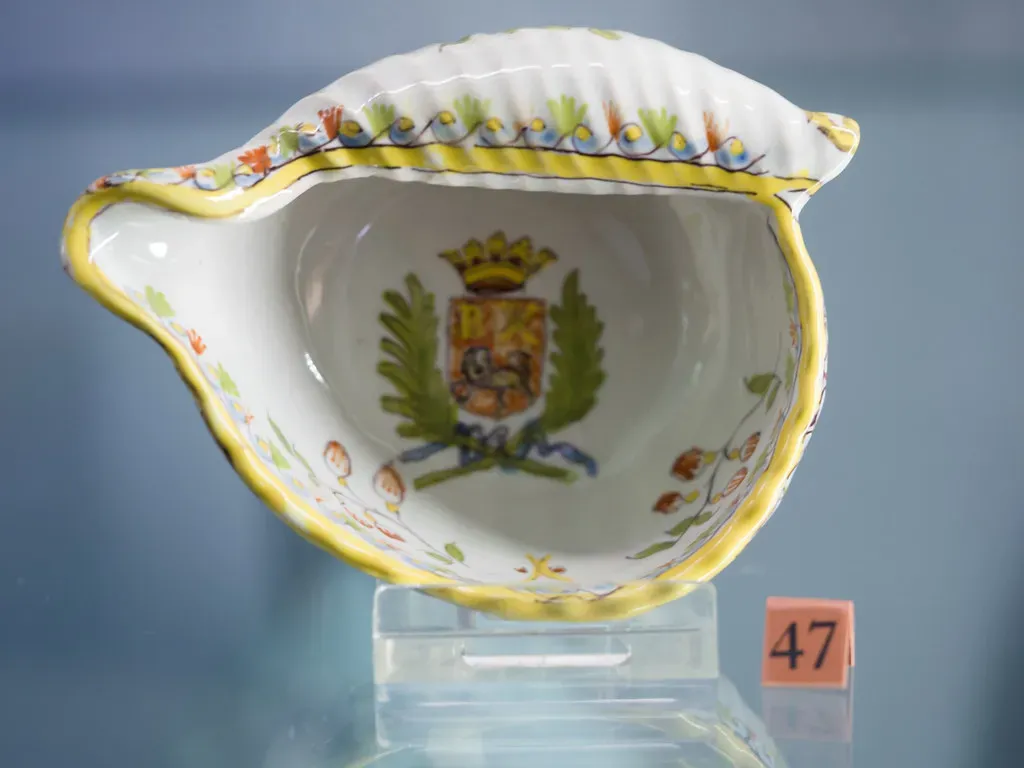
Few china patterns carry a name more dramatic than this one. The Marie Antoinette pattern was originally created in 1782 for the personal use of Queen Marie Antoinette herself, and features green bands with blue flowers. Think about that for a moment. A pattern designed for one of history’s most iconic figures, still being collected and sold at auction centuries later. That is a legacy most brands could only dream of.
The collector market for this pattern remains active and surprisingly strong. A replica Limoges set by Bernardaud of 90-plus pieces sold for $5,500 in 2024. What is fascinating here is that even the replica sets command thousands of dollars, meaning the originals, when they surface, attract fierce bidding wars from serious collectors. The pattern’s sheer cultural weight makes it almost impossible to resist for a certain type of buyer.
Provenance matters enormously in this world. Whether a piece has an interesting history of ownership, or was part of a famous collection or commissioned by a royal patron, documented provenance can dramatically increase value. Few patterns check every box on that list quite like the Marie Antoinette. It’s royal, historical, rare, and beautiful all at once.
5. Imperial Qing Dynasty Falangcai Porcelain
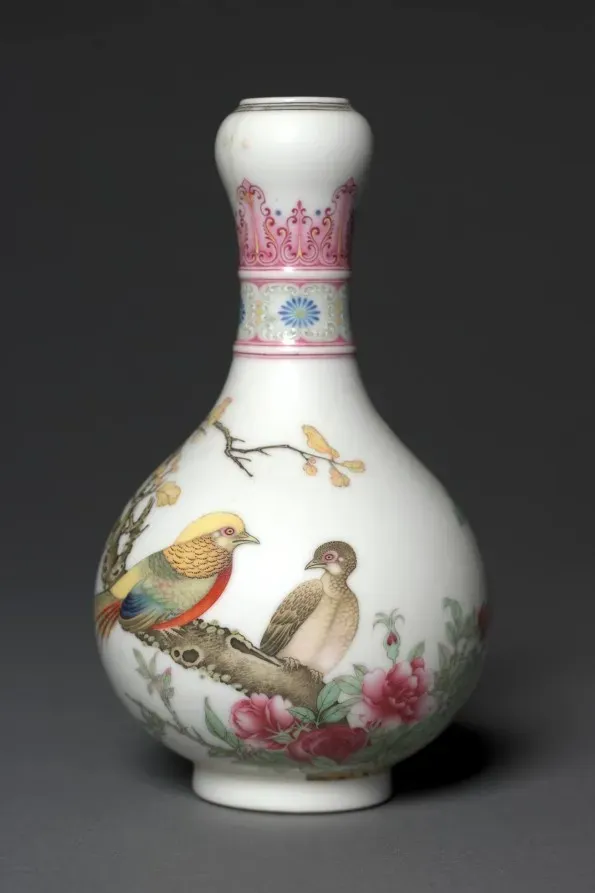
Let’s be real: this is where antique china becomes genuinely jaw-dropping. Falangcai, which can be translated as “foreign colours,” are among the rarest and most celebrated imperial ceramic wares of the Qing dynasty (1644-1911). Unlike most other wares of that period, the production of falangcai was small in scale, subject to close scrutiny by the Emperor, and made exclusively for the imperial court and royal family.
In 2006, an 18th-century imperial falangcai porcelain bowl sold for a then-world-record price in Asia. Seventeen years later, its distinguished owner Dr. Alice Cheng decided to offer this gem of imperial porcelain at Sotheby’s Hong Kong, and it eventually sold for HK$198 million (US$25.25 million), taking the crown as 2023’s most expensive Chinese ceramic sold at auction.
Chinese imperial porcelains have repeatedly shattered auction records to achieve record-setting prices globally. Chinese porcelains are prized for their exquisite craftsmanship, historical significance, and the imperial provenance adds additional appeal to collectors, driving prices into the millions. The Qing dynasty produced ceramics of almost incomprehensible refinement, and those that survive intact represent some of the most prized objects in the world. The increased interest and purchasing power from Mainland China since the late 1990s has led to a significant rise in prices.
6. Tiffany & Co. “Cirque Chinois” by Camille Le Tallec
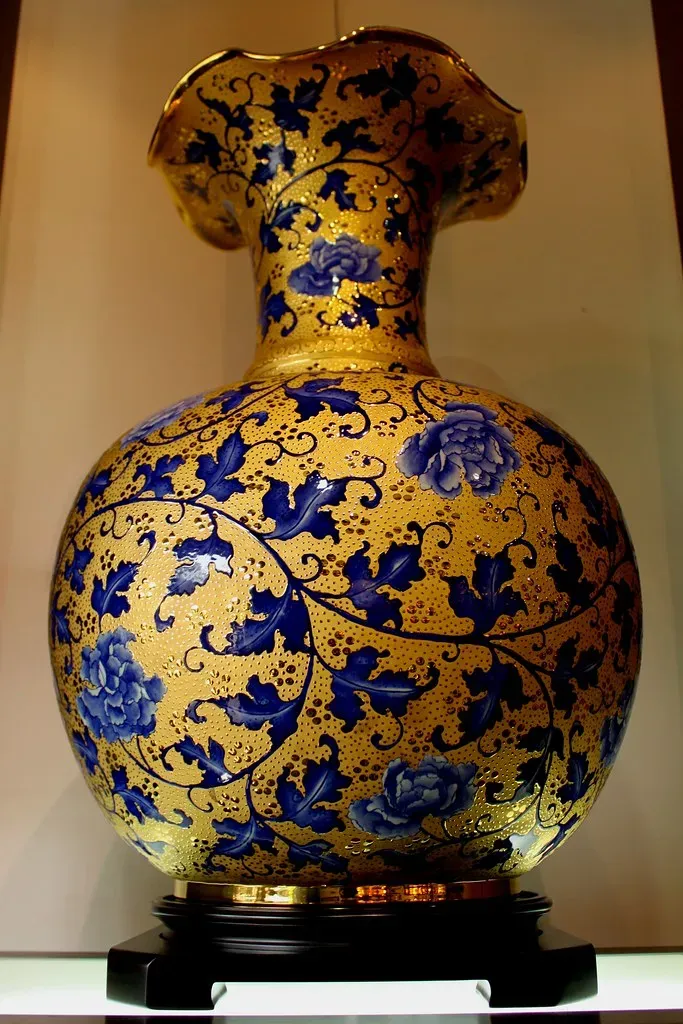
Here is one that surprises even seasoned collectors. Cirque Chinois was designed by Camille Le Tallec (French, 1906-1991) and made in France, featuring various hand-painted multi-colored Chinoiserie figures with horses and pagodas on white porcelain. The craftsmanship is extraordinary, the aesthetic entirely unique, and the story behind it fascinates dealers and buyers alike.
The pattern was eventually discontinued, which has driven demand sharply upward. A 69-piece set sold for $16,000 in 2025, a 37-piece set sold for $13,000 in 2024, and a 96-piece set sold for $40,000 in 2021. Those are not insignificant numbers. A full larger set in excellent condition is genuinely worth pursuing if you ever encounter one at an estate sale.
The rarer the pattern, the more valuable a china set. Generally, limited edition antique china patterns or those produced in small quantities are sought-after. Cirque Chinois ticks both boxes, being discontinued and hand-painted with a very specific artistic vision. It’s the kind of set that rewards patience and knowledge in equal measure.
7. Herend Queen Victoria Pattern
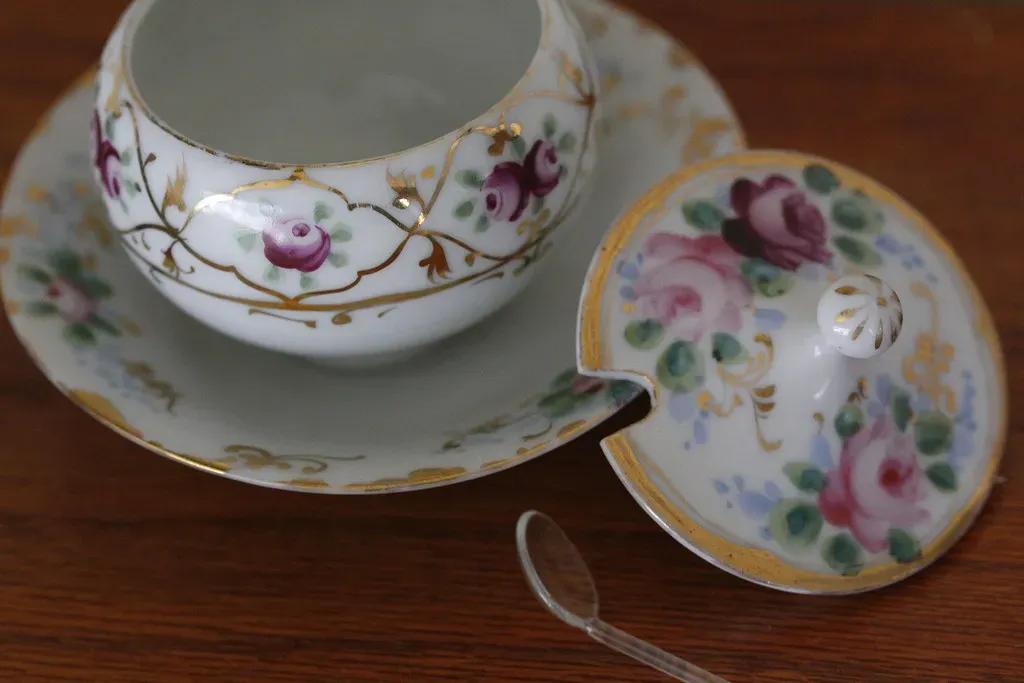
The name alone should give you a sense of the history packed into each piece. The Queen Victoria china pattern was first presented during the London World Exhibition in 1851. There, it caught the eye of Queen Victoria herself, who ordered a large table service in the pattern for Windsor Castle. The pattern was subsequently named Queen Victoria and became one of Herend’s most popular designs.
Herend Porcelain occupies a singular place in the world of luxury European ceramics. The firm’s vast range of figurines and distinctive patterns are visually striking and notably different from those of other major porcelain producers like Meissen or Sèvres. Whereas the latter tend to feature discrete decorative elements that appear to float on a white background, Herend favors large, bold designs for its porcelain, with its serving pieces, dishes and other works incorporating historical scenes, animals or vegetation.
Auction results confirm this pattern’s enduring pull. A 120-plus piece set sold for $5,500 in 2025, and a 20th century 170-plus piece set sold for $9,500 in 2024. These prices reflect the market for newer production sets. Genuine 19th-century examples, especially those with documented provenance connecting them to aristocratic estates, push significantly higher. Full antique china dinner sets with 50-plus items sell for premium values compared to small sets of a few plates or single items.
8. Ming Dynasty Blue-and-White Wucai Export Sets
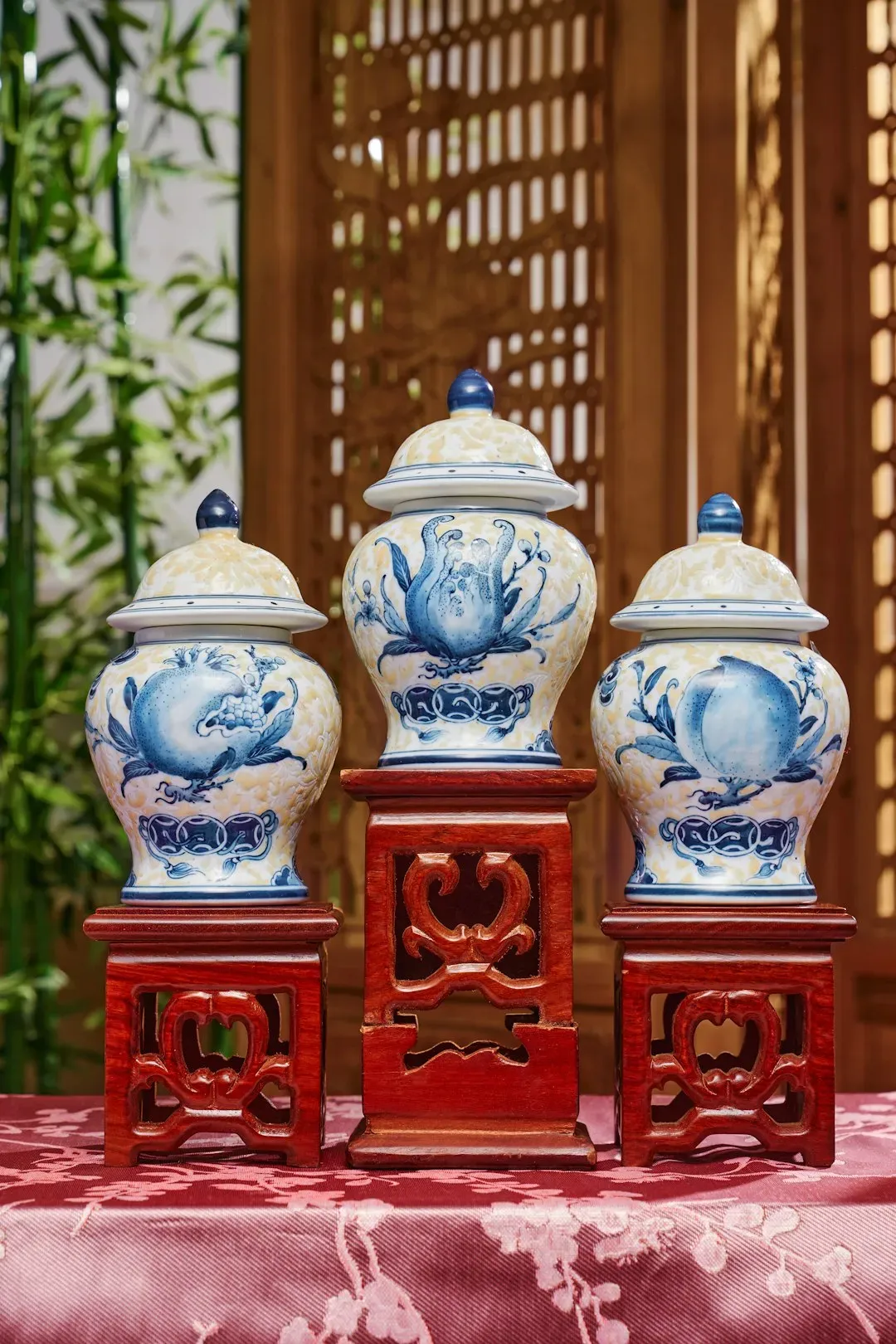
We’ve saved the most historic for last. Ming Dynasty porcelain is not just antique china, it is a window into one of the most creatively explosive periods in human ceramic history. A Rare Wucai Fish Jar and Cover from the mid-16th century sold for approximately $27 million at Christie’s in 2017. This incredibly detailed jar exemplifies the pinnacle of Ming Dynasty craftsmanship.
A stunning collection of rare Chinese porcelain from the Ming Dynasty ignited a fervent bidding war at Bonhams Hong Kong in August 2025, with the auction showcasing several pieces that experts describe as “exceptional finds” for the current market. The highlight was a 15th-century blue-and-white vase that sold for HKD 23.4 million (approximately $3 million), exceeding pre-sale estimates by nearly 50%.
Bonhams also reported robust sales across the board, including smaller porcelain items such as bowls, plates, and jars from the late Ming and early Qing periods. These pieces, ranging from $50,000 to $500,000, attracted a diverse range of buyers including museums, dealers, and private collectors from Europe, North America, and China. The sheer breadth of that buyer pool is remarkable. When museums, dealers, and private collectors are all competing for the same pieces, prices can only move in one direction. Only a handful of comparable lidded fish jars exist, and most are part of institutional collections such as Beijing’s Palace Museum, which places surviving pieces in an elite category of Ming imperial porcelain.