13 Classic American Dishes That Have Become Nearly Impossible to Find Today
Walk into most diners or family restaurants these days, and you’ll notice something missing. Those hearty, traditional dishes your grandparents raved about have quietly vanished from menus across America. Many old American dishes disappeared as food safety standards improved, tastes evolved and researchers highlighted health concerns linked to certain ingredients and cooking methods. The shift tells a story about changing appetites, modern lifestyles, and the foods we’ve left behind. Let’s explore which classic American favorites have become culinary relics.
Liver and Onions
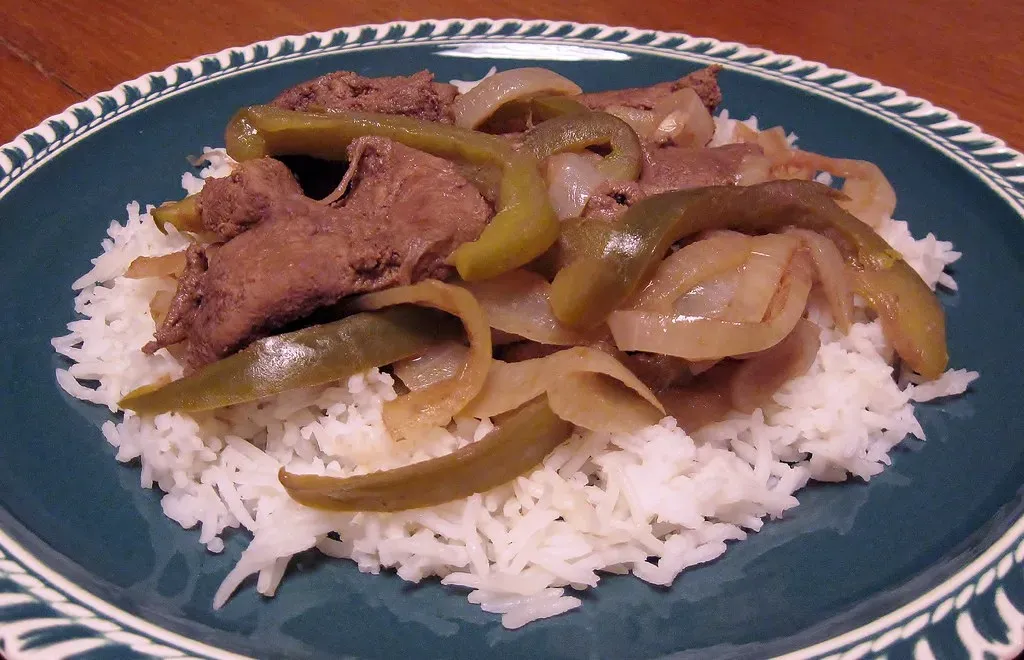
Once a popular dish, liver and onions has all but disappeared from the culinary radar. This iron-rich organ meat was a dinnertime staple throughout the mid-20th century, praised for its nutritional value and affordability. Yet walk into a restaurant today and you’ll be hard-pressed to find it listed anywhere. The texture alone has divided diners for generations, with its metallic flavor profile and tendency to toughen when overcooked making it a tough sell to modern palates. Though a handful of old-school diners and cafeteria-style establishments like Luby’s nostalgic French Grilled Liver and Onions still serve it, most restaurants have abandoned ship entirely.
Savory Jell-O Salads

Jello salad fell out of fashion in the 1960s and 70s. These shimmering towers of gelatin once dominated potluck tables and holiday spreads throughout the 1950s. In response to the mid-century popularity of jello salads, Jell-O released several savory flavors, including seasoned tomato and celery. Picture lime-flavored gelatin encasing shrimp, cottage cheese, or even tuna. Honestly, it sounds pretty wild by today’s standards. The rise of Julia Child and the popularization of French cooking in the United States made the jello salad appear less elegant, and dieting trends eventually turned against sugary food like Jell-O. Now relegated mostly to the rural Midwest and Utah, these gelatinous creations remain more of a nostalgic curiosity than an actual menu item.
Chicken à la King
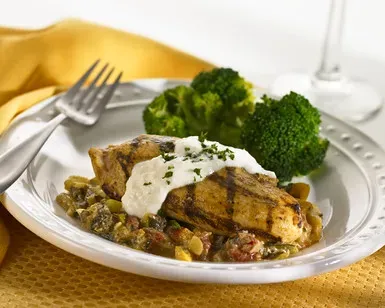
Chicken à la King, featuring chicken in a creamy sauce with vegetables, often served over rice, pasta, or bread, has seen its popularity decline as dining trends lean towards bolder, global flavors. This dish epitomized comfort in the early to mid-20th century, when cream-based sauces ruled supreme. Yet modern diners crave excitement and international flair. Its rich, creamy sauce and simple ingredients have fallen out of favor as diners seek more diverse and health-conscious options. The bland beige appearance doesn’t exactly scream Instagram-worthy either. While some hotel restaurants and old-fashioned supper clubs might still whip up a batch, Chicken à la King has mostly retreated into culinary history books.
Beef Tongue
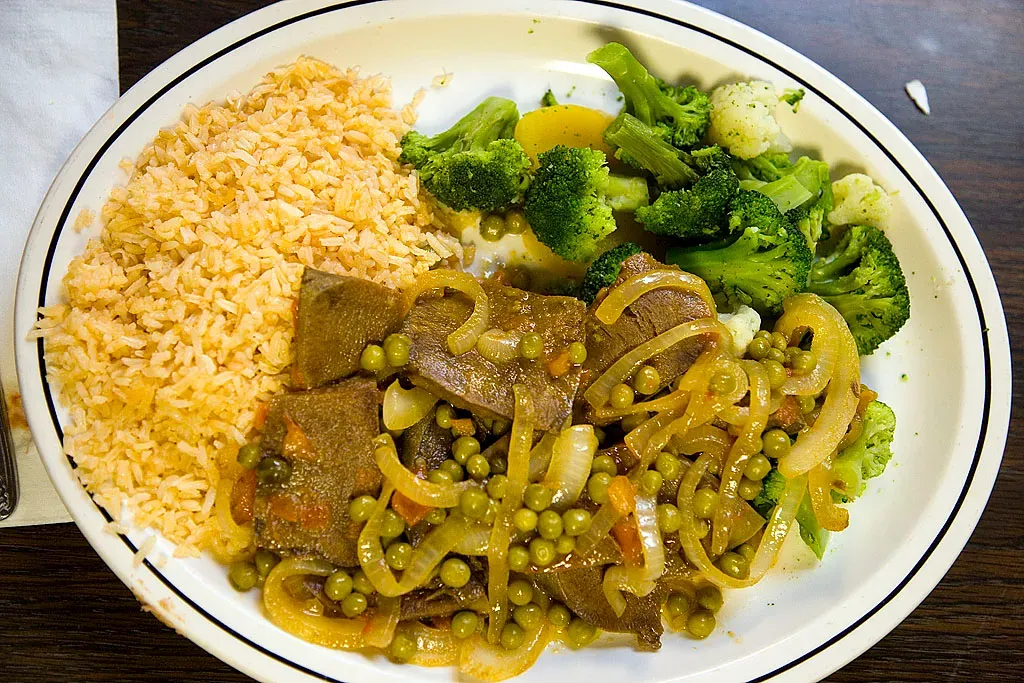
Beef tongue was once considered a delicacy in American households, particularly among immigrant communities who valued nose-to-tail eating. Braised until tender and often served with a tangy sauce, this cut offered rich flavor and melt-in-your-mouth texture. The organ meat movement of previous generations valued every part of the animal, making tongue a budget-friendly protein option. Yet as Americans moved away from offal and embraced more conventional cuts, beef tongue gradually disappeared from mainstream menus. You might still find it at authentic Mexican taquerías or Jewish delis, but the average American diner today wouldn’t dream of ordering it.
Waldorf Salad
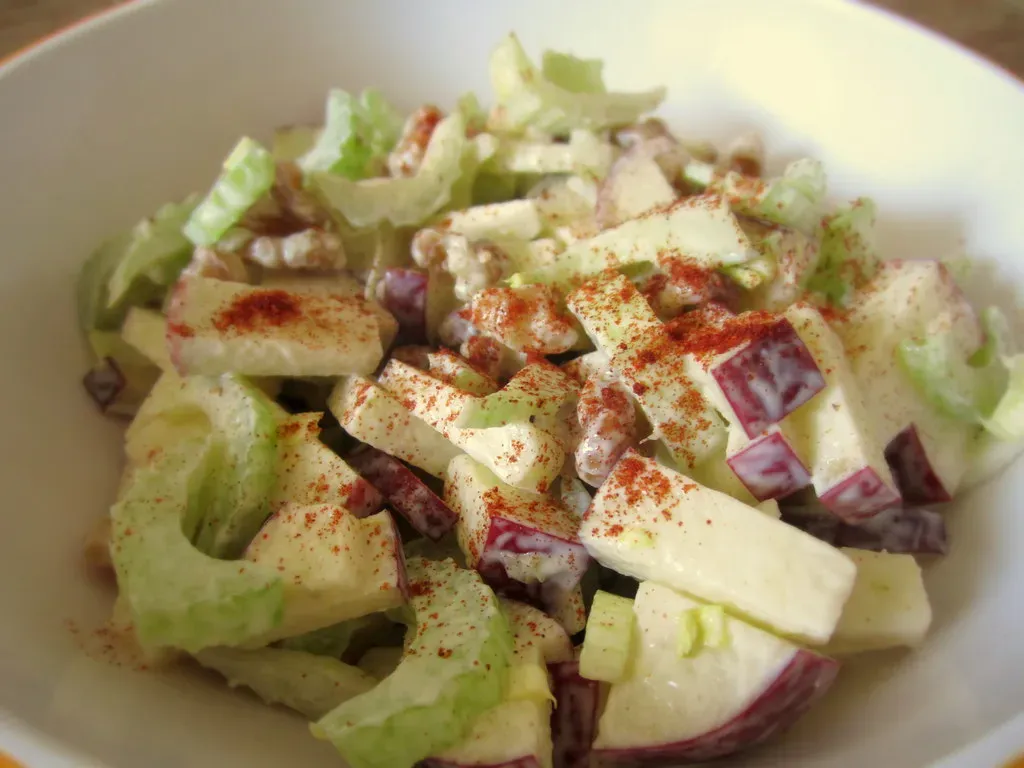
Today, the Waldorf Salad serves more as a historical footnote in culinary history than a common menu item. Despite this, its classic combination of flavors and textures still appeals to those who appreciate traditional American cuisine. Created at New York’s Waldorf Hotel in the 1890s, this apple, celery, and walnut combination bound with mayonnaise represented sophistication and elegance for decades. It’s hard to say for sure, but its creamy sweetness feels out of step with the lighter vinaigrettes and fresh greens that dominate salad culture now. The mayonnaise-heavy dressing doesn’t align well with contemporary preferences for healthier, less processed ingredients. Though you’ll occasionally spot it at old-school country clubs or grandmother’s lunch table, the Waldorf has lost its seat at America’s dinner table.
Tuna Noodle Casserole
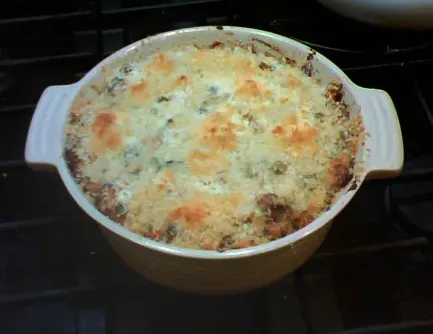
Tuna casserole, a product of mid-20th-century convenience cooking, combines canned tuna, cooked pasta, and canned soup, often topped with crushed potato chips or breadcrumbs. This dish screamed efficiency during post-war America when housewives juggled multiple responsibilities and convenience foods provided salvation. The creamy, comforting mess of noodles, canned soup, and crushed chips satisfied hungry families on tight budgets. Its popularity has waned due to its association with bland, processed flavors and a shift towards fresher, less processed ingredients. Let’s be real, modern cooks want fresh herbs, quality proteins, and vibrant flavors. The processed taste of canned cream of mushroom soup just doesn’t cut it anymore.
Ambrosia Salad
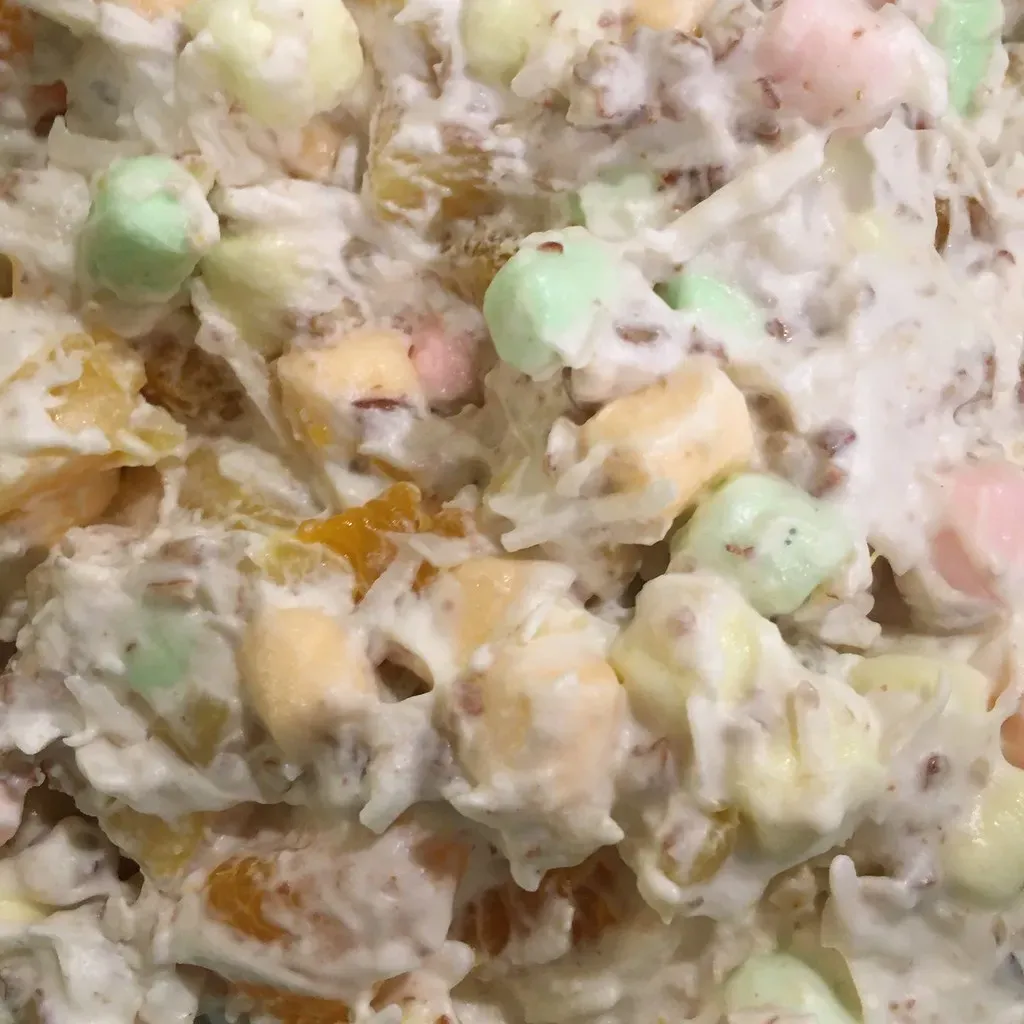
Ambrosia, a fruit salad traditionally made with pineapple, coconut, marshmallows, and cherries, often bound with whipped cream or yogurt, has seen a decline as a popular dessert or side dish. This sugar-laden concoction walked the line between salad and dessert, confusing generations about its proper place on the table. Modern palates tend to favor less sugary options and fresher, less canned or processed fruit components. This dish’s fall from grace reflects dietary trends toward natural food presentations and a move away from the heavily sweetened, processed dishes of the past. The maraschino cherries and canned mandarin oranges suspended in Cool Whip feel outdated in an era of farm-to-table consciousness. While some Southern families still trot it out for holidays, ambrosia has largely lost its heavenly status.
Chipped Beef on Toast
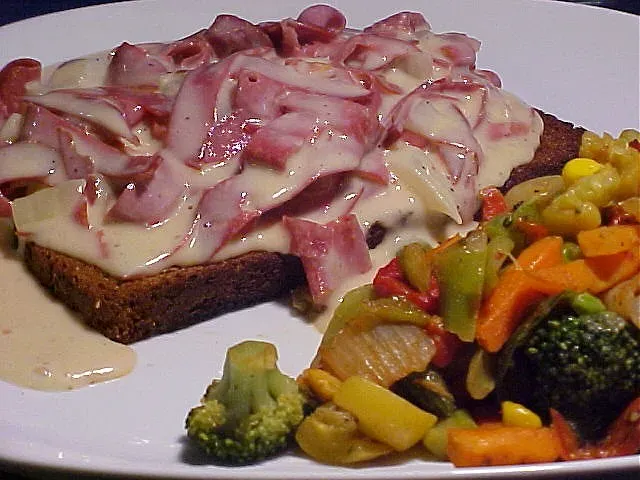
Known affectionately (or not) as “S.O.S.” by military veterans, chipped beef on toast was a staple breakfast that sustained soldiers and working-class families for decades. Dried beef in a thick, flour-based cream sauce ladled over toast provided cheap, filling sustenance during lean times. The salty, oddly textured meat swimming in pale gravy represented Depression-era resourcefulness at its finest. Modern breakfast culture favors avocado toast, breakfast burritos, and artisanal pastries over this monochromatic military relic. You’d struggle to find it anywhere outside of VFW halls or very old-school diners catering to an aging clientele.
Mincemeat Pie

Mincemeat – commonly thought of as a traditional Thanksgiving dish – actually traces its roots back to medieval times, when preparing meat with fruit and spices was one form of preservation. Early New Englanders would make large batches of mincemeat and store it in crocks sealed with a layer of lard for use over many months. The original versions contained actual beef or venison mixed with dried fruits, suet, and spices. Most modern versions no longer include meat, but even the meatless varieties have nearly vanished from bakery shelves. The dense, intensely spiced filling strikes modern taste buds as peculiar, and younger generations simply don’t develop a taste for it. While a few traditional bakeries might offer it during the holidays, mincemeat pie has become more museum piece than menu item.
Creamed Chipped Chicken
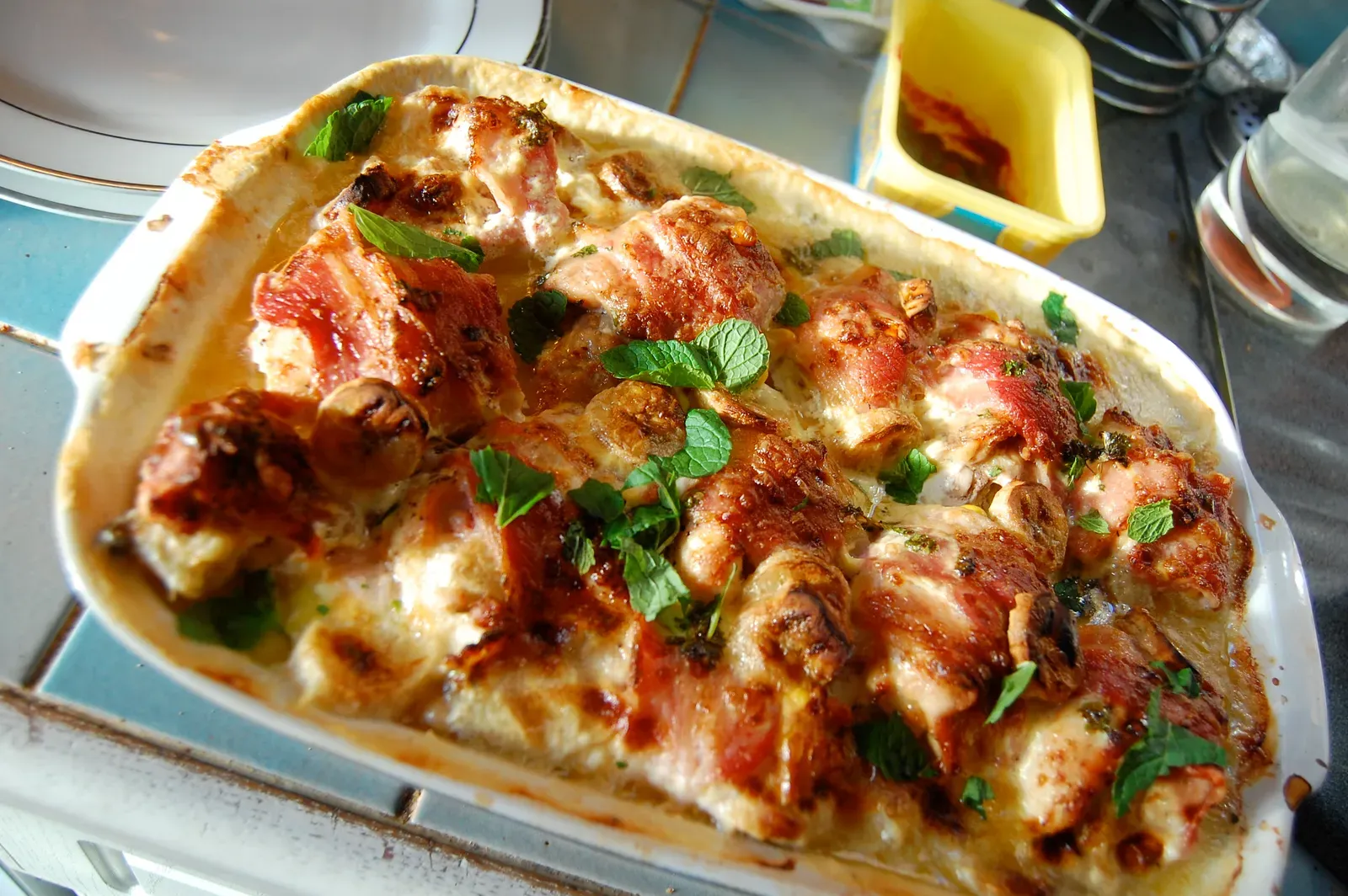
Similar to its beef cousin, creamed chipped chicken appeared frequently on midcentury dinner tables as an economical way to stretch leftovers. Shredded chicken swimming in a flour-thickened cream sauce served over biscuits, toast, or puff pastry shells provided comfort and calories without breaking the bank. The appeal centered on simplicity and affordability rather than culinary excitement. As food culture shifted toward fresher ingredients and bolder seasonings, this mild, beige creation lost its foothold. Though it occasionally surfaces at church potlucks or vintage-themed restaurants, creamed chicken has largely evaporated from the American culinary landscape.
Ham and Bananas Hollandaise
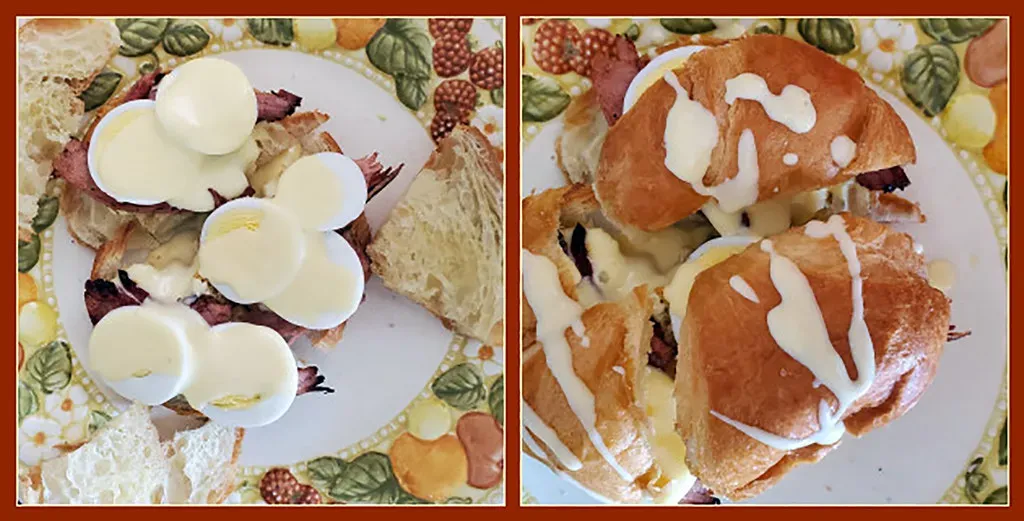
Some maniac decided ham-wrapped bananas drowning in hollandaise sauce was a meal. It’s not. It’s chaos on a plate and possibly a cry for help. This truly bizarre 1960s creation featured baked bananas wrapped in deli ham and smothered in rich hollandaise sauce. The sweet-savory collision represented the experimental spirit of postwar American cooking taken to an extreme. Honestly, the flavor combination makes you question what people were thinking. As food culture matured and international cuisines offered genuine sweet-savory balance, this strange hybrid thankfully faded into obscurity. You won’t find it on menus today, and that’s probably for the best.
Chicken Kiev
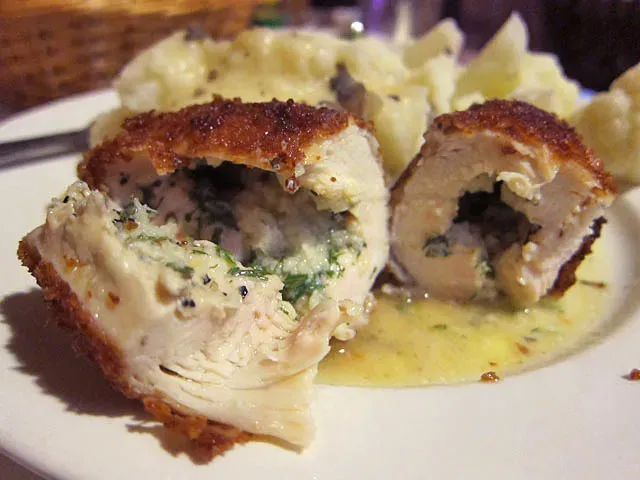
Another classic stuffed chicken dish was chicken Kiev. Chicken breasts are coated with breadcrumbs and stuffed with garlic butter and bacon. This impressive dish dazzled dinner guests in the 1980s and 90s when it graced fancy restaurant menus and ambitious home cooks’ tables. The drama of cutting into the chicken and watching herbed butter fountain out captivated diners. Yet the labor-intensive preparation and butter-bomb richness feel out of step with contemporary cooking trends. You likely won’t find this dish at one of the best fried chicken places in America, but it is still a delicious blast from the past. Most restaurants have moved on to simpler preparations or globally-inspired chicken dishes instead.
Beef Stroganoff
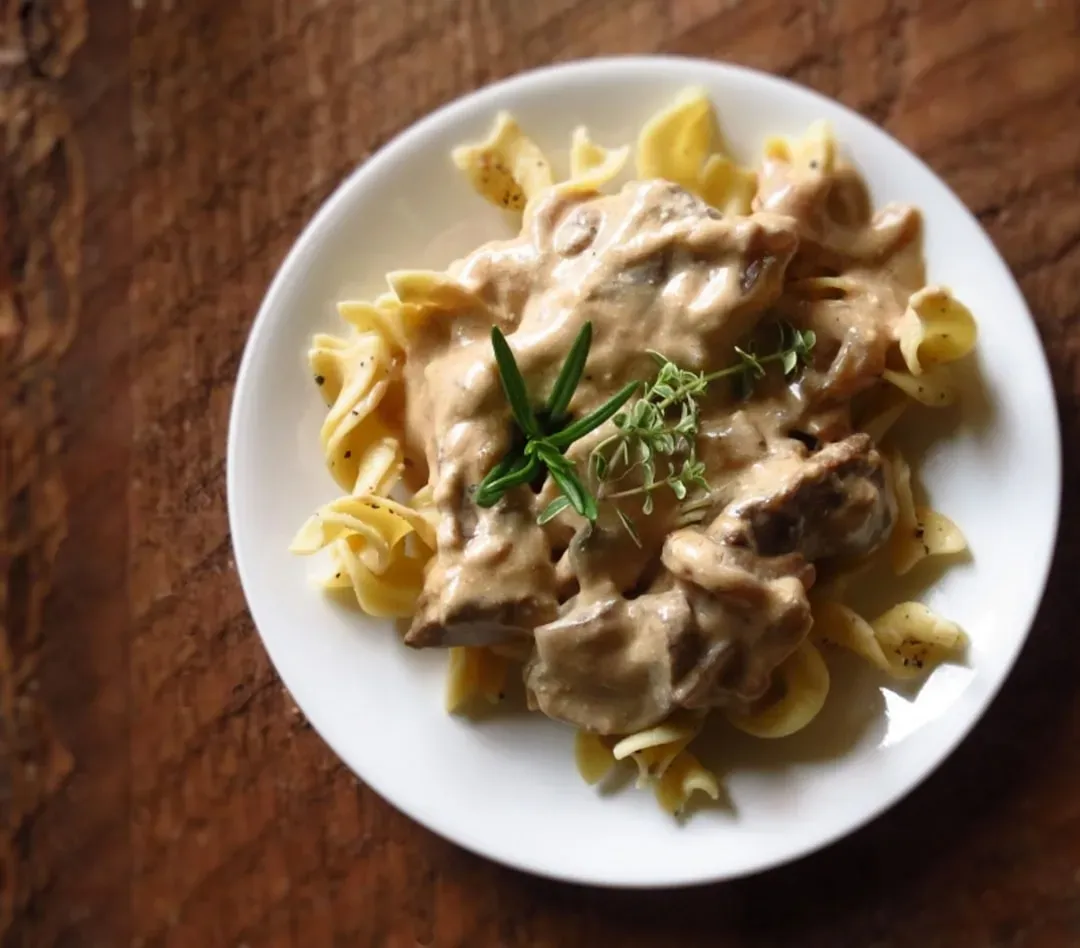
What ever happened to treasured meals like beef stroganoff and pot pie? This Russian-inspired dish of tender beef strips in sour cream sauce served over egg noodles dominated dinner tables throughout the 1970s and 80s. The rich, tangy sauce and tender meat offered comfort and satisfaction for families gathered around the table. While not completely extinct, beef stroganoff has largely retreated from restaurant menus in favor of more contemporary options. Home cooks occasionally resurrect it for nostalgic reasons, but it no longer holds the privileged position it once enjoyed. The heavy cream-based sauce doesn’t align with lighter, health-conscious eating patterns that dominate today.