4 Expensive Cuts of Meat That Are Actually a Waste of Money
Beef prices surged dramatically over the past few years, with consumers facing roughly a third increase over four years. In recent times, US beef inventory hit a 73-year low, making premium cuts even pricier than usual. So which expensive steaks are truly worth your hard-earned cash, and which ones are just fancy marketing dressed up with a hefty price tag? Let’s be real, nobody wants to shell out a small fortune for meat that doesn’t deliver. Here’s what you need to know before your next splurge.
Wagyu Beef: The Overhyped Superstar
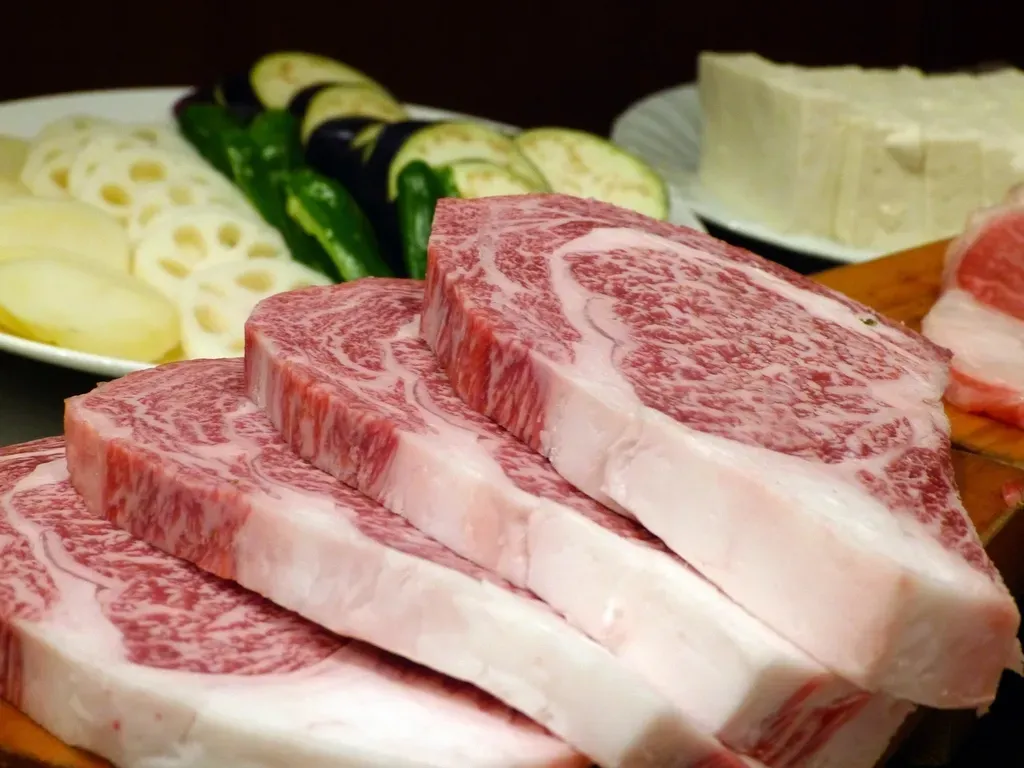
Grade A certified Wagyu raised in Japan can cost upwards of $200 per pound, and plenty of restaurants are charging astronomical sums for what they claim is authentic Wagyu. The problem? For some consumers, the price can seem exorbitant, especially when compared to other high-quality beef options available at a fraction of the cost. Even professional chefs have mixed feelings about this supposedly elite meat.
One chef who was born near Tokyo admitted he may have been in England far too long, but prefers a decent, British, aged steak over Wagyu. A food writer described Japanese wagyu as not steak but completely different, more like foie gras, which might not be what you’re craving when you want a hearty piece of beef. The high fat content and marbling make Wagyu very rich and fatty, which some people find overwhelming, and if you prefer straight grass-fed beef, you may not like this. Think about it: do you really want to pay premium prices for something that might leave you feeling stuffed after just a few bites?
Filet Mignon: Tender But Tragically Bland
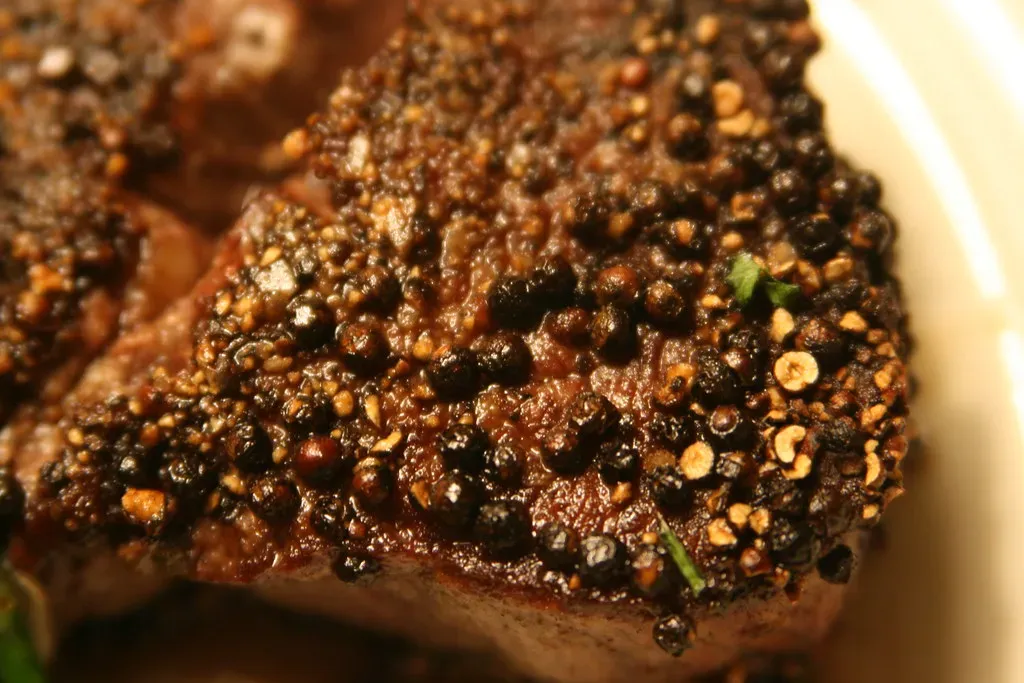
The number one cut many butchers consider overrated is filet mignon, which is among the most expensive cuts available and has become synonymous with luxury. Sure, it melts in your mouth like butter. That’s the whole selling point. Yet here’s the catch that steakhouses don’t advertise on their menus.
Many steak chefs and experts say filet mignon is way overrated because it doesn’t have the robust flavor of a rib eye steak, and you usually see it wrapped in bacon or paired with gravy or sauce to help provide extra flavor. It’s very low in fat which means it’s very low in flavor, and filet mignon is typically paired with bacon or gravy to help the meat with additional flavor. Basically, you’re paying top dollar for texture alone while the taste department gets left behind. A strip loin is a better alternative for those seeking a more tender, less fatty cut with a bigger piece of meat to throw on the grill, and you’ll save some serious cash in the process.
Kobe Beef: Probably Not What You Think It Is
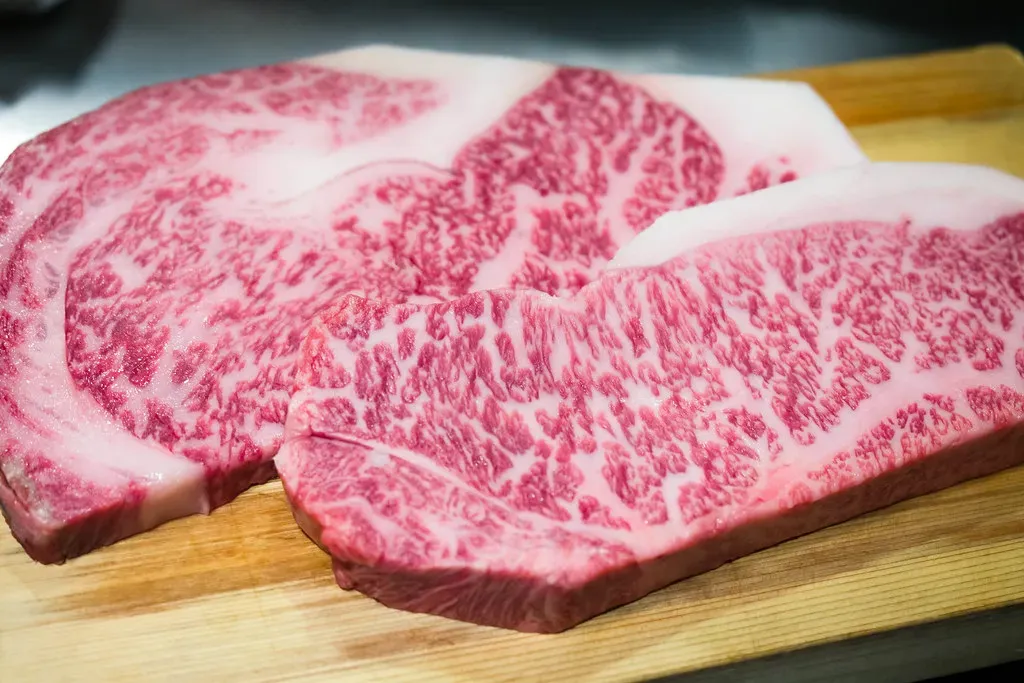
Most people ordering “Kobe beef” at restaurants are getting scammed without even knowing it. The meat can cost $55 per ounce, and only 400 pounds get shipped to the US each month, with only eight restaurants certified to sell Kobe beef across the country according to earlier reports, though more recent data shows only 32 restaurants in the US are certified to sell Kobe beef as of September.
The number of restaurants advertising Kobe beef far exceeds any possible amount that could be obtained given the very limited quantities available. Restaurant managers admit that many establishments are just putting Kobe on the menu and jacking up the price for what’s actually just regular high-quality beef. One Los Angeles chef admitted he could give guests another Japanese beef and tell them it’s Kobe, and 95 percent would have absolutely no clue. So unless you’re dining at one of those handful of certified establishments and asking to see the certificate of authenticity, you’re likely paying Kobe prices for something significantly less special. Is it really worth the gamble?
Dry-Aged Beef: When Time Doesn’t Equal Value
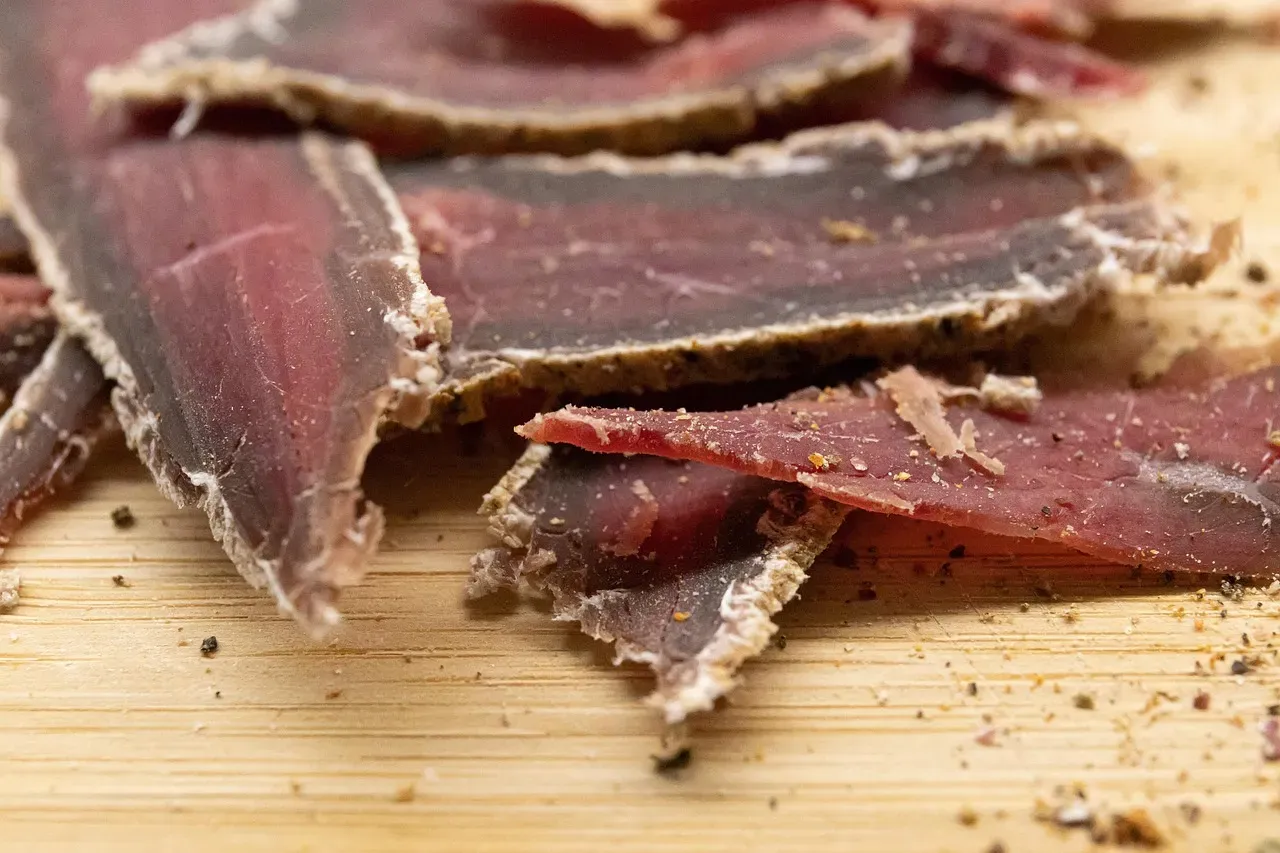
Walk into any upscale steakhouse and you’ll see dry-aged steaks commanding premium prices. Dry-aged steaks taste different, but whether they’re worth the hefty price tag is up to your taste buds, and it’s not as cut and dry as assuming they must taste better. The reality is more nuanced than the marketing suggests.
The most common dry-aged steak is aged for 30 days and tastes very beefy with a hint of buttered popcorn flavor, but after about 45 days it starts to take on a funky edge similar to blue cheese. When beef is dry-aged, it loses up to 30 percent of its volume plus the crust that has to be cut off, which partially explains the inflated cost. That “funky” flavor profile isn’t for everyone, and plenty of steak lovers actually prefer the straightforward beef taste of a well-marbled fresh ribeye. Some eaters question whether dry aged steaks are worth $50 per pound, concluding this is definitely a decadent steak you’d want to save for an important date like a tenth anniversary or 50th birthday rather than a regular dinner splurge.
What’s your take on expensive beef cuts? Have you ever felt disappointed after spending big money on a supposedly premium steak? Sometimes the best meal is the one that doesn’t drain your wallet.