Check Your $2 Bills – Rare Features Could Make Them Worth a Small Fortune
Most people tuck a $2 bill away the moment they receive one, treating it more like a curiosity than actual spending money. That instinct might be worth something. While many people think $2 bills are rare, there are actually millions still in circulation – yet certain ones can fetch thousands of dollars on the collectors market. The trick is knowing exactly what to look for, because the difference between a bill worth two dollars and one worth two thousand often comes down to a single digit, a tiny star, or a misprint that slipped through the presses decades ago.
The $2 Bill Is Rarer Than You Think – But Not for the Reason You’d Expect
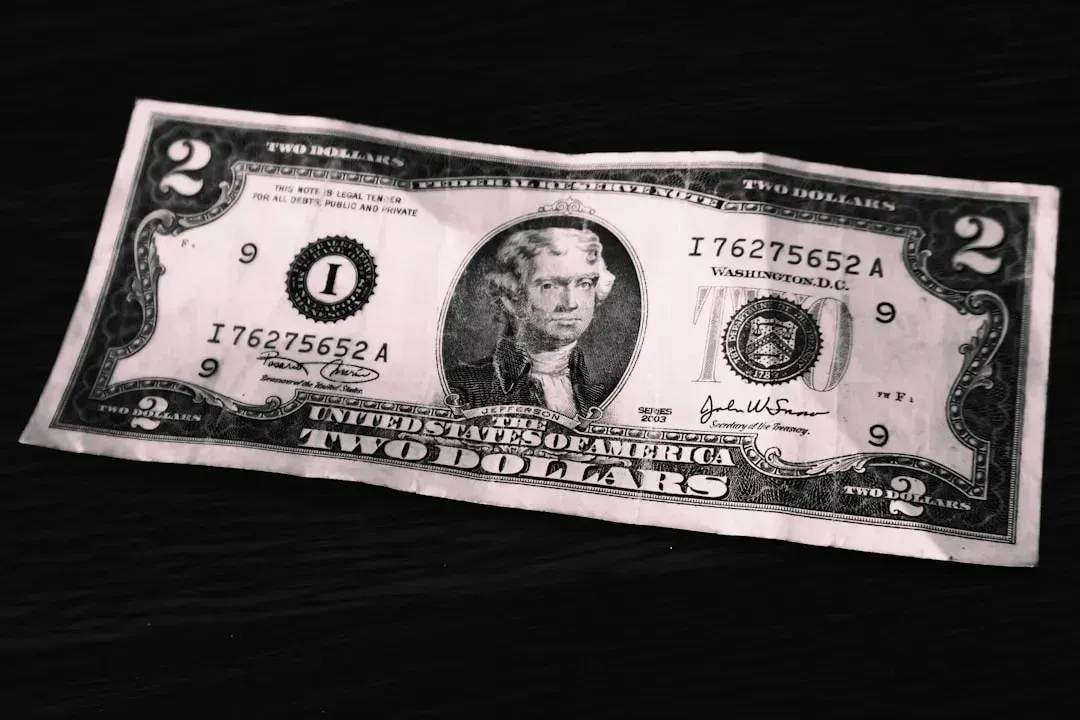
The $2 bill is the rarest currently produced money in the United States. According to the Federal Reserve, about 1.2 billion $2 bills are in current circulation – but when you compare that to the 11.7 billion $1 bills in circulation, the number takes on a very different perspective. In fact, $2 bills account for less than 0.001% of all currency in circulation. That context matters, because it explains why so many collectors are actively hunting them.
The Bureau of Engraving and Printing printed around 128 million new $2 bills in fiscal year 2023 alone. Compared to the billions of $1 and $20 bills churned out each year, that figure is genuinely small. In fact, $2 bills weren’t even produced from 1970 through 1975 because of a lack of demand. That production gap alone created scarcity in certain series years that collectors now scramble to find.
Red Seal Notes: The Feature That Can Transform a $2 Bill’s Value
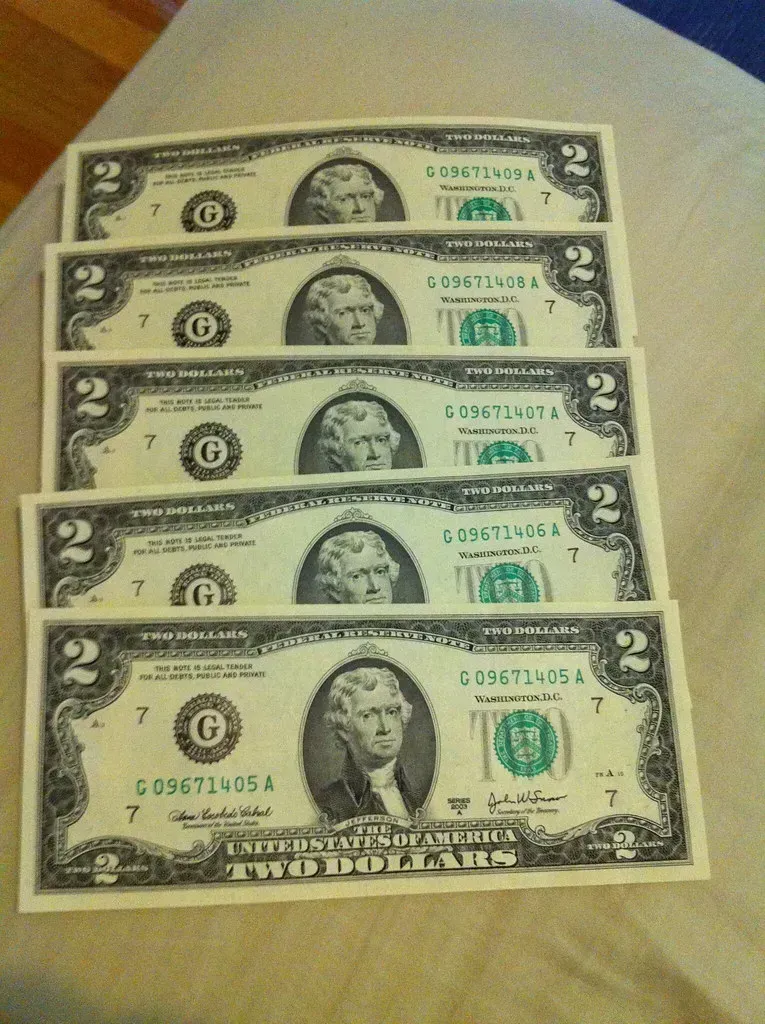
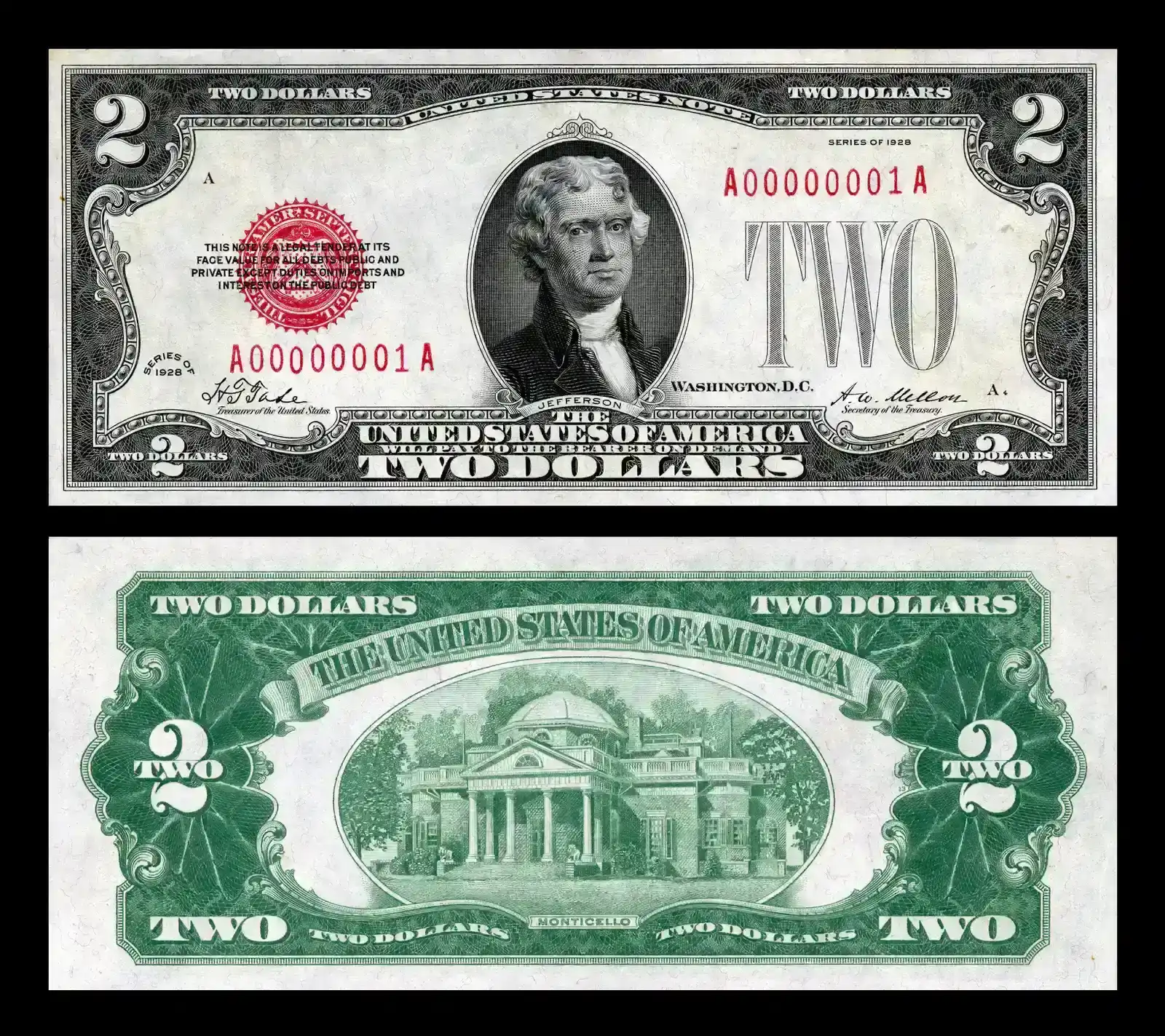
If you find a red seal $2 bill, pay very close attention. These notes were printed between 1928 and 1963, featuring the familiar red Treasury seal and red serial numbers. Certain series, star notes, and high-grade examples can be worth hundreds – even thousands – of dollars. The visual difference is unmistakable: modern $2 bills carry a green seal, while these older issues blaze a vivid red that collectors immediately recognize.
A red seal star note from 1928 in excellent condition could easily fetch upwards of $1,500, and pristine, rarer notes can skyrocket to $20,000 at auction. An uncirculated 1928 red seal $2 bill could be worth over $1,000, while a circulated version may only be worth $5 to $175. The 1928 series comes in eight different varieties, and a Red Seal $2 United States Note from 1928 in excellent condition once sold for an unbelievable $88,125 – a price driven by its rarity, historical significance, excellent condition, and the sheer desirability of Red Seal notes among serious collectors.
Star Notes: The Small Symbol That Signals Big Value
A star note is a replacement bill. When the Bureau of Engraving and Printing discovers a misprinted or damaged note during production, it destroys that note and prints a substitute. To mark the replacement, the BEP adds a small star at the end of the serial number. These printing errors aren’t common, so there aren’t many star notes in circulation. That built-in scarcity is precisely what makes them so appealing to collectors.
Star notes exist across all series, but 1928, 1953, and 1963 star notes are especially valuable. A 1953 star note in uncirculated condition can bring $1,000 or more. Some 1928 star notes even exceed $2,500. Checking for that tiny star symbol at the end of your bill’s serial number takes about five seconds – and it could be the most valuable five seconds of your day.
Fancy Serial Numbers: Ladders, Radars, and Solids
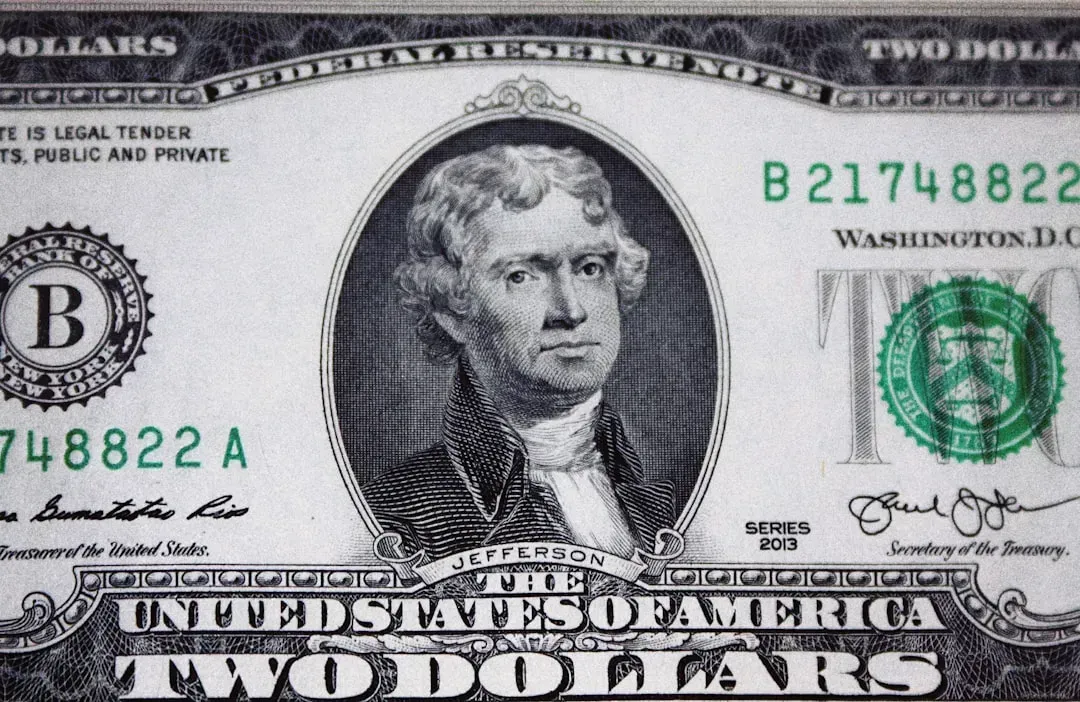
Unusual serial numbers – for example, A11111111A – and replacement notes can raise the collector value of some bills significantly. Collectors look for specific patterns: palindromes, also called “radar notes,” which read the same whether viewed forward or backward; and repeated numbers, which are considered rare and more valuable. These patterns are called “fancy serial numbers” in the numismatic world, and they command real premiums.
The ladder note is the rarest possible $2 bill, bearing the unique serial number 12345678. Only one banknote out of every 96 million notes is a ladder note with this serial number, making them one of the rarest finds – and they are pricey. These notes are worth thousands of dollars and fetch very high prices at auctions. A solid serial number – one where every digit is the same, like 55555555 – is equally coveted. Only about one out of every 11 million notes is a solid, and they can be worth $500 or more.
Printing Errors: The Accidental Jackpot
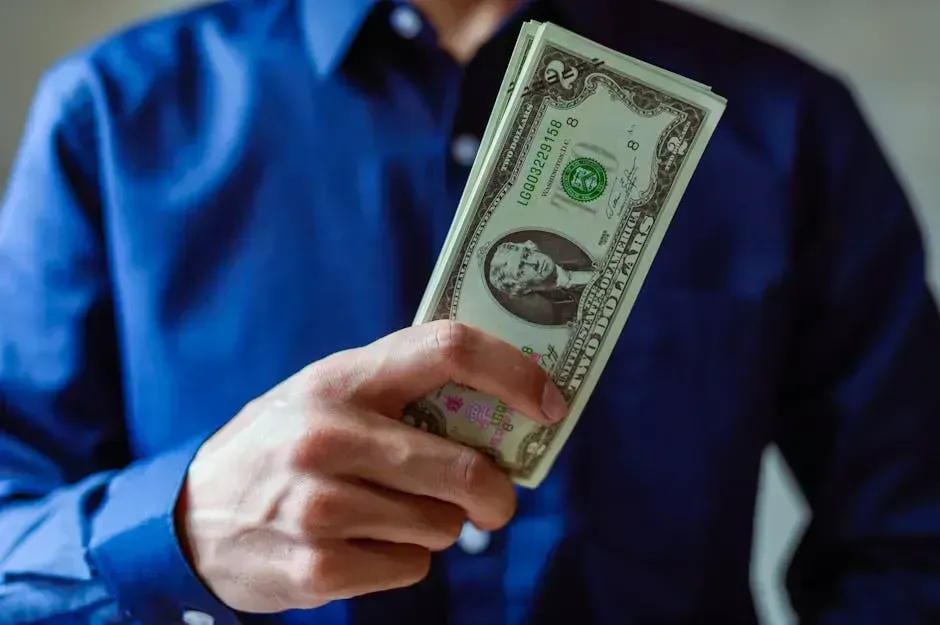
Any mistakes or printing errors during the printing process, such as inverted overprints, can make a $2 bill very valuable. Misprints like missing serial numbers, mismatched seals, or fold-over errors can make any numismatic piece valuable. These errors are not manufactured or intentional – they slipped past quality control, survived destruction, and entered circulation, which is precisely what gives them their story and their worth.
One particularly dramatic 1953 series $2 bill error was offered at auction in 2016 and sold for $10,280. Another $2 bill from the 1953 series combined two different errors: somehow, the bill became folded between the second and third printings, so the right-hand serial number and Treasury seal were printed on the reverse. Bills in good condition with two serial numbers will sell from a starting price of $500 or more, whereas those in pristine condition can sell for $900 and upwards. The bolder and more visually obvious the error, the more a collector is willing to pay.
Condition and How to Sell: Protecting What You Have
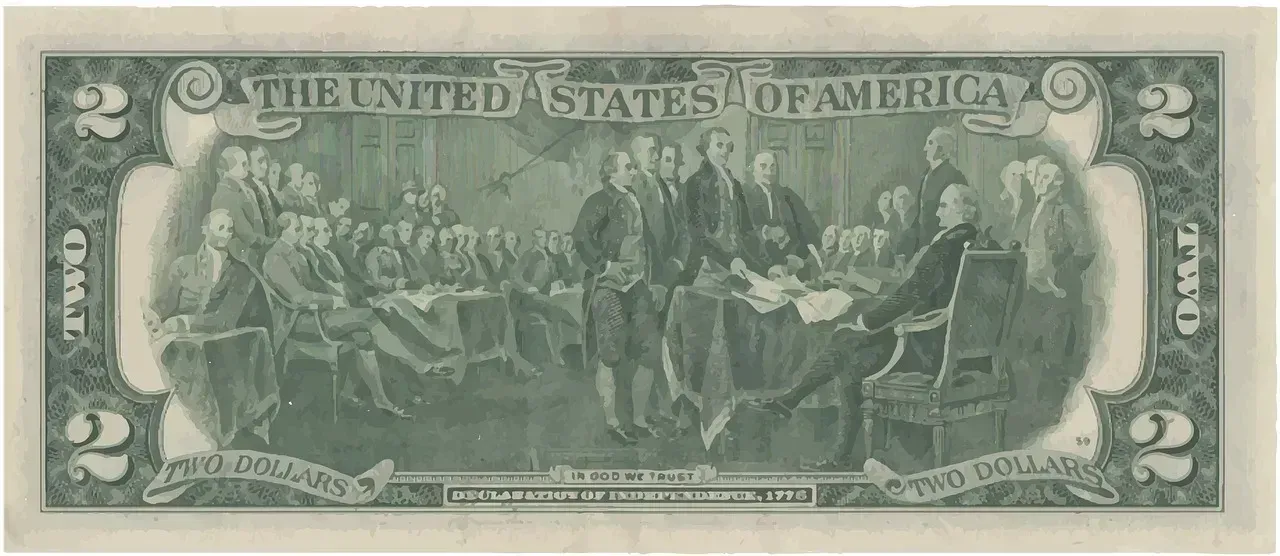
The condition of a $2 bill significantly impacts its value. Uncirculated bills have never been used in transactions, so they remain crisp, clean, and free of folds or tears. Uncirculated bills are far more valuable – and rare, especially the older they are – than circulated ones. Professional grading through PCGS Currency or PMG can check a $2 bill’s value and maximize sale prices for rare or uncirculated notes. A graded note with official certification consistently commands stronger bids at auction.
If you believe your bill may have collector value, protect it properly: use acid-free currency sleeves or holders to prevent degradation, avoid direct skin contact – gloves are recommended for high-value notes – and keep bills in a dry, temperature-stable location away from sunlight. The market for collectible $2 bills is quite active, with many traded via online marketplaces including eBay, Heritage Auctions, and currency dealer websites. The demand for rare $2 bills means sellers can often find buyers quickly, especially for well-preserved or unique bills – and in general, older bills and those with errors tend to sell the fastest and at the highest prices.