Why One U.S. State Is Becoming America’s Leading Climate Haven
Across the United States, the cost of living somewhere increasingly comes with a climate price tag. In 2024 alone, the country experienced 27 disasters costing $1 billion or more, totaling $182.7 billion in damages. From scorched neighborhoods in California to hurricane-battered coastlines in Florida, millions of Americans are beginning to ask a question that would have seemed strange just a decade ago: where in this country is actually safe to live long-term? The answer, according to a growing body of research, keeps pointing to one state in particular – Michigan, anchored by the Great Lakes region, with its singular combination of freshwater abundance, lower disaster exposure, and serious long-term planning already underway.
The Freshwater Advantage That Sets Michigan Apart

The Great Lakes region has been identified as a climate haven for its access to 20 percent of the planet’s freshwater, distance from risk of sea level rise, and relatively low risk of extreme weather compared with other areas of the U.S. That fact alone is striking. Water is the defining resource of the 21st century’s climate crisis, and Michigan sits at the center of the world’s largest surface freshwater system. The state’s two peninsulas have ample freshwater – the Great Lakes contain 90 percent of North America’s supply – along with lower temperatures and vast swaths of undeveloped land.
Internationally renowned researcher and author Parag Khanna thinks the Great Lakes, and Michigan in particular, will be the best place to live by 2050. “Very few places really tick all those boxes the way the U.S.-Canada border region in general and the Great Lakes in particular do, given the freshwater supply and so forth,” said Khanna, a Singapore-based geopolitics and globalization expert. Meanwhile, other parts of the country are rapidly deteriorating. Hurricanes in Florida are leading to insurance companies fleeing the Sunshine State. In California, wildfires are resulting in urban devastation on a major scale. Last year, Phoenix, Arizona, experienced 21 consecutive days of record-breaking high temperatures. By contrast, Michigan’s climate profile looks comparatively stable, making its water-rich landscape all the more attractive.
Michigan’s Climate Migration Reality and Policy Response

Sixteen academics and scientists interviewed by MLive – one himself a Michigan migrant – all deem the state a climate haven: regions expected to avoid the worst outcomes of climate change and with capacity to develop infrastructure for growing populations. The pressure to prepare is real. By 2100, Michigan can expect to become home for at minimum tens of thousands fleeing rising ocean waters alone, and a more extensive analysis yet to be published suggests this is a vast underestimate, according to Matt Hauer, a sociology researcher and assistant professor at Florida State University who studies how expected sea level rise will shift populations. Estimates on how many Americans will move due to climate change vary widely, but projections range from a few million climate migrants to over 50 million.
State and local governments are beginning to take concrete steps. Cotality rates Michigan the third best in the country in hardening properties against climate risks. Governor Gretchen Whitmer signed a sweeping $5 billion infrastructure plan that included $66 million to make the state transportation system more resilient to flooding. The Washtenaw County Resiliency Office was established in 2024, where planners use climate adaptation experience to help the county withstand and recover from challenges including climate change and economic shifts, and to help create a sustainable future for residents, including those who may arrive as part of projected climate migration. Still, local experts are quick to temper expectations. One critical issue to keep in mind, according to all involved, is that nowhere on earth can really be considered a bona fide “climate haven,” with parts of the Great Lakes having struggled with air quality resulting from wildfires in western Canada.
How the Rankings Confirm the Shift – and Where Vermont Fits In
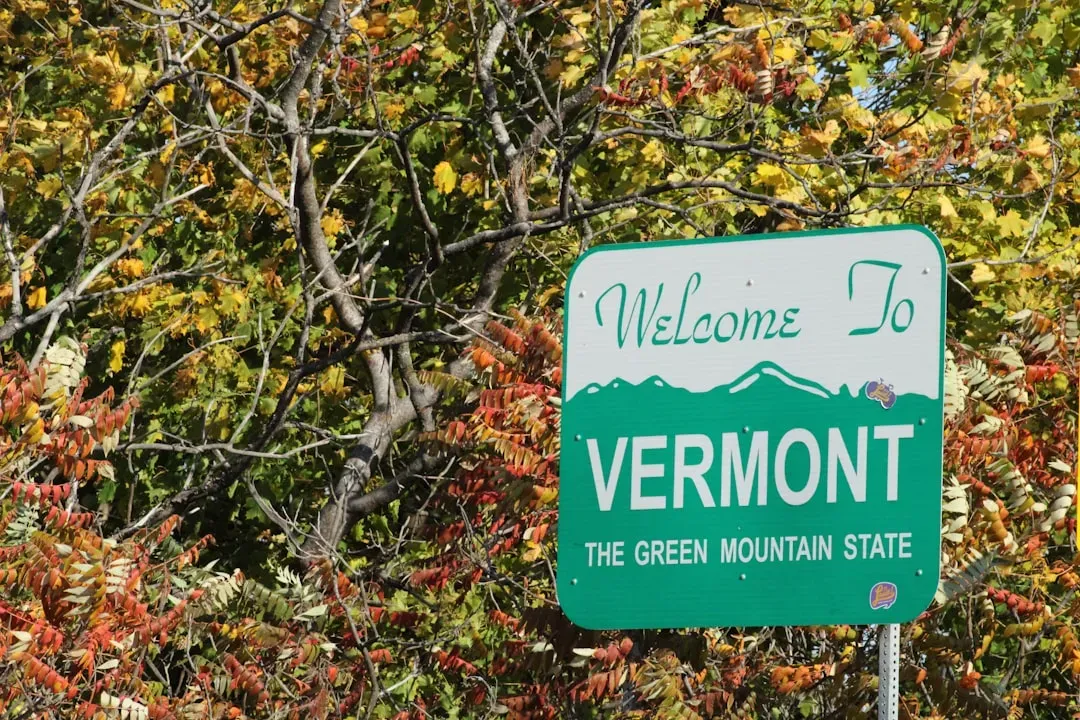
The broader picture, confirmed by multiple national analyses published in 2025, is that the Upper Midwest and Northeast are pulling ahead of the rest of the country in climate resilience. A new Commonwealth Fund report – the first state-by-state ranking of how vulnerable individual health and healthcare systems are to climate risks – analyzed all 50 states and Washington, D.C., looking at factors like extreme heat, flooding, and air quality, as well as policies to combat these threats. Vermont was ranked the best state for its climate preparedness and low health risk, while states in the Northeast and Pacific Northwest generally scored well. The Northeast is home to the only three states with Climate Change Risk Index scores lower than 100 – Vermont, New Hampshire, and Massachusetts.
Vermont is considered the best state for climate change thanks to its climate profile that, for the most part, avoids extremes. Since 1953, it has only experienced 45 federally declared natural disasters and is rated the least vulnerable state for climate risk. Vermont’s climate change policies emphasize flood-resistant building codes, and communities across the state are investing in renewable energy infrastructure and land conservation – with Burlington, Vermont, being one of the first U.S. cities to run entirely on renewable electricity, while Montpelier’s Net Zero Energy initiative continues to make energy-efficient home upgrades more accessible. Even though Vermont sits in the region of the country with the most extreme climate according to NOAA, the state is among the best at protecting itself. This year, it has adopted multiple recommendations to deal with climate challenges, including investing in municipal infrastructure, supporting land use that takes climate into account, and reducing climate-related pollution. The pattern is clear: the states that are proactively building resilience today are the ones quietly becoming tomorrow’s climate destinations – whether their residents planned it that way or not.