Italian Nonna Approved: 10 Pasta Mistakes That Would Make a Grandmother Cringe
Picture this. You’re standing over a pot of pasta, feeling pretty confident, maybe even a little proud of yourself. You’ve added the pasta, you’ve set a timer, you’re waiting. Somewhere in Italy, a grandmother is watching. Her eyes narrow. Her hands go to her hips.
The truth is, most of us have been making pasta wrong for years, in ways that seem totally harmless but are, to an Italian nonna, nearly criminal. These mistakes are sneaky. They’re the habits passed down from parents, from rushed weeknight dinners, from a general belief that pasta is just… easy. It is easy. But there’s easy, and then there’s right. Let’s dive in.
Mistake 1: Forgetting to Salt the Water (or Not Salting It Enough)
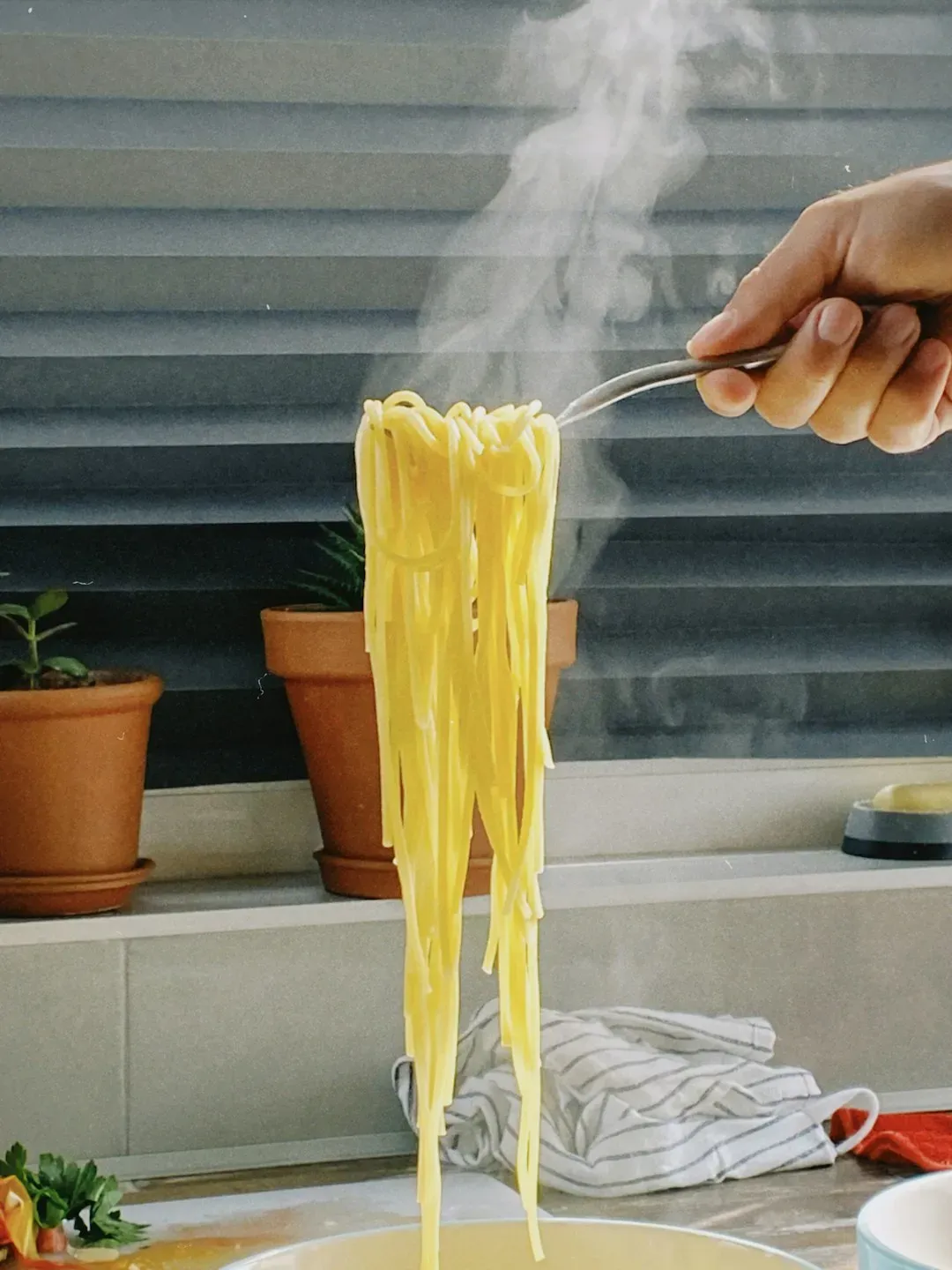
This one sits at the very top of the list for a reason. Not seasoning the boiling water properly is one of the biggest pasta cooking mistakes out there. The boiling pasta water is your only chance to season the pasta itself. Once pasta is drained, adding salt on top does nothing meaningful. Think of it like this: you wouldn’t bake bread without salt in the dough and then try to sprinkle some on after it came out of the oven.
The standard ratio recommended by Italian culinary experts is 10 grams of salt per 1 liter of water and 100 grams of pasta. Salt also helps improve the texture of the pasta, making it firmer, which is essential for optimal results. Skip the salt, and your pasta will taste flat no matter how good your sauce is.
One important exception exists for very salty Roman-style dishes like cacio e pepe, carbonara, and pasta alla gricia. In those cases, go lighter with the salt because the cheese does most of the work. Knowing when to dial it back is just as important as knowing when to add more.
Mistake 2: Adding Oil to the Cooking Water
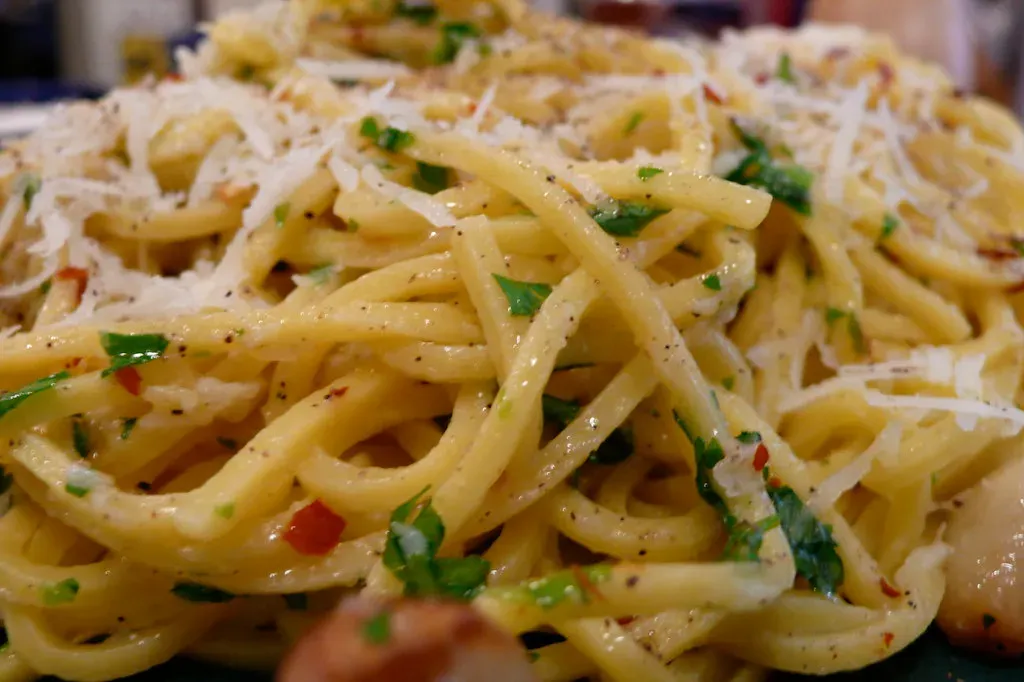
This myth truly refuses to die. So many home cooks swear by it. A generous glug of olive oil in the pasta water, they say, keeps everything from sticking together. This myth simply refuses to die. Oil in pasta water does not stop sticking. Oil simply floats on top while the pasta sinks. It’s like throwing a life jacket into the wrong ocean.
Oil floats on top of the water and coats the pasta, preventing creamy sauces from being absorbed. In Italy, extra virgin olive oil is saved for a final drizzle before serving, never in the boiling pot. That’s the actual Italian method, and honestly, it makes so much more sense.
Adding oil to the water is considered an unnecessary recommendation. Coating your pasta in a little bit of oil after cooking can help prevent the noodles from sticking to each other, but it also means the sauce won’t stick to the pasta, making it pointless. You’re essentially waterproofing your pasta right before you try to dress it.
Mistake 3: Cooking Pasta in Too Little Water
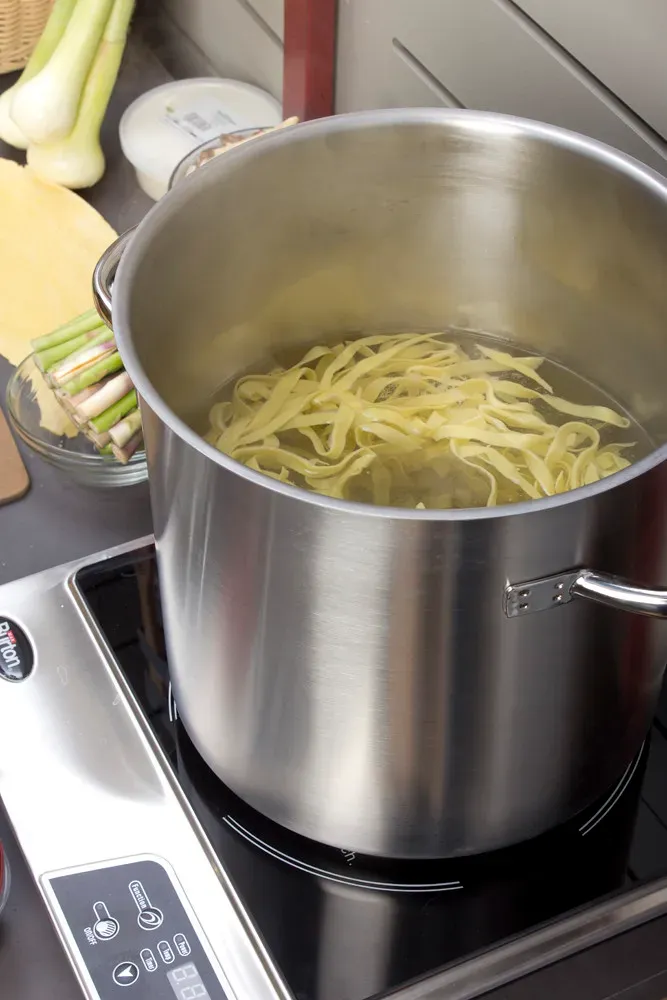
Here’s the thing about a small pot of water: it might look fine when you start, but the moment your pasta hits that undersized vessel, the trouble begins. The first mistake usually starts before the pasta even hits the water: using a small pot and not enough water. The pasta crowd surfs, sticks together, and cooks unevenly. You don’t notice straight away, only when some pieces are mushy and others have a chalky bite.
The rule of thumb used by Italian cooks is at least 1 litre of water for every 100 g of pasta. Eataly recommends about 4 quarts of water for every 1 pound of pasta. In general, the more pasta you are cooking, the more water you should use to prevent the pasta from clumping up too much in the pot. More water is almost always better.
Traditional wisdom calls for using the largest pot you can find and cooking your noodles in the largest amount of water possible. The reasoning is that smaller pans will take longer to get back to a rolling boil, and your pasta will cook unevenly, become sticky, and be overly starchy. Nonna always had a comically large pot for a reason.
Mistake 4: Not Matching Pasta Shape to the Sauce
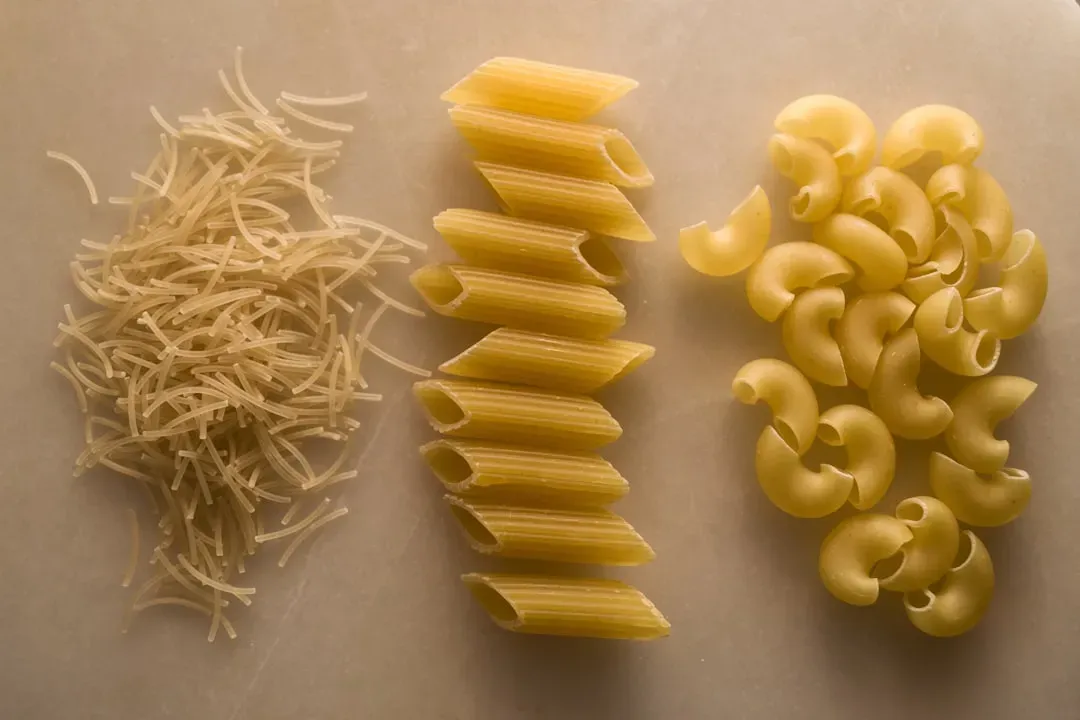
I think this might be the most underappreciated mistake on this entire list. Many people treat pasta shapes as purely decorative. They’re not. If you think all pasta shapes are equal, you could not be more wrong. Pasta shapes are not decorative. There are reasons behind every shape. Each shape is designed to work with a specific type of sauce.
With over 350 recognized pasta shapes, there’s a sauce for every shape, and for Italians, getting it right isn’t just a preference, it’s a tradition steeped in pride. Can you pair Bolognese ragù with spaghetti? A native of Bologna would respond with a resounding “No!” Ragù belongs with fresh tagliatelle only. Similarly, Romans would scoff at the idea of carbonara served with cavatelli, as it’s strictly for spaghetti, rigatoni, or mezze maniche.
Long, thin pasta like spaghetti or linguine loves smooth, light sauces that coat evenly. Short, ridged, or tubular pasta is made for chunky, robust sauces that need something to cling to. When you mismatch the two, the sauce has nowhere to go. It slides off and leaves you with pasta that feels sad and disconnected. Sound familiar?
Mistake 5: Overcooking the Pasta (Ignoring Al Dente)
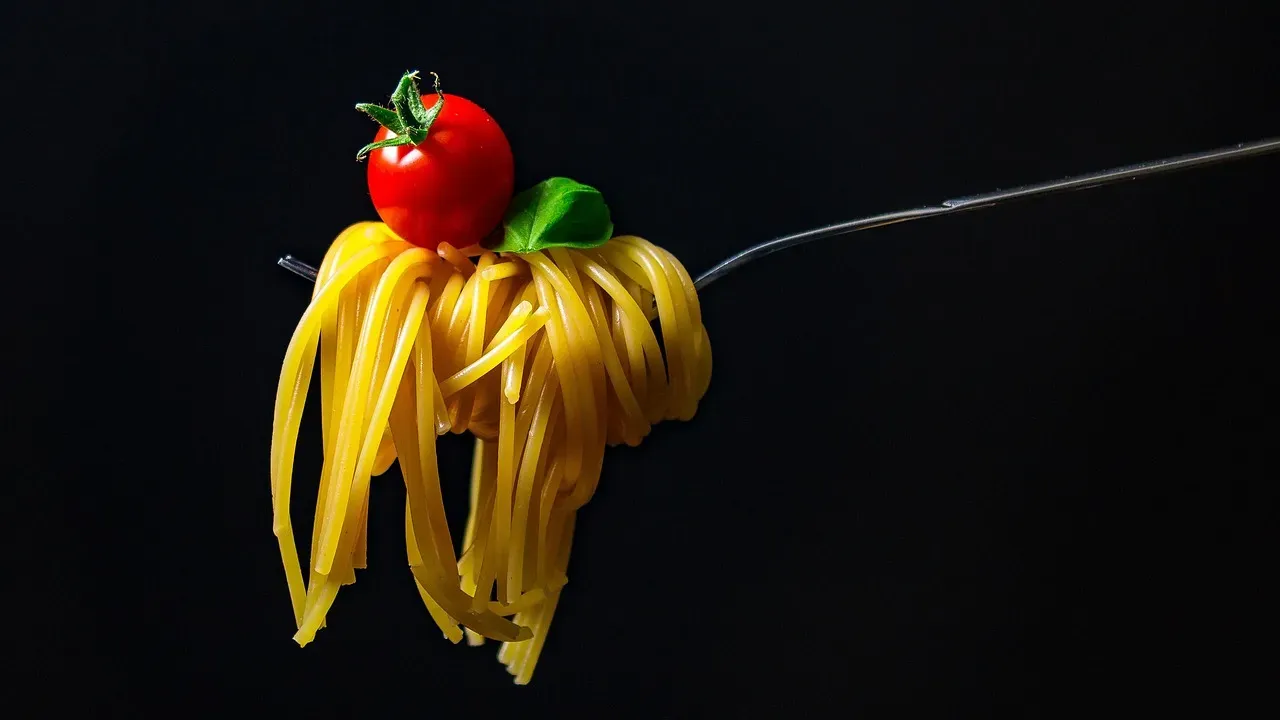
Mushy pasta. Is there anything more heartbreaking on a plate? Al dente means “to the tooth,” and it’s not a suggestion. It’s the golden rule of cooking pasta. Yet countless home cooks boil their pasta for the full time on the packet, and then a little bit more, just to “make sure.”
Italians like their pasta cooked al dente, which means it should have a bit of a bite to it. Overcooked pasta becomes mushy and loses its texture, making it less enjoyable to eat and also less digestible. That second part surprises people. Texture isn’t just about enjoyment. It actually affects how your body processes the food.
The best way to know if your pasta is ready is to taste it. After a few minutes, fish out a piece of pasta and give it a bite. It should be toothsome, but not too hard. After you take a bite, observe the inside of the pasta to make sure it has a uniform color and is cooked through its core. Honestly, this should be the only pasta timer you ever need.
Mistake 6: Rinsing the Pasta After Draining
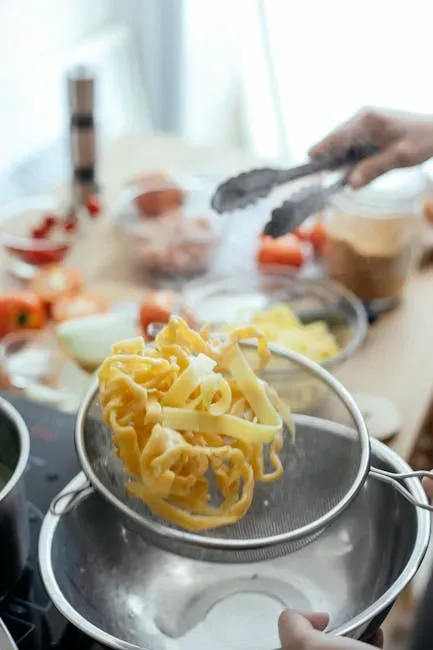
Rinsing pasta under cold water feels logical. It stops it cooking. It separates the strands. It seems like good housekeeping. It is, in fact, a disaster. When you toss noodles into a colander and run water all over them after cooking, you might think you’re helping them become less sticky. But you also rinse away important starch from the surfaces. This can certainly help prevent the noodles from clumping to each other, but it also means that any sauce you add won’t cling to the noodles as well, either. Whether you’re tossing your pasta in a pesto, red sauce, cream, or even just butter, rinsing it first will make it harder for that liquid to join with the noodles.
Rinsing pasta can also wash away water-soluble nutrients. While pasta isn’t a vitamin powerhouse, what little it offers, like some B vitamins, can literally go down the drain. So you’re losing sauce adhesion and nutrients at the same time. A double loss.
There is exactly one exception. The one scenario where rinsing your pasta is totally legit is when making pasta salad. In this case, rinsing stops the cooking process immediately, cools the pasta quickly, and removes excess starch that would otherwise cause clumping in a cold dish. It’s not about killing flavor, it’s about maintaining structure when chilled.
Mistake 7: Pouring the Sauce on Top Instead of Finishing Together
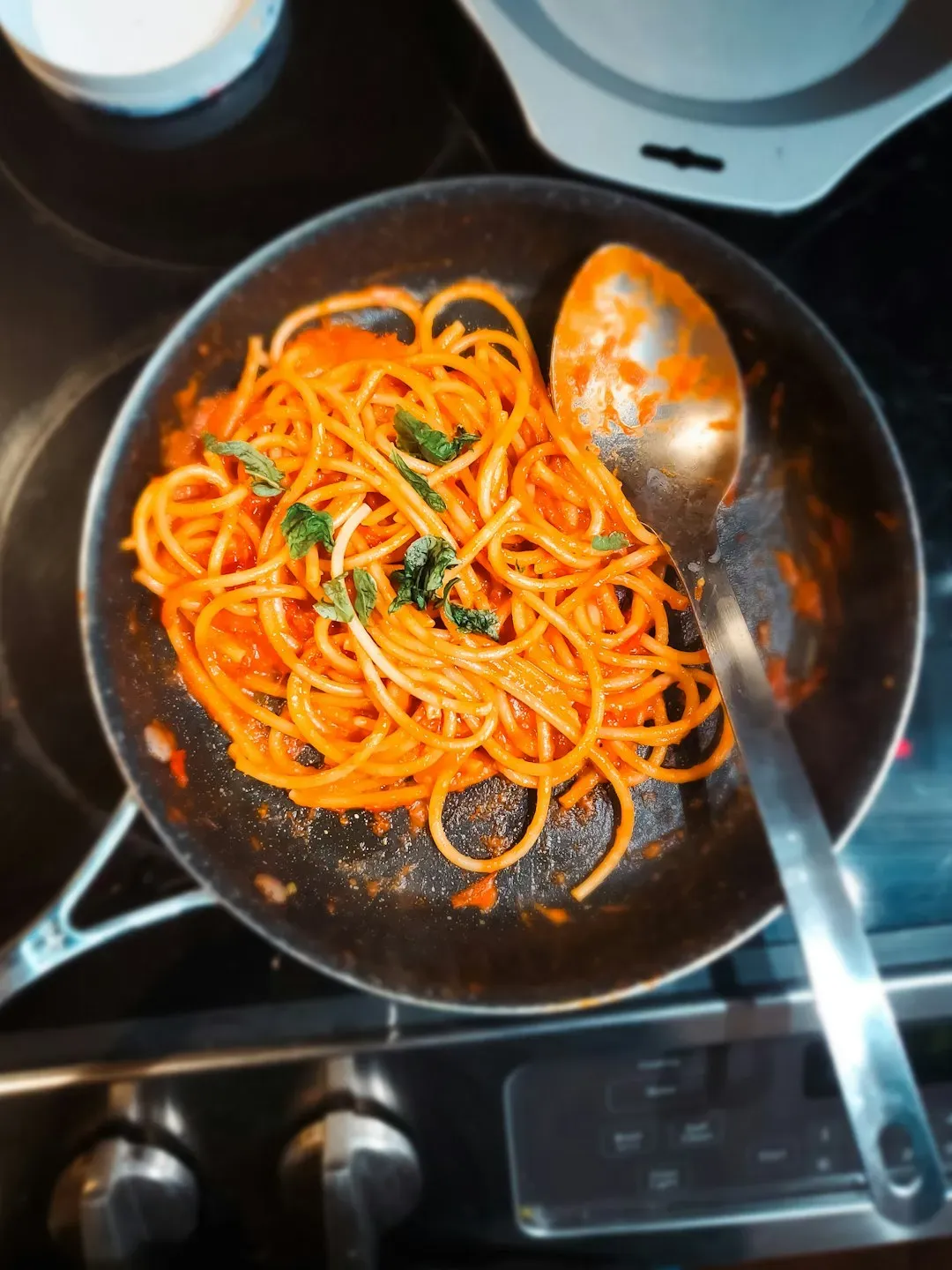
This is the one that probably offends Italian grandmothers the most. The visual is so familiar: pasta on the plate, sauce ladled on top like a crown, a sprig of something green for decoration. So many people around the world put cooked pasta on a plate and pour sauce on top. This is simply wrong.
Your sauce should be ready first, gently simmering and full of flavour. Pasta should move straight from the pot into the sauce, not sit in a colander waiting. This final cooking together is what allows the pasta to absorb flavour and finish properly. It prevents the pasta from getting cold and clumpy. Think of it as the pasta and sauce completing each other, not just being placed near each other.
To do this properly, heat the sauce in a pan large enough to hold the pasta. Once the pasta is about one minute away from being completely cooked, use a slotted spoon to remove it from the boiling water and add it to the pan with the sauce. Stir everything together on low heat, coating the pasta completely in the sauce. The starch from the pasta will give the sauce a creamier consistency, causing it to better “stick” to the pasta.
Mistake 8: Throwing Away the Pasta Water
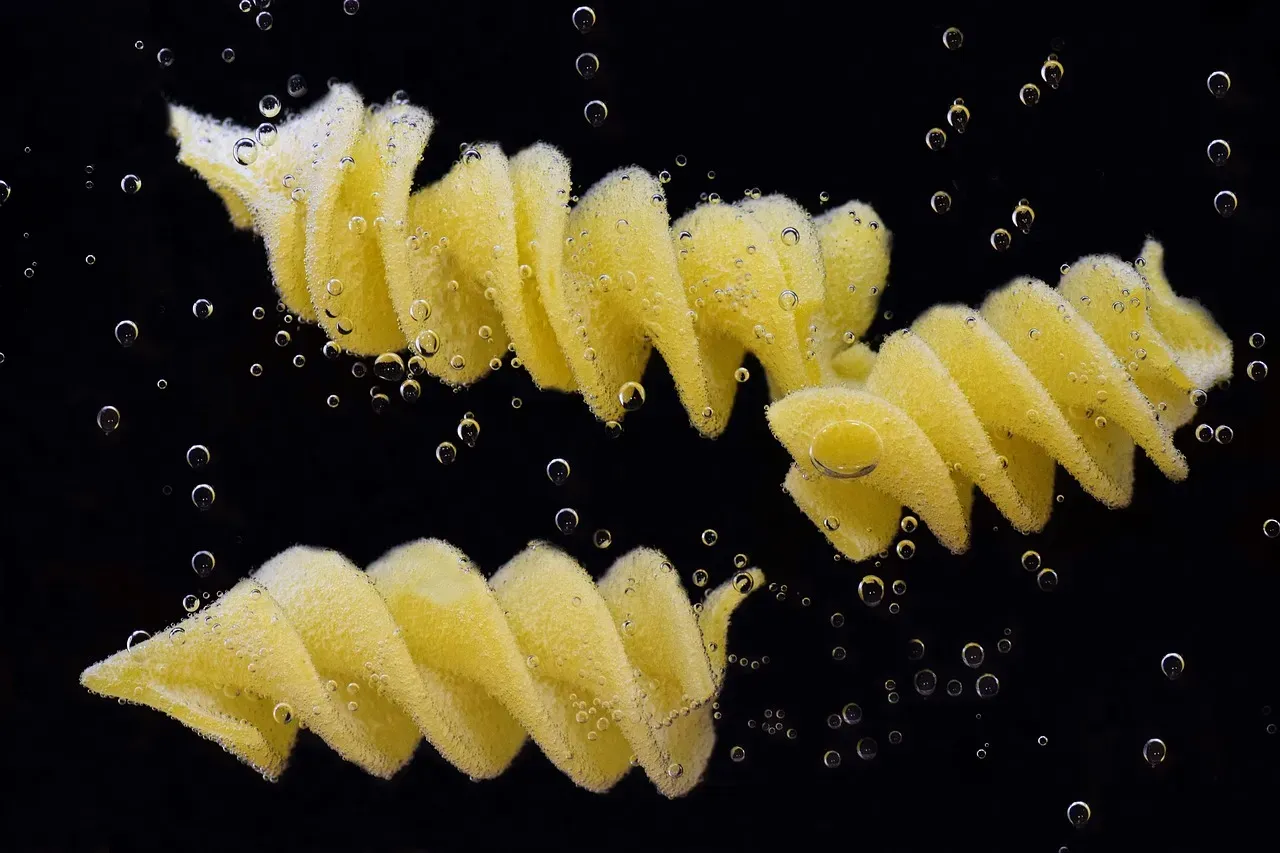
Most people drain their pasta and immediately dump that starchy water down the sink without a second thought. This is, genuinely, one of the most wasteful things you can do in an Italian kitchen. Pasta water is starchy, salty and acts like liquid gold when it comes to building a perfect sauce. That’s not hyperbole. It really is that useful.
The starchy, salty water left after the pasta is cooked is the perfect emulsifier to make a beautifully silky sauce. The emulsifier qualities help the water in your pasta combine with the oil in the sauce, creating a smooth, luscious sauce. This is the secret behind why restaurant pasta always looks glossier and more cohesive than what you make at home.
For some sauces, such as authentic alfredo pasta, pasta water is an essential ingredient. Along with butter, pasta water helps to allow Parmesan to coat your pasta. Using pasta water in place of regular water in bread recipes can help your bread to rise. Pasta water can similarly be used for pizza crusts. It also makes for a great base for a flavorful soup due to its salty, starchy content. Save a mug of it. Always.
Mistake 9: Breaking Spaghetti Before Cooking
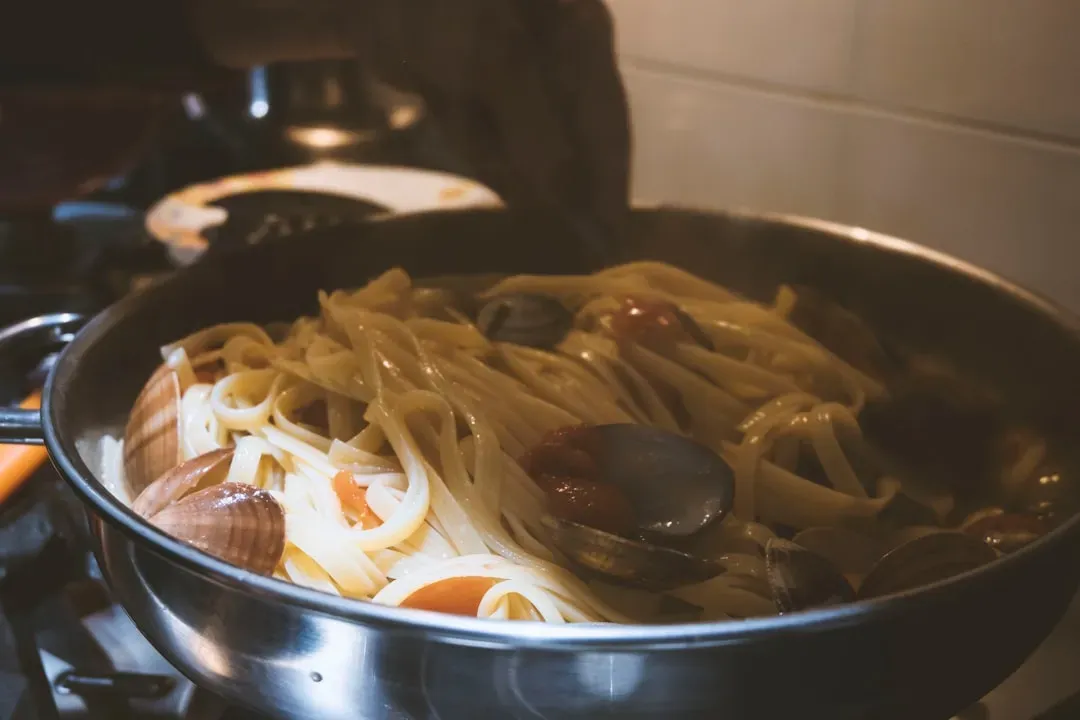
Few things cause more drama on Italian food forums than this one. The instinct makes total sense: the spaghetti is too long, it sticks out of the pot, so you snap it in half. Done. Do not cook long pasta in too low a pot, and never fold or, even worse, break spaghetti to get them to fit. Always choose a suitable pot for cooking.
Beyond the aesthetic offense, there’s a practical reason not to break it. When you put the spaghetti in the pot without breaking it, part of it will stick out from the pot but part of it will dip in the boiling water and will very quickly become soft. As the part immersed in the hot water softens, it will collapse and the part that protrudes will fall in the pot and dip in the water as well. You can hasten this process and make sure that all spaghetti cook evenly by gently pressing down the hard part with one hand, so it dips more quickly into the boiling water. It’s actually quite satisfying to watch, once you let it happen.
Cutting long pasta like spaghetti or linguine with a knife is a major faux pas in Italy. Italians have perfected the art of twirling pasta with a fork. The long strands are part of the experience. Let them be long.
Mistake 10: Putting Parmesan on Seafood Pasta
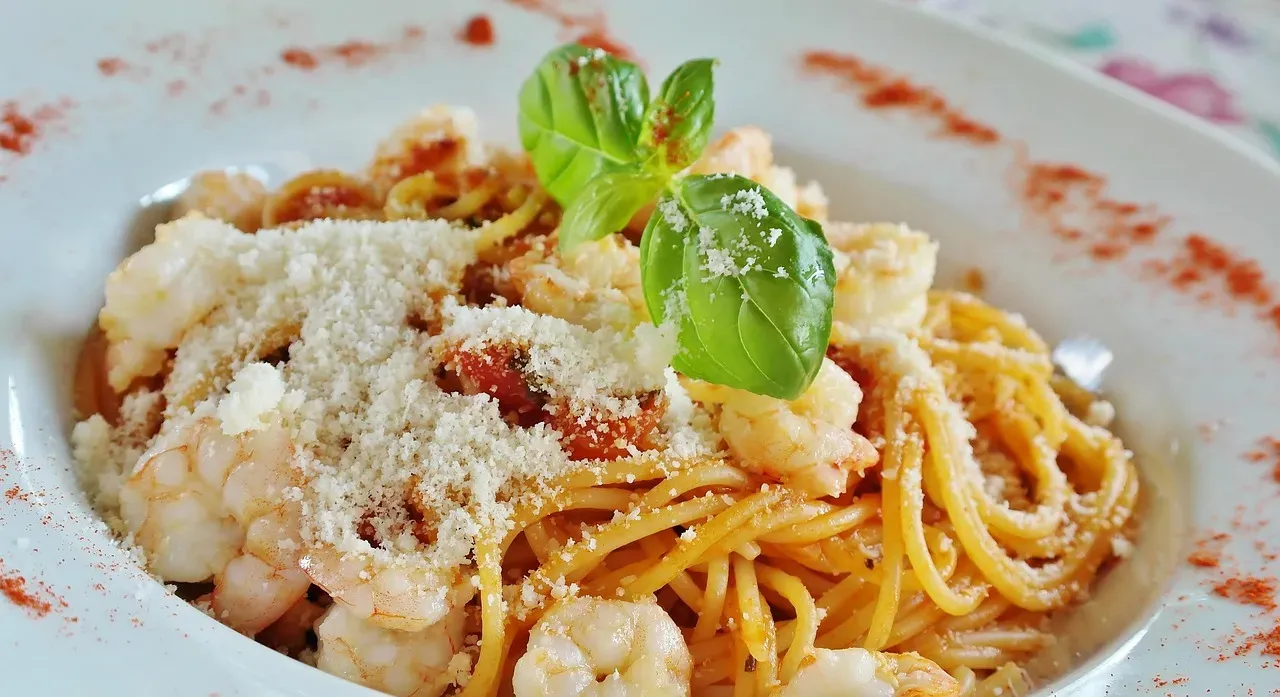
Last but absolutely not least, this one is a genuine red line in Italian cuisine. The capital sin of adding Parmesan cheese to spaghetti with clams is a mistake that many non-Italians make, but it’s one that makes any Italian cringe. It’s hard to say for sure exactly where this habit started outside of Italy, but it has spread everywhere.
In Italy, Parmesan cheese is reserved for pasta dishes with tomato-based sauces, cream sauces, and meat-based dishes. Adding Parmesan cheese to a seafood-based dish, like spaghetti with clams, is a big no-no. The flavours of the clams and the sauce in spaghetti with clams are delicate and nuanced, and adding Parmesan cheese can overpower those flavours and throw off the balance of the dish.
Beyond seafood, avoid adding cheese too early in the cooking process, as it can melt too quickly and separate from the sauce, resulting in a greasy or lumpy texture. When cheese is overheated, especially hard cheeses like Parmesan or Pecorino, it tends to clump or form strings rather than blending smoothly. Always wait until the pasta has been fully mixed with the sauce, removed from direct heat, and slightly cooled before adding grated cheese. Sprinkling it on at the right moment ensures even melting, a creamy consistency, and a flavor that enhances the dish without overpowering it.