The No-Go List: 9 U.S. Destinations Travelers Say Aren’t Worth the Risk
Every year, millions of Americans plan road trips, long weekends, and bucket-list getaways across their own country. It’s easy to assume that traveling domestically means traveling safely. Honestly, that assumption deserves a second look.
Some U.S. cities carry real, documented risks that go far beyond the ordinary caution you’d exercise in any big city. From violent crime rates that dwarf the national average to shocking safety scores given by residents themselves, certain destinations have developed a reputation that no tourism campaign can fully paper over. The latest FBI crime data, city-level safety surveys, and independent research all point to the same handful of places, over and over again.
So which U.S. destinations are landing on travelers’ personal no-go lists, and what does the data actually say? Let’s dive in.
1. Memphis, Tennessee: Still Leading the Wrong Kind of List

Memphis consistently holds the dubious honor of topping national crime rankings. At the top of consumer safety indices, Memphis, Tennessee registers the highest crime index score at 78, marking it as the city Americans perceive as the most unsafe in 2025. That’s not just perception either. Memphis tops the list for violent crime, with a rate nearly six times the national figure.
Memphis ranked among the top large cities for both violent and property crimes, leading in aggravated assault, larceny-theft, and motor vehicle theft. Here’s the thing, though: the city has been fighting back hard. Memphis saw a 30 percent decrease in homicides by the end of 2024, with overall crime dropping to a 25-year low across major categories. Still, the baseline was so high that even with these improvements, Memphis remains at the very top of the danger list.
Despite these improvements, Memphis has drawn federal attention, with President Trump placing Memphis “early on the list” of cities for potential federal intervention. Residents often cite issues with violent crime and property theft, contributing to its elevated perception of risk. For travelers unfamiliar with the city’s layout, navigating its many unsafe neighborhoods without local guidance is a genuine gamble.
2. Detroit, Michigan: Where the Numbers Still Sting
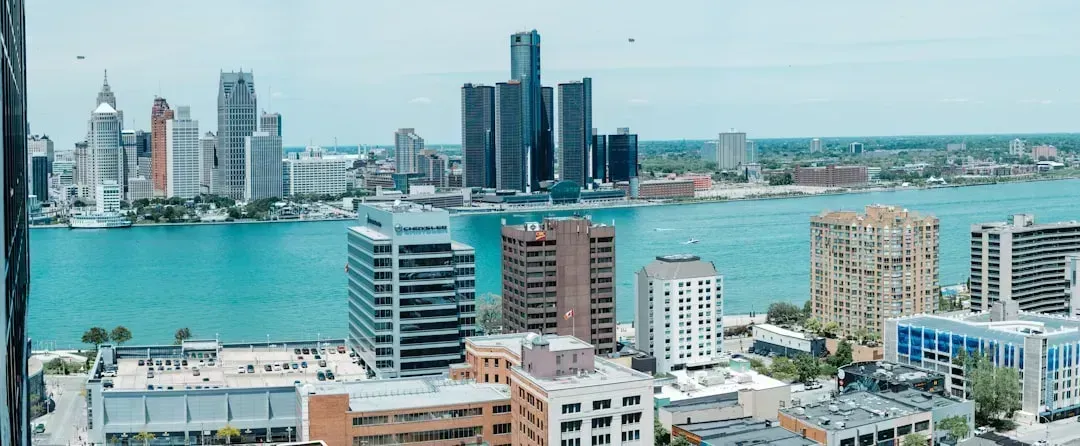
Detroit has a complicated relationship with its own reputation. The city’s revival story is real and worth acknowledging. The food, the Motown history, the architecture – it’s all genuinely compelling. With one of the highest violent crime rates in the nation, Detroit consistently ranks as the most dangerous city, with the high rate of violent crimes per capita, including assaults and robberies, making it a particularly risky place.
The 2023 Michigan State Police report gives the following picture: violent crime at 1,284 incidents per 100,000 residents. That rate is down 31 percent from 2012, but it is still four times the national median of about 380. That’s four times. Let that sink in. Crime rates, even with a decline, are still extraordinarily high, and roughly one third of the city lives in poverty.
In 2024, the BBC named Detroit the second most dangerous city in the US, behind only St. Louis, Missouri. In the category of safety, Detroit scores around 21 out of a possible 100 points, putting it in 3,002 out of 3,028 cities compared globally in 2025. That comparison is sobering, to say the least.
3. St. Louis, Missouri: A Beautiful Arch, a Troubling Record

St. Louis is a city of contradictions. The Gateway Arch is genuinely breathtaking. The barbecue is legendary. The crime statistics, however, are hard to ignore. St. Louis, Missouri, holds the distinction of being among the most dangerous cities in the United States, with a rate of 1,470 per 100,000 residents for assault. The city’s crime rate reflects broader social and economic hardships that contribute to its high statistics.
Among medium-sized cities, St. Louis, Missouri had the highest murder rate in 2024. There is some genuinely hopeful news to share here. Homicide rates in St. Louis have fallen approximately 22 percent in the first half of 2025, the lowest mid-year murder numbers in more than a decade. That is a meaningful shift worth recognizing.
Still, resident reviews tell a cautionary tale. Many locals openly warn tourists about certain parts of downtown and advise against going out alone at night. The BBC also ranked St. Louis as the most dangerous city in the US ahead of Detroit, and that label doesn’t vanish overnight, no matter how encouraging the trend lines become. The city’s recovery is real, but it is still very much a work in progress.
4. Baltimore, Maryland: Progress Is Real, but Perception Persists
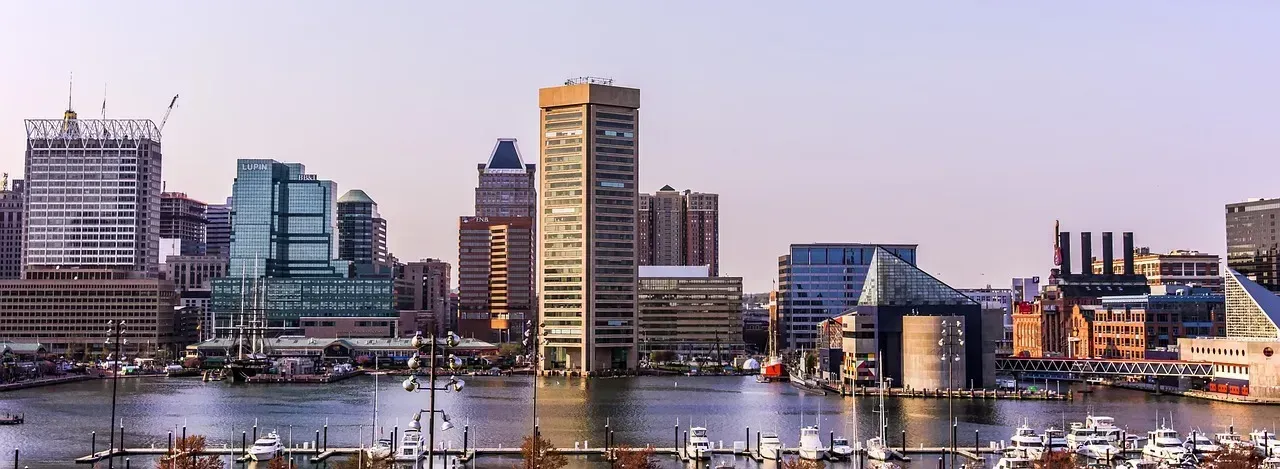
Baltimore holds a complicated place in the American imagination, partly shaped by decades of pop culture coverage. The reality on the ground, though, is backed by data. Baltimore ranked second in murders among large cities while maintaining its position as the nation’s leader in robbery rates. That’s a painful combination for any tourism board to work around.
The city’s roughly 22 percent poverty rate, triple the national average, correlates with geographic concentration of crime. Baltimore’s crime challenges stem from decades of economic decline, the opioid crisis, and other systemic issues highlighted by high-profile events. I think it’s important to acknowledge these root causes, rather than simply calling the city dangerous without context.
The good news is real and measurable. The city has shown remarkable progress recently: as of mid-2025, robberies and auto thefts are down compared to the previous year, while the homicide clearance rate has jumped from 40.3 percent in 2020 to 68.2 percent in 2024. Still, Detroit and Baltimore both have violent crime rates more than triple the U.S. average, which keeps them firmly on travelers’ caution lists for now.
5. New Orleans, Louisiana: The Party Comes with a Warning Label
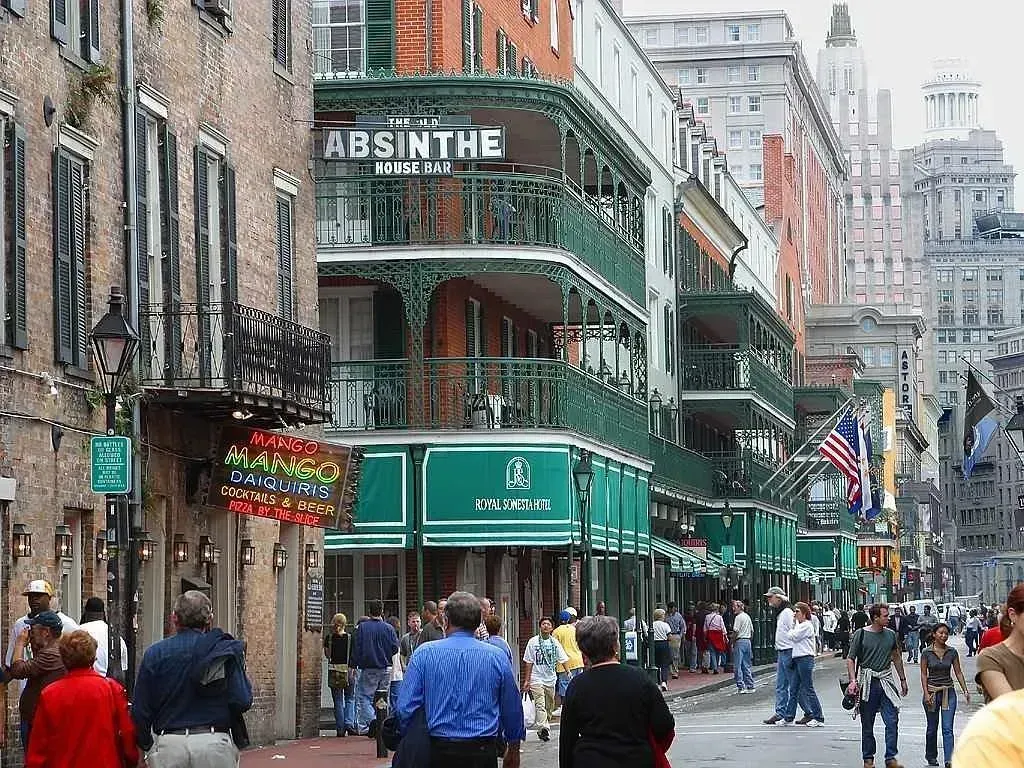
New Orleans is one of the most unique cities on earth. The culture, the food, the music, the festivals. It’s magnetic. Yet it has earned its spot on this list for a reason. The crime rate for the city is above the national average rate, and travelers should exercise caution when visiting the Big Easy. It’s not just background noise either.
On January 1, 2025, a tragic terror attack shook New Orleans. Following the terrorist attack on Bourbon Street on January 1, 2025, many airlines, including American, Delta, Southwest, and United, issued travel advisories for New Orleans. That single event reshaped the city’s safety narrative heading into 2025 and beyond.
To be fair, the data does show dramatic improvement. New Orleans achieved its lowest homicide numbers in nearly five decades, with murders dropping from 192 in 2023 to 124 in 2024. From 2022 to 2025, homicides were down 55 percent, fatal shootings were reduced by 61 percent, armed robberies down 59 percent, and carjackings plummeted by 70 percent. Even so, the most common crime people experience in New Orleans is petty theft, and the city has a fairly high rate of pickpocketing, bag snatching, and theft from vehicles.
6. Anchorage, Alaska: Wild Beauty, Wild Risks
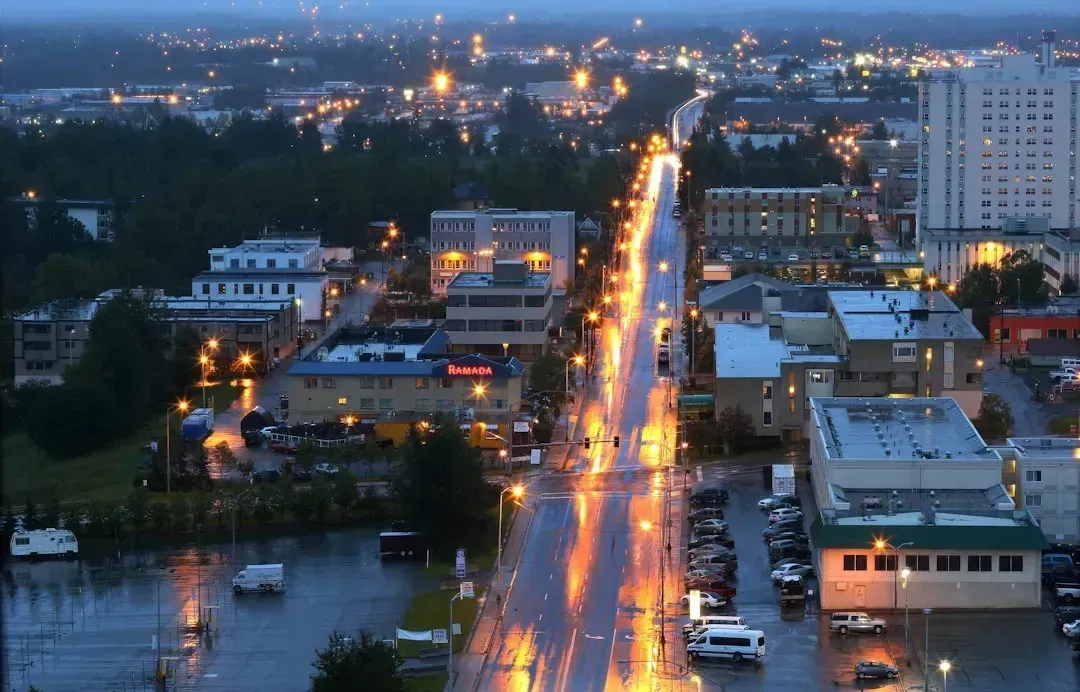
Anchorage is a genuinely stunning gateway to one of the most spectacular landscapes on earth. But I think many travelers underestimate what they’re walking into when they land there. Alaska regularly ranks first among all U.S. states for both violent and property crime. That’s not a regional quirk. That’s a persistent, documented pattern.
According to FBI crime data, Alaska’s crime rate is higher than the national average. In 2022, the state reported about 8.4 violent crimes per 1,000 residents, compared to the national rate of 4.1 per 1,000. The Alaska Department of Public Safety’s 2024 Annual Report highlights that Alaska faces some of the highest rates of domestic violence and sexual assault in the U.S. These aren’t numbers to casually dismiss.
Anchorage and Alaska more broadly have long exceeded national averages for reported rape. Some of this may be due to higher reporting or more willingness to report, but also to challenges such as remote geography, limitations in law enforcement coverage, and delays in legal processing. A recent investigation found that many felony cases take five to 10 years to resolve in Anchorage, despite state laws mandating quicker trials. For a traveler in trouble, that’s a sobering thought.
7. Oakland, California: A City Travelerss Keep Reassessing

Oakland carries a complex legacy. It’s a city of genuine culture and creativity, neighbor to San Francisco, and home to a fiercely proud community. Yet the crime numbers are stubborn. Oakland topped the list in multiple property and violent crime categories, leading all medium-sized cities in aggravated assault, robbery, and larceny-theft. That’s a sweep of nearly every major crime category, which is genuinely alarming.
St. Louis, Cleveland, and Oakland dominated the lists for mid-sized cities, appearing across violent and property crime categories. Travelers who arrive expecting a slightly scrappier version of San Francisco sometimes find themselves caught off guard by just how stark the difference in street-level safety can feel, especially outside the well-trodden tourist corridors.
The national trend of falling crime is real. The FBI released 2024 crime figures that showed national crime rates continuing to cool: violent crime fell around 4.5 percent, and property crime dropped about 8.1 percent compared to 2023. Oakland has benefited from some of these broader trends, but its crime rate per resident still places it in a category where cautious, informed travel is essential rather than optional.
8. Birmingham, Alabama: High Assault Rates Raise Eyebrows

Birmingham doesn’t get as much national attention as Memphis or Detroit, but it probably should. Birmingham, Alabama, stands out for its high assault rate at 1,694 per 100,000 people, with the city facing significant economic disparities contributing to elevated figures. That assault rate is striking even by the standards of other cities on this list.
Birmingham has long struggled with violence tied to poverty, gun access, and concentrated disadvantage. Thankfully, homicides have declined since 2024, but violent crime overall has increased, mainly because aggravated assault rose nearly 10 percent in the first half of 2025. Rising assault numbers even as homicides fall is an unusual pattern that keeps Birmingham on travel watchlists.
Mayor Randall Woodfin’s 2025 blueprint for deterrence and intervention aims to address high murder rates, particularly those involving firearms. That’s a meaningful policy commitment, and honestly it’s encouraging to see local leadership take the issue seriously. Still, smaller and extra-small cities like Birmingham had rates far above the national average, proving that crime is not just a “big city” problem.
9. Washington, D.C.: Seat of Power, Surprising Safety Concerns
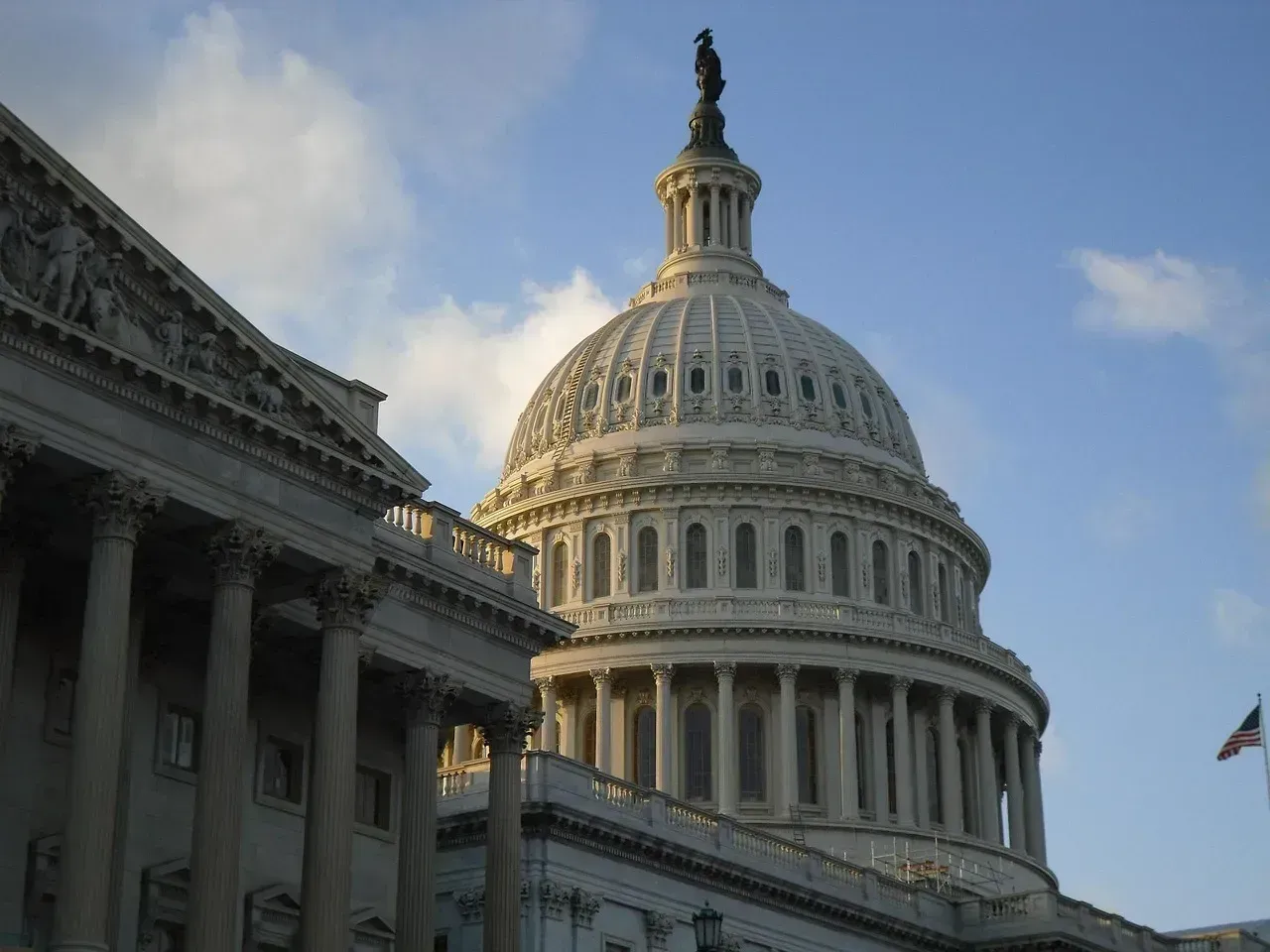
It might be the most surprising name on this list. The nation’s capital. The home of the White House, the Smithsonian, the Lincoln Memorial. Millions visit every year, and most do so without incident. Yet the city’s safety record is more complicated than its postcard image suggests. Washington, D.C., ranked seventh among the largest cities for violent crime, though it has decreased in recent years. The capital city’s crime rates recently came into the national spotlight as President Donald Trump declared a public safety emergency to crack down on crime.
Washington, D.C. records a firearm death rate of 20.4 per 100,000, higher than most states. As a dense urban area, its rate reflects different dynamics than rural states, including concentrated violent crime rather than firearm suicides. For a heavily policed, highly surveilled city, those figures carry real weight.
The broader national picture does offer some comfort. The rate of reported homicides was 21 percent lower in 2025 than in 2024 across the study cities, representing 922 fewer homicides. D.C. has shared in that progress, but the city’s stark inequality between its tourist-friendly center and its outer neighborhoods means the risk profile can shift dramatically within just a few blocks. Visitors who stay on the National Mall may never sense the danger. Those who wander without guidance might find a very different city.
Conclusion: Know Before You Go

None of this means these cities are completely off-limits. Many are fighting hard to turn the corner, and the data shows real progress in several of them. Violent crime overall in 2025 was at or below levels seen in 2019, the year before the 2020 pandemic. There were 25 percent fewer homicides in the study cities in 2025 than in 2019. That’s a national trend worth celebrating.
Still, progress on a trend line doesn’t automatically make a destination safe for an uninformed first-time visitor. In 2024, the national total crime rate was 2,119 incidents per 100,000 residents, and the cities on this list sit dramatically above that figure. Context and preparation matter enormously.
Traveling smart means knowing the data, choosing neighborhoods carefully, and taking basic precautions that go beyond what you’d need in most cities. The beauty and culture of places like New Orleans, Detroit, and D.C. are real and worth experiencing. Just go in with your eyes open. What do you think? Would any of these cities make your personal no-go list, or are you willing to take the risk?