If You Grew Up in the ’80s, These 9 Meals Were Likely on Your Table
There’s something almost magical about the way a smell or a flavor can take you straight back to being ten years old. Close your eyes and picture walking through the front door after school. The air is thick with something warm, something familiar. Mom is in the kitchen. The TV is on in the other room. And dinner? Dinner is exactly what you expected it to be.
Simple, filling, and unforgettable, these meals captured what dinner looked like for millions of American families in the 1980s. The decade wasn’t about culinary adventure for most households. It was about stretching a dollar, keeping everyone fed, and getting through the week. Honestly, there’s something deeply comforting about that. Let’s take a ride back to that linoleum-floored kitchen and see what was really on the table.
1. Hamburger Helper: The One-Pan Wonder That Saved Weeknights
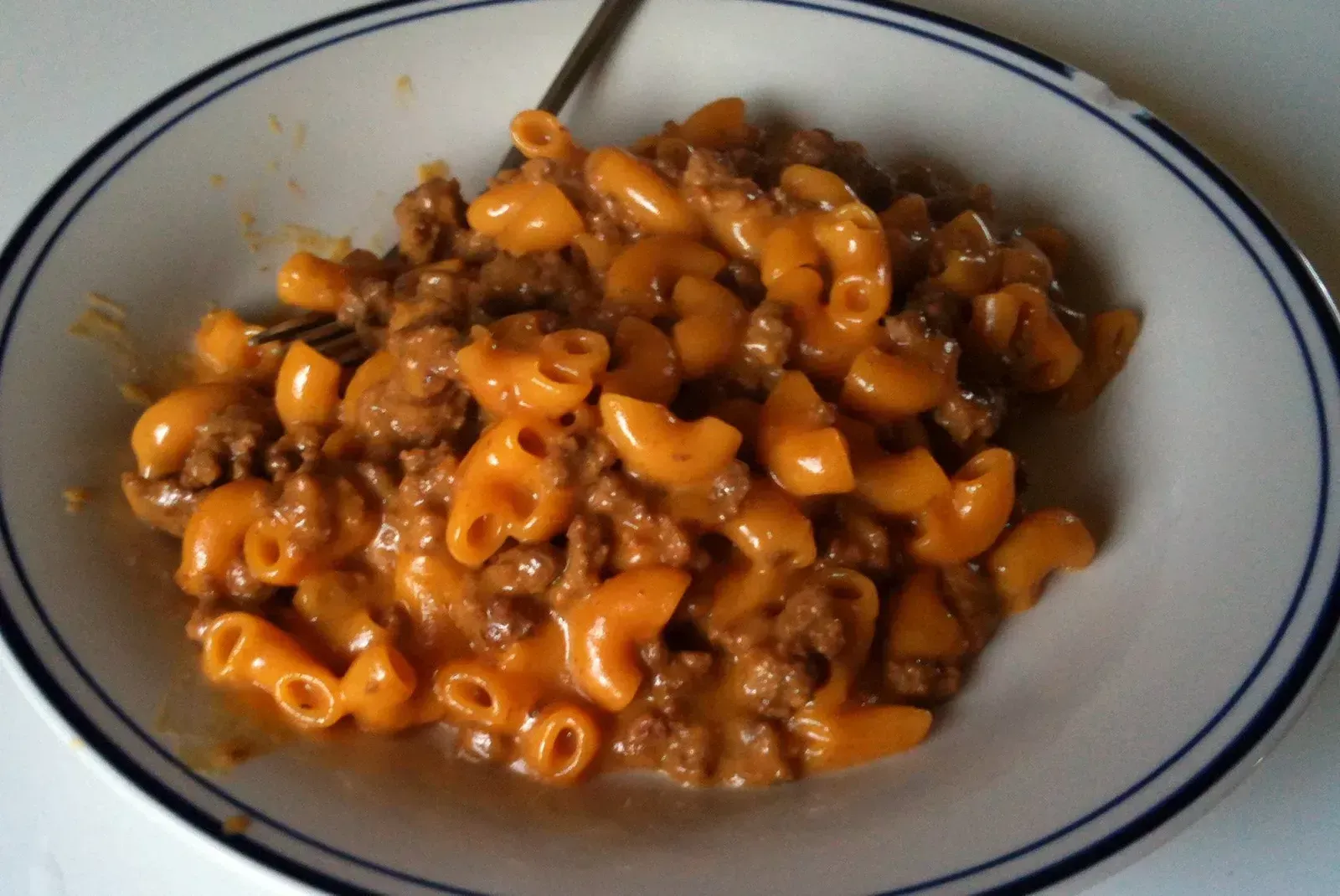
If you remember that cheerful gloved hand on the box, then you know exactly what this was about. Many vintage casserole dishes vanished from the dinner table because they just became too time-consuming to make, and many were replaced by Hamburger Helper. One box represented one entire hot meal, often made in just one pan, that could feed a whole family. It contained some pasta and a sauce, and required the addition of a pound of cheap ground beef to be transformed into a casserole that could be served in minutes.
Cheeseburger macaroni, chili tomato, four cheese lasagna, chili mac, and stroganoff varieties proved particularly popular in the 1970s and 1980s with American families led by working parents who didn’t have the time or energy for elaborate cooking. It was the answer to “I’m tired and payday isn’t until Friday.” With food prices rising in the 2020s, Hamburger Helper kits are once again a top seller, as today’s adults fondly remember these economical, filling, and salty relics of their childhoods.
2. Meatloaf: Humble, Hearty, and Always There
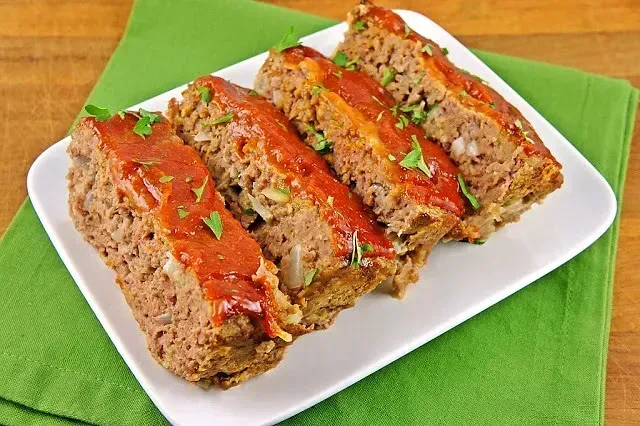
No dish screams “1980s family dinner” like meatloaf. It was humble, hearty, and endlessly customizable. It wasn’t anyone’s favorite, but it always got eaten. Think of it like the golden retriever of dinner food. Not flashy. Not demanding. Just reliably there, sitting on the table, ready to please.
Made from whatever ground meat was on sale, mixed with breadcrumbs and ketchup, it was a symbol of stability. You could tell how thrifty your household was by what got added to the mix, oats, onion soup packets, or bits of leftover veggies. Whatever the ingredients, meatloaf has been a popular entrée for at least 80 years or longer. And honestly, looking back, it deserves more credit than it ever got.
3. Spaghetti Night: The Jar of Ragu That Fed a Nation
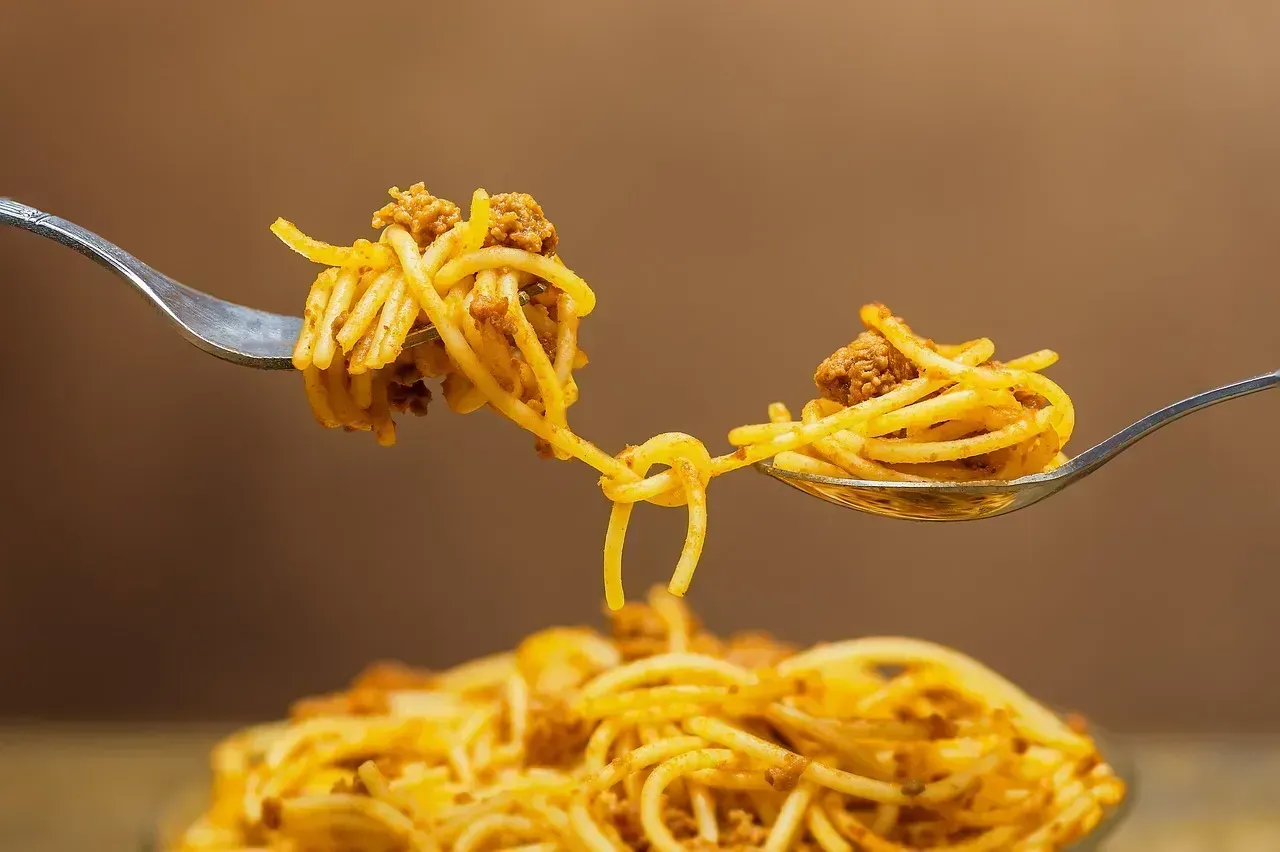
Premade spaghetti sauces hit the mainstream in the U.S. in the 1970s and were well entrenched by the 1980s, thanks in part to the proliferation of multiple variants of Prego and Ragu. Developed specifically to meet the tastes of Americans, those sauces moved spaghetti night out of being an all-day process into an inexpensive weeknight meal option. No one was simmering a sauce for six hours on a Tuesday.
Families sat around the table, twirling noodles, passing garlic bread, and catching up on the day. Even if the sauce was from a jar, the ritual was homemade. There was no pretense, no discussion of imported olive oil or fresh basil. It was just pasta night. Again. And nobody really minded all that much.
4. Tuna Noodle Casserole: The Pyrex Dish of Resilience
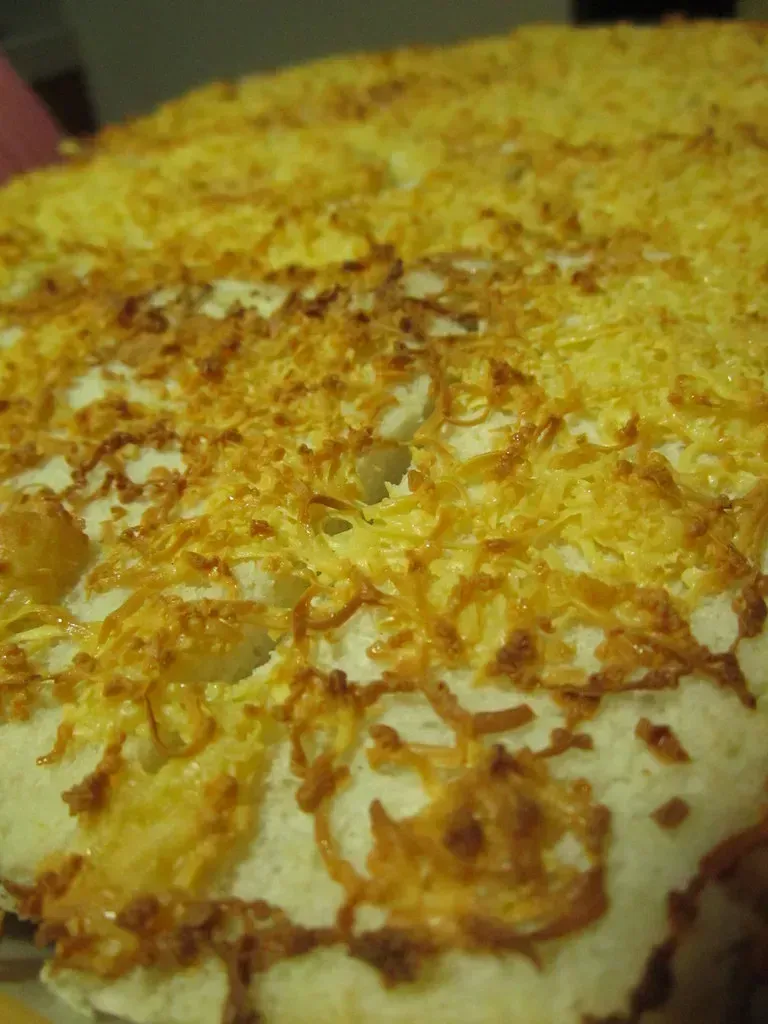
Freeze-dried onions, cream of mushroom soup, and crushed potato chips were the holy trinity of ’80s casserole ingredients. Tuna noodle casserole was the pinnacle of this formula. Mom would mix canned tuna with egg noodles, peas, and the miracle worker of ’80s cooking, cream of mushroom soup. The crowning glory was always crushed potato chips or those crispy fried onions sprinkled on top. Families would gather as she pulled it from the oven, the topping perfectly golden and crackling with promise.
That was the beauty of the classic tuna casserole, cheap, filling, and miraculously adaptable. Some families tossed in frozen peas. Others crumbled potato chips or breadcrumbs on top for that crispy “special occasion” feel. It was resourceful cooking at its best, repurposing leftovers, stretching protein, and still producing something that felt like love. I didn’t fully appreciate it at the time. Turns out, it was resilience in a Pyrex dish.
5. Beef Stroganoff: Comfort in a Bowl, No Fancy Cuts Required
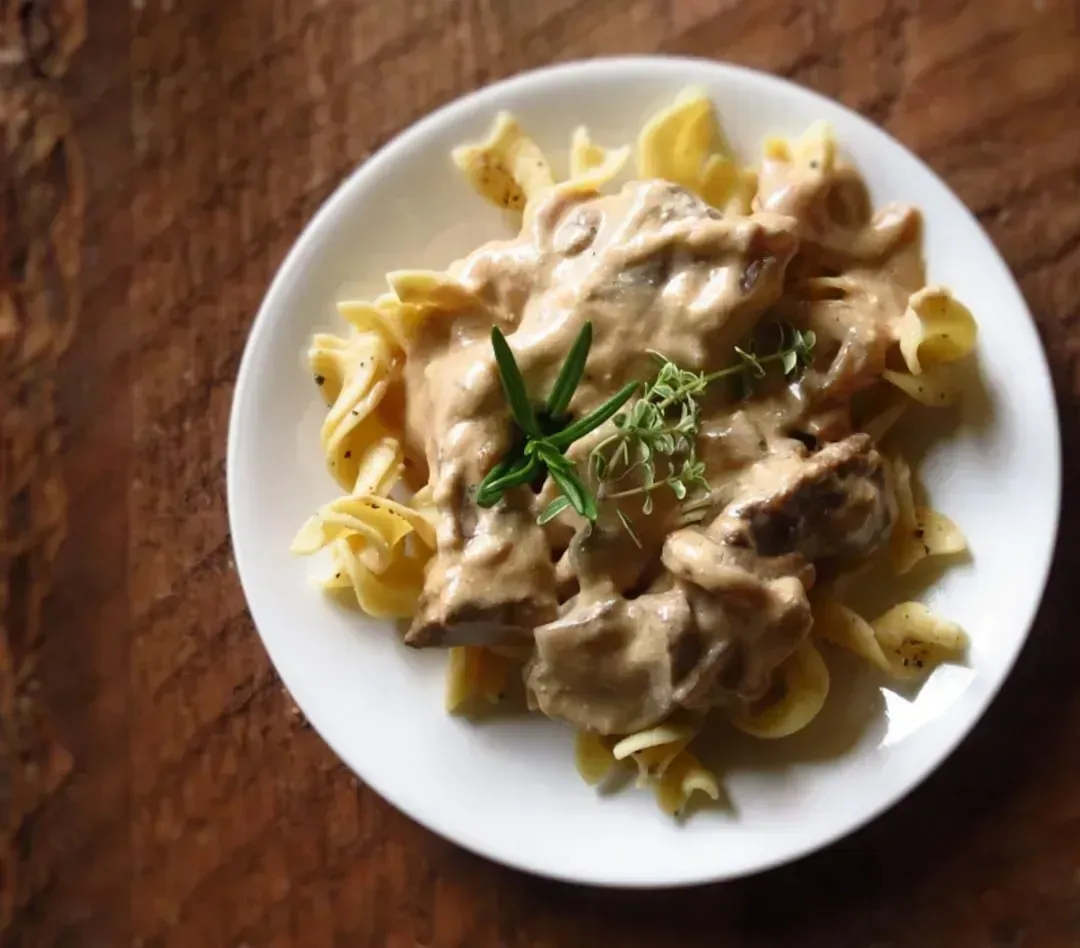
Originating from Russia, this culinary gem made its way into the spotlight during the ’80s as a comforting and flavorful food that played the starring role in many a family dinner. The dish’s exact origins remain somewhat mysterious, with several accounts attributing its creation to various members of the Stroganov family, a prominent Russian noble dynasty. By the time it landed on the average American dinner table, though, it had been thoroughly adapted.
Most versions weren’t fancy – just ground beef, egg noodles, cream of mushroom soup, and a dollop of sour cream. But it had a richness that felt a little indulgent, especially on a cold evening. The noodles curled perfectly around the sauce, and the whole thing smelled like home. Some families added peas or mushrooms to round it out, while others kept it plain and simple. Either way, it always disappeared fast.
6. The TV Dinner: A Tray Full of Modern Life
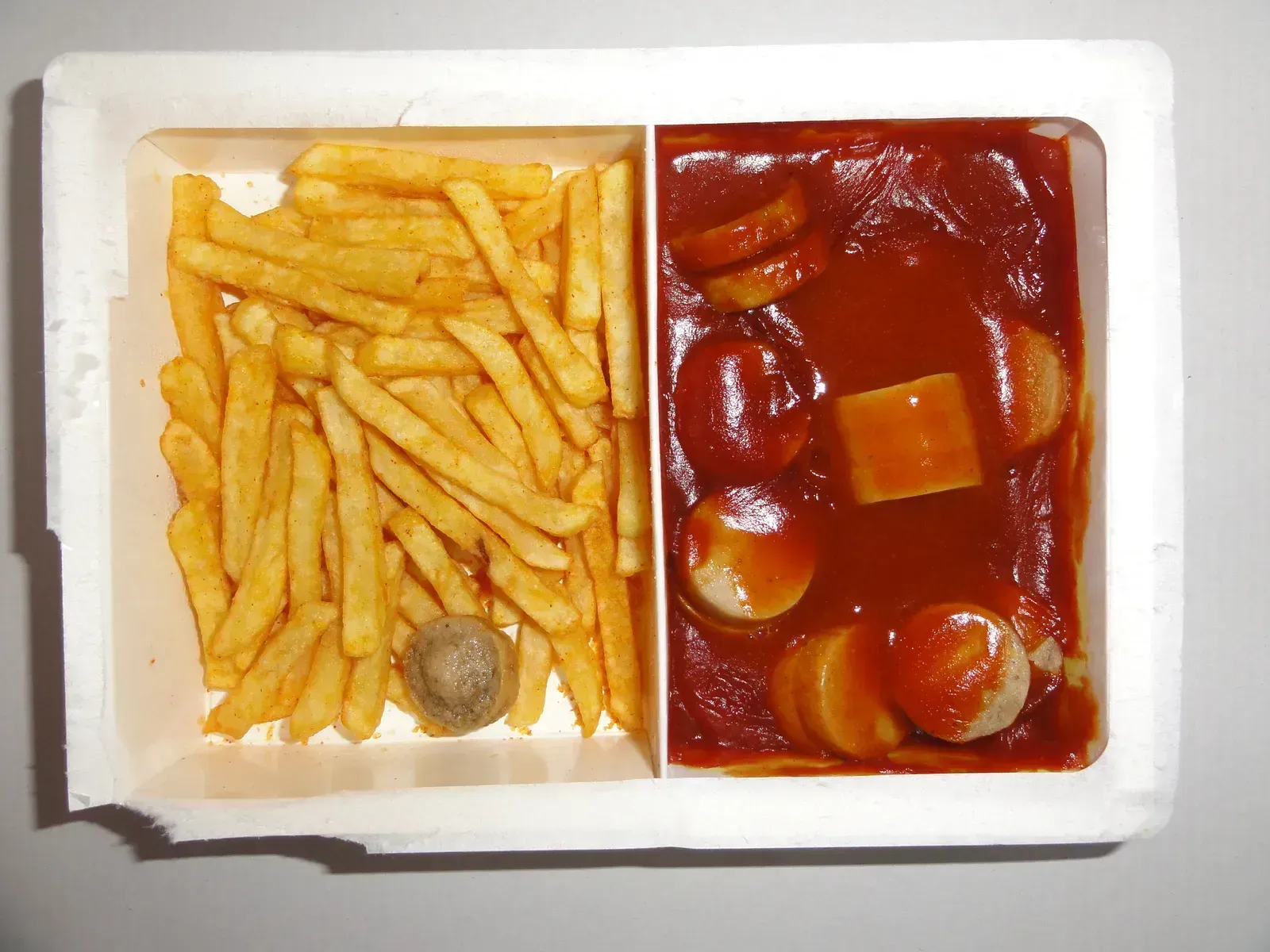
Microwave ovens, which were becoming more common in households, revolutionized meal preparation. These handy machines promised quick, no-fuss cooking, and they did not disappoint. Meals like TV dinners became staples, providing everything from Salisbury steak to chicken and vegetables in one neat, pre-packaged tray. Honestly, there was something almost futuristic about peeling back that foil and finding a whole meal waiting for you.
Originally sold in aluminum trays, TV dinners were overhauled in the 1980s to become near-instant microwaveable meals in plastic containers. Despite the convenience of this update, many diners gradually became concerned about the nutritional value of these ultra-easy meals. The public developed a perception that microwaved TV dinners were lacking in essential nutrients and were highly processed, full of saturated fats and sodium. Still, for millions of families, that little compartmentalized tray was dinner. No apologies.
7. Sloppy Joes: Messy, Magnificent, and Unstoppable
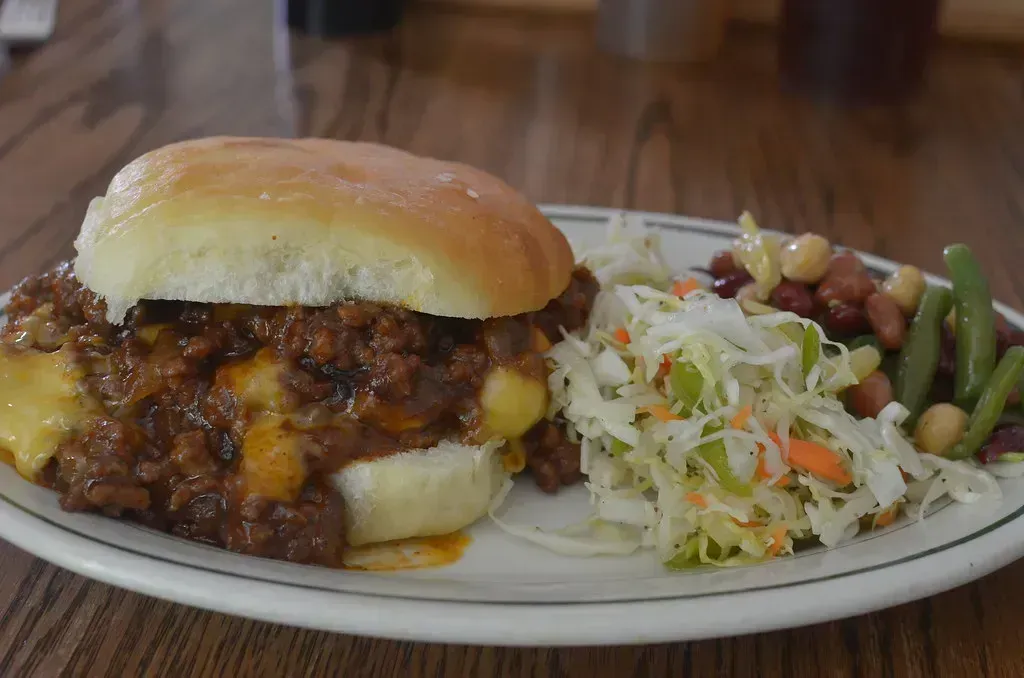
Sloppy Joes weren’t just school lunchroom fare; they made regular appearances on dinner tables, too. Canned Manwich, arguably the most popular way to make sloppy joes, was introduced in 1969, but it really took off in the ’80s. It may not be as popular today as it once was, but it’s still a fast, cheap, and filling meal. There is something almost joyful about a meal that comes with an implicit permission to make a mess.
The sloppy Joe was a hot, dinner-worthy, cooking-required sandwich made from cooked and pebbled ground beef swimming in a thick and messy sweetened tomato sauce, derived from tomato sauce, barbecue sauce, or ketchup. Sloppy Joes, with their tangy, sweet meat sauce piled on a bun, were a favorite. This dish was a hit at family dinners and potlucks alike. Every kid who ever had to eat one over the sink knew its power.
8. Taco Night: The Weekly Ritual That Built a Tradition
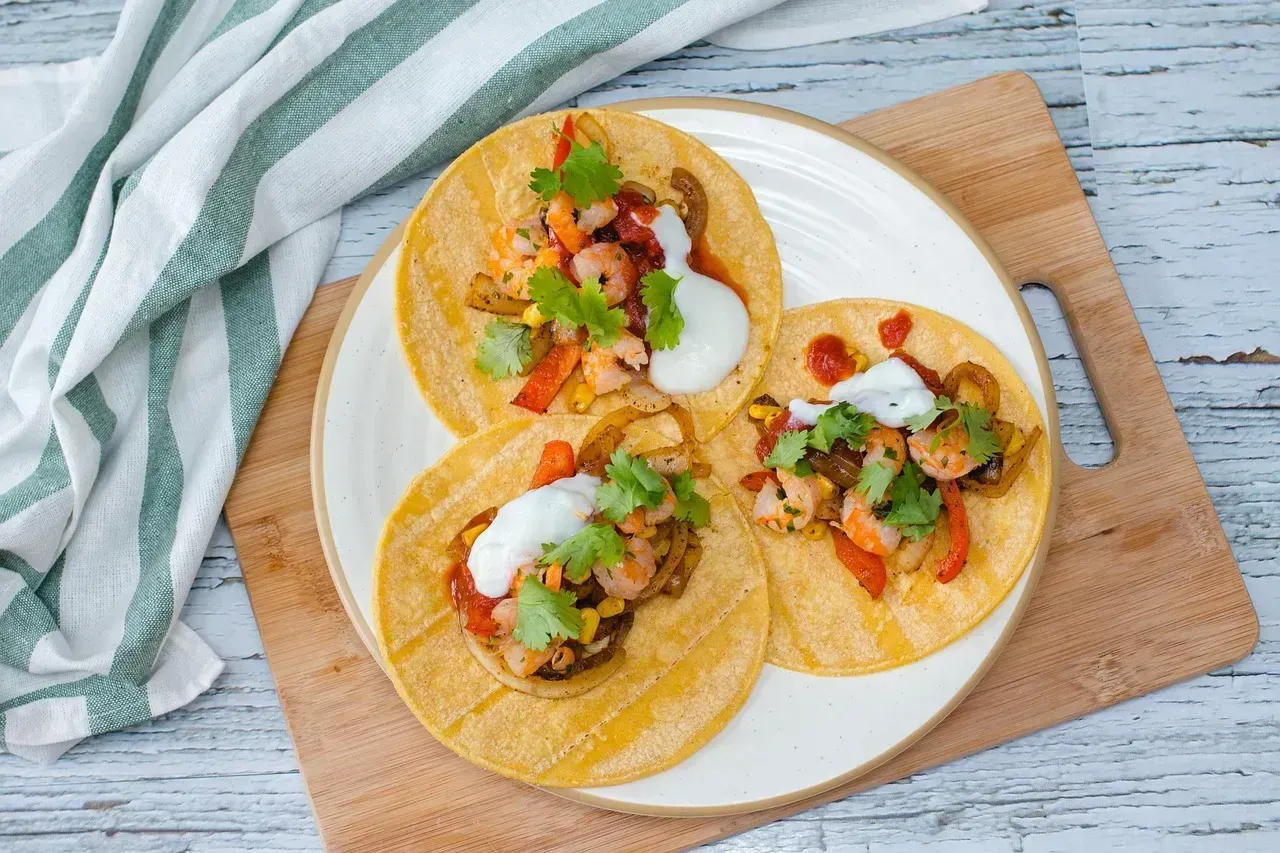
Tacos are so associated with the 1980s in part because that’s when the concept of “Taco Tuesday” emerged. Restaurants far and wide had taco specials on that night of the week, and the alliterative fun extended to households, who stocked up on boxes of taco shells and ground beef. It felt like an event. Like something slightly exotic happening in the middle of an ordinary week.
Mainstream American tacos were prepared largely the same way that Taco Bell did: ground beef simmered in water and a packet of mildly spicy taco seasoning, spooned into tortillas fried until crispy and then packaged, and topped with non-historically Mexican ingredients like shredded cheddar cheese and iceberg lettuce. Taco night became a weekly tradition for many families, with crunchy taco shells and seasoned beef being the stars of the show. Nachos, loaded with cheese, ground beef, and toppings, became a popular snack or even a meal in itself.
9. Kraft Mac and Cheese: The Blue Box That United Generations
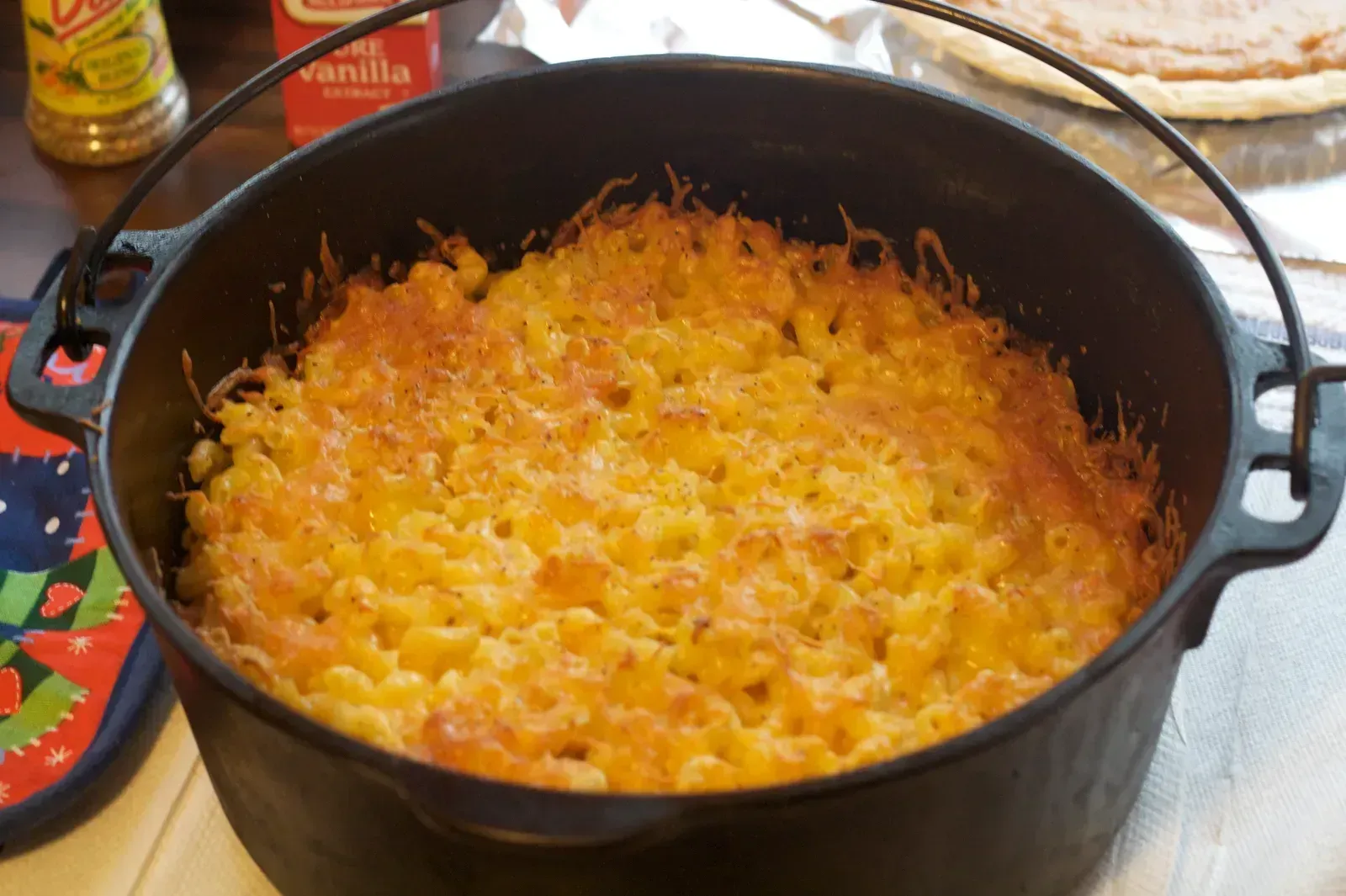
Kraft Macaroni and Cheese became a household staple, and for good reason. It was quick, easy, and relatively inexpensive. It was also genuinely democratic. Rich families ate it. Families stretching every dollar ate it. There was no status attached to the blue box, just that unmistakable neon orange powder that somehow worked every single time.
Macaroni and cheese, the kind made from a box manufactured by the likes of Kraft, has been a universally popular meal for kids for decades, particularly in the 1980s, and it certainly felt like a home-cooked meal. Water had to boil to make sure those tiny pieces of elbow pasta got soft, and it needed a little bit of milk and butter to finish the cheese sauce made possible by the highly scientific and mysterious sealed envelope of salty, bright-orange, cheddar-flavored powder. Canadians love Kraft Dinner, eating 1.7 million of the 7 million boxes sold each week, which tells you everything about just how deeply embedded this meal became in North American culture.