Scientists Say 9 States Could See Severe Water Shortages Earlier Than Forecast
Water has always been the kind of resource most Americans assume will simply be there when they turn on the tap. That assumption, it turns out, is cracking apart faster than anyone predicted. Researchers, federal agencies, and state water managers are now sounding alarms that go well beyond the typical drought warnings of past decades.
What is emerging from the latest government data and independent studies paints a picture that is both urgent and, honestly, a little frightening. From desert states in the Southwest to the supposedly rainy shores of Florida, the timeline for serious water shortages has been moved forward. So let’s dive in.
1. California: The Groundwater Gamble
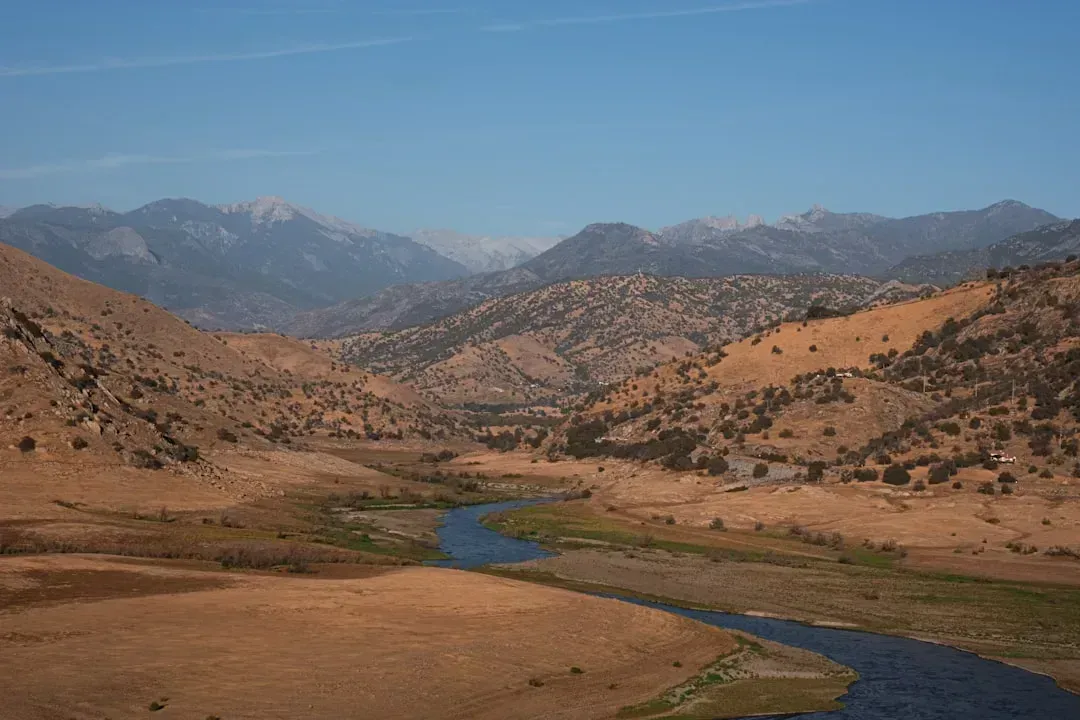
Although California’s drought has eased in recent years, moderate drought and abnormally dry conditions still reign in the north, affecting roughly 54 counties, and the state recorded its 14th driest June on record since 1895. The situation underground, however, is arguably worse than what happens on the surface. Reports show California is running out of groundwater as basins remain seriously depleted, accounting for approximately two-fifths of the state’s water supply, while the ongoing megadrought has increased fire danger, dried up farmland, caused crop shortages, and forced water-consumption restrictions.
According to a University of California, Davis study, up to 3 million acres of farmland, 67,000 agricultural jobs, and nearly 40 billion dollars from the economy could be lost if the state doesn’t invest in water storage and other strategies. That is not a distant hypothetical. California became the fourth-largest economy in the world in 2025, but that rank is considered tenuous and could be threatened if the state fails to act on its water future.
2. Arizona: Groundwater Losses of Historic Scale
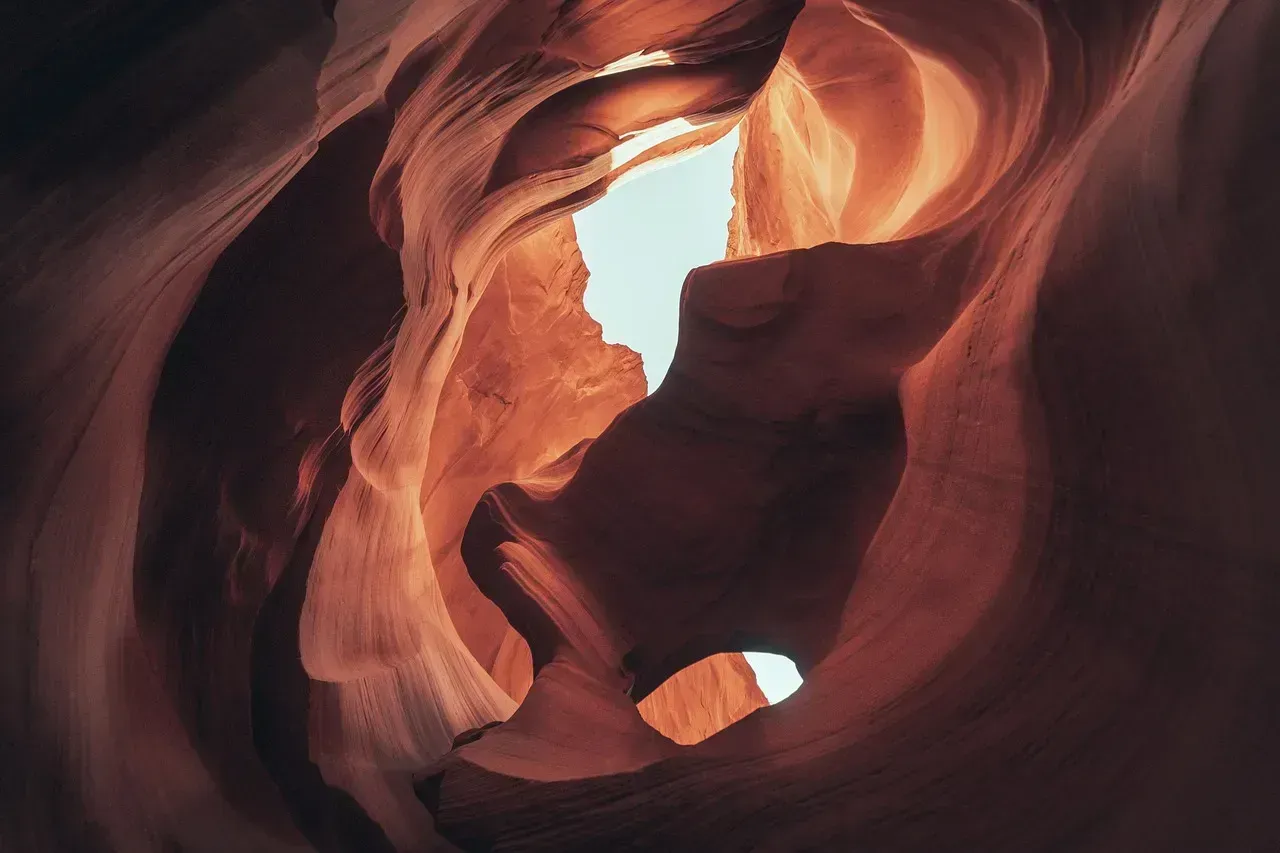
By measuring the gravitational pull of water for more than two decades, NASA satellites have tracked changes in the groundwater supplies of the Colorado River Basin, with Arizona State University researchers reporting rapid and accelerating losses in the basin’s underground aquifers between 2002 and 2024. Roughly 40 million people rely on water from these aquifers, which include parts of Arizona, California, Colorado, Nevada, New Mexico, Utah, and Wyoming. That number alone should stop anyone in their tracks.
The basin lost about 27.8 million acre-feet of groundwater during the study period, an amount roughly equal to the storage capacity of Lake Mead, with about 68 percent of those losses occurring in the lower part of the basin, which lies mostly in Arizona. The Colorado River Basin was declared to be in a Tier 1 shortage for 2025, representing a 512,000 acre-foot reduction to Arizona’s Colorado River water supply, constituting nearly a third of the Central Arizona Project’s normal supply.
3. Nevada: A River Running Out of Room
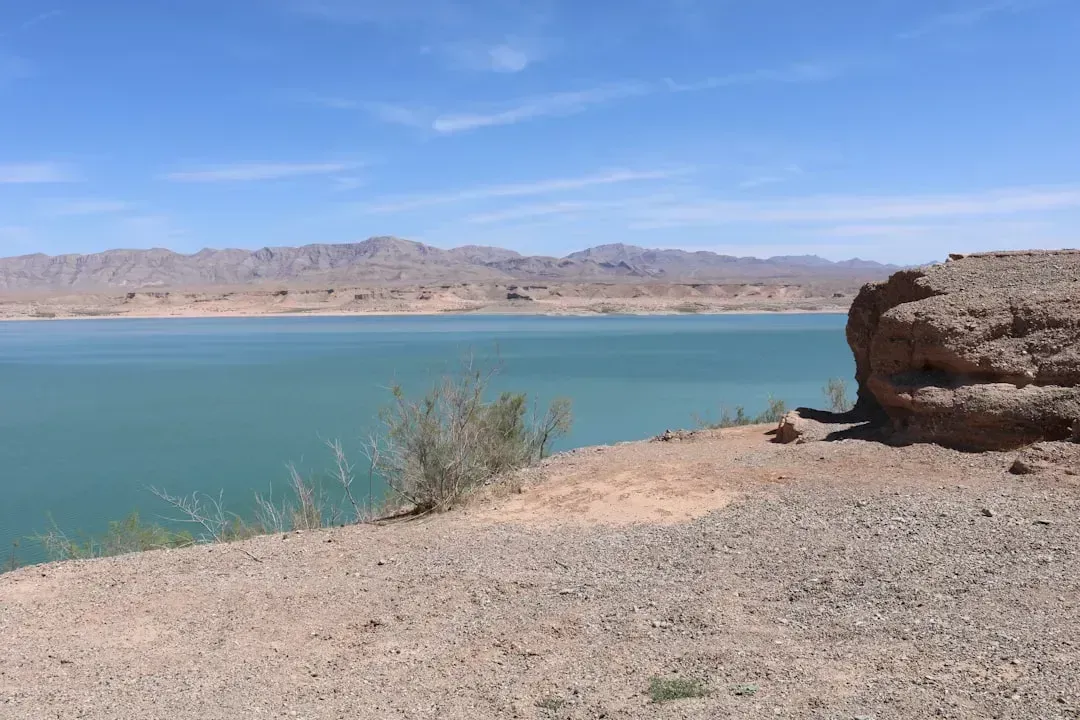
While Nevada’s drought has lessened in recent years, snowfall and runoff into the Colorado Basin have been well below average since 2000, resulting in significant water declines at major reservoirs like Lake Mead, and in 2021, federal officials made the first-ever shortage declaration, reducing the amount of water available to Nevada. That was considered a historic moment at the time. Nobody expected it to become routine.
Nevada will face a reduction of about 7 percent of its Colorado River allocation in 2026, while California won’t face any cuts because it holds senior water rights and is the last to lose in times of shortage. Under the Tier 1 shortage guidelines, Nevada’s consumptive use in 2025 was reduced by 13,000 acre-feet, adding to an already tight supply situation.
4. Colorado and the Shrinking Snowpack Problem
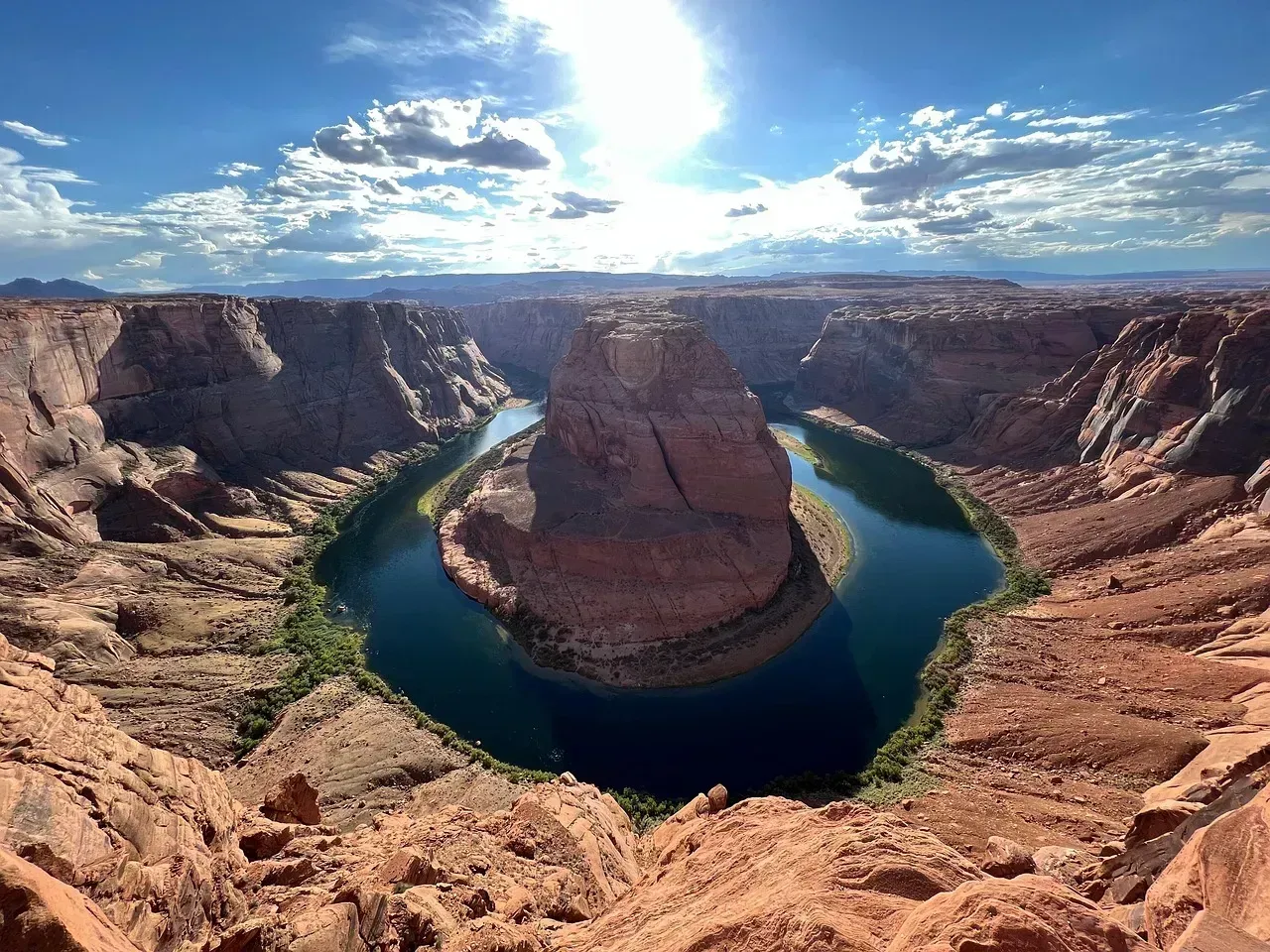
Many counties in Colorado sustained severe to extreme drought conditions, with the Palmer Drought Index showing more than two-thirds of the Rio Grande Basin facing moderate to extreme drought by the end of June 2024. As one of the longest rivers in North America, the Rio Grande supplies freshwater to seven U.S. and Mexican states, and with the drought, more dry river sections, water shortages, wetland loss, and reduced riparian vegetation have emerged.
One more dry year could send Lake Powell plunging below the levels needed to generate power by December 2026. The problem is that as climate change drives temperatures higher, thirsty soils drink up runoff before it reaches the river. Though precipitation reached about four-fifths of average in the upper basin, spring runoff into Lake Powell was only about two-fifths of normal. That gap between precipitation and what actually flows downstream is one of the most alarming trends in recent water science.
5. Utah: Reservoirs Draining at Double the Normal Rate
Utah’s reservoir levels have been showing a drastic decline, with the state drawing down reservoirs at more than double the normal rate since June 2025. This has been driven by increased demand, lower-than-normal spring runoff, and an extremely dry summer. Think of it like spending from your savings account twice as fast as usual, with no new deposits in sight.
The Colorado River Basin lost about 27.8 million acre-feet of groundwater between 2002 and 2024, roughly equal to the storage capacity of Lake Mead, and about 68 percent of the losses occurred in the lower part of the basin. Utah’s own river negotiator described the situation in stark terms, noting that reservoirs that were full when water-sharing negotiations began are essentially empty now.
6. New Mexico: The Drought Blanketing the State
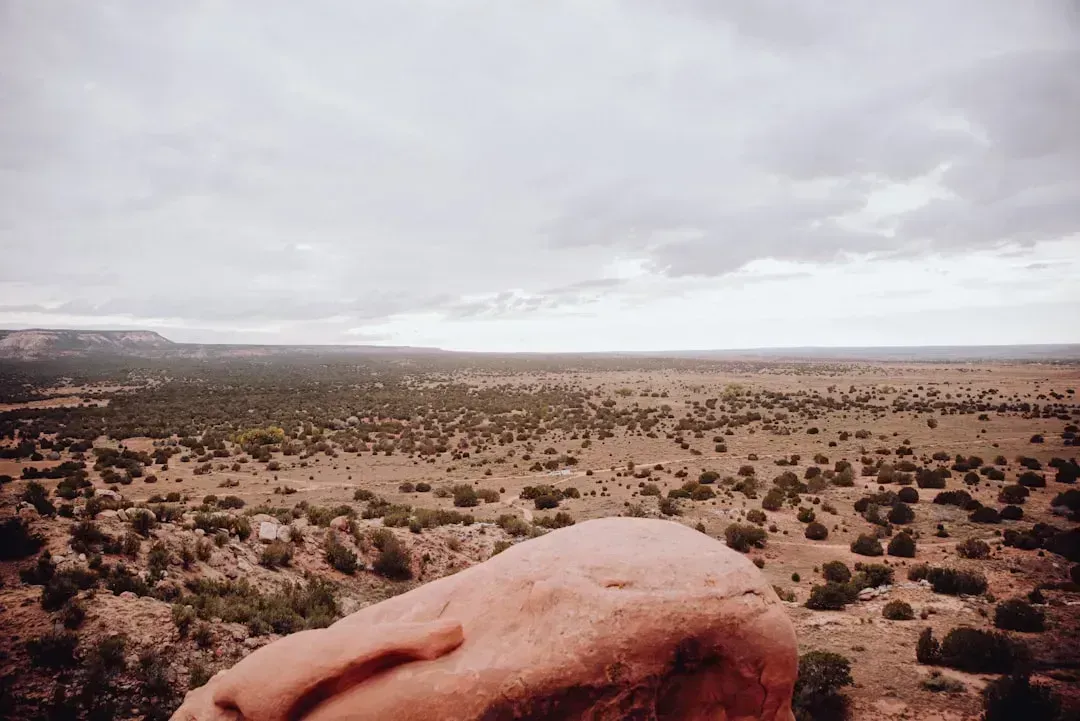
Drought has blanketed most of New Mexico, with extreme conditions in the northern and southeastern parts of the state. An unusually light snowpack has contributed to the dry conditions affecting millions of residents, and the drought has produced lower river levels, hampered recreational activities, and stressed local ecosystems. It is hard to overstate how deeply connected water availability is to daily life here.
New Mexico is among the seven states now renegotiating the terms of use for Colorado River water, with drought, increased temperatures, and decreased snowpack in the Rocky Mountains complicating those negotiations significantly, according to Penn State geosciences assistant professor Antonia Hadjimichael. New Mexico’s river negotiator has made its position clear during negotiations, stating that the state is unwilling to require additional mandatory reductions on its water users.
7. Texas: International Disputes and Drying Reservoirs
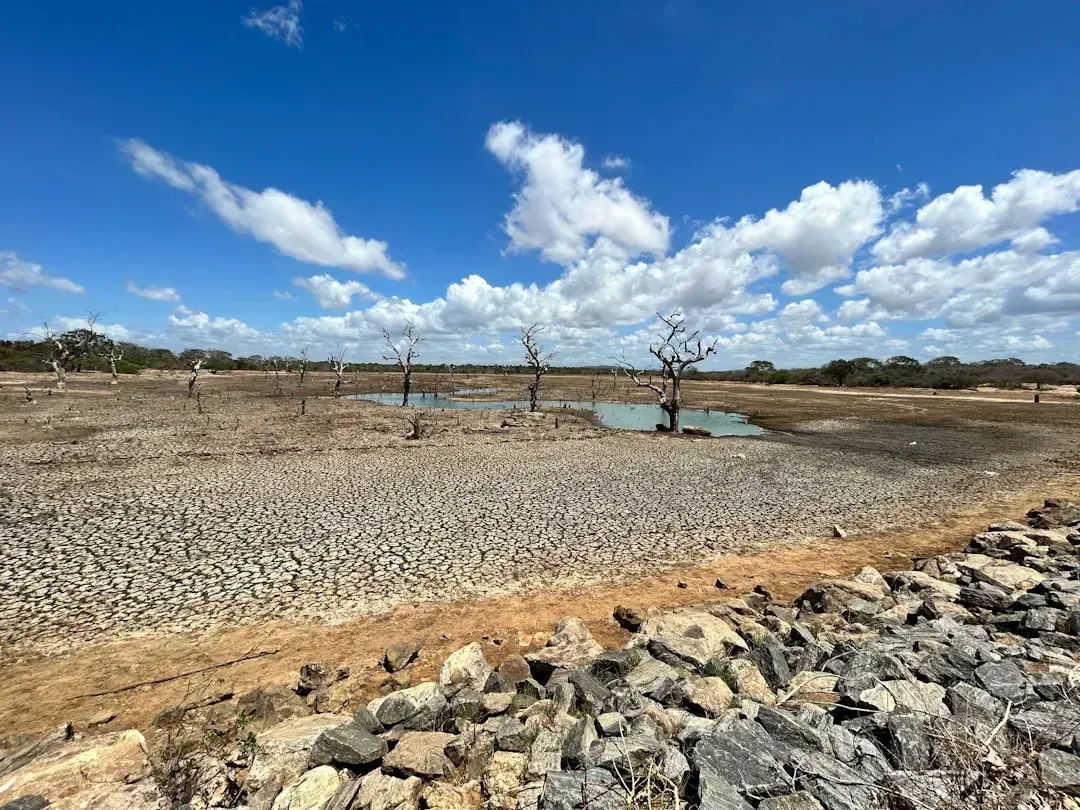
The water shortage in Texas stems from a combination of drought, extreme heat, wildfires, and climate change, exposing weakening infrastructure and causing low water supply in some areas. For example, Lake Travis, the largest reservoir supplying Austin, was only about 38 percent full in January 2024, down from 80 percent full just two years earlier. That is a stunning drop in a very short time.
Late October 2025 marked the end of the most recent five-year water delivery cycle from Mexico to Texas under the 1944 treaty, and Mexico did not deliver the 1.75 million acre-feet it was required to deliver within that five-year span, sending only just over half of that amount. Texas water experts warn that the pattern of late or non-existent Mexican water deliveries is not sustainable, and they worry more crops, including the Texas citrus industry, will suffer as a result.
8. Washington State: A Third Year of Drought Declarations
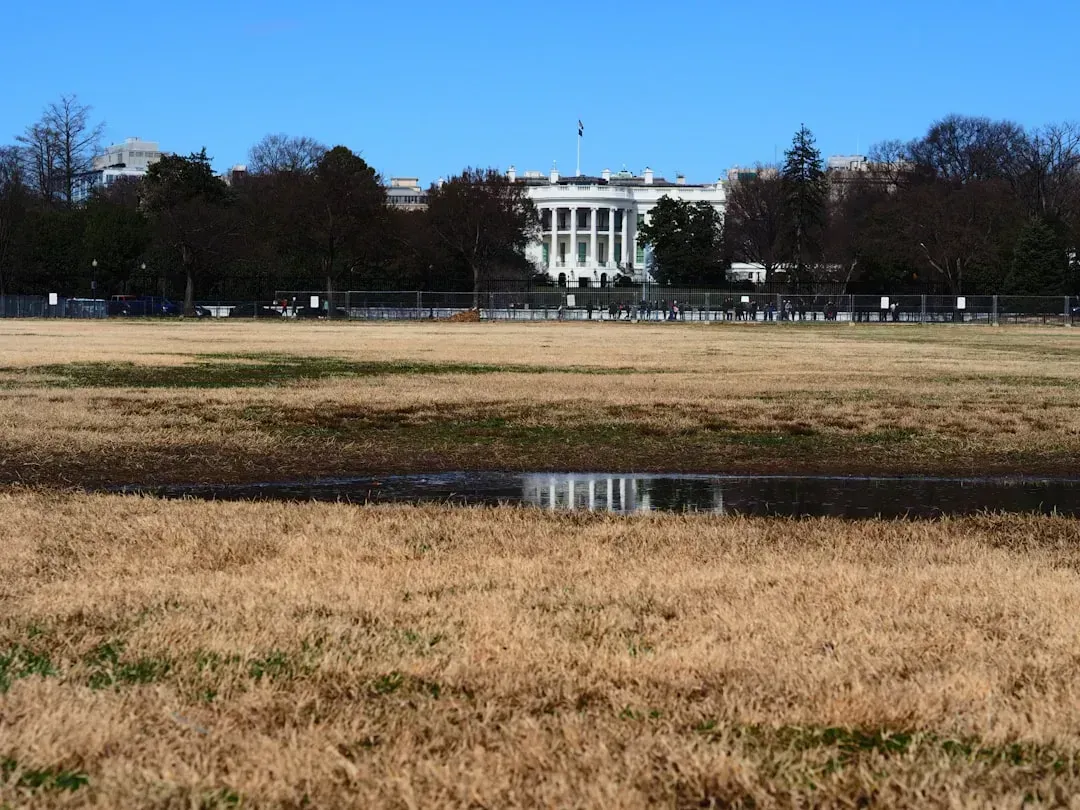
Washington state issued a drought declaration for an unprecedented third year in a row, a direct result of the record-setting Western drought conditions that have left water supplies in a perilous position. Three consecutive years of emergency-level drought declarations is not a streak any state wants to hold. Water storage in Washington’s five reservoirs in the Yakima River Basin dropped sharply, bringing levels at times to some of the lowest measured since record-keeping started in 1971.
Winter 2025 to 2026 kicked off with warm weather and rain instead of snow, with nearly every major river basin in the West experiencing a November among the top five warmest on record. By early December 2025, snow cover across the West was the lowest amount for that date in the satellite record going back to 2001. Much warmer-than-normal temperatures caused precipitation to fall as rain instead of snow in many basins, leading to snow drought despite wetter-than-normal conditions, with the most severe snow drought hitting the Sierra Nevada, the Cascade Range in Washington and Oregon, and the Great Basin in Nevada.
9. Florida: The Rainy State Running Dry
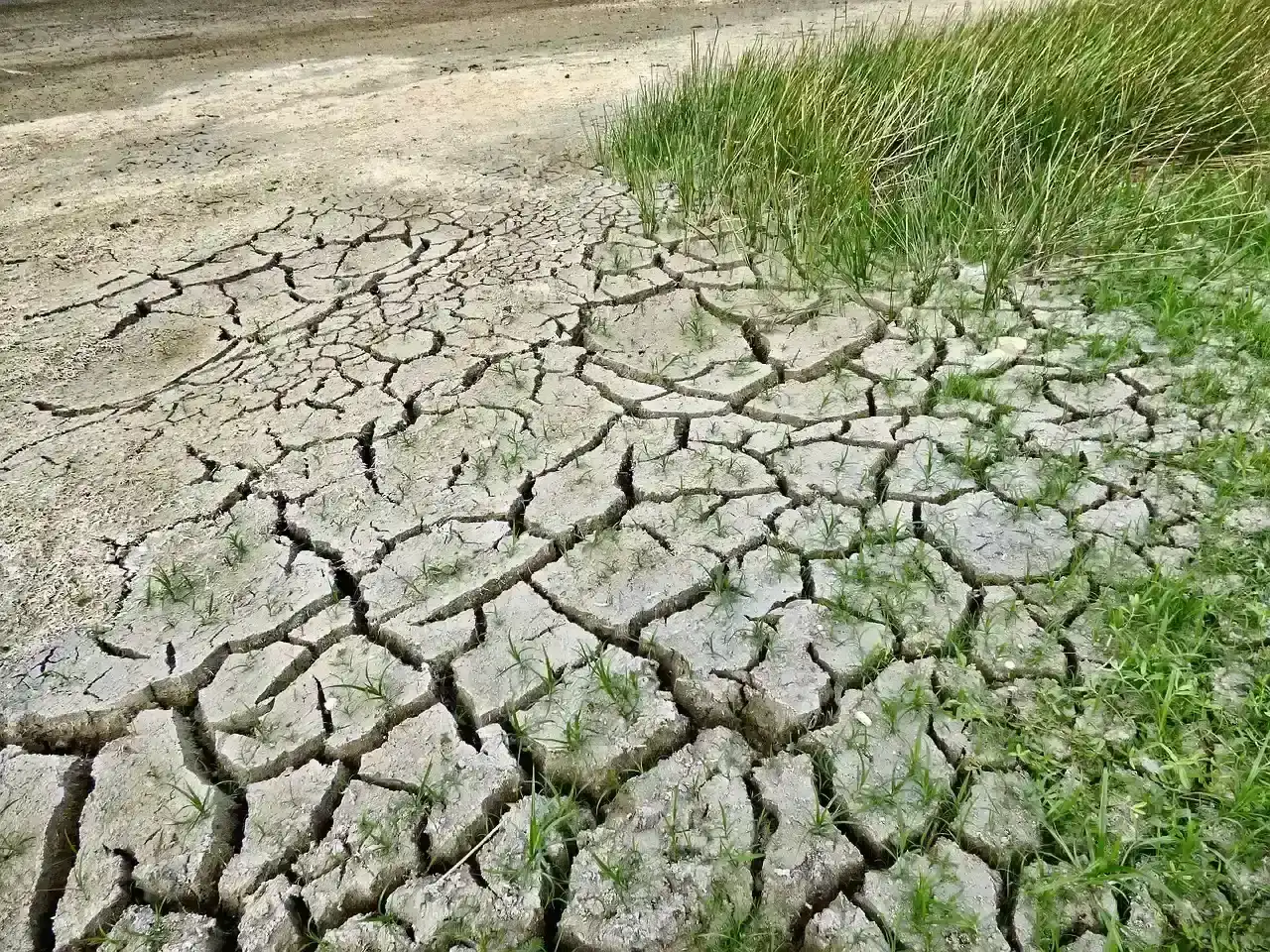
Sea levels in Florida’s coastal regions have already risen dramatically in recent decades, pushing saltwater into the groundwater and creating a costly brackish mixture, while a report from the Florida Office of Demographic Research found that the state may experience a water supply shortage as soon as this year, with the problem escalating in coming decades. This is the state that gets more rain than most Americans can imagine, and yet here we are.
Florida’s groundwater supply is the primary source of drinking water for roughly 90 percent of the state’s 23 million inhabitants and is vital for agricultural irrigation and power generation. Public use by households, municipalities, and businesses accounts for the largest depletion of groundwater in Florida, while agriculture is responsible for at least a quarter of withdrawals. In April 2025, water levels in the Mid-Hawthorn Aquifer reached a critical threshold, and the South Florida Water Management District warned that continued water use at current levels could cause long-term damage to this vital resource.