Own a $1,500 Quarter? Check This 2004 Coin Before You Spend It
Most people toss quarters into a cup holder or spend them on a vending machine without a second thought. But what if one of those quarters sitting in your pocket right now was worth hundreds, or even thousands, of dollars? Sounds like a stretch, right?
Here’s the thing – it’s not. There’s a very specific 2004 quarter out there that numismatists and everyday collectors have been chasing for over two decades. It doesn’t look dramatically different at first glance. You’d need to look closely, very closely, at one tiny part of the coin’s design. What you find there could completely change your day. Let’s dive in.
The 50 State Quarters Program: Where It All Began
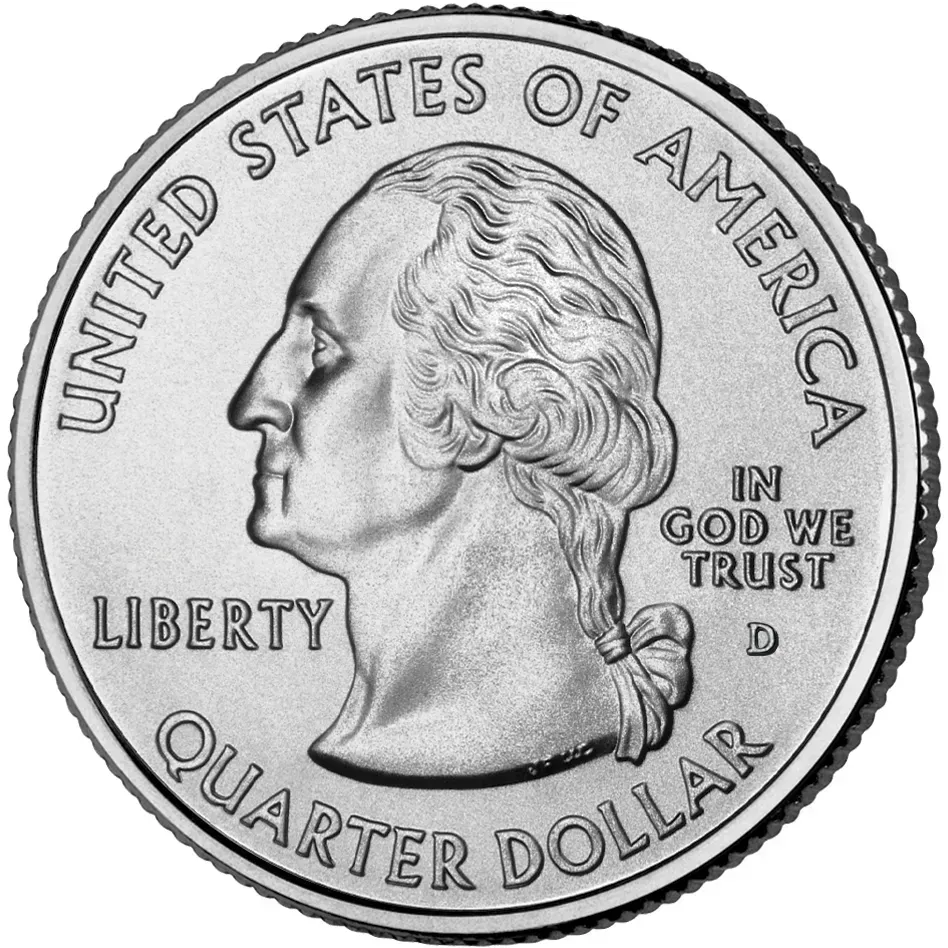
To understand why this coin matters, you first have to understand the stage it was born on. The 50 State Quarters program, launched by the U.S. Mint in 1999, revolutionized modern coin collecting by creating the most successful numismatic program in history. The idea was simple and brilliant – honor every American state with its own quarter design, released in the order each state joined the Union.
State Quarter Errors are minting mistakes found in quarters from the 50 State Quarters Program, which ran from 1999 to 2008. Five new designs dropped every year, keeping collectors hooked throughout the entire run. By the time 2004 rolled around, the program was in full swing and the public was thoroughly obsessed with coin hunting.
The State Quarters Program continued in 2004 with the next five designs in the series, issuing state quarters to honor Michigan, Florida, Texas, Iowa, and Wisconsin. Wisconsin was the last of the five released that year, and it turned out to be by far the most memorable.
Meet the 2004 Wisconsin Quarter: A Design Built on Agriculture
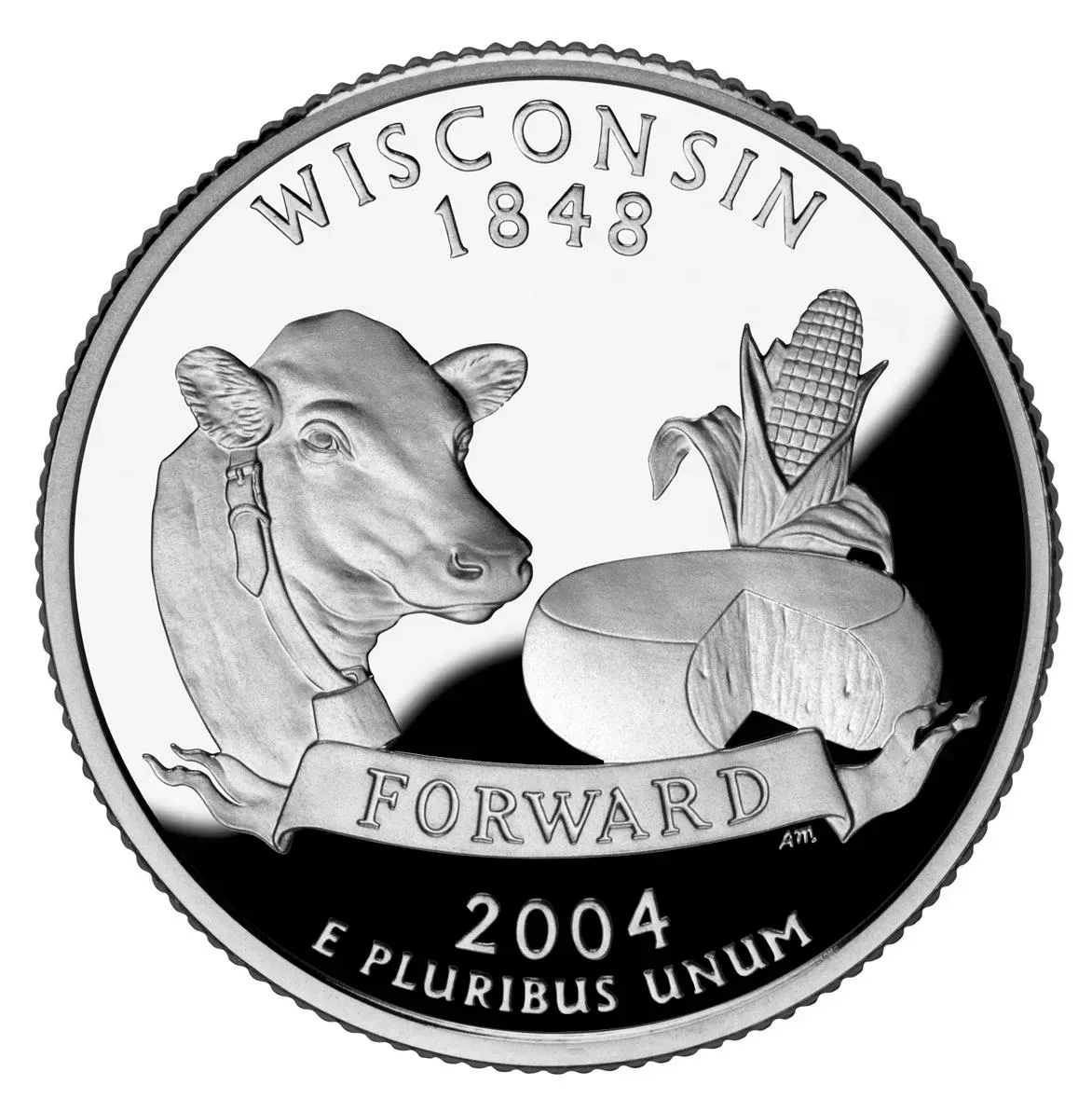
The Wisconsin quarter is the 30th in the 50 State Quarters Program. On May 29, 1848, Wisconsin became the 30th state to be admitted into the Union. That milestone alone made it a collector’s item. The reverse design itself is a quiet celebration of rural American identity.
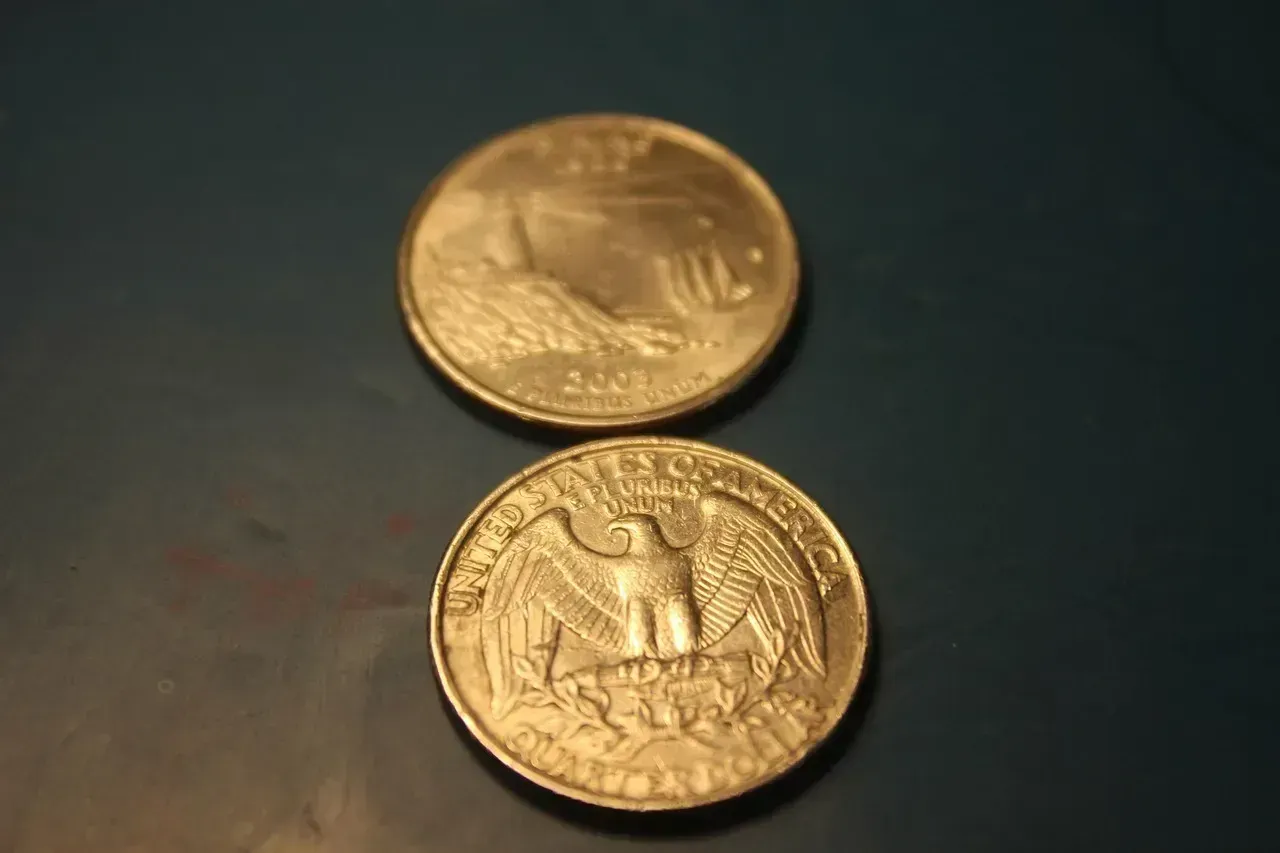
The Wisconsin design depicts an agricultural theme, featuring the head of a cow, a round of cheese, and an ear of corn. The design also bears an inscription of the state motto, “Forward.” Honest, straightforward, very Wisconsin. Alfred Maletsky designed the coin, which was struck in Denver and Philadelphia.
Wisconsin produces more than 15 percent of the nation’s milk and more than 350 varieties, types, and styles of award-winning cheeses. Wisconsin is also a major corn producer, and state corn production contributed $882.4 million to the Wisconsin economy in 2003. So the agricultural imagery on the coin wasn’t just decorative. It was deeply rooted in the state’s real economic identity.
The Discovery That Shocked Collectors Nationwide
Not long after the coin’s release, a collector in Tucson, Arizona, reportedly found something odd on their Wisconsin quarter: an extra leaf on the corn stalk that wasn’t part of the original design. That small observation would eventually travel across the country and trigger one of the most famous coin hunts in modern numismatic history.
These varieties were discovered late in December 2004 by Robert Ford. Immediately, the discovery broke out in the news and people all over the country were out searching for them. There were some reports that some individuals found up to hundreds of them at once from bank-wrapped rolls, making it seem as if they were very easy to find.
Once news of the Extra Leaf quarters hit national media, demand exploded. Coin dealers began paying $100 or more for examples pulled from circulation. In the months that followed, thousands of people combed through pocket change, bank rolls, and coin jars in hopes of finding one of these rare errors. Honestly, it was one of those rare moments when coin collecting briefly became a national pastime.
High Leaf vs. Low Leaf: Two Varieties, Two Values
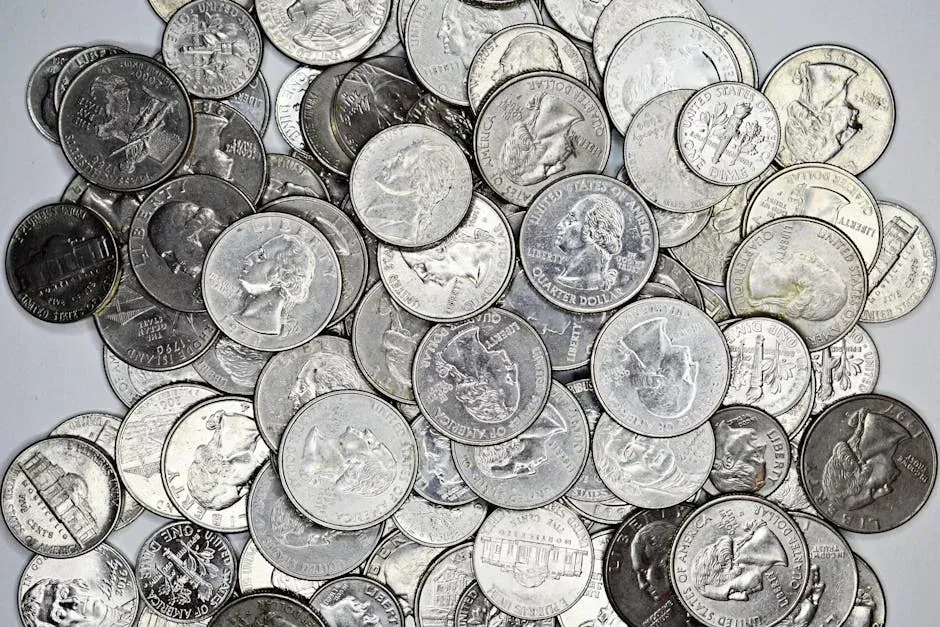
The 2004-D Wisconsin quarter featured a reverse design celebrating Wisconsin’s agricultural legacy – complete with a cow, a wheel of cheese, and an ear of corn. Soon after its release, collectors noticed some coins bore a strange, extra leaf near the base of the corn stalk – a feature not present in the official design. Upon closer inspection, two distinct versions of this error emerged: the High Leaf and the Low Leaf varieties.
The two error varieties are located in the same area of the coin – to the left of the ear of corn on the reverse. The placement and shape of the leaf are what distinguish them. The added leaf on the Low variety droops downward, curving beneath the left husk of the corn stalk. It often appears thinner and more subtle than the High variety.
The High Leaf protrudes upward, pointing more prominently toward the middle of the corn stalk. It appears thicker, more defined, and more dramatic. This variety tends to command higher prices, partly due to its bolder appearance and slightly lower reported availability. Think of them like siblings – similar, but one clearly makes a bigger entrance.
What Are These Coins Actually Worth?
Here’s where things get exciting. The 2004-D Wisconsin Extra Leaf Quarter, in both High and Low Leaf varieties, is rare and can sell for $50 to $1,500 or more, depending on condition. That’s quite a range, but it all comes down to how well the coin held up over the years.
The Extra Leaf High Variety is worth $91 in average condition and can be worth $205 to $278 or more in uncirculated mint state condition. Meanwhile, the Extra Leaf Low Variety is worth $56 in average condition and can be worth $148 to $217 or more in uncirculated mint state condition. Those numbers already make checking your change feel worthwhile.
At the absolute top of the market, the numbers become jaw-dropping. A 2004 Wisconsin quarter with an extra “low leaf” was auctioned for a record $6,000 in January 2020, while a 2004 Wisconsin quarter with an extra “high leaf” was auctioned for a record $2,530 in July 2006. Both quarters were minted in Denver, and both are believed to be the highest 2004 Wisconsin quarter sales on record, according to PCGS.
The Only Major Variety in the Entire Statehood Quarters Program
Let that sink in for a second. The “2004-D Wisconsin Extra Leaf Quarters” are the only major varieties in the entire Statehood Quarters Program. Out of hundreds of state quarter designs spanning a full decade, this is the one that produced a true, recognized major variety. That alone gives it a legendary status among collectors.
A major variety of the 2004 Wisconsin State Quarter has been discovered – the first major variety in the State Quarter series. PCGS moved quickly to officially recognize the find. PCGS is now recognizing and certifying all three varieties of the 2004-D quarter. The normal die piece has been assigned PCGS #14033, the extra leaf in the low position is #814033, and the extra leaf in the high position is #914033.
I think this is actually what makes this coin so compelling even in 2026. It’s not just a rarity. It’s a historically verified first, something officially unique within one of the most popular coin programs America has ever produced.
How to Identify Your 2004-D Wisconsin Quarter
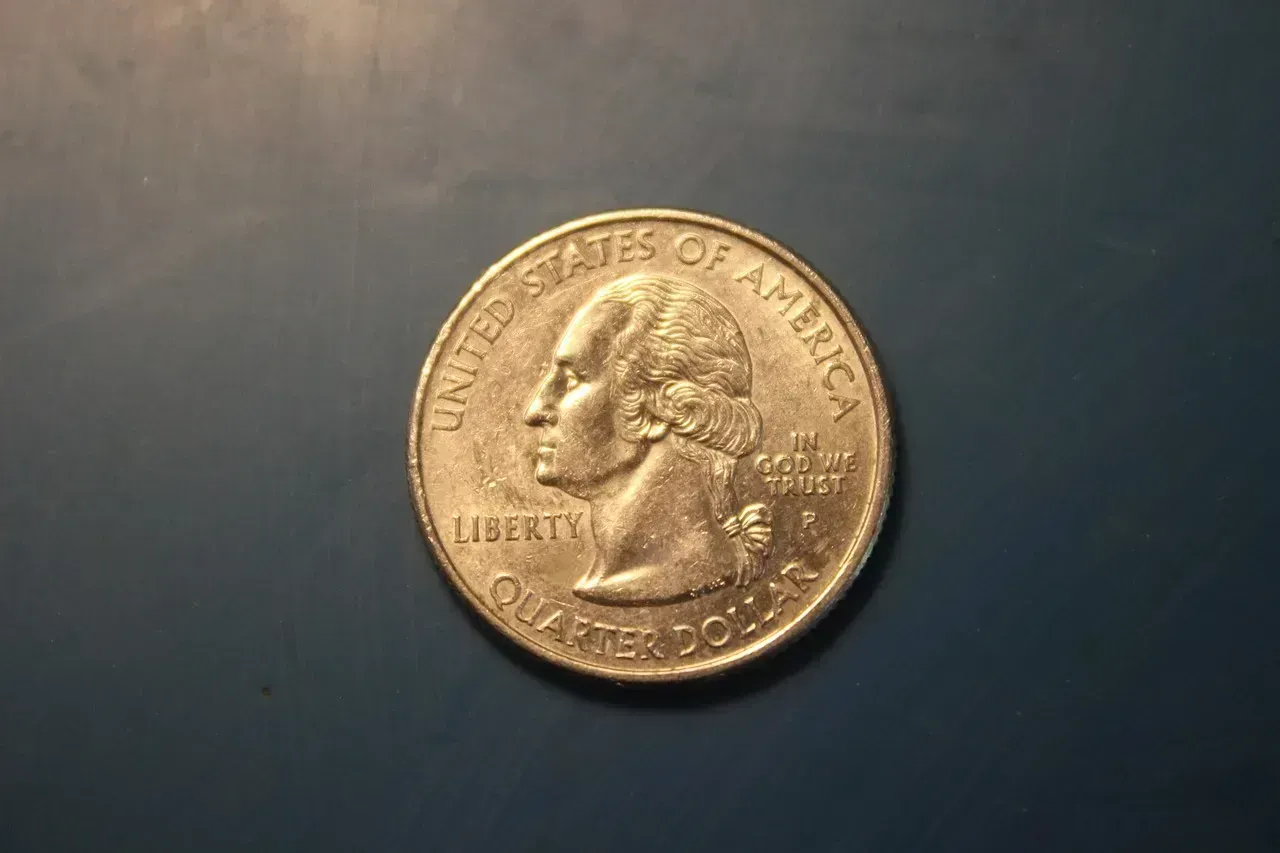
So, how do you actually check one? The first step is straightforward. Check the mintmark: all Extra Leaf quarters are 2004-D, meaning they come from the Denver Mint. If the coin has a “P” (Philadelphia) mintmark or none at all, it’s not one of the recognized varieties. This is the easiest filter – most quarters in your change jar will be eliminated immediately.
Once you’ve confirmed the “D” mintmark, flip it over to the corn stalk. An unknown but apparently small number of Denver quarters have one of two important varieties involving the corn plant. At the bottom left, an extra leaf can be seen protruding either at a sharply vertical angle (Extra Leaf High) or roughly parallel to the ground (Extra Leaf Low).
Use a 10x loupe or coin microscope – it can help you distinguish the leaf’s direction and edges. A basic jeweler’s loupe runs about $10 online and is genuinely the single best investment any coin hunter can make. Don’t try to do this with just your naked eye. You’ll miss it every time.
The Debate: Was It an Accident or Intentional?
Here’s one of the more fascinating sub-plots to this whole story. Whether the extra leaf appeared on the coin by accident as a result of a minting error or whether a mint worker intentionally placed it there is still a topic of debate among collectors. It sounds conspiratorial, but it’s a fair question given how perfectly “leaf-like” these marks appear.
Theories about the origin of the extra leaf range from the accidental to the conspiratorial. Most experts believe the error was caused by a die gouge – a small dent or raised line on the die that transferred a flaw onto every coin it struck. Die gouges are a known type of mint error, often caused by debris or accidental contact with tools.
Some 2004 Wisconsin quarters show the extra leaf facing down, also known as Low Leaf, while others show the leaf pointing upward, also known as High Leaf. These errors were most likely caused by small metal pieces filling in the small breaks on the die surface. It’s hard to say for sure whether it was sabotage or a lucky accident, but either way, the market has spoken clearly on how much collectors care.
How Many of These Error Coins Actually Exist?
This is the question every collector wants answered. Though there’s no official mintage figure for the Extra Leaf errors, estimates from dealers and grading services suggest that likely 20,000 to 50,000 coins of each variety exist. Most were discovered in circulation throughout the Southwest U.S. and Midwest, with the highest concentration in Arizona and Texas – hinting at a regional distribution batch.
Over 453 million Wisconsin quarters were minted in total, and it is the error varieties that have caused quite a bit of stir among collectors. So we’re talking about a fraction of a fraction. Out of nearly half a billion coins, only tens of thousands carry the error. That’s a tiny slice of the pie.
Even today, Extra Leaf quarters remain among the most valuable error coins of the 50 State Quarters era. While not incredibly rare – estimates suggest tens of thousands may exist – they’re scarce enough, especially in uncirculated condition, to command strong prices from collectors. Scarcity plus recognizability is a powerful combination in the collecting world.
Getting It Authenticated: The Step That Unlocks Real Value
Finding a potential Extra Leaf quarter is exciting. Turning it into real, verified money requires one more step. Major certification companies like PCGS and NGC both recognize and label Extra Leaf High and Low quarters. Having a coin professionally graded boosts trust – and value.
Higher-grade coins with errors, especially those graded MS-65 or higher, command higher prices. A circulated error quarter might be worth $10 to $50, while a mint-state version could fetch $500 or more. The difference between a worn coin and an uncirculated one is not just cosmetic – it can mean thousands of dollars at auction.
PCGS and NGC are the top authentication services, charging $30 to $65 depending on turnaround time. Think of that fee as a small investment into unlocking the coin’s actual ceiling. One key mistake to avoid is confusing minor scratches for the error – die gouges leave raised areas, so if it’s recessed or scratched, it’s likely just damage. Also keep in mind that only 2004-D Wisconsin quarters with the clear extra leaf are worth a premium. Not every coin in the batch qualifies.