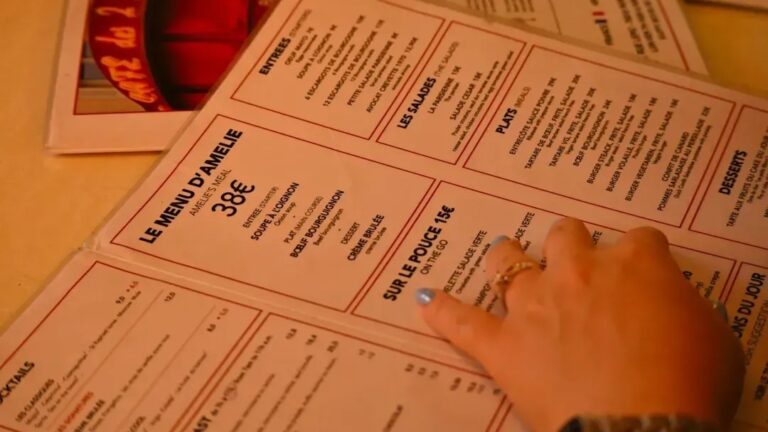
Seasoned Servers Immediately Notice These 10 Things When You Open the Menu
Most diners think opening a menu is a private moment. You scan the options, maybe whisper to your partner about the pasta, and quietly decide. What you probably don’t realize is that the second that menu hits your hands, an experienced server has already started reading you. Not the menu. You.
It’s one of those things that sounds almost intrusive when you hear it out loud, but it makes perfect sense once you’ve spent years on a restaurant floor. Seasoned servers develop a finely tuned radar for human behavior, and the menu moment is one of the richest sources of information they have. Curious about exactly what they’re clocking? Let’s dive in.
1. How Fast You Open It
The speed at which you crack open a menu tells a server a surprising amount about what kind of guest you’re going to be. Someone who flips it open instantly, scanning both pages within seconds, is usually a decisive, efficient diner. That server mentally notes: this table will be ready to order fast, probably won’t need much hand-holding.
On the flip side, someone who sets the menu on the table and barely glances at it while finishing a phone conversation is sending a completely different signal. Noticing these types of details can help a server gauge how much attention each table will need, how to space out the orders, and what the overall bill may look like.
Honestly, it’s not about judging. It’s survival math. A skilled server is managing multiple tables at once, and reading how urgently each one needs attention is a critical part of keeping everything running.
2. Whether You Skip Straight to the Prices
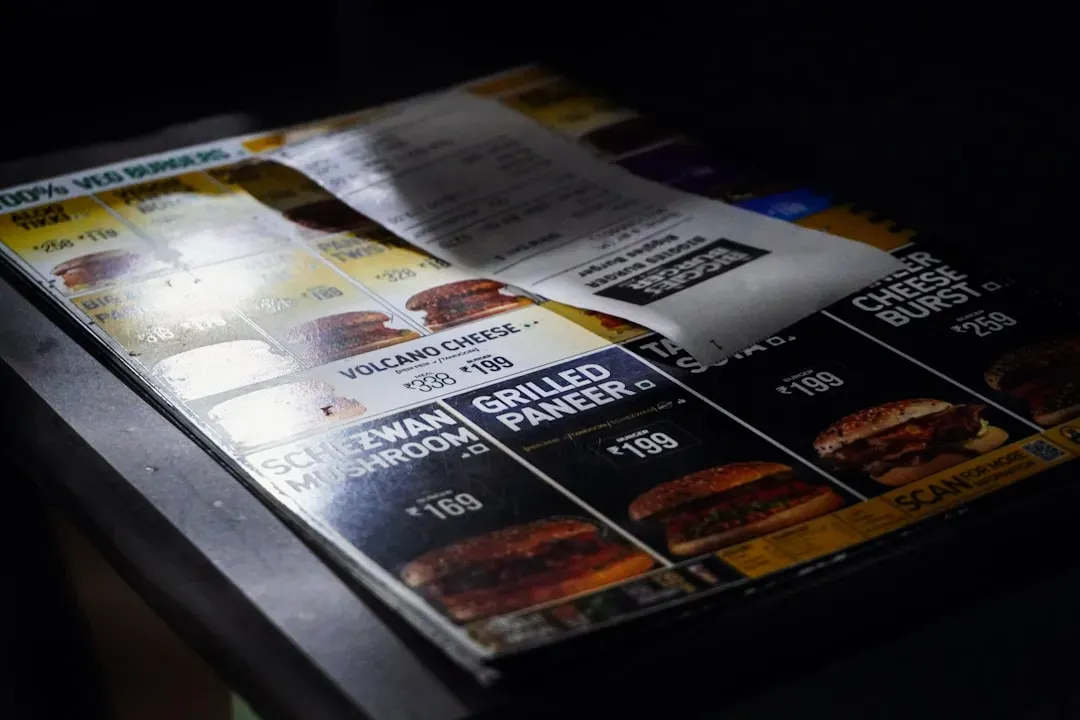
Here’s the thing: experienced servers can spot a price-scanner from across the room. A guest whose eyes drift immediately to the right side of the page, where prices typically live, is broadcasting their financial anxiety loud and clear. It changes how a server will approach the upsell conversation entirely.
Most customers have an extremeness aversion – they’ll never order the most expensive or least expensive items on the menu. Servers know this intuitively even without reading the research. They adjust their recommendations accordingly, steering price-conscious guests toward mid-range options they might genuinely enjoy without feeling overspent.
One way restaurants encourage you to spend more is by making price tags as inconspicuous as possible. Restaurants get rid of dollar signs because that’s a pain point, and instead of $12.00 for a club sandwich, you’re likely to see it listed as 12.00, or even just 12. Servers know all these tricks are in play, and they watch to see if you’ve spotted them too.
3. Where Your Eyes Land First
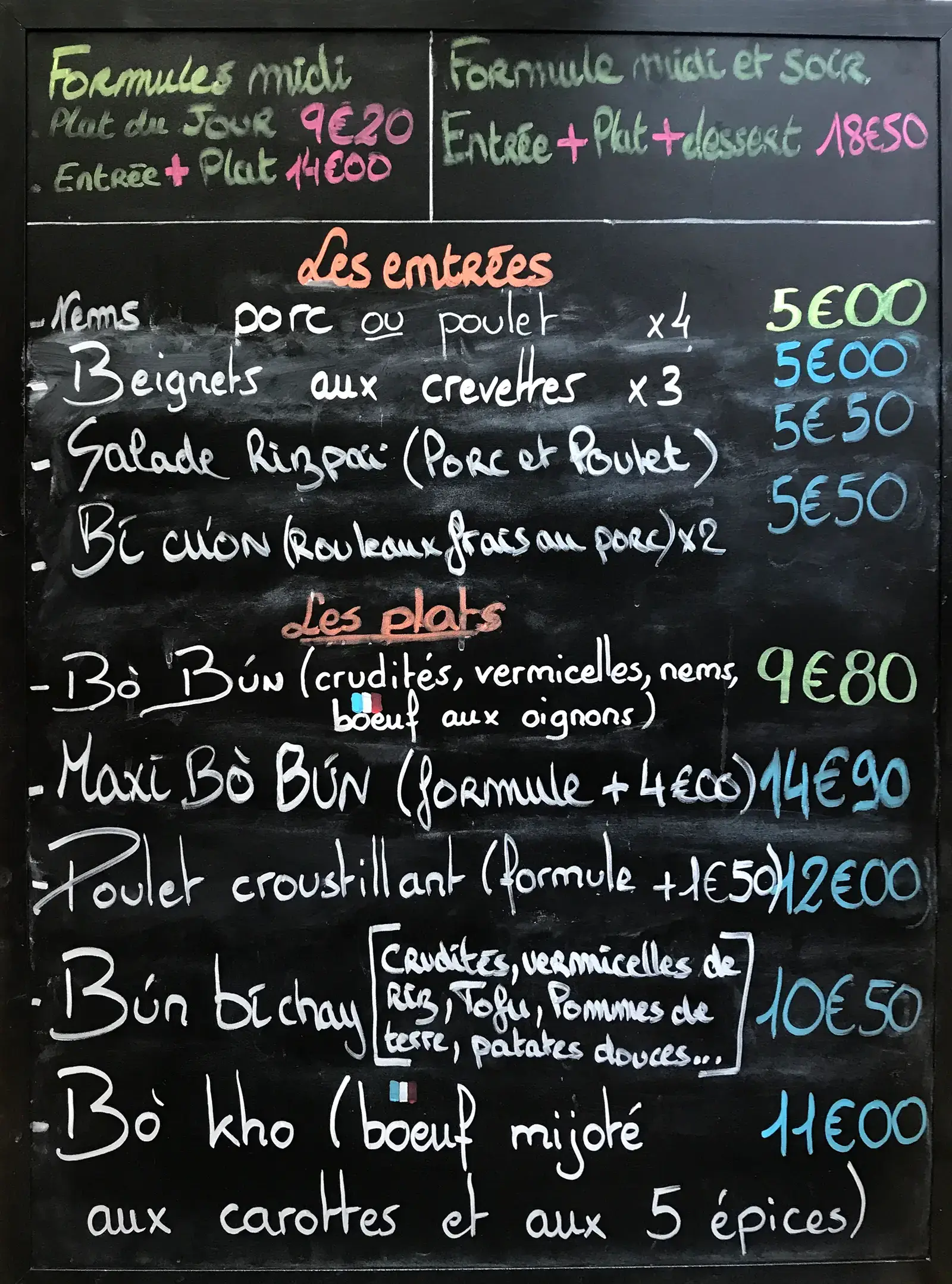
It might sound like a magic trick, but trained servers genuinely notice where a guest’s gaze falls when they first open the menu. It gives instant clues about food personality. Do you lock onto the proteins first? The desserts? The cocktail list?
Psychologists call the primary attention zones on a menu “The Golden Triangle,” referring to the way our eyes tend to move when first looking at a menu – the center, the top right corner, and the top left corner. Restaurants intentionally place high-profit items in those spots. A server who understands this can anticipate what you’re likely to order before you’ve said a single word.
Studies show that customers are likely to order one of the first items that draw their attention, and since guests only spend an average of 109 seconds looking at a menu, every second of visual attention matters. That’s right, roughly the length of two commercials is all it takes for most people to make up their mind.
4. How Long the Menu Overwhelms You
Some guests open a menu and immediately get that deer-in-the-headlights look. Eyes darting, pages flipping back and forth, a slight tightening of the jaw. Seasoned servers recognize this instantly. It’s what researchers call the “paradox of choice” in action, and it requires a different kind of service approach.
The best menus account for the psychological theory known as the “paradox of choice,” which says that the more options we have, the more anxiety we feel. The golden number is seven options per food category at most. When menus include over seven items, a guest will be overwhelmed and confused, and when confused, they’ll typically default to an item they’ve had before.
A good server sees that confusion as their cue to step in warmly and offer a recommendation. It’s actually an opportunity to build trust. The guest feels relieved, the server becomes a hero, and suddenly the experience transforms. That’s not an accident – it’s a skill that takes years to develop.
5. Whether You Read the Descriptions or Just the Names
This one’s more revealing than most guests realize. Diners who skip the descriptions entirely and just read dish names are often repeat visitors, decisive personalities, or people who already know what they want. Servers rarely need to explain much to this type. Quick order, clean transaction, everyone wins.
Given the disadvantageous position consumers face when making menu selections, since they can’t see or taste the product prior to ordering, customers use menu descriptions to mitigate ordering uncertainty. Guests who read every single description carefully are usually first-timers, adventurous eaters, or people with specific dietary needs. They typically need more time and attention.
Research examining how menu description complexity can increase perceptions of item quality and selection likelihood recommends that restaurateurs benefit significantly by carefully crafting menu descriptions that emphasize food preparation. Servers who know this understand that a guest lingering over a long description is more likely to be influenced by a well-timed recommendation. It’s a golden window for a skilled upsell.
6. How You Handle the Physical Menu Itself
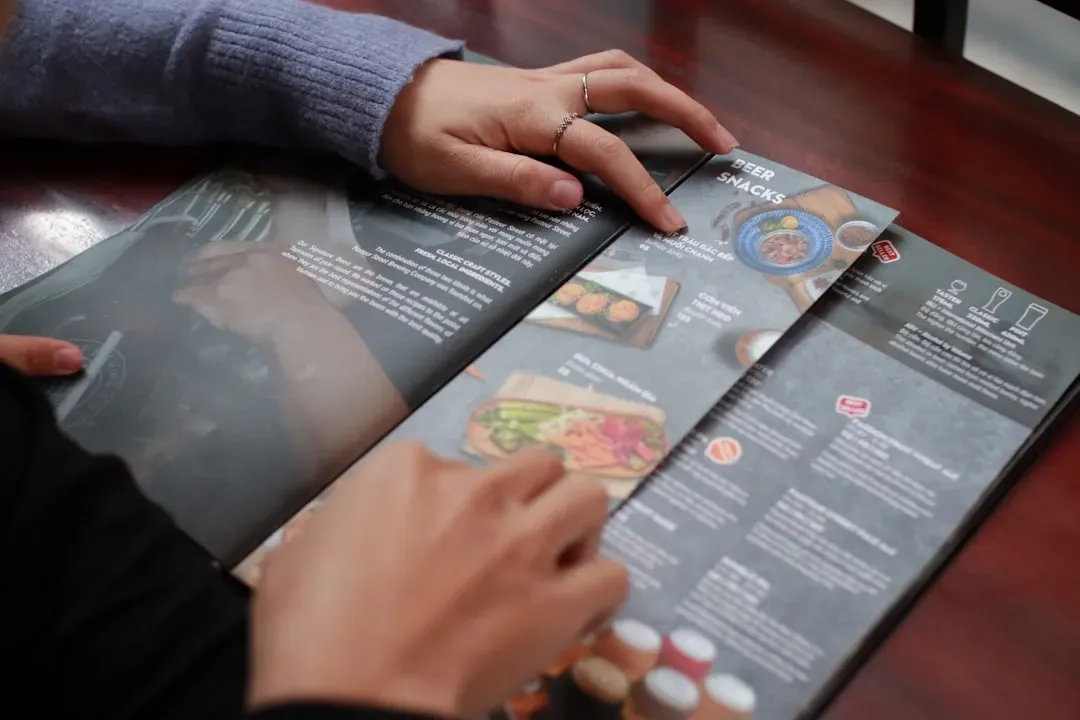
I know it sounds crazy, but the way you physically hold and handle a menu actually tells a story. Gripping it tightly with both hands, holding it awkwardly at arm’s length, or immediately placing it flat on the table as a sort of visual shield all communicate different things about your comfort level and dining experience.
Menus come in all shapes and sizes, from small booklets to single-sided formats that cover the whole table, and researchers have discovered that the way restaurant goers browse a menu changes with its format. An experienced server pays attention to whether a guest is physically fumbling with an oversized menu, because it signals potential frustration before the ordering process has even begun.
Beyond the logistics, there’s something almost subconscious happening here. The guest who rests the menu on the table, leans back, and reads it relaxedly is signaling comfort and patience. The one who holds it up like a fortress wall? They’re probably nervous, first-timers, or on a date that’s already a little tense.
7. Whether You Acknowledge the Specials vs. Only Look at the Printed Menu
When a server takes the time to recite the evening’s specials, they’re watching your face and body language very carefully. Do your eyes light up? Do you nod? Do you immediately look back down at the printed menu as soon as they finish talking? These micro-reactions reveal a lot about your openness to recommendations and your overall engagement with the dining experience.
An article in The Wall Street Journal noted that restaurants design their menus to highlight the most profitable offerings, and these menu items are also promoted by servers when asked to recommend a dish by a guest. Specials are often the most profitable items on any given night, and a server who just recited them is already in upsell mode. Your reaction to that pitch tells them exactly how to proceed.
Servers also notice when a guest refuses to make eye contact during the specials presentation. It’s not rude, exactly, but it’s a clear signal: “I know what I want, stop talking.” A smart server picks up on that signal quickly and keeps things efficient. A server may recognize that a customer is not in the mood for conversation and limit talking, focusing solely on fulfilling the customer’s needs. Other times, a customer wants to indulge in conversation and the server engages. Each time, what happens is derived from the customer’s actions.
8. Signs of Dietary Restrictions Before You Say a Word
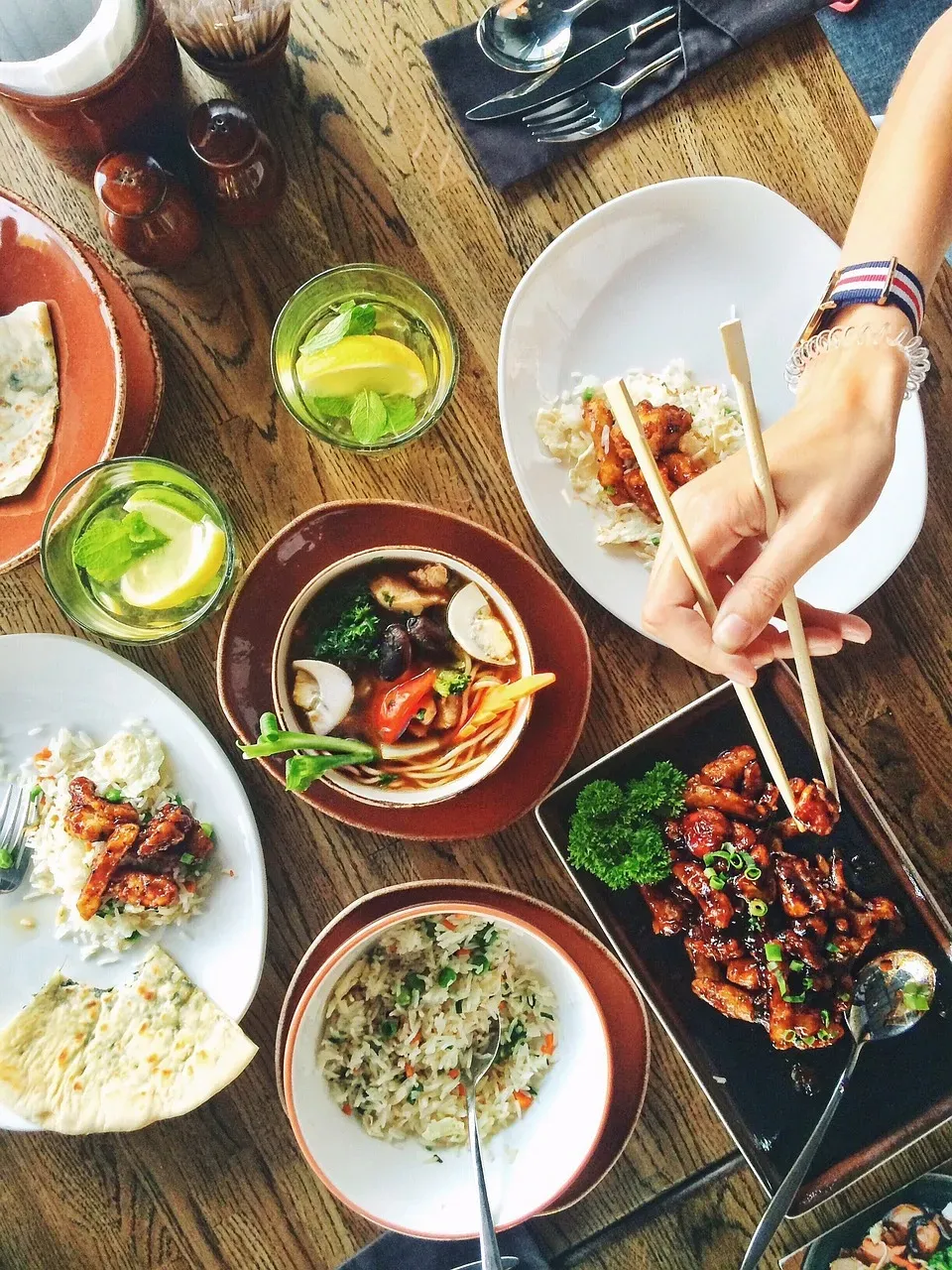
Long before a guest announces they’re gluten-free or vegan, many experienced servers have already picked up on it. There are tells. A guest who methodically reads every description, pausing at certain items and skipping others, is often working through a mental filter. They’re cross-referencing ingredients in their head.
Several studies have observed that consumers expect to see a menu that contains nutritional information, ingredients, and food preparation methods. Guests with restrictions are often hunting specifically for this detail, and their eye movement patterns are noticeably different from someone who’s just browsing. A seasoned server clocks this fast and proactively comes to the table with an offer to clarify ingredients.
Nearly half of U.S. restaurants now offer plant-based options, highlighting a jump of roughly 62% over recent years. With dietary awareness at an all-time high in 2025, servers are increasingly trained to anticipate these conversations. The ones who flag them before a guest has to ask awkwardly? Those are the truly experienced professionals who make dining feel effortless.
9. Your Reaction to the Prices After Seeing the Full Menu
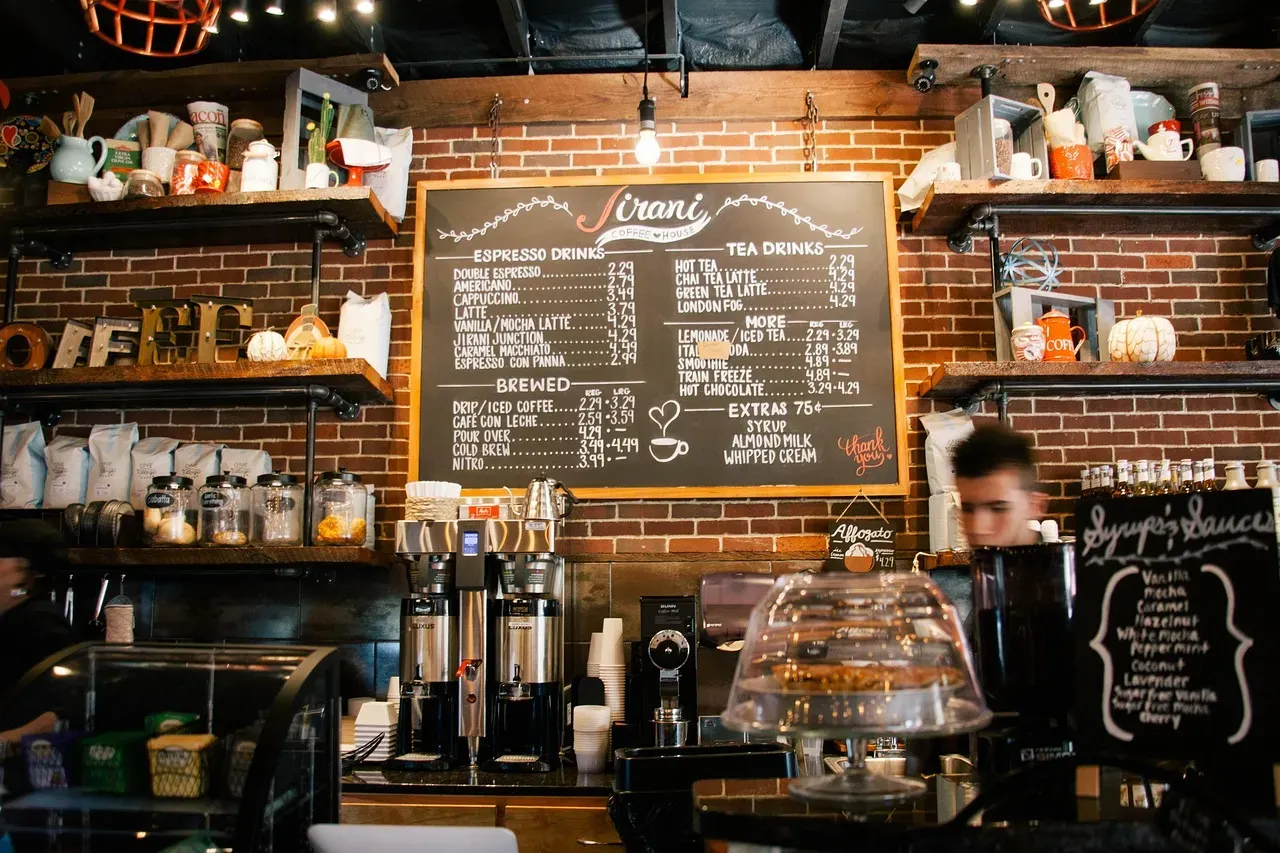
There’s a specific face people make when they open a menu and the prices are higher than expected. The slight widening of the eyes. The almost imperceptible pause. The quiet exhale. Servers see this face hundreds of times a year, and they know exactly how to recalibrate the service approach in response.
From 2019 to 2024, restaurant-related costs including ingredients, labor, utilities, and fees increased by 16 to 32 percent, forcing restaurant owners to pass a 27.2 percent menu price increase onto consumers. The sticker shock is real and widespread right now, and servers are very aware of it. According to McKinsey research, value and pricing remain at the forefront of consumers’ minds as key factors reshaping dining demand in 2025 and 2026.
A perceptive server who notices price shock won’t immediately dive into the lobster recommendation. Instead, they might casually mention a well-priced daily special or point toward a value-forward section of the menu. It’s a form of quiet empathy that good servers practice instinctively.
10. Whether You’re Ready to Commit or Still Browsing
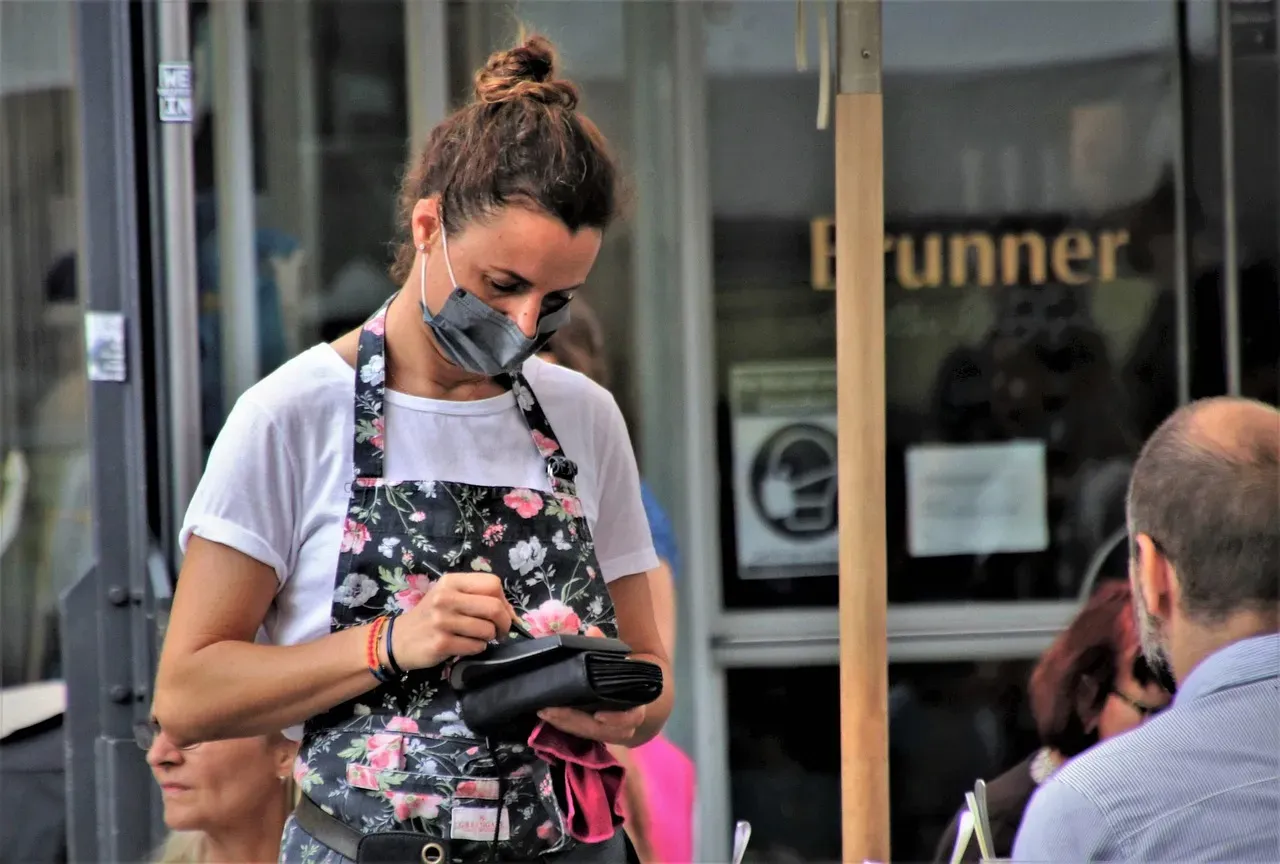
Finally, this one is perhaps the most immediately useful piece of intelligence a server can gather: are you actually close to ordering, or are you nowhere near it? Restaurant servers are likely sizing up what kind of dining guest you’ll be. Being a server teaches you how to read people’s behaviors on a dime. The menu moment is where that reading reaches its peak intensity.
A guest who closes the menu and sets it down is the universal signal of readiness. But experienced servers also watch for subtler cues: a guest who places the menu to one side, sits up slightly, or makes eye contact with staff is telegraphing that they’re nearly decided. According to research published in the Cornell Hospitality Quarterly, experienced servers can predict customer behavior with roughly 70 percent accuracy within the first minute of interaction.
The whole reading-the-guest process feeds directly into something that matters a great deal to servers financially. Tips make up about 58.5 percent of a waiter’s share of hourly earnings on average, which means every signal a server can gather early in the interaction shapes how they invest their time and energy across their entire section. Reading you through the menu isn’t surveillance. It’s professional survival.