The Quiet Drop: Why 4 Household Antiques Are Losing Value Fast
You might think your grandmother’s prized china cabinet or that sterling silver tea set tucked away in storage is worth a fortune. Think again. The antiques market has undergone a dramatic transformation over the past few years, with certain once-coveted household items now fetching mere fractions of their former values.
What was once a booming market has quietly collapsed, leaving many owners shocked when they discover their heirlooms are now worth pennies on the dollar. Let’s be real, this isn’t just about changing trends. It’s about a fundamental shift in how younger generations view home decor, entertaining, and the very concept of keeping stuff around. So let’s dive in and explore which household antiques are experiencing the steepest declines and why.
Dark Wood Furniture: The Brown Furniture Crisis
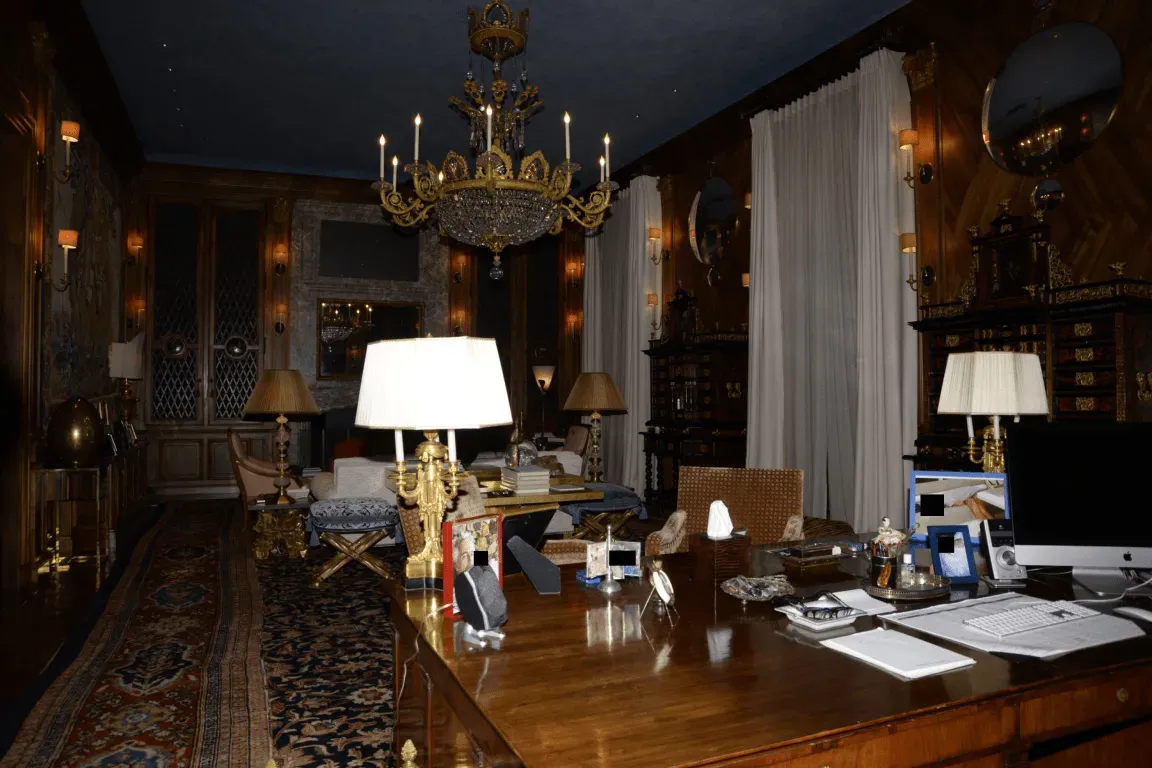
Brown furniture, it is solemnly announced, is dead. That’s not just dramatic hyperbole. Antique furniture has decreased by 45 percent in total value over the past 15 years. We’re talking about Georgian and Victorian mahogany pieces, Federal-style desks, and ornate dining sets that families treasured for generations.
Here’s the thing: Dark brown furniture gives the younger generation the willies just to look at it. Millennials and Gen Z buyers favor minimalist, Scandinavian aesthetics over heavy, ornate wood pieces. According to The New York Times, prices are down 80% from where they were twenty years ago. Even more shocking, what was once an $8,000 eight-piece set of George III dining chairs could be purchased for less than $500 today.
The market is flooded with supply as Downsizing Boomers are dumping their personal property en masse at auction. Open-concept homes don’t accommodate bulky armoires and sideboards the way traditional floor plans did. Plus, let’s be honest, maintaining these pieces requires effort most people aren’t willing to invest anymore.
Fine China and Dishware Sets: From Treasured to Troublesome
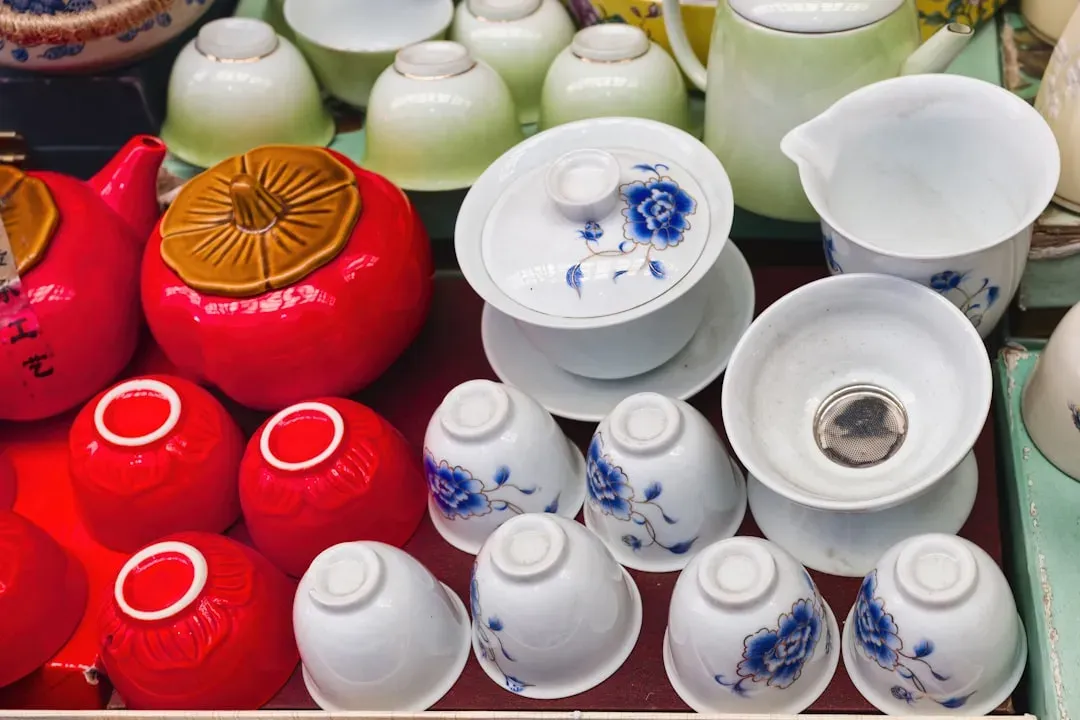
China sets, vases, and crystal collections are suffering a similar fate. The market’s flooded, and millennials simply don’t have the space or desire to fill their cupboards with dishware sets. What was once passed down with pride is now being donated or sold at rock-bottom prices.
Porcelain trinket boxes and dinnerware sets aren’t fetching as much as they once did. As entertainment needs have changed and some of us are living in smaller spaces, many don’t have interest in large tureens or traditionally decorated complex serving sets. Even high-quality pieces from respected manufacturers are struggling. A 10-piece set from around 1960 is listed for $515, but a decade ago would have retailed for more than double.
In most cases, what was sentimentally valuable china to your family is worth $5 to $20 a plate. Younger generations don’t put the same value on it so there doesn’t seem to be much of a market for it. The formal dining culture that once made these sets essential has largely disappeared, replaced by casual meals and takeout eaten from everyday dishes.
Sterling Silver Flatware: Tarnished Value
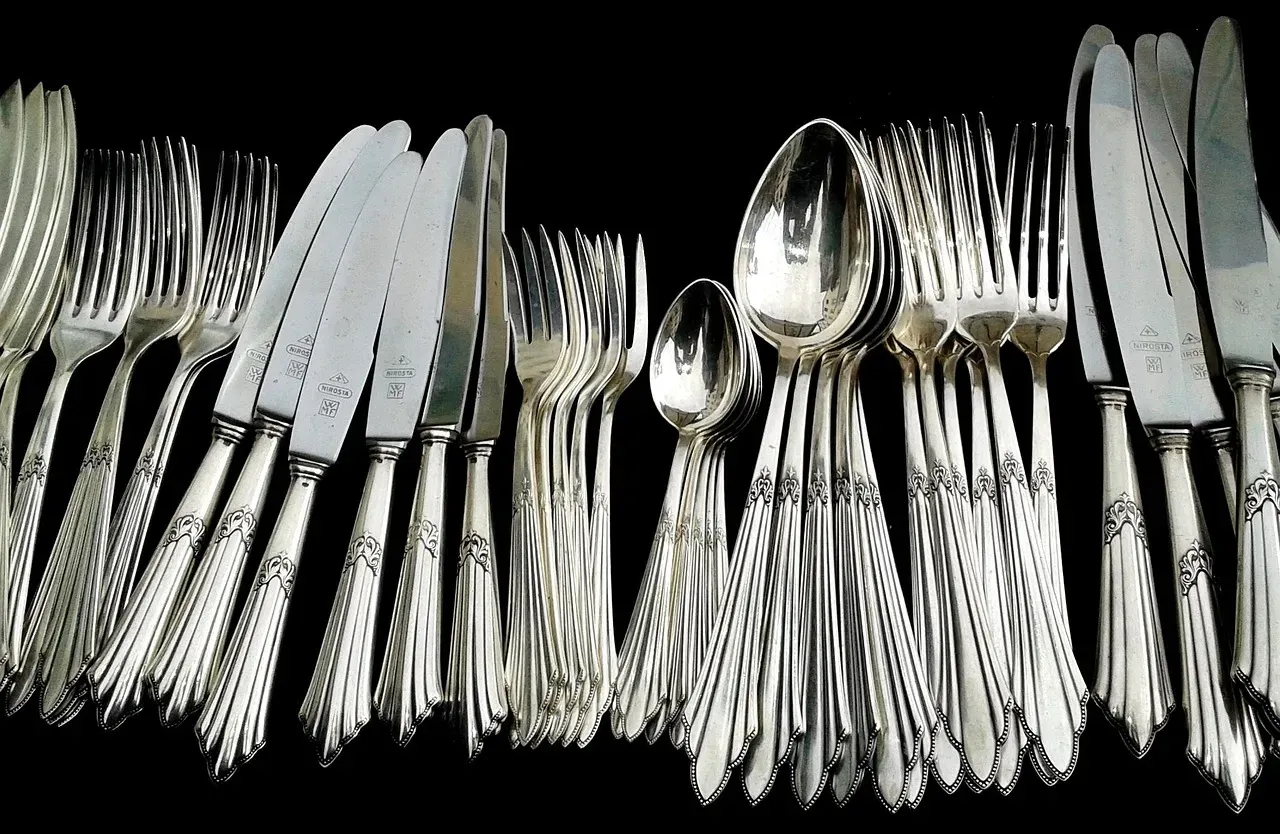
Sterling silver flatware once represented the pinnacle of elegant dining. Now? There is an oversupply of silverware. Pretty much every family owned a set in the 1950s. The demand for this item is also very low. Silver-plated flatware is very high maintenance, so most people prefer stainless steel nowadays.
Demand for the metal from the silverware industry reached 73.5 million ounces in 2022 but has declined since then. Silver jewelry and silverware are expected to decline by 4% and 11%, respectively, this year. While sterling silver still holds some value based on its silver content, that’s often the only value it retains. Your typical 32-piece sterling silver flatware set can easily bring you $800 to $1,500, but that’s mainly due to melt value rather than collector interest.
Some artisans buy old sterling flatware to make jewelry or other craft items. This creates a baseline demand even for odd pieces of silverware that might not be collectible as utensils but have value as raw material for crafts or custom designs. Still, this repurposing market doesn’t come close to matching historical values. The days of polishing grandma’s silver for Sunday dinner are long gone, and the market reflects that cultural shift.
Crystal Glassware: A Clear Decline
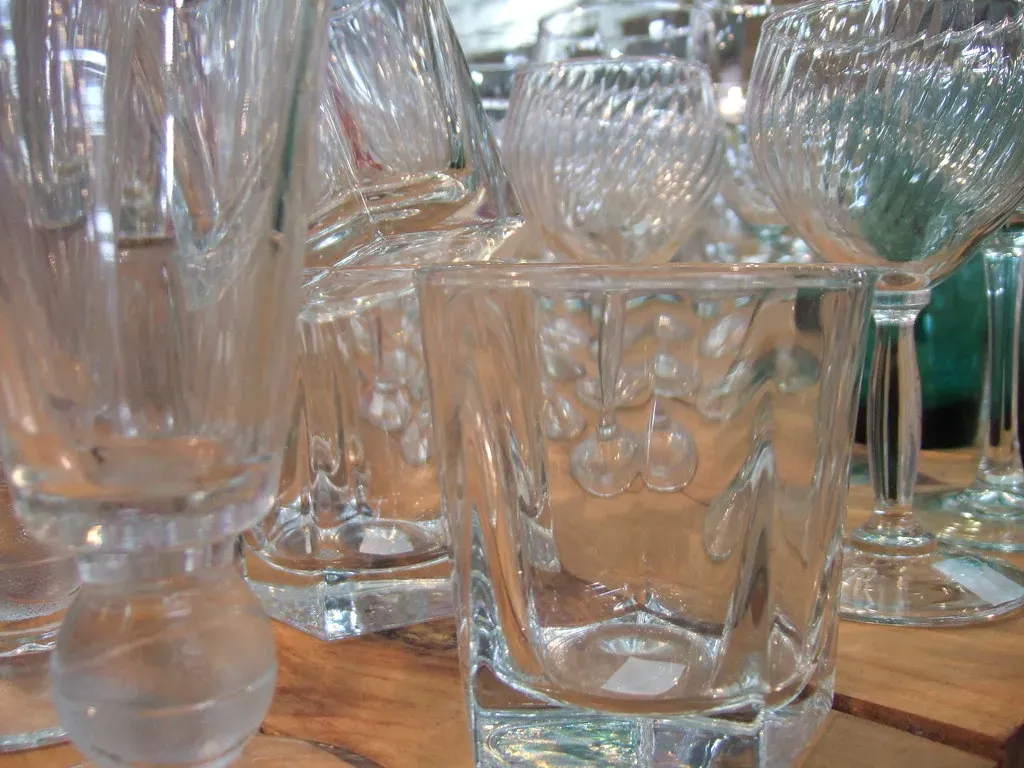
Most glassware, especially clear glass and antique cut glass crystal, has hit rock bottom. Despite centuries of tradition and craftsmanship, crystal stemware, decanters, and serving pieces are experiencing dramatic value losses. Crystal, in particular, has seen a drastic fall in value. Once sought-after brands like Heisey are now barely worth half of what they once were.
The crystal glassware market presents an interesting contrast. While the crystal glassware market is expected to grow at a compound annual growth rate (CAGR) of 5.7% from 2025 to 2033, registering a compound annual growth rate (CAGR) of 5.7% from 2025 to 2033, this growth is driven by new luxury purchases in emerging markets, not vintage pieces. Honestly, the average inherited crystal collection doesn’t benefit from these market trends.
With the rise of smartphones and other forms of technology that make it easy for us to stay up to the minute, the demand for antique and vintage mantel clocks has dramatically fallen. Even in the last 25 years, these intricately-made antique and vintage timepieces from makers like William Gilbert, Junghans, and Sessions could demand upwards of $1,000 but now they’re practically worthless alongside crystal collections. People don’t host formal cocktail parties requiring matching crystal stemware anymore. Casual entertaining and dishwasher-safe glassware have won out.
The oversupply is staggering. I’ve donated more glassware than I care to admit, sometimes even sending it to local “rage rooms” to be smashed. That stark admission from an antiques dealer tells you everything about the current state of the crystal market. What can’t be sold is literally being destroyed for entertainment.