12 Iconic Meals You’ll Instantly Remember If You Grew Up in the 1970s
Let’s be real, the 1970s weren’t known for gourmet cuisine. Yet if you spent your childhood in that decade, certain meals probably trigger instant nostalgia, like catching a whiff of something your mom used to make on a Wednesday night. These weren’t Instagram-worthy dishes. They were practical, often made from boxes or cans, and designed to get dinner on the table fast while feeding a whole family without breaking the bank. Slow-cookers and food hacks like using store-bought ingredients – think Hamburger Helper, frozen tater tots, and canned pineapple – took the main stage to help busy households.
Picture this: you’re sitting on an avocado-green shag carpet, TV tray in front of you, watching your favorite show. That’s the vibe we’re diving into. So let’s get started.
TV Dinners in Aluminum Trays
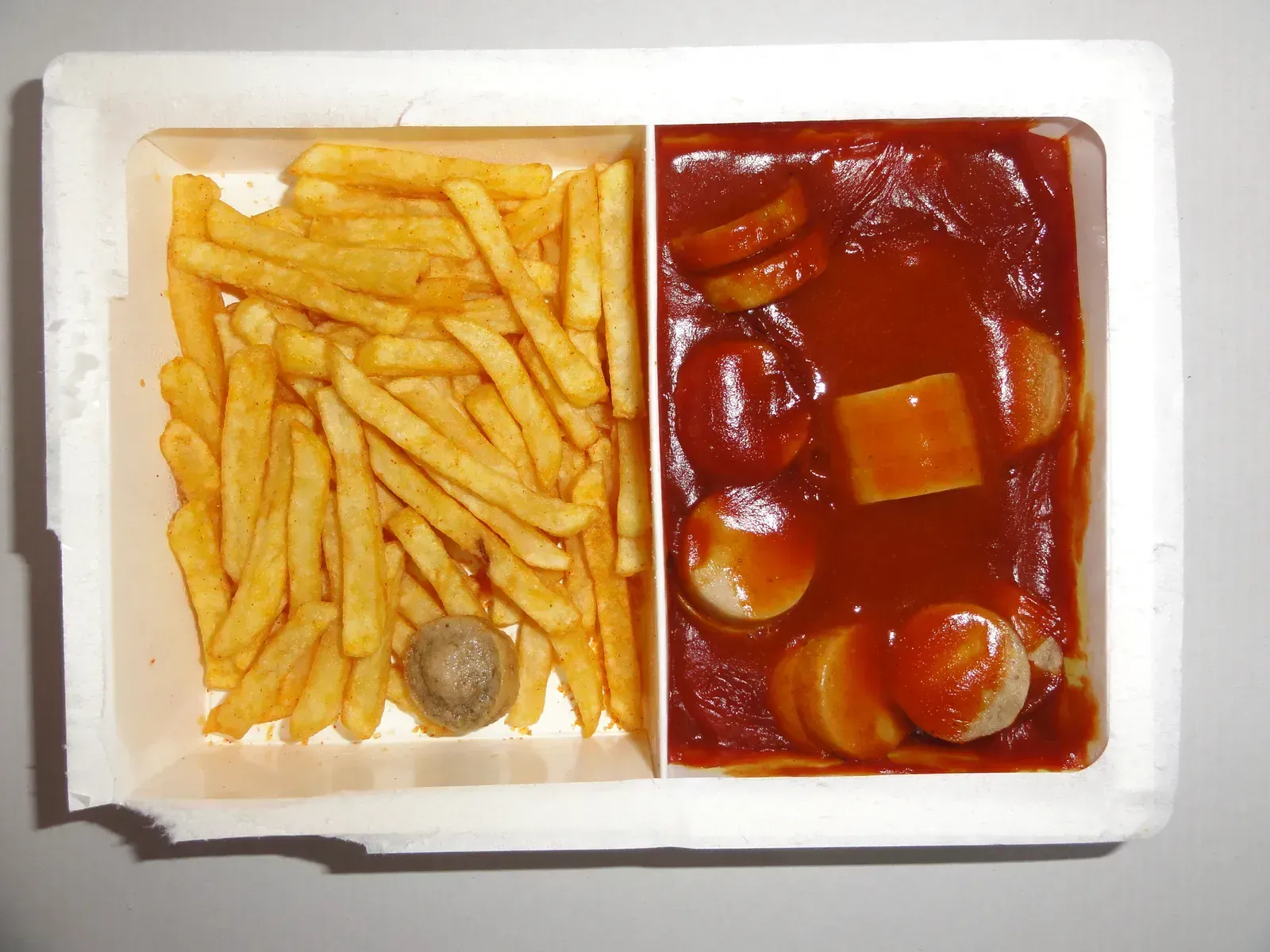
Think of a foil compartment holding mystery meat, some peas, and potatoes that somehow tasted both bland and comforting at the same time. The first Swanson TV dinner launched in 1952 with turkey, stuffing, peas, and sweet potatoes. Still, the seventies saw these frozen meals everywhere. By the 1970s, the increasing number of two-income families and single working parents shifted competition to restaurant food, either eaten at the restaurant or ordered to take home. During this period, American consumers were increasingly exposed to a greater variety of international cuisines and more sophisticated flavors. Honestly, though, even with all those changes, TV dinners remained a go-to. Pop it in the oven, wait twenty-five minutes, and boom – dinner was served. It felt futuristic, even if the food quality was questionable.
Hamburger Helper
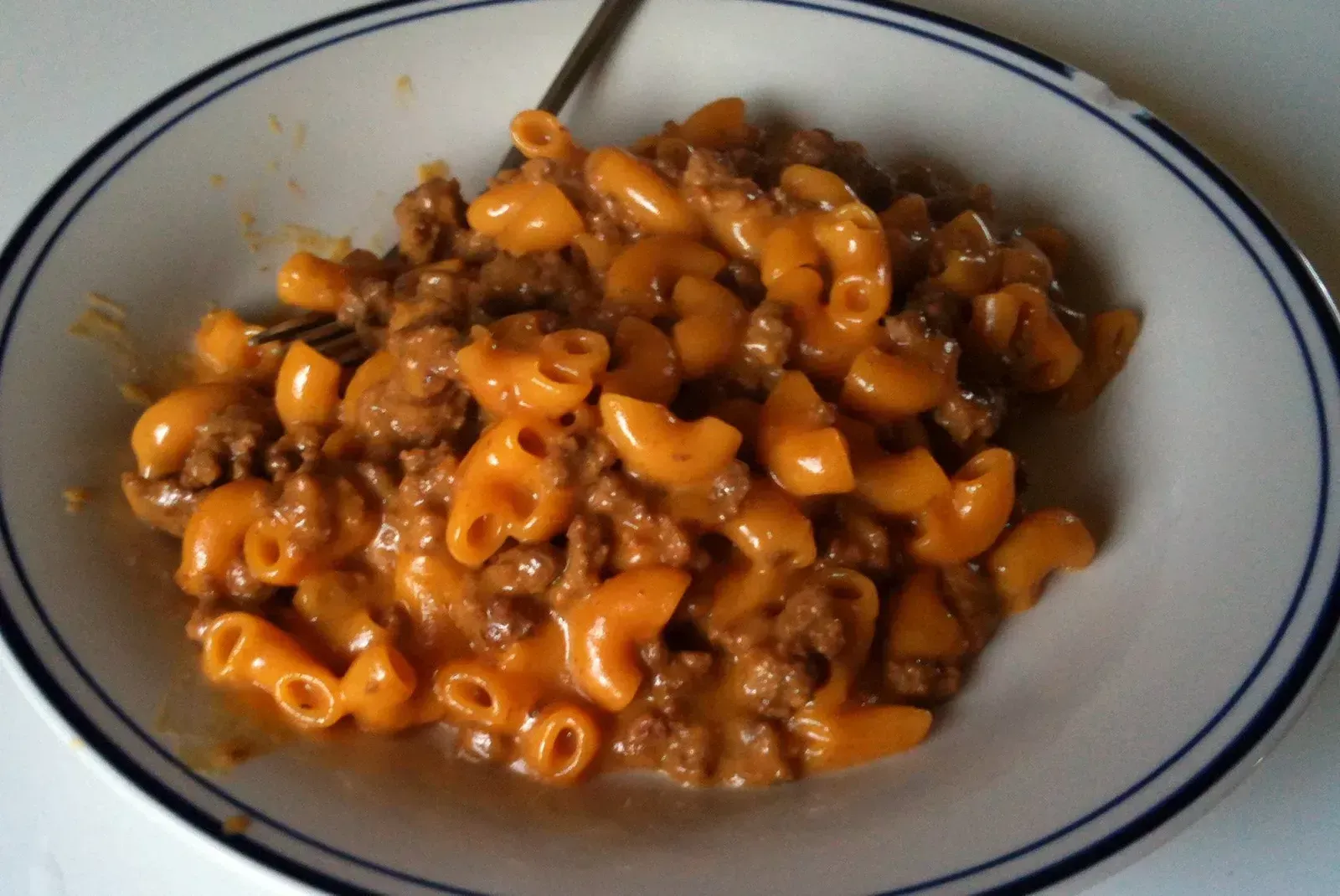
Hamburger Helper was first introduced in 1971 by General Mills in response to high beef prices. It became a staple in households across the country with its creamy, cheeseburger and mac and cheese influences. You just browned some ground beef, tossed in the pasta and seasoning packet, added water, and suddenly you had a one-pan meal. The packaged pasta brand “Hamburger Helper” was introduced by General Mills on the West Coast in December 1970 and made its national debut in August 1971 in response to meat shortages and soaring beef prices and a weakened U.S. economy. It wasn’t fancy. It wasn’t healthy, really. Yet it stretched that pound of beef into something that could feed four or five people for cheap, which mattered a lot back then. Interestingly, sales of Hamburger Helper are up 14.5 percent in the year through August in 2025 as families again face economic pressures.
Fondue Parties
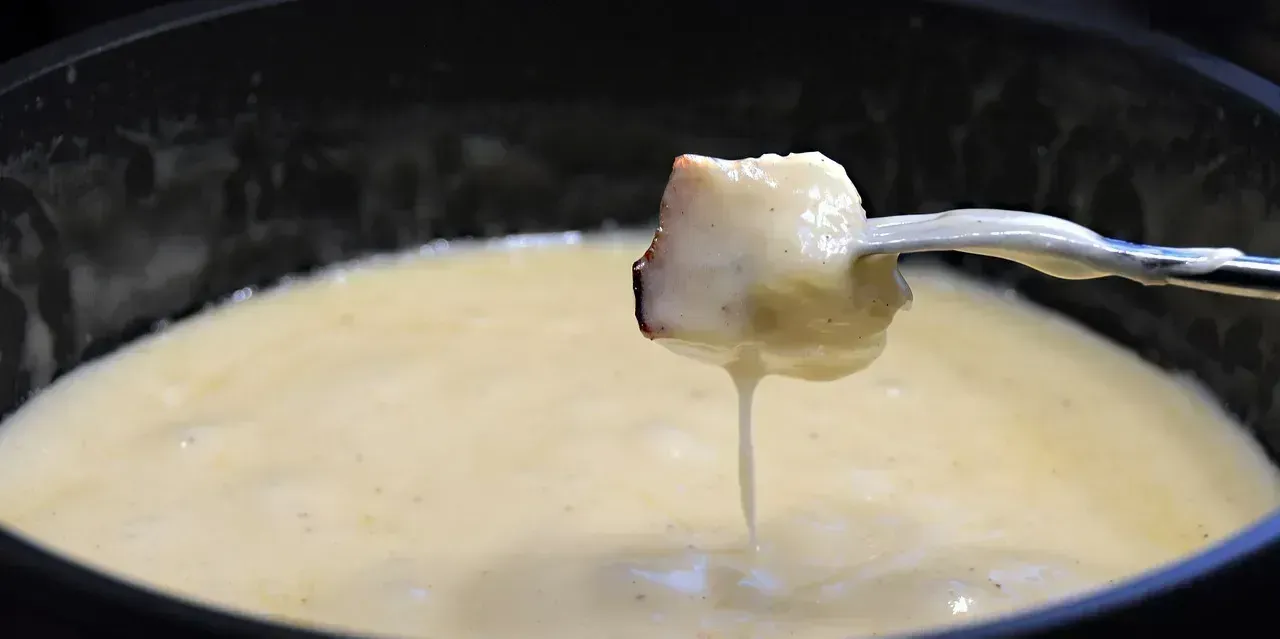
If your parents hosted a dinner party in the seventies, there’s a decent chance a fondue pot made an appearance. Fondue was popular in the United States in the 1960s and 1970s, along with other foods made in chafing dishes. People would gather around a bubbling pot of melted cheese, spearing cubes of bread with long forks. The 1964 New York World’s Fair was the first time Americans came in contact with fondue – and Swiss culture in general – kicking off a food fad across the country and creating the first chocolate fondue, an invention only an American sweet tooth could devise. Quickly becoming a dinner party staple, home fondue sets took off. It was interactive, social, and kind of groovy. Chocolate fondue also became a thing, turning dessert into an event. You haven’t lived until you’ve watched adults argue over whether they lost their bread cube in the cheese pot.
Salisbury Steak TV Dinners
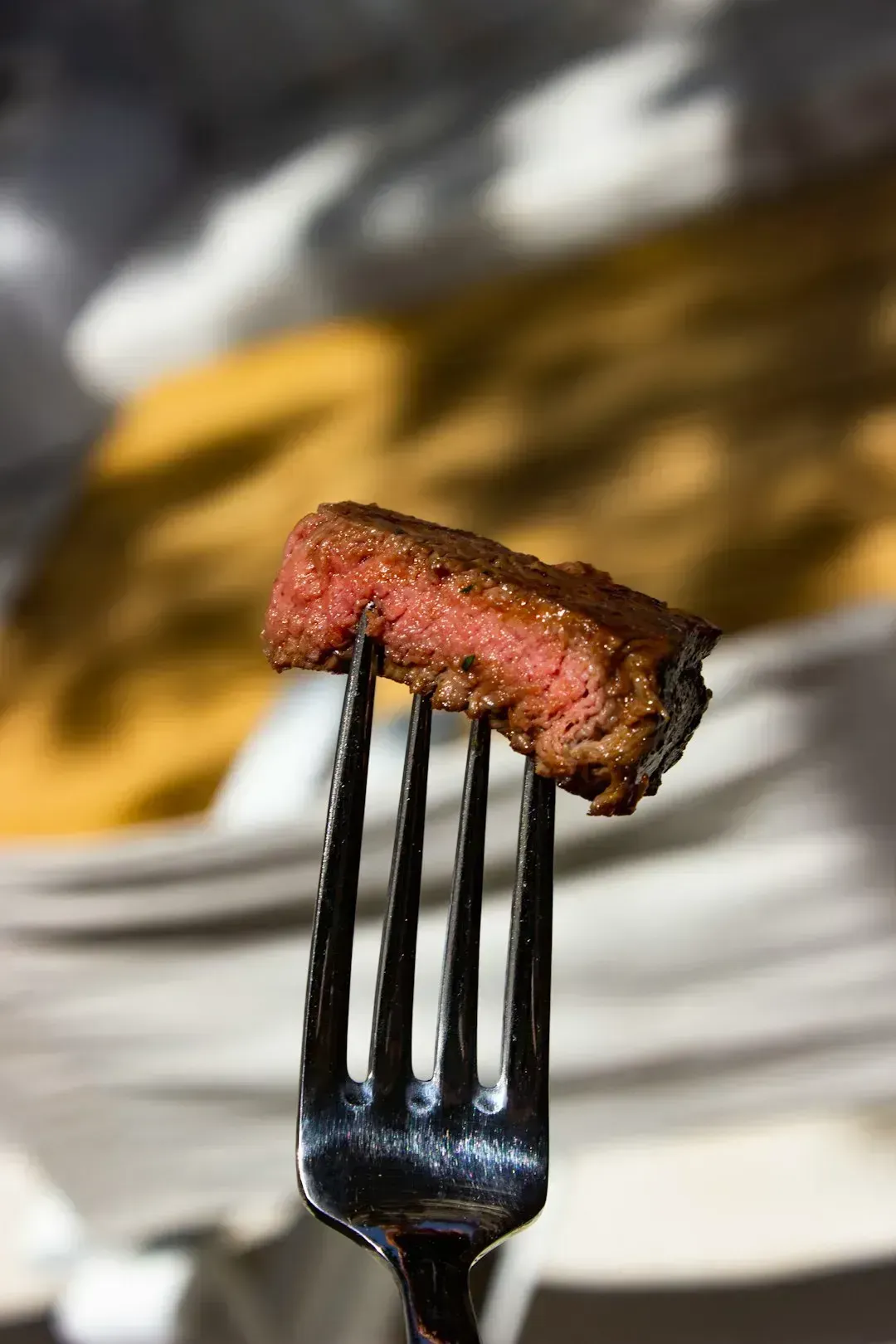
This was basically a glorified hamburger patty smothered in gravy, served alongside instant mashed potatoes and some sadly overcooked green beans. Salisbury Steak in the Slow Cooker revives the TV dinner classic the way it was originally meant to be – hot, tender, and covered in gravy. In the ’70s, this was a weeknight standard that felt like more. The gravy was the real star, masking whatever questionable meat blend lurked underneath. Kids loved it, parents appreciated the convenience, and everyone pretended it was an actual meal rather than a science experiment in a tray.
Meatloaf with Ketchup Glaze
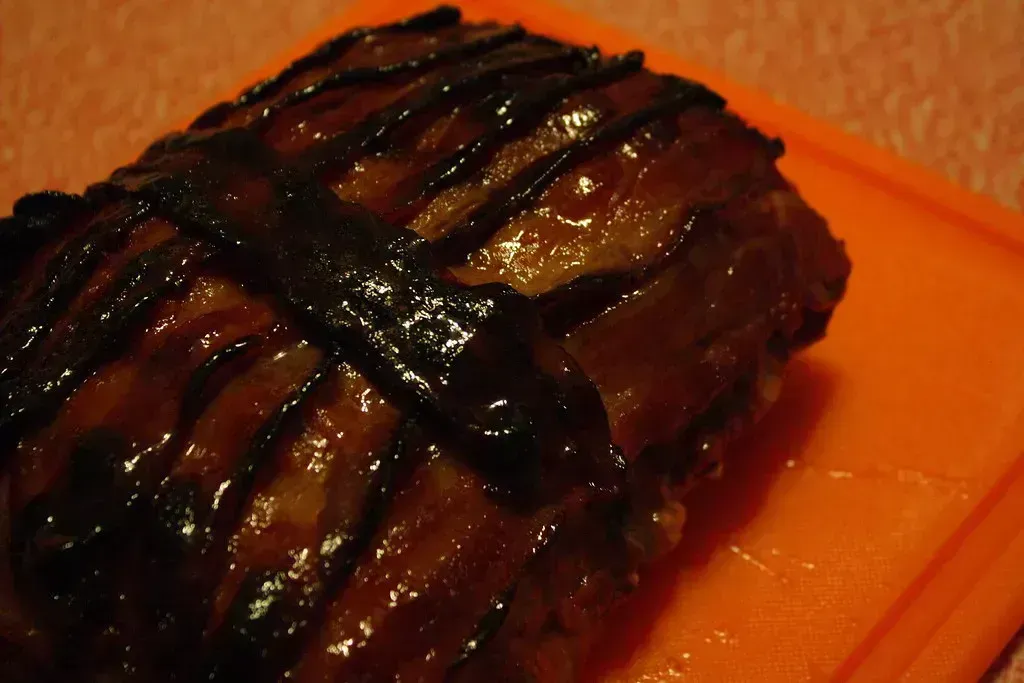
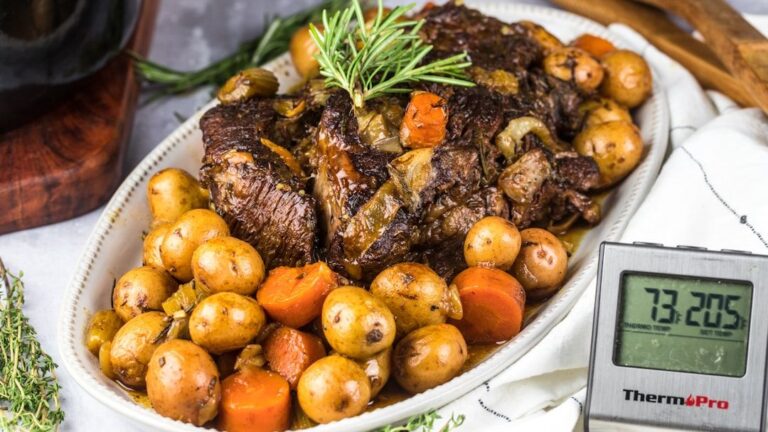
Meatloaf was the dinner table workhorse of the decade. The epitome of a classic, reliable dinner, meatloaf can be many things to different people. For some, it’s a dependable weeknight dinner; for others, a nostalgic comfort food. Whatever it is for you, one thing is for sure: Your go-to recipe should be simple and dependable but also packed with flavor to keep you coming back for more. Recipes varied wildly, from simple ground beef and breadcrumbs to versions with oats or crushed crackers mixed in. The ketchup glaze on top caramelized in the oven, giving it that sweet-tangy finish. Leftovers made great sandwiches the next day, assuming there were any leftovers. Meatloaf was comfort on a plate.
Tuna Casserole
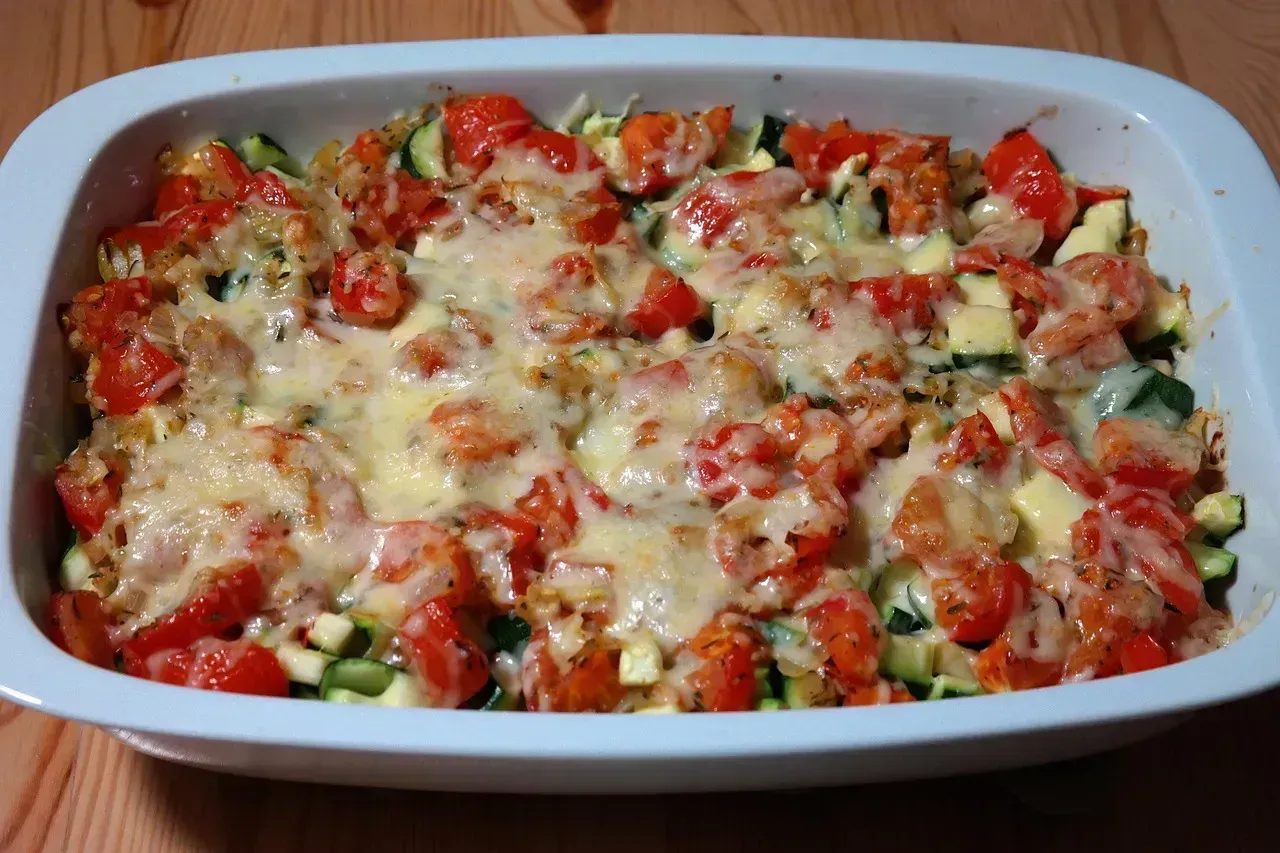
Canned tuna, egg noodles, cream of mushroom soup, and frozen peas all baked together under a layer of crushed potato chips. That’s tuna casserole in a nutshell. It was cheap, easy, and used ingredients most families had lying around. Sure, it wasn’t going to win any culinary awards, yet it filled bellies and stretched budgets. The crunchy potato chip topping was honestly the best part. Some families swapped in crushed crackers or breadcrumbs, demonstrating the dish’s flexibility. You either loved it or you pretended to love it because Mom made it.
Chicken Divan Casserole
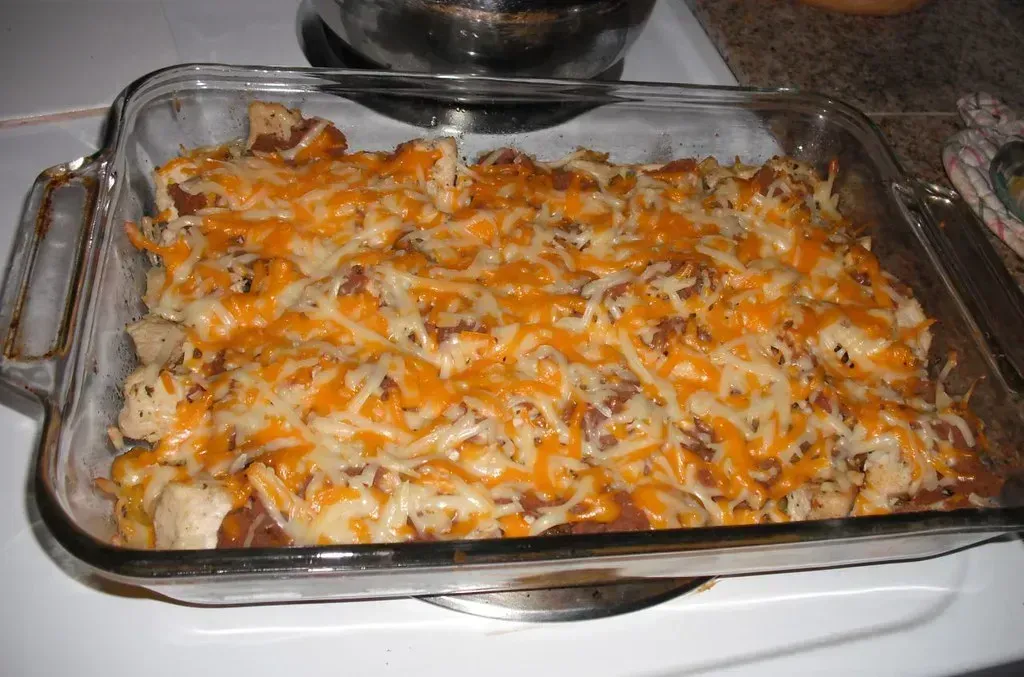
Chicken Divan took frozen broccoli and leftover chicken and made it work in a creamy casserole that stuck around. In the ’70s, it was a smart way to reuse and still make dinner feel full. Cheese sauce over a baking dish was enough to draw people to the table. Basically, it was chicken, broccoli, and a creamy cheese sauce all baked together until bubbly. This one made casseroles a permanent part of American kitchens. It tasted rich without requiring much effort, which made it perfect for busy weeknights. Pair it with rice or serve it on its own, and you had a meal everyone tolerated, if not outright enjoyed.
Quiche Lorraine
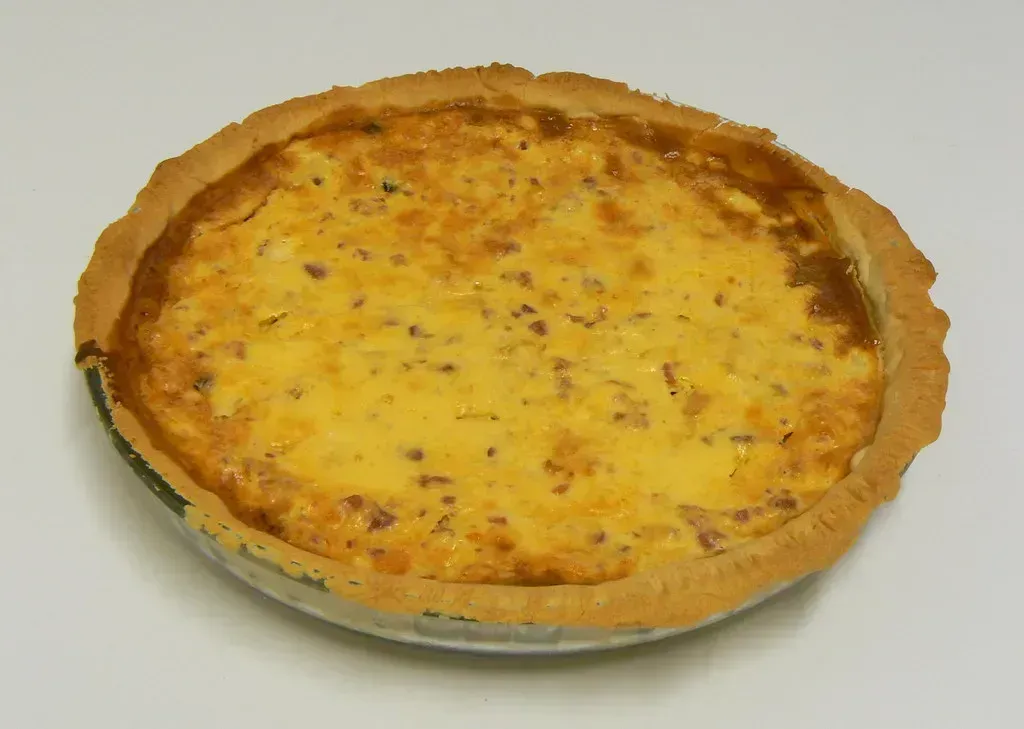
This French delicacy may have been around for centuries, but its popularity soared in the 1970s and 1980s in the US. A go-to dish to serve at brunch, it typically features crispy bacon lardons, cheese (Gruyère, Emmental, or Cheddar), eggs, and cream, all baked in a golden pastry case. It felt elegant and European, even if you bought the crust pre-made from the store. Quiche became a brunch staple and a way to show off a little culinary sophistication. You could customize it with whatever you had on hand – ham, spinach, mushrooms – but the classic bacon and cheese combo remained the favorite.
Sloppy Joes
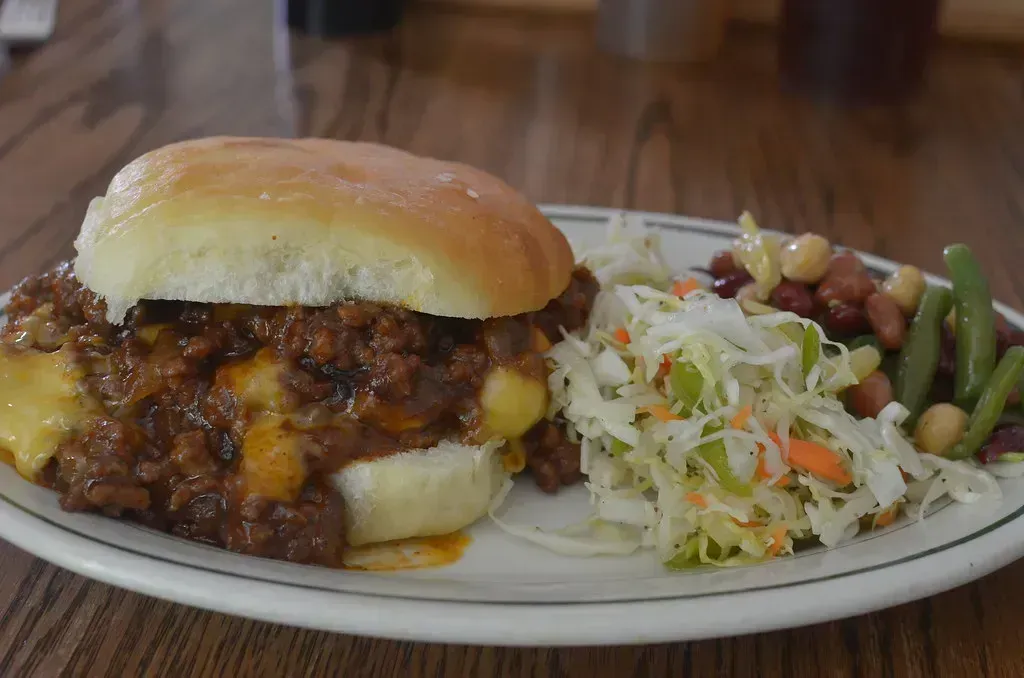
Ground beef cooked in a sweet, tangy tomato sauce and piled onto a hamburger bun. Messy, yes. Delicious, absolutely. Sloppy Joe Casserole builds off the classic ’70s sandwich but turns it into something you could serve family-style. Ground beef, sauce, and tater tots came together in one dish that didn’t need much help. It was simple, filling, and went straight from oven to table. Kids loved Sloppy Joes because they were fun to eat, parents loved them because they were cheap and fast. You’d inevitably get sauce all over your face and shirt, which was part of the experience. Some families made them from scratch, while others relied on canned Manwich sauce.
Black Forest Cake
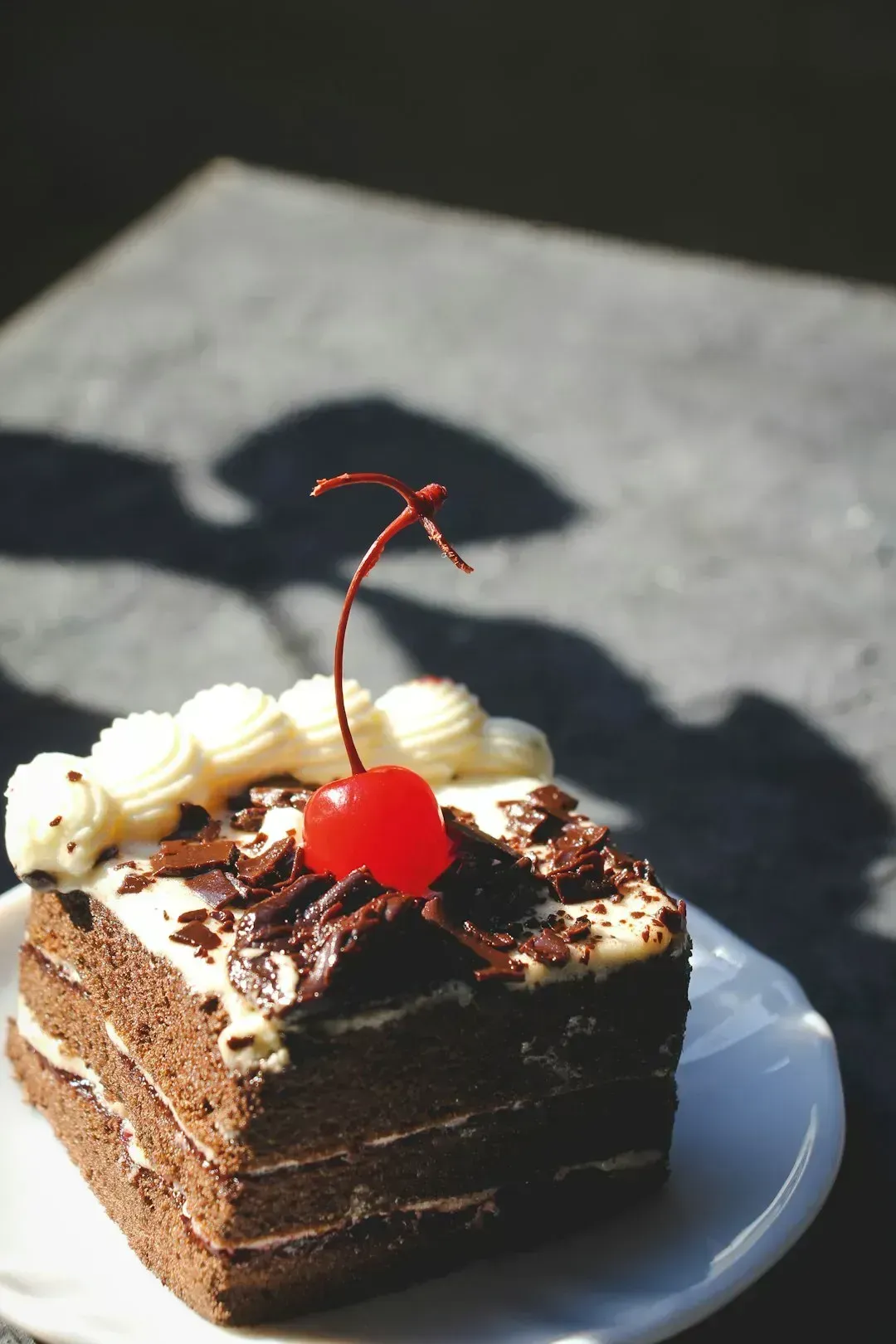
Black forest cake became one of the most popular cakes in the US during the ’70s, and we can see why. Layers of chocolate cake soaked in cherry liqueur, filled with whipped cream and cherries, all topped with chocolate shavings. This German-born dessert is an exercise in seeing how many ways you can infuse one cake with cherry flavor. It’s composed of layers of chocolate cake that have been thoroughly soaked with kirsch (a clear cherry spirit) and topped with maraschino cherries, while some versions even have sour cherries stuffed between the layers. Though it was first invented in 1915, its popularity soared stateside in the 1970s. It looked impressive on the table, whether you made it from scratch or assembled it from store-bought components. It was the dessert for special occasions.
Watergate Salad
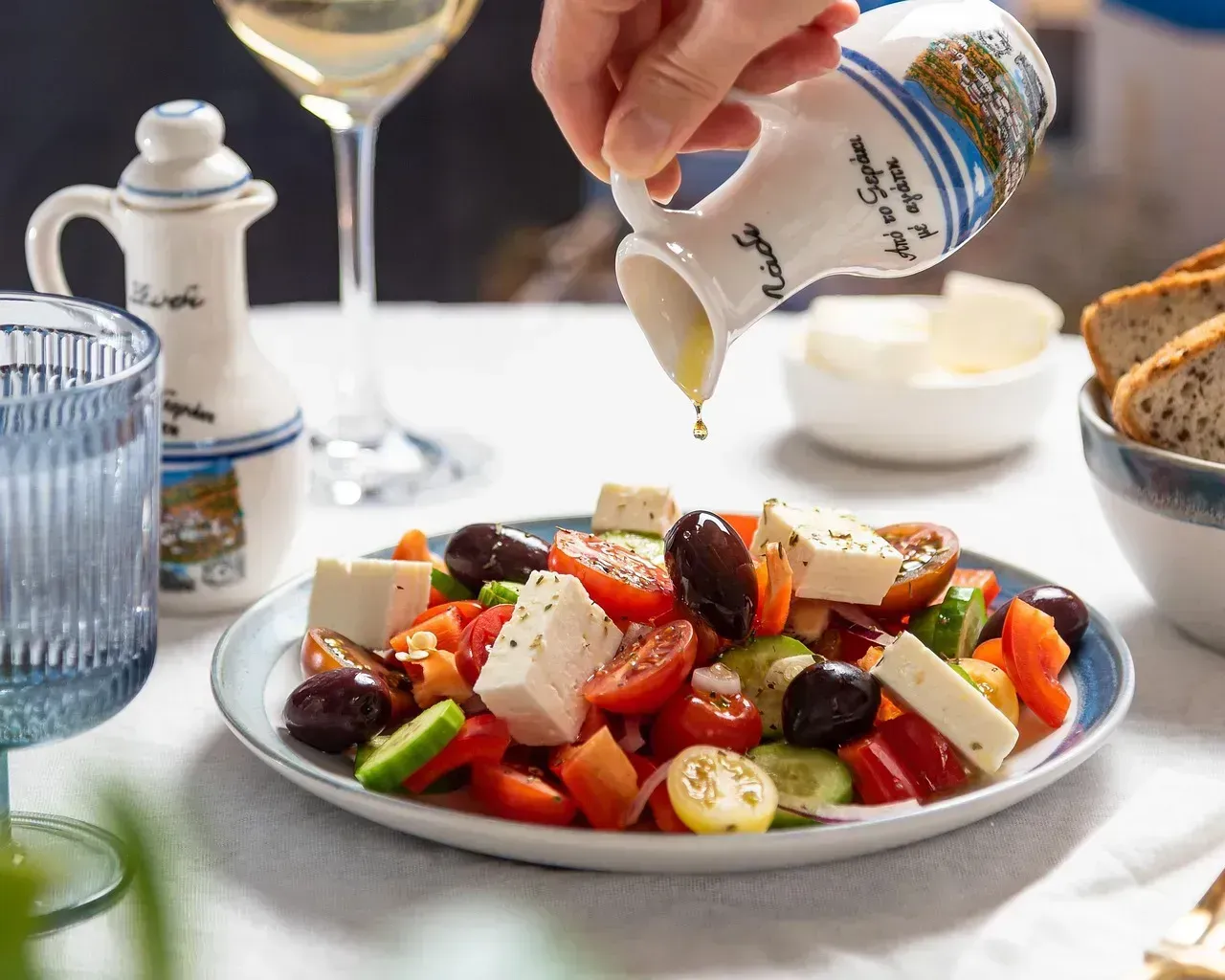
Don’t let the name fool you – this “salad” was basically a dessert. This pistachio-flavored “salad” is a shining example of how to turn a political scandal into a delicious dessert – “salad” is a loose term here, because the ingredients are pudding, canned pineapple, whipped cream, pecans, and marshmallows. Like so many other ’70s creations, this one relied on instant pudding. It was originally called “pistachio pineapple delight” but later became known as Watergate salad because of a Chicago food editor who coined the name. It became ubiquitous coinciding with the 1972 Watergate scandal. The bright green color alone made it memorable. Was it healthy? Absolutely not. Did people eat it anyway? You bet.
Beef Stroganoff
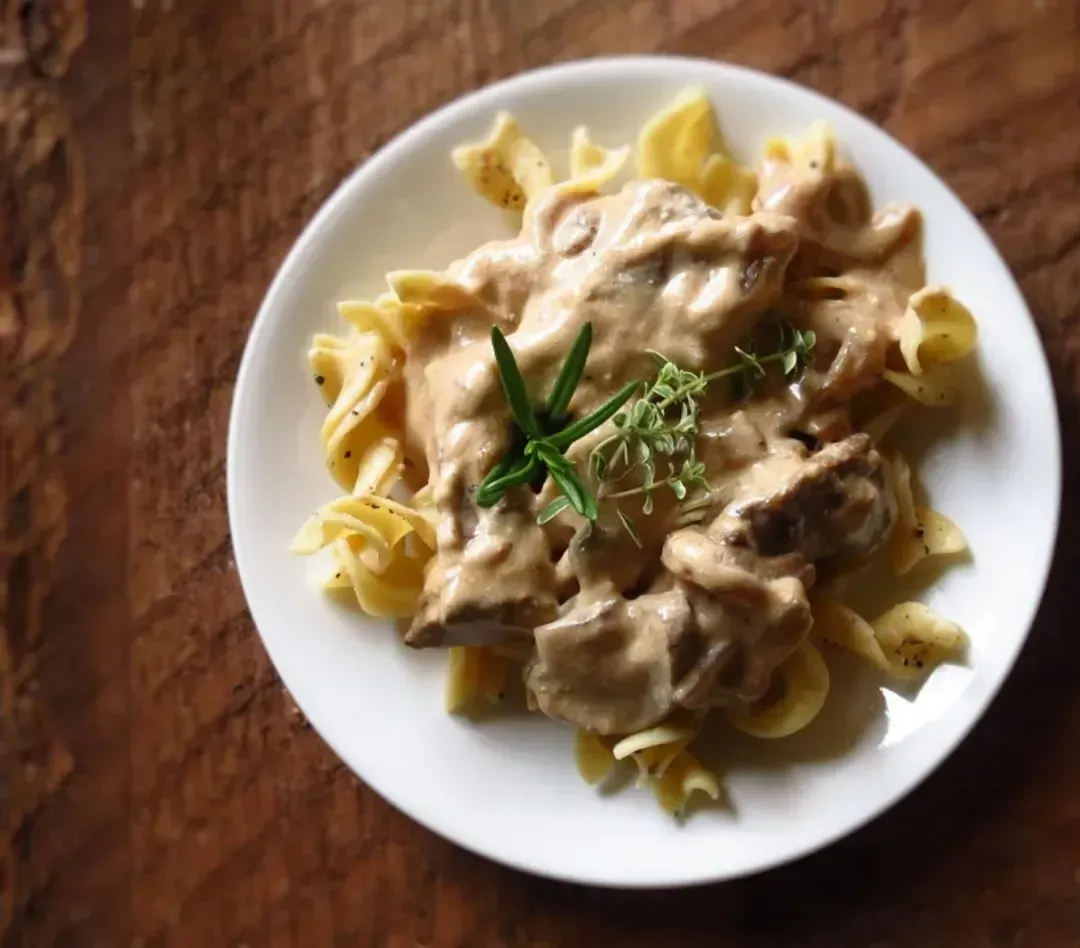
Tender strips of beef cooked in a creamy mushroom sauce, served over egg noodles. Crockpot beef stroganoff is a comforting meal of slow-cooked beef, onions and mushrooms, simmered until tender in a seasoned sauce made rich and creamy with a secret ingredient: condensed mushroom soup. Stroganoff felt a bit fancier than your average weeknight meal, yet it wasn’t too complicated to pull off. Many home cooks relied on condensed soup to create the sauce quickly. It was hearty, warming, and perfect for chilly evenings. The dish had that restaurant quality without the restaurant price tag, making it ideal for impressing dinner guests without breaking a sweat.