Why So Many Boomers Regret Buying Big Homes Now
There was a time when a sprawling four-bedroom house with a two-car garage and a big backyard felt like the ultimate success story. For millions of baby boomers, that dream home was the destination. The arrival point. The place where a whole life would unfold. And for a while, it was exactly that.
But life has a habit of changing. The kids grow up and leave. The knees start to complain about the stairs. The utility bills don’t care how many rooms sit empty. Now, in 2026, that dream home has quietly become a source of real stress for a generation that never saw it coming. Let’s dive in.
The Oversized Empty Nest Nobody Talks About Enough
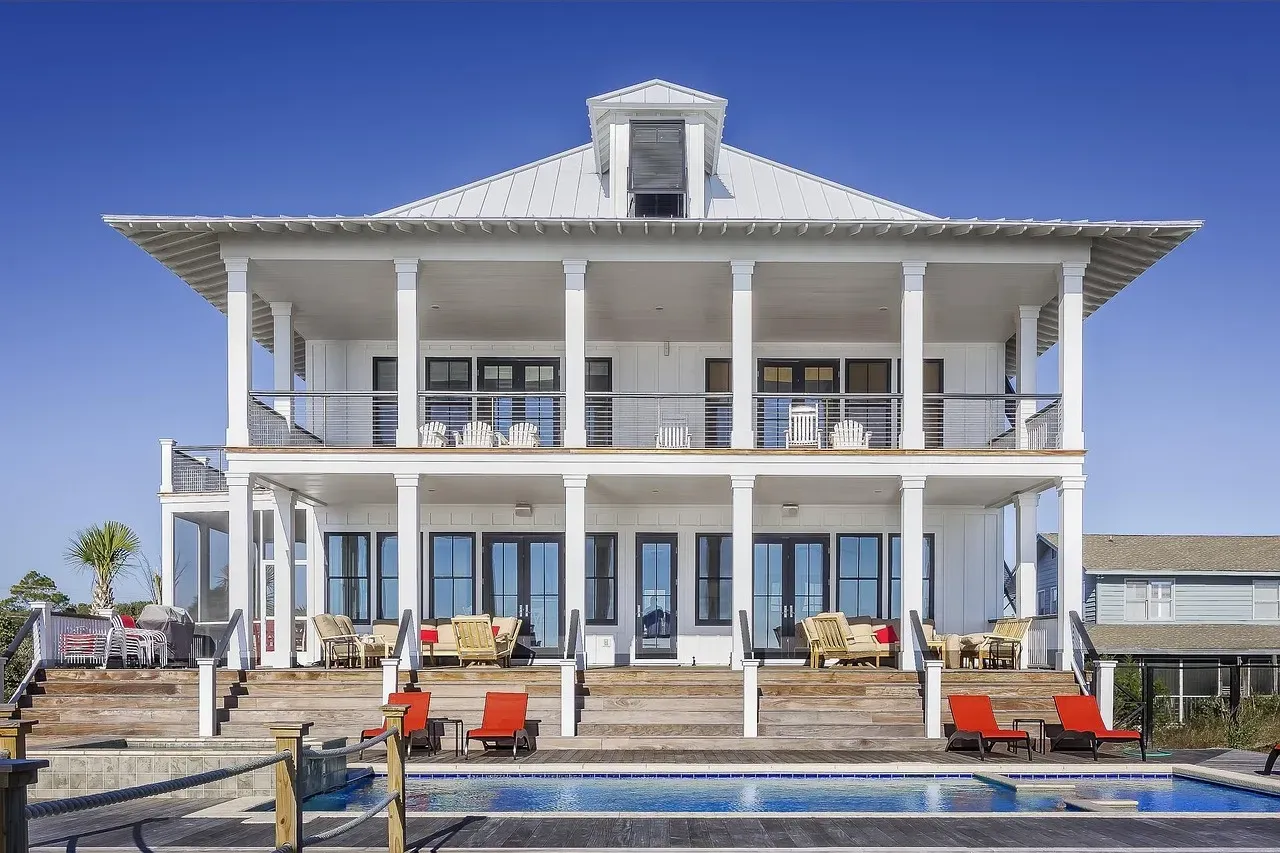
Here’s the thing that rarely makes the headlines: millions of boomers are rattling around in houses that are simply too big for them now. Baby boomers continue to own many of the country’s large houses, even after their households have shrunk to one or two people. Empty-nester baby boomers own twice as many of the country’s three-bedroom-or-larger homes compared with millennials with kids.
Think about that for a moment. Two people. Five bedrooms. A yard nobody uses. This is happening despite boomers’ kids having long left the nest and their households having shrunk to one or two people. Instead of selling their large properties, boomers are turning the extra bedrooms into hobby rooms and guest rooms for visiting family members.
According to the latest data from the American Community Survey, more than three-quarters of senior households live alone or with only one other person, yet roughly 60 percent of these households live in homes with at least three bedrooms. That kind of mismatch between the home and the life being lived inside it is exactly the kind of thing that quietly eats away at a person’s sense of peace.
The Cost of Owning More House Than You Need

Owning a large home sounds glamorous until you’re the one paying the bills to keep it running. Almost all boomer homeowners, roughly 90 percent, have concerns about homeownership as they age, primarily based on growing expenses. The cost of maintenance and upkeep tops the list at nearly 60 percent, while being able to physically take care of these tasks isn’t far behind at 55 percent. About half worry about property tax increases, while more than 40 percent are concerned about rising utility costs.
A troubling 69 percent say they’re worried about maintenance and upkeep costs, up 10 percentage points from last year amid concerns over persistent inflation and tariff-related price hikes. That is not a small uptick. That is a meaningful shift in how boomers are feeling about the financial weight of their properties.
Owning a home involves expenses like property taxes, insurance, and maintenance. These costs can chip away at the value you can extract from your home and significantly impact retirement savings. For a generation living increasingly on fixed incomes, that reality hits differently year after year.
The Safety and Accessibility Problem Nobody Planned For

Honestly, this is perhaps the most overlooked part of the whole conversation. Big older homes were designed for families in motion, not for a 72-year-old with a bad hip navigating a staircase at 2 AM. Many boomers say they want to “age in place,” but without proper home modifications, support systems, and accessible layouts, aging in place can quickly become dangerous. Falls, isolation, poor lighting, stairs, and outdated bathrooms all create real risks.
Numerous boomer homes have become akin to time capsules, untouched by home improvements. This stagnation in home updates has resulted in a lack of essential safety and accessibility features for comfortable aging in place. It’s a slow-motion problem that only becomes visible when something goes wrong.
Only 10 percent of the country’s housing units are ready to accommodate older people, as most homes have entryway steps, only upstairs bedrooms and bathrooms, and inaccessible bathrooms. For a generation that largely planned to stay put forever, that number is quietly alarming. A significant 68 percent of boomers reside in homes that are 30 years old or older, with no updates made or planned. The majority of boomer homes lack the safety and accessibility features needed to age in place, and three-quarters have never added such features to their homes.
The Capital Gains Tax Trap Keeping Boomers Stuck
Here’s where things get genuinely complicated, and I think this is one of the most underreported factors in this whole debate. Plenty of boomers want to sell their big homes. The problem is that doing so could trigger a massive tax bill. Too many empty-nest seniors are “locked in” to homes that no longer fit their needs. Instead of selling and downsizing, the prospect of steep capital gains taxes keeps them in their bigger homes. The problem is especially acute in high-cost metro areas, where decades of property appreciation means selling even a modest home can trigger a six-figure tax bill.
About 34 percent of U.S. homeowners could exceed the $250,000 cap for single filers if they were to sell, and 10 percent could exceed the $500,000 threshold, according to the National Association of Realtors in a 2025 report. That is a staggering number of people facing real financial punishment for simply trying to right-size their lives.
When a homeowner dies, the heir receives the property with a tax basis equal to its fair market value, eliminating the unrealized capital gains for income tax purposes. This creates an incentive to hold appreciated homes rather than sell during life, since the embedded tax liability can disappear at death. In other words, the tax code is literally encouraging boomers to stay put until they die. That is a remarkable unintended consequence of a policy written in 1997.
The Downsizing Trap: Smaller Doesn’t Mean Cheaper
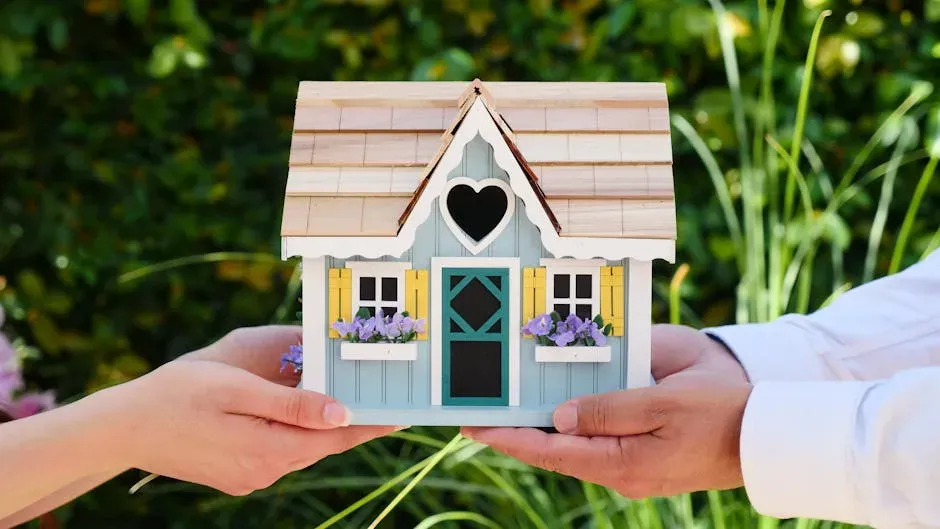
So you’d think the solution is obvious: sell the big house, buy something smaller, pocket the difference, enjoy retirement. If only it were that simple. Older homeowners who want to downsize have been scared into staying put by how expensive a smaller home would be in the current market. A homeowner who keeps all the profit of a home that sells for $500,000, for example, may find that a condo in their same area is $450,000. After calculating realtor fees and closing costs, the profit hardly covers the new purchase. Many homeowners are asking why they should downsize if doing so isn’t that much cheaper.
Across the country, many baby boomers are facing their own version of this calculus: it can be cheaper, and more appealing, to stay in their current large house than to sell it and move to something smaller. That’s a trap disguised as a choice. It’s like deciding between two bad options and calling it freedom.
Some baby boomers find that when they want to downsize, there are no smaller options in their neighborhoods. Many areas, including neighborhoods where a lot of baby boomers live, have zoning that only allows single-family homes. That means when older adults decide their current homes are too big, they basically have to move out of their neighborhoods entirely. And for people who have lived in the same community for two decades, that’s not a small ask.
The Physical and Emotional Toll of Waiting Too Long
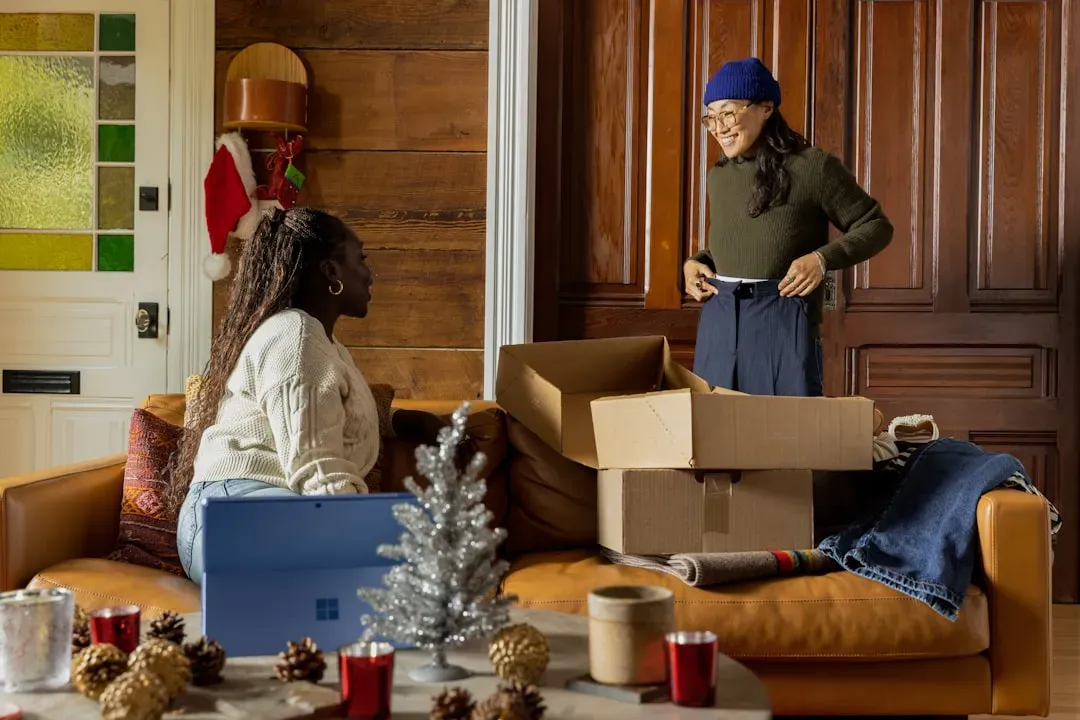
There is a moment, and boomers who have been through it know exactly what I mean, when you realize you’ve waited too long to make a move. The house that was manageable at 65 becomes genuinely difficult at 74. One of the most common regrets among aging homeowners is not moving while they still had the physical ability to do it. Sorting through decades of belongings, preparing a home for sale, and relocating to a new space is daunting at any age, but it becomes overwhelming past a certain point. Mobility issues, vision problems, and chronic illnesses make the physical labor of downsizing difficult.
By the time many boomers finally admit they need to move, their bodies simply can’t handle it, and their families are left scrambling to pick up the pieces. It’s not easy to walk away from the home where your children grew up, where you celebrated milestones, or where you’ve lived for decades. Boomers often delay downsizing because the emotional cost feels too high.
It’s a deeply human thing, staying too long somewhere because leaving feels like a kind of grief. Baby boomers stayed in their homes longer than any other age cohort, about 20 years before downsizing. That’s not stubbornness. That’s attachment. Roots. But roots can also hold you in place when movement would serve you better.
The Ripple Effect on the Entire Housing Market
Here’s the part that goes beyond personal regret and affects everyone. Baby boomers, who were between the ages of 60 and 78 in 2024, account for 20 percent of the population but make up more than 37 percent of homeowners nationwide. When a generation that large holds onto its homes indefinitely, the consequences spread far and wide.
Just 10 percent of boomers plan to sell within the next five years, down from 15 percent in 2024, meaning that roughly 90 percent of the homes owned by this generation won’t hit the market until at least the 2030s. For younger families waiting on the sidelines, that is an almost crushing statistic. When boomers stay in large homes they no longer need, it restricts inventory for younger families looking to buy. Starter homes and mid-sized family houses are in short supply, in part because they’re still occupied by retirees who haven’t moved on. This bottleneck drives up prices and leaves multiple generations without access to the housing that fits their stage of life.
The housing market is essentially a game of musical chairs, and right now many of the chairs are occupied by people who don’t need them. The median age of a first-time home buyer jumped to 38 years old in 2024 according to the National Association of Realtors. Rising home prices and high mortgage rates have pushed the median age of all home buyers to a record high of 56 years old in 2024, up from 46 in 2021. That is a seismic shift in what homeownership even means for younger generations today.
The big home was never just a building. It was a symbol, a milestone, a reflection of a life well-lived. For many boomers, it still is. The regret isn’t about the dream itself but about the gap between what that dream costs now and what they bargained for when the kids were still running through the halls. What would you do differently if you could start over – and is it ever really too late to right-size your life?