Former Hotel Staff Say You Should Always Turn Off the Lights Before Entering a Room – Here’s Why
It sounds almost too simple to matter. You slide your keycard, push open the door, and reach for the light switch. But seasoned hotel workers will tell you to do the exact opposite: keep the lights off first, step in, and take a good look around before you do anything else. This single habit, passed quietly among those who have worked in hospitality for years, carries more practical weight than most guests ever realize. It touches on personal safety, fire awareness, privacy, and even surveillance – all in the space of about ten seconds.
1. Checking for Unwanted Visitors Before You Settle In
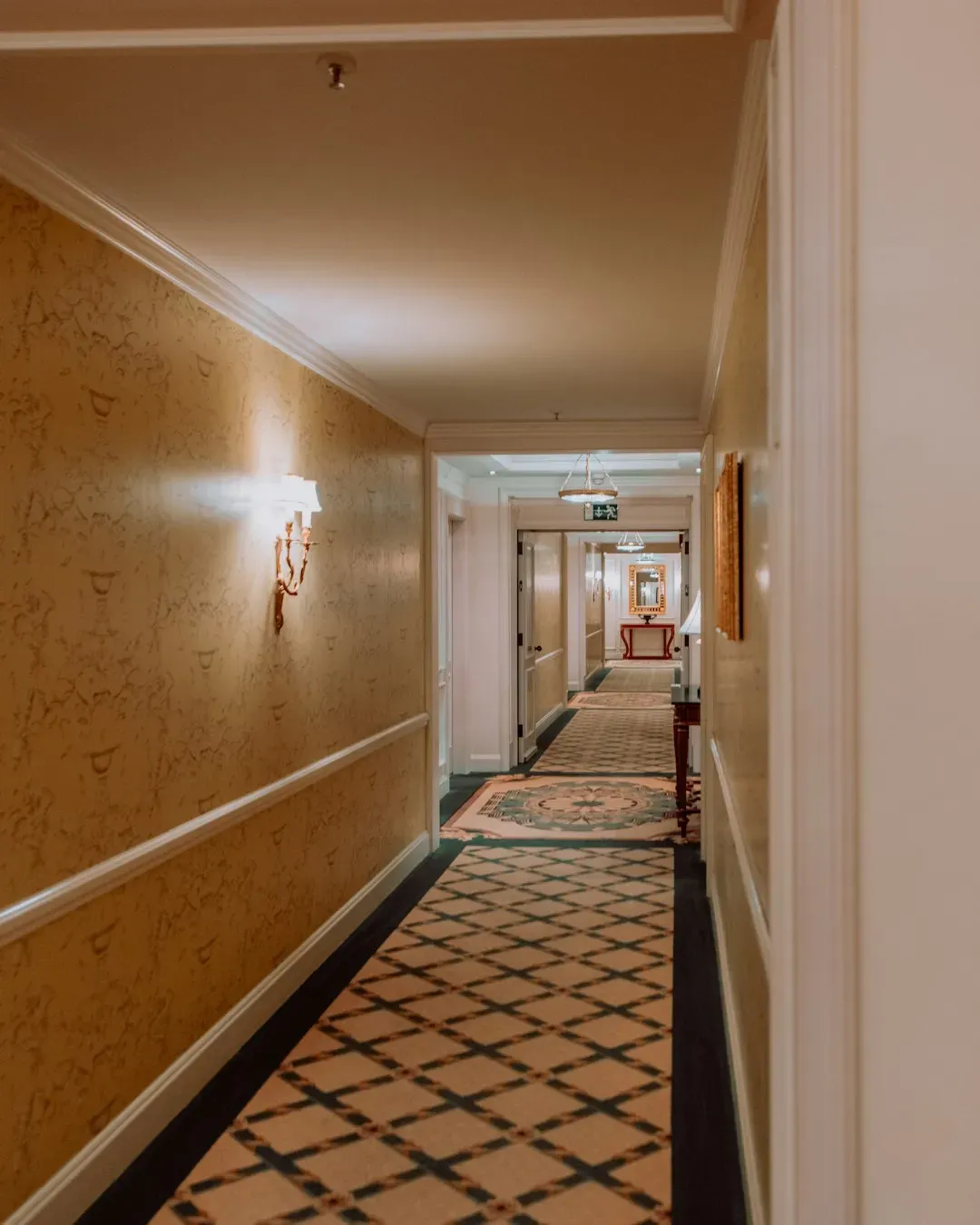
When you get to your room, you should check inside to ensure no one is hiding – it sounds extreme, but there are cases where an intruder has hidden in a room until the person falls asleep and then assaulted them. Entering a dark room and allowing your eyes to adjust first gives you a momentary advantage that bright overhead lights immediately destroy. A quick sweep in semi-darkness makes any presence far more detectable than you’d expect. When you arrive, check behind curtains, under the bed, and around the room to ensure it is safe.
This is actually advice from the U.S. State Department’s official lodging safety guidance. It’s not paranoia – it’s protocol. Former hotel staff with years of front-line experience have long known what most guests overlook: rooms get assigned incorrectly, access is occasionally mismanaged, and the few seconds you spend scanning in dim light could alert you to something that bright lights would have hidden in plain sight. One of the first things you should do when entering your room is to familiarize yourself with the security features. Doing it in limited light forces you to be deliberate, not rushed.
2. Spotting Hidden Cameras the Way Professionals Do
About 60 percent of us are wary of hidden cameras in our hotels and rental properties. Worse, roughly one in ten people have actually discovered one. With the rise of nanny camming, surveillance cameras have simply gotten cheaper and easier to install, enabling stalkers. Turning the lights off immediately upon entering and using only a flashlight or your phone’s torch is one of the most effective low-tech methods professionals recommend. In a dark room, shine a flashlight across suspicious areas. A hidden lens will often reflect light differently than regular surfaces, making it easier to detect.
It is like hunting for a coin in the dark. You’d never spot it under bright overhead lighting, but a single beam aimed at the right angle tells you everything. Some hidden cameras may even emit faint buzzing or clicking sounds when in operation, so it’s worth listening carefully for any unusual sounds in the room while doing your sweep. The quietness that comes with stepping into a dark room heightens both your vision and your hearing at once. Focus on areas where hidden cameras are often placed. Some typical places include smoke detectors, clocks, plants, and even air fresheners. Check picture frames, shelves, and electronic devices.
3. Understanding the Keycard and Energy Logic Built Into Hotels
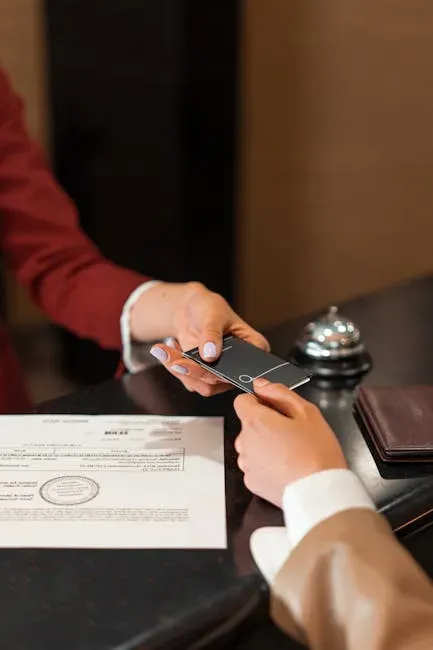
Some keycard systems are designed to turn off the lights in the room and cycle the HVAC unit when the guest removes the card key from the controller. So there’s a built-in logic embedded in hotel design: lights on means someone is in the room. This means that if you walk into a room and the lights are already on, something may be off. A previous guest might have left the card in the slot, or someone else may have accessed the room. When you flip off the lights deliberately upon entering, you’re essentially resetting that logic and giving yourself a clean, honest read of the space before you accept it as yours.
The most secure type of room lock is the electronic key card. Most of these cards automatically change the lock combination with each new guest. Thus, it’s unlikely anyone will have a duplicate key to your room. Electronic locks are good at preventing former guests and employees from getting into your room. Still, the lights-off moment at entry acts as a personal audit before you unpack and lower your guard. It tells you whether the room has been properly reset, whether anything looks disturbed, and whether the space actually matches what you were promised at check-in.
4. Building Fire Awareness From the Moment You Walk In

An estimated 3,900 hotel and motel fires are reported to U.S. fire departments each year and cause an estimated 15 deaths, 150 injuries, and $76 million in property loss. That figure underlines why fire awareness isn’t something to think about only when an alarm goes off. The U.S. Fire Administration advises studying the hotel’s evacuation plan carefully, and counting the number of doors between your room and the nearest exits, so that you can safely navigate an escape in the dark.
FEMA and USFA recommend staying in establishments that have a wired smoke alarm and an automatic fire sprinkler system in each room; reading the fire evacuation plan carefully and finding the two closest exits from your room; finding the location of the fire alarms on your floor; and counting the number of doors between your room and the nearest exits – in case the hall is dark. Stepping into a darkened room first and slowly familiarizing yourself with the layout is the practical beginning of that fire preparation. Check for carbon monoxide detectors, fire alarms, and fire extinguishers as part of that initial sweep, before the lights go on and routine travel habits kick in.
5. Checking for Visibility Gaps That Compromise Your Privacy
Former hotel staff also use the lights-off trick from the opposite direction. To check for visibility gaps, turn off the lights inside the room and close the curtains or blinds. Then, stand outside the room and look for any light coming through the door. If you notice any gaps, it is advisable to use a towel or cloth to cover them. This step is easy to skip, but experienced travelers know it matters. A gap beneath a door or around a poorly fitted curtain is an invitation for an outsider to observe movement inside the room.
Privacy inside a hotel room depends largely on what a guest actively does, not what the hotel passively provides. Providing printed safety tips informing guests to lock doors, close curtains and blinds, and notify the front desk of disturbances is considered a baseline in-room precaution across reputable hotel security frameworks. The lights-off check at entry is the fastest way to identify where those precautions are failing before you get comfortable. Once you’re settled in and aware of the gaps, they are simple to address.
6. Pairing the Habit With a Smarter Entry Routine
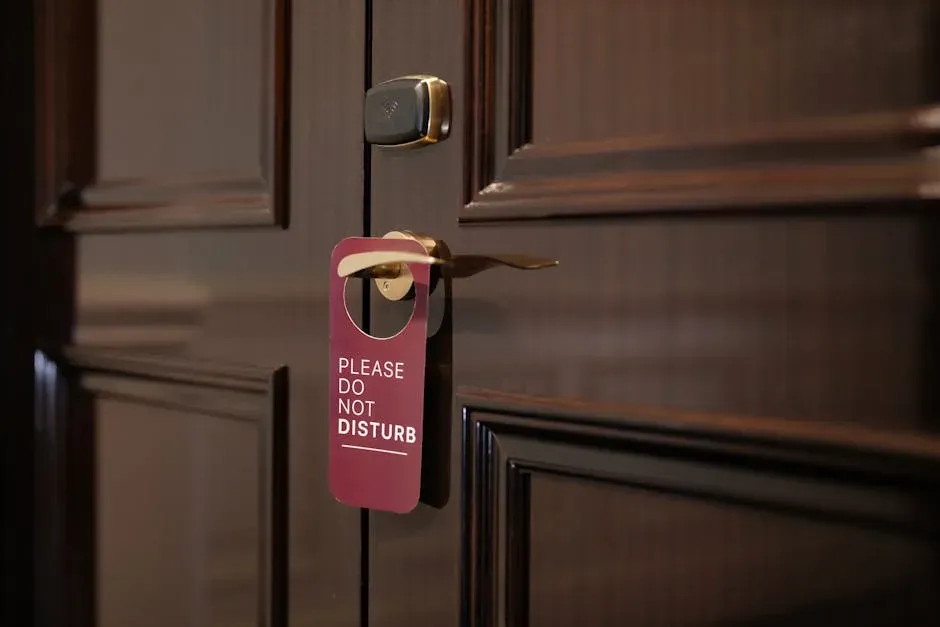
If someone comes to your door unexpectedly and claims to be hotel staff, call the front desk to make sure the visit was actually authorized. Never open your door to someone until you’re sure of their identity; use the peephole instead. This kind of careful entry behavior fits naturally alongside the lights-off check. A common hotel safety hack also includes carrying your own rubber door stop and placing it behind the hotel room door – if someone gains unexpected access, the rubber door stopper adds an extra layer of security and is almost impossible to move.
Whenever you’re in your hotel room, lock the door, including deadbolts, security chains, and swinging security locks. This adds to hotel room safety. Simple guidance like reminding guests to use built-in door locks, store valuables in safes, and sweep rooms upon entry can make a big difference in security outcomes. The lights-off entry habit is the thread that ties all these steps together. It creates a brief but deliberate pause – a moment to observe before acting – that experienced hotel staff have long understood to be one of the most underrated moves a guest can make.