8 Things You’re Not Allowed to Burn in Your Backyard (But People Still Try)
There’s something deeply human about a backyard fire. The crackling sound, the warm glow on your face, the smell of wood smoke drifting through the evening air. It feels ancient. Natural. Harmless. Except, quite often, it isn’t any of those things.
Here’s the part most people skip: what you throw into that fire matters enormously. Not just for your health, but for your neighbors, your soil, your local wildlife, and your wallet. Some of the items on this list look completely innocent. That’s what makes them so dangerous. Let’s dive in.
1. Household Trash and Garbage
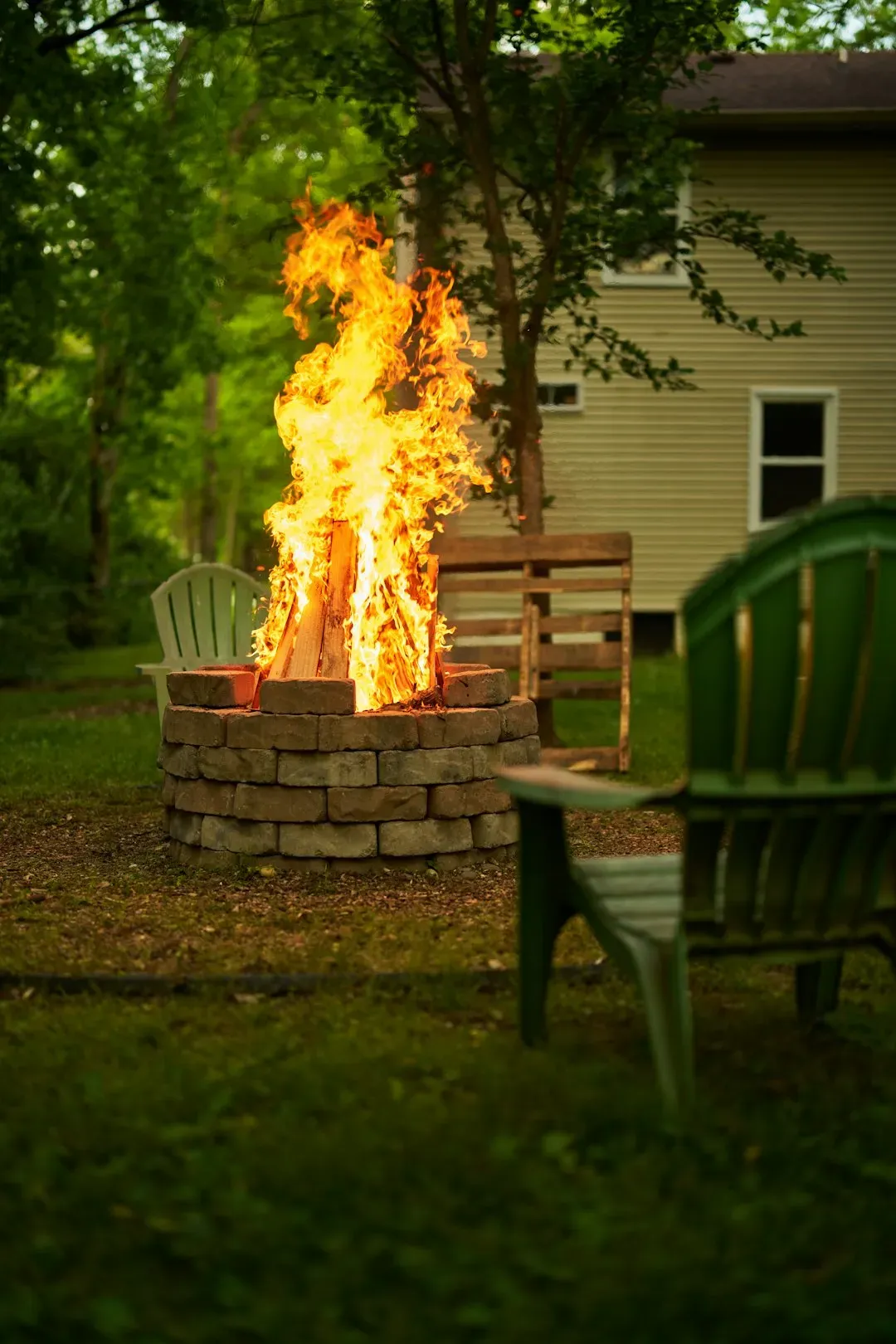
Let’s be real – plenty of people toss their junk mail, food packaging, and miscellaneous household waste into a backyard fire like it’s no big deal. It is a very big deal. Burning garbage is illegal in nearly every jurisdiction, with North Carolina state law explicitly banning burning anything non-vegetative, including trash, paper, and cardboard.
The reason isn’t just bureaucratic. It’s genuinely alarming from a health standpoint. EPA emission tests show one burn barrel emits up to 80 times more pollution and up to 11 times the dioxin per pound of garbage burned than a municipal waste incinerator that serves tens of thousands of homes. Think about that for a second. One single backyard burn barrel. Worse than an industrial incinerator serving an entire town.
Residential trash burning is now the nation’s largest source of dioxin emissions. These pollutants include dioxins, volatile organic compounds, acetaldehyde, formaldehyde, hydrogen chloride, and naphthalene. None of those are things you want drifting over your fence and into your family’s lungs.
Even common paper products such as junk mail, cardboard, newsprint, and magazines contain chemical dyes, coatings, pigments, and chlorine. So even the “just paper” excuse doesn’t hold up. Illegal open burning harms air quality and public health. Violators can be fined up to $25,000.
2. Plastic Bottles and Containers

Your neighbor tosses a soda bottle into the fire pit thinking it’ll just burn away quickly. Honestly, this is one of the most common and most dangerous mistakes in backyard burning. Burning plastics releases dangerous toxins like dioxins and heavy metals into the air, which is why it’s prohibited in nearly every state. North Carolina state law explicitly bans burning anything non-vegetative, including plastics, and strictly forbids plastic disposal via backyard bonfires.
The most dangerous chemicals created during burning are those from plastics, including dioxins, which are byproducts formed when chlorine-containing products are burned and tend to adhere to plant surfaces and enter the food chain. That’s right – the contamination doesn’t just float away. It settles on your vegetable garden.
Burned plastic releases toxic chemical fumes like dioxins, furans, and styrene gas into the air that are bad for you and the environment. Like many of the other toxic chemicals that are released, dioxins can wreak havoc on the body when inhaled, leading to adverse reproductive development, suppression of the immune system, disruption of hormonal systems, asthma attacks, cancer, and other health problems. Recycling that bottle takes thirty seconds. Recovering from dioxin exposure can take years.
3. Pressure-Treated and Construction Lumber
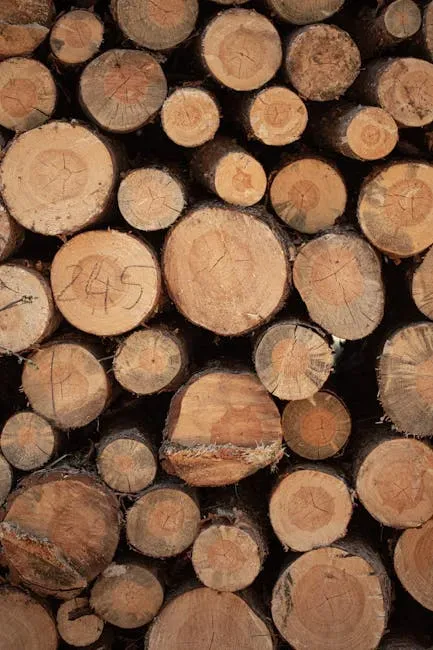
This one catches people off guard more than almost any other item on this list. A stack of old deck boards, fence posts, or leftover construction wood looks exactly like normal firewood. It is not. Burning pressure-treated wood is extremely dangerous and illegal across the United States. The chemicals used to treat this lumber contain toxic elements that become hazardous when burned. Pressure-treated wood releases harmful chemicals when burned, including arsenic, copper, and chromium from treatments like Chromated Copper Arsenate (CCA) and Ammoniacal Copper Zinc Arsenate (ACZA).
The numbers here are genuinely shocking. Pressure treated lumber is considered hazardous waste by the U.S. Environmental Protection Agency. Burning this wood releases the chemical bond that holds the arsenic in the wood, and just one tablespoon of ash from the burnt wood contains a lethal dose of this poison. One tablespoon. Let that sink in.
According to the Journal of American Medical Association, even minute amounts of the “fly ash” from burning treated wood can have serious health consequences. In 1982, the Journal of the American Medical Association reported on a family in Wisconsin that burned CCA treated wood. All the family members suffered severe recurring nosebleeds, extreme fatigue, and debilitating headaches. The parents complained about “blacking out” for periods of several hours, followed by extended periods of extreme disorientation.
Burning treated lumber is prohibited in all 50 states due to its classification as hazardous waste by the Environmental Protection Agency (EPA). If there’s one item on this list you take seriously, make it this one.
4. Tires and Rubber Materials
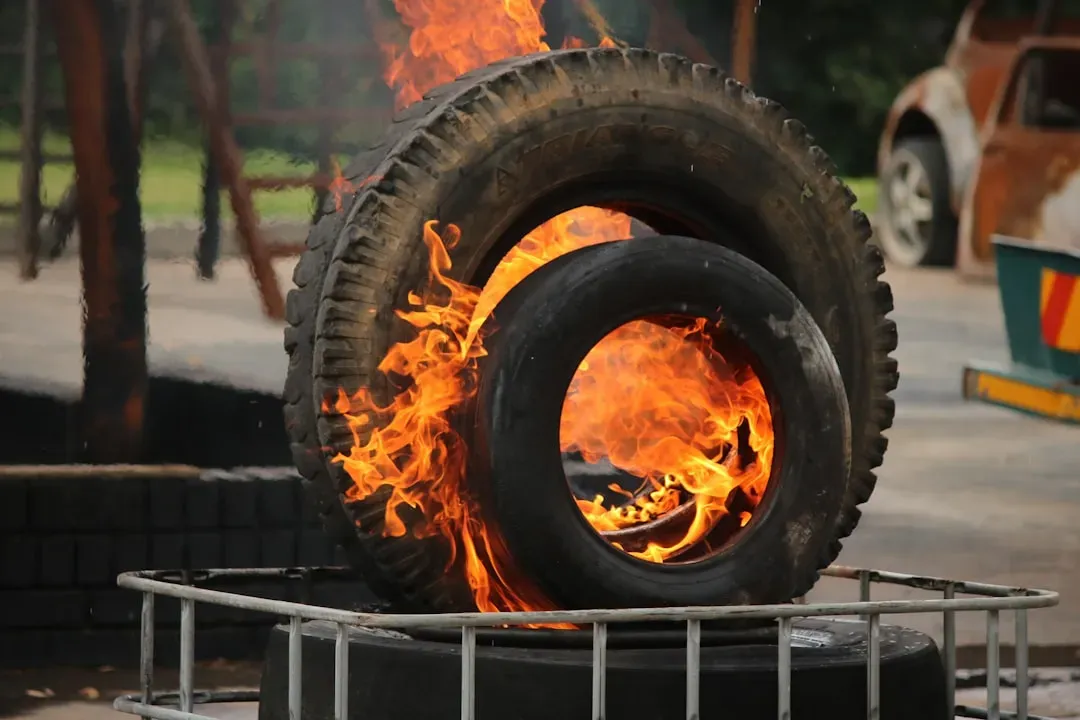
Some people burn old tires to start a fire faster or keep it going longer. It works, technically. It’s also one of the most toxic things you can do in a residential setting. Burning tires releases toxic pollutants including heavy metals, polycyclic aromatic hydrocarbons, dioxins, and furans that cause serious harm to human health and the environment.
In most jurisdictions, open burning of tires is illegal. The practice is regulated or outright prohibited across the United States, the European Union, the United Kingdom, Australia, Canada, and many other countries due to the well-documented environmental and public health risks it creates. This isn’t a quirky local ordinance – it’s a globally recognized hazard.
The environmental damage from burning tires extends well beyond air quality. Toxic ash containing concentrated heavy metals and chemical compounds settles onto surrounding land, contaminating soil for decades. Once deposited, these contaminants migrate into the soil profile, where they can be absorbed by agricultural crops and enter the food chain, or leach into groundwater systems that supply drinking water to local communities.
Uncontrolled tire burning has been proven to be 16 times more mutagenic, meaning capable of inducing genetic mutation, than traditional residential wood combustion in a fireplace, and 13,000 times more mutagenic than coal-fired utility emissions with good combustion efficiency. The numbers are staggering. It’s not a gray area.
5. Electronics and E-Waste
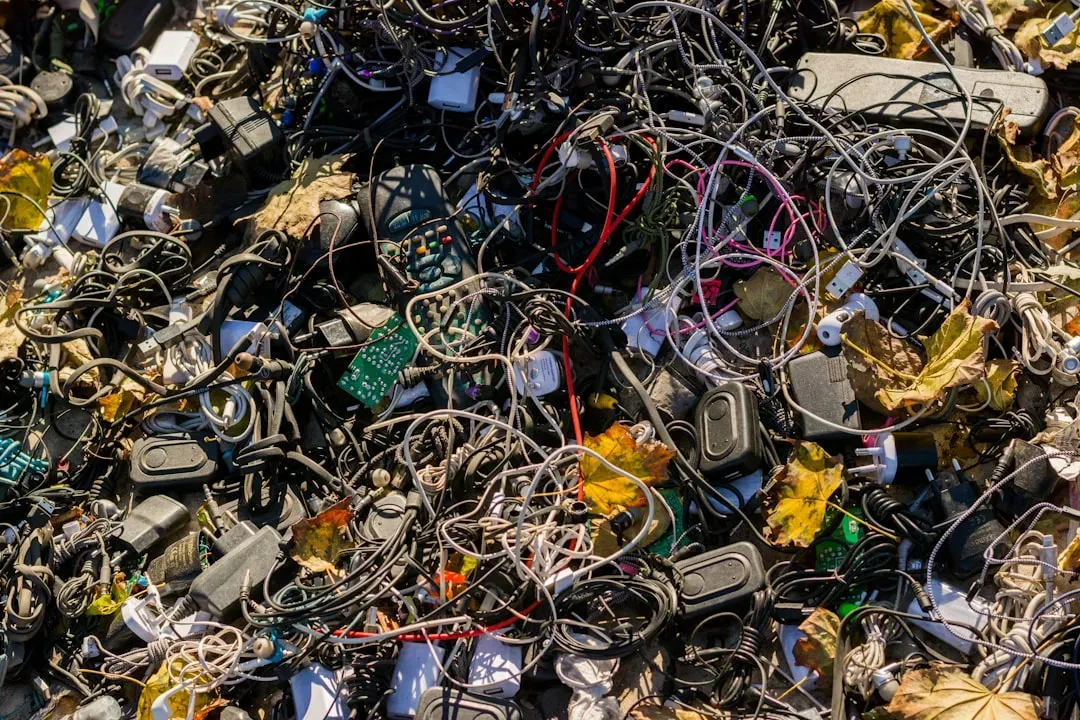
Old laptops, broken televisions, tangled cables – people occasionally try to dispose of these by fire, which is both illegal and genuinely frightening from a chemistry standpoint. Flame retardant chemicals are applied to electronics to prevent or slow fire growth, but there is continued evidence that flame retardants could potentially have dangerous effects to humans and animals, including damage to the immune system, disruption to endocrine and thyroid functions, reproductive toxicity, and neurological impairment. Burning prohibited materials like electronics releases toxic chemicals that pollute the air and can be inhaled by humans and animals. The circuit boards alone contain enough toxic materials to poison a large area when burned.
New York has prohibited the sale of electronic displays with intentionally added flame retardants effective December 2024, showing how seriously authorities take the toxicity of these materials. Legislation is actively evolving on this issue as more data comes in about long-term exposure risks.
Every state prohibits burning household trash, tires, waste petroleum products, roofing and construction materials, hazardous waste products, and their containers. Electronics fall squarely into the hazardous waste category. Most municipalities now offer free e-waste drop-off events, so there’s genuinely no reason to resort to burning.
6. Furniture, Mattresses, and Upholstered Items
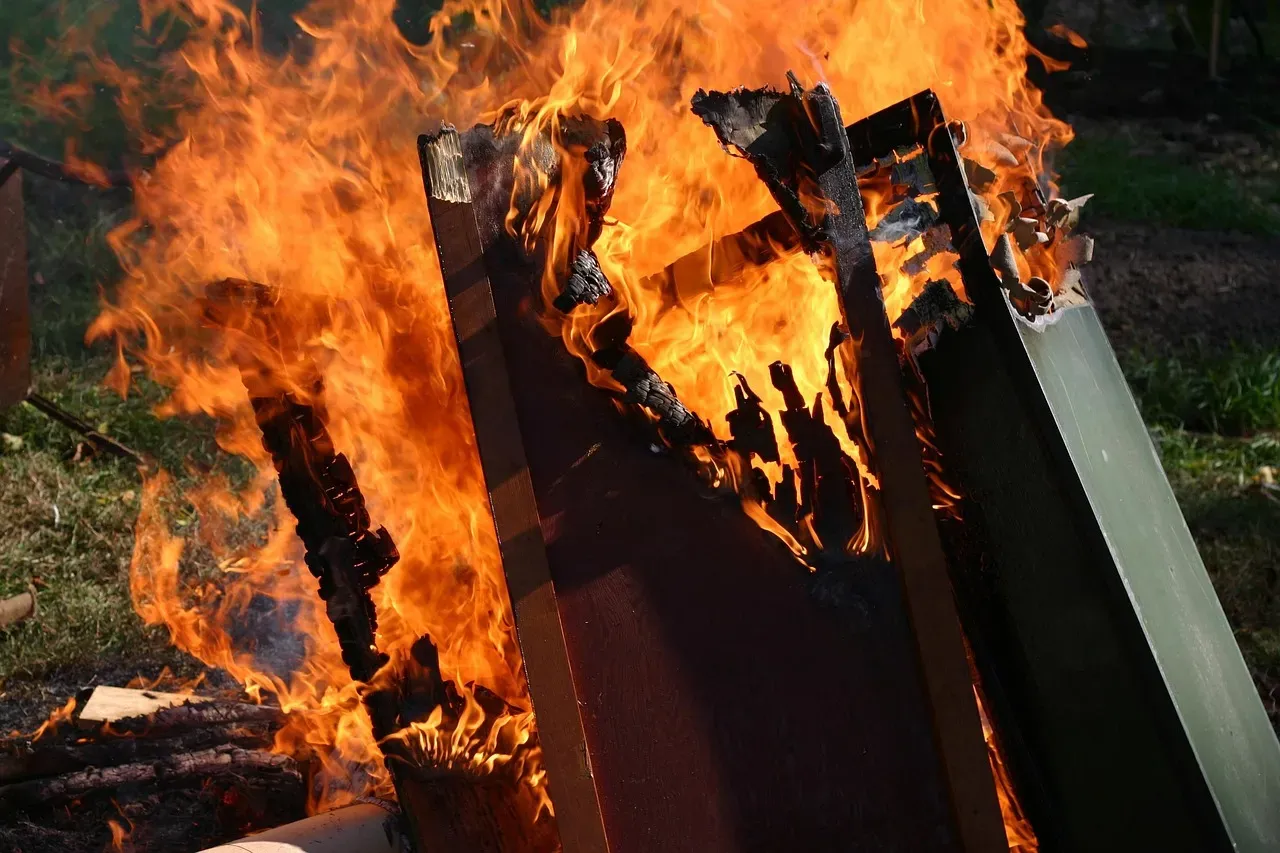
That old couch sitting in the garage might seem like prime bonfire material. It’s bulky, it’s flammable, and hauling it to a disposal site sounds like work. Here’s the thing, though: modern furniture is a toxic chemistry experiment waiting to ignite. Your old couch or mattress might seem like it would burn well, but modern furniture is loaded with flame retardants and synthetic materials that create toxic smoke clouds. It’s estimated that approximately 90 percent of Americans have flame retardant chemicals in their body, and these chemicals can accumulate in breast milk. Products treated with flame retardants produce more toxic smoke and higher levels of carbon monoxide than untreated products when they burn.
New York prohibits the sale of upholstered furniture and mattresses containing halogenated, organophosphorus, organonitrogen, or nanoscale chemical flame retardants, highlighting how toxic these materials are. The foam padding releases hydrogen cyanide and other deadly gases when burned, while the synthetic fabrics create dioxins and other carcinogens.
Hydrogen cyanide. In your backyard. I know it sounds extreme, but that is exactly what the science says. Backyard burning is particularly dangerous because it releases pollutants at ground level where they are more readily inhaled or incorporated into the food chain. Children and pets who spend time close to the ground are especially vulnerable to these low-lying pollutants.
7. Painted, Coated, or Finished Wood
Scrap wood with a coat of paint might look like regular fuel. It isn’t. Demolition leftovers such as lumber, drywall, wiring, metal scraps, roofing shingles, and treated wood are often tossed into burn piles, but that’s illegal. You should burn only dry, plain wood with no pressure-treated lumber, plywood, painted or stained wood. Expressly prohibited materials include vinyl shingles and siding, other plastics, asphalt shingles and other asphalt roofing materials, and asbestos-containing materials.
Older paints, particularly those manufactured before the 1970s, may contain lead. When burned, that lead goes airborne immediately. It is always illegal to burn trash, construction materials, or anything man-made and non-vegetative. Stained wood, varnished wood, and plywood all fall into this category because they contain adhesives, resins, and chemical coatings that combust into a toxic soup of pollutants.
Burning materials like garbage, pressure-treated wood, or construction scraps are often illegal and harmful, releasing toxic fumes into the air. It’s worth noting that even well-meaning homeowners who simply don’t know better can face serious legal consequences. Fines for illegal fires typically start at $1,000 plus the cost to reimburse the fire department for their response efforts.
8. Insulated Electrical Wire
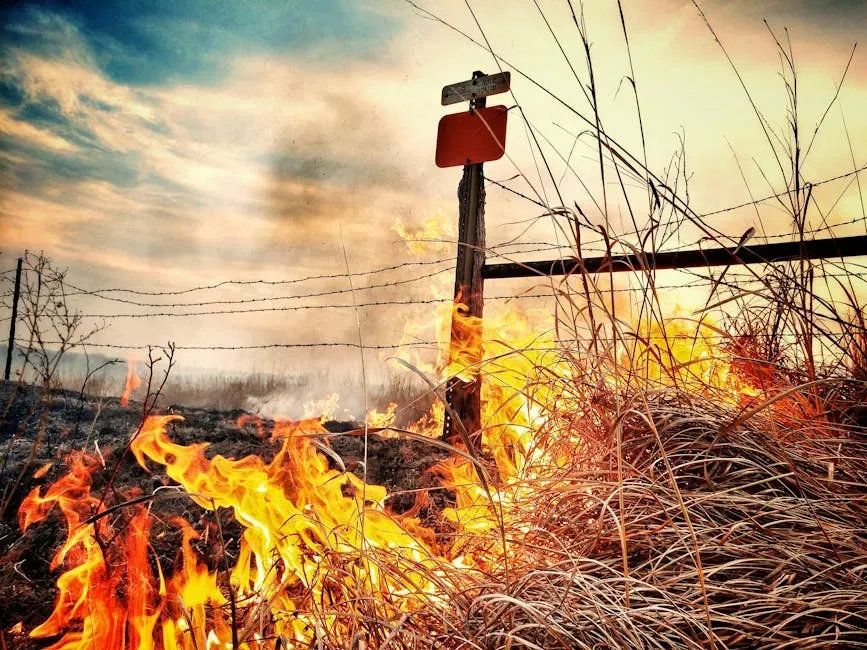
This one might genuinely surprise you. Some people burn wire insulation to extract copper from old cables, thinking they’re being resourceful. What they’re actually doing is committing a serious environmental crime with potentially catastrophic health consequences. The plastic insulation on copper wire contains PVC and other chlorinated compounds that create dioxins when burned – some of the most dangerous chemicals known to science. The smoke from burning wire insulation is so toxic that even brief exposure can cause severe respiratory problems and long-term health issues.
The dioxins released from burning wire insulation can contaminate soil and water for decades, and the smoke can cause cancer in anyone who breathes it. Many states now have specific laws targeting wire burning because it’s become such a widespread problem. It’s hard to say for sure just how common this practice is, but enforcement agencies in multiple states have flagged it as a growing concern.
Even if trash burning is legal, it is illegal to burn tires, furniture, carpet, electrical wire, and non-wood construction debris in states like Oklahoma, and similar restrictions are mirrored across the country. Burning garbage or construction debris is illegal. You can be fined up to $10,000 per day for illegal burning in states like Washington. The copper you extract from illegally burned wire is simply not worth it.