Pharmacy Secrets: 6 Times the Generic Brand Is Actually Better Than the Name Brand (And 3 Times It’s Not)
Walking down the pharmacy aisle, you’ve probably noticed the price difference between that bright, familiar box and the plain generic sitting next to it. The brand name costs three times more, and you wonder: is there really a difference? The truth might surprise you. While pharmaceutical companies want you to believe their logo guarantees superior quality, the reality is more nuanced. Sometimes the generic is genuinely just as good, or even better for your wallet without sacrificing effectiveness. Other times, subtle differences matter more than you’d think.
Understanding when to choose generic versus brand name can save you serious money while keeping you healthy. Nearly eight in ten prescriptions filled in the United States are for generic drugs, and generic drugs have saved the US healthcare system $1.67 trillion in the last decade, with Medicare savings amounting to $77 billion and Medicaid savings of $37.9 billion. Yet confusion persists about when generics work just as well and when you should stick with the original. Here’s what pharmacists know but don’t always have time to explain.
Cardiovascular Medications: Where Generics Shine Brightest
Your heart medication is one place where choosing generic makes perfect sense. A meta-analysis of 47 studies involving nine different classes of cardiovascular drugs found no evidence of superiority for original branded medications versus generically substituted medications. This research included blood pressure pills, cholesterol medications, and blood thinners taken by millions daily. The generic versions performed identically in real-world patients, not just in laboratory settings.
The science backs this up convincingly. A study of 38 published clinical trials showed no evidence that brand-name heart medicines worked any better than generic heart medicines. Whether you’re taking a statin for cholesterol or an ACE inhibitor for blood pressure, the generic version contains the same active ingredient in the same amount. According to FDA studies, the mean difference for drug absorption values between test and reference products was found to be just 3.5%, and it would be nearly impossible for any generic to differ more than 10% from the reference to meet FDA confidence interval requirements. That tiny variation exists even between different batches of the same brand name drug.
Antibiotics and Common Infections: Cost Savings Without Compromise

When you’re fighting a bacterial infection, generic antibiotics work just as effectively as their branded counterparts. The FDA requires that generic antibiotics meet the same rigorous standards for safety and effectiveness as brand name versions. A generic drug is a medication created to be the same as an already marketed brand-name drug in dosage form, safety, strength, route of administration, quality, performance characteristics, and intended use, which helps demonstrate bioequivalence and means that a generic medicine works in the same way and provides the same clinical benefit as the brand-name medicine.
The average course of antibiotics can cost significantly less when you choose generic. Generic medications cost on average 85 percent less than their brand version. For a standard seven to ten day course of amoxicillin or azithromycin, this translates to substantial savings with no difference in how quickly you recover. The bacteria causing your infection can’t tell whether the antibiotic came from a fancy box or a plain bottle. What matters is the chemical compound reaching your bloodstream at the right concentration, and generics deliver exactly that.
Diabetes Medications: Proven Equivalence for Daily Management
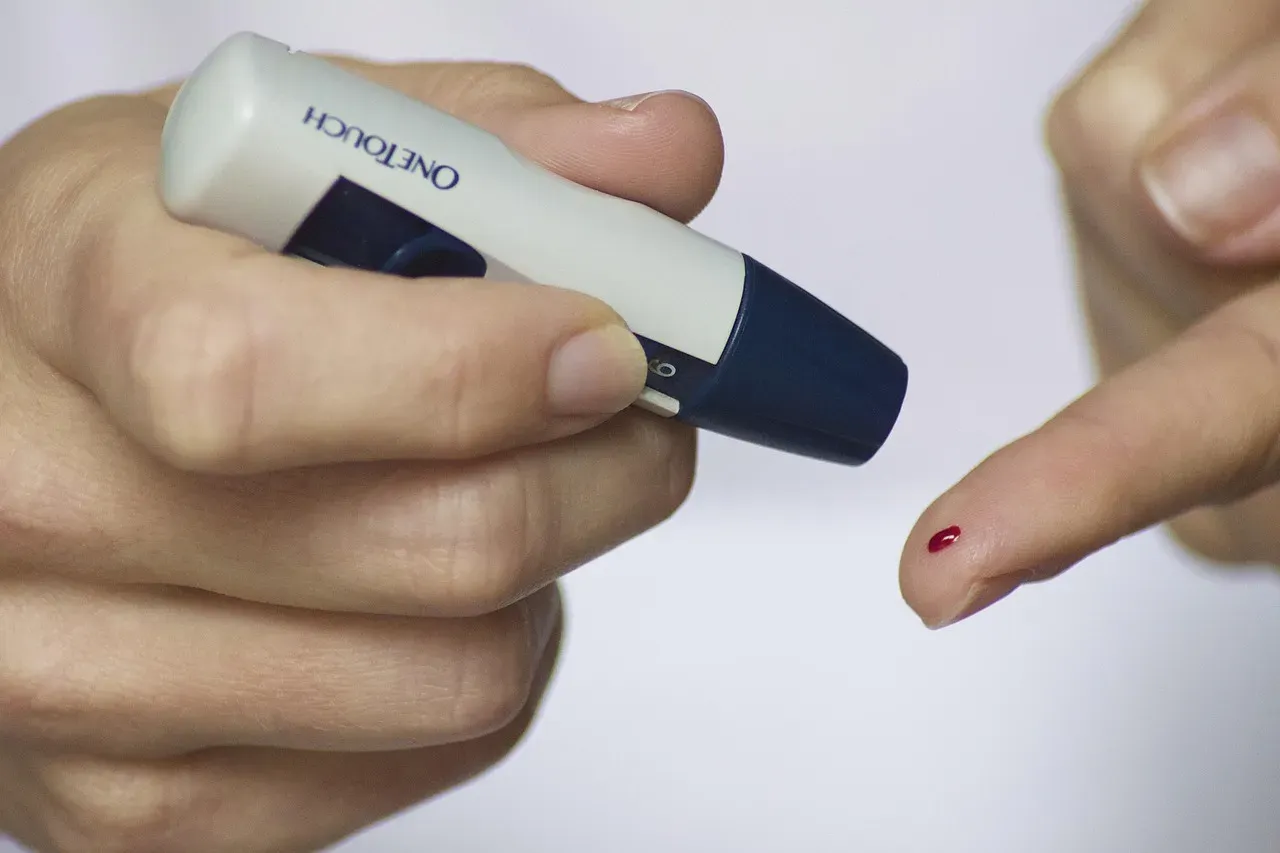
Managing diabetes requires consistent medication, making generic options particularly valuable for long-term affordability. Generic medications offer substantial potential cost savings to health systems compared to their branded counterparts, and in Europe and the US, they are only approved if they are bioequivalent to the respective originator product. Research specifically examining diabetes medications has confirmed that generic versions of metformin and other common diabetes drugs perform comparably to brand names.
For people taking multiple medications daily, which is common with diabetes management, the cost difference compounds quickly. The U.S. healthcare system saved almost $2 trillion from 2009 to 2019 due to generic use, and generics range from 80% to 85% lower in cost when compared with their brand product. When you’re managing a chronic condition that requires medication for life, choosing effective generics means you’re more likely to afford your prescriptions consistently, which directly impacts your health outcomes. Missing doses because of cost concerns poses a far greater risk than any theoretical difference between generic and brand name versions.
Pain Relievers and Anti-Inflammatories: Identical Relief for Less
Over-the-counter and prescription pain medications represent another category where generics perform identically to brand names. Whether you’re reaching for ibuprofen, naproxen, or prescription pain relievers, the generic version contains the same active ingredient at the same strength. The anti-inflammatory effect you experience comes from the chemical compound itself, not from the marketing or packaging surrounding it.
Research consistently demonstrates this equivalence. Past research has shown that most of the time, generics seem to perform the same as the brand-name drugs, and for the most part, generics appear to be just as good at treating conditions as the brand-name formulations. The relief you feel from a headache or muscle pain will arrive at the same speed whether you paid premium prices for the brand or saved money with the generic. Your body processes the medication based on its chemical properties, and those are required to be identical between generic and brand versions. The only real difference is what you pay at the checkout.
Antidepressants and Mental Health Medications: Effective Treatment at Lower Cost
Mental health medications can be expensive, and generic versions offer accessible treatment options for many people. For most common antidepressants like sertraline (generic Zoloft) or fluoxetine (generic Prozac), studies show equivalent effectiveness between generic and brand name versions. FDA studies found an average difference in drug absorption between reference and generic products of 3.47% for one measure and 4.29% for another, and the FDA states there are no documented examples of a generic product manufactured to meet its approved specifications that could not be used interchangeably with the corresponding brand-name drug.
The consistency of your medication matters significantly with antidepressants, and generics provide that consistency reliably. Once you find a generic that works well for you, staying with that same manufacturer helps maintain stability. Generic substitution was generally accepted by over two-thirds of study populations, though some patients initially expressed concerns. Many people successfully manage their mental health conditions with generic medications for years, experiencing the same symptom relief and quality of life improvements they would get from brand names, while spending considerably less money each month on their prescriptions.
Allergy Medications: Same Relief, Better Value

Seasonal allergies and chronic allergy conditions respond equally well to generic antihistamines and other allergy medications. Whether you need daily allergy relief or occasional treatment for symptoms, generic versions of medications like cetirizine (generic Zyrtec) or loratadine (generic Claritin) work identically to their brand name counterparts. The active ingredient blocks histamine receptors in your body the same way regardless of which company manufactured the pill.
The savings on allergy medications can be particularly significant since many people take them daily for months at a time. Generic drugs are typically priced 30% to 80% lower than their branded counterparts, significantly enhancing accessibility for patients and healthcare systems. Over an entire allergy season, choosing generic antihistamines could save you enough money to offset other healthcare costs. The relief you experience from itchy eyes, runny nose, and sneezing depends entirely on the medication’s active ingredient reaching the right receptors in your body, and generics deliver that relief just as effectively as expensive brand names.