The Countries Eating the Least Fruit – and What It Costs Their Health, Study Reveals
Shocking numbers from recent global health studies paint a troubling picture: millions of preventable deaths could be linked to something as simple as not eating enough fruit. While some regions feast on nature’s candy, entire populations are severely undernourished when it comes to these vital foods.
The World Health Organization recommends at least 400 grams of fruits and vegetables daily, yet vast swaths of the world fall dramatically short of this target. The consequences ripple through healthcare systems, life expectancy rates, and quality of life measures in ways researchers are only beginning to fully understand.
Eastern Europe and Central Asia Lead the Fruit Shortage Crisis
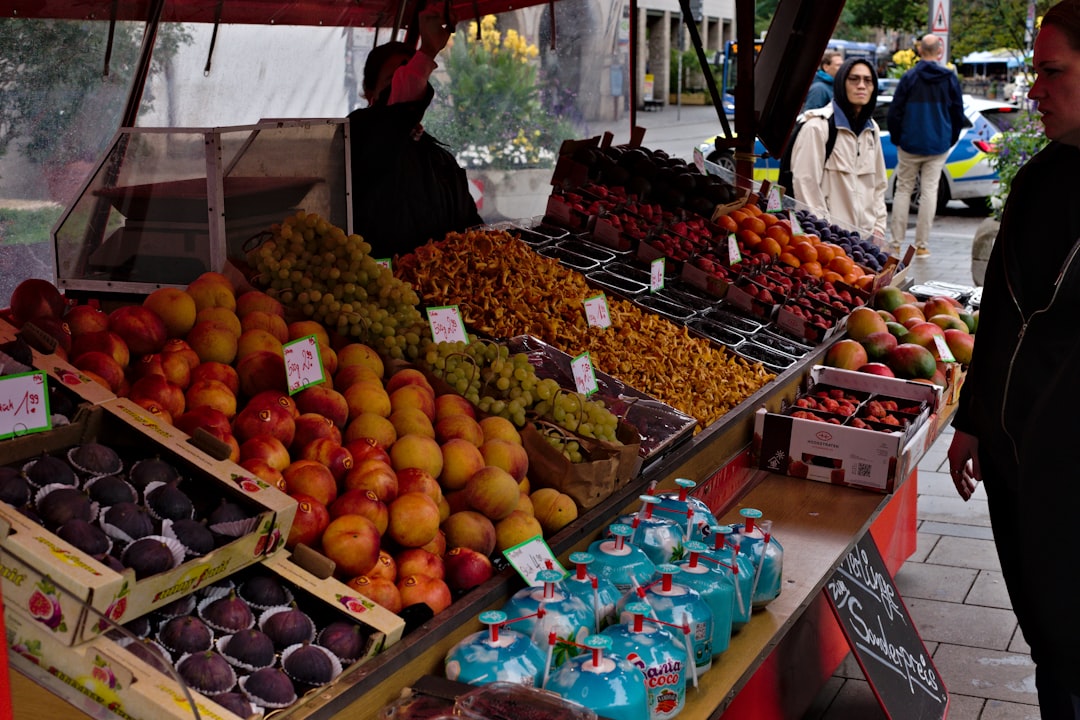
Although the disease burden due to inadequate fruit and vegetable consumption appears highest in Eastern Europe and Central Asia among countries in the World Health Organization (WHO) European Region, higher NCD death rates in Eastern Europe and Central Asia may be partly explained by differences in diet quality, particularly low rates of fruit and vegetable intake. The WHO STEPS survey analyzed data from over 30,000 adults across nine countries in this region.
The WHO STEPS surveyed 37,311 adults in Armenia, Azerbaijan, Belarus, Georgia, Kyrgyzstan, the Republic of Moldova, Tajikistan, Turkey, and Uzbekistan. National consumption varied, but no country met WHO’s recommendation of at least 5 servings (400 g) per day, except for Tajikistan (5.1 servings/day). This creates a concerning health landscape across the region.
Healthcare systems in these countries face mounting pressure as populations consume inadequate amounts of protective foods. The correlation between these low consumption rates and elevated rates of noncommunicable diseases suggests a direct link between fruit intake and population health outcomes.
European Union Falls Short Despite Wealth and Access
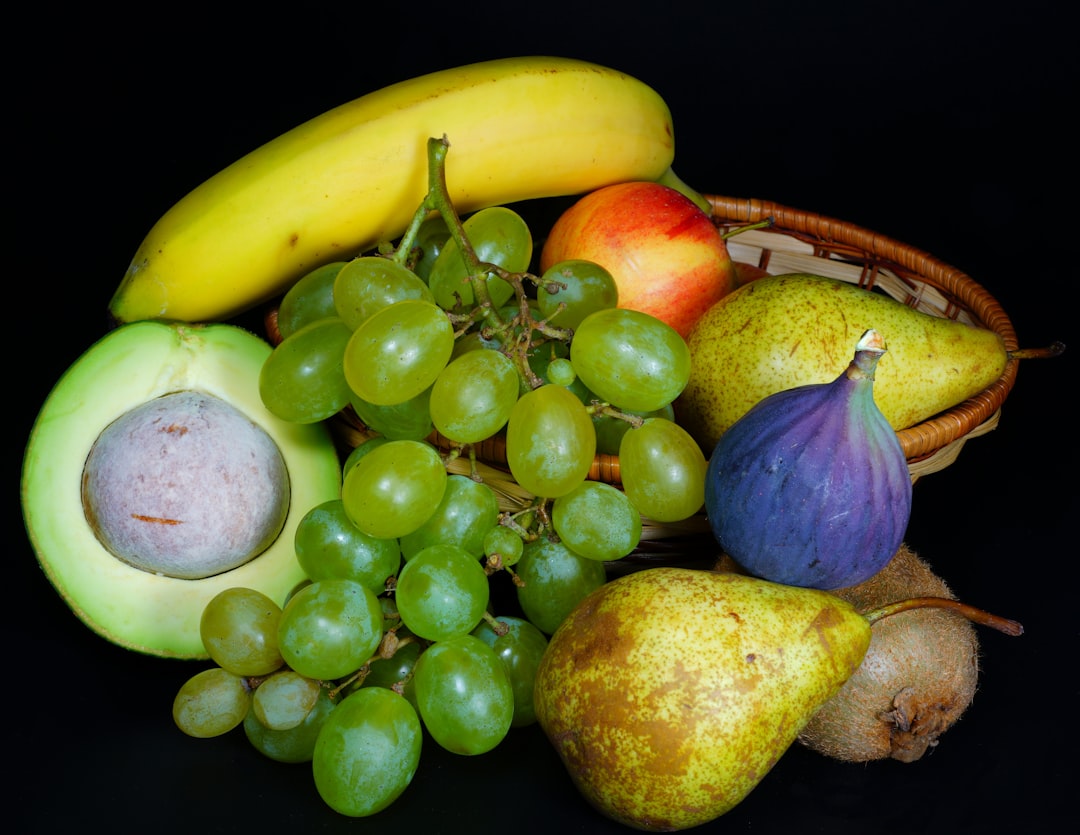
This year’s edition shows the average fruit and vegetable consumption in the EU decreased to 350 grams (about 12.35 ounces)/day/capita in 2022, a 5% decline from 2021 and almost 3% below the average of the previous five years. This level is still more than 12% below the minimum 400 grams (about 14.11 ounces)/day/capita recommended by the World Health Organization.
Economic pressures have driven consumption even lower in recent years. Beyond the findings of the 2022 Monitor, the preliminary data from 2023–2024 confirmed the ongoing decline trends, which in many cases reached more than 10%, meaning that previous consumption growth has now been totally lost. Only six EU countries currently meet WHO recommendations.
The situation reveals how economic uncertainty affects dietary choices. In times of economic uncertainties, consumers tend to move toward a less healthy diet, which is perceived to be more energy satisfactory and a cheaper food option than fruit and vegetables. This shift toward processed, calorie-dense foods creates a troubling public health trend.
Sweden’s Surprising Position as Europe’s Lowest Consumer

In 2023, about 4.1 portions of fruit and vegetables were consumed per person daily in the UK. Sweden had the lowest average number of portions among those countries, with only 2.7 portions per day. This finding challenges assumptions about Nordic countries and healthy living.
Sweden’s low consumption rate stands in stark contrast to its reputation for health consciousness and high living standards. The data suggests that cultural preferences and food traditions may play a more significant role than economic factors in fruit consumption patterns.
Researchers point to potential factors including long winters, limited fresh produce availability during certain seasons, and traditional dietary patterns that emphasize other food groups. This creates an unexpected health gap in one of the world’s wealthiest nations.
African Nations Face Severe Fruit Scarcity
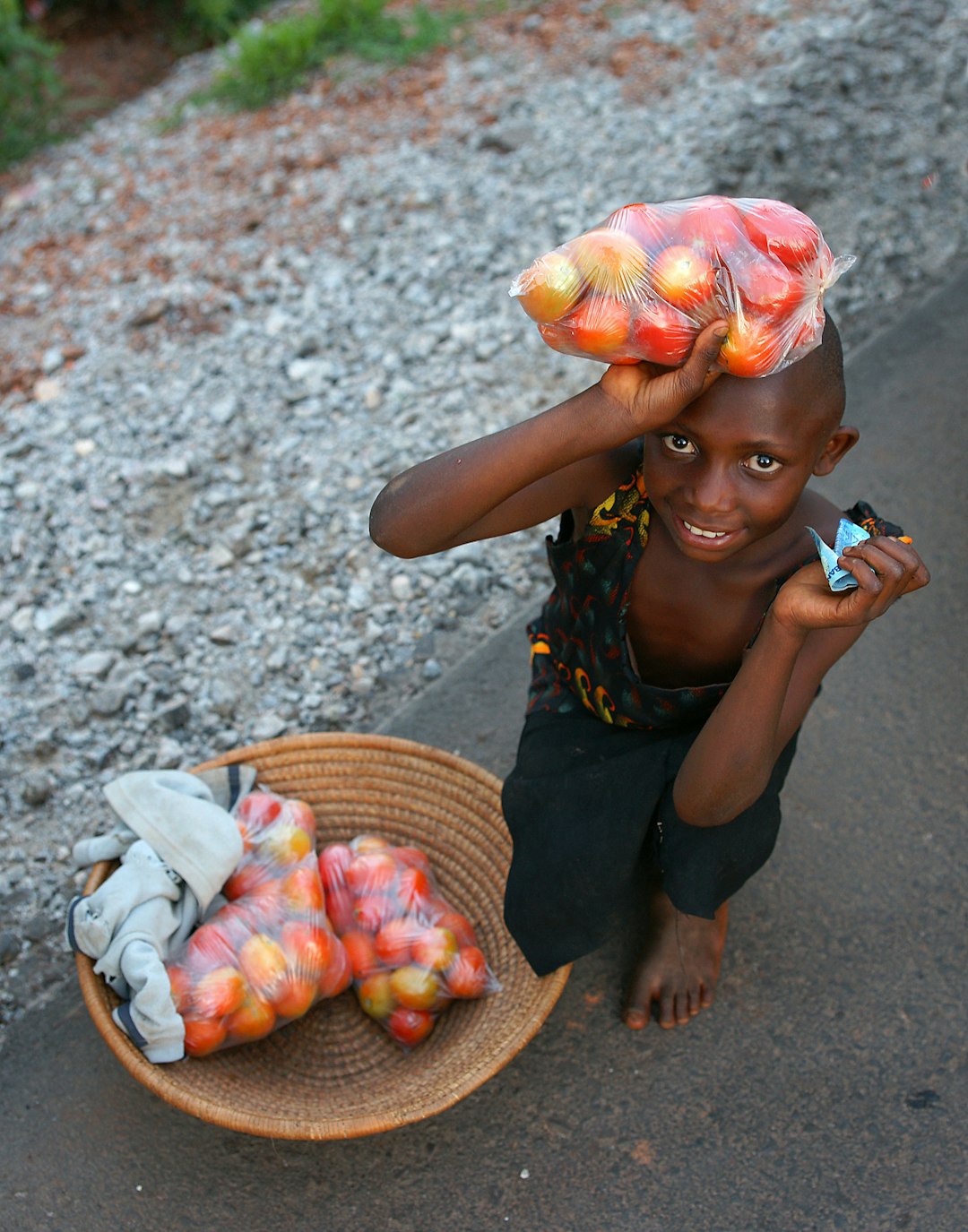
The Asian countries of Mongolia and Cambodia include an estimated 13.5 kg of fruit in their diets. Lesotho, East Timor, Mauritania, and Ethiopia range yearly from 13.82 kg to 12.2 kg of fruit. The north-central African countries of Chad, Zambia, and Togo consistently eat less than 7.0 kg of fruit annually.
These consumption levels represent some of the lowest in the world, with serious implications for population health. Limited agricultural infrastructure, economic constraints, and climate challenges create barriers to adequate fruit consumption across multiple African nations.
The contrast with high-consumption countries is striking. While some Caribbean islands consume over 300 kilograms of fruit per person annually, these African nations struggle to reach even twenty kilograms per person.
Cardiovascular Deaths Directly Linked to Insufficient Fruit Intake

The study estimated that roughly 1 in 7 cardiovascular deaths could be attributed to not eating enough fruit and 1 in 12 cardiovascular deaths could be attributed to not eating enough vegetables. Low fruit intake resulted in nearly 1.8 million cardiovascular deaths in 2010, while low vegetable intake resulted in 1 million deaths.
These numbers represent preventable tragedies on a massive scale. Research indicates that optimal fruit intake as 300 grams per day, equivalent to roughly two small apples could dramatically reduce these death rates.
The mechanism behind this protection appears multifaceted. Fresh fruits and vegetables also improve the health and diversity of good bacteria in the digestive tract. People who eat more of these foods also are less likely to be overweight or obese, lowering their risk of cardiovascular disease.
The Five-Serving Sweet Spot for Mortality Reduction
The lowest risk of mortality was associated with about five servings of F&V daily intake when compared with the reference intake, i.e., two servings/d (RR 0.87; 95% CI: 0.85–0.88), while above this level, the risk was not further decreased. This finding provides clear guidance for public health recommendations.
Research consistently shows that the thresholds of risk reduction in mortality were 2 servings daily for fruit intake and 3 servings daily for vegetable intake. These levels offer the most significant protection against premature death.
Interestingly, consuming more than five servings daily doesn’t provide additional mortality benefits. This suggests that moderate, consistent consumption matters more than extreme dietary changes for most people seeking health improvements.
Economic Crisis Drives Produce Consumption Decline
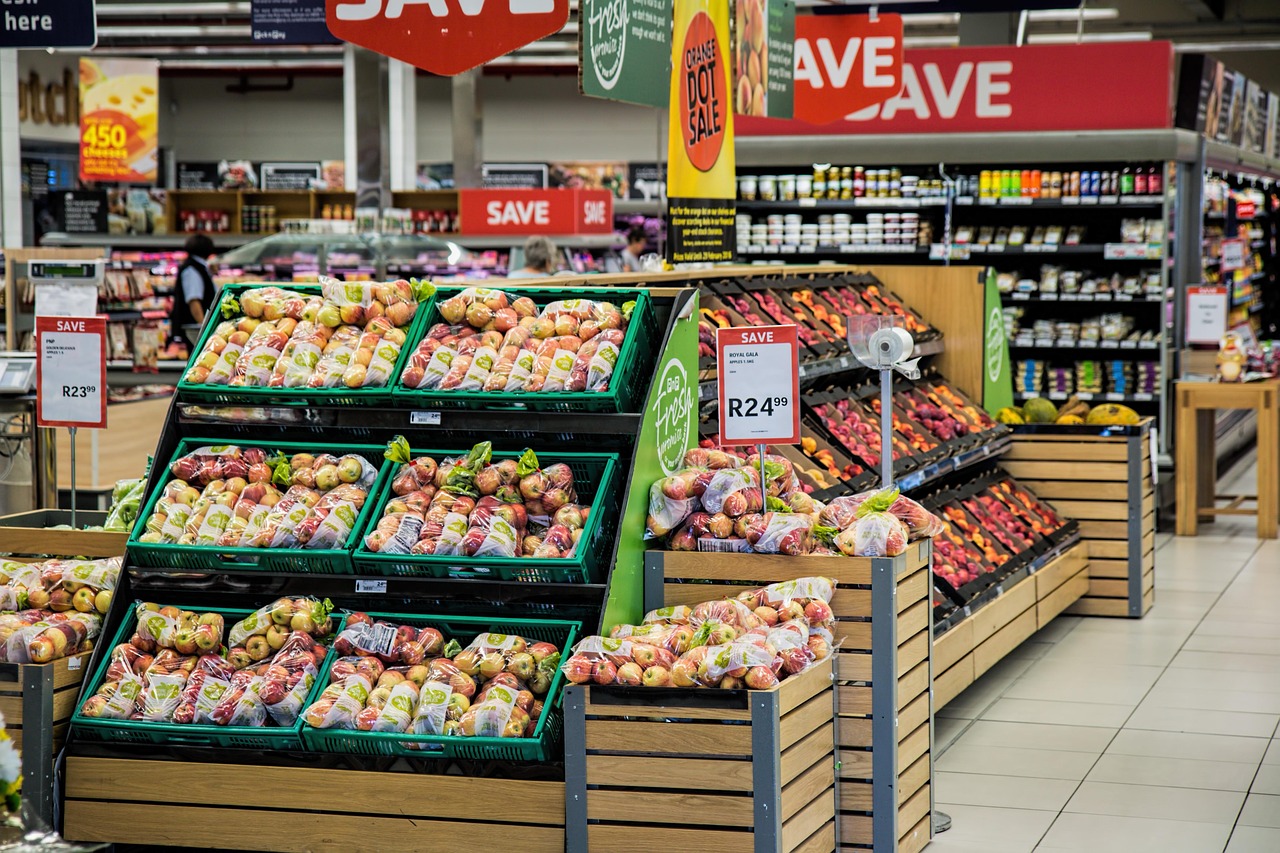
Like the U.S., the EU experienced a downturn in the positive produce consumption trend that started during the 2020 pandemic due to the economic crisis impacting the purchasing power of consumers. The decline of household purchases, lower-income households affected by the decline, organic and premium products under pressure, an increased frequency of purchases but with more reduced quantities, and lower sales volume, partially compensated by higher prices.
This economic pattern creates a vicious cycle where those most at risk of diet-related health problems are least able to afford protective foods. Lower-income households disproportionately reduce fruit and vegetable purchases when facing financial pressure.
The shift toward processed, shelf-stable foods during economic uncertainty represents a significant public health challenge. These dietary changes during stressful periods can have long-lasting health consequences that extend far beyond the initial economic crisis.
Cancer Risk Increases with Inadequate Fruit Consumption
Approximately 16 million (1.0%) DALYs and 1.7 million (2.8%) of deaths worldwide are attributable to low fruit and vegetable consumption. Adequate consumption of fruit and vegetables reduces the risk for cardiovascular diseases, stomach cancer and colorectal cancer.
The protective effect of fruits against certain cancers appears particularly strong for digestive system cancers. Modelling data suggest that 31% of ischemic heart disease, 19% stroke, 20% oesophageal cancer, 19% gastric cancer and 12% lung cancer cases globally could be avoided by increasing the daily intake of fruits and vegetables to at least 400 g per day.
These statistics translate to millions of preventable cancer cases annually. The compounds in fruits that provide this protection include antioxidants, fiber, and phytochemicals that work synergistically to reduce cancer risk through multiple biological pathways.
Educational Levels Strongly Predict Fruit Consumption

Participants with more education generally consumed more daily servings, mirroring regional trends and suggesting that education interventions could improve fruit and vegetable intake and, therefore, population health. Availability, affordability, and national income and development level may influence this complex relationship.
This education gradient appears consistent across cultures and economic systems. Higher education levels correlate with better understanding of nutrition science, greater ability to navigate complex dietary information, and increased prioritization of long-term health outcomes over immediate cost concerns.
The finding suggests that population-wide health improvements could be achieved through targeted nutrition education programs. Schools, community centers, and healthcare systems represent key intervention points for improving dietary knowledge and behavior.
The Hidden Costs of Insufficient Fruit Intake
Healthcare systems worldwide bear enormous costs related to diet-driven diseases that could be prevented through adequate fruit consumption. Public expenditure of social security for unhealthy diets reaches €6 trillion in expenditure for social security in the EU. These costs dwarf the expense of implementing comprehensive fruit and vegetable promotion programs.
Recent data suggest that these figures may be considerably higher, with nearly 8 million premature deaths attributable to a fruit and vegetable intake below 800 g per day. This represents both human tragedy and enormous economic burden on societies.
The pattern creates a troubling cycle where inadequate nutrition drives healthcare costs higher, leaving fewer resources available for preventive interventions that could address root causes. Breaking this cycle requires coordinated policy responses that treat adequate nutrition as a public health priority rather than an individual responsibility.
The evidence reveals a stark global divide in fruit consumption that translates directly into health outcomes and mortality rates. Countries with the lowest consumption face disproportionate burdens of preventable diseases, while simple dietary changes could save millions of lives annually. What steps will your community take to bridge this gap?