Ghost Mansions: Why the 5-Room “Forever Home” Is Becoming Unsellable
The Big House Dream Collides With 2020s Reality
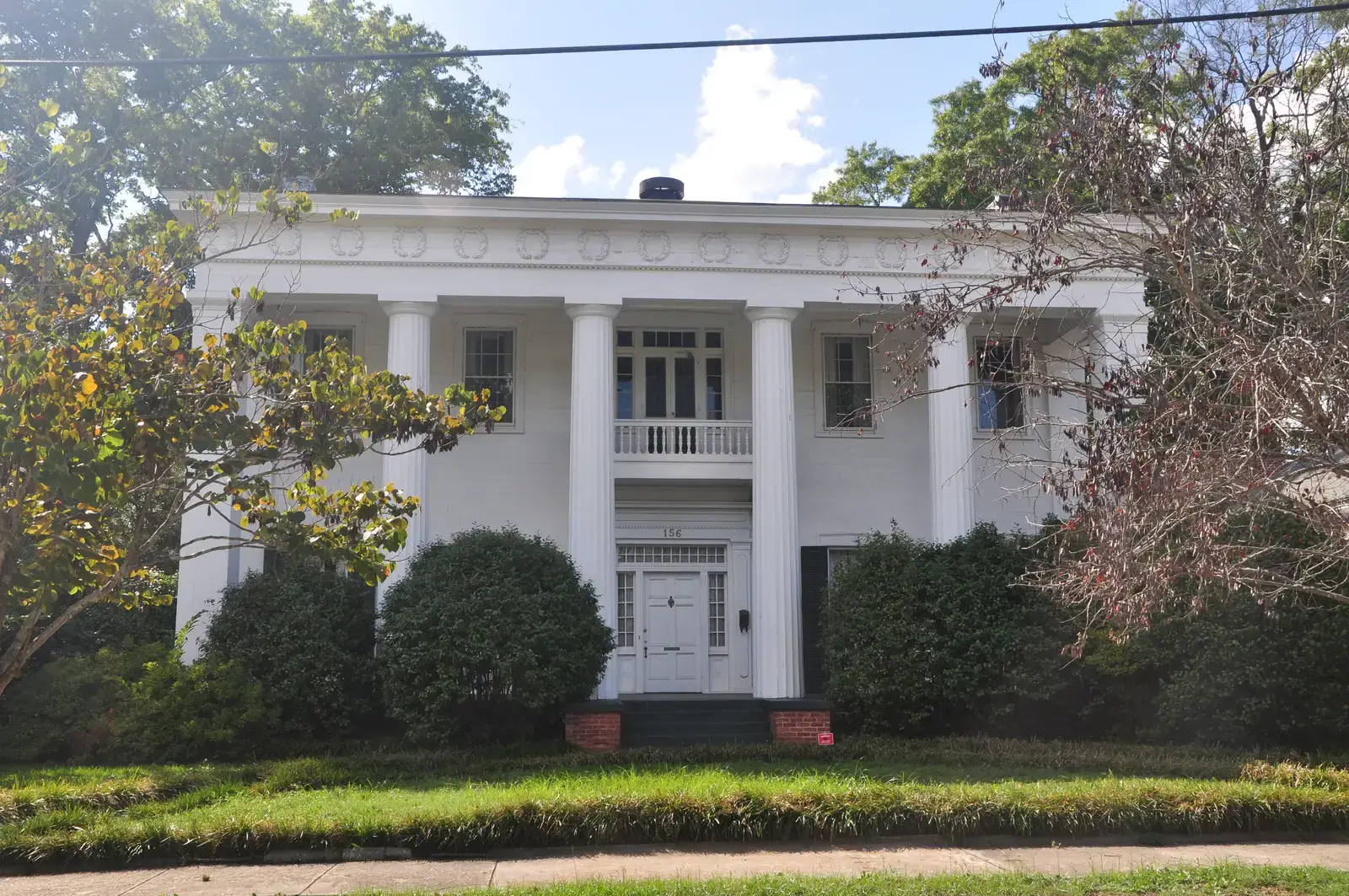
Not that long ago, the five-bedroom “forever home” was the dream end goal: big yard, bonus room, space for guests, maybe even a home theater. Today, more of those homes are quietly turning into what feel like ghost mansions, sitting longer on listing sites while smaller places get snapped up. National data shows that buyers and builders are literally shrinking the American house: U.S. Census Bureau figures put the median size of new single-family homes sold in 2023 at around 2,286 square feet, and by 2024 that had slipped closer to just above 2,200 square feet, the smallest in roughly about a decade. At the same time, an analysis of new homes under construction found the median size in early 2024 had fallen to about 2,140 square feet, down from more than 2,250 square feet a year earlier, confirming that the trend toward less space is not a fluke but a reset.
Affordability Shock: Big Homes, Bigger Bills
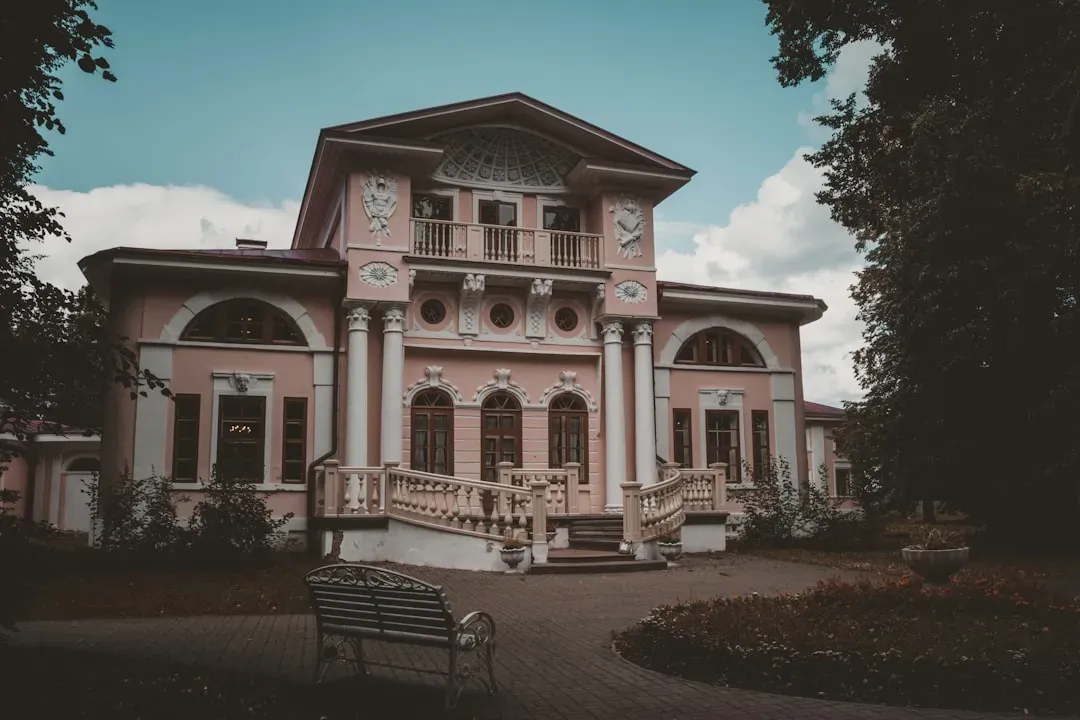
The simplest reason big five-bedroom homes are harder to sell is brutally obvious when you run the math: they are just too expensive to buy and to run. In 2024, the median new single-family home sold in the U.S. cost around $420,000 to $430,000, and that is for a house that is closer to a three- or four-bedroom size; the bigger you go, the more each added square foot is priced at a premium. Recent housing reports show the average price per square foot for new homes has surged by roughly three quarters over the past decade, rising from under $100 to around $170, which means a large 3,000-square-foot house now carries a construction-era price tag that would have bought a luxury property in the early 2010s. Layer on mortgage rates that hovered around six to seven percent through 2024 and 2025, and suddenly only a narrow slice of buyers can carry the monthly payment, taxes, insurance, utilities, and maintenance that come with all those extra rooms.
Buyers Want Less House and More Life
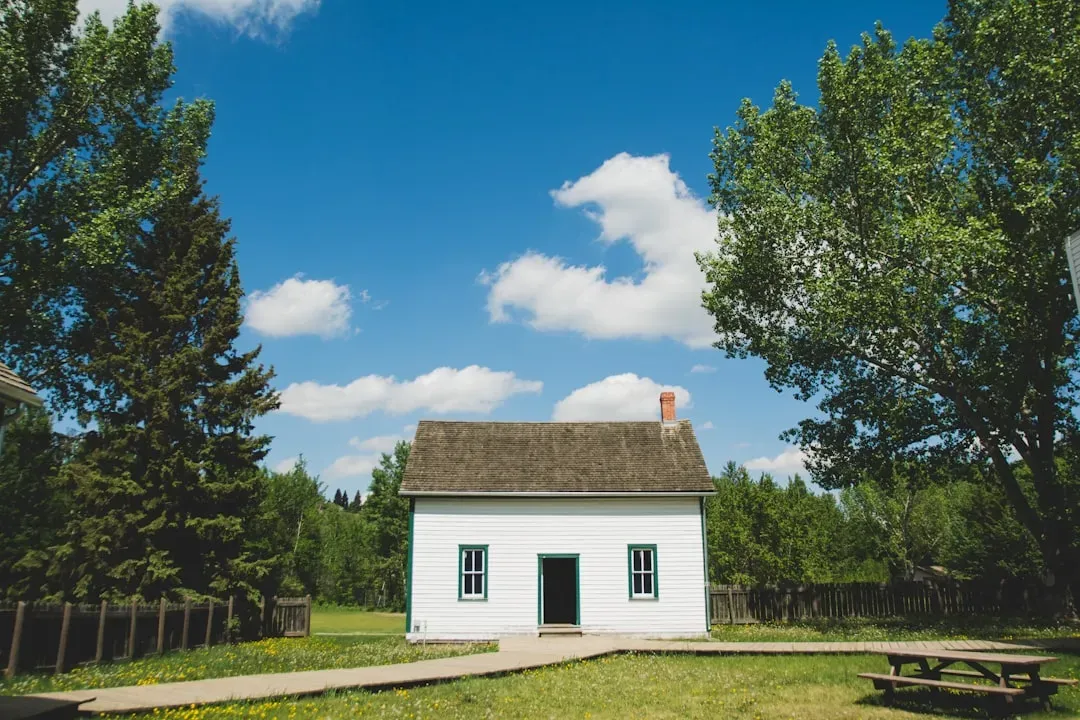
There is also a deeper cultural shift under the surface: many younger buyers simply do not want the classic five-bedroom suburban spread, even if they could afford it. Surveys of first-time homebuyers in 2023 and 2024 showed that a lot of them ended up choosing smaller homes or less space than they once imagined, often because of cost but also because they value flexibility, walkable locations, and lower upkeep. One national survey found that more than one fifth of first-time buyers intentionally opted for a smaller property than they had first planned, and nearly half delayed buying because of money pressures, which pushed them into modest homes when they finally did decide. Builders are responding to this demand: recent Census and industry analyses show that about one quarter of new single-family homes sold in 2024 were under 1,800 square feet, up significantly from roughly one in six a decade earlier, while the share of very large homes over 3,000 square feet has fallen from about one third to under one fifth. In plain terms, the new normal is a compact three-bedroom, not a sprawling five-bedroom, which leaves older big houses increasingly misaligned with what the next generation is actually shopping for.
Oversized in the Wrong Places
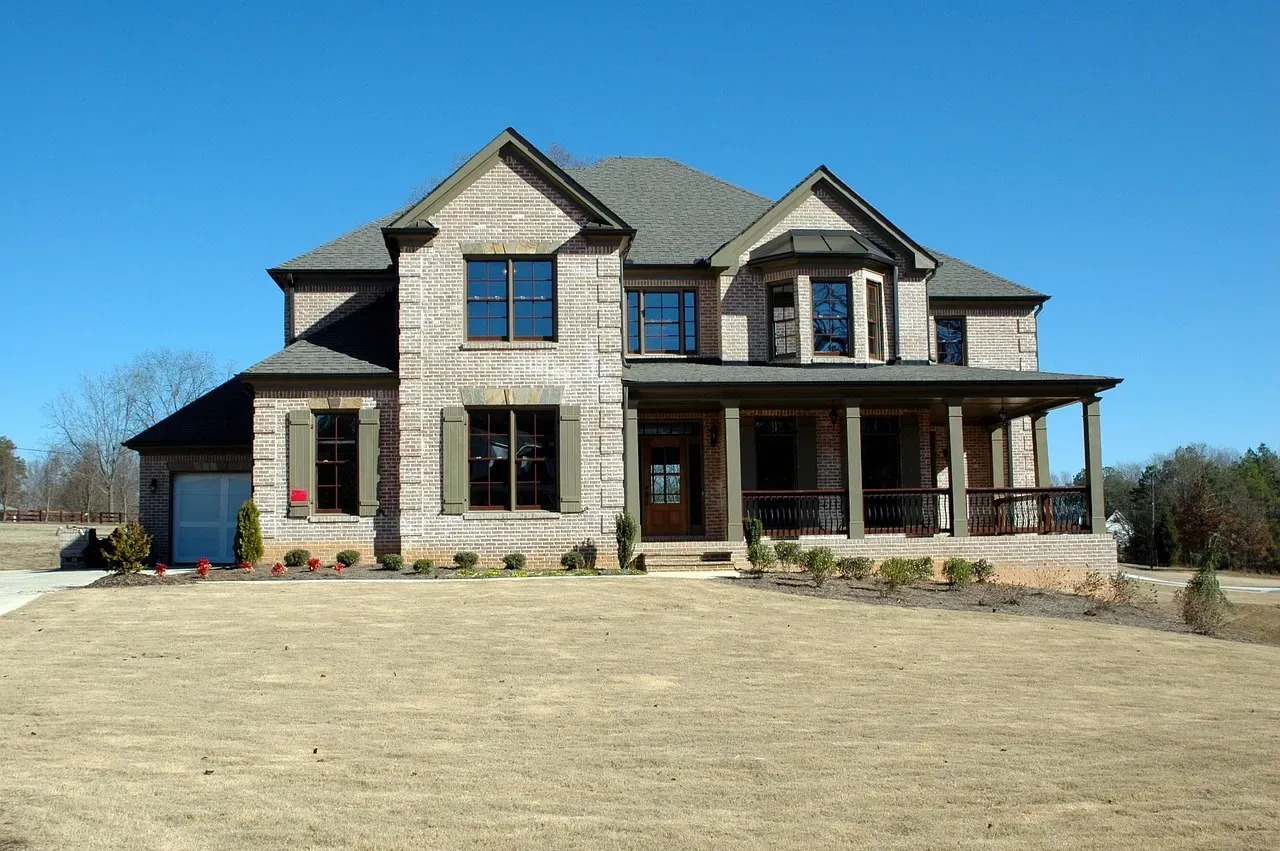
The location problem makes these ghost mansions even harder to move. Many of the biggest five-bedroom “forever homes” were built in exurban or far-flung suburban areas during the McMansion boom years, when cheap gas and short commutes felt permanent and buyers prioritized square footage over everything else. Now, in many metro areas, demand is strongest either for smaller homes in closer-in suburbs or for compact new builds in growing job corridors, while older large homes in distant tracts sit as inventory builds. Recent national numbers show that housing inventory in 2025 climbed back toward and even beyond pre-pandemic levels in large parts of the South and West, with more than one million active listings and homes taking nearly two months on average to sell, and real estate reports note that a rising share of sellers are delisting properties altogether after failing to get their hoped-for prices. In markets like Phoenix and other fast-growing Sun Belt cities, where there is a glut of large, aging suburban houses and plenty of new, slightly smaller construction, that combination leaves many five-bedroom sellers either cutting prices or quietly pulling their listings and waiting.
Downsizers, Empty Nests, and the Coming Wave of Ghost Mansions
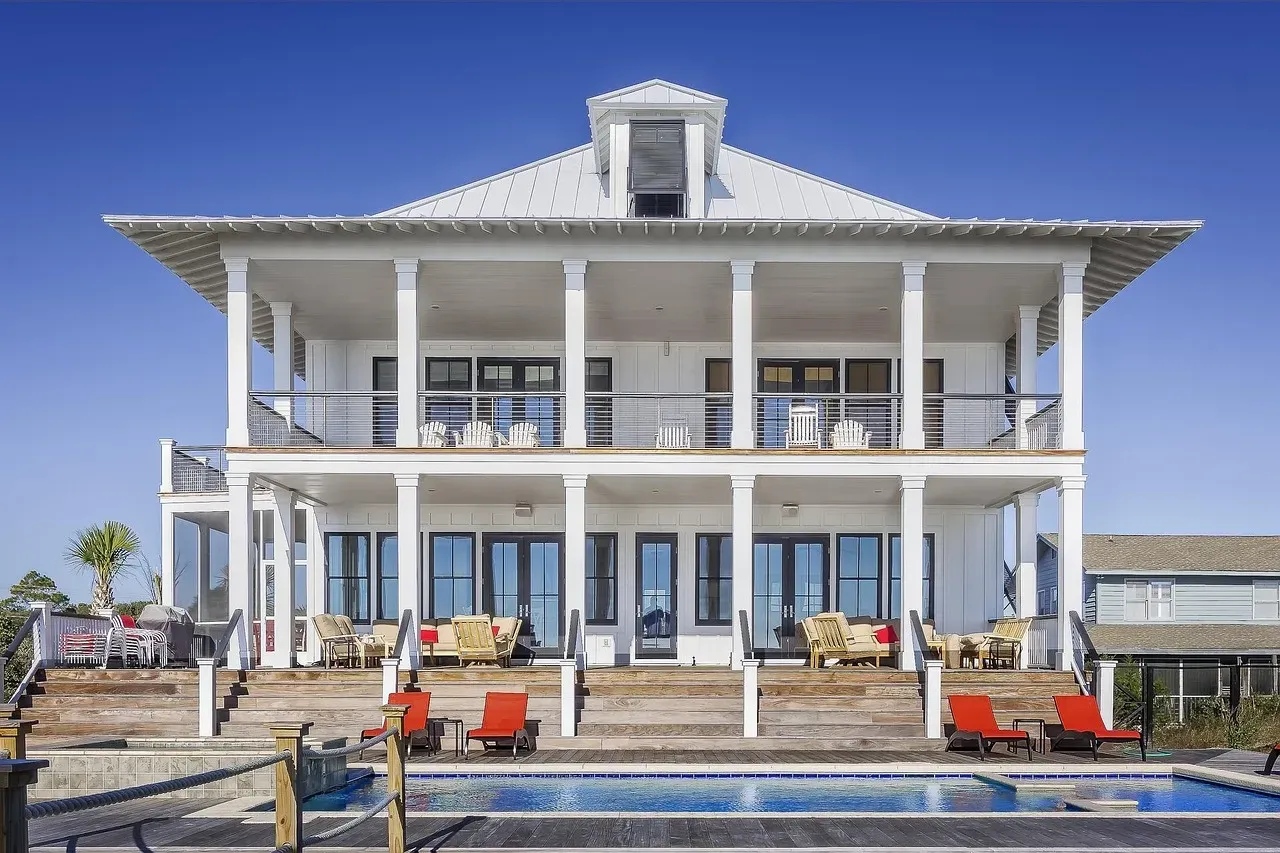
Another pressure point is demographic: a lot of the people who own big five-bedroom homes are older owners who no longer need or want all that space. As the huge baby boomer generation continues to age into their seventies and beyond, many are looking to cash out and downsize into smaller, low-maintenance homes or condos, adding more large properties to the supply side just as buyers are pivoting toward smaller footprints. Census and industry construction data already shows a tilt toward more modest homes with three or four bedrooms and fewer bathrooms, while the share of new homes with four-plus bedrooms is hovering at about half of new construction instead of climbing; that matters because it means there are fewer new buyers being “trained” to want huge properties. At the same time, national home sales have been stuck near a thirty-year low since 2023, with roughly four million existing homes changing hands annually instead of the long-term average above five million, which leaves big, high-cost listings competing in a sluggish market with rising delistings and a growing pool of price-cut properties. Put together, it is a slow-motion story: more large, older houses leaking into the market from downsizers; fewer buyers wanting them; and new construction quietly favoring smaller, more efficient homes that better fit modern budgets and lifestyles.