5 People From History Whose Odd Fears Still Fascinate Experts
Fear is universal. Even the most powerful rulers, celebrated artists, and brilliant minds throughout history weren’t immune to irrational anxieties. Some of these phobias were so unusual that they still capture the attention of psychologists and historians today. These weren’t just passing worries – they were consuming terrors that shaped daily routines, influenced major decisions, and revealed the deeply human side of otherwise legendary figures.
Extreme fears of specific situations or objects have been documented as far back as the ancient Greeks and Romans, with Sigmund Freud later proposing that phobias were a psychological defense mechanism arising from repressed psychological conflict. What makes these historical phobias particularly fascinating is how they persisted despite the individuals’ otherwise formidable achievements. Let’s dive into five remarkable people whose strange fears continue to puzzle experts and remind us that no one is truly fearless.
Hans Christian Andersen’s Terrifying Fear of Premature Burial
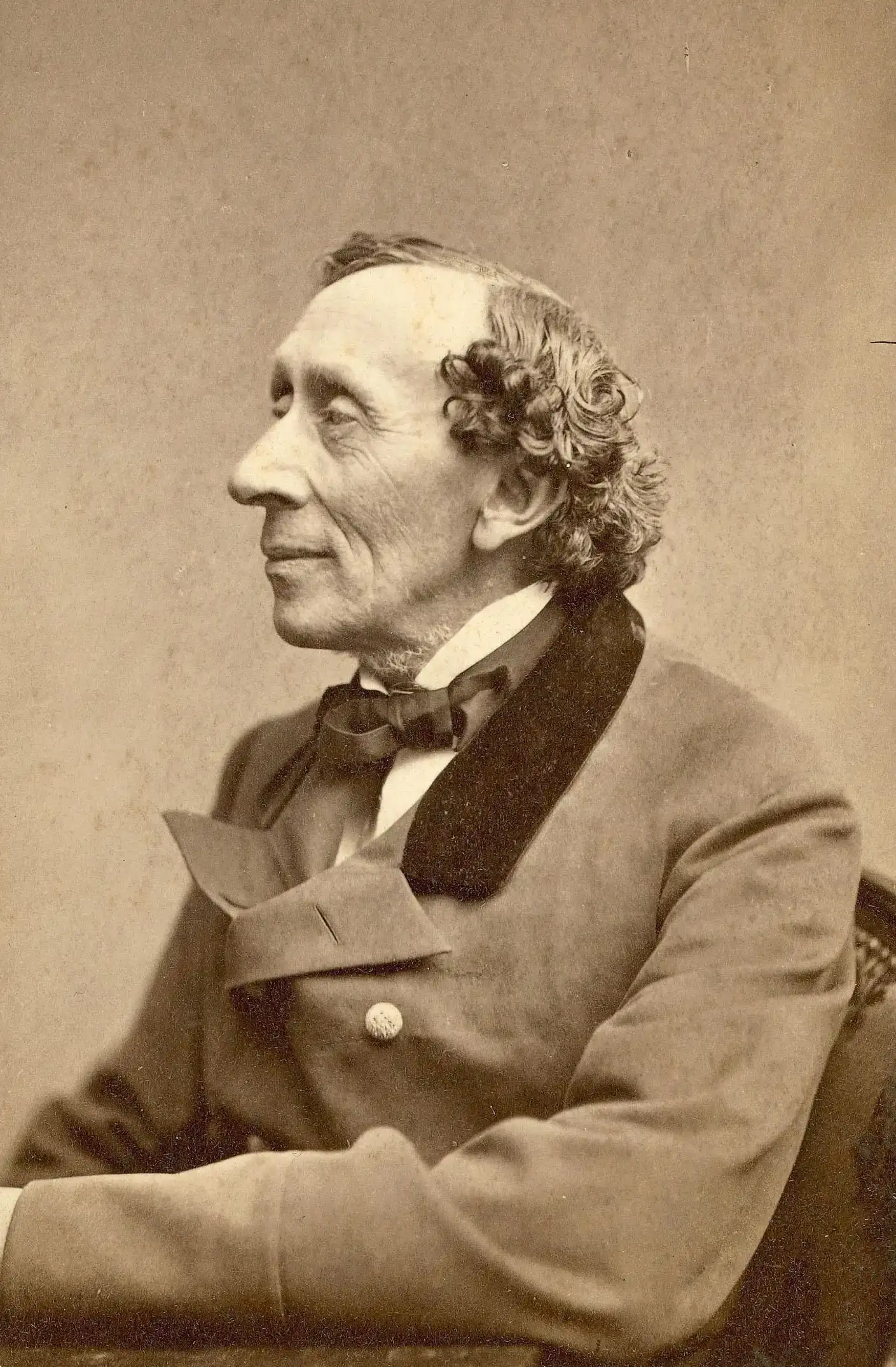
Danish writer Hans Christian Andersen was deathly afraid of being buried alive. This wasn’t a casual worry. The author of beloved fairy tales like “The Little Mermaid” and “The Ugly Duckling” lived in constant dread of waking up six feet underground. A note reading “I only appear to be dead” was a fixture of Andersen’s bedside table – some say he even wore it around his neck. Imagine the creator of such magical stories carrying this morbid reminder everywhere he went.
As the end neared during his final days at the home of his friends Dorothea and Moritz Melchior in Copenhagen, he begged Dorothea to cut his veins after he’d breathed what appeared to be his last breath. This extreme measure shows just how deeply rooted his taphephobia truly was. According to his biographer Jackie Wullschlager, he also traveled with a rope in his luggage because he was afraid of fire, was terrified of dogs, and refused to eat pork out of fear of trichinosis. Andersen’s multiple phobias paint a picture of a man living with persistent anxiety behind his creative genius. What drove such a gifted storyteller to such consuming fears?
Sigmund Freud’s Unusual Dread of Weapons and Ferns
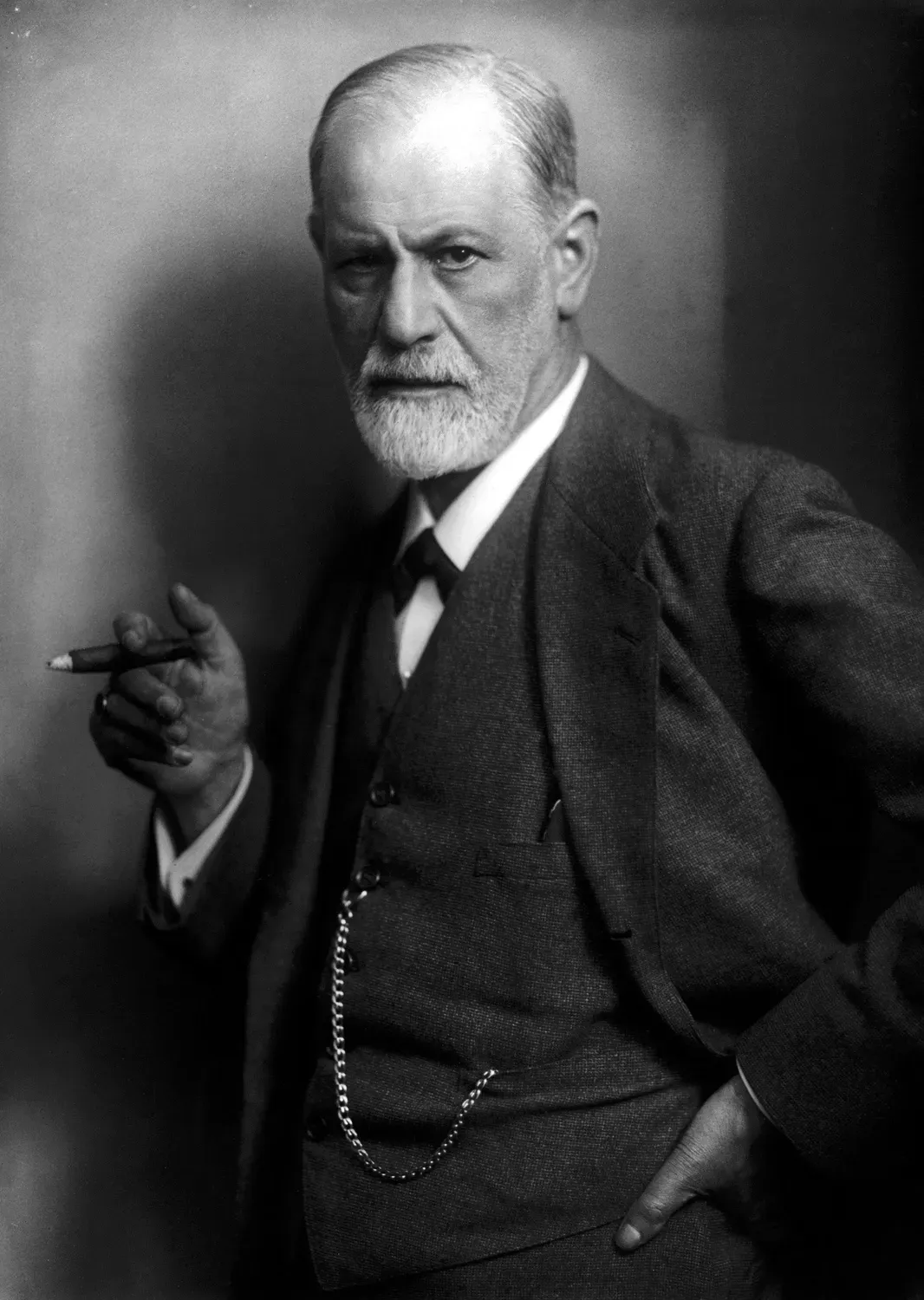
Here’s an irony for you: Sigmund Freud, the neurologist who founded the psychoanalyst school of psychiatry and created many world-changing theories, feared weapons and ferns. The father of psychoanalysis, the man who spent his career analyzing others’ deepest fears, harbored some peculiar anxieties of his own. He is often credited with saying that a fear of weapons is a sign of retarded sexual and emotional maturity. Talk about diagnosing yourself.
As for having a phobia of ferns, that is not a very common fear, and it is difficult to know where this could have come from, as he said little about it and there is scarce detail about it. Ferns! Of all things to fear. Those who knew him agreed that he did fear ferns, and that he would never eat them. Perhaps even Freud couldn’t psychoanalyze his way out of every irrational fear. Freud also had a persistent desire to visit Rome that was repeatedly frustrated on account of a neurotic inhibition, and the “Roman phobia” was a particularly severe manifestation of a more general phobia of traveling by train. The complexities of Freud’s own psyche remain a subject of fascination among scholars today.
George Washington’s Fear of Being Buried Too Soon
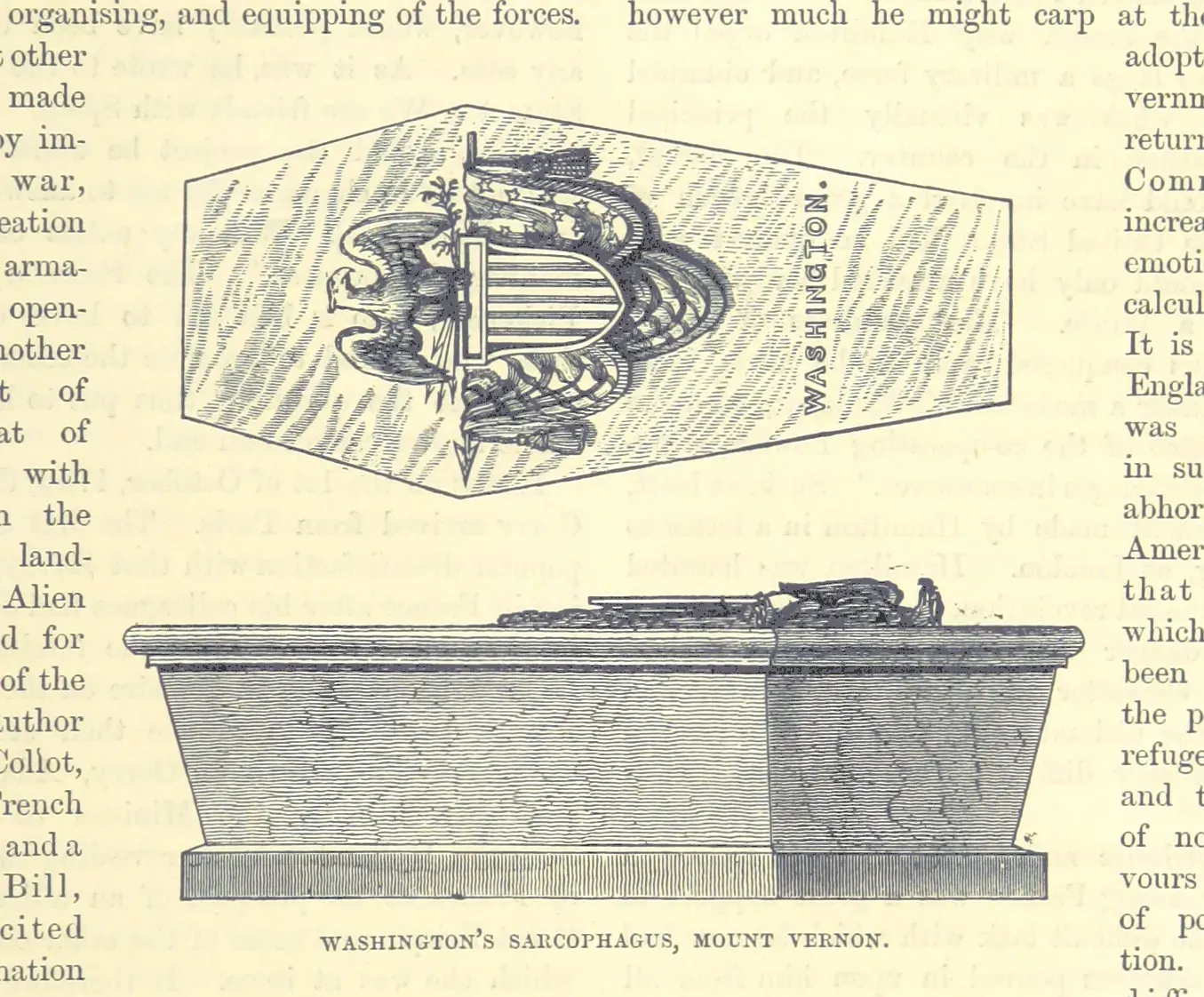
America’s first president, George Washington, died at Mount Vernon on December 14, 1799, and requested on his deathbed that his body not be buried for 3 days, reflecting widespread fear of premature burial before modern monitors. The man who led armies into battle, who helped forge a nation, was deeply afraid of waking up in his coffin. This fear wasn’t unusual for his era – primitive medical knowledge meant that determining death with certainty was genuinely difficult.
Washington had a very serious fear of premature burial, which was clearly expressed on his deathbed in 1799, where he made his attendants promise that his body would not be put into the vault for 3 days, in case he was still alive. Taphephobia was a common fear for noble people, as well as commoners, living in the sixteenth and seventeenth centuries. The detail shows how technology changes what people fear. What terrified people in Washington’s time barely crosses our minds today, thanks to modern medical advances.
Alfred Hitchcock’s Revolting Dread of Eggs
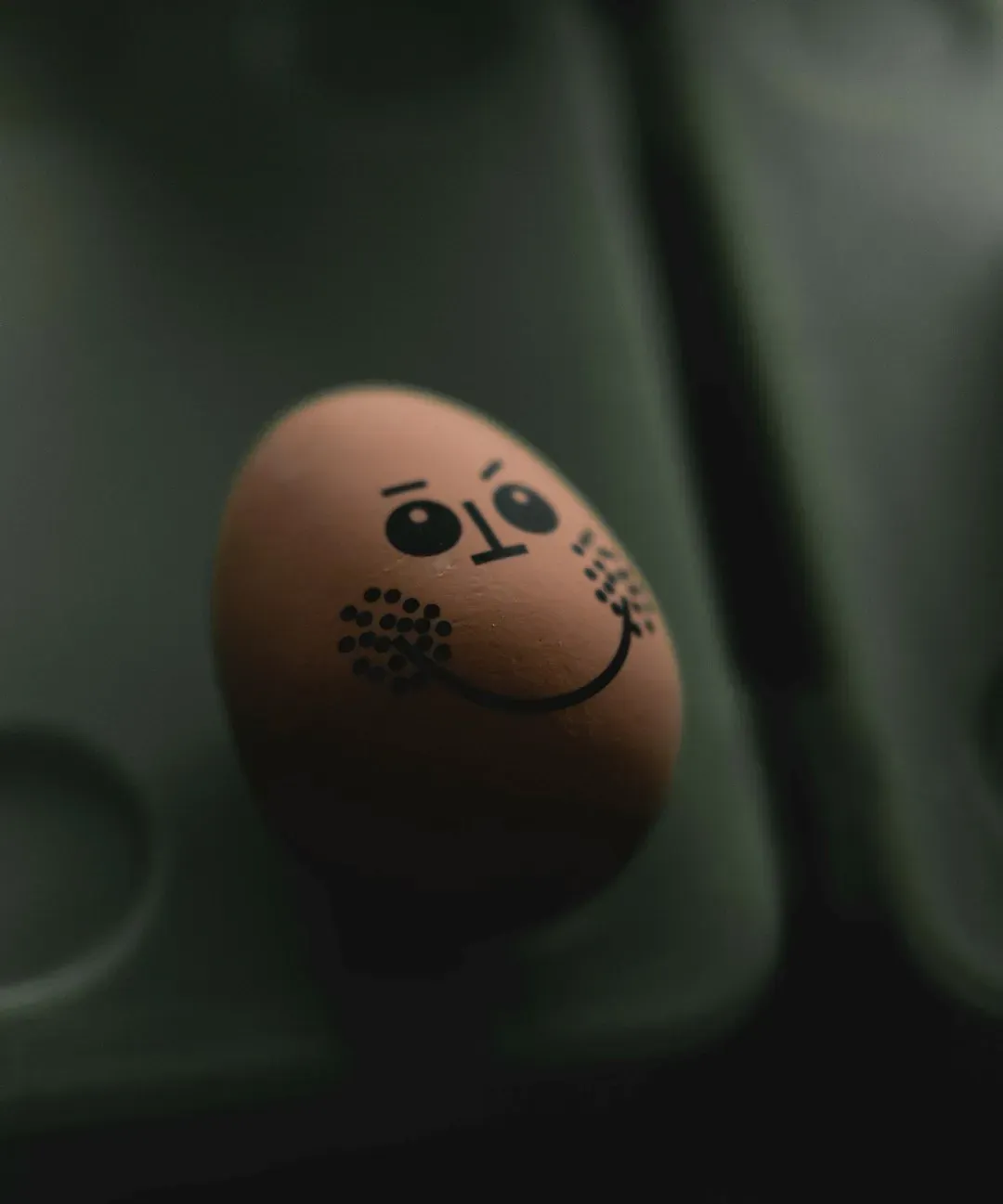
Alfred Hitchcock, a famous Hollywood director and producer known for movies such as Psycho and Vertigo, had an extreme fear of eggs, saying that they are revolting to him! The master of suspense, who could terrify millions with his films, was himself terrified by breakfast food. He stated that he never tasted an egg in his whole life, and he refused to even be around them, claiming that nothing was more revolting to him than seeing a white round thing with no holes spill its yellow liquid.
Hitchcock, born 1899 in London, openly said he hated eggs, a fear called ovophobia, and told interviewers in the 1960s that a broken yolk looked “revolting,” which is ironic because he filmed food and birds with such control, including “The Birds” released in 1963. Imagine directing a film about killer birds while being unable to tolerate their eggs. It is unknown why a man like Hitchcock would have such a random fear. Sometimes even the most brilliant creative minds can’t explain their own phobias. His dread reminds us that fear doesn’t always make logical sense.
Salvador Dalí’s Paralyzing Fear of Grasshoppers
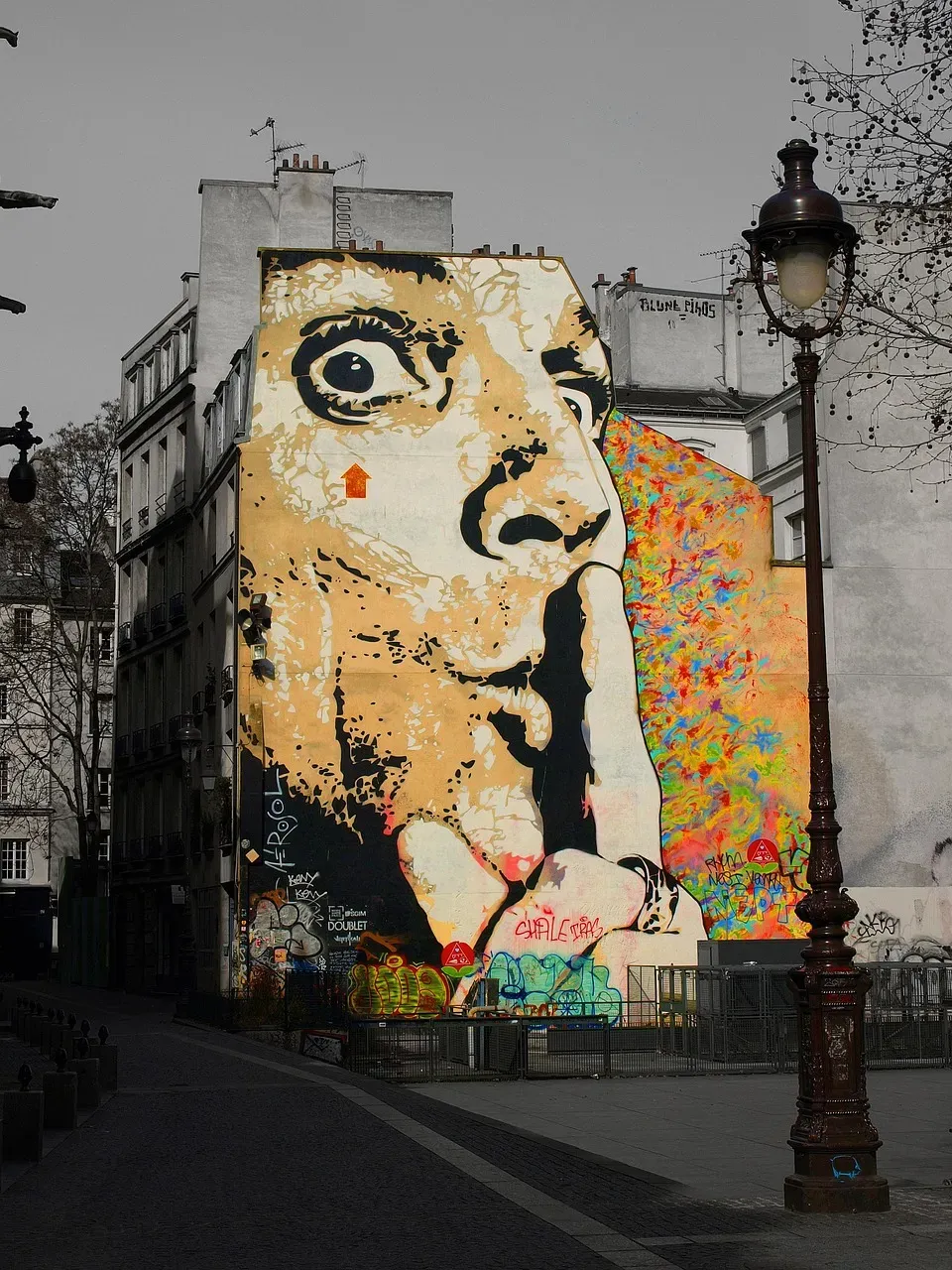
As a child growing up in Catalonia, Salvador Dalí was bullied by boys his own age who would throw grasshoppers at him, and this had a profound and long-lasting effect – from an early age, Dalí suffered from an acute phobia of grasshoppers. The surrealist painter’s childhood trauma evolved into a lifelong terror. Even as an older man, just the sound of the insects was enough to make him tremble, as several of his contemporaries observed.
Rather than seeking treatment for his phobia, Dalí embraced it, reveling in his fears and phobias and using them as a creative force – he was scared of sex, was terrified of heights and even had a lifelong fear that he might be mistakenly arrested and locked up for good. His ability to channel terror into art is perhaps what made his work so visceral and unsettling. Dalí turned his psychological torment into masterpieces, proving that sometimes our deepest fears can fuel our greatest creative achievements. Would his art have been as haunting without these underlying anxieties?