False Authenticity: 8 “Traditional” Italian Dishes That Don’t Actually Exist in Italy
You’ve probably ordered it countless times at your favorite Italian spot. Maybe it’s a bubbling plate of Chicken Parmesan or a creamy bowl of Fettuccine Alfredo. These meals feel deeply Italian, right? They sound Italian, they’re served in Italian restaurants, and half of Little Italy seems built around them.
Here’s the thing: walk into a genuine trattoria in Rome or Naples and ask for these dishes. You’ll be met with blank stares or, worse, a pizza topped with bell peppers when you meant spicy salami. The reality is that many beloved “Italian” classics are practically unheard of in Italy, and Italian writers and chefs often mock dishes like chicken parmesan and Caesar salad as pseudo-Italian or non-Italian.
Fettuccine Alfredo: The Butter-and-Cream Impostor
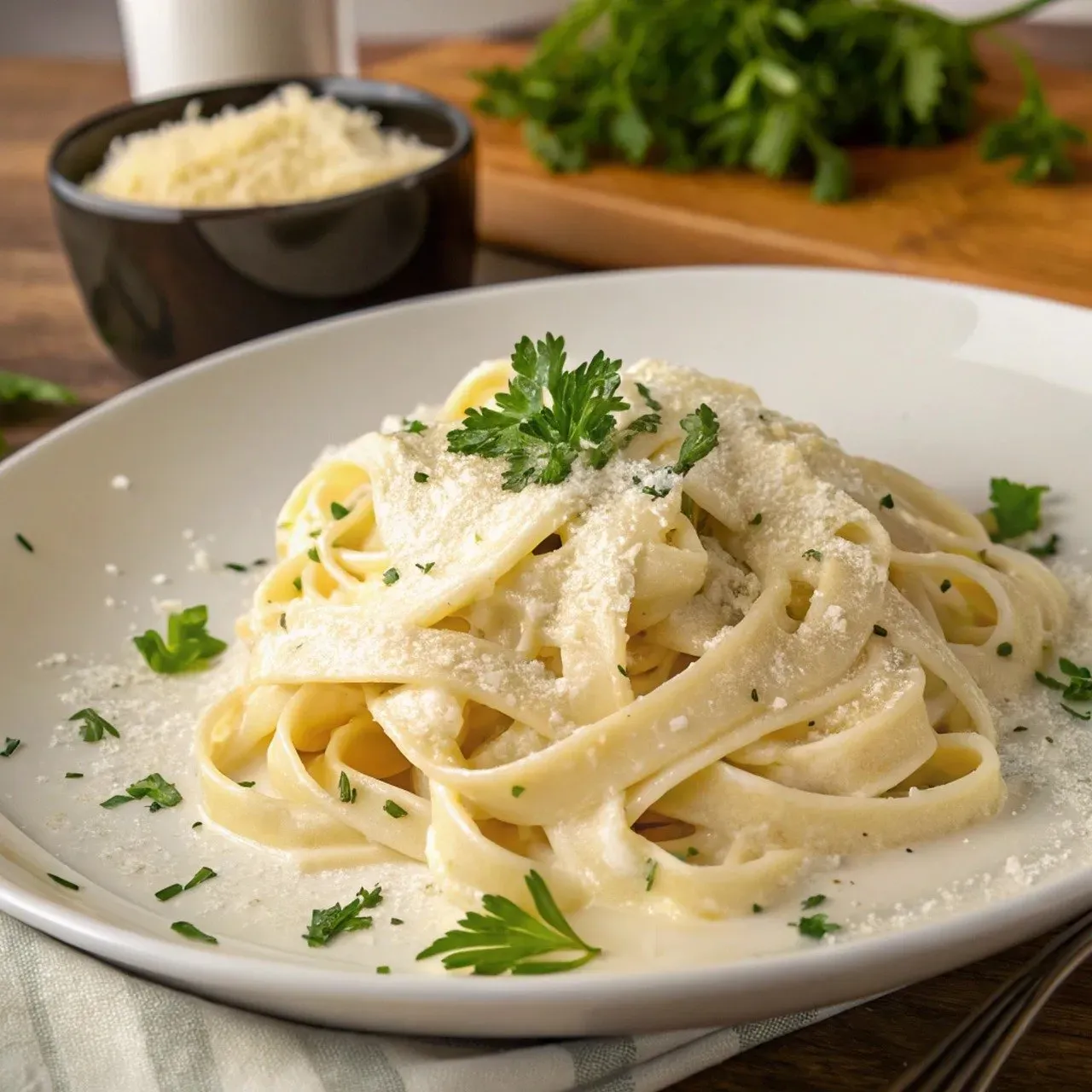
Across Italy, you’re likely to encounter blank stares if you request fettuccine alfredo and expect to be served fettuccine noodles doused in a heavy cream sauce. What we call alfredo sauce in the US doesn’t exist in Italy. The original dish, created in Rome by Alfredo di Lelio in the early 1900s, was simply pasta tossed with butter and Parmesan cheese. The alfredo sauce, which now catered to American tastes rather than Italian, evolved to include ingredients like flour, cream, milk, and shrimp or chicken. Italian chefs today consider this cream-laden version a violation of their culinary principles. Alfredo is loaded with cream and butter, which is way too heavy, and really misses the mark on what Italian pasta is all about, which is simplicity and elegance.
Chicken Parmesan: An Expensive Protein Celebration
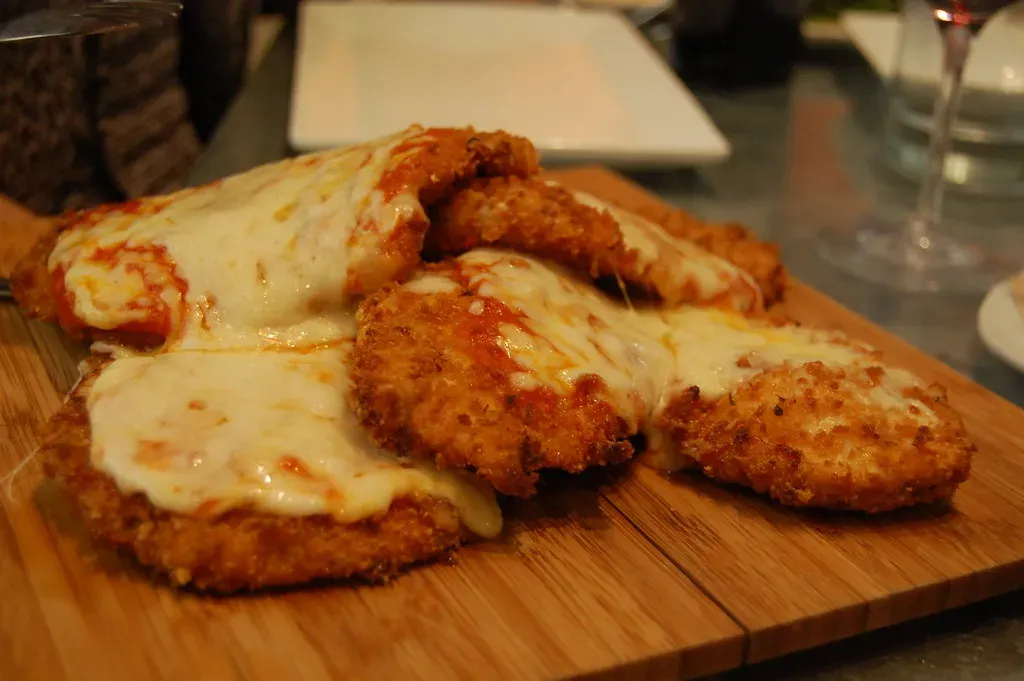
Chicken Parmesan is virtually unknown in Italy. The real Italian dish is eggplant parmigiana, layered with tomato and mozzarella. The dish originated in the Italian diaspora in the United States during the early 20th century, and it has been speculated that the dish is based on a combination of the Italian parmigiana using fried eggplant slices and tomato sauce, with a cotoletta, a breaded veal cutlet generally served without sauce or cheese in Italy. In Italy you’ll only find eggplant parm; never veal or chicken. When Italians came to America, they had to use local ingredients available to them, and meat was much less expensive in America so they created large portions of chicken parm to celebrate how well they were eating in their new homes.
Spaghetti and Meatballs: A Transatlantic Mismatch
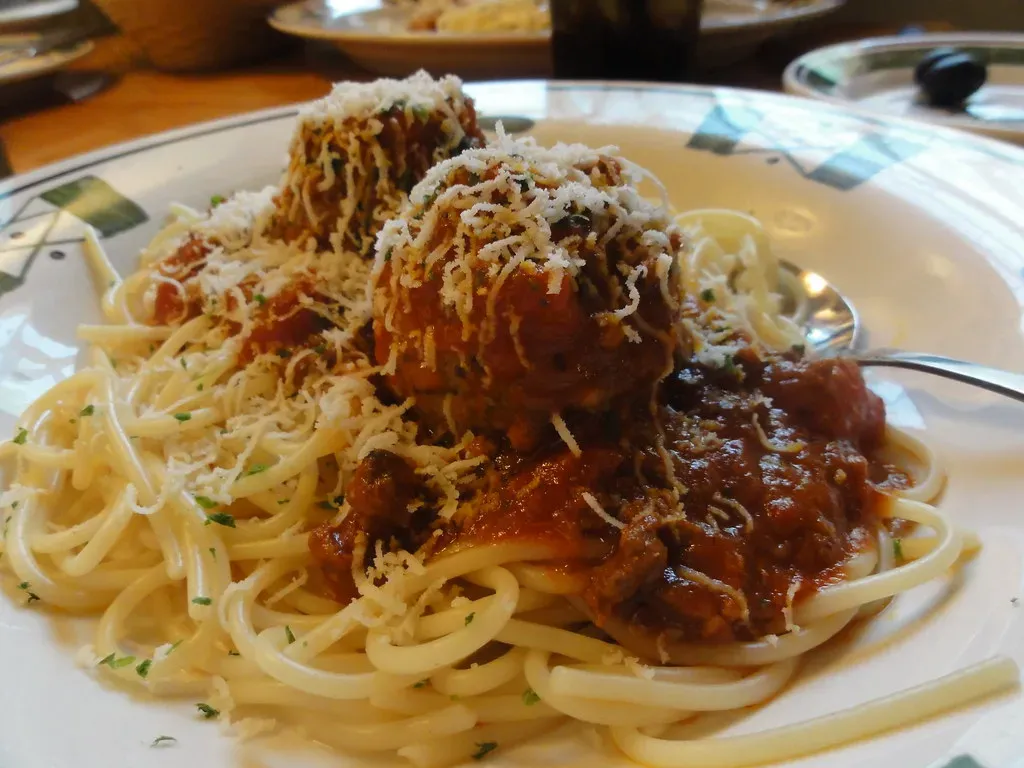
The traditional spaghetti and meatballs dinner is a creation of the American household and has no actual roots in Italian culture. Italy does have their own version of meatballs, but they’re very different from what we know here. Known as polpettes, they’re very rarely eaten alongside pasta, and these golf ball sized bites are also not necessarily made from ground beef, as American meatballs are. With the boost in income in America, not only was more meat consumed but in much larger quantities. The immigrants indulged and meatballs transformed from golf balls to baseballs and were made with significantly more meat and less bread. The dish became so iconic that in 1955, the spaghetti kiss of Disney’s Lady and the Tramp showed how popular the dish had become.
Pepperoni Pizza: The Salami That Never Was
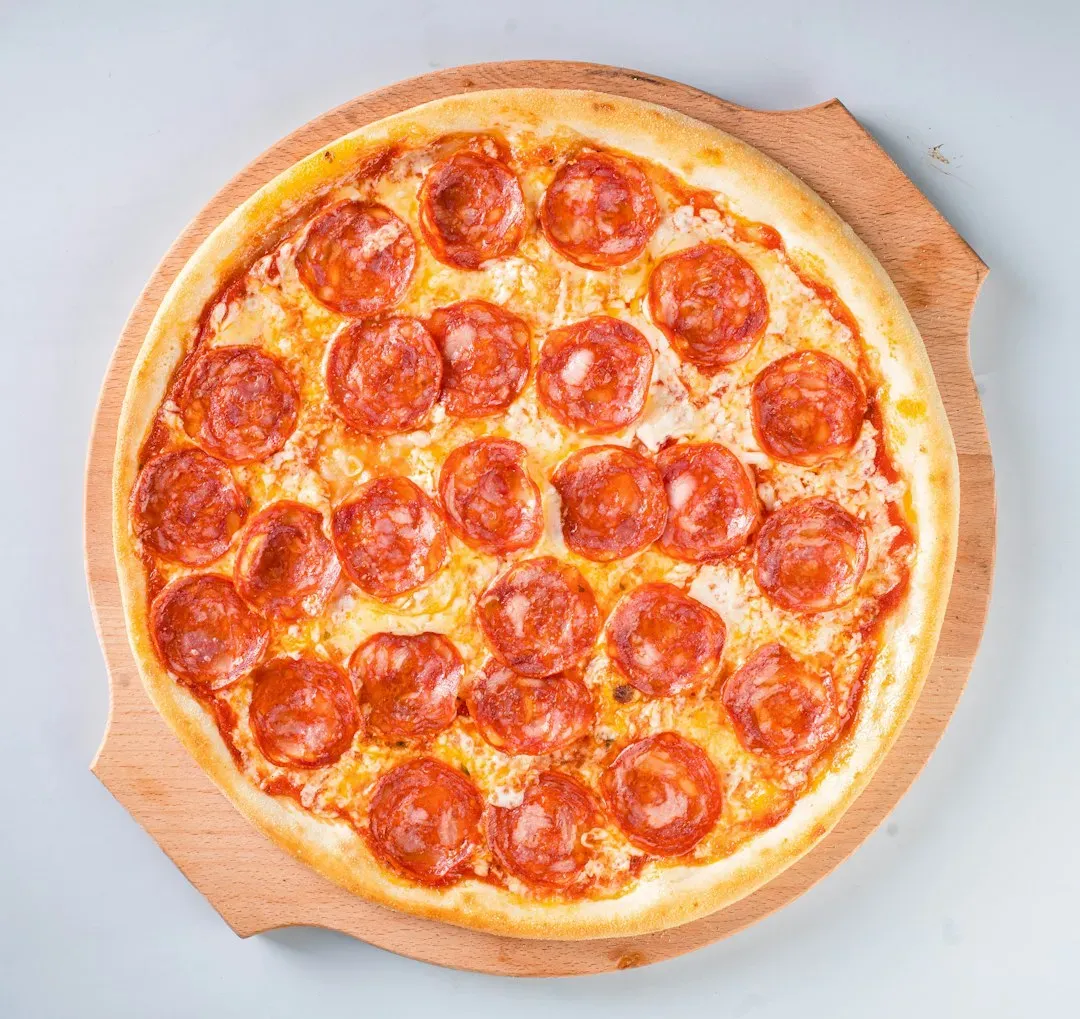
Pepperoni is an original Italian-American creation, which is why you won’t see it on menus in Italy. As most Italians know, pepperoni isn’t Italian. It’s considered an Italian-American invention, often attributed to early 20th century immigrants in New York City. Say “pepperoni” to Italians, and most will hear “peperoni,” which, without the extra “p,” refers to bell peppers. If you want something similar in Italy, ask for pizza diavola. Pepperoni pizza in Italy is instead pizza diavola, (accent on the a, diàvola, meaning she-devil) or pizza con salamino piccante, meaning pizza with spicy salami.
Garlic Bread: The Bruschetta Imposter
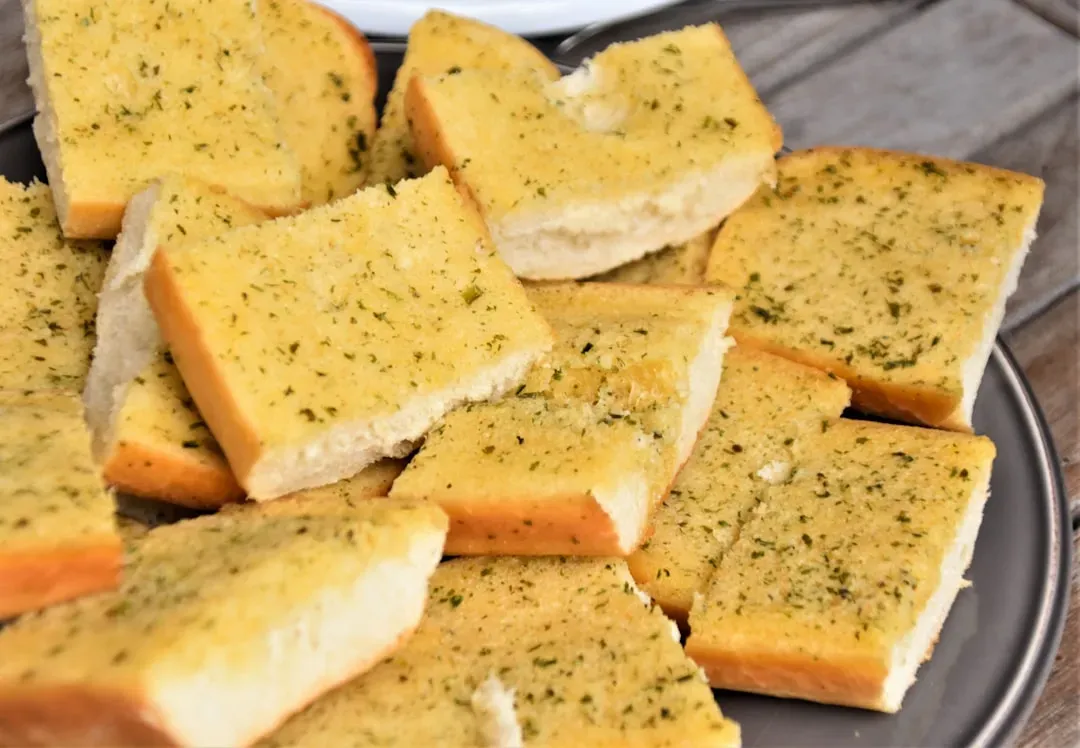
Garlic bread is a simple American preparation made with bread, fresh garlic, and parsley that, despite its simplicity, has nothing to do with classic Italian bruschetta. The origins of garlic bread in Italian-American cuisine are not precisely known, but it is believed to have emerged as an adaptation of the traditional Italian bruschetta. Bruschetta is a dish where slices of bread are toasted or grilled and then topped with ingredients like garlic, tomatoes, and olive oil. However, adding butter (and the specific garlic bread preparation as it is known today) is more associated with Italian-American culinary traditions.
Caesar Salad: Born in Mexico, Not Milano

Caesar salad is not an Italian creation. The original Caesar salad was invented by an Italian-American restaurateur in Tijuana, Mexico, and has since become a popular American dish. Despite its Italian-sounding name and connection to Italian immigrant Caesar Cardini, this salad has zero roots in Italian cuisine. It’s served across America as a steakhouse staple, yet you’d be hard-pressed to find it in any authentic Italian establishment. The list of Italian dishes that aren’t so Italian includes chicken parmigiana, garlic bread, “Italian dressing” (whatever that might be), the evergreen Caesar salad and, of course, Fettuccine Alfredo.
Baked Ziti: The Casserole That Crossed the Ocean
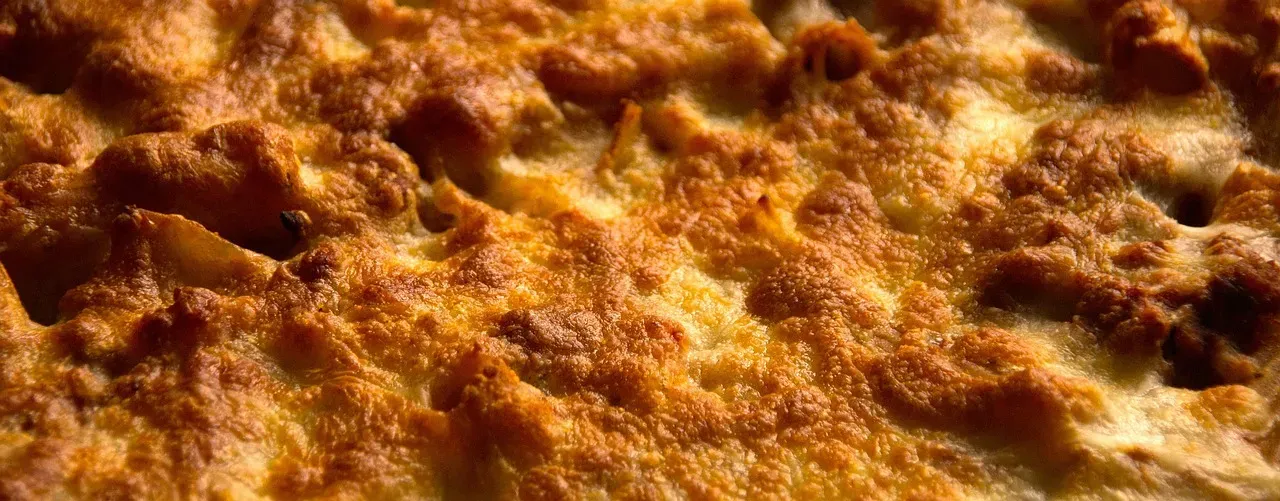
Baked Ziti is a popular Italian-American dish that is not commonly found in Italy. It is a casserole-style pasta that typically consists of ziti pasta, tomato sauce, cheese (usually a combination of ricotta, mozzarella, and Parmesan), and added ingredients like meat or vegetables. Baked ziti specifically – with tomato sauce and something ricotta-y – is enshrined more as a staple in Italian-American cuisine. It’s not wrong, necessarily, but it’s also not canon. The closest Italian equivalent would be Pasta al Forno, which is baked pasta but typically made with penne or rigatoni and incorporates more nuanced ingredients, like mozzarella, bechamel, or hard-boiled eggs.
Pasta Primavera: Spring Vegetables, American Style
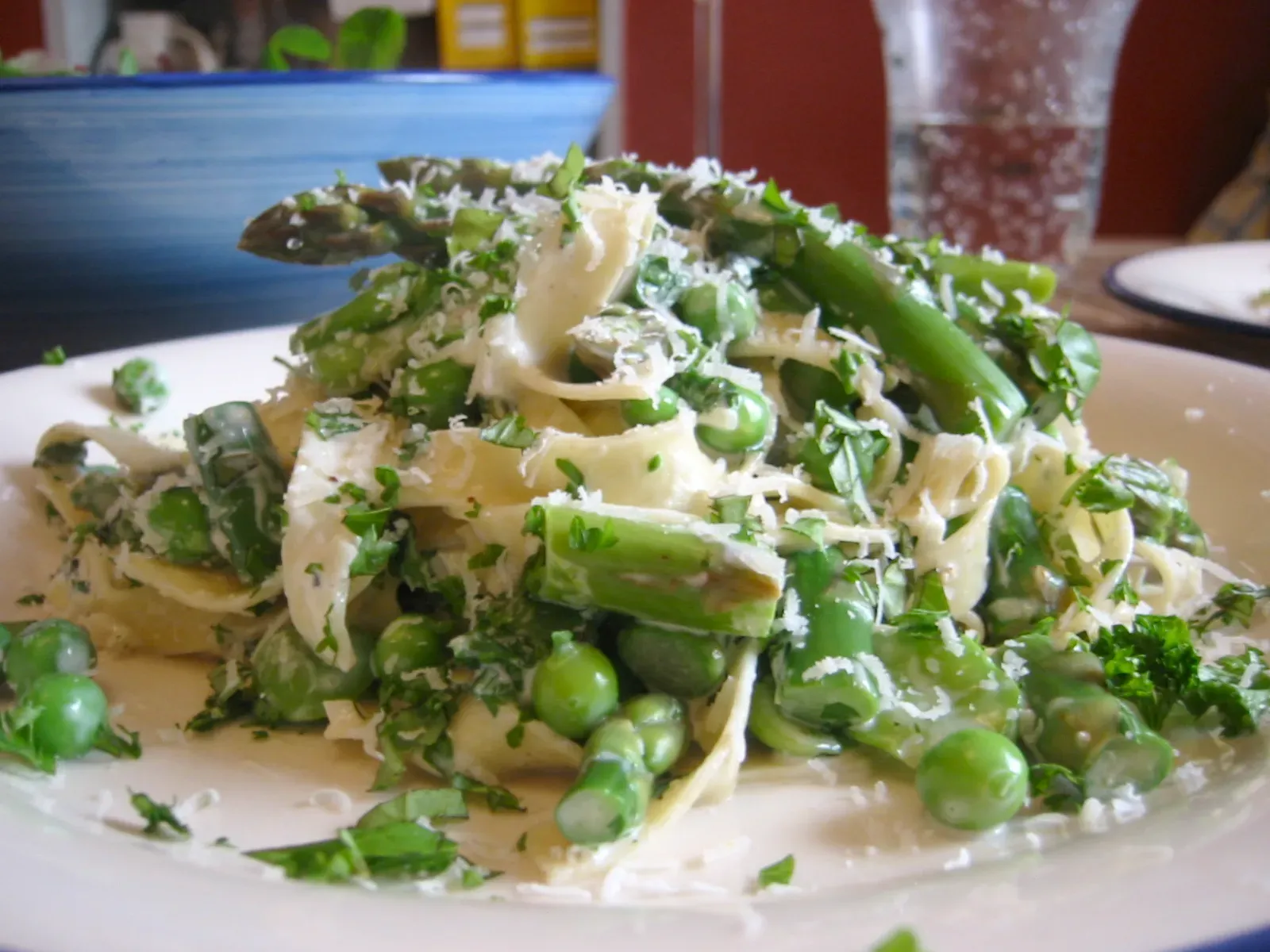
While this dish sounds wonderfully seasonal and Italian, pasta primavera is another American creation. Pasta Primavera, along with Baked Ziti, Pasta and Broccoli, and Fettuccine Alfredo were all developed in the US and became popular not only on dining tables but as reflections of family traditions too. The concept of loading pasta with colorful vegetables and cream sauce doesn’t align with traditional Italian preparations, where pasta dishes tend to feature fewer, higher-quality ingredients prepared simply. Italian cuisine is known for its simplicity, with many dishes having fewer than eight ingredients. Ingredients are chosen based on their quality and regional availability, leading to a wide variety of dishes across Italy’s 20 regions. Staples in Italian cooking include olive oil, tomatoes, garlic, and fresh herbs like basil and oregano, each adding a signature flavor to traditional Italian dishes.
So what does this all mean? These dishes aren’t fake or somehow less delicious. They represent a fascinating culinary evolution born from Italian immigrants adapting to American ingredients and tastes. Italian-American cuisine was a fusion of traditional Italian recipes and local American ingredients. Italian immigrants adapted their dishes based on what was available and affordable in their new surroundings. The abundance of meat, dairy, and different produce in America allowed these cooks to reimagine their homeland recipes into something entirely new.
Next time you’re craving “Italian,” maybe think twice about what you’re actually ordering. Or don’t. Because honestly, who’s going to turn down a steaming plate of Chicken Parm just because it’s not authentic? What would you miss most if these dishes disappeared from menus tomorrow?