6 Classic American Dishes That Are Now Very Hard to Find
The American dining scene has transformed dramatically over the past few decades. What once graced the tables of fine restaurants and family kitchens across the nation now exists mainly in culinary memory books.
These disappearing dishes tell the story of changing tastes, economic pressures, and cultural shifts that have reshaped how America eats. Let’s explore six classic American dishes that have become increasingly rare to find.
Turtle Soup
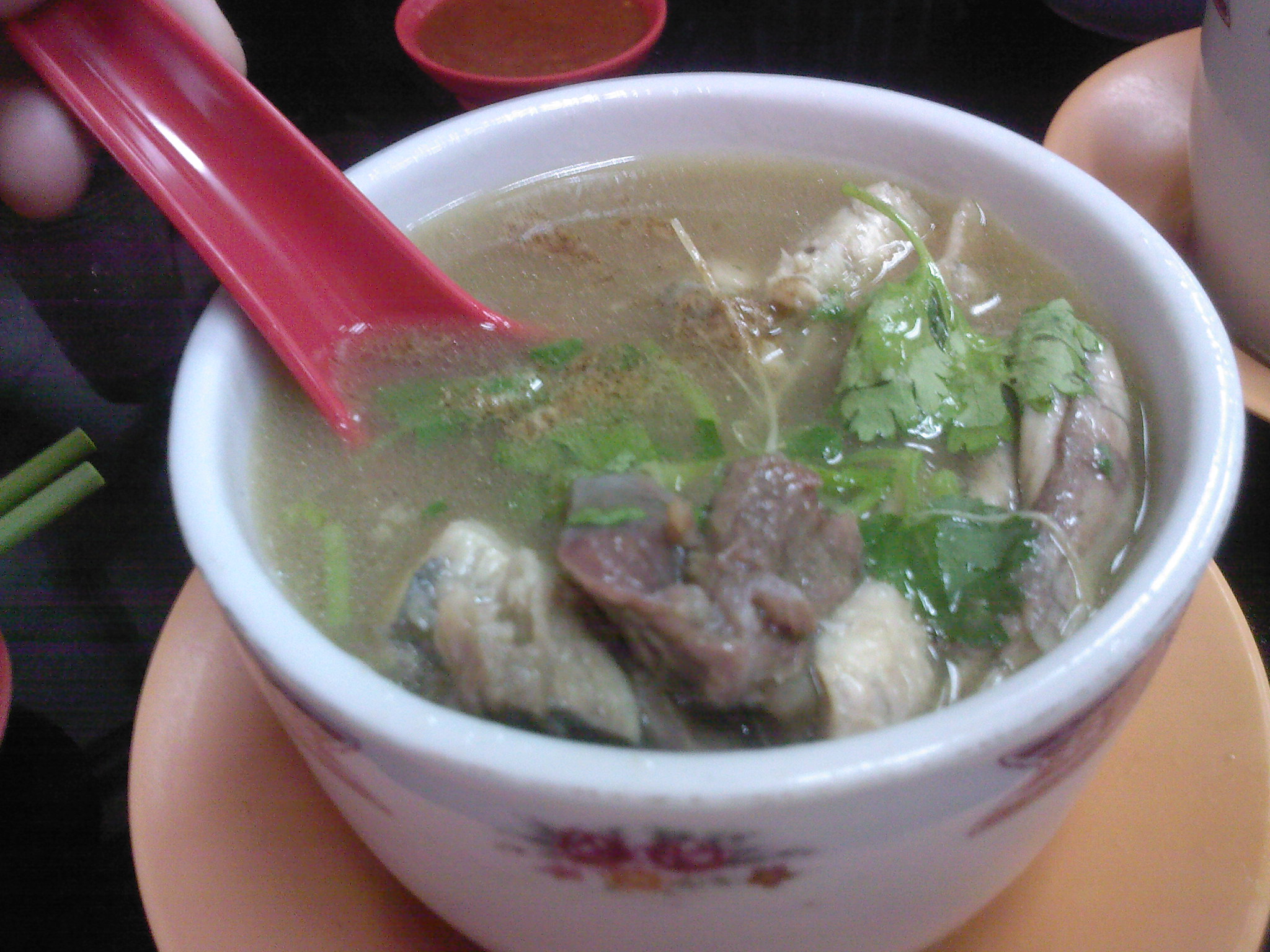
English in origin, this rich, thick potage made with the meat of the common snapping turtle (the dish is sometimes called “snapper soup”), became a specialty of the Philadelphia area, and also a favorite in Minnesota and Louisiana. This once-prestigious soup was a staple of upscale American restaurants throughout the 19th and early 20th centuries.
Though it is still occasionally found today, the soup – and eating turtle in general – has fallen out of favor, both because the turtles are an endangered species and because their meat has been found to contain high concentrations of industrial pollutants. The environmental concerns surrounding turtle harvesting have made this dish not only rare but ethically questionable in modern dining.
Even the refined version called Lady Curzon soup has virtually vanished. This refined version was a blend of turtle soup and green pea soup, spiked with sherry. The origin of both the recipe and the name are unknown, but it was being served in fancy dining rooms at least by the 1930s, and Jackie Kennedy had a famous recipe for it.
Turkey Tetrazzini
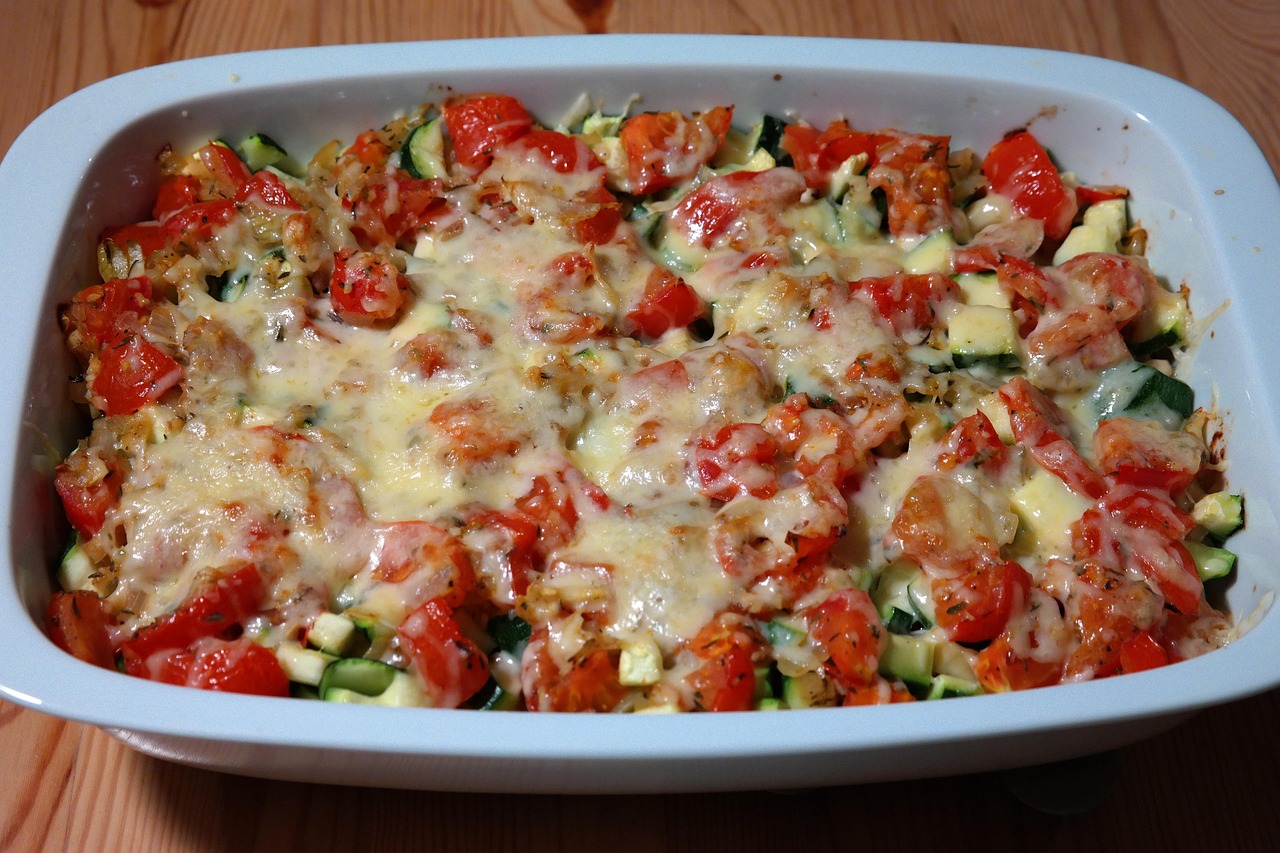
A relative of chicken à la king, turkey Tetrazzini was invented in the early years of the 20th century in San Francisco and named in honor of the Italian soprano Luisa Tetrazzini, who made her American debut in the city in 1905. This comfort food dish represents the golden age of American casserole cuisine.
It consists of diced turkey (sometimes chicken is substituted) and mushrooms in a sauce of butter, cream, and cheese, served over spaghetti, egg noodles, or some other form of pasta. The dish was particularly popular during the mid-20th century when casserole cooking dominated American home kitchens.
Why has it vanished from tables? As culinary trends favored fresher, lighter fare, this rich dish lost its place. Modern dining preferences have shifted away from heavy, cream-based dishes, making Turkey Tetrazzini a relic of a more indulgent era.
Lobster Thermidor
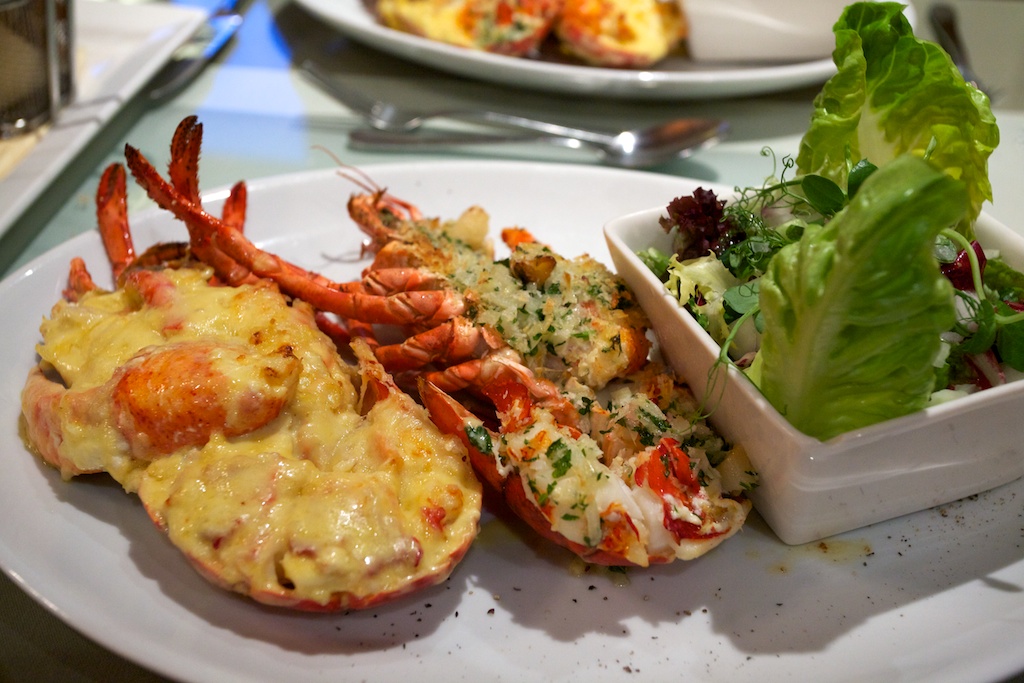
Lobster Thermidor, synonymous with luxury, dazzled diners in fine restaurants. This French-inspired dish was once the pinnacle of elegant dining in American restaurants, representing sophistication and culinary prowess.
But it has been more than 20 years since I have seen lobster thermidor on a menu. If I ask for it anyway, most waiters seem to have never head of it. The dish’s disappearance reflects the broader decline of formal French cuisine in American dining establishments.
When I talk to the chefs, they tell me that lobster thermidor is so labor intensive and expensive to prepare that pricing it for the menu results in costs that are prohibitively high for most modern restaurants. The complexity and expense of preparing this dish have made it economically unfeasible in today’s competitive restaurant landscape.
Baked Alaska
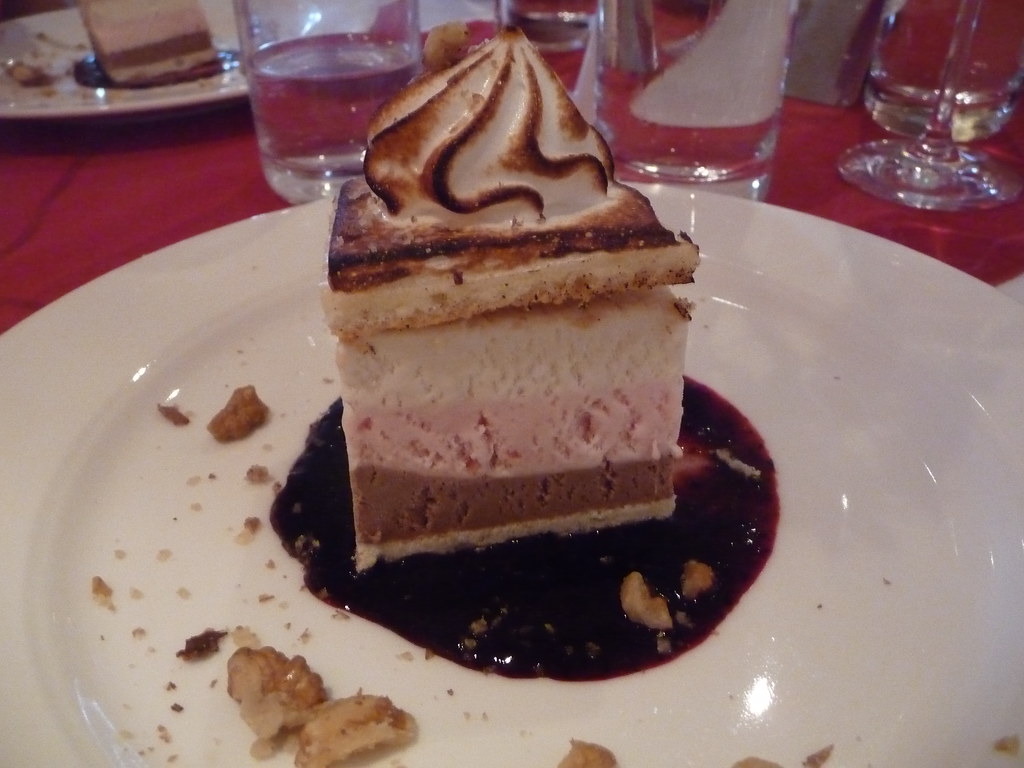
A novel preparation combining hot and cold, this is a dessert made by filling a sponge-cake-lined baking dish with ice cream, then covering the whole thing with meringue. The dish is then quickly cooked in a very hot oven, which stiffens and caramelizes the meringue while leaving the ice cream frozen. This theatrical dessert was a showstopper in American restaurants for decades.
According to one story, it was invented at Delmonico’s restaurant in New York City in 1867, the year that the U.S. purchased Alaska from Russia, giving the dessert its patriotic name and historical significance.
The dish required skilled technique and dramatic presentation, making it a favorite for special occasions and celebrations. Today, the labor-intensive preparation and need for precise timing have made it nearly extinct in contemporary dining establishments.
Oysters Rockefeller
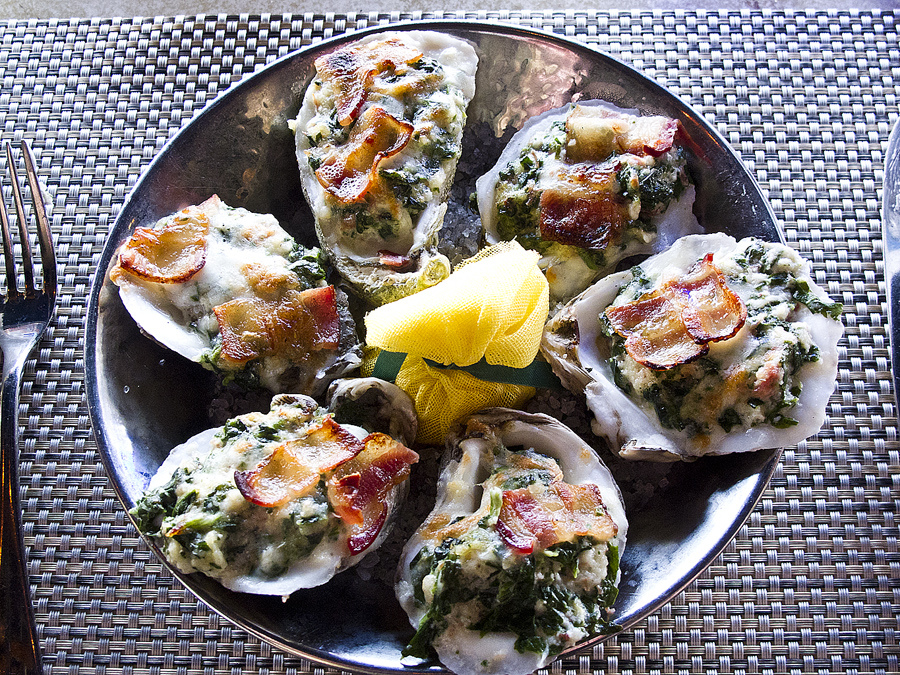
The classic appetizer was invented way back in 1889 at Antoine’s Restaurant in New Orleans. The chef, Jules Alciatore, named the luxurious dish after John D. Rockefeller, then the world’s richest man. This dish represented the height of American luxury dining during the Gilded Age.
Though the original recipe is still a closely-guarded secret, most versions feature oysters on the half-shell baked beneath a buttery green sauce. The mystery surrounding the original recipe has only added to its legendary status among culinary enthusiasts.
While still available at some upscale restaurants, particularly in New Orleans, when was the last time you saw consommé madrilène, brook trout amandine, or baked Alaska on a menu? To be sure, there are still places serving such retro dishes, ironically or not, but they are undeniably an endangered species.
Trout Amandine
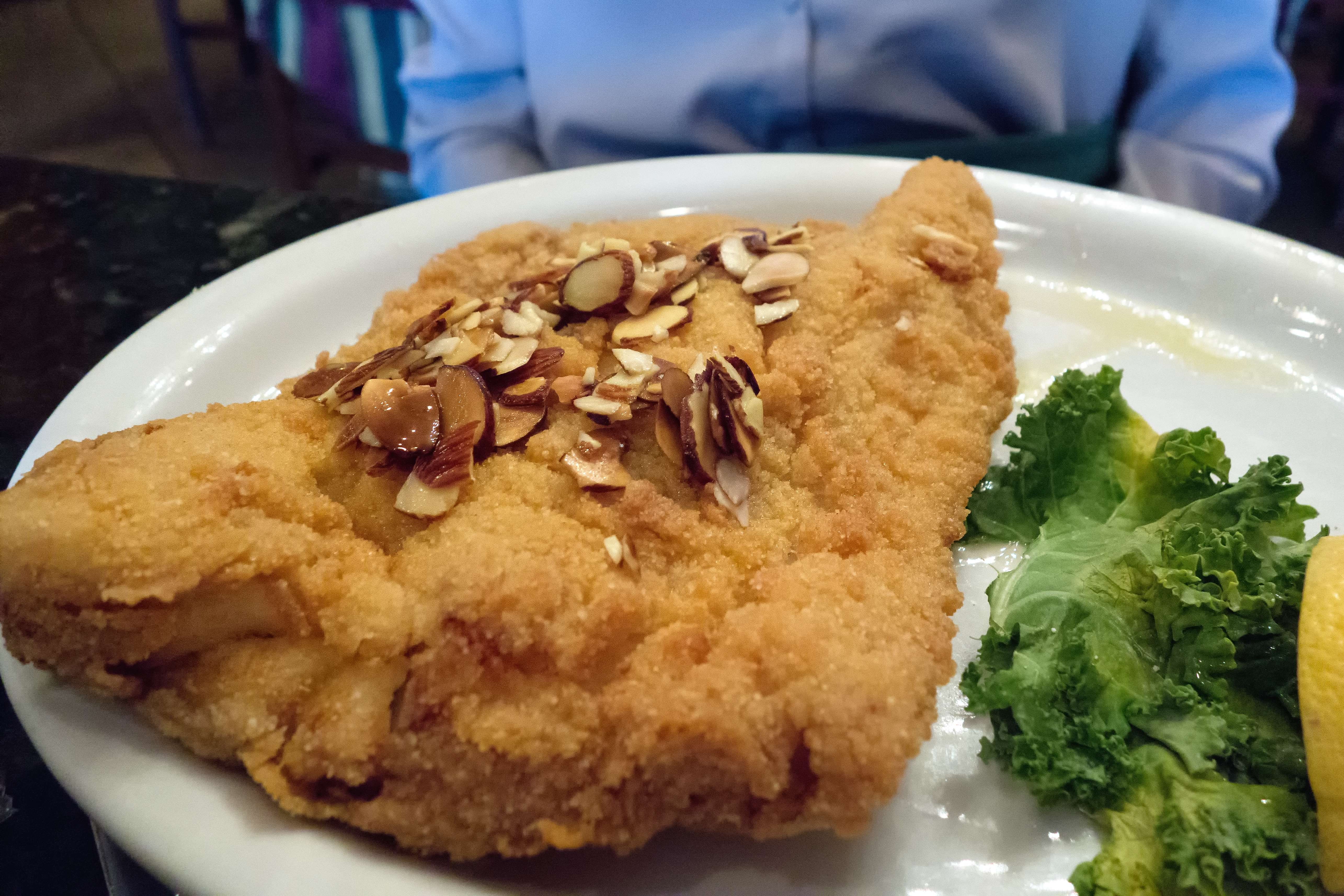
Trout amandine, cooked in butter with flakes of toasted almond (“amande” in French), was the other “fancy” fish dish, along with sole Véronique, once found on menus all over America. This elegant preparation represented the sophistication of American fine dining in the mid-20th century.
The name was often semi-translated as “trout almondine.” This linguistic adaptation shows how French culinary techniques were being Americanized during the golden age of restaurant dining.
The dish required fresh trout and careful technique to properly toast the almonds without burning them. As American dining shifted toward simpler preparations and different flavor profiles, this classic French-influenced dish gradually disappeared from restaurant menus nationwide.
These vanishing dishes remind us that American cuisine is constantly evolving. We’ve just grown too sophisticated (or think we have) to eat fussy old-style fare like turkey Tetrazzini or steak Diane. These extinct menu items are worth trying before they vanish completely. What dishes from today’s menus do you think will be considered relics fifty years from now?