8 Countries Seeing Tourism Surges and Local Pushback, Analysts Say
Global tourism numbers have exploded beyond all pre-pandemic expectations, creating an unexpected crisis. While 2024 marked an inflection point with a record $1.8 trillion in tourism spending, international visitor spending is projected to hit $2.1 trillion in 2025, surpassing 2019’s peak by $145 billion. Yet behind these impressive figures lies a troubling reality: local communities are fighting back harder than ever before.
Tourism is coming at the cost of lower quality of life and spiking housing costs, with properties dedicated to hospitality shrinking the rental market and causing home prices to increase. The question isn’t whether this backlash will continue, but how severe it will become. These eight destinations showcase the most intense confrontations between surging visitor numbers and increasingly desperate local residents.
Spain: Water Guns and Nationwide Protests

Over the course of 2024, 94 million tourists visited Spain, compared to its 48 million population, making it the second most visited country in the world. Rent prices in Barcelona have increased significantly in recent years, while over the past decade, rent rose by 68 percent and housing costs increased by 38 percent.
In July 2024, about 3,000 people protested in Barcelona, with some spraying tourists with water guns, though 15.5 million tourists stayed overnight in the city – 100,000 less than in 2023. On May 26, 2024, about 10,000 people protested in Palma de Mallorca, with other protests occurring across the Balearic islands of Menorca and Ibiza, where residents complained about the island becoming a party hotspot.
Barcelona’s Mayor Jaume Collboni announced that more than 10,000 tourist apartment rentals will be banned by 2028, and plans to raise tourist taxes on cruise ship visitors staying less than 12 hours. The city increased its tourist tax to a maximum of €4 per person in October, on top of Catalonia’s regional tax of up to €3.50 for luxury hotels.
Greece: Islands Under Siege
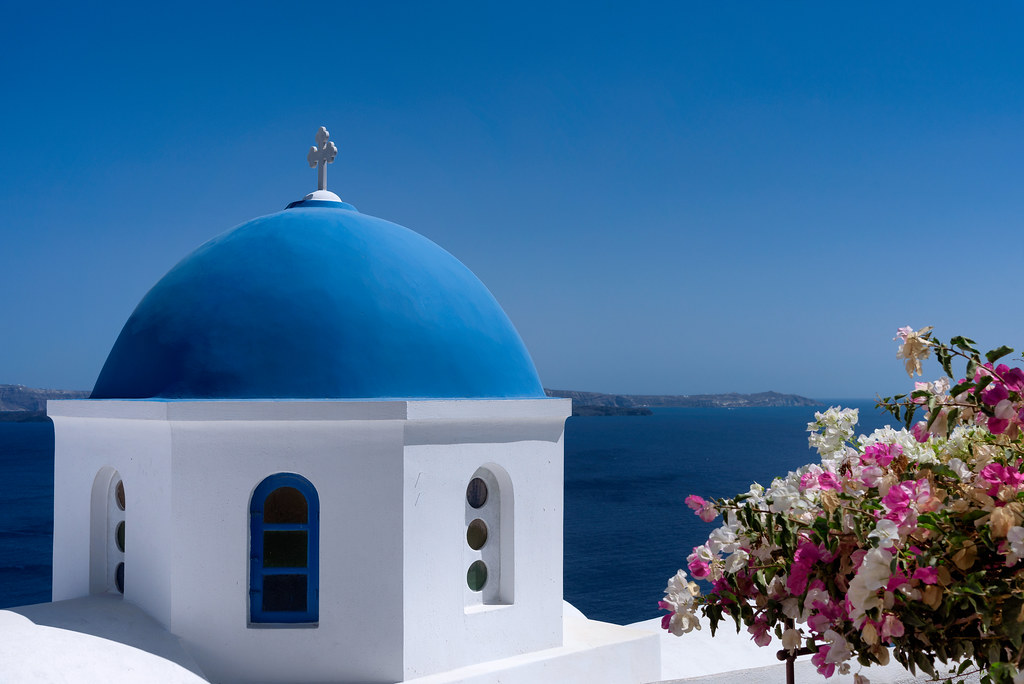
Greece welcomed 40.7 million visitors in 2024, a 12.8% rise from the previous year, generating €21.6 billion in tourism revenue. Both Santorini and Mykonos each welcomed more than 1.3 million visitors in 2024, marking increases of 4% and 8.4% respectively.
Santorini faces up to 18,000 cruise passengers overwhelming the island daily, straining resources for its 15,000 residents. More than 7.9 million cruise passengers visited Greece in 2024, a 13% rise compared to the previous year, with the cruise industry experiencing a 13.2% growth.
Ships docking at major tourist islands like Mykonos and Santorini must now pay €20 per passenger, while vessels stopping at smaller islands are charged €5 per person. The Greek government estimates revenue of up to 50 million euros annually from these taxes, aimed at upgrading tourism infrastructure and curbing overcrowding.
Italy: Venice Leads the Resistance
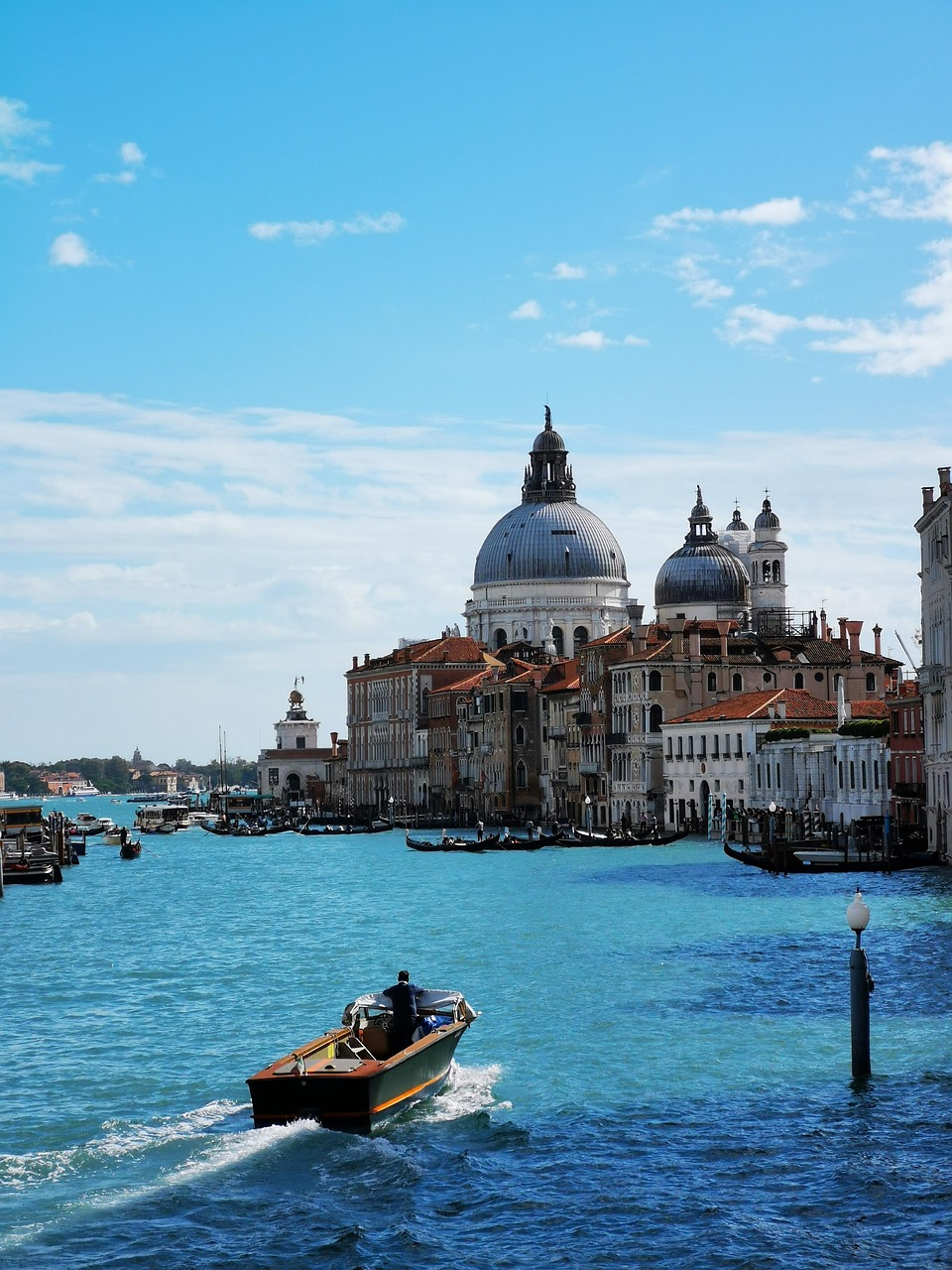
Venice faces over 20 million tourists a year for a city with just over 50,000 residents. In 2025, the €5-a-day fee for day-trippers remains in effect.
Venice made global headlines in April 2024 as the first city to impose a €5 entry fee for day visitors, with plans to expand the tourist tax to €5-€10 in 2026. Pompeii, which received more than four million visitors in 2024, is implementing visitor management measures, while Cinque Terre now caps daily walkers on the Via dell’Amore to just 400 people.
Rome has implemented strict behavioral rules, preventing tourists from going topless, eating ‘messy’ food around attractions like the Trevi Fountain, and attaching love padlocks to bridges. The Italian government’s approach reflects a comprehensive strategy to protect cultural heritage while managing tourism’s social and environmental impacts.
Netherlands: Amsterdam’s Tourism Overhaul
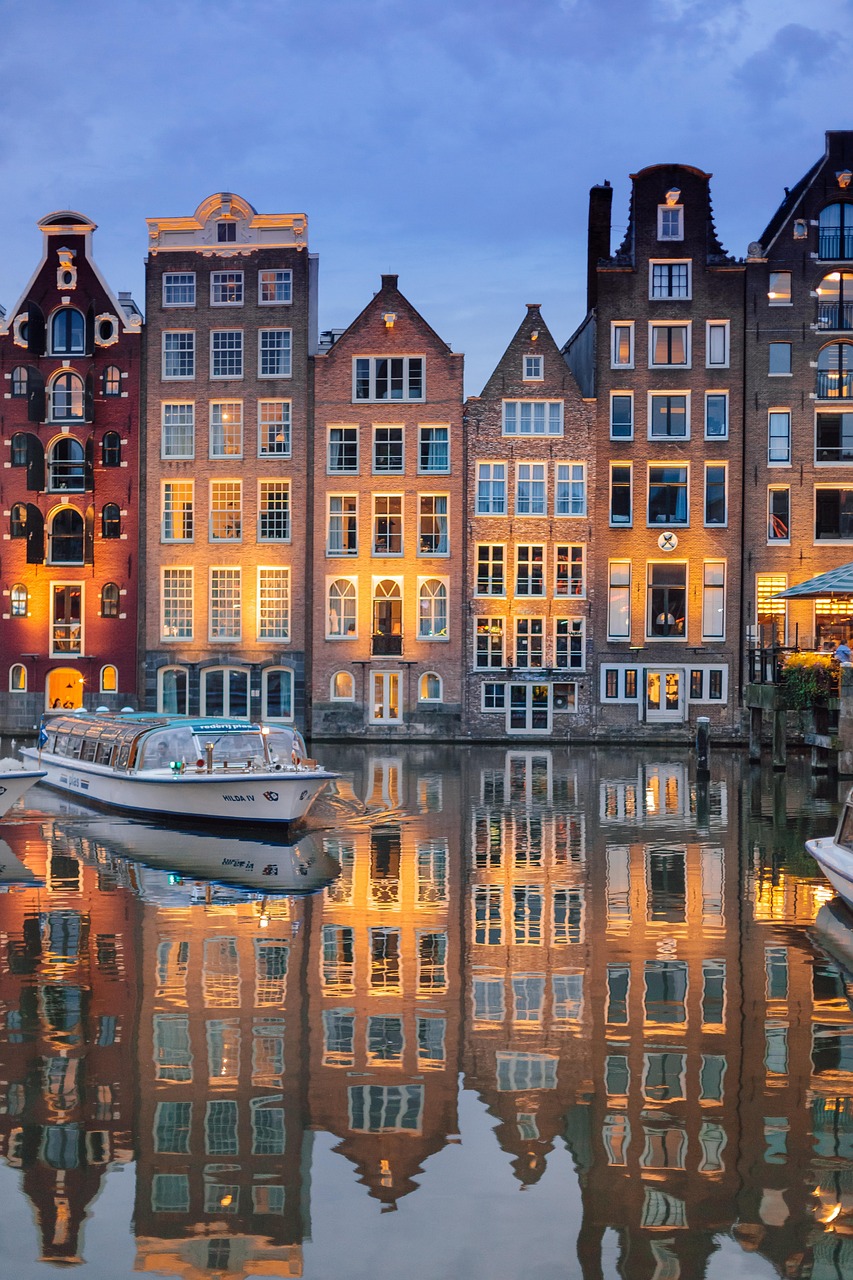
Amsterdam plans to limit cruise ships in its harbor to just 100 in 2026, down from 190 currently, before banning them outright by 2035 as part of measures to counteract nuisance. Amsterdam has banned the construction of new hotel buildings.
In October 2024, Prague banned guided bar-hopping tours after 10pm to reduce disruptions from rowdy tourists, while Budapest voted to ban short-term rentals in certain areas starting January 2026. These coordinated European responses demonstrate the continent-wide nature of the tourism crisis.
Japan: Mount Fuji Under Pressure
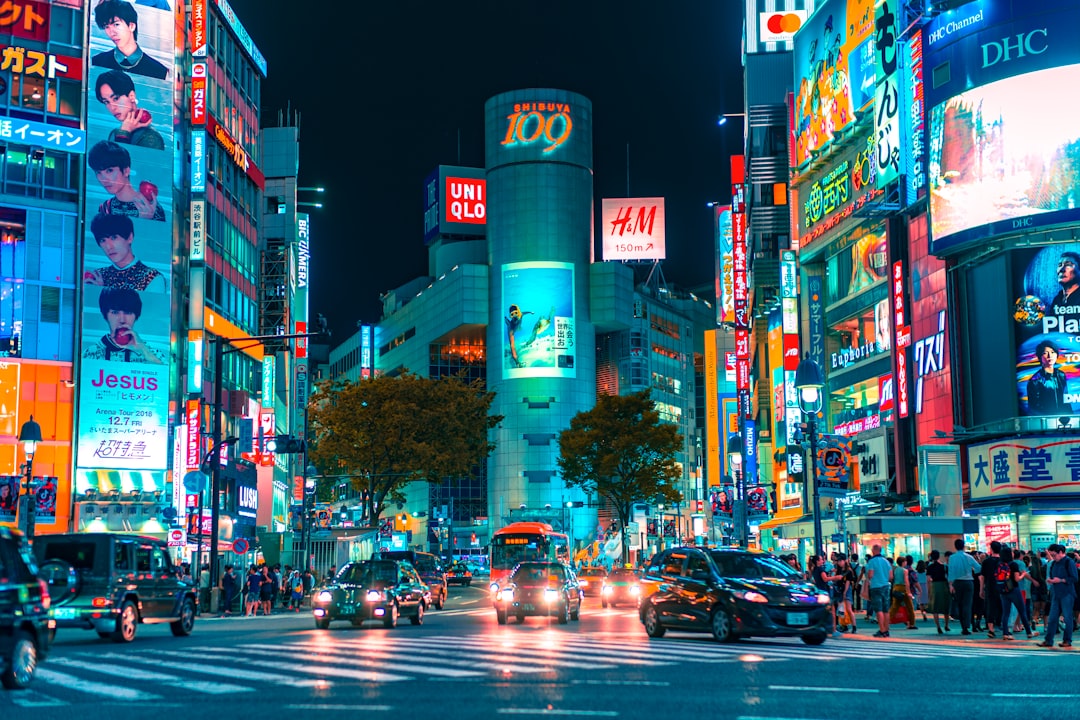
Japan welcomed a record 36.8 million visitors in 2024, though despite the surge in arrivals, Japan still receives far fewer tourists per capita than major tourist destinations such as France, Italy and Spain.
Mount Fuji now requires climbers to pay 2,000 yen ($12.40) per person, with authorities increasing the fee to 4,000 yen ($27) for the 2025 climbing season while maintaining a daily limit of 4,000 climbers on the popular Yoshida Trail. Night climbing is prohibited with the Yoshida Trail closed from 2 p.m. to 3 a.m. daily, while Shizuoka Prefecture requires climbers to attend a safety course and pass a test.
The introduction of Kyoto’s special tourist express bus routes aims to reduce overcrowding while Geisha Districts prohibit visitor access to private streets, with Japan considering nominal fees for incoming tourists and promoting less-crowded destinations.
Indonesia: Bali’s Cultural Protection

Governor Koster issued new guidelines in 2023 for Bali’s development over 2025-2125, focusing on protecting nature, culture, and local people, with the government announcing a ban on tourist activities on all 22 of Bali’s sacred mountains.
In Penglipuran village, the law prevents villagers from selling land to outsiders, preserving traditional life and Bali’s culture. This grassroots approach represents one of the most comprehensive cultural protection strategies implemented anywhere.
Portugal: Following Spain’s Lead
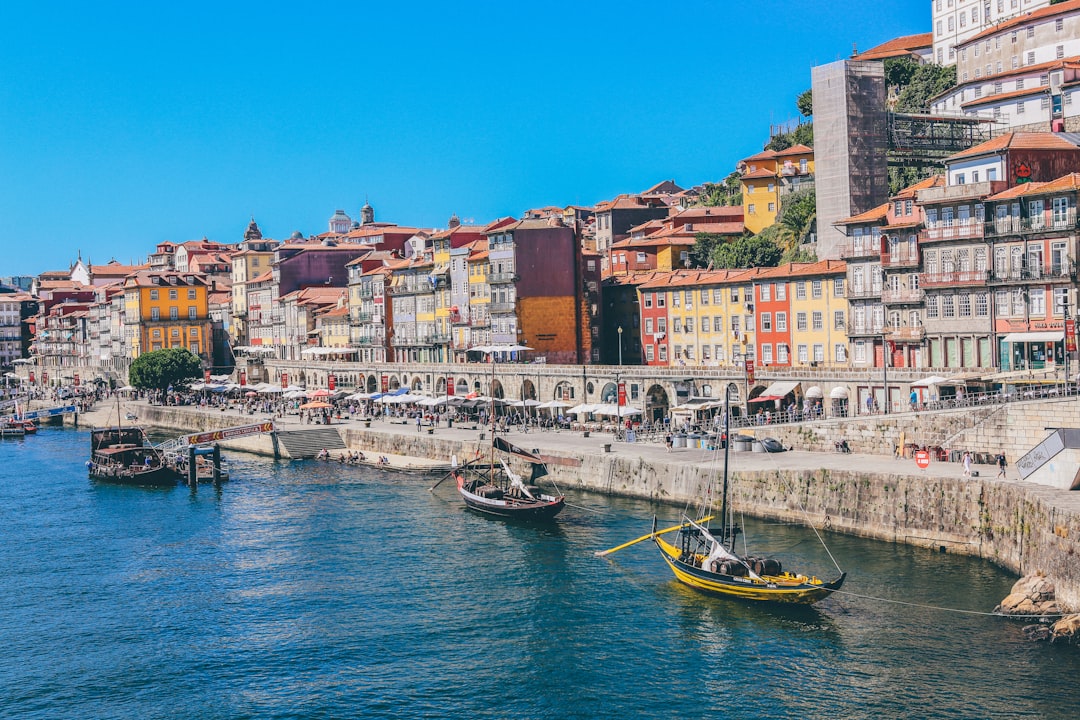
In 2025, similar protests in Portugal are happening with a growing number of the population participating in the protests. Portugal’s tourism crisis mirrors Spain’s housing difficulties, with locals increasingly unable to afford rent in their own cities.
Lisbon and Porto have become particularly challenging for residents, with short-term rental platforms driving up housing costs beyond local incomes. Portugal experienced significant post-pandemic growth, with tourism numbers eclipsing even 2019 figures.
Cyprus: Mediterranean Balancing Act
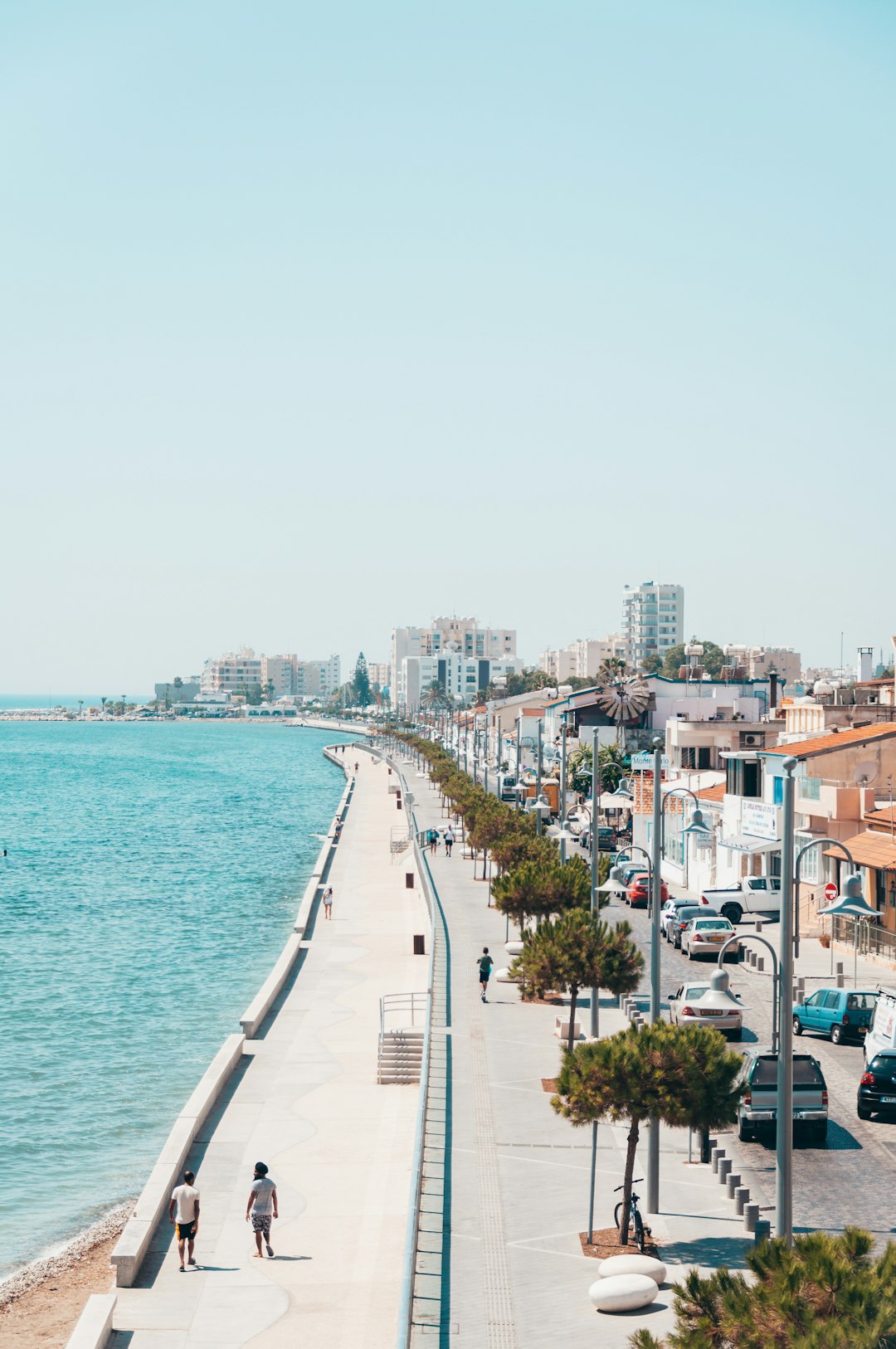
Cyprus is developing comprehensive policies to manage tourist numbers while preserving its Mediterranean appeal, balancing economic dependence on tourism with the need to protect natural resources and maintain quality of life for residents.
Both Cyprus and Malta are following the broader European trend toward sustainable tourism management. Despite being smaller destinations, these Mediterranean islands face the same fundamental challenge of protecting local communities while maintaining economic benefits from tourism.
The rebellion against overtourism has reached a tipping point that tourism boards can no longer ignore. As Caroline Bremner from Euromonitor International notes, “The tide is turning and local councils/governments are taking back control, some going by the book, others through more informal/guerrilla tactics”. 2024 will be remembered as the year tourism came roaring back, but also potentially as the year that marked the beginning of a major backlash against overtourism.
What do you think about these drastic measures countries are taking? Tell us in the comments.