7 Places Where Tourism Strains Daily Life, Studies Say
The dream of traveling to paradise has turned into a nightmare for millions of residents worldwide. What once seemed like a blessing has become an unbearable burden as tourist numbers surge beyond all reasonable limits. Communities that welcomed visitors are now fighting to preserve their way of life against an unstoppable tide of cameras, suitcases, and noise.
Barcelona, Spain: Residents Fight Back with Water Pistols
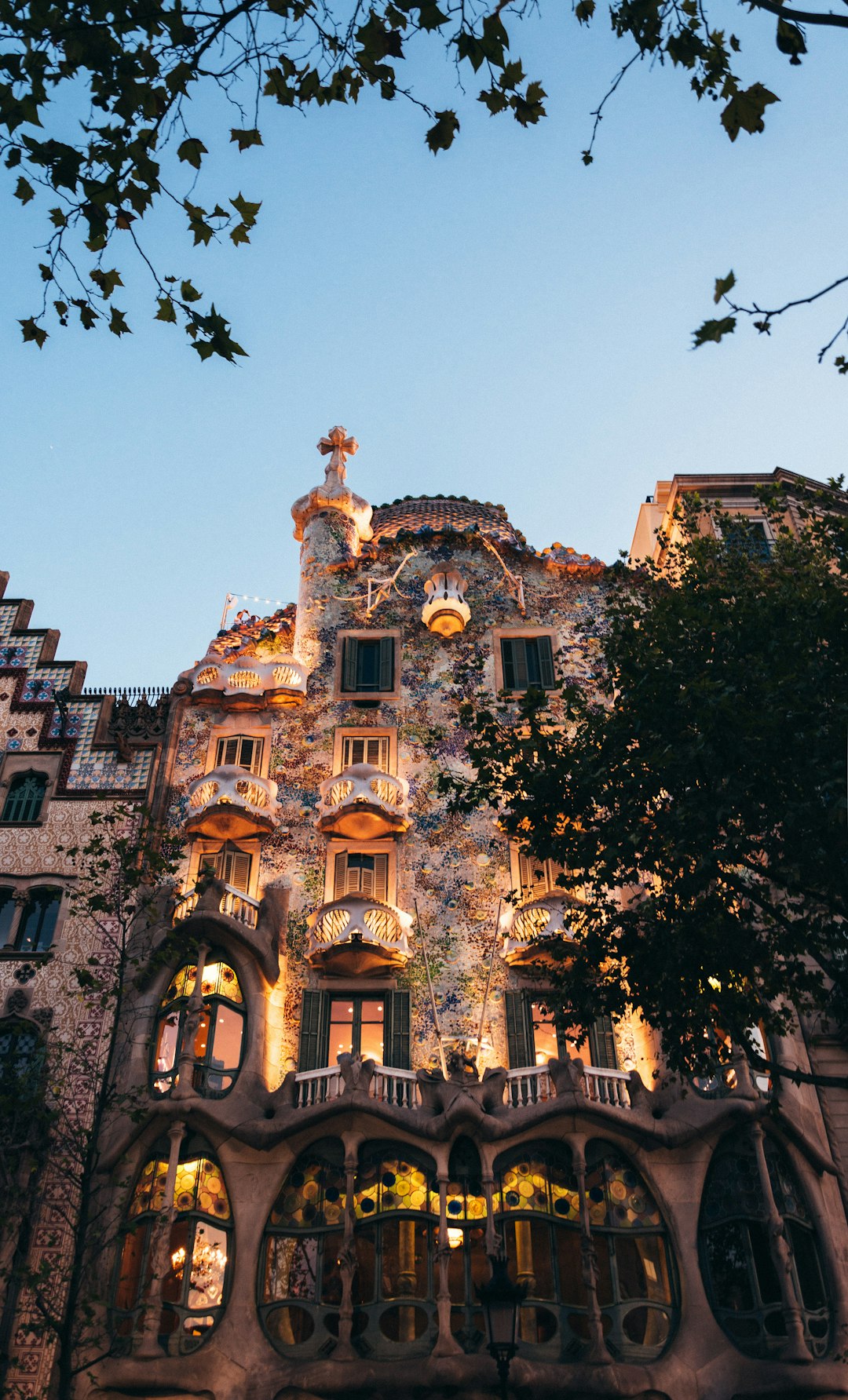
Barcelona, Spain suffered from severe overtourism, which resulted in 3,000 residents protesting on July 6, 2024. The city of just 1.6 million residents welcomed approximately 12.9 million tourists during the first ten months of 2024, according to local tourism authorities. That’s over 10 times the local population, and these numbers don’t even count the cruise ship day-trippers, which add another 1.6 million visitors a year. Locals in Barcelona took to the streets, spraying water pistols at innocent visitors, and protests gripped parts of Mallorca. The situation has become so desperate that residents now consider tourists a direct threat to their survival rather than welcomed guests bringing economic prosperity.
Venice, Italy: Five Euros to Enter a Living City
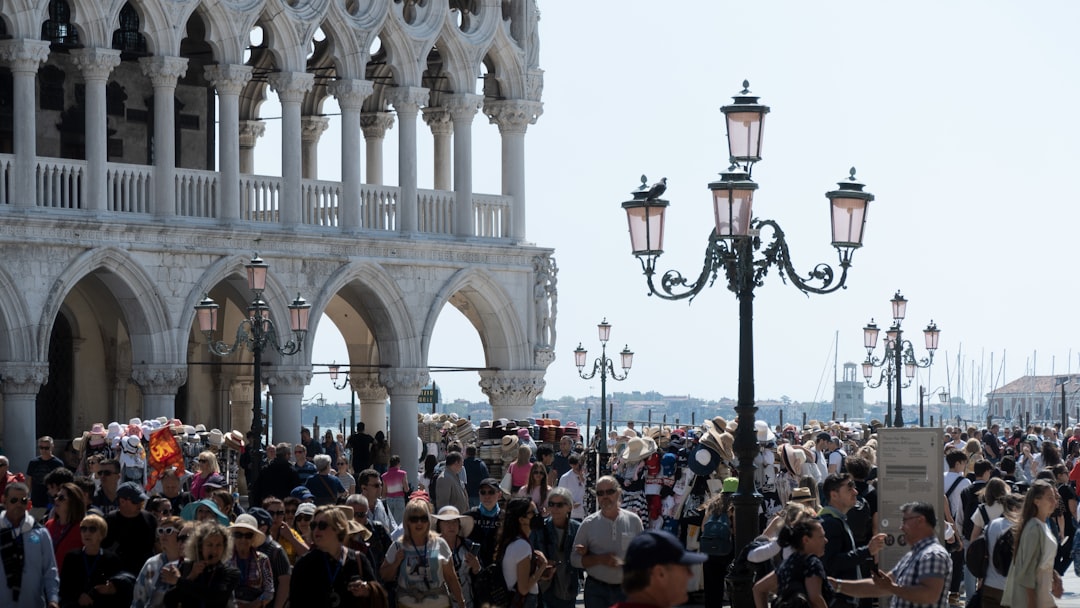
There are now more tourist beds in Venice than residents, with millions of travelers visiting Venice annually, a city of roughly 50,000 residents. Venice became the first city in the world to charge an entry fee for day-trippers, implementing a five euro charge in 2024. So far, the pilot project has not resulted in a reduction in tourist numbers. One city councillor for Venice has called the measure a failure. “The entry ticket measure in Venice has failed miserably because the numbers count and they say that the ticket has in no way lowered the flow of tourists or staggered the arrivals. Neighboring apartments in her residential building near the famed Rialto Bridge once inhabited by families are now short-term apartment rentals. The corner butcher shop closed. Venice residents describe their city as increasingly hollow, emptied of authentic life and transformed into what critics call a theme park.
Bali, Indonesia: Paradise Lost to Property Speculation
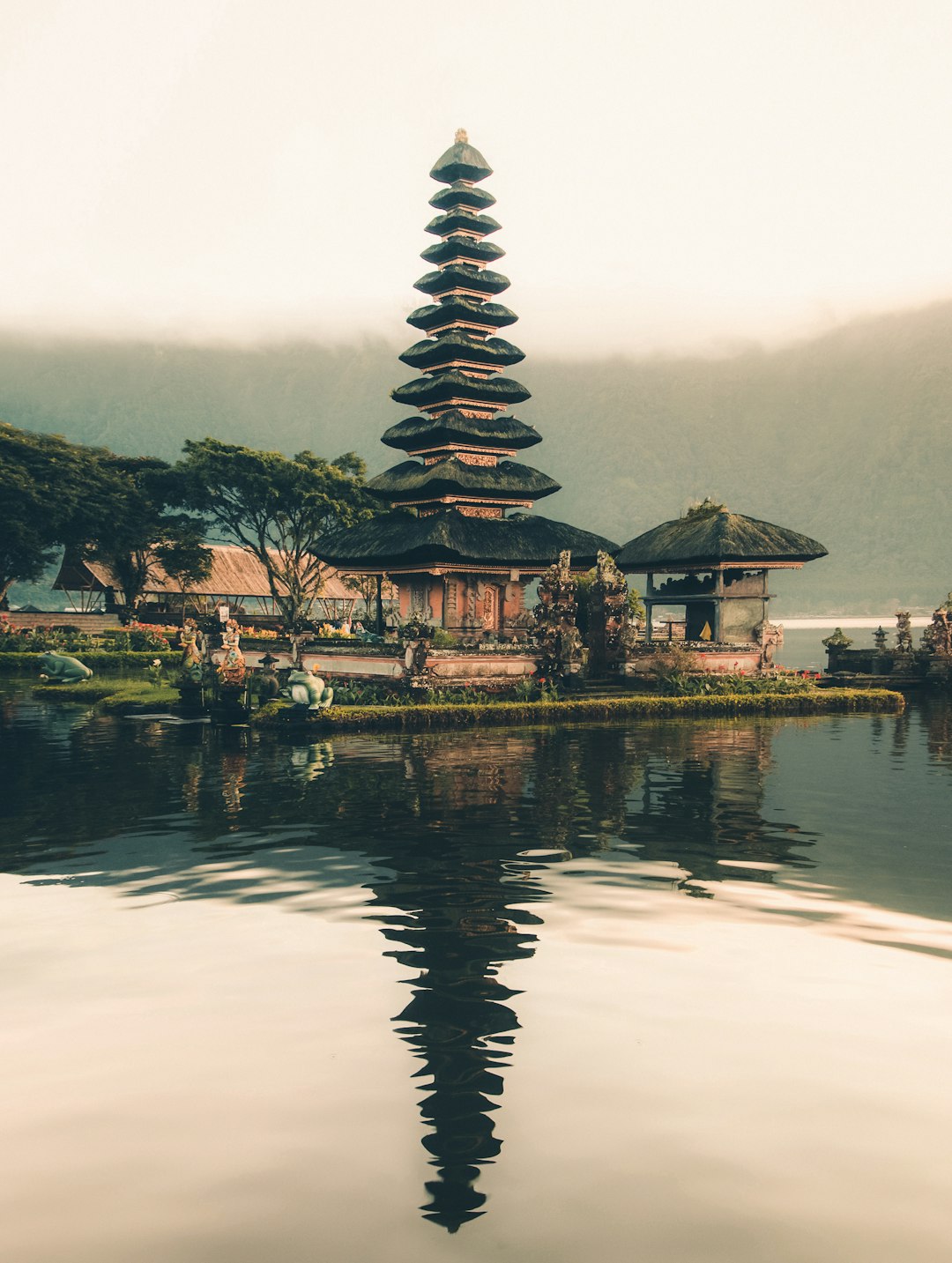
On Bali, the once-idyllic island saw approximately 5.3 million foreign visitors in 2023, sparking heavy backlash. Locals and grassroots activists are protesting the disappearance of sacred paddy fields, illegal construction of resorts, and untreated plastic pollution on beaches. According to data shared by Realinfo, a Bali property data provider, average property prices in Bali have risen by 7% per year in the last five years, driven by high demand and infrastructure development. Further data shows that the annual increase in property prices in Denpasar in September 2024 reached 15.1% compared to the same month in the previous year. This means that this increase is much faster than the inflation rate, with a difference of 11.6%. Additionally, the influx of foreigners has significantly influenced local lifestyles, cost of living, and even property prices, making it increasingly difficult for locals to afford housing in their own land. Local hospitality workers find themselves unable to compete with foreign buyers in their own homeland.
Kyoto, Japan: Cultural Heritage Under Siege
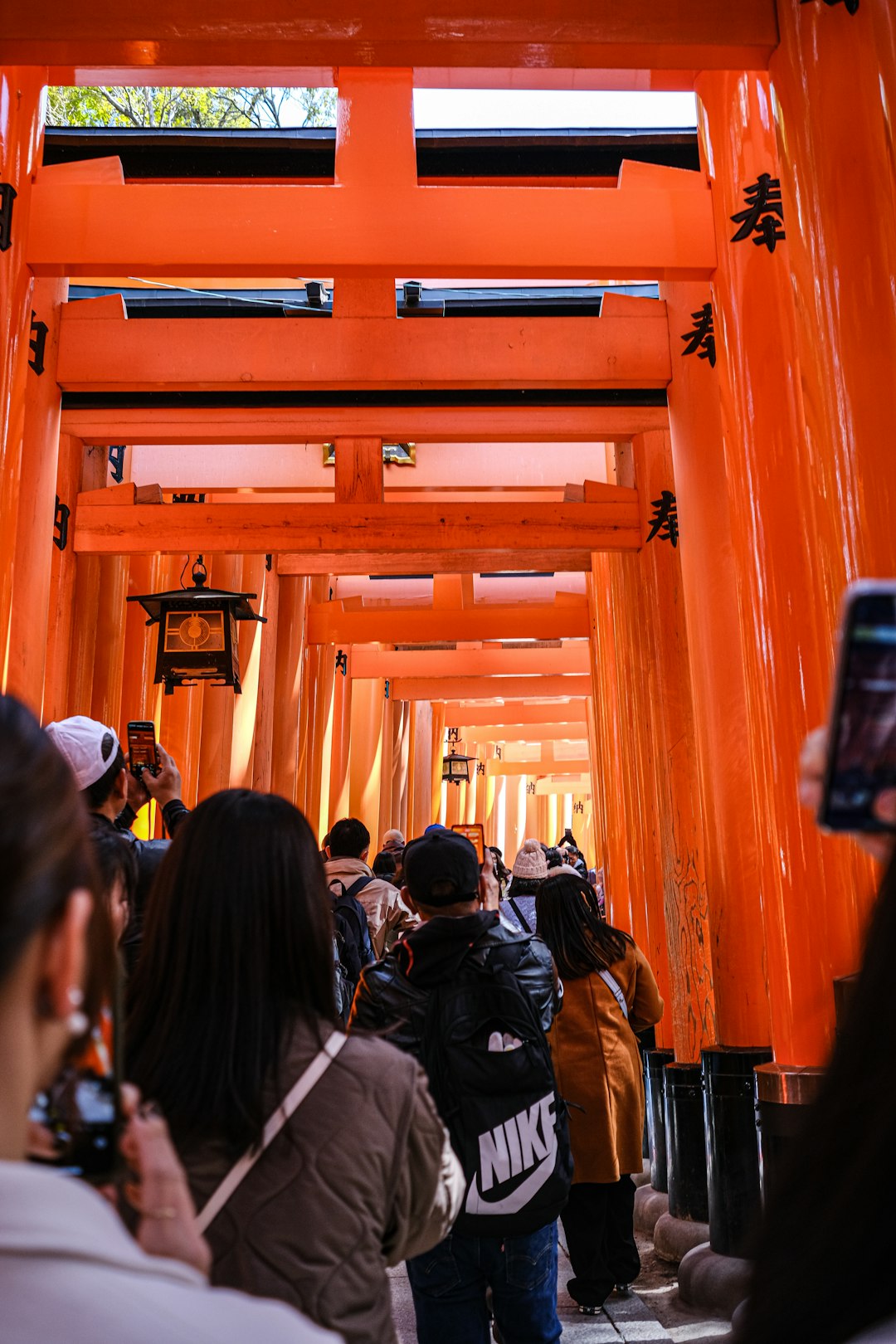
Kyoto, Japan: overtourism has caused social tensions, marginalised residents, and led to a ban on tourists entering private alleys in the Geisha district due to misbehaviour. Despite these efforts, consequences like gentrification, reduced resident quality of life, and emerging homelessness persist. Despite these efforts, consequences like gentrification, reduced resident quality of life, and emerging homelessness persist. In Kyoto, viral footage of runaway crowds in the Sannenzaka district triggered a national conversation about mass tourism. The city is piloting timed entry and encouraging off-peak visits, while issuing fines up to ¥10,000 (~$65) for disruptive behaviour and implementing etiquette campaigns. The ancient capital’s residents watch helplessly as their cultural treasures become overcrowded tourist attractions rather than living spaces for prayer and contemplation.
Amsterdam, Netherlands: Cruise Ships Banned from the Heart
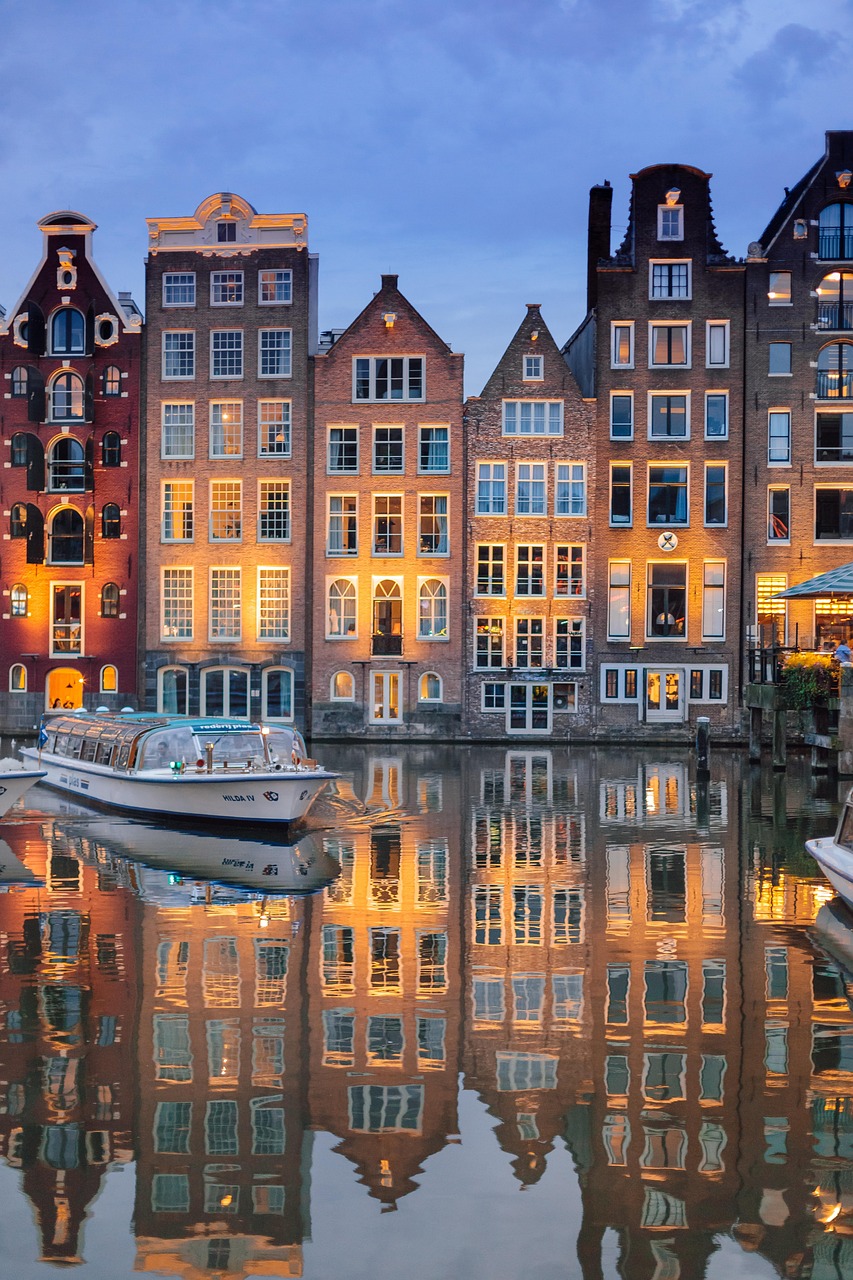
Amsterdam, with over 20 million visitors in 2023, has reacted strongly: banning cruise ships from the inner city, halting new hotel approvals in core zones, and cutting river cruise traffic by 271,000 visits annually. Amsterdam, Netherlands: Ban on new hotel construction to manage tourist numbers and preserve the city’s character. The Dutch capital has become one of the most aggressive cities in fighting back against mass tourism. Short-term rentals were also on the kill list this year as Budapest voted to ban them in October, and parts of Athens decided to stop issuing new short-term rental licenses starting next year. Local residents describe their neighborhoods as unrecognizable, transformed from communities into outdoor shopping malls for international visitors.
Santorini, Greece: Cruise Ship Passengers Overwhelm Tiny Island
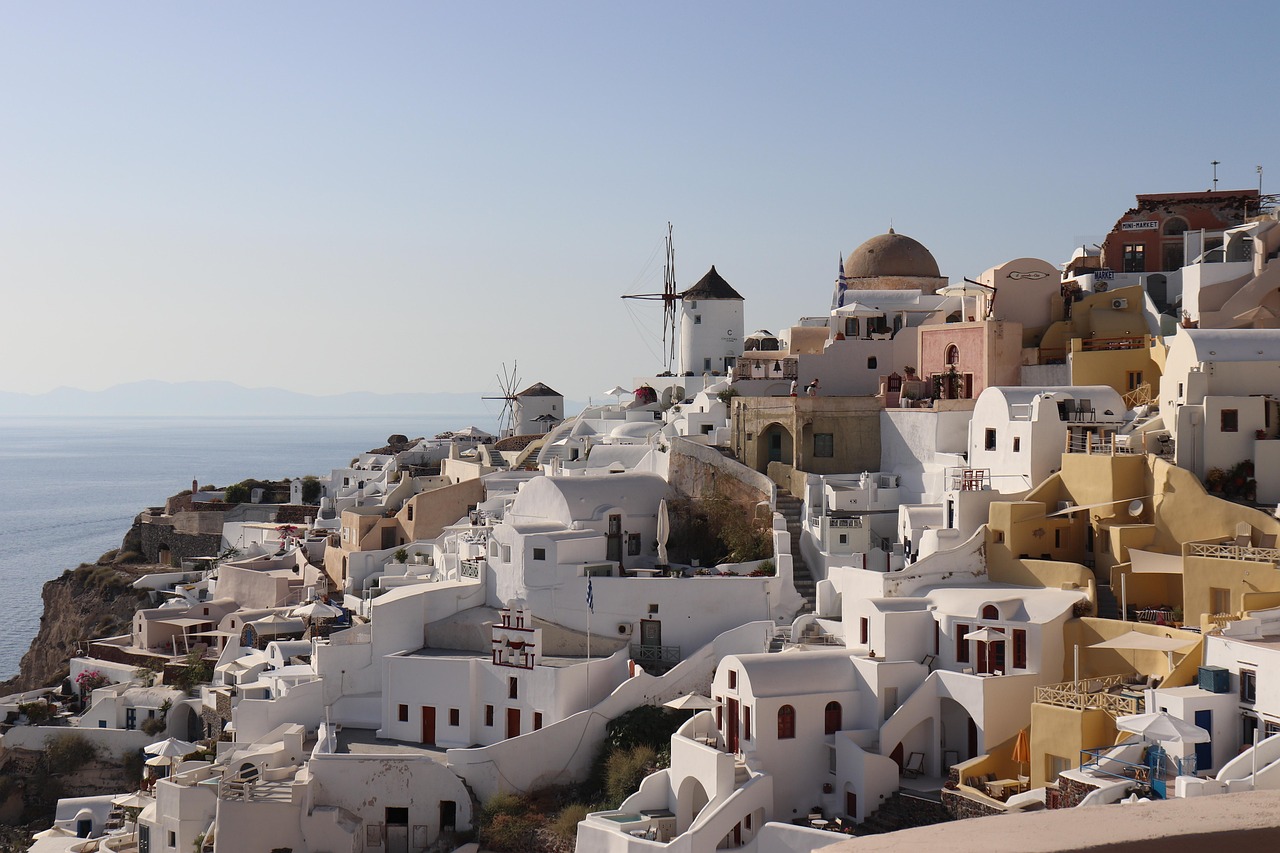
Finally, Santorini, the jewel of the Cyclades, attracted over 2 million visitors in 2024. Residents have staged protests to “send cruise ships home”, while the Greek government has introduced €20-per-cruise-passenger fees, cruise docking limits, and sustainable tourism plans. In Greece, residents in Athens and Paros have protested against overtourism, accusing tourists of displacing locals and diluting the city’s character on islands like Santorini and Mykonos. The famous sunset views that made Santorini Instagram-famous have become impossible to enjoy peacefully. Residents must navigate through crowds just to reach their homes, while basic services like waste management collapse under the pressure of visitor numbers that dwarf the permanent population during peak season.
Dubrovnik, Croatia: Game of Thrones Fame Becomes a Curse
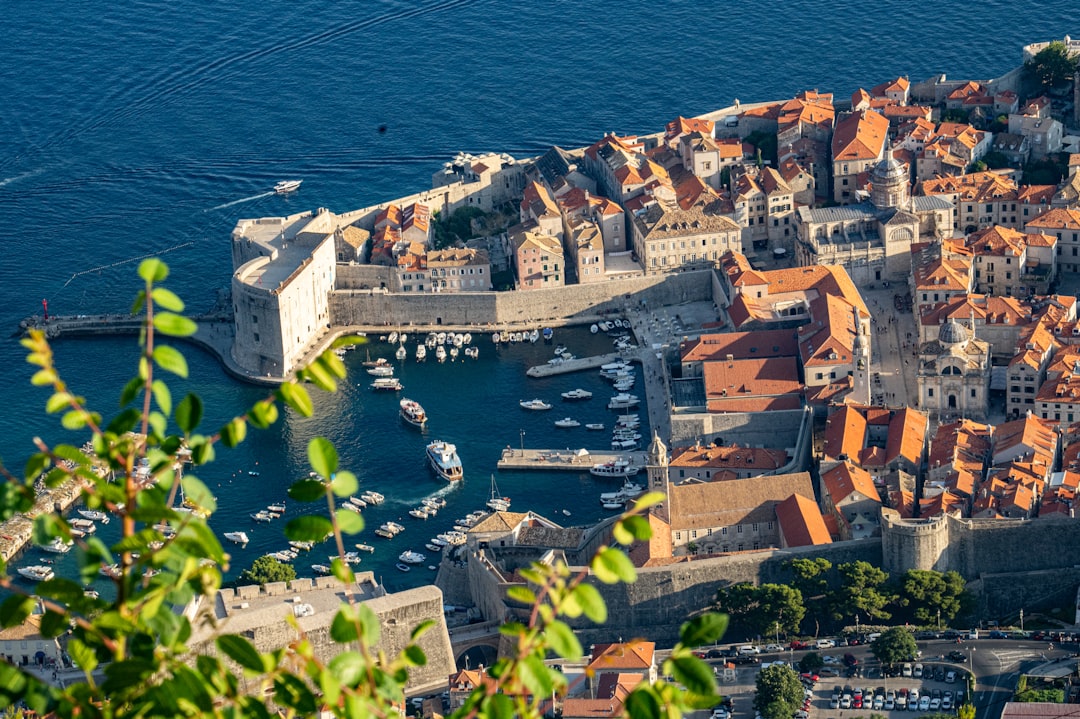
In Dubrovnik, a stop on high‑season cruise itineraries, locals now face capped cruise docks and bag-screening slots in the Old Town. The Croatian city gained international fame as a filming location but struggles with the consequences of its popularity. Residents describe feeling like prisoners in their own city, unable to move freely through streets packed with tour groups. The “Respect the City” initiative encourages quieter tourism, telling cruise passengers, “Don’t be just a backdrop for selfies.” Local families find themselves priced out of the historic center they’ve called home for generations, forced to relocate as their neighborhoods become open-air museums rather than living communities.
The pattern emerges clearly across all seven destinations: tourism has crossed the line from economic opportunity to existential threat. Not only do the natural landscapes, degrading historic sites, and historic sites suffer, but local communities often pay the price too, with rising costs of living and disruptions to everyday life. What started as a way to share cultural treasures with the world has become a force that destroys the very communities that created those treasures. The question now isn’t whether these places should welcome tourists, but whether they can survive the love that’s slowly killing them. What do you think about it? Tell us in the comments.