5 Grocery Store Tricks Shoppers Commonly Overlook, Former Employees Report
Walk into any supermarket and you’re entering a carefully orchestrated psychological battlefield. Former employees have shared insights that reveal just how deliberate these retail environments truly are. Every shelf placement, every discount sign, and even the path you take through the store has been meticulously planned to influence your spending habits.
The Eye-Level Manipulation Zone Most Shoppers Miss
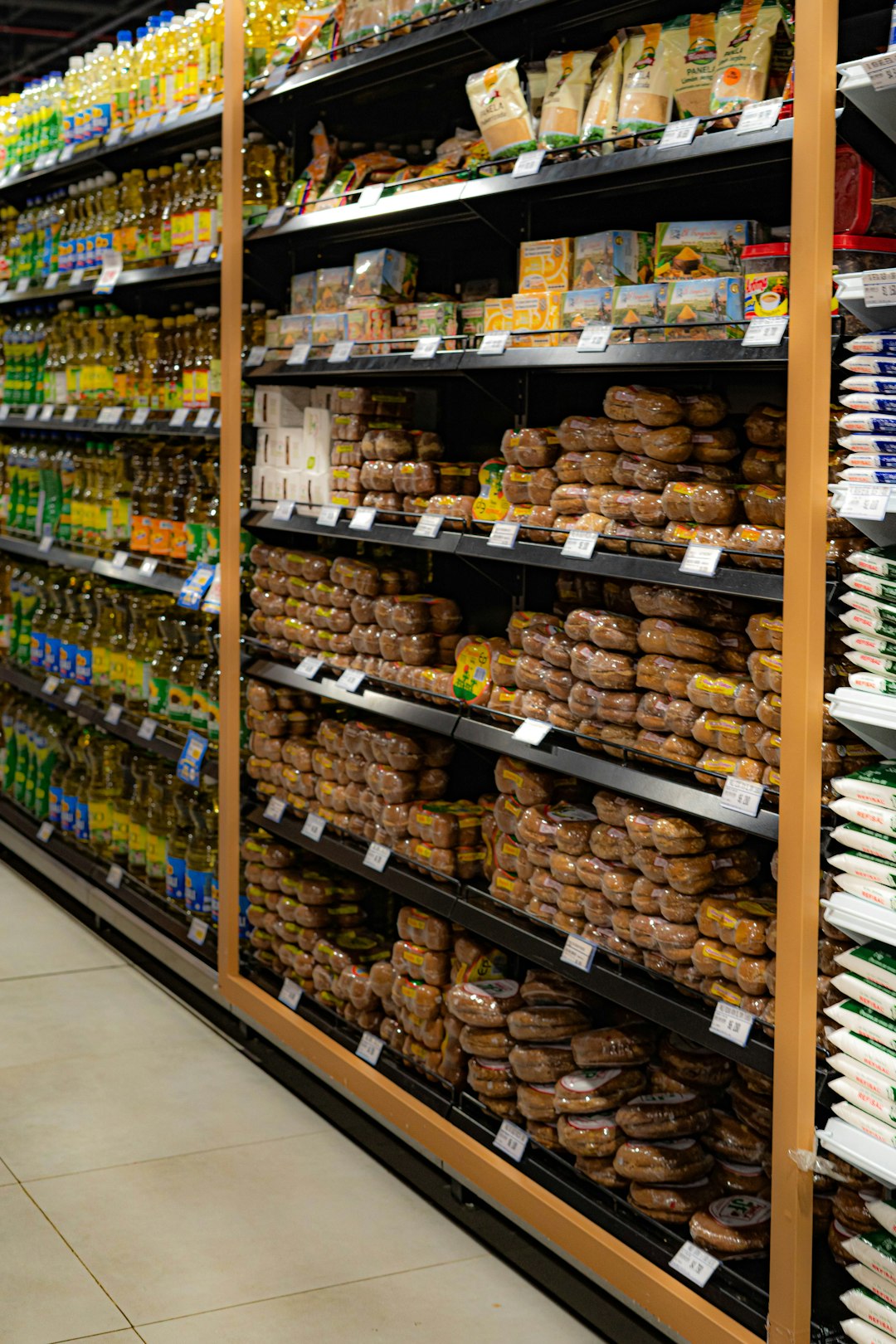
Premium brands and expensive products are strategically placed at eye level, approximately 4 to 5 feet from the floor, because retailers know shoppers are more likely to purchase items they see first. Companies pay premium fees to secure eye-level shelf placement, with costs varying significantly by retailer and product category. Meanwhile, cheaper options like store brands and generics are deliberately positioned on higher and lower shelves, out of your immediate line of sight.
This isn’t coincidence. Eye-tracking research shows we naturally look lower than eye level to somewhere between waist and chest level, making this “grab-level” space the most expensive retail space for consumer goods companies. Research has found that cereals placed at children’s eye level with colorful mascots showed increased sales compared to those on higher or lower shelves.
The Fresh Produce Rotation Secret That Costs You Money
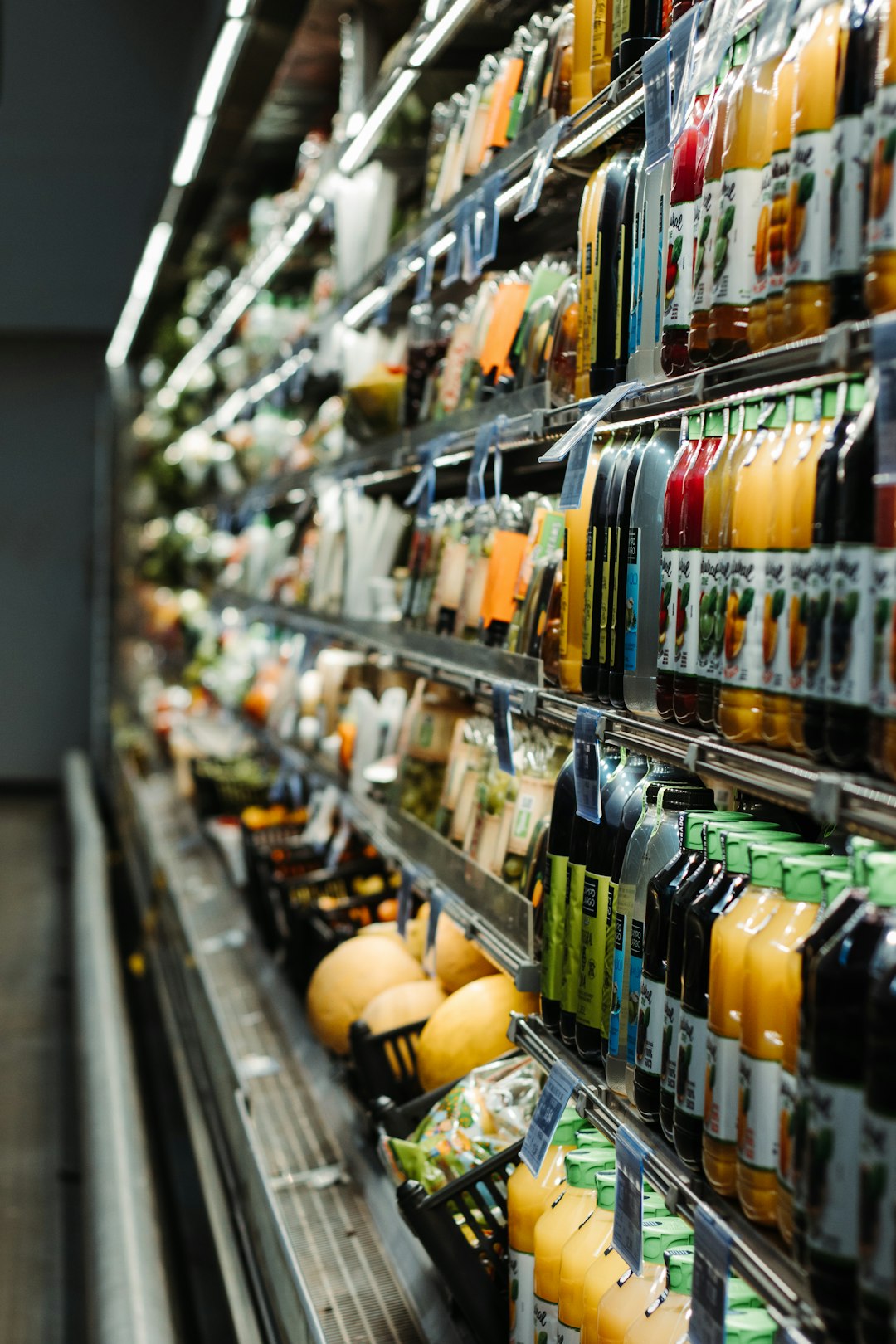
Former employees reveal that stores use a practice called “First In First Out” (F.I.F.O), placing newer products behind older ones on shelves, but savvy shoppers can get the freshest items by reaching to the way back. Most shoppers grab the closest items without checking dates, leading to faster spoilage at home. This simple oversight means you’re often buying produce and dairy products that expire sooner than necessary.
The psychological trick works because we’re conditioned to grab and go. If you know the right way to store fresh produce after selecting the freshest options, you can make those vegetables really last. Yet most shoppers never think to reach behind the front row of products.
Checkout Lane Psychology That Drives Impulse Spending
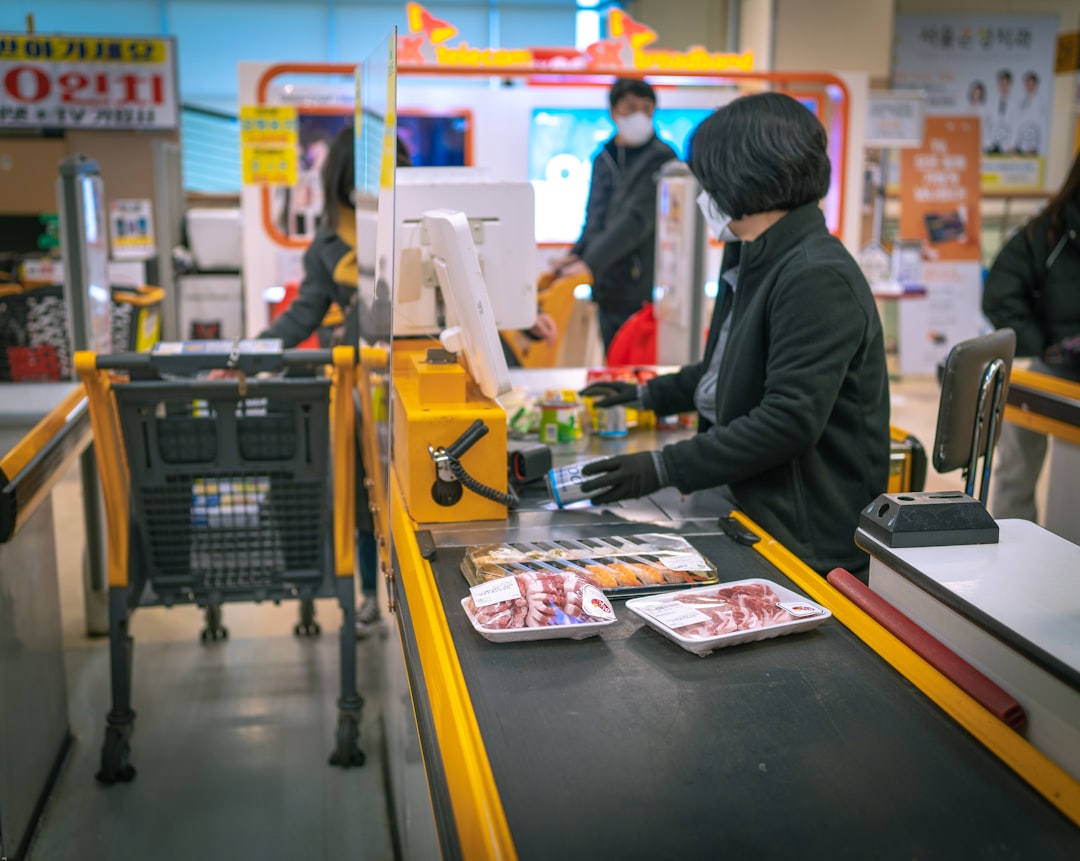
Impulse purchasing accounts for approximately 40-60% of supermarket sales according to retail studies. The checkout area represents the “golden zone” where our propensity to spend on impulse is highest because our brains are exhausted at this point and stores lavish checkouts with particularly desirable products which are harder to resist. About 60% of shoppers expect single-serve candy to be stocked at checkout, and a quarter of all candy sales occur there, though candy conversion at self-checkout is half of standard checkout.
Research shows that shoppers who use self-checkout lanes are more likely to stick to their shopping list, making fewer impulse purchases overall when using self-checkout instead of staffed lanes. Stores are aware of this dynamic and strategically place employees to maximize impulse sales opportunities.
The Multi-Buy Marketing Illusion
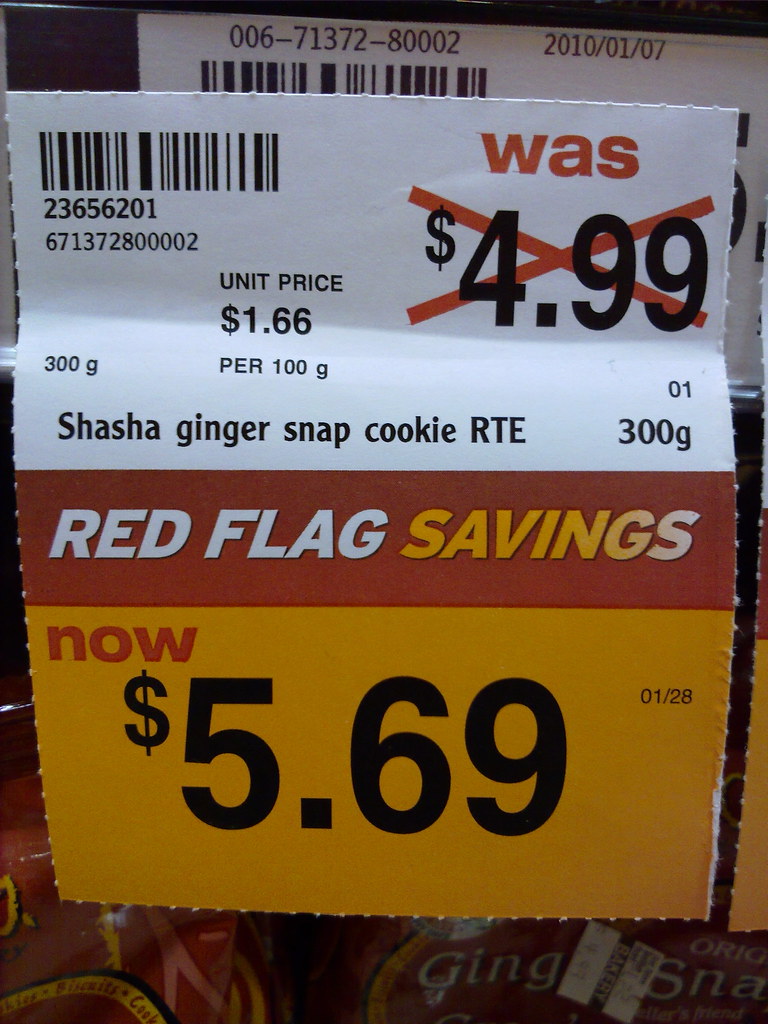
One of the biggest misconceptions shoppers have is believing they must buy multiple items to get advertised deals like “10 for $10” when often you only need to buy three to pay just $3, though this varies by retailer and specific promotion terms – it’s just another way to trick you into buying more items. This psychological pricing strategy exploits our assumption that bulk deals require bulk purchases. The classic penny pricing trick also manipulates perception, where $4.99 seems significantly cheaper than $5.00 despite being only one cent less.
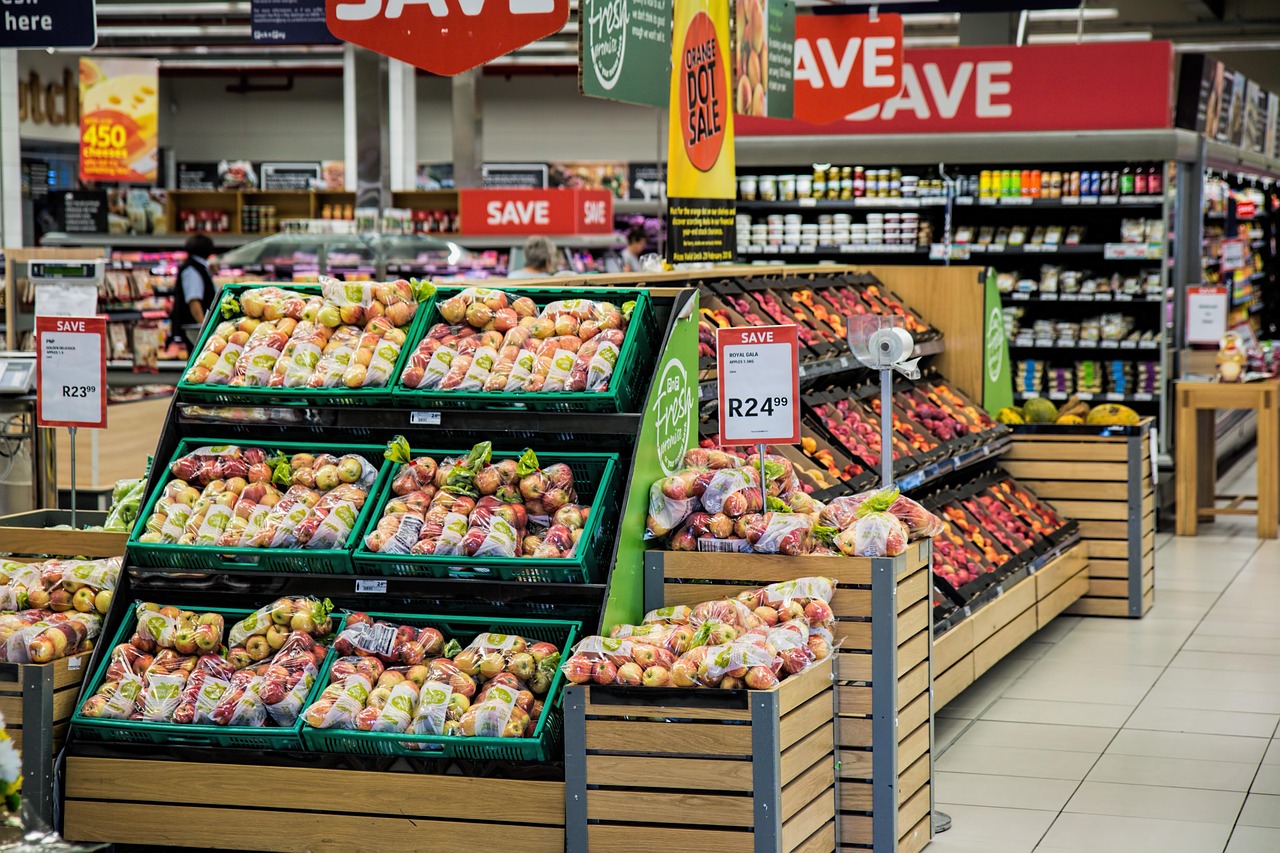
Flashy sale signs and stickers are designed to distract your attention from similar products on the same shelf that could actually be cheaper, so the advertised “sale” item might not be the best deal available. Former employees report that these visual distractions are deliberately placed to prevent price comparison shopping within the same product category.
The Data Collection Hidden Behind Loyalty Programs
Many grocery store loyalty programs offer exclusive discounts but come at the expense of your data collection, with retailers tracking shopping habits and sometimes selling this information, then creating tailored offers that appear to be good deals but are actually just customized to items you normally buy. Former retail experts suggest using email aliases like “[email protected]” when signing up for store accounts, so emails still reach your inbox but you can track exactly who is using or sharing your information based on the unique alias.
The sophistication of this data tracking extends beyond simple purchase history. Stores analyze everything from how long you spend in each aisle to which products you pick up but don’t purchase. This information creates detailed psychological profiles that inform everything from product placement to personalized coupon offers, making your shopping experience feel customized while actually being carefully manipulated.
These revelations from former grocery store employees highlight the intricate psychology behind modern retail environments. The next time you shop, remember that nearly every element of your experience has been designed to influence your purchasing decisions. What tricks have you noticed during your own grocery store visits?